Our verdict
Yori occupies a address in Vienna's first district, placing it within the dense concentration of serious dining that defines the Innere Stadt. The menu's architecture signals a kitchen with a clear point of view, operating in a city where Korean and East Asian formats have carved a distinct niche alongside Austria's long-established fine dining tradition. A considered choice for those tracking where Vienna's restaurant scene is expanding its range.

Pearl is the En Primeur Club membership app, where members save venues, book tables and use the concierge.
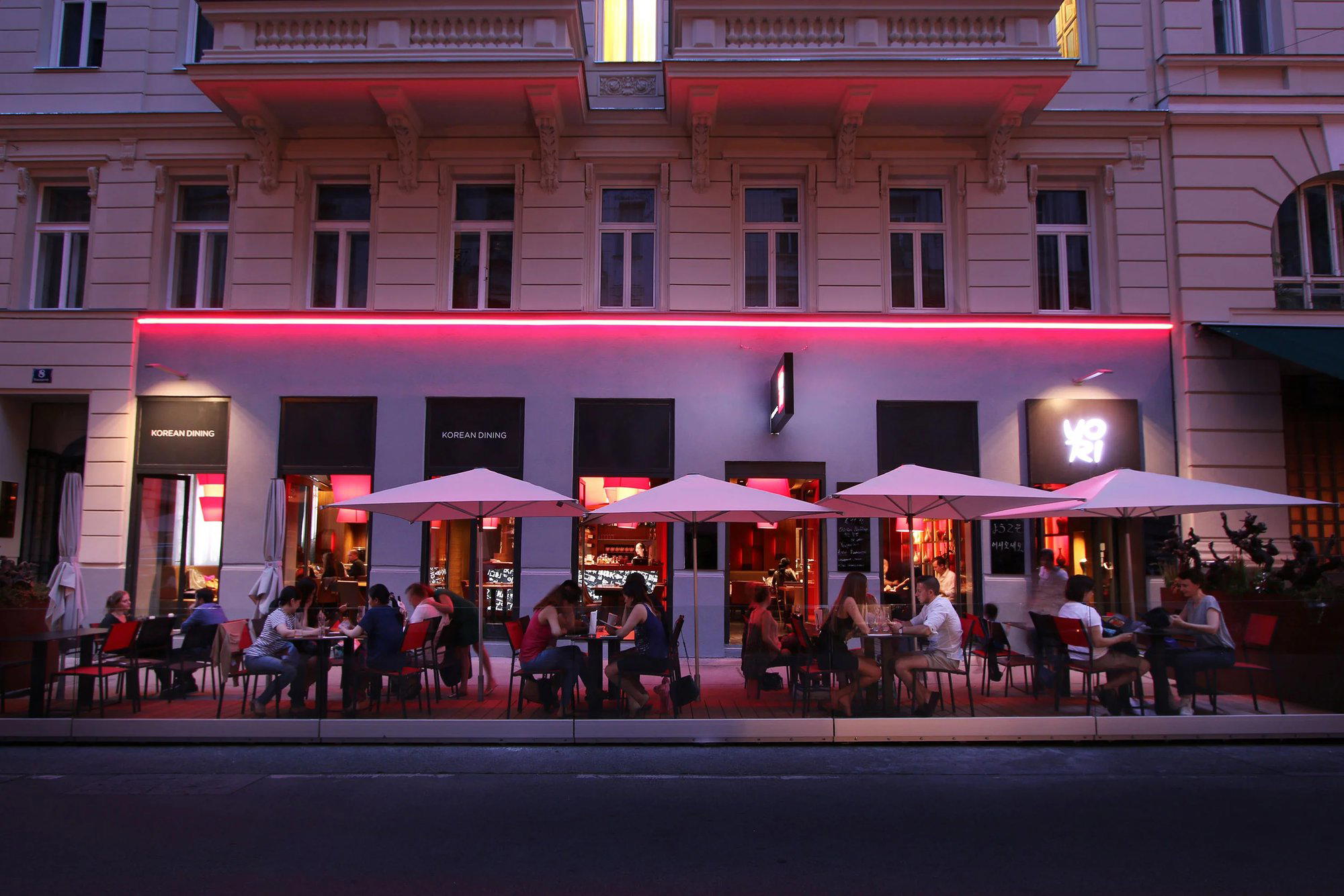
Korean Dining in Vienna's First District: A Scene in Context
Vienna's first district has long been the gravitational centre of the city's serious dining. The Innere Stadt holds addresses like Steirereck im Stadtpark, Amador, and Konstantin Filippou, all operating at the €€€€ tier where tasting menus and creative European technique set the tone. Within that environment, Korean and Korean-influenced restaurants occupy a different but increasingly visible position: they tend to run shorter menus, share plates more freely, and draw on a cooking tradition that centralises fermentation, charcoal, and composed banchan in ways that European fine dining rarely attempts. Yori, at Wiesingerstraße 8, sits inside that first district concentration and the question worth asking is not simply what it serves, but how it has structured what it serves, and what that structure reveals about the kitchen's priorities.
Menu Architecture as Editorial Statement
In Korean restaurant formats globally, the menu often functions as a kind of argument. At the more casual end, it lists proteins by cut and leaves the table to assemble. At the more considered end, the kitchen asserts sequence: cold dishes before warm, fermented elements as punctuation rather than afterthought, grilled proteins placed where they can anchor without overwhelming. The structural discipline of a Korean menu, when applied with precision, communicates the kitchen's reading of the tradition as much as any individual dish does.
What is clear from the address and format is that the kitchen operates in a city where Korean dining has gone through the same bifurcation visible in London, Paris, and New York: a split between high-volume casual formats serving bibimbap and fried chicken alongside beer, and more restrained rooms where the menu is edited tightly and the sourcing decisions are made explicit. The latter tier, which includes operations like Atomix in New York City, has demonstrated that Korean cooking supports a fine-dining register without needing to approximate European form. Vienna's version of that conversation is still developing, and Yori is part of the addresses where it is being held.
Where Yori Sits in Vienna's Broader Dining Map
The creative and modern-cuisine restaurants that dominate Vienna's upper tier, places like Mraz & Sohn and Doubek, are working within a tradition that prizes Austrian product, classical French technique, and seasonal restraint. That tradition is deep-rooted and well-documented. Korean cooking, by contrast, brings a different set of structural assumptions: fermentation cycles measured in months rather than days, spice profiles built on gochugaru and doenjang rather than the herb-forward palettes of Central European kitchens, and a relationship to rice and vegetable matter that places them at the centre rather than the margin of a meal.
That contrast is part of what makes a Korean address in Vienna's first district editorially interesting. The city's dining scene has historically been more resistant to non-European cooking traditions at the serious end of the market than cities like Berlin or Amsterdam. That resistance has softened over the past decade, and Wiesingerstraße 8 is one data point in that shift.
For Austrian regional dining context, the country's fine dining tradition extends well beyond Vienna. Döllerer in Golling an der Salzach, Obauer in Werfen, and Ikarus in Salzburg all represent a specifically Austrian fine dining register that Yori is not competing with directly.
The First District Address
Wiesingerstraße is a short street in the inner city, close to the Stadtpark edge of the first district. The surrounding area includes a density of international and European restaurant formats, from Viennese coffee house traditions to contemporary European tasting menus. A Korean room in this neighbourhood is not chasing tourist foot traffic from the major sights; it is positioning itself for a dining public that moves deliberately toward its chosen address. That is a different operating logic than a Korean restaurant in a transit-heavy district, and it tends to attract guests with a clearer prior commitment to the format.
For those building a Vienna itinerary around serious dining, the first district geography means Yori can be combined with nearby high-end options without significant travel. The full Vienna restaurants guide maps the broader pattern of where the city's most considered dining is concentrated.
Korean Fine Dining in Comparative Context
The global trajectory of Korean fine dining has been documented most visibly in New York, where Atomix holds two Michelin stars and operates a tasting menu format that sequences Korean ingredients and technique through a Western fine-dining chassis. In Europe, the equivalent conversation is happening in London and Paris with greater visibility than in Vienna, which has fewer Korean fine dining addresses. That relative scarcity means Yori operates without the competitive density that forces differentiation in larger markets, but it also means the format is less established in the city's dining culture and requires more active discovery from guests unfamiliar with what a serious Korean menu offers.
Restaurants in the Austrian alpine region like Gourmetrestaurant Tannenhof in Sankt Anton am Arlberg, Griggeler Stuba in Lech, Kräuterreich by Vitus Winkler in Sankt Veit im Pongau, Schwarzer Adler in Hall in Tirol, Restaurant 141 by Joachim Jaud in Mieming, Landhaus Bacher in Mautern an der Donau, and Ois in Neufelden represent a different strand of Austrian dining entirely, rooted in regional product and landscape. Yori's frame of reference is not that strand; its closest comparisons are international.
Planning Your Visit
Address: Wiesingerstraße 8, 1010 Wien, Austria. Reservations: Dress: No confirmed dress code; first district dining in Vienna generally trends toward smart casual at minimum. Budget: Timing: No confirmed hours available; check before visiting, particularly for lunch service availability.
Frequently asked questions
What part of town is Yori in?
Yori is located at Wiesingerstraße 8, 1010 Wien, Austria, Vienna.
How does Yori compare to other Korean restaurants in Vienna?
Korean fine dining in Vienna is a thin category, globally, the benchmark is set by two-Michelin-star operations like Atomix in New York, and Central European cities have lagged behind. Yori's location in the 1010 district, surrounded by addresses like Steirereck im Stadtpark, places it in a dining environment that few Korean restaurants in Austria share. That address alone signals an intent to compete within the city's upper dining tier rather than its casual ethnic-food corridor.
What's the must-try dish at Yori?
Korean restaurant formats globally tend to centre on proteins by cut, fermented accompaniments, and set or semi-set courses, contact Yori directly at Wiesingerstraße 8 or check current listings to confirm what the kitchen is leading with.
Is Yori reservation-only?
Booking policy has not been confirmed in available data. Given the address in Vienna's first district, a neighbourhood where demand consistently outpaces covers, securing a table in advance is the safer approach. check the venue's official channels to confirm current reservation requirements.
What's Yori best at?
Yori occupies a position in Vienna's first district that Korean restaurants rarely reach in Central European cities, close to Stadtpark in a neighbourhood that holds some of Austria's most referenced dining addresses.
Can Yori adjust for dietary needs?
Korean menus often involve fermented and shared components that require kitchen-level adjustments rather than simple substitutions. Reach out to Yori at Wiesingerstraße 8, 1010 Wien to discuss specific requirements before visiting.
Reputation First
Comparable venues nearby, for context on price, style, and recognition.
| Venue | Cuisine | Price | Notes |
|---|---|---|---|
| YoriThis venue (the venue you are viewing) | Korean BBQ | $20–30 | Not listed |
| dodo62 | Authentic Korean Street Food | Not listed | Josefstadt |
| Der schöne Ernst | Viennese Café & Aperitivo Bar | $10–20 | Praterstern Wien Nord |
| KitchA Sticks & Rolls | Modern Asian Fusion Sushi | $20–30 | Stephansdom |
| Supersense | Cafe | $20–30 | Praterstern Wien Nord |
| trude & töchter | Modern Viennese | Not listed | Staatsoper |
Continue exploring
More in Vienna
Restaurants in Vienna
All restaurants in Vienna →
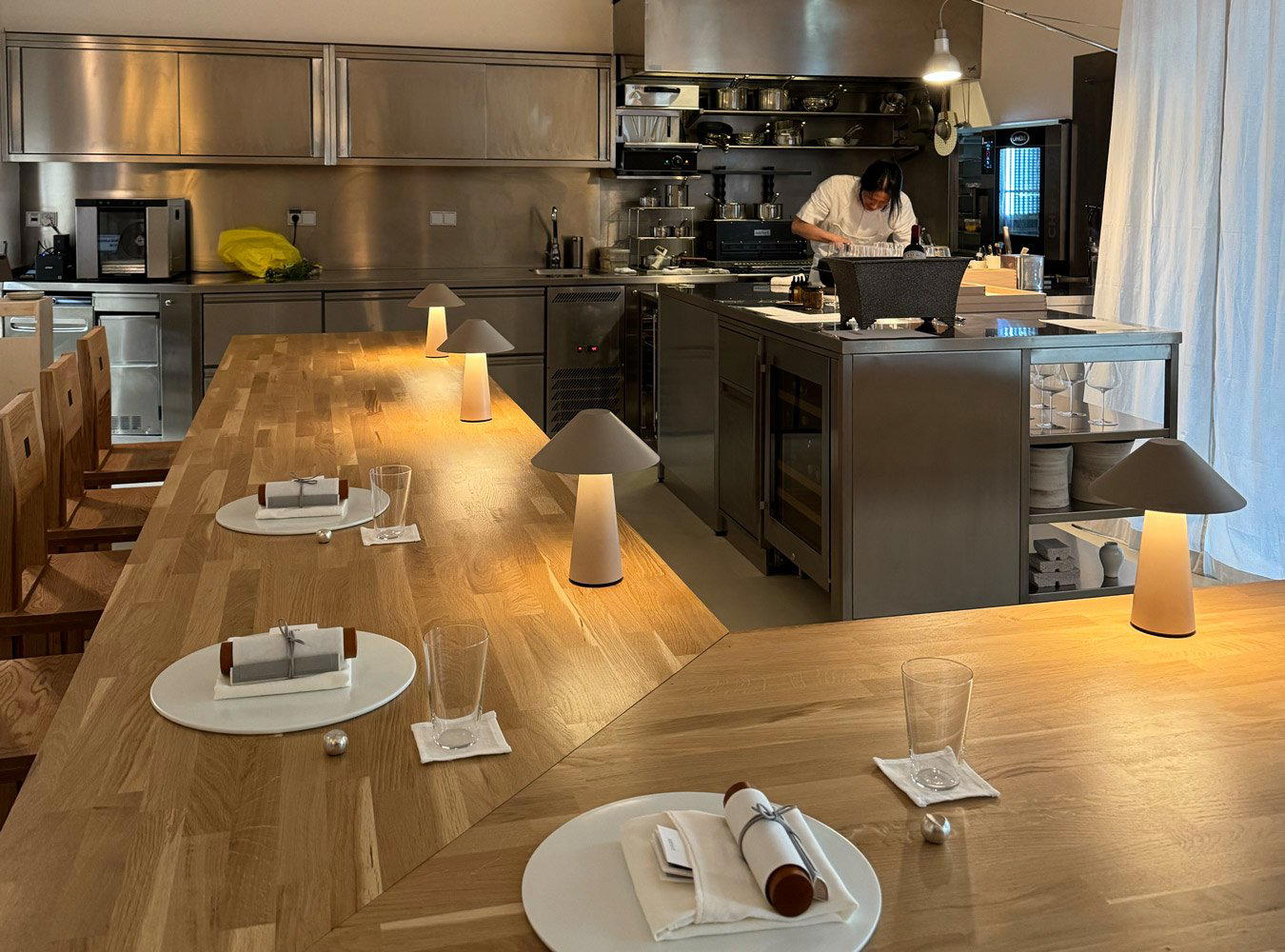
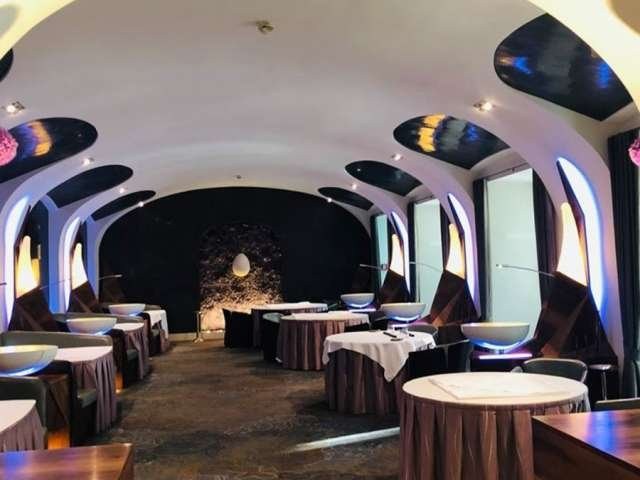
Bars in Vienna
All bars in Vienna →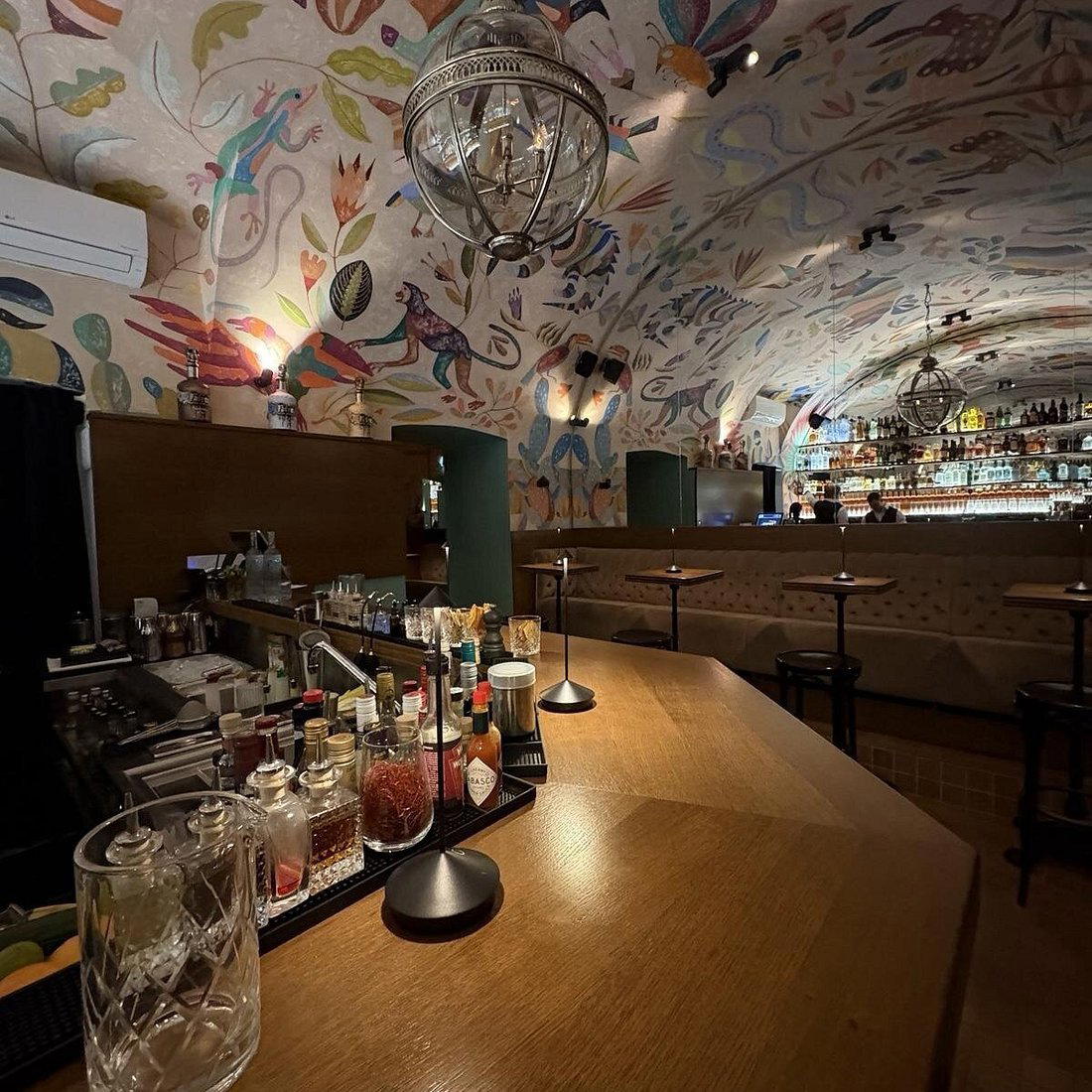
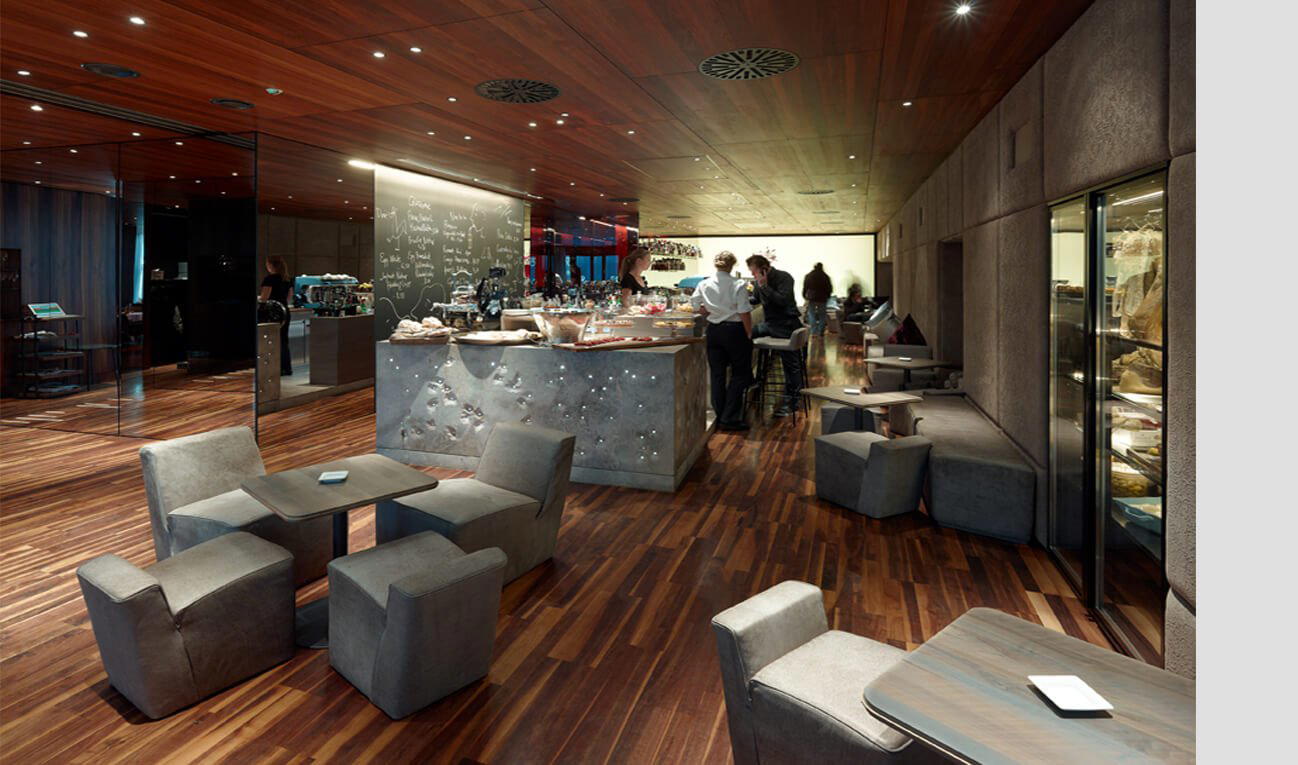
Hotels in Vienna
All hotels in Vienna →
Details
- Cozy
- Modern
- Intimate
- Trendy
- Date Night
- Group Dining
- Casual Hangout
- Open Kitchen
- A La Carte
- Small Plates
- Vegetarian Friendly
- Vegan Options
- Gluten Free Options
Current opening hours
- Monday
- 11 AM–3 PM, 6–11 PM
- Tuesday
- 11 AM–3 PM, 6–11 PM
- Wednesday
- 11 AM–3 PM, 6–11 PM
- Thursday
- 11 AM–3 PM, 6–11 PM
- Friday
- 11 AM–3 PM, 5:30–11 PM
- Saturday
- 11 AM–3 PM, 5:30–11 PM
- Sunday
- 11 AM–11 PM
Hours can change for holidays and private events. Hours as of .
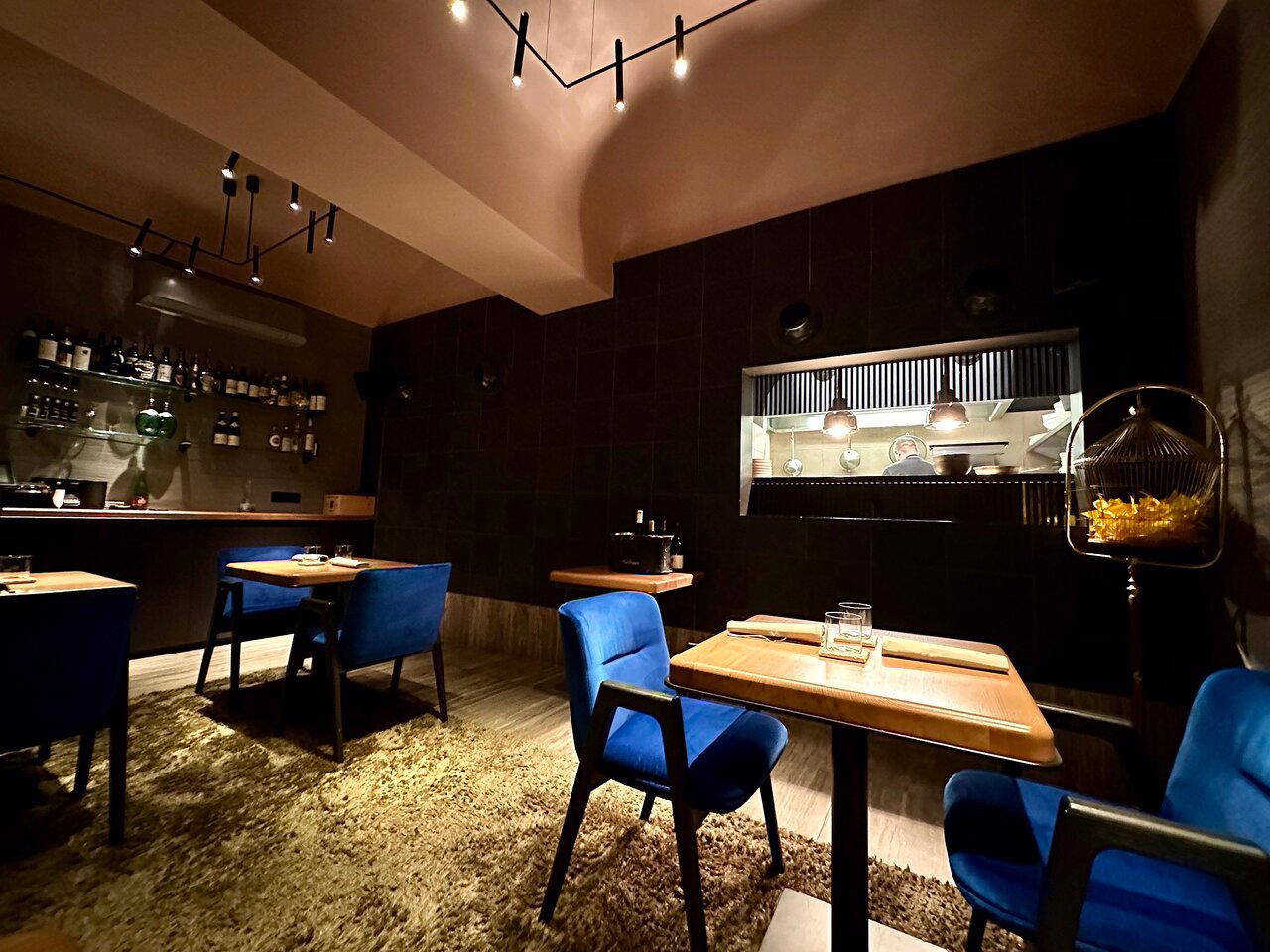
Low-lit with wood latticing creating a chilled, moody, and sophisticated setting.