Located on Bremer Reihe in Hamburg's St. Georg district, Badshah occupies a stretch of the city where South Asian restaurants have built genuine neighbourhood loyalty over decades. The address places it within walking distance of the central station, making it a practical stop for locals who return regularly rather than visitors hunting novelty. Specific menu details and pricing are best confirmed directly with the venue.
Pearl is the En Primeur Club membership app — saves, bookings, and concierge access live there. Same editors, same standards.
- Address
- Bremer Reihe 24, 20099 Hamburg, Germany
- Phone
- +494940246043
- Website
- badshahrestaurant.de
- Directions
- Get directions
 Saves & bookings on Pearl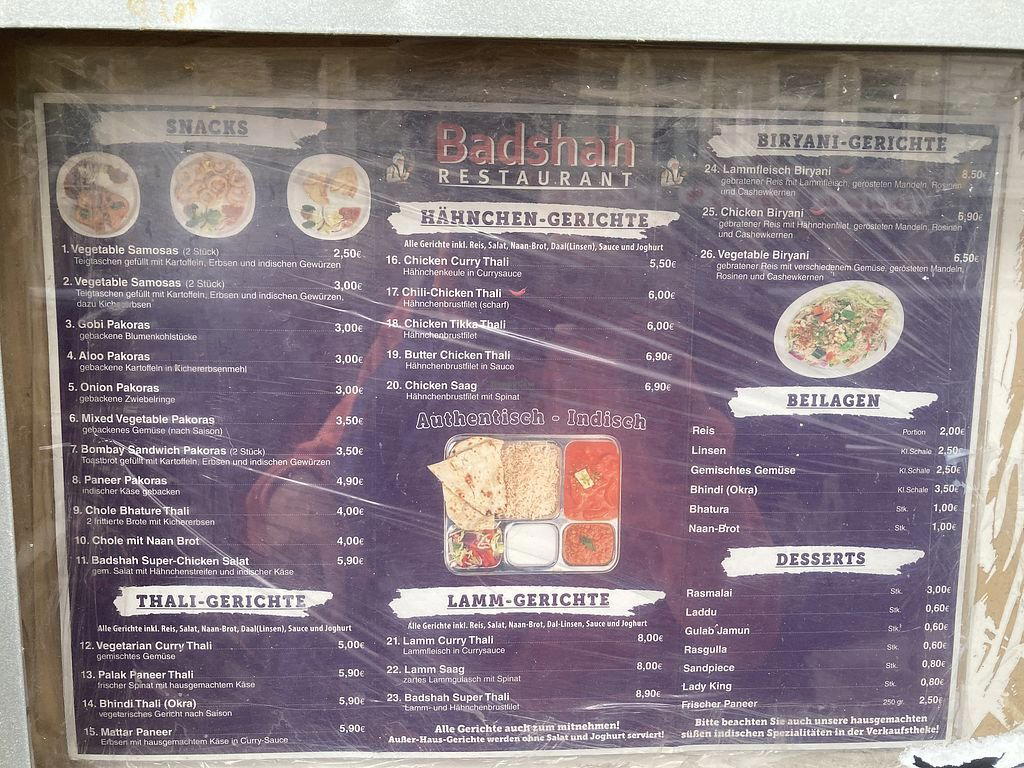
St. Georg's South Asian Dining Scene and Where Badshah Sits Within It
Hamburg's St. Georg district has long maintained one of the city's most concentrated corridors of South Asian cooking. The stretch around Steindamm and its adjacent streets, running east from the Hauptbahnhof, functions less as a destination for food tourists and more as a working neighbourhood dining circuit, the kind where tables fill with the same faces week after week and the kitchen's rhythm is set by what regulars order, not by what reads well on a tasting menu. Bremer Reihe 24, the address where Badshah operates, sits within this established orbit. Badshah is a casual, walk-in-friendly restaurant serving homestyle North Indian food at Bremer Reihe 24, 20099 Hamburg, Germany, with dishes around $10 per person.
This matters for how you read the room. In cities where South Asian restaurants are spread thin, each venue tends to position itself as an ambassador for a broad tradition. In St. Georg, the density is sufficient that restaurants can afford to be more specific, in regional emphasis, in price positioning, in the customer base they develop over time. The regulars at these addresses are often not first-time visitors to the cuisine; they are people with calibrated expectations and a preference for a particular kitchen's interpretation of familiar dishes.
What Keeps Regulars Returning: The Logic of Loyal Clientele
The restaurants in Hamburg's South Asian corridor that build durable local followings tend to share certain qualities that have less to do with prestige and more to do with consistency and legibility. A regular does not return because a dish surprised them last time; they return because it did exactly what they expected, and that expectation has been reinforced across many visits. This is a different standard from the one applied at Hamburg's tasting-menu houses, where novelty is part of the contract.
At venues like Badshah, the unwritten menu, the dishes that never appear on specials boards but that long-standing customers know to request, or the adjustments a kitchen makes without being asked, represents a form of institutional knowledge that builds gradually. It cannot be replicated quickly, and it is not visible to a first-time visitor. For that reason, the regulars' perspective is often the reliable calibration of what a neighbourhood restaurant actually delivers versus what it advertises.
Restaurant Haerlin and The Table Kevin Fehling, operates on entirely different terms, long booking windows, structured menus, and a customer base that is often travelling specifically for the meal. 100/200 Kitchen and bianc occupy a similarly refined register. Badshah's position in the neighbourhood dining tier means its competitive set is local rather than national, and its measure of success is retention rather than reservation lead time.
The St. Georg Address: Practical Geography
Bremer Reihe runs parallel to the main axis of the Hauptbahnhof quarter, close enough to the central station that the walk from the platforms takes under ten minutes. That proximity has shaped the character of the street's dining: it serves Hamburg residents who live nearby, commuters passing through, and visitors staying in the area's mid-range hotels, rather than guests making a dedicated trip from the Elbphilharmonie or HafenCity.
For a first-time visitor, the neighbourhood context is useful framing. St. Georg is not a district defined by architectural spectacle or Michelin-mapped itineraries. It is a mixed, urban quarter where the dining character is set by the communities that have settled there, and South Asian food is part of the area's functional identity rather than its promotional identity. That distinction tends to keep prices grounded and portions honest.
Lakeside in the Alster area, which occupies the opposite end of the city's dining register, or Germany's high-end restaurant circuit extends well beyond Hamburg's city limits, with destinations including Schwarzwaldstube in Baiersbronn, Aqua in Wolfsburg, JAN in Munich, Vendôme in Bergisch Gladbach, CODA Dessert Dining in Berlin, Victor's Fine Dining by christian bau in Perl, ES:SENZ in Grassau, Schanz in Piesport, Waldhotel Sonnora in Dreis, and Bagatelle in Trier. For international reference points in neighbourhood-loyal dining at different price registers, Le Bernardin in New York City and Lazy Bear in San Francisco illustrate how regulars' cultures form at opposite ends of the formality spectrum.
Planning Your Visit
Badshah is open daily from 11 AM to 10 PM. It is walk-in friendly. Hamburg Hauptbahnhof is nearby.
Badshah is a casual spot, so checking specific dietary needs in advance is sensible.
Price and Positioning
Comparable venues nearby, for context on price, style, and recognition.
| Venue | Cuisine | Price | Notes |
|---|---|---|---|
| BadshahThis venue — the venue you are viewing | Not listed | $ | Not listed |
| Osho Ayu-Leela | Uhlenhorst, Ayurvedic Indian | $$ | Not listed |
| Singh | Not listed | $$ | St. Georg, Traditional Indian Curry |
| Mö Grill | Not listed | $ | Hamburg-Altstadt, Traditional Hamburg Currywurst |
| Yorisa | Anscharhoehe, Korean Bibimbap Specialist | $ | Not listed |
| The Ramen | Hamburg-Altstadt, Japanese Ramen | $ | Not listed |
Continue exploring
More in Hamburg
Restaurants in Hamburg
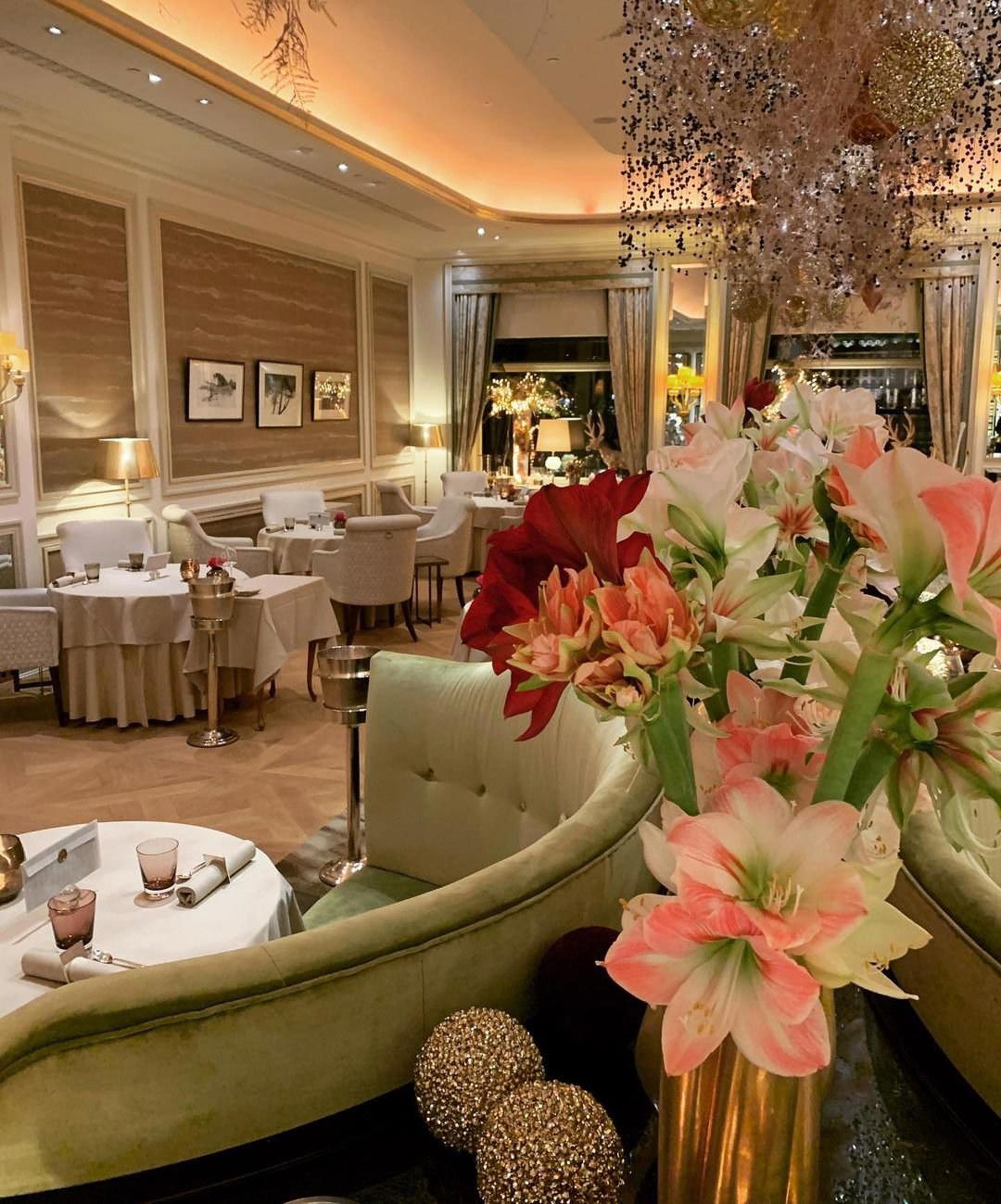
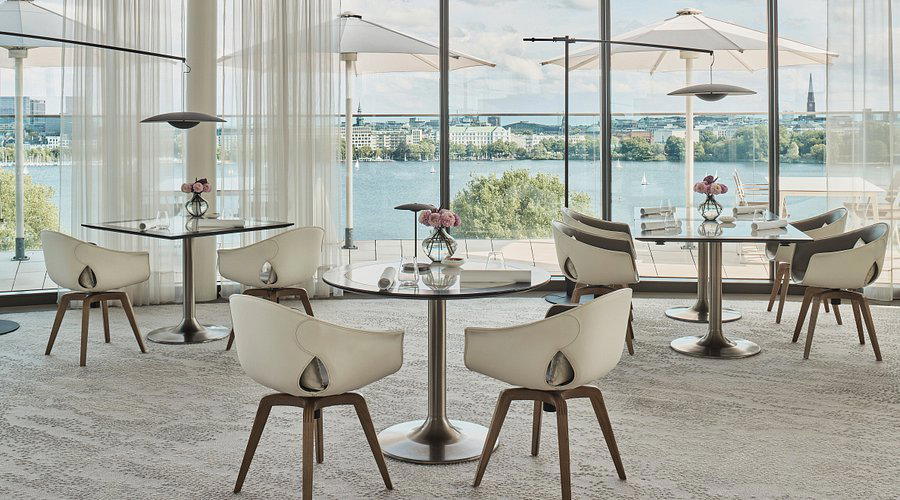
Browse all →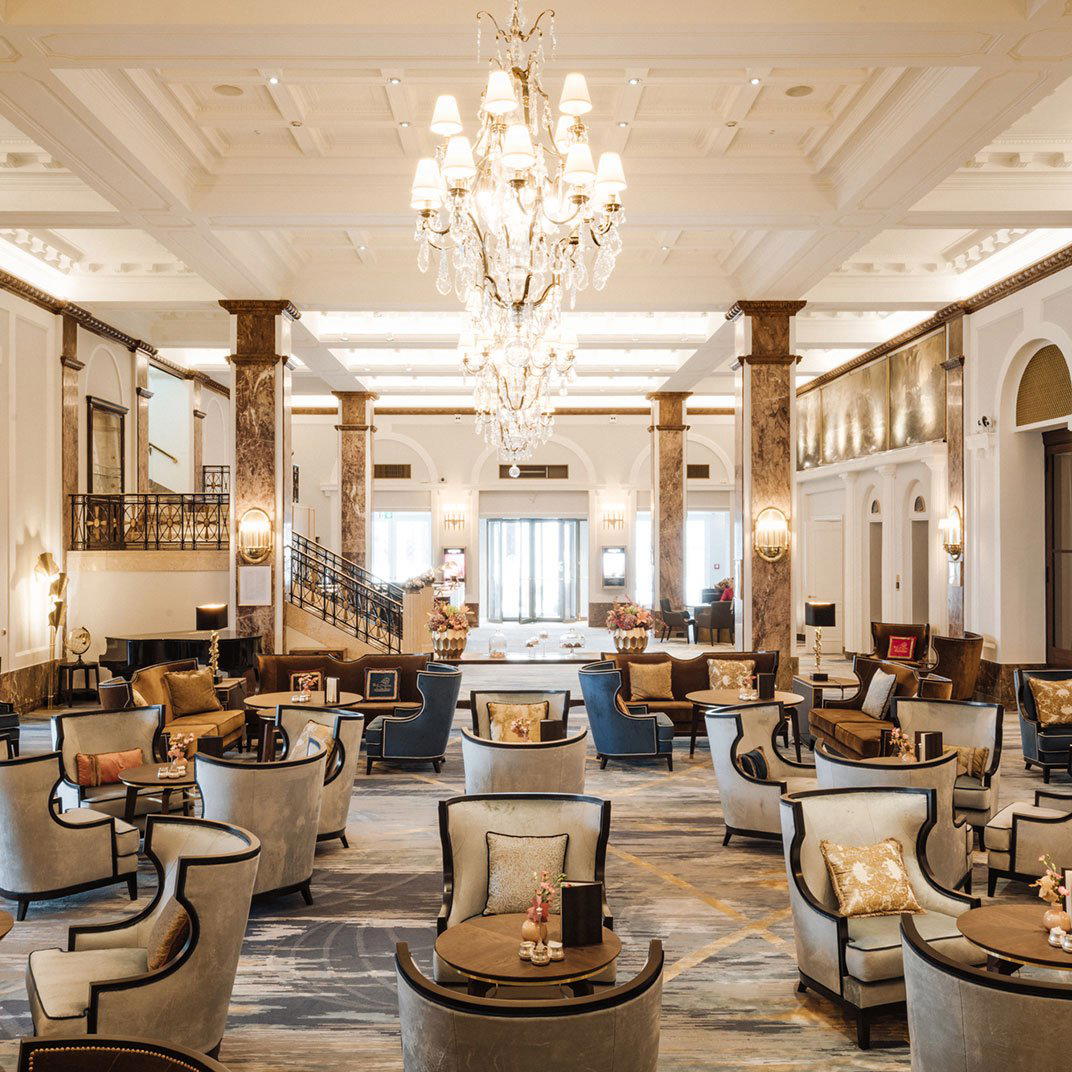
At a Glance
- Cozy
- Casual
- Casual Hangout
- Family
- Standalone
Current opening hours
- Monday
- 11 AM–10 PM
- Tuesday
- 11 AM–10 PM
- Wednesday
- 11 AM–10 PM
- Thursday
- 11 AM–10 PM
- Friday
- 11 AM–10 PM
- Saturday
- 11 AM–10 PM
- Sunday
- 11 AM–10 PM
Hours can change for holidays and private events. Last verified .
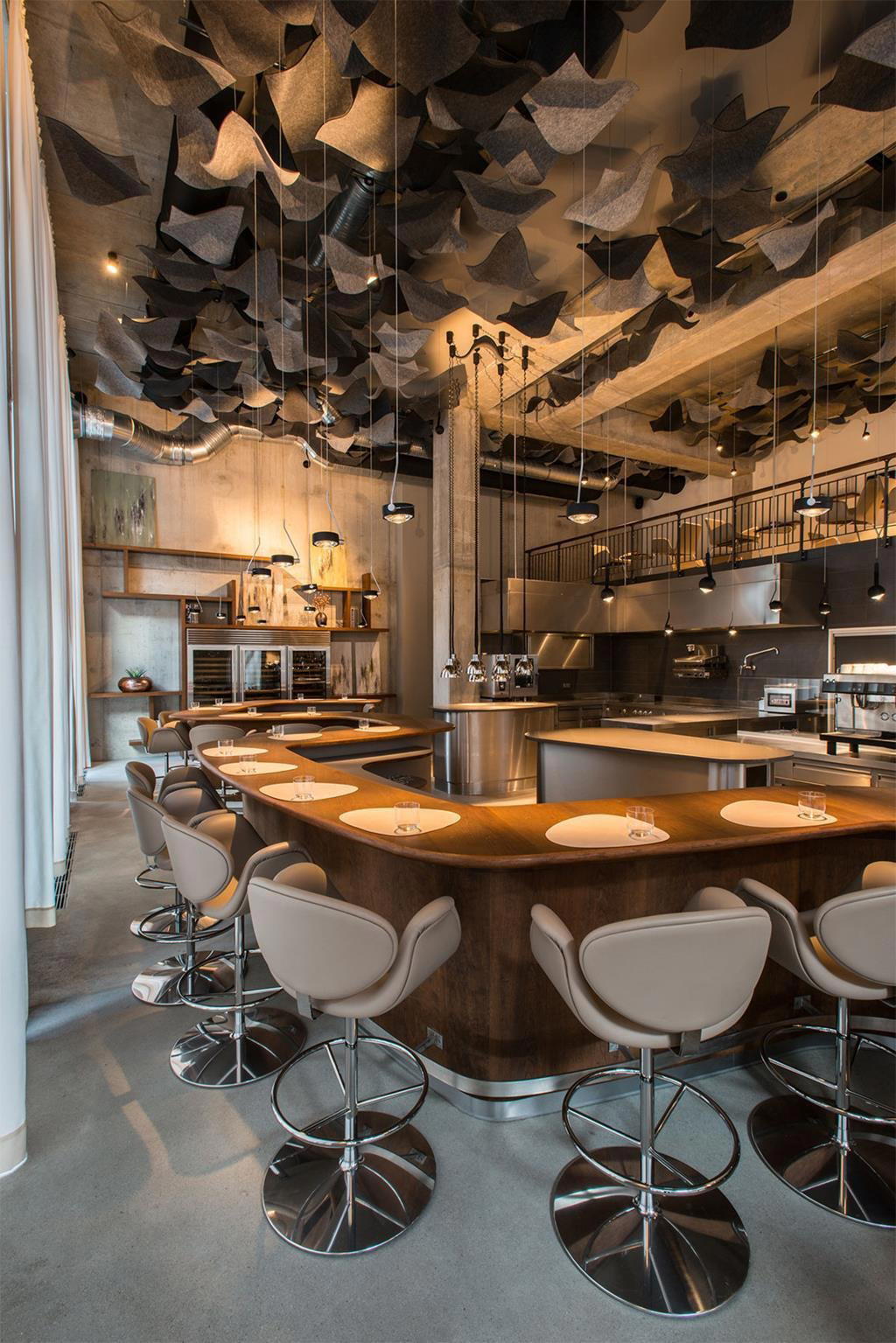
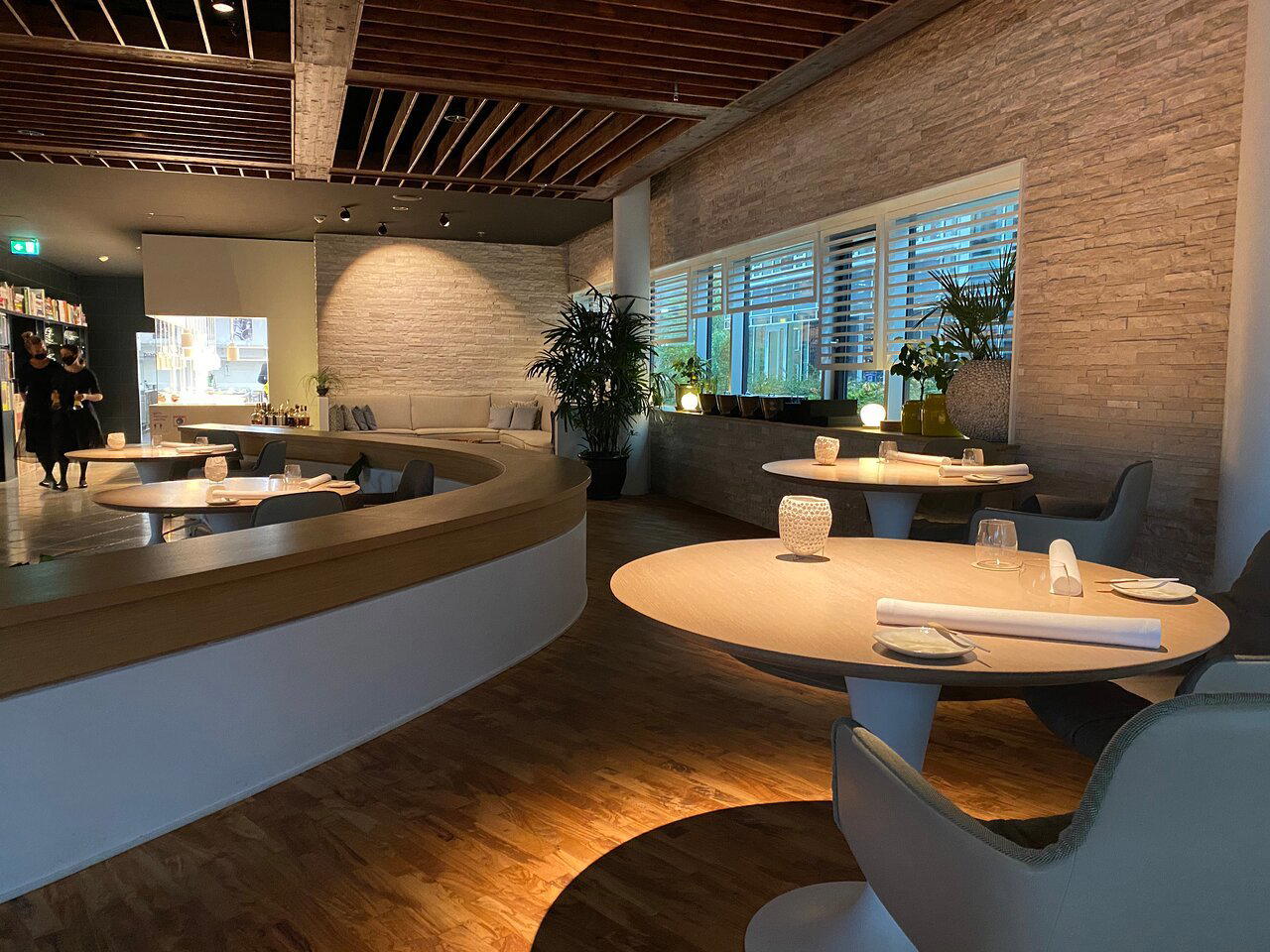
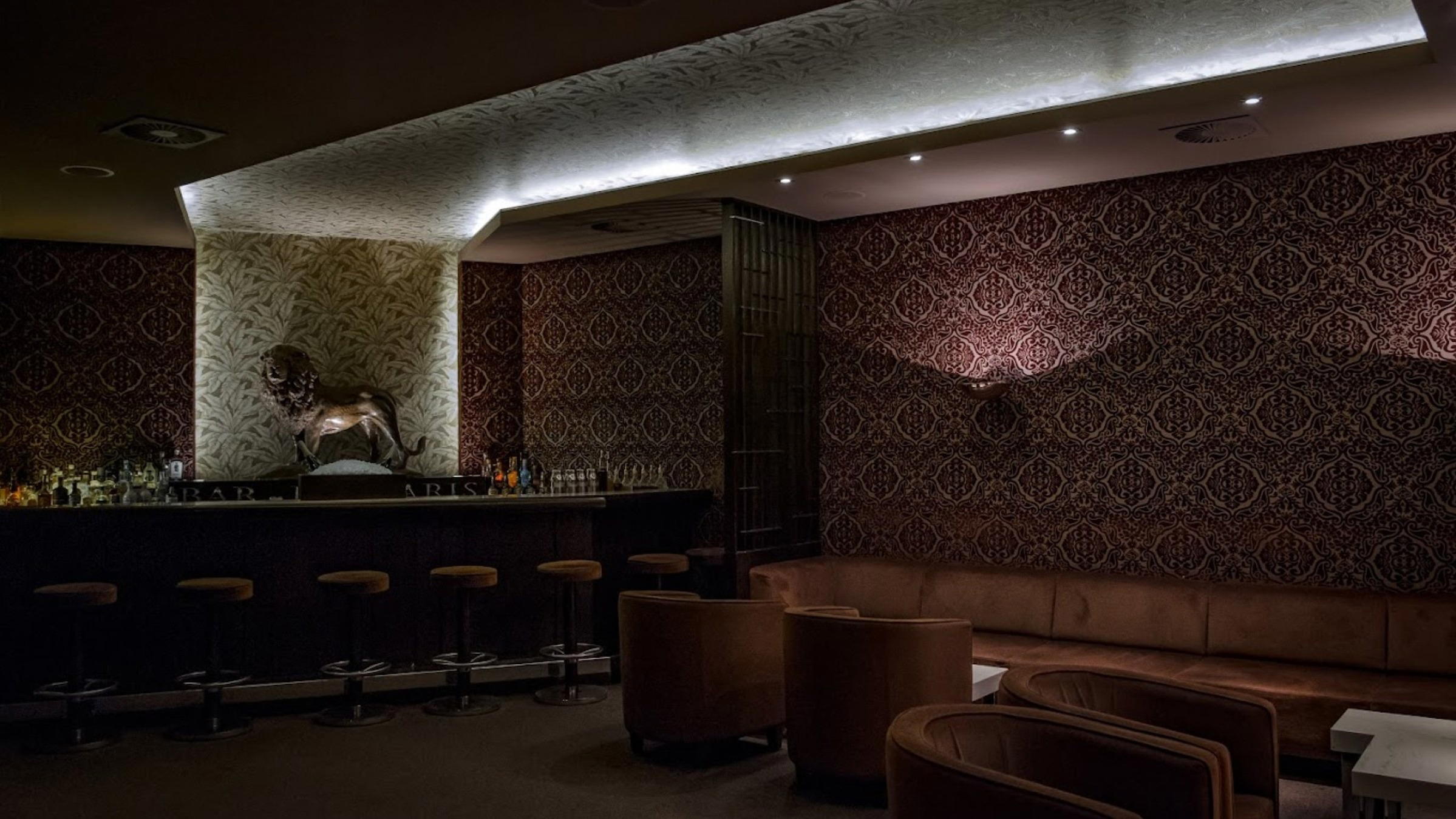
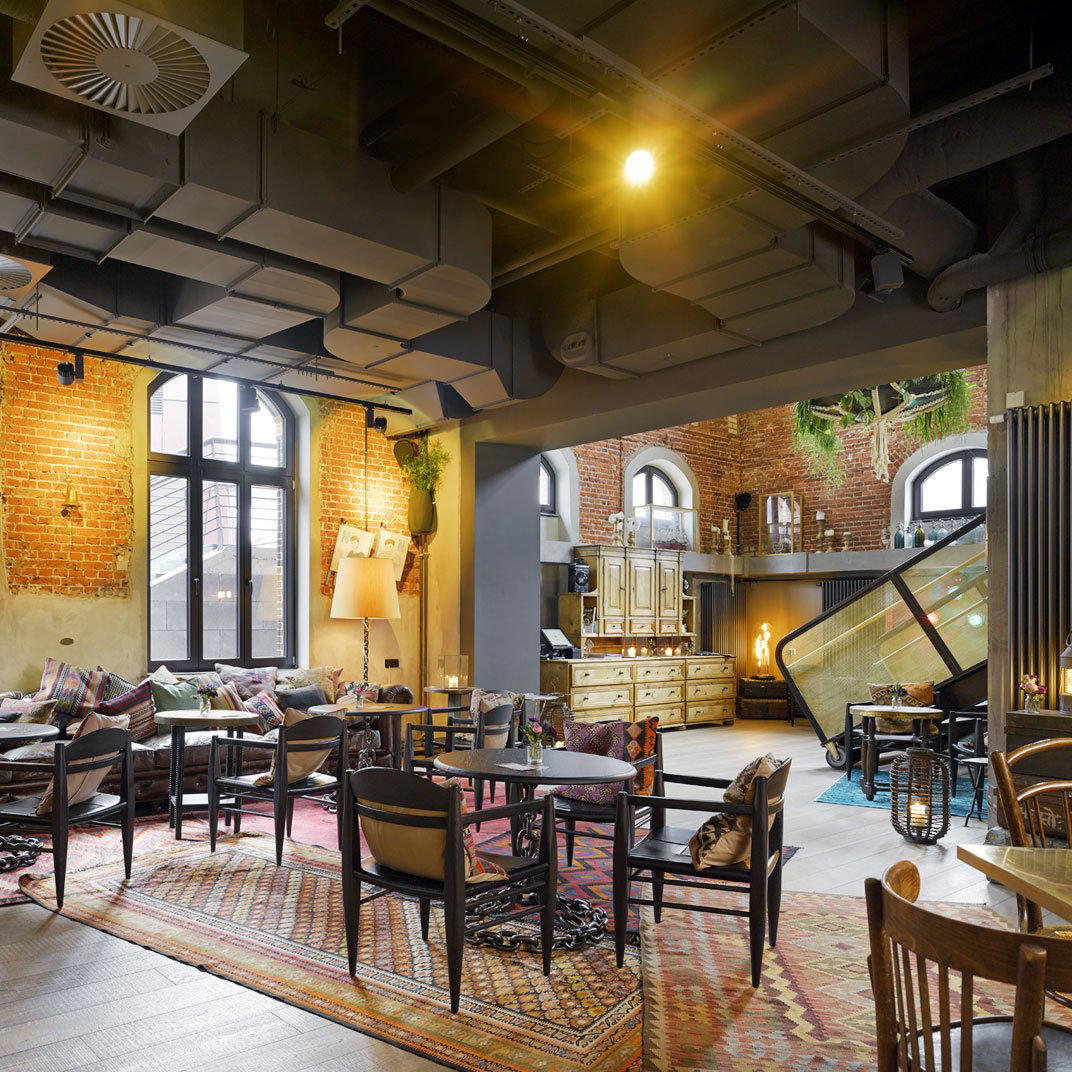
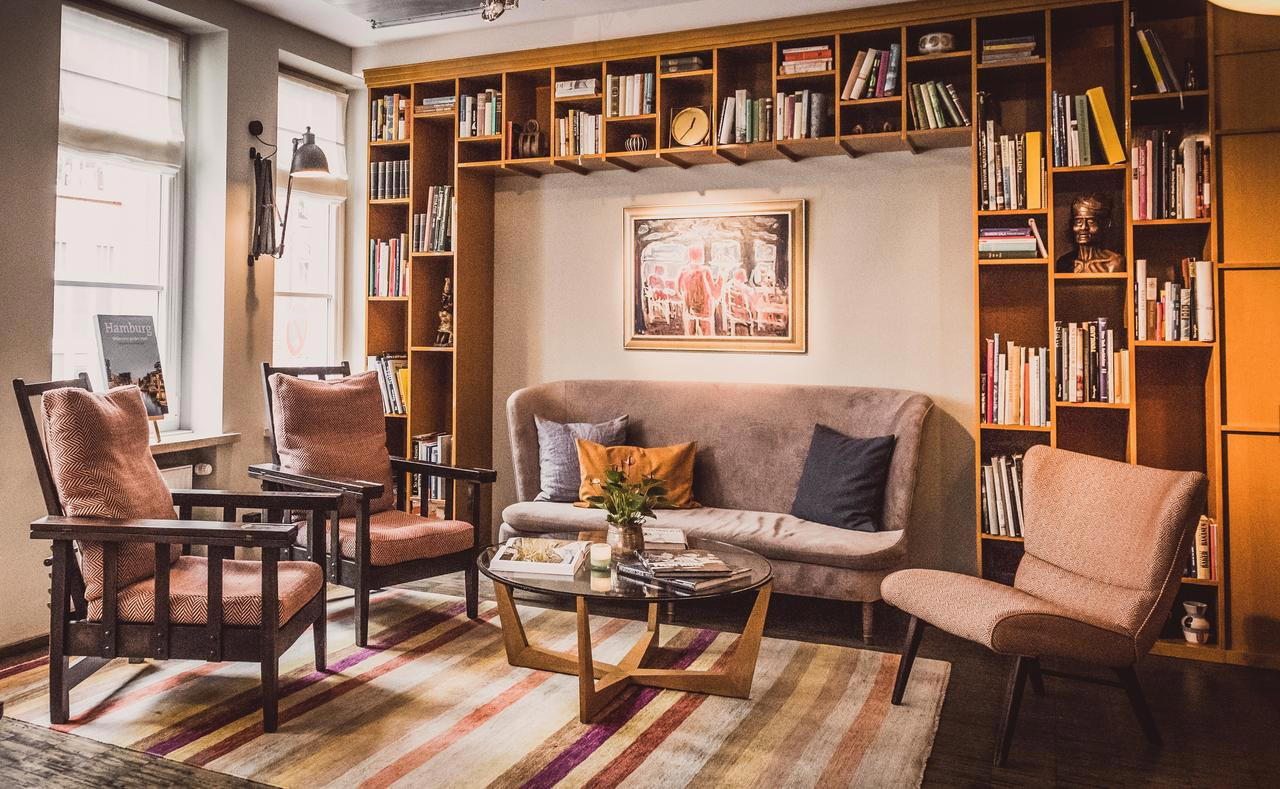
Relaxed and cozy homestyle atmosphere with a friendly family vibe.