On a quiet residential stretch of Steglitz, Jungbluth occupies the kind of address that Berlin's serious restaurant crowd tends to discover through word of mouth rather than guidebook prompts. The kitchen operates within a neighbourhood tradition that prizes craft over spectacle, placing it alongside a small cohort of Berlin addresses where the cooking is the argument. Advance planning is advisable.
Pearl is the En Primeur Club membership app — saves, bookings, and concierge access live there. Same editors, same standards.
- Address
- Lepsiusstraße 63, 12163 Berlin, Germany
- Phone
- +493079789605
- Website
- jungbluth-restaurant.de
- Directions
- Get directions
 Saves & bookings on Pearl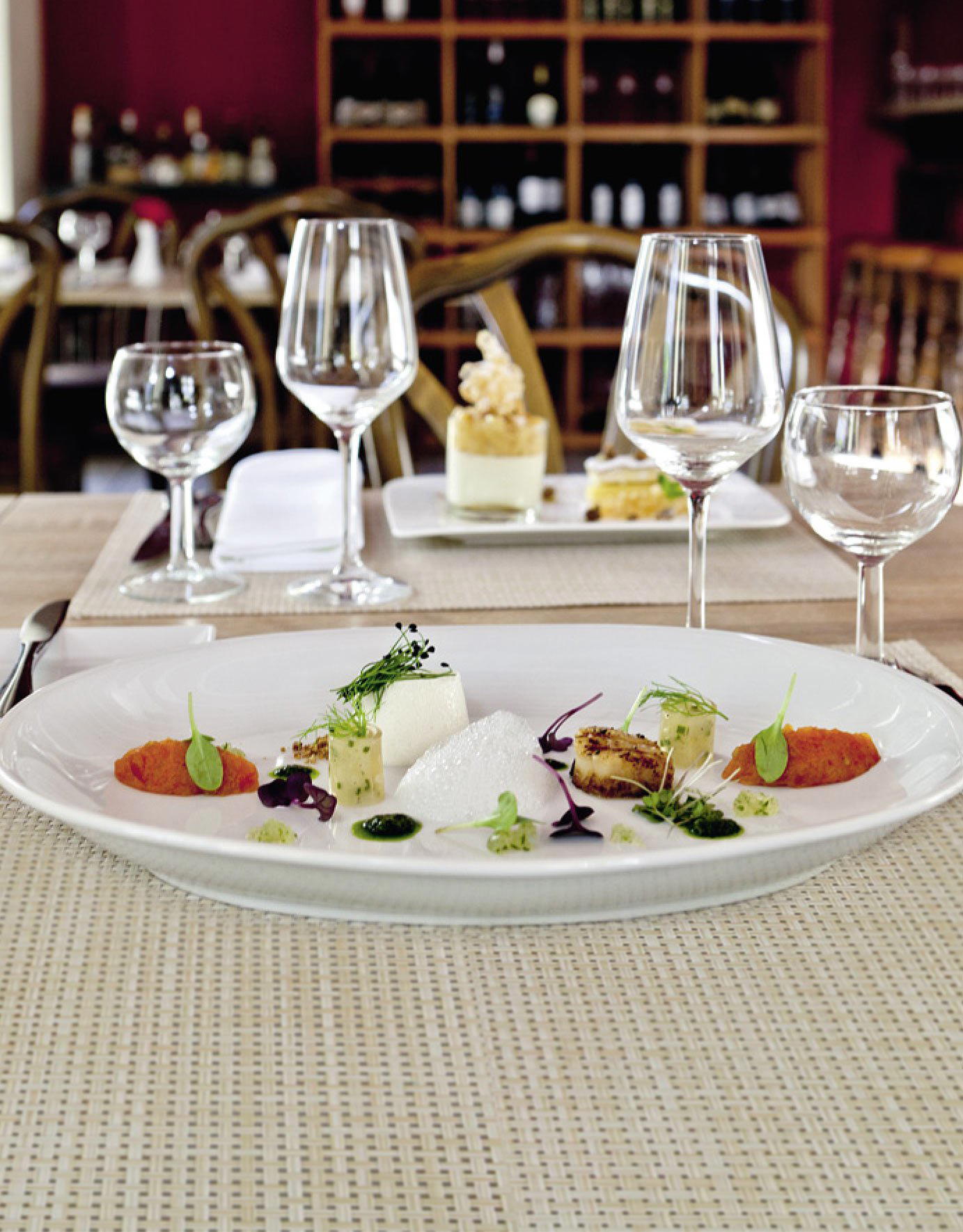
Steglitz and the Case for Neighbourhood Dining in Berlin
Berlin's premium dining conversation tends to anchor itself north and east: Mitte, Kreuzberg, Prenzlauer Berg. Steglitz, the southern residential district where Jungbluth sits on Lepsiusstraße, rarely features in those dispatches. That geographical remove is, in part, what defines the dining culture here. Restaurants in Steglitz serve a neighbourhood first and an audience of destination diners second, which produces a different kind of hospitality register than you find at a table that prices against tourists and expense accounts. The room operates without the ambient pressure of a scene around it.
That framing matters when placing Jungbluth in context. Berlin's fine dining tier, represented by addresses like Rutz, Nobelhart & Schmutzig, and FACIL, clusters around a recognisable urban energy: tasting menus built for the long evening, wine lists curated to signal seriousness, rooms designed to communicate that a meal here is an occasion. Jungbluth on Lepsiusstraße operates at a remove from that cluster, both physically and in spirit. The address is residential rather than destination-district, and that shapes everything from the pace of service to the assumptions the kitchen makes about who is in the room.
The Lunch and Dinner Divide
In German restaurant culture, the distinction between lunch and dinner service is rarely cosmetic. At the upper end of the market, lunch has historically offered an access point: shorter menus, moderated prices, and a room that reads less formally than the same space at eight in the evening. Across Germany's credentialed dining addresses, from Aqua in Wolfsburg to Schanz in Piesport, the lunch format has become a considered editorial choice rather than an afterthought. It is where regulars often stake their claim, and where the kitchen's range becomes most visible without the structure of a set tasting progression to carry it.
At a neighbourhood address like Jungbluth, that divide carries additional weight. Evening service at a restaurant embedded in a residential district draws from a committed local contingent: people who have returned, who know what they want, and whose expectations are shaped by familiarity rather than novelty. Daytime service, where applicable, tends to be lighter in register, faster in tempo, and more responsive to the rhythm of the neighbourhood itself. The result is two versions of the same address, each worth understanding on its own terms before booking.
This is the dynamic that separates Steglitz-adjacent dining from the higher-volume Michelin circuit that CODA Dessert Dining and Restaurant Tim Raue occupy. Those rooms are built for the theatrical evening. A neighbourhood room like Jungbluth is built for recurrence.
Where Jungbluth Sits in Berlin's Dining Geography
Berlin's restaurant geography has never been strictly hierarchical. The city's history of decentralisation means that serious cooking surfaces across districts without the centripetal pull you find in Paris or Tokyo, where premium addresses cluster in a handful of arrondissements or neighbourhoods. A credentialed kitchen in Steglitz is less surprising in Berlin than it would be in a city where fine dining has a single gravitational centre.
That said, Jungbluth operates in a comparable set that is geographically dispersed rather than scene-adjacent. The relevant comparisons are not the Kreuzberg and Mitte rooms that define Berlin's international reputation but the smaller, less-photographed addresses that serve a local audience with real seriousness. Across Germany more broadly, this category of restaurant, committed to craft and neighbourhood service without the infrastructure of destination dining, has produced some of the country's most considered cooking. Waldhotel Sonnora in Dreis and Vendôme in Bergisch Gladbach are both examples of serious German kitchens that operate outside the major urban media cycles, sustained by reputation and repeat custom rather than footfall from visitors. Jungbluth's Steglitz address places it in a comparable structural position within Berlin itself.
For visitors coming from Hamburg, the contrast with Restaurant Haerlin is instructive: grand-hotel formality versus neighbourhood restraint. Both represent serious German cooking; the experience of each is shaped almost entirely by context rather than kitchen ambition. Similarly, JAN in Munich and ES:SENZ in Grassau demonstrate how German fine dining outside the obvious centres develops its own register. Jungbluth belongs to a comparable tradition, applied to Berlin's southern residential quarter.
The international calibration point is useful too. Compared with destination-driven rooms like Le Bernardin in New York City or Atomix, Jungbluth operates in an entirely different mode: smaller radius, local audience, cooking that does not need to justify itself to an international critical apparatus. That is not a limitation. It is a different kind of discipline.
Seasonal Timing and Practical Approach
Steglitz moves with the rhythms of a residential neighbourhood rather than a tourist calendar. Late autumn and winter, when Berlin's street life contracts and the pull toward interior warmth is strongest, tend to suit this kind of address particularly well. The room becomes more itself when the city outside is quieter. Spring brings a shift in kitchen register across Berlin generally, as German markets begin supplying the first local asparagus, a seasonal marker that shapes menus across price points from April onward. A neighbourhood restaurant embedded in its local supply chain tends to respond to that shift directly.
Booking ahead is advisable. Rooms of this type, sustained by a regular local clientele, fill without the visibility that marketing-heavy addresses generate.
For the broader German fine dining circuit, Schwarzwaldstube in Baiersbronn, Victor's Fine Dining by Christian Bau in Perl, and Bagatelle in Trier provide useful reference points for what serious German cooking looks like across different regional formats. Jungbluth's Berlin context is distinct from all of them, but the underlying commitment to cooking as a primary argument rather than as spectacle connects them.
Know Before You Go
- Address: Lepsiusstraße 63, 12163 Berlin, Germany
- District: Steglitz, southern Berlin
- Booking: Contact directly; advance reservation recommended given local regulars filling the room
- Getting there: Steglitz is served by U-Bahn line U9 (Schloßstraße) and S-Bahn lines S1 and S46 (Steglitz)
- Leading season: Late autumn through winter for the full neighbourhood atmosphere; spring for seasonal menu shifts
- Pricing: about USD 65 per person. Hours: Mon closed; Tue to Fri 5 PM to 12 AM; Sat and Sun 12 PM to 12 AM.
Peers in This Market
Comparable venues nearby, for context on price, style, and recognition.
| Venue | Cuisine | Price | Notes |
|---|---|---|---|
| JungbluthThis venue — the venue you are viewing | Modern German Cuisine | $$$ | Not listed |
| Panama | Modern German | $$$ | Tiergarten |
| Jasper's Mitte | Austrian & Bavarian Schnitzel House | $$$ | Scheunenviertel |
| Luna D'Oro | Modern Traditional German | $$ | Mitte |
| Mirabelle | Traditional German | $$ | Pankow |
| Café Liebig | Classic German Bistro | $$ | Grünau |
At a Glance
- Cozy
- Elegant
- Modern
- Sophisticated
- Date Night
- Business Dinner
- Special Occasion
- Terrace
- Standalone
- Farm To Table
- Local Sourcing
Current opening hours
- Monday
- Closed
- Tuesday
- 5 PM–12 AM
- Wednesday
- 5 PM–12 AM
- Thursday
- 5 PM–12 AM
- Friday
- 5 PM–12 AM
- Saturday
- 12 PM–12 AM
- Sunday
- 12 PM–12 AM
Hours can change for holidays and private events. Last verified .
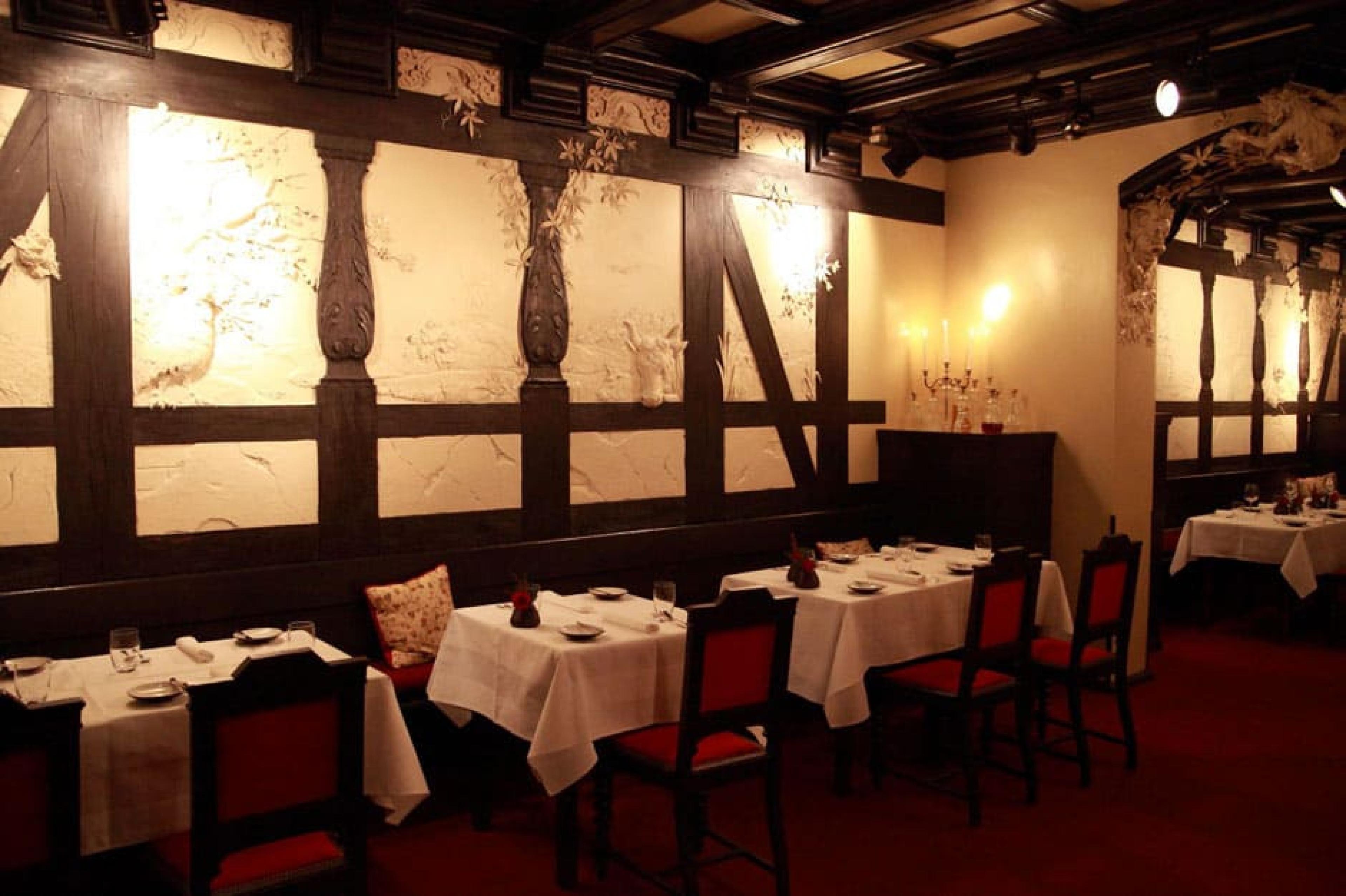
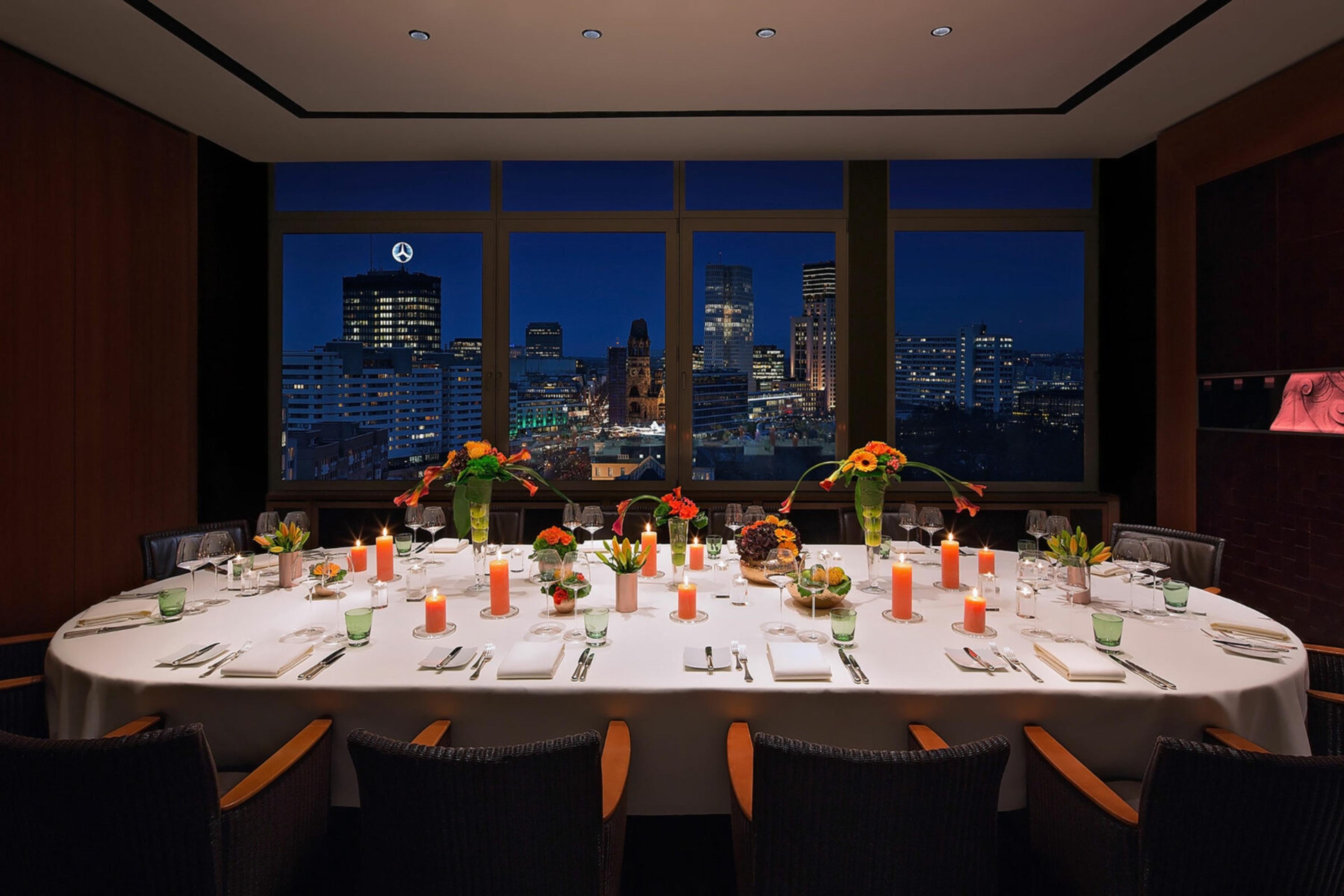
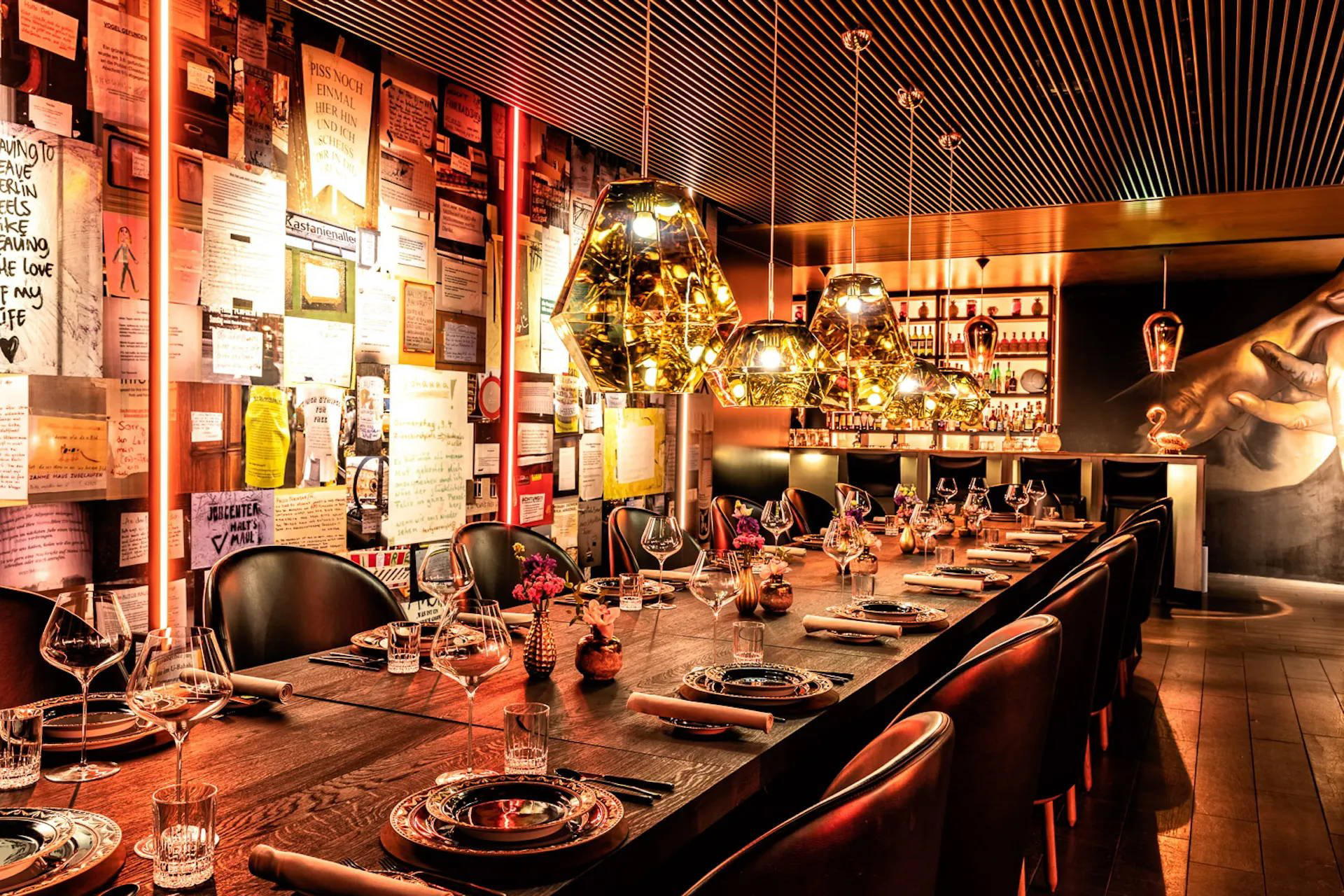
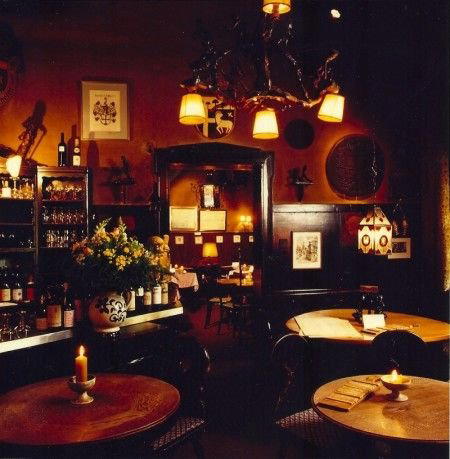
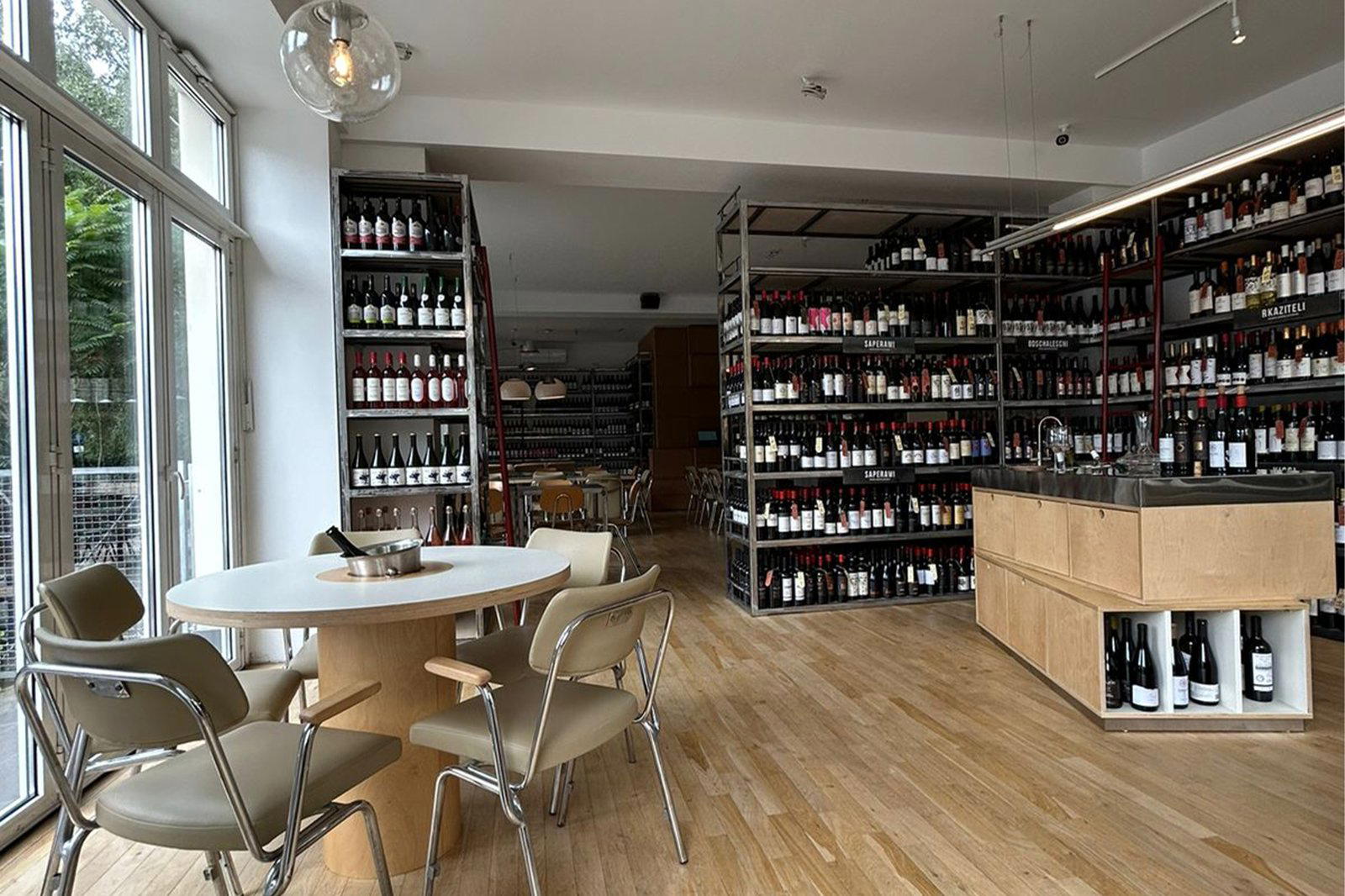
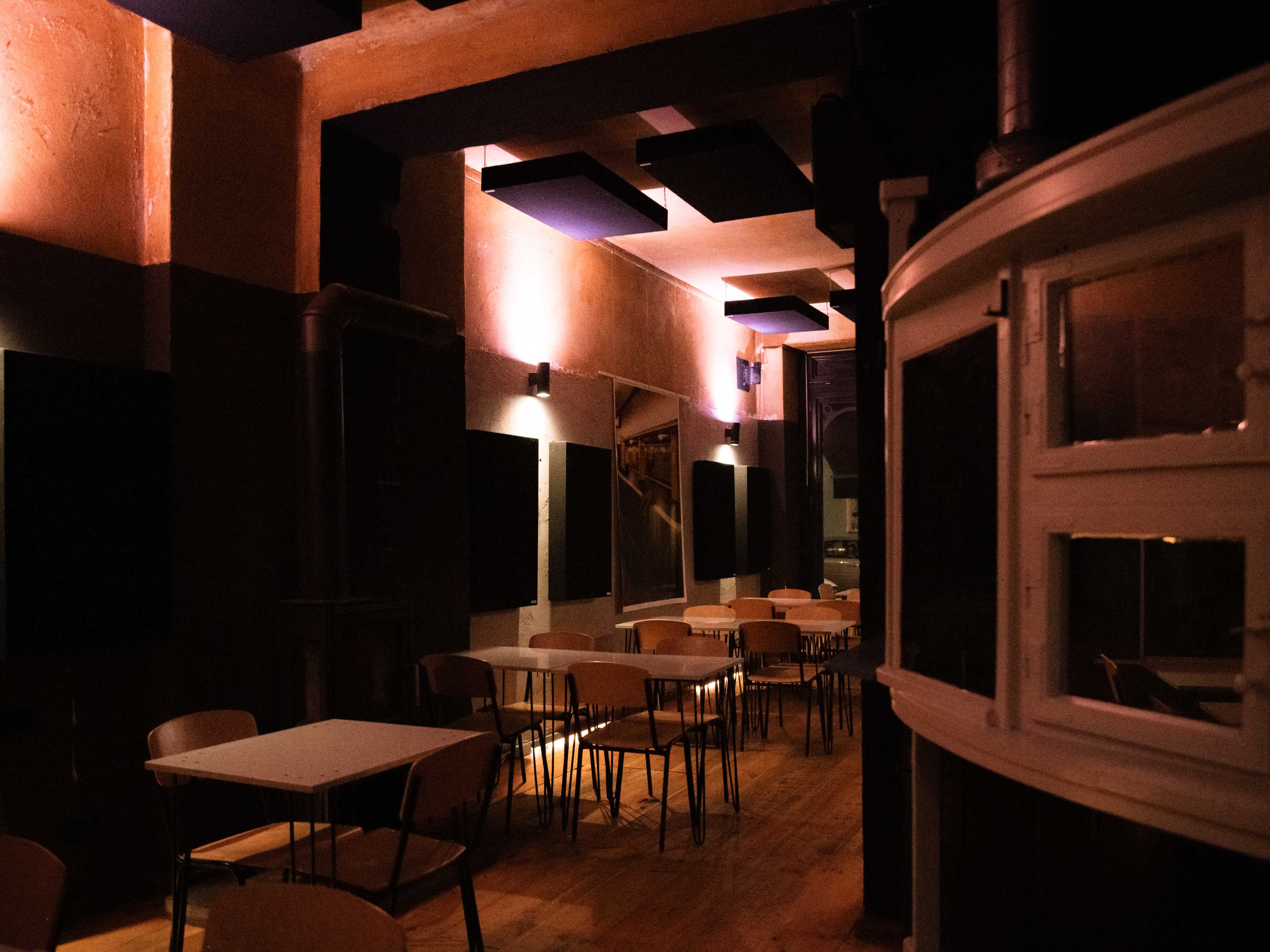
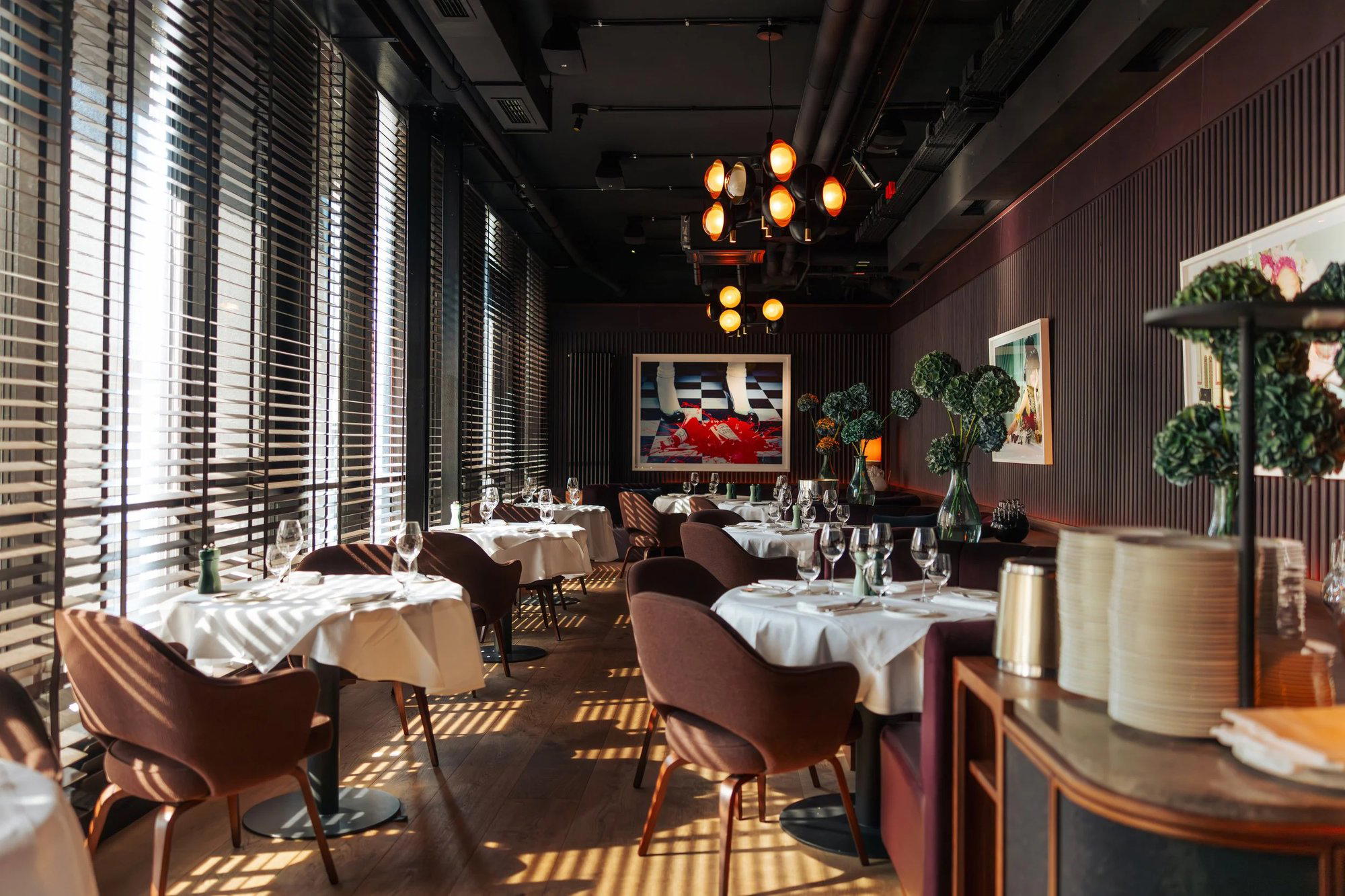
Cozy atmosphere with wooden tables, red painted walls, white accents, and abundant natural light from large windows creating an unagitated, charming dining environment.