Miyabi sits in Obama, a small Fukui coastal city long associated with seafood supply to Kyoto's imperial kitchens. The restaurant draws on that provenance tradition, positioning itself within a dining culture where ingredient origin carries as much weight as technique. For travellers making the detour from Kyoto or Kanazawa, Obama rewards the effort with a grounded, place-specific experience.
Pearl is the En Primeur Club membership app — saves, bookings, and concierge access live there. Same editors, same standards.
- Address
- 107 Obamakatori, Obama, Fukui 917-0058, Japan
- Phone
- +81770531678
- Website
- wakasa-miyabi.com
 Saves & bookings on Pearl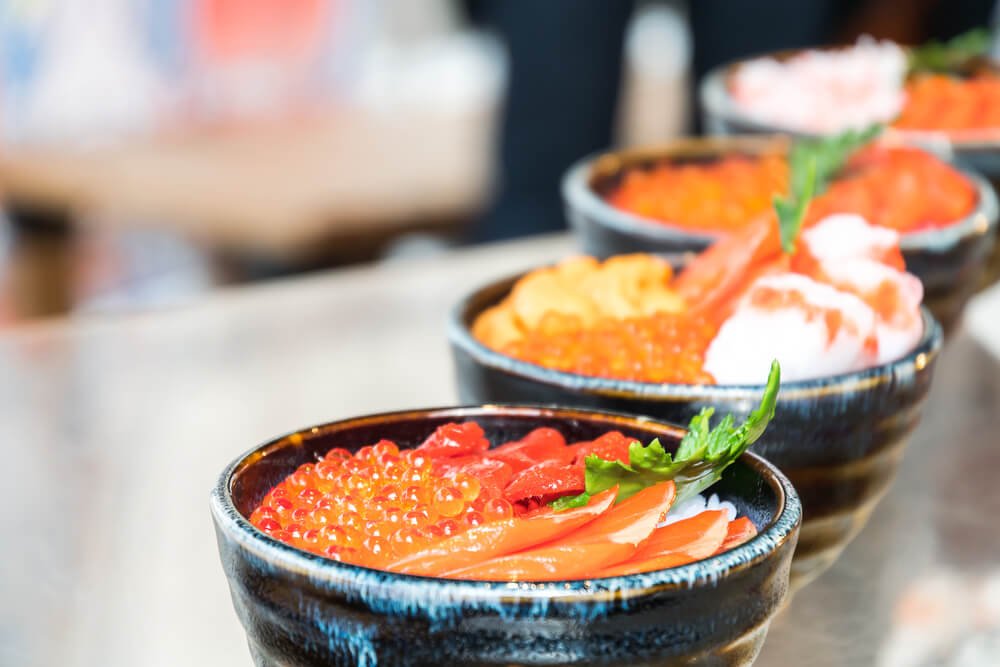
Obama, Fukui: A Coastal Kitchen With an Old Supply Chain
Obama is not a city that announces itself loudly. Sitting on Wakasa Bay in Fukui Prefecture, it spent centuries as one of Japan's primary seafood conduits to Kyoto, roughly 80 kilometres southeast over the mountains. The old road that carried salt, sea bream, mackerel, and crab to the imperial capital was known informally as the Mackerel Highway, and the trade it sustained shaped Obama's culinary identity far more durably than any single restaurant has. That history still frames how the city's dining culture operates: ingredient provenance matters here in a way that feels structural rather than fashionable. In cities like Osaka, where HAJIME in Osaka operates at the ¥¥¥¥ tier with a heavily technique-led French-innovative program, the sourcing story is often subordinate to the cook's ambition. In Obama, the sourcing story frequently is the ambition.
Miyabi, addressed at 107 Obamakatori, occupies this context. The name itself, meaning refinement or grace in Japanese, fits the restaurant's measured style and the town's Kyoto-facing self-image. Understanding that local disposition is especially useful orientation a visitor can bring.
The Ingredient Geography of Wakasa Bay
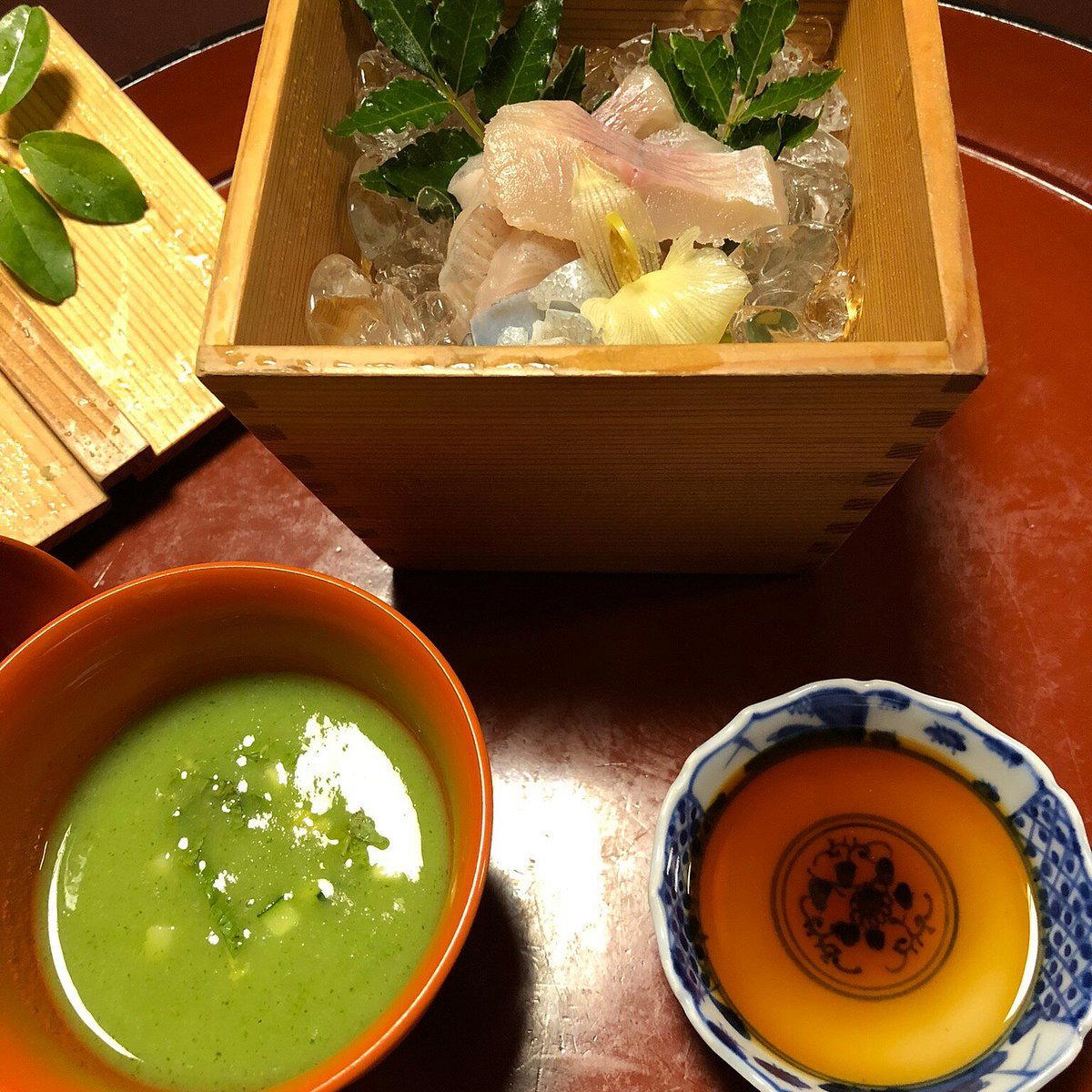
Fukui's coastal waters sit within a stretch of the Sea of Japan that benefits from cold currents and a relatively unpolluted seabed, producing seafood that Kyoto's leading kitchens have paid premium prices for over several hundred years. Wakasa Bay's sea bream, known locally as Obama-dai, carries enough regional prestige that it features in dedications to Wakasa Shrine. Snow crab from the broader Fukui waters, sold under the Echizen label when male and above a minimum weight, represents one of Japan's most price-sensitive winter commodities. Local soba, grown in Fukui's upland areas, rounds out a pantry that is geographically coherent in a way that benefits restaurants working close to the source.
This is the ingredient geography that a restaurant named Miyabi in this postal code would logically draw from. Compared to the tightly controlled omakase supply chains feeding counters like Harutaka in Tokyo, where sourcing is brokered through specialist Tsukiji-adjacent suppliers serving a metropolitan market, Obama's proximity to its own coastline and the farms of Fukui is a structural advantage. The fish arriving here has shorter transit. The seasonal rhythm is more direct.
Regional kaiseki traditions in Japan lean heavily on this kind of local coherence. Gion Sasaki in Kyoto operates at the higher end of that tradition, with Michelin recognition anchoring its comparable set. Obama's dining scene operates at a lower profile nationally but draws on comparable raw material, particularly during winter crab season from November through March, when the city functions as a point of origin for product that ends up on tables in Kyoto, Osaka, and Tokyo at considerably higher prices. Visiting then, and eating close to the source, represents a different kind of value proposition than booking a ¥¥¥¥ counter in a major city.
What the Setting Communicates
Obama's urban fabric is low-density and unhurried, the kind of provincial Japanese coastal town where temple streets and fishing infrastructure coexist without obvious tension. The address at Obamakatori places Miyabi within a district that retains an older civic character. Approaching on foot from Obama Station, which sits on the Obama Line connecting into the Wakasa Railway network, the scale of the streets communicates quickly that this is not a dining-destination city in the way Kanazawa or Kyoto is. That is largely the point.
Visitors who have made the effort to reach akordu in Nara or driven into Fukuoka's residential pockets to find Goh in Fukuoka will recognise the register: a serious kitchen operating in a city that doesn't perform for visitors, where the surrounding environment and the food share the same regional logic. Obama rewards that mode of travel more than it rewards a quick detour.
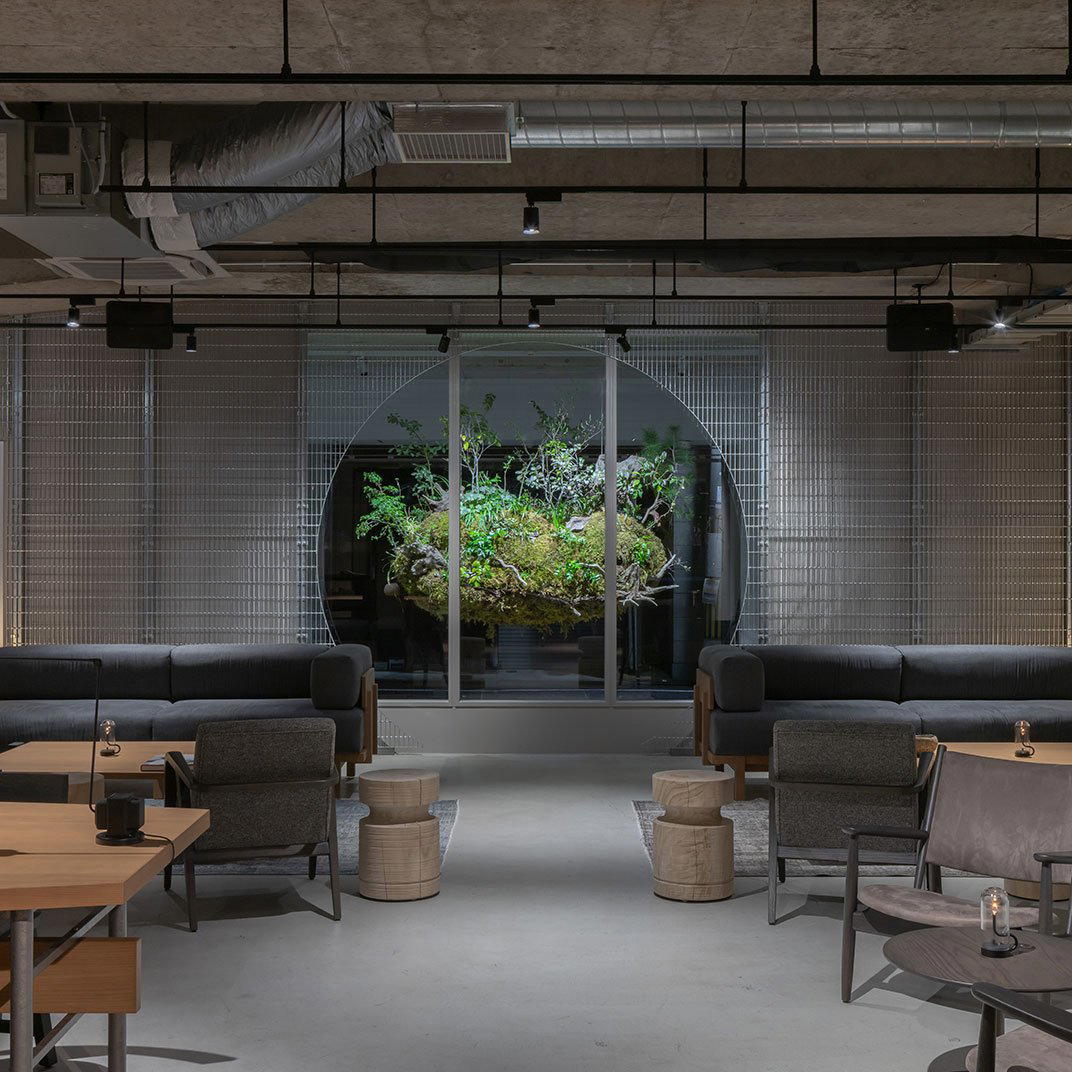
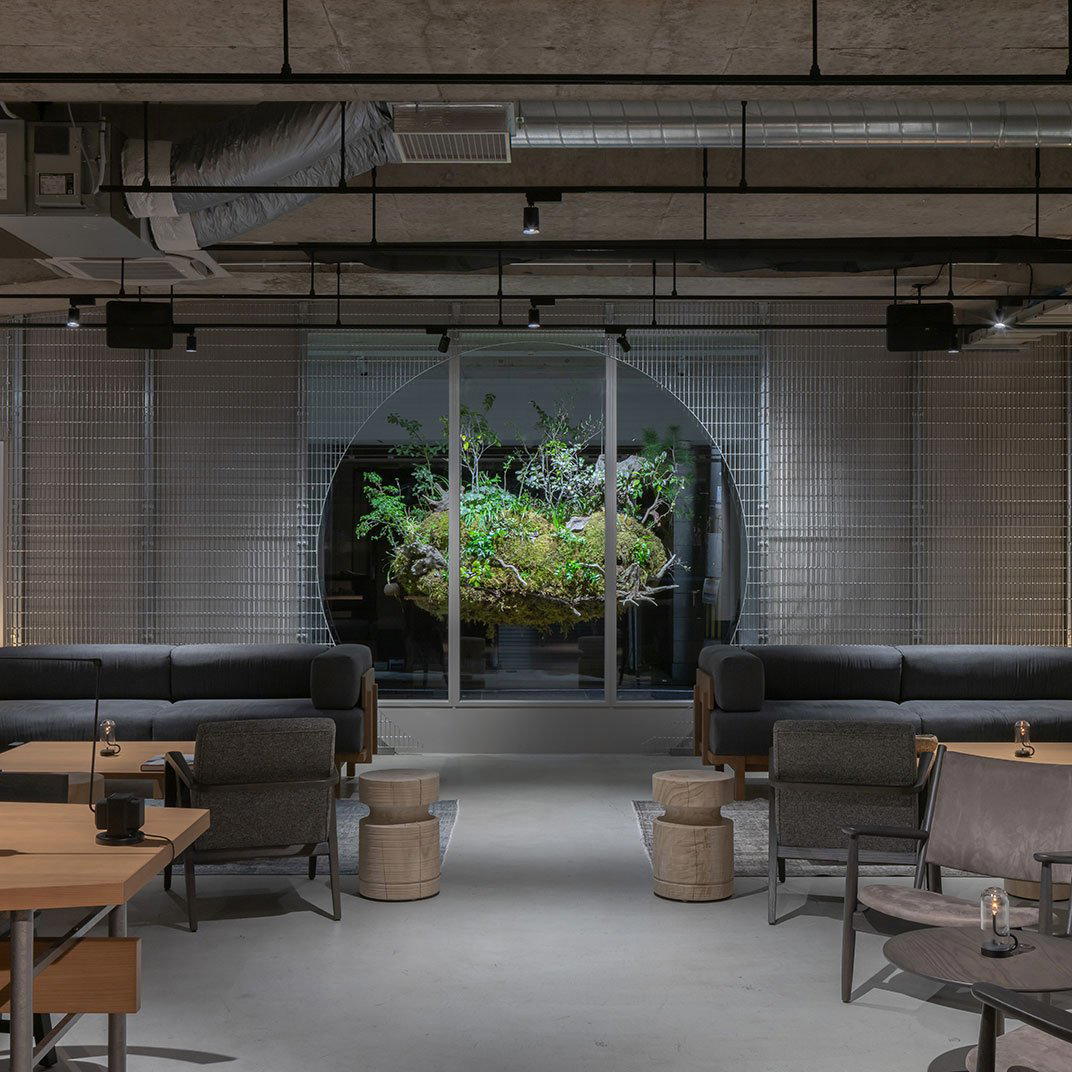
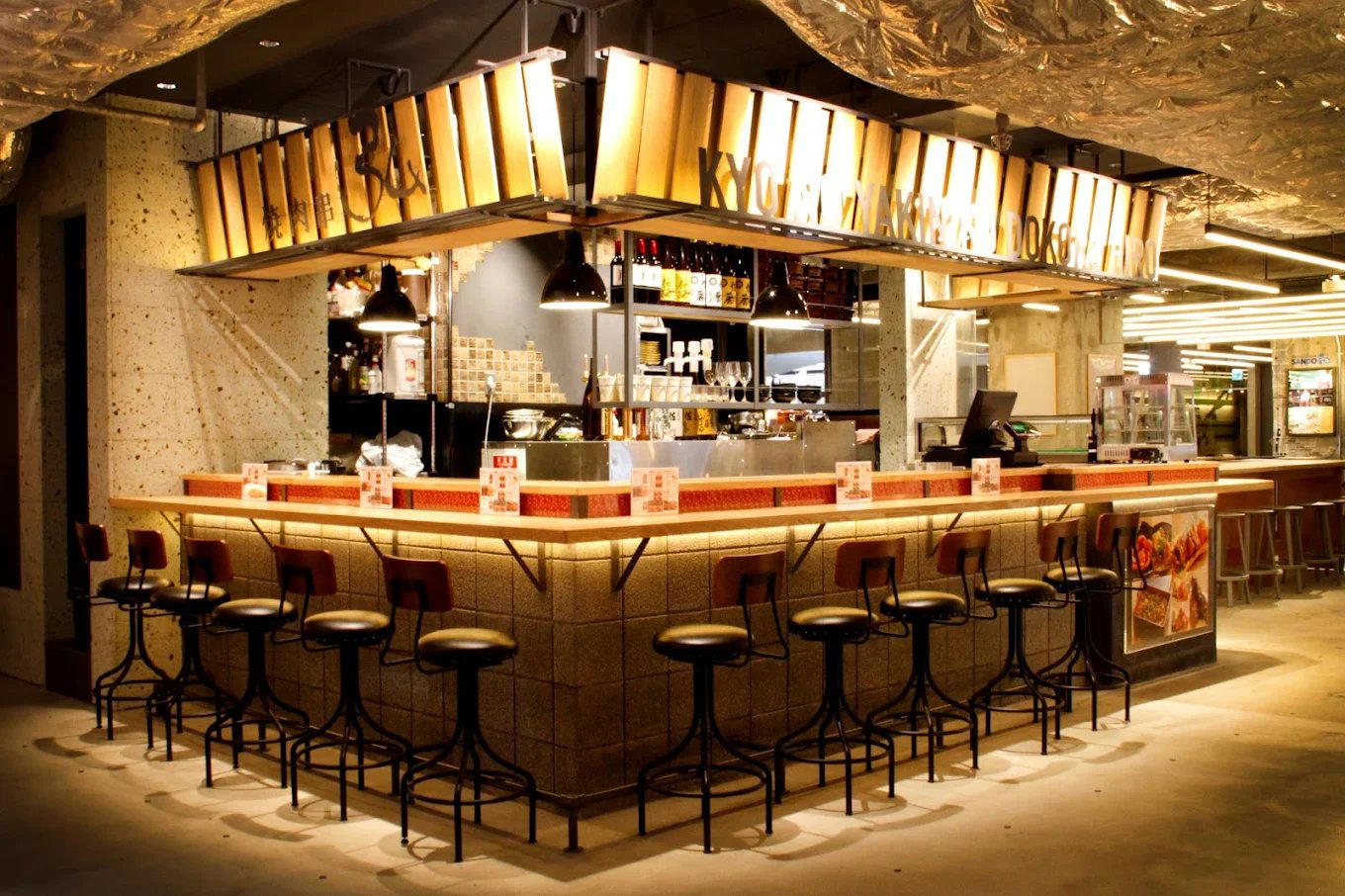
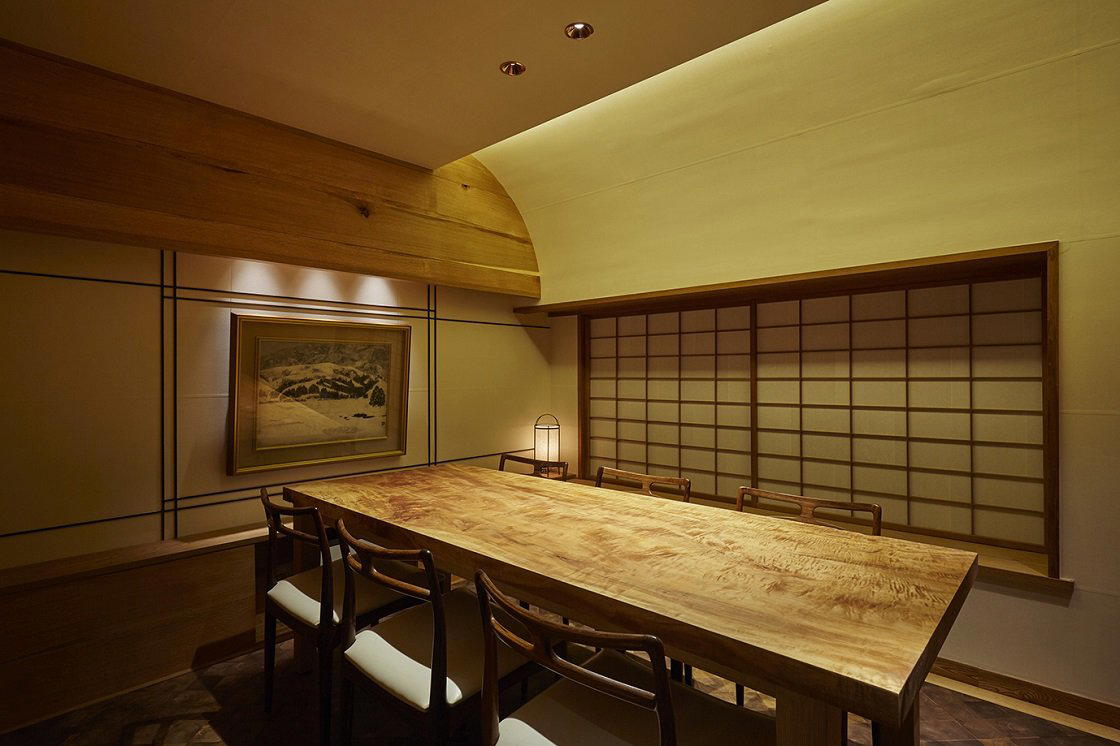
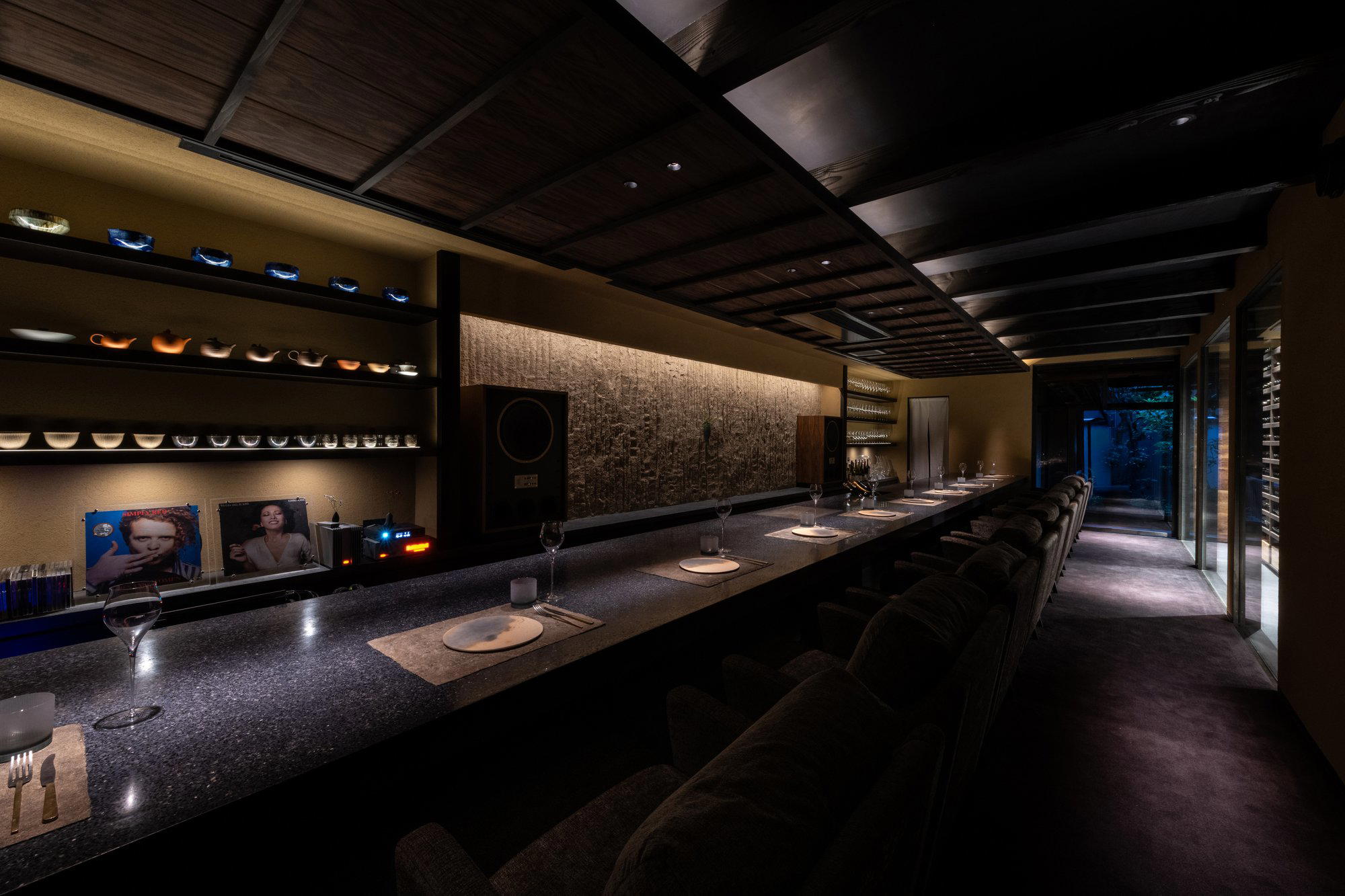
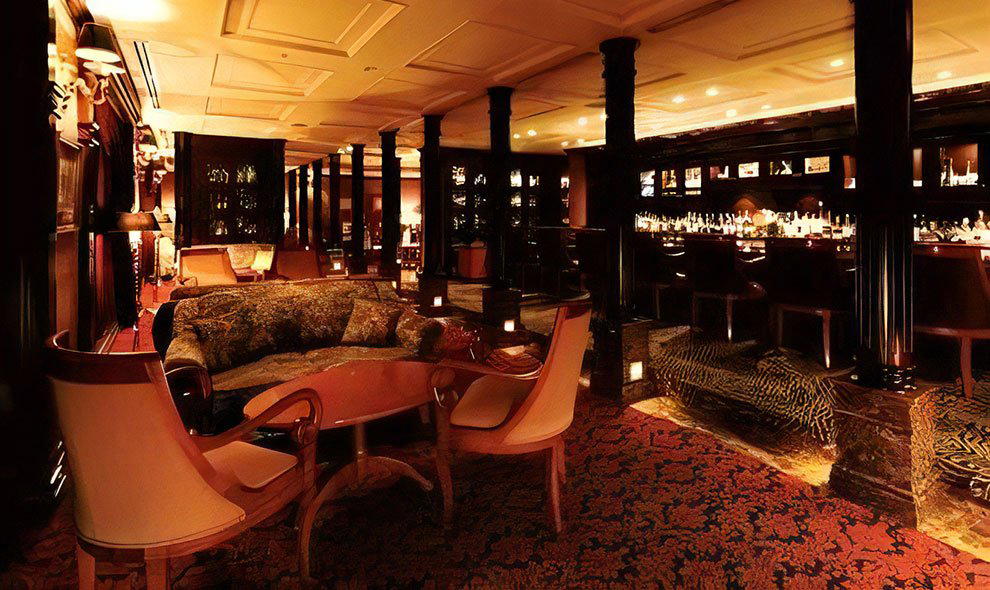
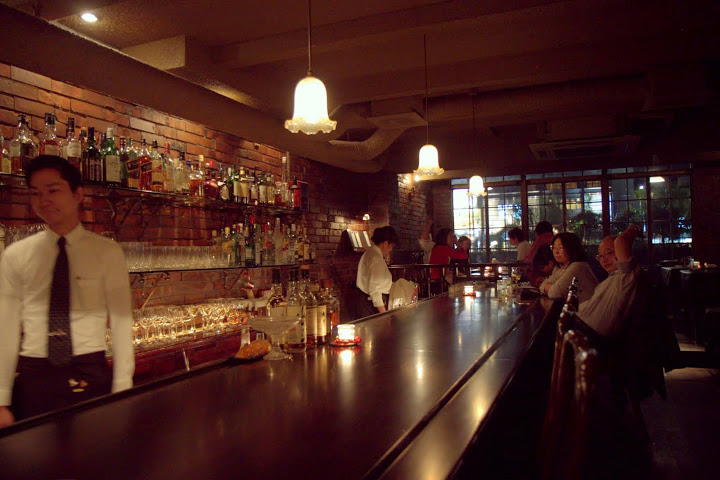
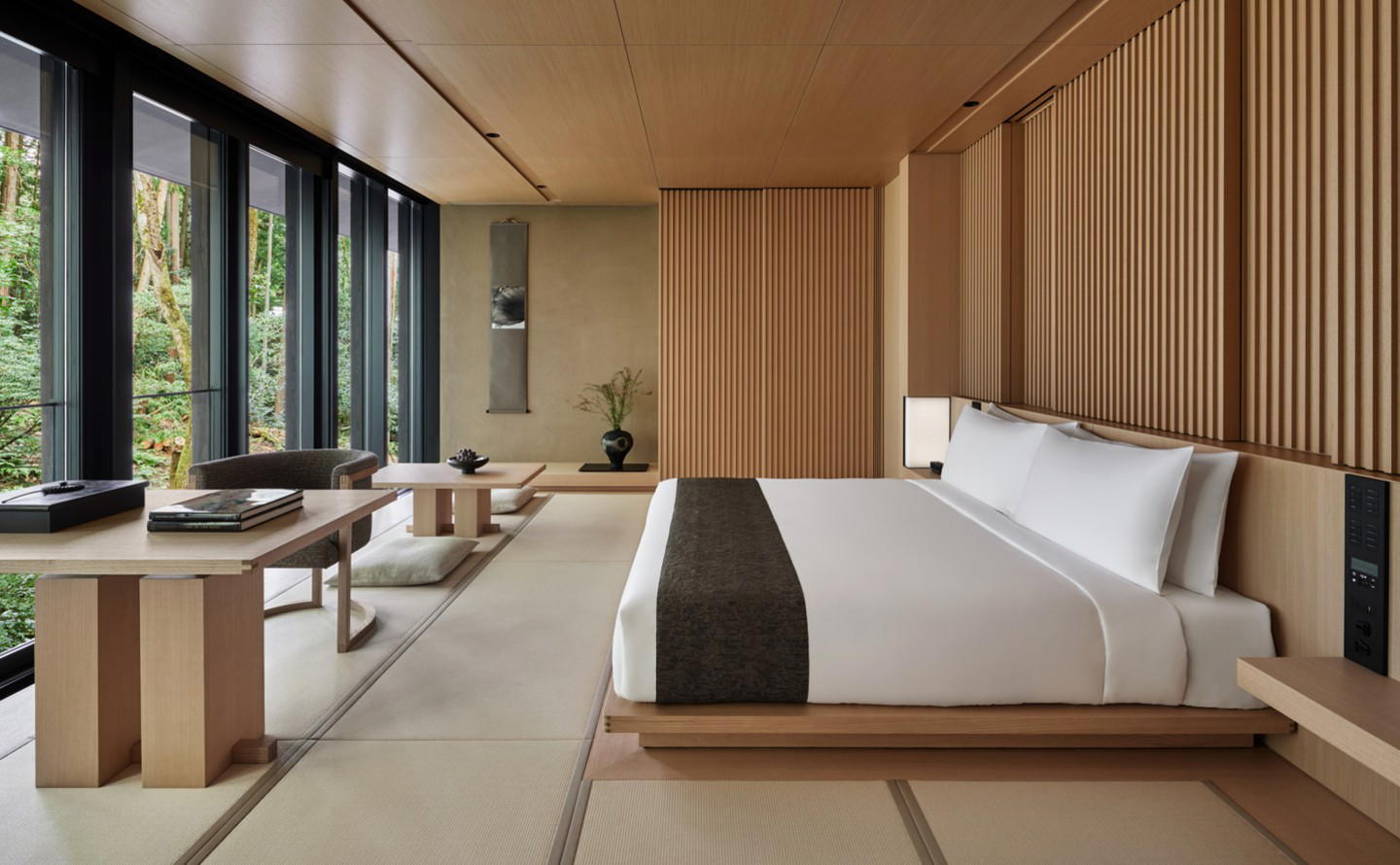
Inside, the name Miyabi implies a certain quietude and compositional restraint, the aesthetic register of mono no aware rather than the theatrical drama of, say, a counter bar in Shibuya. Japanese dining spaces operating under this aesthetic tend toward natural materials, subdued lighting, and an unhurried pace that the kitchen controls rather than the guest. That is an expectation shaped by the name and the city's cultural self-image;
Obama in the Wider Regional Dining Circuit
For travellers building a Kansai or Hokuriku itinerary, Obama sits at a useful junction. The city is roughly two hours from Kyoto by train, making it a viable day trip or short overnight from a Kyoto base. Comparing it to the 一本木 名川鮨 in Nanao or 湖鮮亭 in Takashima, both of which operate in smaller cities drawing on Sea of Japan and Lake Biwa product respectively, Obama fits within a broader pattern of regional Japanese dining that is ingredient-led, geographically specific, and substantially less expensive than comparable quality in the major cities.
The broader Sea of Japan dining corridor, running from Fukuoka in the south through venues like 古代山乃 in Sapporo in the north, is increasingly attracting travellers who have already worked through the metropolitan Michelin lists and are looking for the regional depth those lists underrepresent. Obama is one of the more historically grounded stops on that circuit, for reasons that predate the current travel trend by several centuries.
For comparison at the international level, the sourcing discipline that places like Le Bernardin in New York City or Atomix in New York City bring to seafood and Korean-influenced ingredients respectively requires significant supply chain infrastructure. Obama's version of that discipline is simply geographic proximity, which is a less complicated and more honest form of the same commitment.
Planning a Visit
Obama is accessible via the Obama Line from Higashi-Maizuru, with connections from Kyoto through Nishi-Maizuru. Driving from Kyoto takes approximately 90 minutes via the Maizuru-Wakasa Expressway. Winter, specifically November through March, is the season most aligned with the region's flagship seafood, and it is also when demand from travellers and domestic visitors peaks. Booking ahead during crab season is advisable regardless of the specific restaurant. Reservations are recommended, and Miyabi keeps regular lunch and dinner service Monday, Wednesday, Thursday, Friday, Saturday, and Sunday, with Tuesday closed.
Quick Comparison
Comparable venues nearby, for context on price, style, and recognition.
| Venue | Cuisine | Price | Notes |
|---|---|---|---|
| MiyabiThis venue — the venue you are viewing | Traditional Japanese Kappo with Live Seafood | $$ | Not listed |
| Sushi Shimakawa | Traditional Wakasa Bay Sushi | $$$ | Obama |
| ラヴェリタ | Farm-to-Table Italian with Local Wakasa Ingredients | $$$ | Obama, Fukui Prefecture |
| りんすけ | 南予郷土料理 たいめし | $$ | 内子町内子 |
| 北のうまいもん碧水 | 北海道ローカルフード | $$ | 支笏湖温泉 |
| Katsuretsu Tei (勝烈亭 新市街本店) | Traditional Tonkatsu (Pork Cutlet) | $$ | Shinshigai, Chuo-ku |
At a Glance
- Elegant
- Cozy
- Date Night
- Special Occasion
- Open Kitchen
- Sake Program
- Local Sourcing
- Sustainable Seafood
- Waterfront
Current opening hours
- Monday
- 11:30 AM–2:30 PM, 5:30–9:30 PM
- Tuesday
- Closed
- Wednesday
- 11:30 AM–2:30 PM, 5:30–9:30 PM
- Thursday
- 11:30 AM–2:30 PM, 5:30–9:30 PM
- Friday
- 11:30 AM–2:30 PM, 5:30–9:30 PM
- Saturday
- 11:30 AM–3 PM, 5:30–9:30 PM
- Sunday
- 11:30 AM–3 PM, 5:30–9:30 PM
Hours can change for holidays and private events. Last verified .
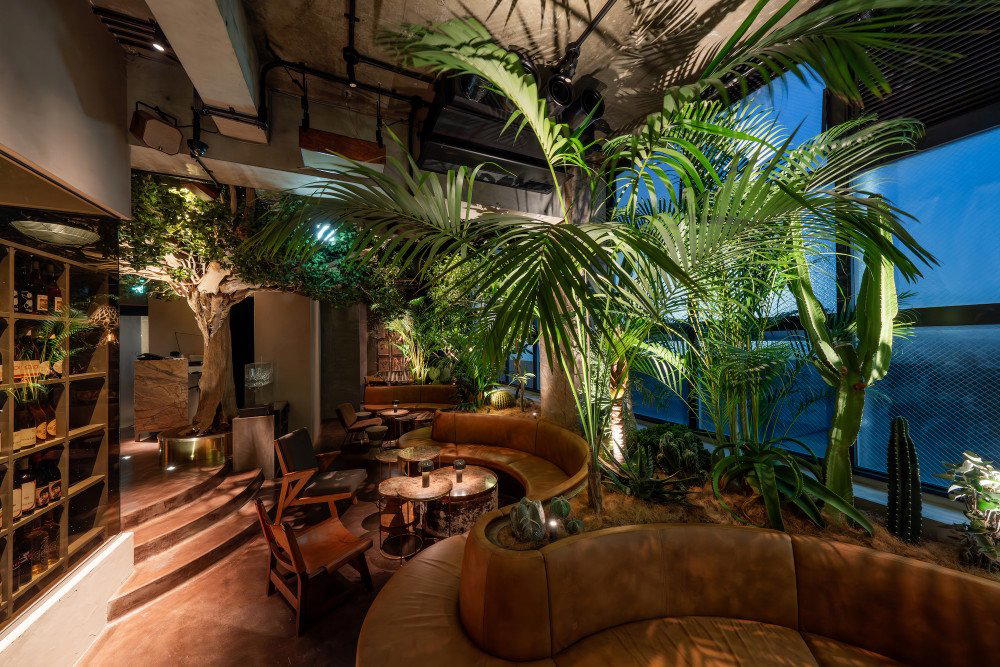
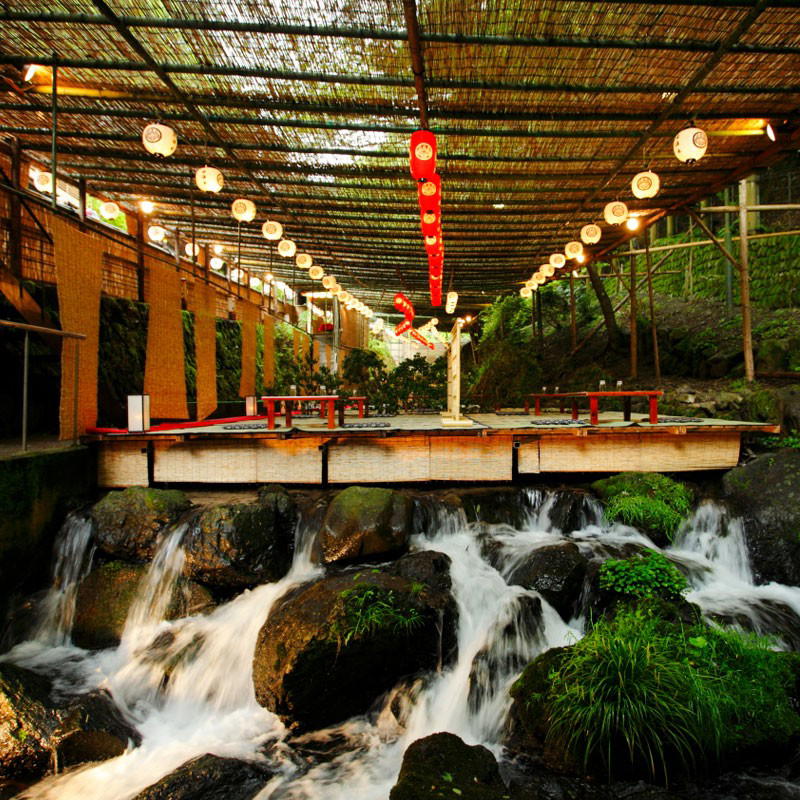
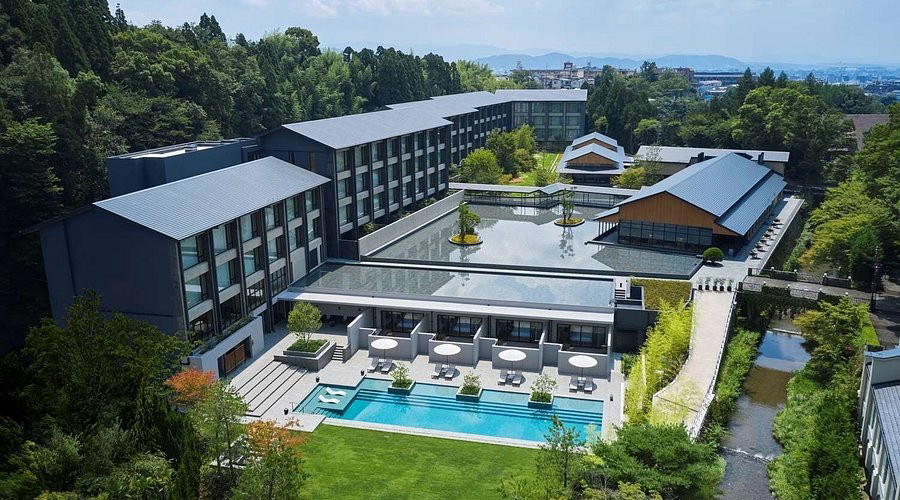
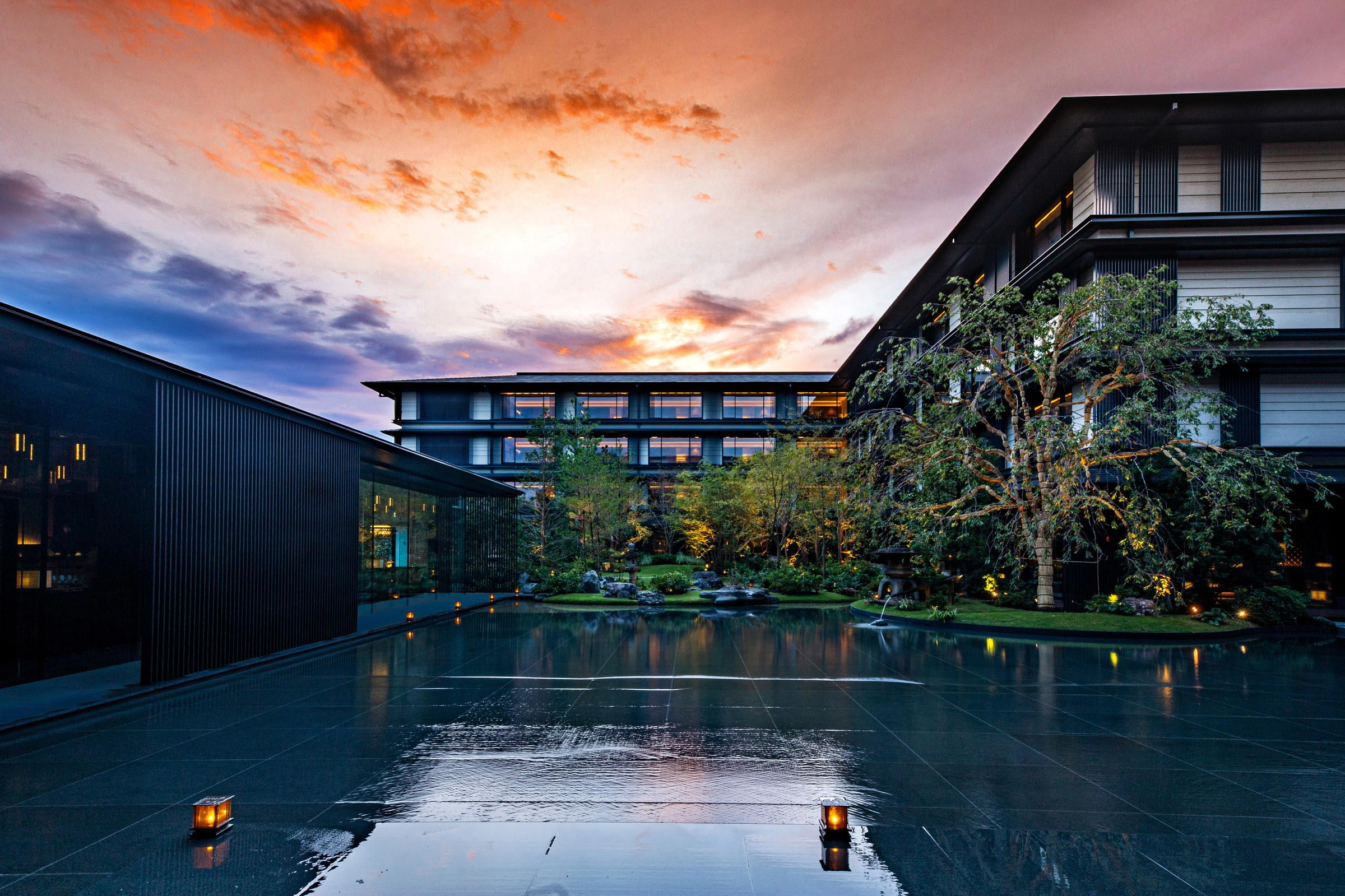
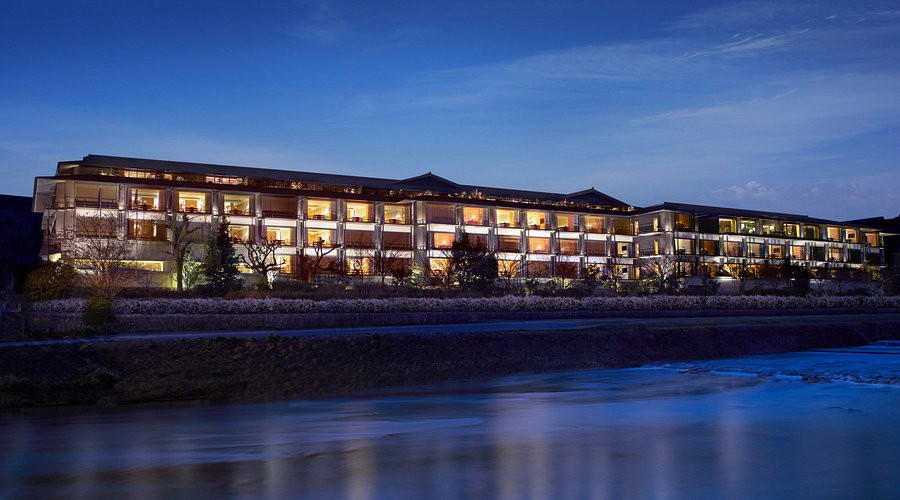
Cozy and elegant atmosphere with ocean views, centered around a lively fresh seafood tank.