Seaside dining with fresh mozzarella and seafood
Pearl is the En Primeur Club membership app — saves, bookings, and concierge access live there. Same editors, same standards.
- Address
- 35 Obamashiogama, Obama, Fukui 917-0086, Japan
- Phone
- +81770645778
- Website
- laverita.jp
 Saves & bookings on Pearl
Obama, Fukui: Where Provincial Japan Keeps Its Own Counsel
ラヴェリタ is a restaurant in Obama, Fukui, serving farm-to-table Italian cuisine with local Wakasa ingredients. Obama sits on the Wakasa Bay coastline in Fukui Prefecture, roughly two hours from Kyoto by limited express. The city is small enough that a single main street accounts for most of its commerce, and old enough that its role as a supply port for the imperial capital, dried seafood and salt moved east from here for centuries, still shapes what ends up on local plates. Dining in this part of Hokuriku operates on a different register than the curated restaurant rows of Osaka or the omakase circuits of Tokyo. Reputation travels by word of mouth over years, not by algorithm.
ラヴェリタ in Context
The address at 35 Obamashiogama places ラヴェリタ in the Shiogama district, close to the water and away from the secondary tourism infrastructure that clusters around Obama's temple precincts. In provincial Japanese cities of this scale, that positioning is a signal in itself. Restaurants that operate at a remove from the obvious visitor circuit tend to be drawing a local clientele first, which in practice means the kitchen is accountable to regulars rather than to passing trade. That accountability structure tends to produce tighter menus, more consistent execution, and a pace of service calibrated to the room rather than the table turn. The culinary tradition in Wakasa has always leaned on proximity to the sea: Wakasa-fugu, pickled mackerel, and the crabs that come out of the Sea of Japan in winter months have defined the regional table long before any restaurant concept arrived. Any serious dining room in Obama operates in relation to that tradition, whether it works within it or against it.
For comparison, the broader Hokuriku and San-in corridor has produced a number of properties that quietly maintain high standards outside the main critical circuit. 一本木 石川制 in Nanao and 湖畔荘 in Takashima occupy a similar position: provincial addresses where the sourcing story is tied directly to local geography. ラヴェリタ operates within that same logic of place.
The Italian Register in a Japanese Coastal Town
The name ラヴェリタ is a phonetic rendering of la verità, the Italian word for truth, which situates the restaurant within a specific tradition of Italian-inflected dining that has taken root in regional Japan over the past three decades. This is not a category that exists only in major cities. Japanese chefs trained in Italy, or in the Italian-Japanese kitchens of Osaka and Tokyo, have opened small, serious rooms in provincial settings across Honshu, drawn by access to particular local ingredients that pair naturally with Italian technique. Olive oil and aged Parmigiano function as a frame; Wakasa produce and Sea of Japan seafood supply the actual content. The result is a cuisine that is structurally Italian but materially Japanese, a model that has found genuine traction in locations exactly like Obama.
In larger cities, this model scales up considerably. HAJIME in Osaka operates at the highest tier of innovative French-inflected cooking in the Kansai region, and the philosophical debt to European technique-plus-Japanese-ingredient is legible there too, though at a different price point and format. akordu in Nara works with a similar European-meets-local logic in a smaller city context. ラヴェリタ occupies a quieter version of that space: no confirmed seat count or published tasting menu structure, but an address and a name that together suggest a considered position within the tradition.
Dining in Wakasa: What the Region Puts on the Table
Fukui Prefecture has a legitimate claim to some of the leading winter crab in Japan. The Echizen crab (snow crab caught off the Fukui coast and sold under a regional brand mark) commands a premium on the domestic market that rivals the luxury seafood of Hokkaido. Wakasa Bay's mackerel, preserved in salt and vinegar using methods that date back to the Nara period, remains a regional staple that shows up in various forms across the prefecture's serious kitchens. A restaurant operating in Obama has direct access to this supply chain in a way that urban kitchens cannot replicate, which is the core argument for making the journey rather than waiting for a comparable experience in Kyoto or Osaka.
The comparison set extends beyond Fukui. Gion Sasaki in Kyoto and Harutaka in Tokyo both illustrate what serious sourcing looks like when it is combined with technical command and a degree of institutional recognition. Provincial rooms like ラヴェリタ make a different, less documented case: that the ingredient proximity argument works well at the source, before the product has moved along the supply chain to a metropolitan kitchen. Whether that argument holds in practice requires sitting at the table, which means making the trip to Obama first.
Planning the Visit
Obama is reachable via the Obama Line from Higashi-Maizuru or by connecting through Tsuruga on the Hokuriku Shinkansen corridor. The journey from Kyoto runs approximately two hours by the Kinokuni or Kosei Line depending on the season and connection. The restaurant is recommended for reservations. Reservations are recommended. Given Obama's small scale, aligning the visit with a two-night stay allows time to absorb the town itself, the Myotsuji temple complex, the Sotomo coastal cliffs, and the morning fish market at the port, rather than treating the restaurant as a day-trip destination.
For those whose Japan itinerary is centred on Kyushu rather than Hokuriku, Goh in Fukuoka represents a comparable commitment to regional sourcing within a different geographic and culinary frame. And for readers whose reference points are international rather than domestic Japanese, the precision sourcing model that defines serious provincial dining in Japan has a distant counterpart in the way Le Bernardin in New York City or Atomix in New York City build menus around ingredient provenance, though the Japanese provincial version removes most of the institutional apparatus and leaves the ingredient to carry more of the weight on its own.
Closer to Obama, Miyabi represents another reference point within the city itself, giving visitors a basis for comparison between the local options before committing to a single reservation. Other regional rooms worth noting for itinerary planning include
Price and Positioning
Comparable venues nearby, for context on price, style, and recognition.
| Venue | Cuisine | Price | Notes |
|---|---|---|---|
| ラヴェリタThis venue — the venue you are viewing | Not listed | $$$ | Not listed |
| Sushi Shimakawa | Obama, Traditional Wakasa Bay Sushi | $$$ | Not listed |
| Miyabi | Not listed | $$ | Katori, Traditional Japanese Kappo with Live Seafood |
| Vino della Pace | Not listed | $$$ | Nishiazabu, Classic Regional Italian with Extensive Wine Pairings |
| En Boca | Karuizawa, Wood-Fired Vegetable Pizza | $$$ | Not listed |
| The Grand Cafe | Kita, Italian-style café and dining bar | $$$ | Not listed |
At a Glance
- Elegant
- Cozy
- Intimate
- Date Night
- Casual Hangout
- Special Occasion
- Open Kitchen
- Waterfront
- Standalone
- Farm To Table
- Local Sourcing
- Waterfront
Current opening hours
- Monday
- 11:30 AM–3 PM, 6–9 PM
- Tuesday
- 11:30 AM–3 PM, 6–9 PM
- Wednesday
- 11:30 AM–3 PM, 6–9 PM
- Thursday
- 11:30 AM–3 PM, 6–9 PM
- Friday
- 11:30 AM–3 PM, 6–9 PM
- Saturday
- 11:30 AM–3 PM, 6–9 PM
- Sunday
- 11:30 AM–3 PM, 6–9 PM
Hours can change for holidays and private events. Last verified .
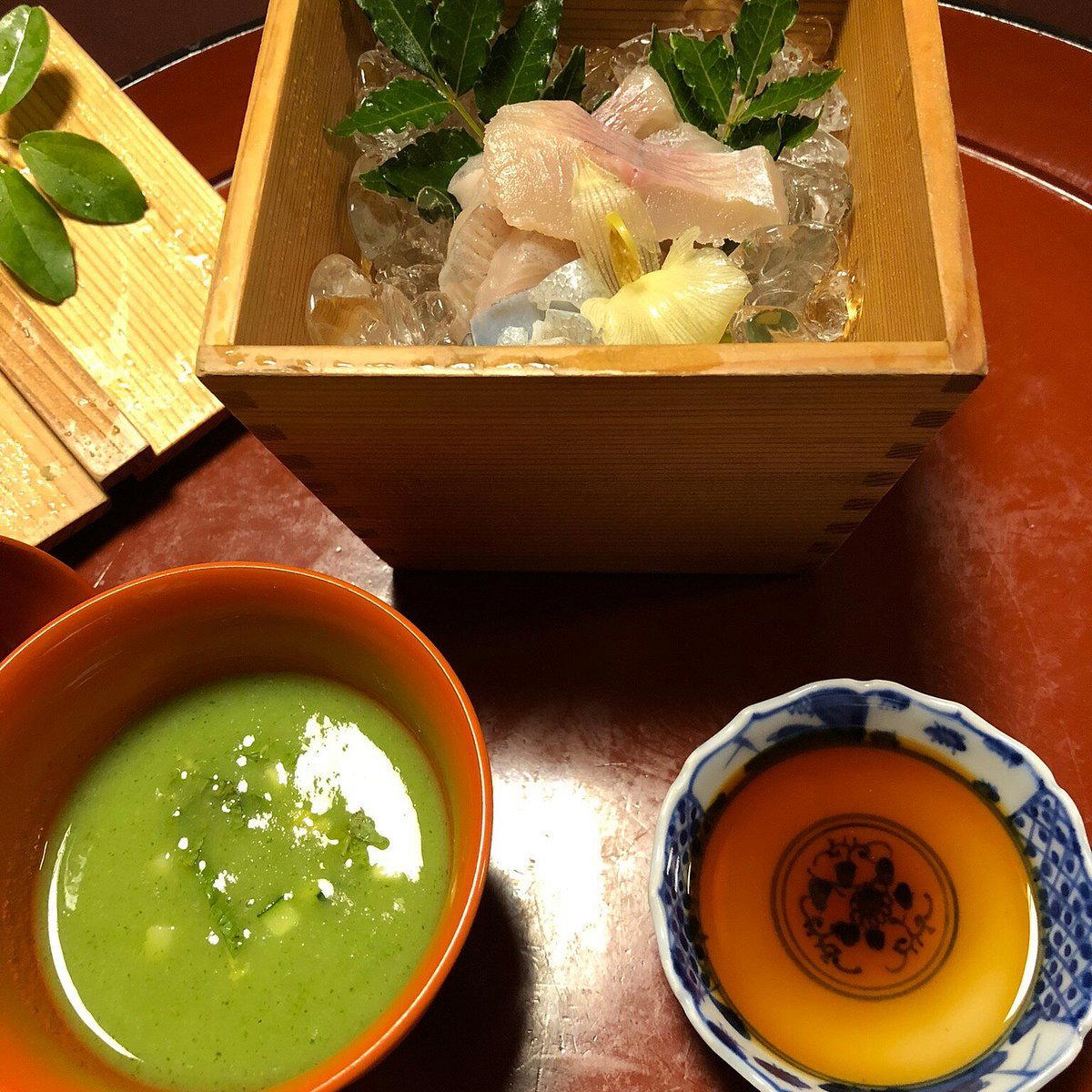
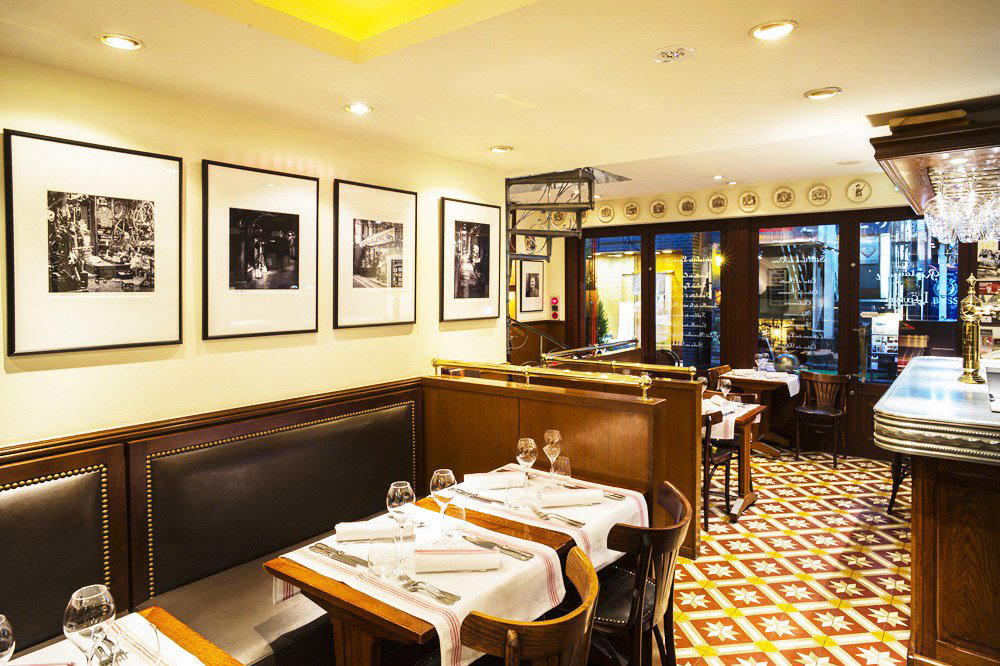
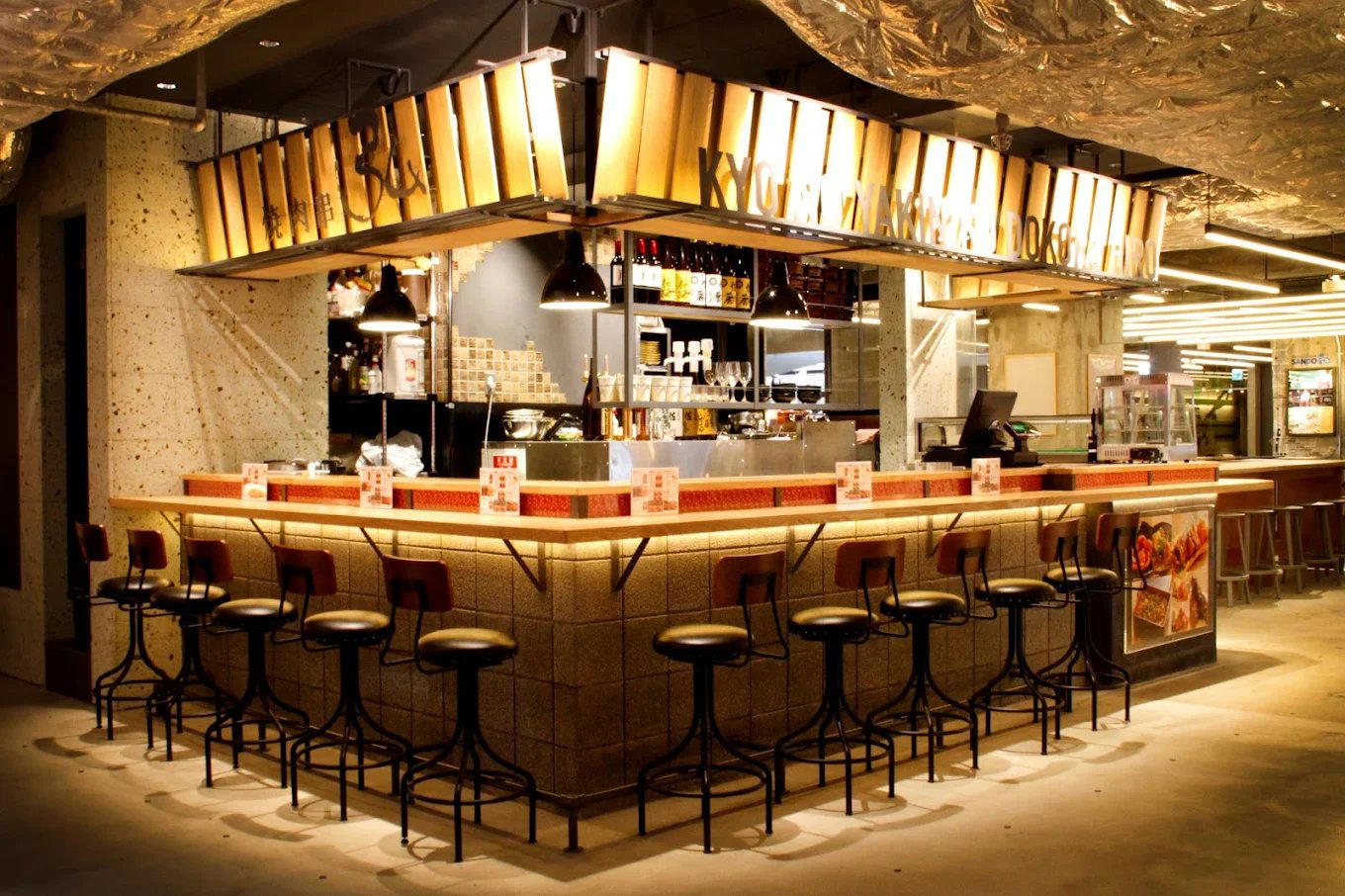
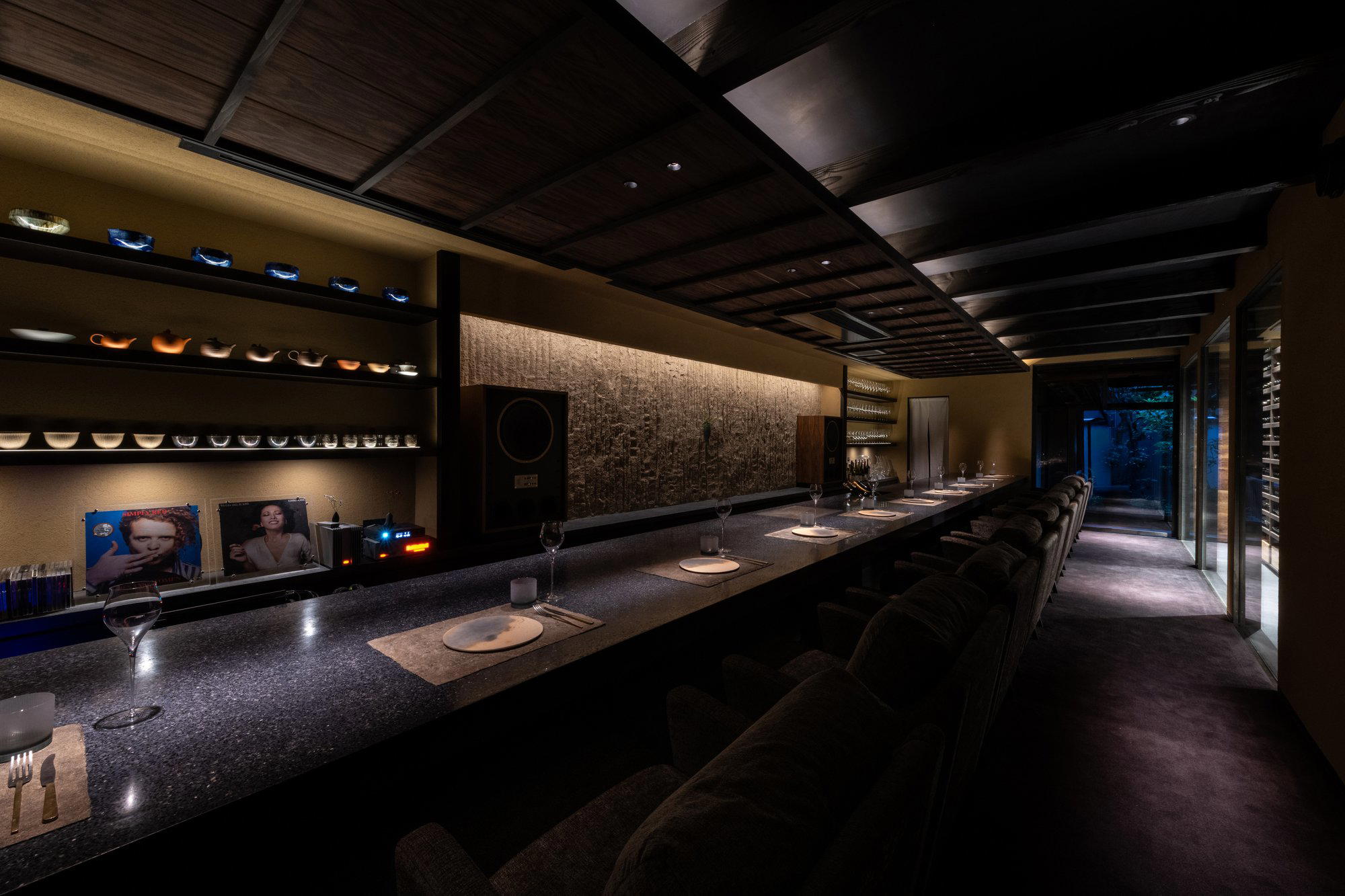
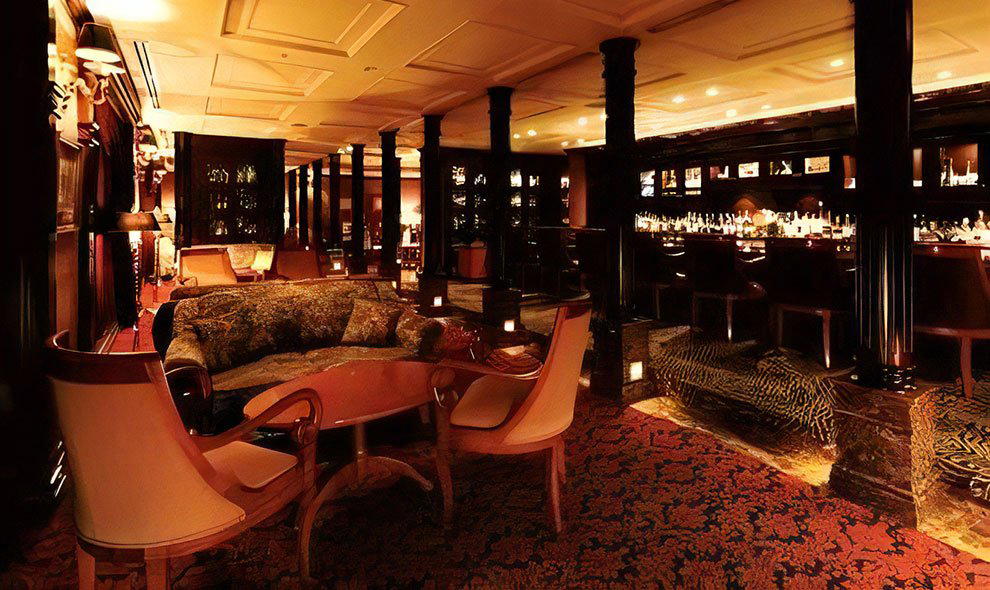
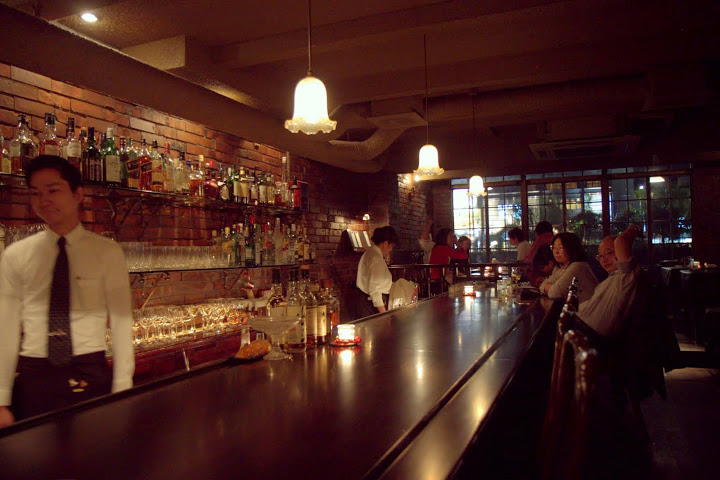
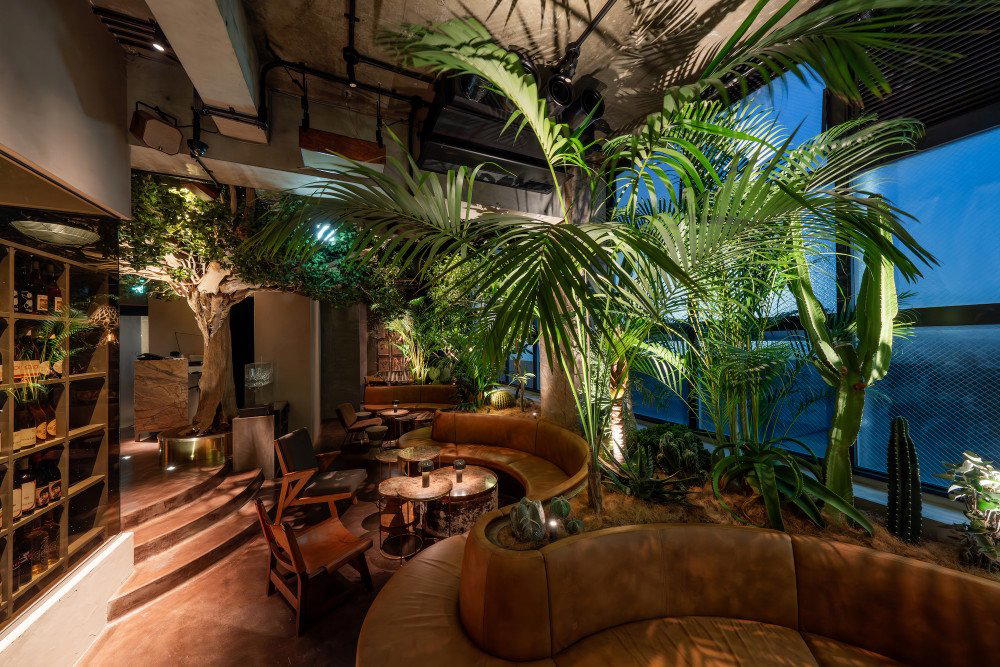
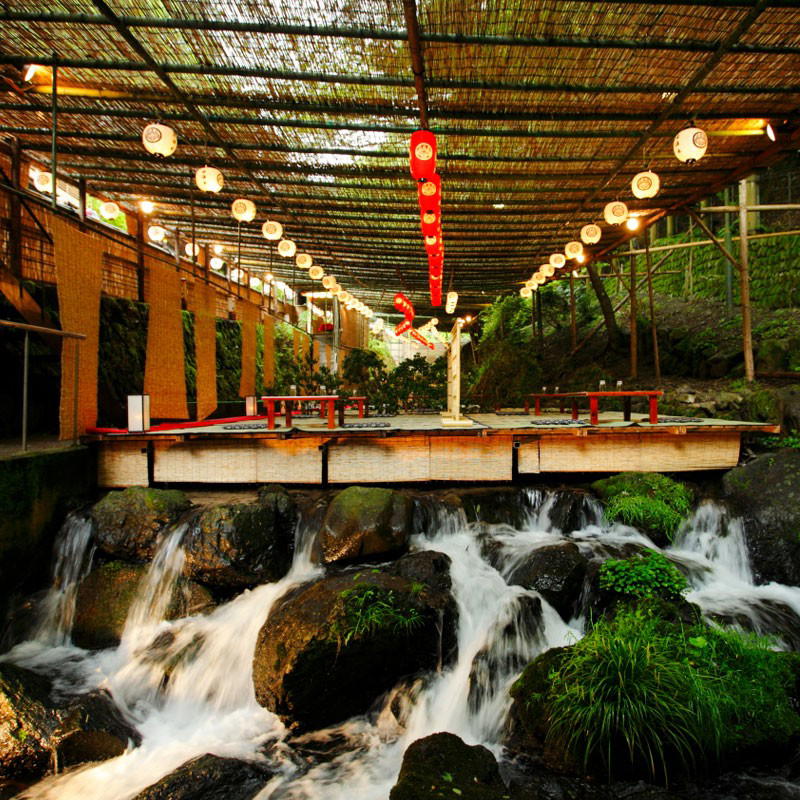
Calm, settled atmosphere with a focus on artisanal craftsmanship; located seaside with a cheese factory on premises creating fresh-smelling ambiance.