
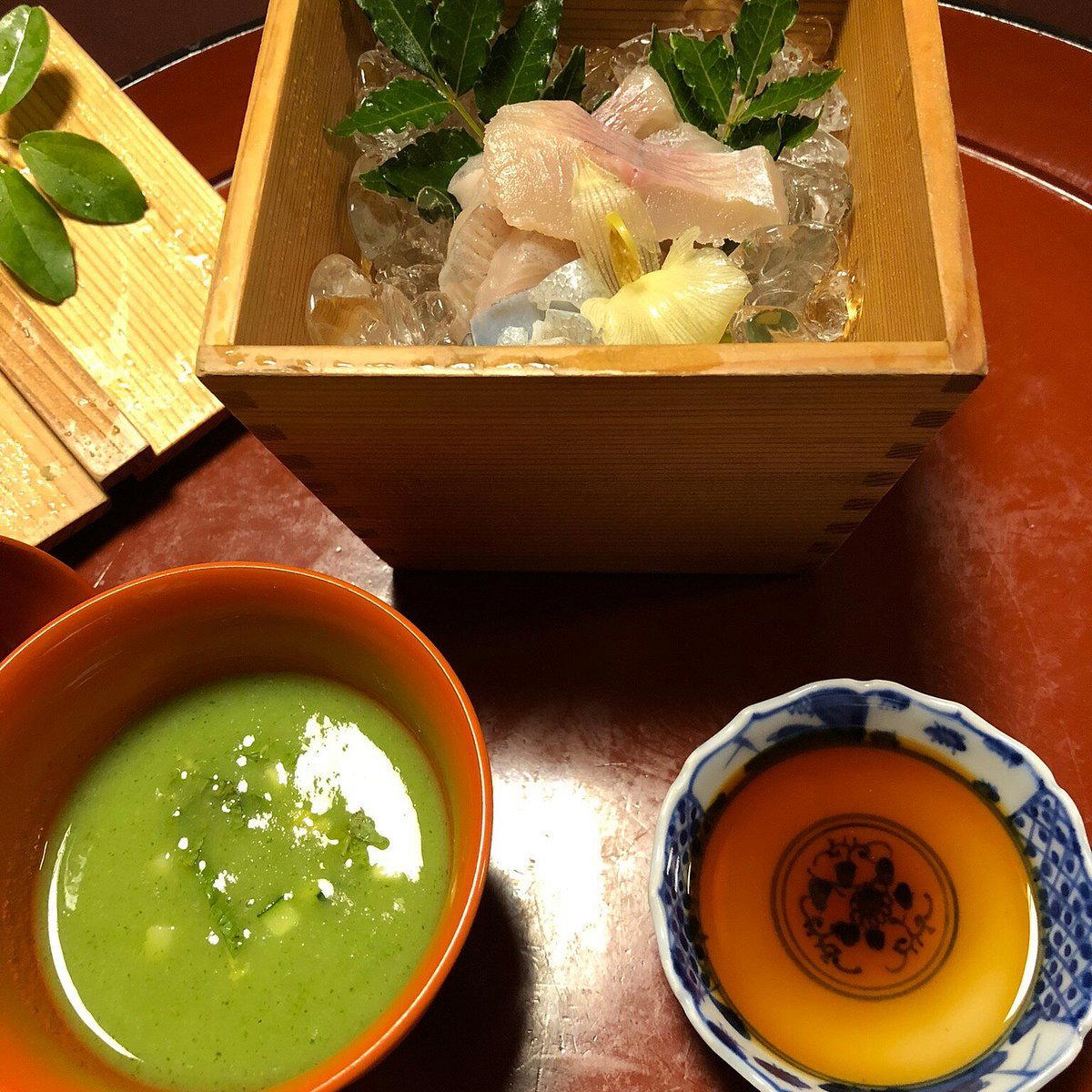
Sushi Shimakawa places Obama’s Wakasa Bay seafood tradition in a compact sushi-and-crab format with Tabelog 100 Sushi WEST 2025 recognition. The appeal is regional rather than metropolitan: local fish, sake, counter seating, and a scale that rewards diners who treat Obama as a coastal food stop, not a detour from Kyoto or Kanazawa.
Pearl is the En Primeur Club membership app — saves, bookings, and concierge access live there. Same editors, same standards.
- Address
- Japan, 〒917-0084 Fukui, Obama, Obamahiromine, 83−1
- Phone
- +81 770-53-0337
- Website
- obama-sushi.com
 Saves & bookings on Pearl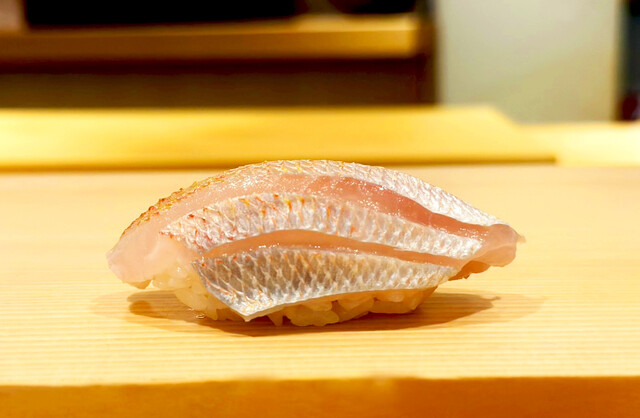
Obama’s sushi culture begins before the counter: Wakasa Bay, the Sea of Japan, and a port town whose cooking has long depended on near-shore arrivals. In larger cities, sushi can become a contest of lineage, polish, and auction access. Here, provenance is the sharper question. Sushi Shimakawa sits in that smaller coastal category, where the meal’s case rests on local fish, crab, sake, and the city’s relationship with the bay.
That context matters because Obama is not a volume dining city. It asks for a rhythm different from Kyoto’s temple-side kaiseki circuit or Osaka’s late-night appetite. The restaurant’s Tabelog 100 Sushi WEST 2025 selection and 3.84 score put it on the radar for diners scanning western Japan for serious sushi, but the setting keeps the experience tied to Fukui, not a transplanted Tokyo omakase. The better comparison is not a Ginza counter with ceremonial pricing, but a regional sushi room whose credibility comes from fish supply, restraint, and confidence in a small format.
Wakasa Bay sourcing gives the meal its point of view
The defining feature is the seafood base. Sushi and crab share the billing, and the kitchen’s stated emphasis on fish fits Obama’s coastal identity. Wakasa Bay historically fed inland Japan through the so-called saba kaido, the mackerel routes linking this part of Fukui with Kyoto. That history still shapes how serious eaters read the region: fish is not a garnish to local culture, it is the reason to travel here.
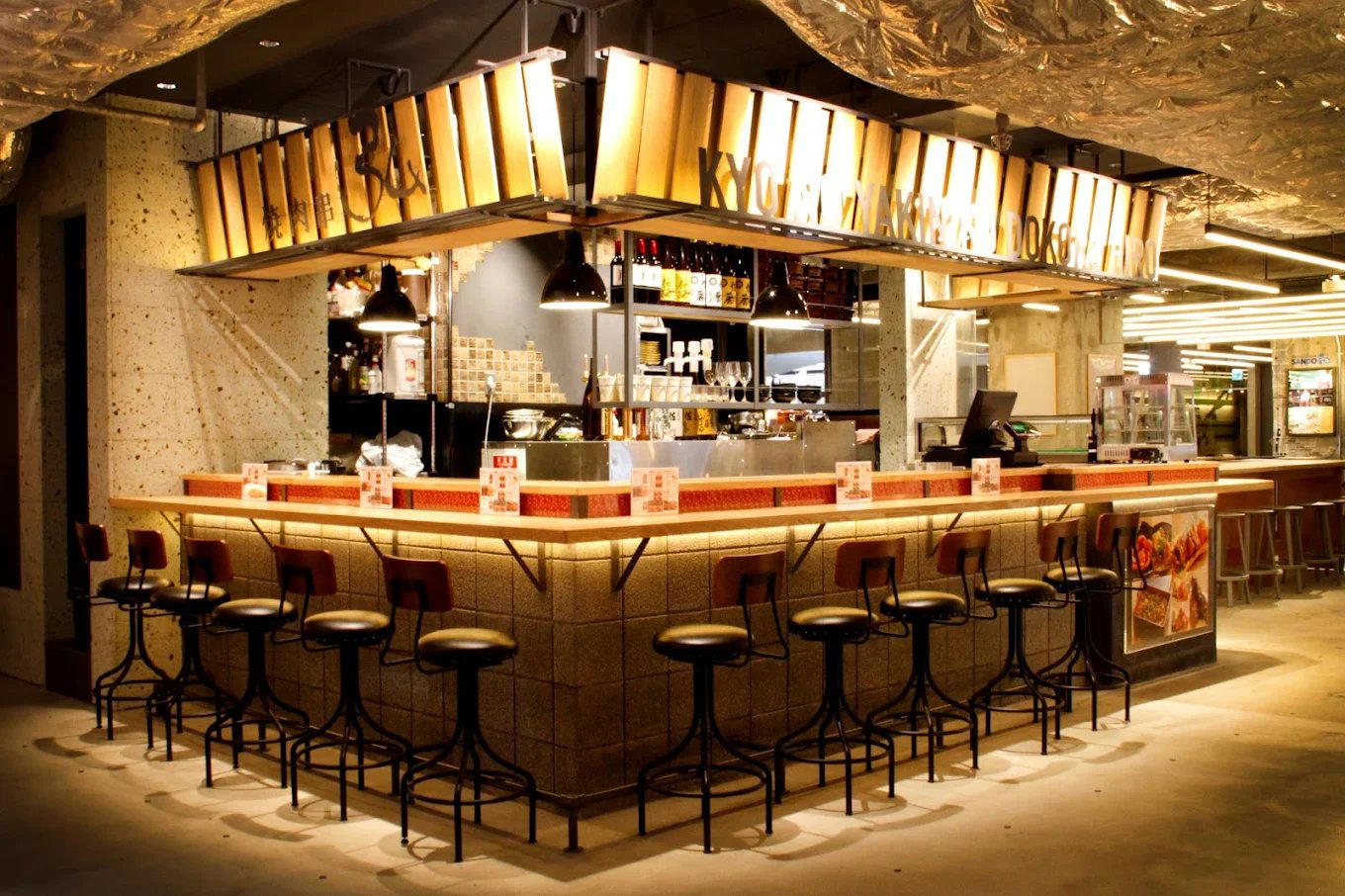
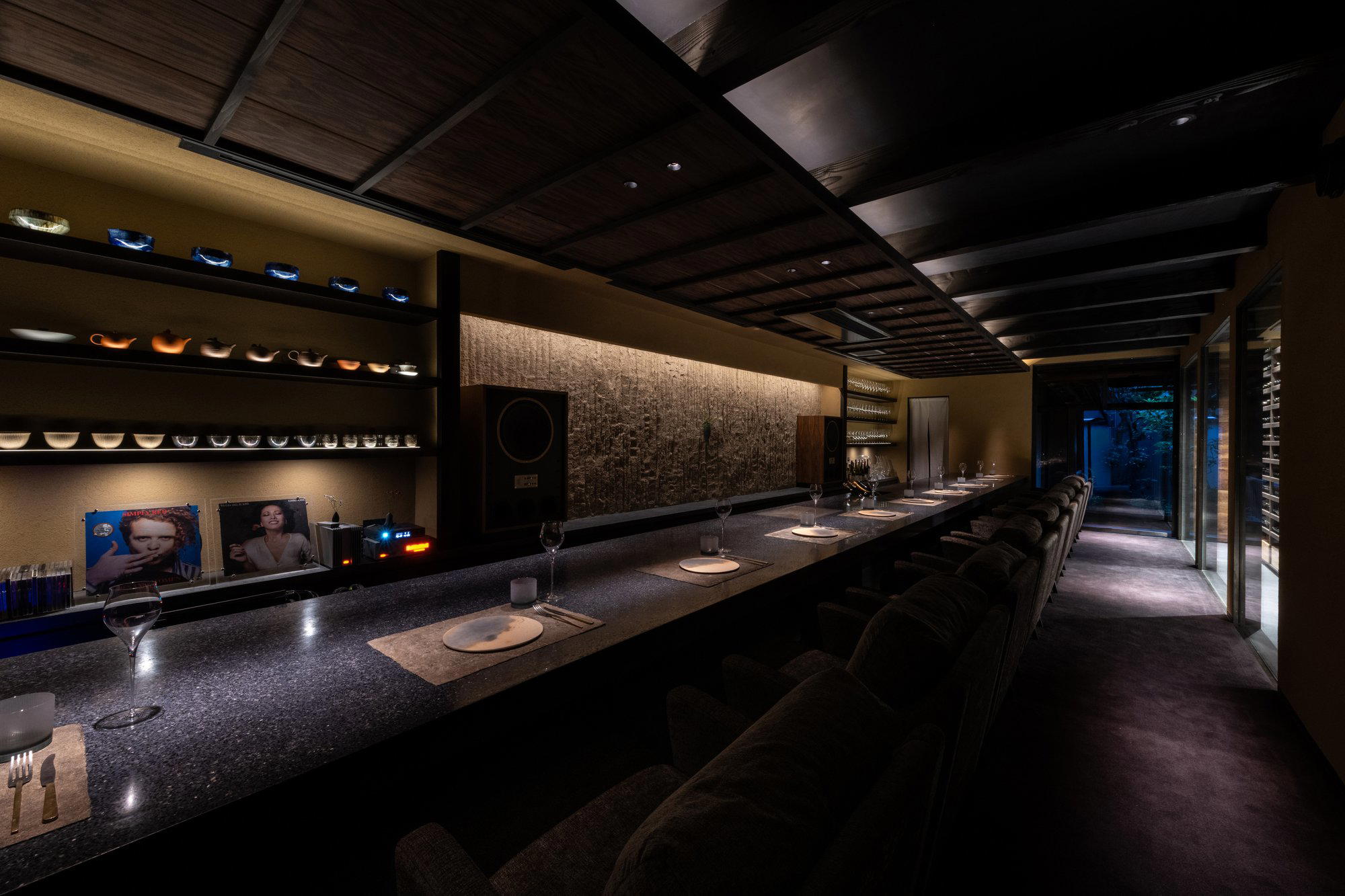
In that frame, Sushi Shimakawa convinces more as a place of origin than as a luxury signal. The counter format, with a maximum of eight counter seats in a 14-seat room, keeps focus on preparation and timing. Private-room seating exists, but the counter is sharper for diners who care about sushi as a sequence rather than a social meal. The restaurant also lists sake and shochu, with particular attention to nihonshu, fitting a seafood-led room where rice, vinegar, fat, salt, and temperature do the work.
Obama’s dining scene has other useful reference points. Miyabi and ラヴェリタ point to a small local market rather than a deep luxury circuit, so a Tabelog 100 sushi selection carries more weight here than in a city already crowded with award-listed counters. For a wider read on the city’s food map, Our full Obama restaurants guide is the right companion, especially for travelers deciding whether to add a meal-led Fukui stop.
A compact room, a regional register, and less theatre than the big-city counter
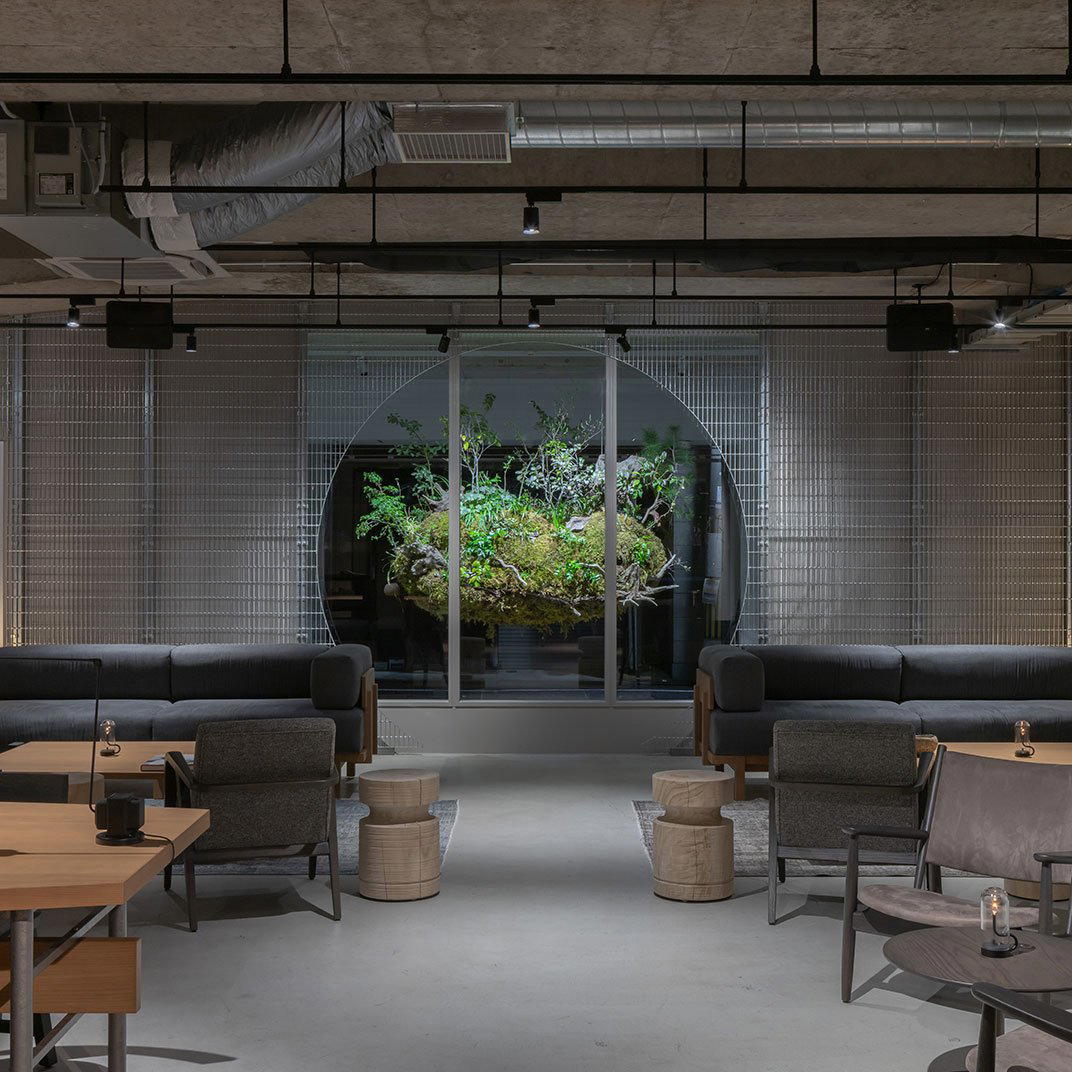
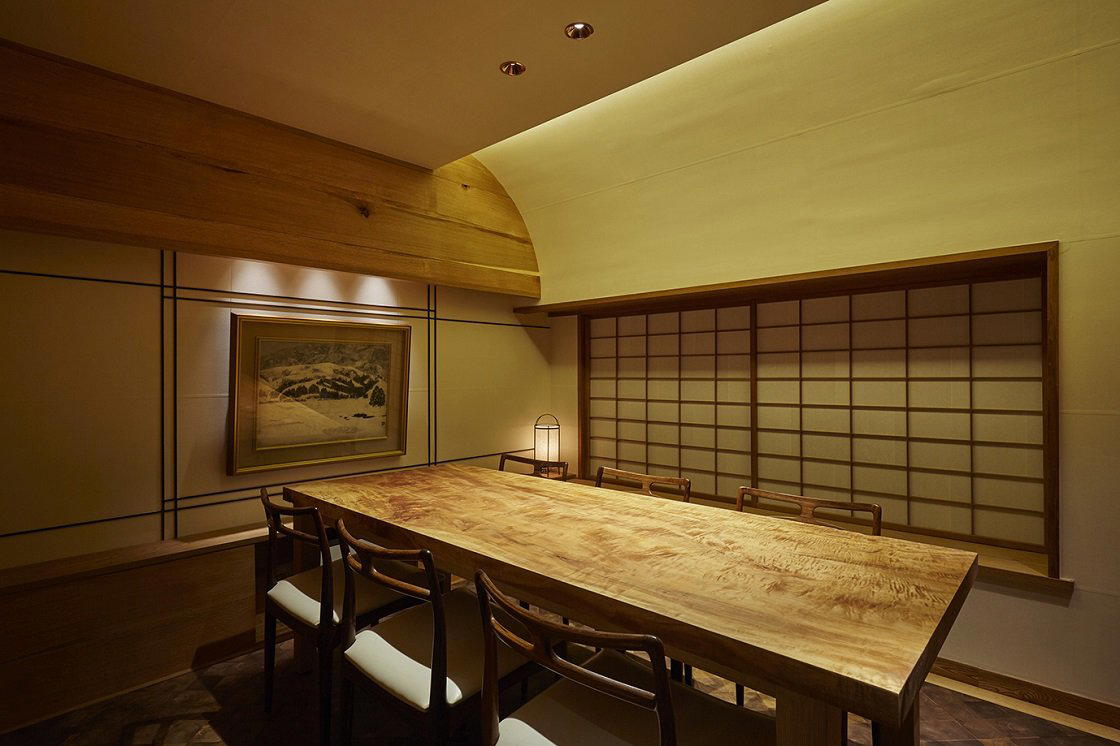
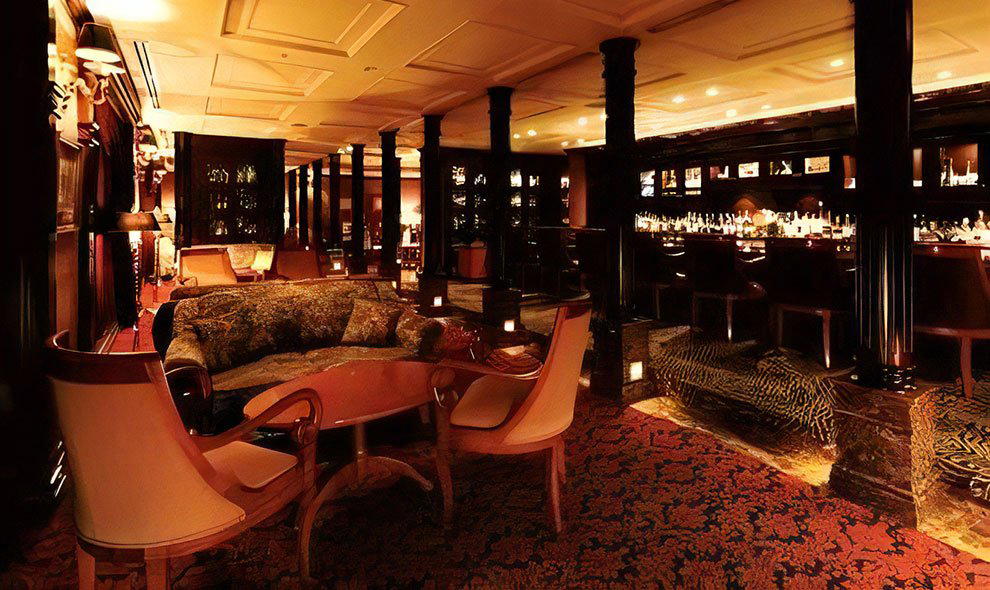
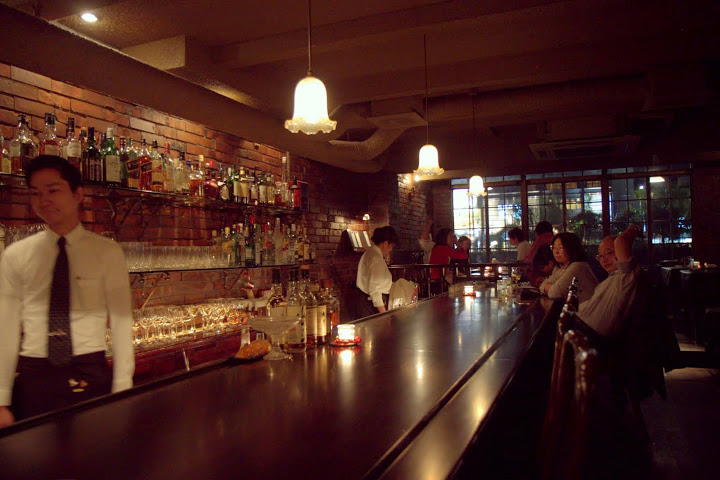
The experience reads as disciplined regional sushi, not grand-stage dining. A small counter changes the room’s pressure: pacing is visible, rice must be served on time, and the diner sees how much depends on touch rather than décor. Private rooms broaden the audience, including families and small groups, but shift the meal away from the immediacy of counter service.
That distinction is practical and editorial. At many Japanese sushi restaurants, the counter is not just a seat type; it is the format through which the meal is calibrated. Sushi Shimakawa’s seating split reinforces that hierarchy. The table room may suit conversation, children, or a less formal gathering, while the counter better reveals the kitchen’s intent. The room is non-smoking, and wheelchair-accessible facilities are listed, making the setup more usable than the old stereotype of a cramped, adult-only sushi den.
The dress guidance is unusually plain for a serious sushi counter: no formal code, but diners are warned that charcoal cooking may leave smoke or aroma on clothing. That detail says more than atmosphere writing. This is not a lacquered luxury shell; it is a working seafood room where heat, rice, fish, and timing matter. Take-out is also listed, a reminder that in regional Japan, even highly rated restaurants often keep one foot in local utility rather than performing only for destination diners.
How to place it within a western Japan food trip
For travelers routing through western Japan, Obama works as a coastal counterpoint. Kyoto offers formality, Osaka appetite and range, and Fukui’s coast the source logic behind certain Japanese seafood traditions. The restaurant belongs in an itinerary when the point is to connect sushi with place, not simply collect another reservation.
The broader Japan dining map pulls in several directions. Out-of-metro kaiseki references such as Hirasansou and 比良山荘 show how mountain and freshwater traditions form another register of regional Japanese cooking, while Rukawa sits in a more general Japanese-food frame. Those comparisons keep Obama in proportion: not a substitute for a city-by-city grand tour, but a precise stop for diners who care about seafood geography.
Planning around Obama should stay compact. The city’s restaurant field is small enough that dining can sit alongside broader travel rather than consume the day. Pair the meal with local lodging research through Our full Obama hotels guide, and use Our full Obama bars guide, Our full Obama wineries guide, and Our full Obama experiences guide to see whether the city supports a longer stay or a focused food-led stop.
Readers comparing Japanese dining across EP Club’s wider coverage can scan contrasting formats: beef sukiyaki at -Grilled beef Sukiyaki- KAMAKURA TANUKIAN 鎌倉 たぬき庵 in Kamakura, tuna and charcoal cooking at . 鮪と炭火焼き うお炭 秋葉原店 in Tokyo, casual urban dining at.cafe in Osaka, contemporary dining at.know in Kumamoto, Vietnamese cooking in Japan at (Shoku) Vietnam in Kawasaki, curry specialization at [Curry Senmon Ten] Maruyama Kyoju. in Sapporo, Kyoto minimalism at [ki:] in Kyoto, meat-focused Nara dining at #肉といえば松田 奈良本店 in Kashihara, burgers in Hokuriku at 1/3 HAMBURGER FACTORY in Kanazawa, sake-bar culture abroad at Jōdo Saké Bar in Los Angeles, and Japanese comfort food in California at Onigiri Time in Pasadena. Against that spread, the Obama address reads clearly: coastal sushi, regional fish, and a small room whose value lies in specificity.
In Context: Similar Options
Comparable venues by cuisine and price in the same metro.
| Venue | Cuisine | Price | Notes |
|---|---|---|---|
| Sushi ShimakawaThis venue — the venue you are viewing | Traditional Wakasa Bay Sushi | $$$ | Not listed |
| Miyabi | Traditional Japanese Kappo with Live Seafood | $$ | Katori |
| ラヴェリタ | Farm-to-Table Italian with Local Wakasa Ingredients | $$$ | Obama, Fukui Prefecture |
| Nana Kamado | Authentic Japanese Cuisine | $$$ | Takamibaba |
| Manten Sushi (まんてん鮨) | Edomae Omakase Sushi | $$$ | Marunouchi |
| 篝火 | Japanese Kaiseki & Chinese | $$$ | Yamanouchi-machi, Shimotakai-gun |
Recognition history
Dated appearances from independent guides and award organizations, with the underlying list record or original source where available.
Tabelog 100 #29 · No. 29
Tabelog · Tabelog 100 - Sushi - WEST - 2025
At a Glance
- Classic
- Cozy
- Intimate
- Date Night
- Solo
- Special Occasion
- Chefs Counter
- Waterfront
- Standalone
- Sake Program
- Local Sourcing
- Sustainable Seafood
Current opening hours
- Monday
- 12–2 PM, 5:30–9 PM
- Tuesday
- Closed
- Wednesday
- Closed
- Thursday
- 5:30–9 PM
- Friday
- 12–2 PM, 5:30–9 PM
- Saturday
- 12–2 PM, 5:30–9 PM
- Sunday
- 12–2 PM, 5:30–9 PM
Hours can change for holidays and private events. Last verified .
A small, traditional sushi counter in rural Obama with an intimate, relaxed feel, where the focus is on interaction with the chef and enjoying carefully prepared local fish rather than flashy decor.