
Tabelog Bronze #277
Our verdict
Mitsuki gives Tottori’s Japanese-cuisine scene a serious regional anchor: seafood and mountain produce framed through a reservation-only format rather than casual izakaya rhythm. Its Tabelog Award Bronze recognition in 2024, 2025 and 2026, plus selection for Tabelog 100 Japanese cuisine WEST in 2023 and 2025, places it in a tighter competitive band than most dining rooms in the city.

Pearl is the En Primeur Club membership app, where members save venues, book tables and use the concierge.
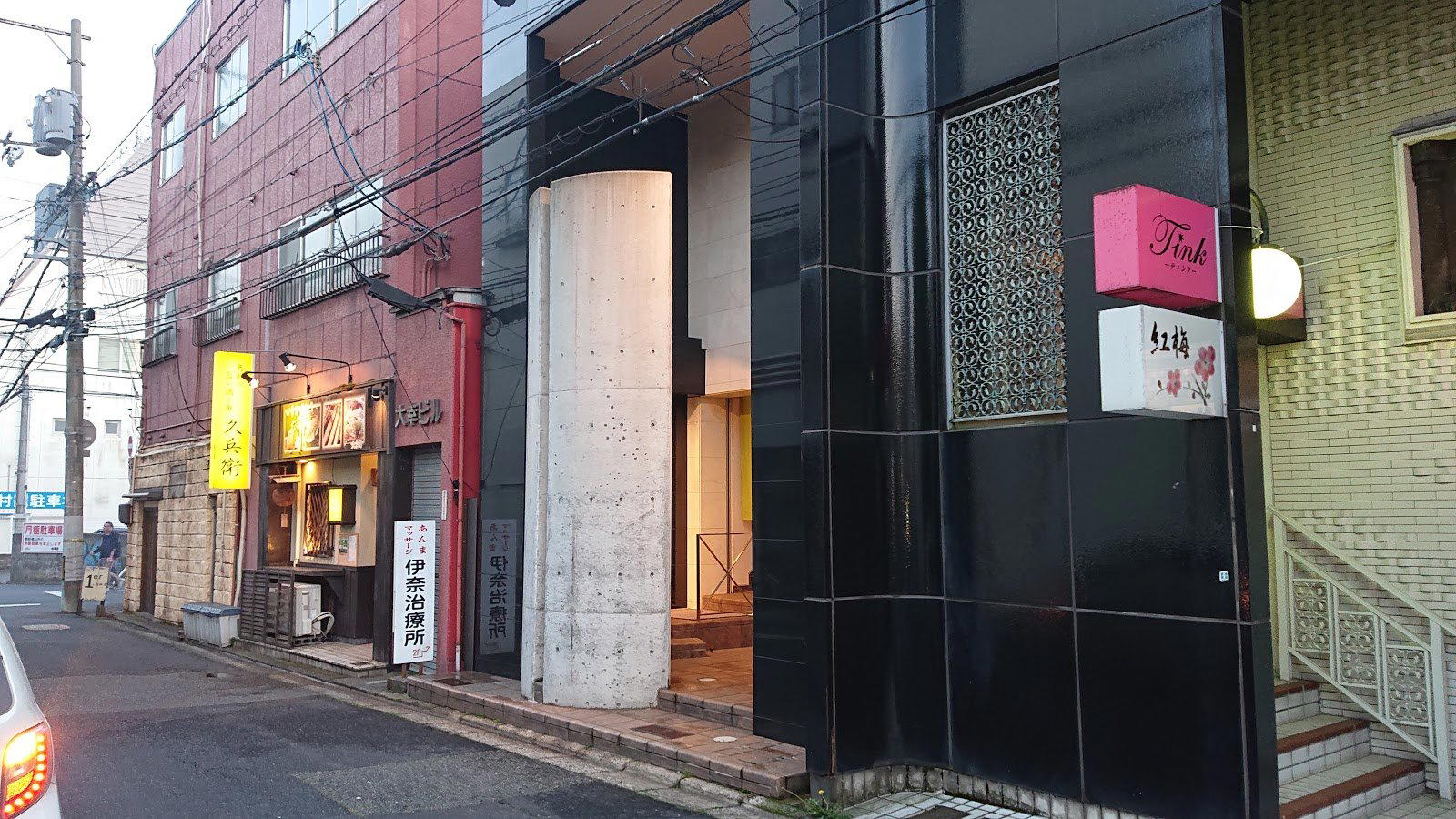
On Suehiroonsencho, the dining signal is compression rather than street theatre: a second-floor address, no-smoking room, private-room availability and advance-commitment format. Tottori needs no imported luxury cues for a serious table. Its advantage is geographic: the Sea of Japan to the north, mountain country to the south, and a local repertoire rewarding restaurants that make seafood, vegetables and seasonal Japanese cooking the argument.
Japanese cuisine in smaller regional cities reads differently from Tokyo, Kyoto or Osaka, where lineage, counter scarcity and reservation pressure often dominate. In Tottori, the test is whether a restaurant can turn local abundance into a disciplined meal for diners who might otherwise route high-spend Japanese dinners through larger cities. Mitsuki sits in that conversation, with Tabelog Award Bronze recognition in 2024, 2025 and 2026 and selection for Tabelog 100 Japanese cuisine WEST in 2023 and 2025. Those badges show sustained attention where national dining traffic is thinner and repeat local judgment matters.
Tottori's mountains-and-sea logic gives the meal its frame
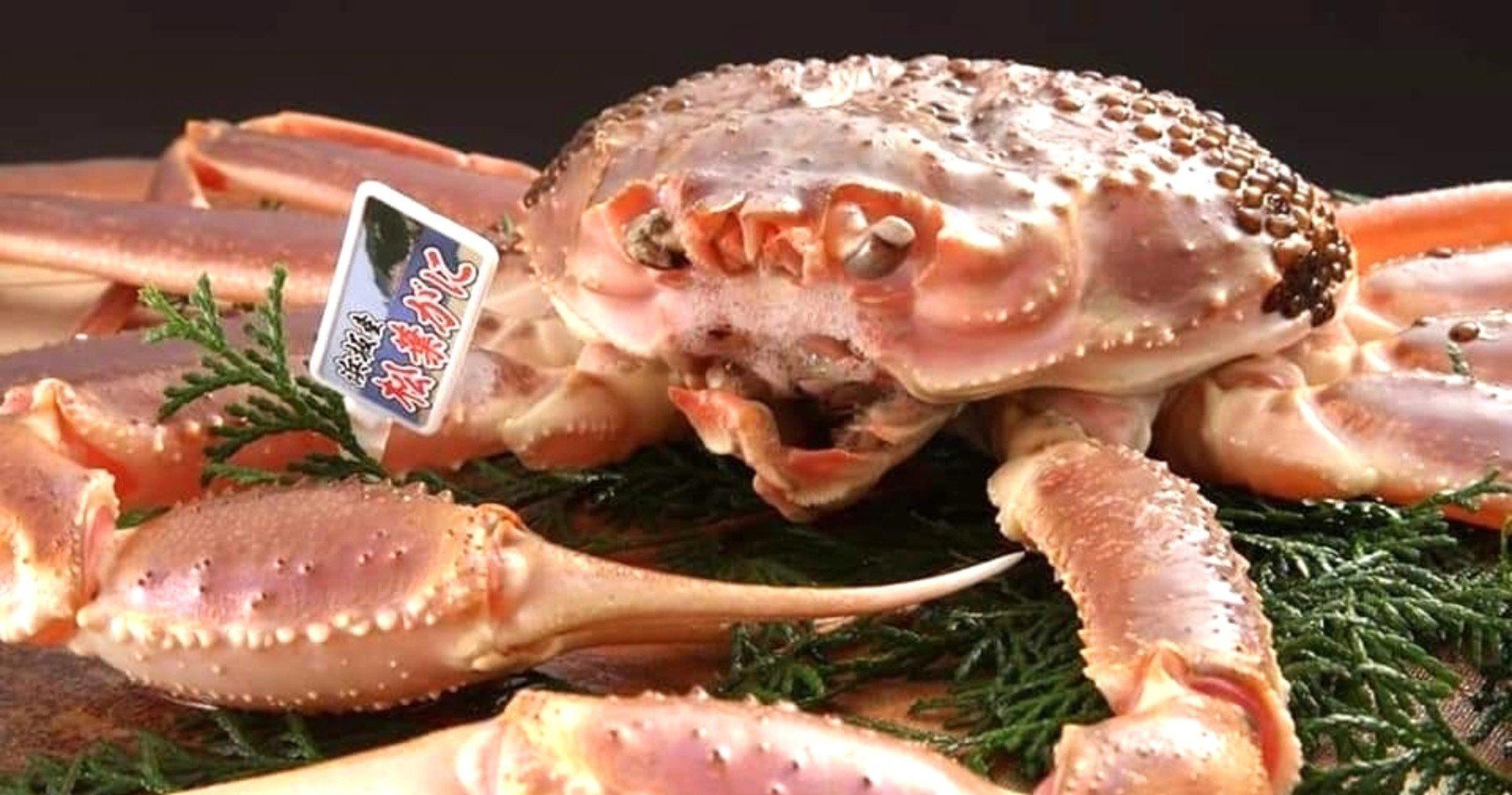
The strongest reading of this table is sourcing geography. Tottori’s coastline is tied to crab, white-fleshed fish and seasonal seafood; inland, agricultural and mountain produce gives Japanese kitchens a second register beyond the port. Mitsuki is categorized as Japanese cuisine and seafood, a pairing that suits the prefecture better than a narrow sushi or kaiseki label. The point is not one named dish, but a kitchen where raw materials justify restraint.
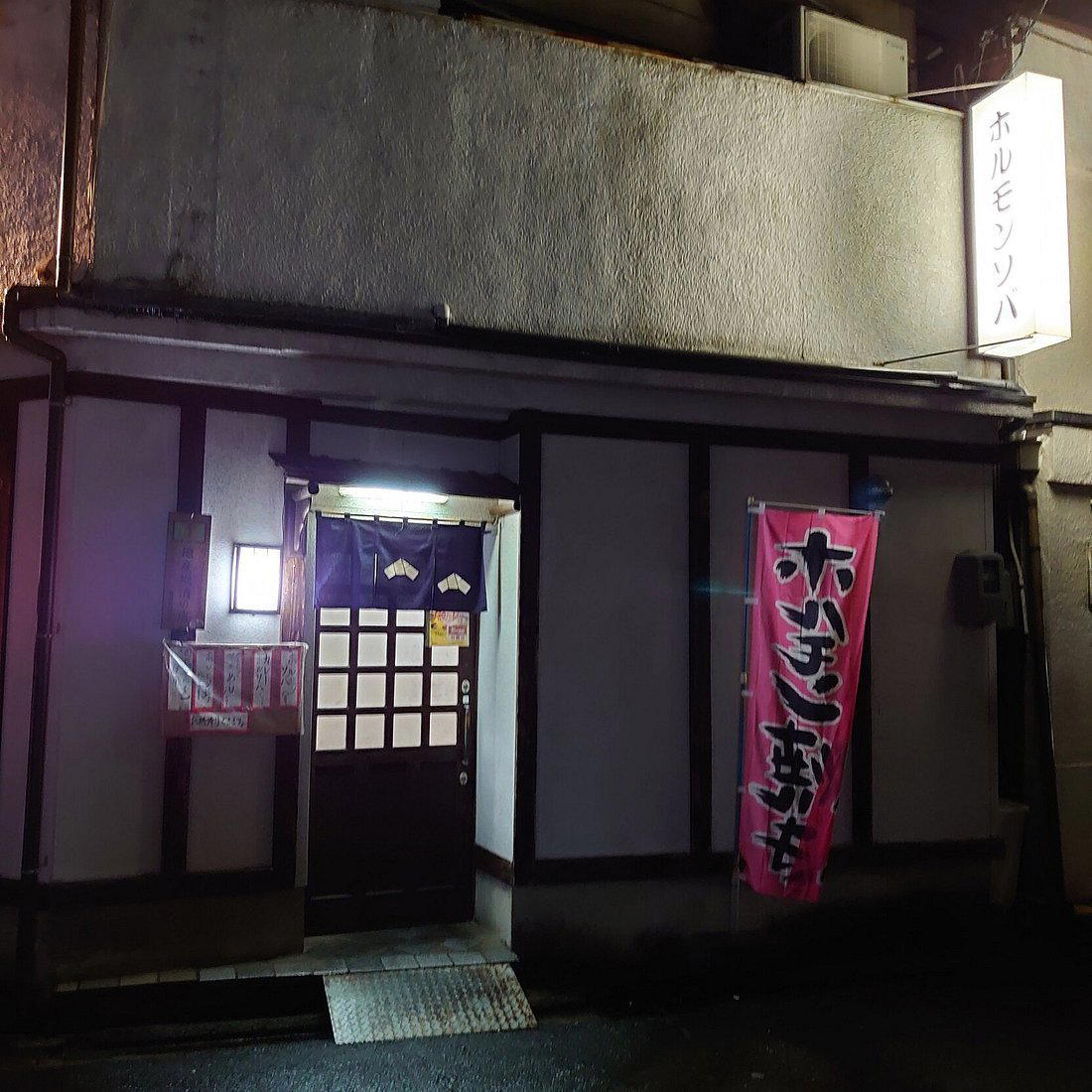
That restraint separates this tier from everyday city dining. Dinner at around JPY 15,000 to JPY 19,999 is special-occasion territory in Tottori, not the casual circuit. By contrast, Goen and Matsuya Horumon Ten occupy lower price bands, showing the city’s range before Mitsuki’s level. Tottori can be cheap and immediate, but its serious Japanese-cuisine rooms ask diners to slow down and judge seasonality, pacing and ingredient handling rather than portion size.
Seafood is the obvious coastal headline, yet the better read is balance. Japanese cuisine at this level is rarely only about fish; it is how marine, mountain and vegetable elements are sequenced. The public description points to Tottori’s mountains and seas as the source of seasonal expression, exactly the regional argument a restaurant here should make. In a larger city, that claim can become a theme. In Tottori, it is closer to a working condition.
A serious room in a city better known for range than density
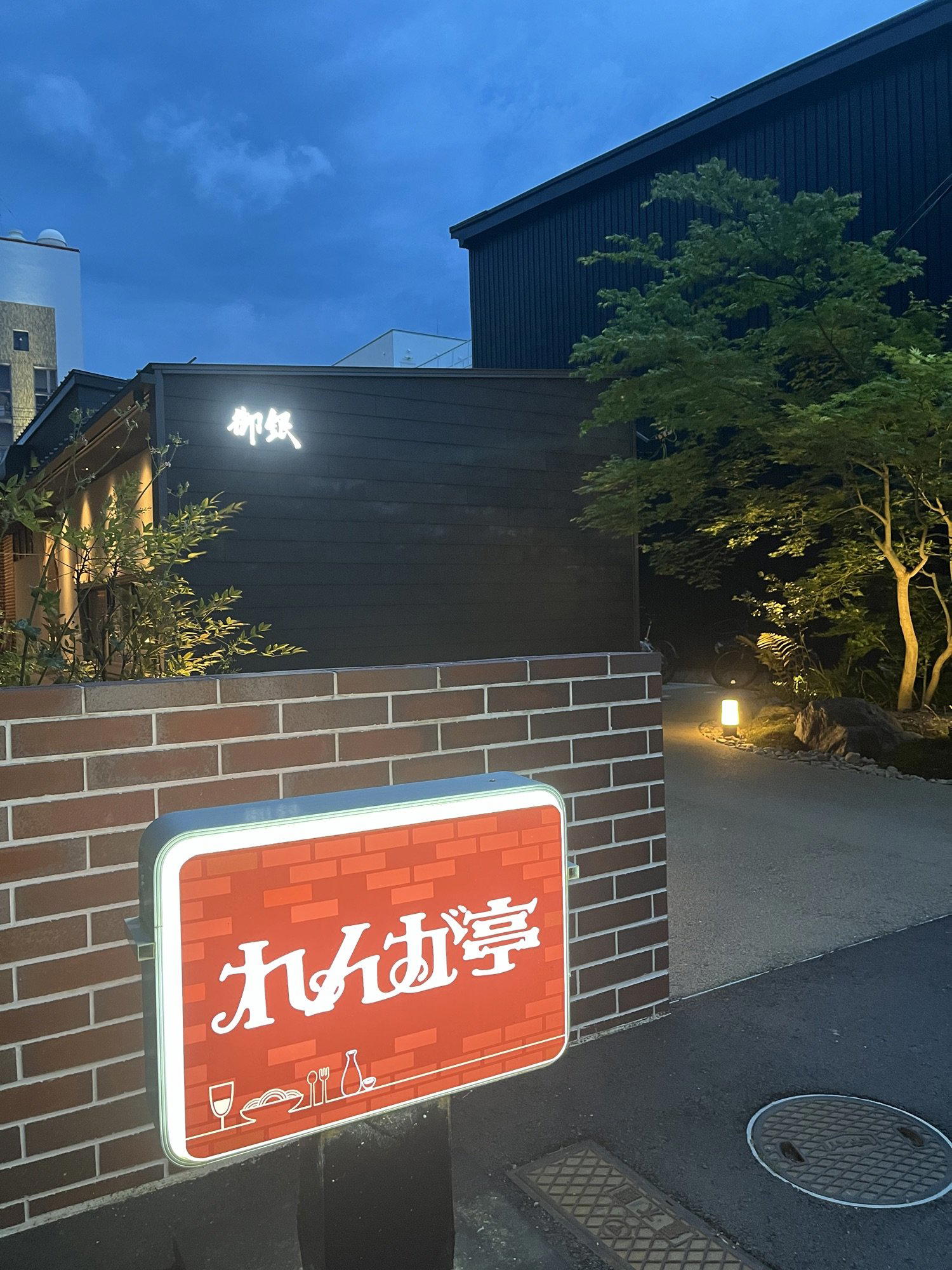
Tottori’s dining scene is not dense like Osaka’s or Tokyo’s. Its appeal is contrast: crab specialists, horumon shops, robata formats, local Japanese rooms and small drinking addresses often sit closer together than their categories suggest. Kaniyoshi helps define the city’s crab-facing reputation, while Robata Kaba Koyama points to a direct grilled-and-drinking format. れんが亭 adds another local reference point. Against that field, Mitsuki reads less like a general recommendation than the city’s composed Japanese-cuisine option for diners wanting regional ingredients filtered through a calmer, higher-spend meal.
The recognition trail reinforces that position. A Tabelog score above 4, repeated Bronze awards and Tabelog 100 Japanese cuisine WEST selection place the restaurant inside a documented West Japan conversation, not a purely local one. Tabelog’s ecosystem matters in Japan because it aggregates granular diner behavior across regions; in smaller cities, a high score can say as much about consistency as fame. For travelers, that distinction is useful. This is not a flexible fallback after sightseeing. It belongs earlier in the planning order, especially for anyone building a Tottori trip around food rather than treating dinner as an afterthought.
The atmosphere signals formality without hotel gloss: private rooms are available, the room is non-smoking, and private use is possible. That suits business meals and adult dinners more than spontaneous family dining, and aligns with the price. Tottori has plenty of quick local meals, but a reservation-only Japanese restaurant in this bracket asks for a different tempo: arrive ready for a structured evening and let the prefecture, not the room design, carry the narrative.
How to place it inside a Tottori itinerary
For a food-led stay, Mitsuki should anchor one dinner rather than compete with every meal. Use lunch and casual evenings to map the city’s range, then reserve the higher-spend Japanese dinner for a night with controlled timing. The address is in Suehiroonsencho, and the nearest station is Tottori Station, practical for travelers staying in the city center. Parking is unavailable, so rail, taxi or walking from nearby accommodation usually makes more sense than driving directly.
Planning also means accepting its booking discipline. It operates by reservation only, phone contact during service can be difficult, and online reservations through Pocket Concierge are available with a waiting-list function. Lunch service exists, but closing days are not fixed, so date selection should be part of booking rather than left until arrival. Credit cards are accepted, while electronic money and QR code payments are not, a detail that still matters in regional Japan, where payment habits vary sharply by venue tier.
Travelers comparing the broader city can use Our full Tottori restaurants guide alongside Our full Tottori hotels guide, Our full Tottori bars guide, Our full Tottori wineries guide and Our full Tottori experiences guide. For readers extending the trip across Japan, the useful contrast is format and spending style rather than cuisine-for-cuisine equivalence: -Grilled beef Sukiyaki- KAMAKURA TANUKIAN 鎌倉 たぬき庵 in Kamakura. 鮪と炭火焼き うお炭 秋葉原店 in Tokyo.cafe in Osaka.know in Kumamoto, (Shoku) Vietnam in Kawasaki and [Curry Senmon Ten] Maruyama Kyoju. in Sapporo show how varied Japan’s regional dining map becomes once price, genre and city scale are read together. Outside Japan, Jōdo Saké Bar in Los Angeles and Onigiri Time in Pasadena offer a different lens on Japanese formats abroad, but Tottori’s advantage remains local supply rather than exportability.
The editorial case is clear: this is the Tottori Japanese-cuisine reservation for diners who care where the ingredients come from and how a regional kitchen organizes them. The awards support the claim, the price sets expectations, and the city context explains why the meal matters.
Frequently asked questions
Can I bring kids to Mitsuki?
Private rooms are available, and the restaurant is non-smoking, which makes it a workable choice for families. The booking profile is reservation-only, so it is sensible to confirm the party when arranging a table in Tottori.
What should I expect atmosphere-wise at Mitsuki?
Expect a reservation-only Japanese restaurant in Tottori with lunch service and private rooms, not a casual drop-in room. Its Tabelog Bronze awards in 2024, 2025, and 2026 point to a polished, serious operation with a local reputation built over time.
What are Mitsuki's hours?
Hours at Mitsuki: ■Business hoursLunch service available■Closed onNot fixed.
How do I find Mitsuki?
Mitsuki is located in Tottori.
Side-by-Side Snapshot
Comparable venues by cuisine and price in the same metro.
| Venue | Cuisine | Price | Awards | Notes |
|---|---|---|---|---|
| MitsukiThis venue (the venue you are viewing) | Seasonal Japanese Omakase | $100–150 | Tabelog Bronze #277 | Not listed |
| Kaniyoshi | Matsuba Crab Kaiseki | $200–300 | Tabelog Bronze #162 | Suehiro Onsencho |
| れんが亭 | Yoshoku (Japanese Western) | $20–30 | Not listed | Tottori Station |
| Robata Kaba Koyama | Seafood Robata Izakaya | $20–30 | Not listed | Koyama |
| Goen | Japanese Teppanyaki | Not listed | Tabelog 100 #86 | Suehiro Onsencho, Tottori City |
| ファロ トラットリア | Italian Trattoria | $50–100 | Not listed | 栄町 |
Recognition history
Dated appearances from independent guides and award organizations, with the underlying list record or original source where available.
Tabelog Bronze #277
Tabelog
Full recognition history (3 entries)
Tabelog 100 #63 · No. 63
Tabelog · Tabelog 100 - Japanese cuisine - WEST - 2025
Tabelog Bronze
Tabelog
Continue exploring
More in Tottori
Details
- Elegant
- Sophisticated
- Intimate
- Special Occasion
- Sake Program
- Local Sourcing
- Omakase
Current opening hours
- Monday
- 12–1 PM, 6–10 PM
- Tuesday
- 12–1 PM, 6–10 PM
- Wednesday
- 12–1 PM, 6–10 PM
- Thursday
- 12–1 PM, 6–10 PM
- Friday
- 12–1 PM, 6–10 PM
- Saturday
- 12–1 PM, 6–10 PM
- Sunday
- 12–1 PM, 6–10 PM
Hours can change for holidays and private events. Hours as of .
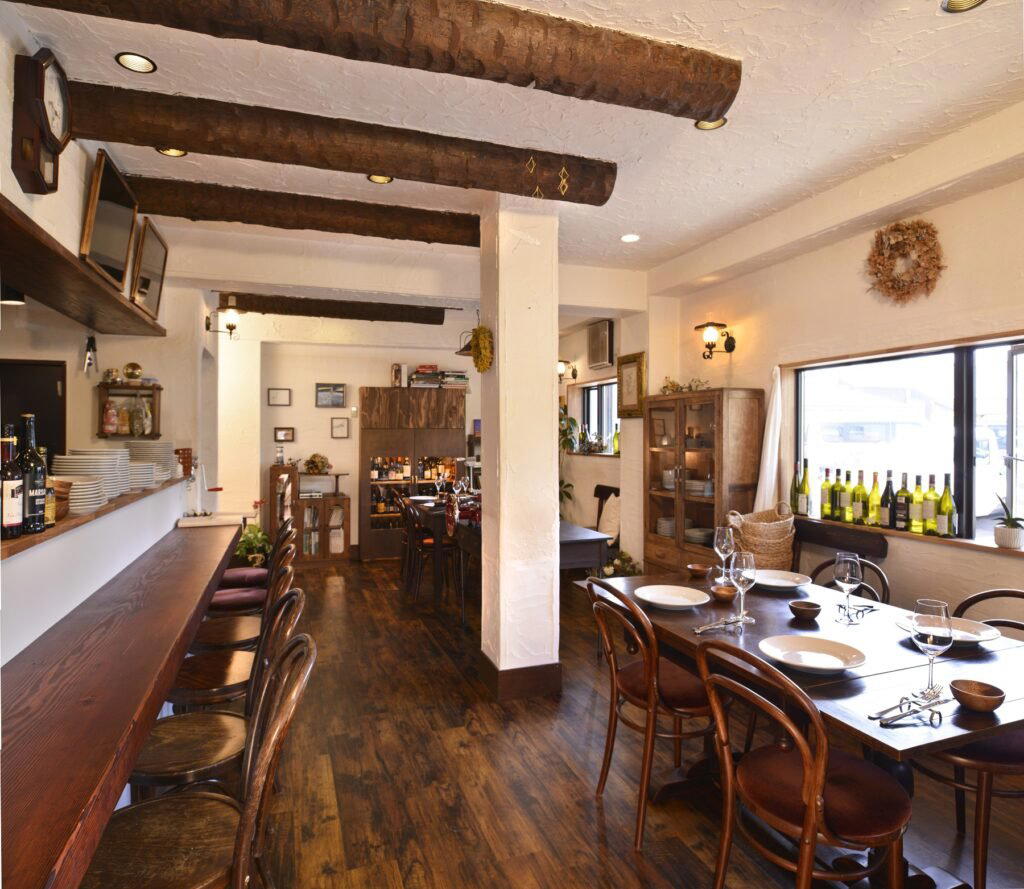
Counter-centric space showcasing taste in dish selection and alcohol choices, offering an elegant and intimate atmosphere.