

Tabelog Bronze #162
Our verdict
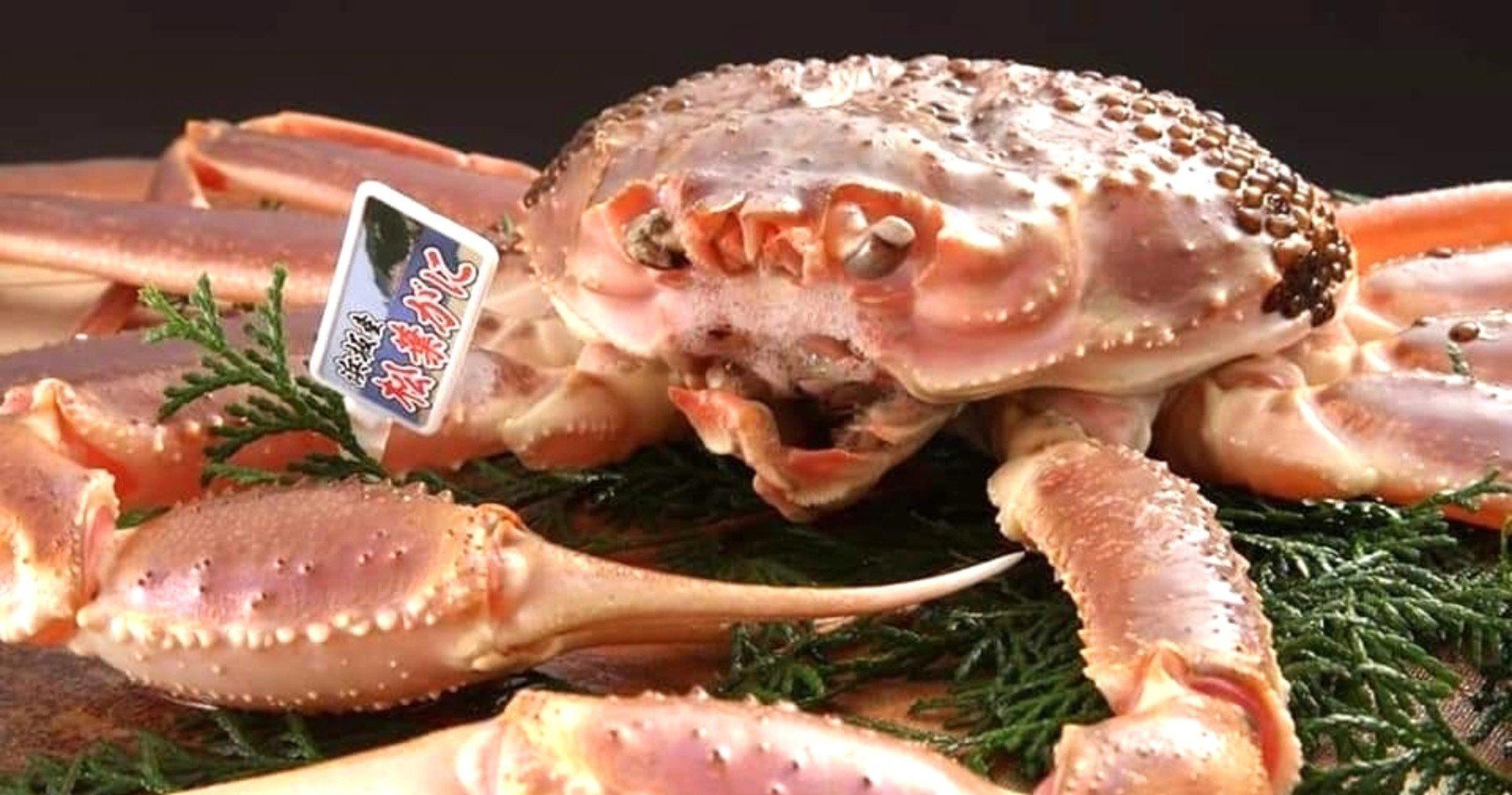
A Michelin two-star restaurant in Tottori city, Kaniyoshi has held Tabelog Silver recognition and earned a Tabelog score of 4.24, placing it among Japan's most closely watched regional seafood destinations. The focus is Matsuba crab, the prized winter variety pulled from the Sea of Japan, served through a reservation-only course format. Private rooms seat up to eight, and the counter adds a more immediate perspective on the kitchen's work.

Pearl is the En Primeur Club membership app, where members save venues, book tables and use the concierge.
The menu
What to order
- Crab sashimi
- Grilled crab
- Crab suki
- Crab porridge
Where Tottori's Crab Season Becomes a Formal Proposition
The prefectures that line the Sea of Japan's southern coast have long operated as a different culinary circuit from the Shinkansen-connected cities that dominate international itineraries. Tottori sits at the far end of this circuit, a small prefectural capital where the cooking tradition is built around what arrives from the water rather than what a chef imports or transforms. The address in Suehiroonsencho, roughly five minutes on foot from JR Tottori Station, places Kaniyoshi squarely inside that local logic: a second-floor room in a city that most visitors pass through rather than stop for.
That context matters when reading the awards. A Michelin two-star recognition and a Tabelog score of 4.24, with Silver tier placement across 2020 through 2023 before settling at Bronze for subsequent years, are credentials that carry different weight in a city of this scale than they would in Osaka or Kyoto. They signal that the kitchen operates at a standard the wider industry has judged against national rather than regional benchmarks. For the category it occupies, crab and regional seafood as the primary subject, that peer comparison is the relevant frame. Venues like Gion Sasaki in Kyoto or Harutaka in Tokyo operate in markets with deeper dining infrastructure and stronger foot traffic from international visitors. Kaniyoshi draws from a narrower but highly deliberate guest base.
The Source Argument: Matsuba Crab and the Sea of Japan Shore
Japan's crab culture operates on a strict seasonal and geographic logic. Matsuba crab, the male snow crab harvested from waters off the San'in coast, has a tightly governed fishing season that traditionally opens in early November. The San'in region, which spans Tottori and Shimane prefectures, holds some of the most closely protected crab harvest zones in the country, and proximity to those landing ports has historically been a real operational advantage for restaurants in this area. A kitchen cooking Matsuba crab in Tottori is not sourcing from a wholesale intermediary two prefectures away; the geography compresses the chain between sea and plate in ways that inland or more urbanised settings cannot replicate.
This sourcing position is what gives the Kaniyoshi format its editorial coherence. The restaurant's Tabelog listing flags a particular attention to fish, and the categories on record, crab, seafood, and regional cuisine, describe a kitchen oriented around ingredient primacy rather than technique for its own sake. The course format, which runs at a dinner spend in the JPY 20,000 to JPY 29,999 range by listed average, is the logical container for that philosophy: a sequence that moves through a single primary subject rather than ranging across a broad menu. Comparable seafood-specialist courses at two-star level in major cities, including HAJIME in Osaka or high-end kaiseki houses, often use premium regional ingredients as one component among many. At Kaniyoshi, the regional product is the premise.
The Jounetsu Tairiku broadcast in December 2020 and a feature on TV Tokyo in March 2022, both part of the public record, placed the kitchen inside Japan's broader craftsman-recognition media cycle, the kind of programming that surfaces producers and specialists rather than restaurant brands in the conventional sense. That framing is consistent with how Tottori's dining identity tends to be communicated to domestic Japanese audiences: through the quality of what the region produces, not through the personality of a restaurant group.
The Room and Its Format
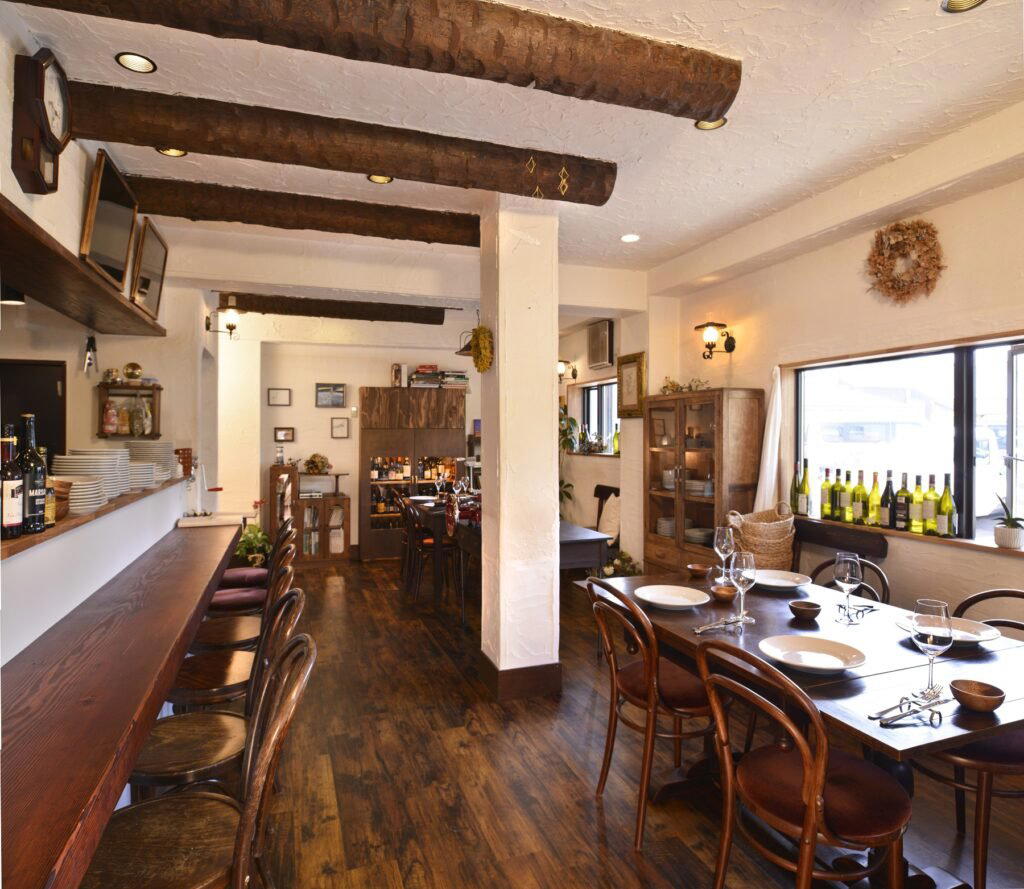
Forty seats across counter, tatami, and private rooms makes this a mid-sized operation by the standards of regional Japanese dining, but the available private room configurations, for four, six, or eight people, suggest that a significant share of covers move through enclosed settings rather than the shared dining floor. Counter seating at restaurants of this type typically provides direct sight lines to preparation and plating, which has its own logic when the subject is a whole crustacean rather than composed small plates.
The drink program leans on sake and shochu with particular attention noted for both categories, alongside wine. This aligns with the broader San'in approach to pairing, where local sake producers from Tottori and Shimane carry enough regional identity to function as a genuine complement to local seafood rather than a generic gesture toward tradition. A 10% service charge applies.
Planning a Visit
Kaniyoshi operates on a reservation-only basis, accepting bookings at least three days in advance. Afternoon slots from 14:30 to 16:30 are available on request and priced at the same level as the evening course, which runs from 17:00 to 22:00. The cancellation policy requires notice at least one week in advance; cancellations made after that point incur the full course charge. Reservations are available through the OMAKASE platform. The restaurant does not offer walk-in lunch service or group bookings. No smoking is permitted, and this extends to electronic cigarettes. Major credit cards are accepted, including Visa, Mastercard, JCB, American Express, and Diners Club, but electronic money and QR code payments are not. No on-site parking exists; coin parking is available in the vicinity of the address at 271 Suehiroonsencho, Tottori city, a five-minute walk from JR Tottori Station.
The crab season opening in early November is the high-water point of the calendar here. Visitors planning around ingredient availability rather than calendar convenience will find the late autumn and winter months the most coherent time to go. Tottori's position on the San'in Coast makes it accessible by limited express train from Osaka (roughly two and a half hours on the Super Hakuto) or from Kyoto, though the journey is not short. Pair the dining visit with Mitsuki, another Tottori address worth the detour, or use our full Tottori hotels guide to plan an overnight stay rather than a day trip. The surrounding region, covered in our full Tottori experiences guide, offers the San'in Kinosakinsen coast, the Tottori Sand Dunes, and a slower pace that rewards time rather than transit.
Where Kaniyoshi Sits in the Wider Picture
Japan's two-star Michelin category at the regional level is not the same as two-star Tokyo. What regional two-star recognition in a prefecture like Tottori tends to signal instead is sustained kitchen consistency across inspector visits, a clear culinary identity, and ingredient sourcing that holds up to scrutiny outside of its home market. By those measures, Kaniyoshi's position, seven consecutive Tabelog Award recognitions between 2020 and 2026, a Michelin two-star designation, and national television coverage, represents an unusual concentration of credibility for a city of this size.
For readers already familiar with Japan's top-tier seafood and kaiseki circuit, represented by addresses like Goh in Fukuoka, akordu in Nara, or the technically rigorous coastal formats that have shaped how Japan presents seafood to a global audience, Kaniyoshi offers something structurally different. The comparison is not to a three-star counter maximising every preparation variable. It is to a kitchen that has decided what it does and does it without equivocation, in a city that most visitors to Japan never reach. That combination of specificity and location is increasingly rare, and harder to manufacture in dining markets where ambition tends to concentrate in the same five or six urban centres.
See our full Tottori restaurants guide for the broader context, and explore our full Tottori bars guide and our full Tottori wineries guide for the rest of the prefecture's drinking scene. For readers building a Japan itinerary around high-commitment dining, the comparison set expands to include affetto akita in Akita, Aji Arai in Oita, Abon in Ashiya, 1000 in Yokohama, and 6 in Okinawa, each occupying a distinct regional niche within Japan's decorated dining tier. Internationally, the seafood-specialist benchmark conversation extends to Le Bernardin in New York City and Atomix in New York City, though the format differences are significant.
Frequently asked questions
What kind of recognition has Kaniyoshi received?
Kaniyoshi has received recognition including:
Where exactly is Kaniyoshi?
Kaniyoshi is located at Japan, 〒680-0833 Tottori, Suehiroonsencho, 271 2F, Tottori.
What should I order at Kaniyoshi?
Kaniyoshi operates on a course-only format, so the kitchen determines the progression. The venue's entire identity is built around Matsuba crab, the male snow crab harvested from Sea of Japan waters off the San'in coast, and every course reflects that focus. Tabelog reviewers place average spend closer to JPY 100,000 per person, suggesting the course runs well above the listed JPY 20,000–29,999 range. The drink program is notably considered, with the venue citing particular attention to sake, shochu, and wine.
When is Kaniyoshi open?
Hours at Kaniyoshi: Mon, Tue, Wed, Thu, Fri, Sat, Sun 14:30 - 16:30 17:00 - 22:00.
Quick Comparison
Comparable venues nearby, for context on price, style, and recognition.
| Venue | Cuisine | Price | Awards | Notes |
|---|---|---|---|---|
| KaniyoshiThis venue (the venue you are viewing) | Matsuba Crab Kaiseki | $200–300 | Tabelog Bronze #162 | Not listed |
| Mitsuki | Seasonal Japanese Omakase | $100–150 | Tabelog Bronze #277 | Suehiro Onsencho |
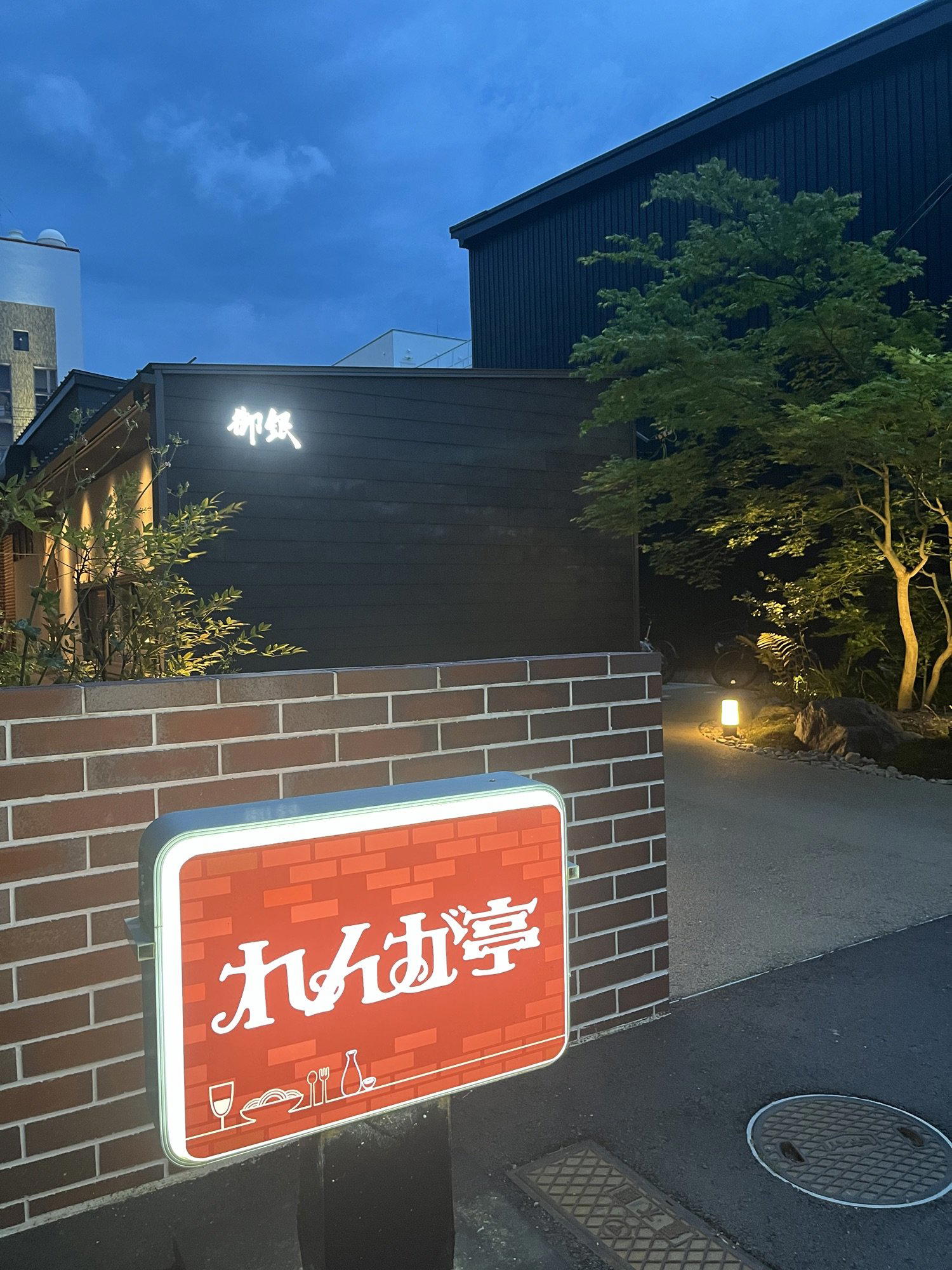
| れんが亭 | Yoshoku (Japanese Western) | $20–30 | Not listed | Tottori Station |
| Robata Kaba Koyama | Seafood Robata Izakaya | $20–30 | Not listed | Koyama |
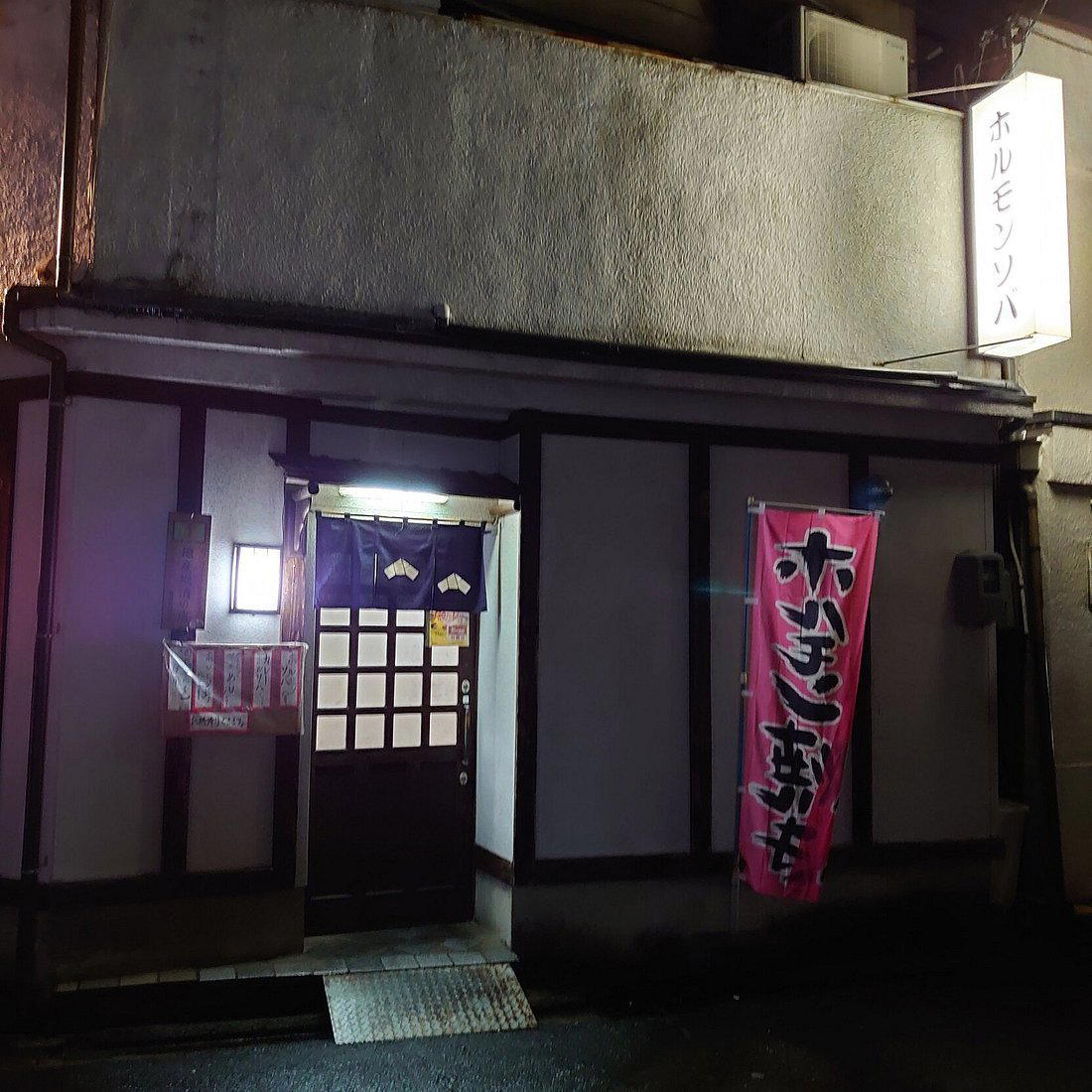
| Matsuya Horumon Ten | Japanese Horumon & Stir‑Fried Noodles Izakaya | $10–20 | Tabelog 100 #25 | Not listed |
| Goen | Japanese Teppanyaki | Not listed | Tabelog 100 #86 | Suehiro Onsencho, Tottori City |
Recognition history
Dated appearances from independent guides and award organizations, with the underlying list record or original source where available.
Opinionated About Dining Top Restaurants in Japan Recommended
Opinionated About Dining
Tabelog Bronze #162
Tabelog
Full recognition history (3 entries)
Tabelog Bronze
Tabelog
Continue exploring
More in Tottori
Details
- Elegant
- Intimate
- Cozy
- Special Occasion
- Celebration
- Sake Program
- Local Sourcing
- Set Menu
- Sake Program
Current opening hours
- Monday
- 2:30–4 PM, 5–10 PM
- Tuesday
- 2:30–4 PM, 5–10 PM
- Wednesday
- 2:30–4 PM, 5–10 PM
- Thursday
- 2:30–4 PM, 5–10 PM
- Friday
- 2:30–4 PM, 5–10 PM
- Saturday
- 2:30–4 PM, 5–10 PM
- Sunday
- 2:30–4 PM, 5–10 PM
Hours can change for holidays and private events. Hours as of .
Relaxing atmosphere with cool sumo memorabilia and spacious seating including counter and tatami rooms.