Our verdict
れんが亭 sits in Tottori's Suehiro hot spring district, a part of the city where the pace of eating reflects the measured rhythms of a traditional onsen town. The restaurant draws visitors looking for a grounded, unhurried dining experience away from the better-known circuits of western Japan. For context on the wider local scene, see our full Tottori restaurants guide.

Pearl is the En Primeur Club membership app, where members save venues, book tables and use the concierge.
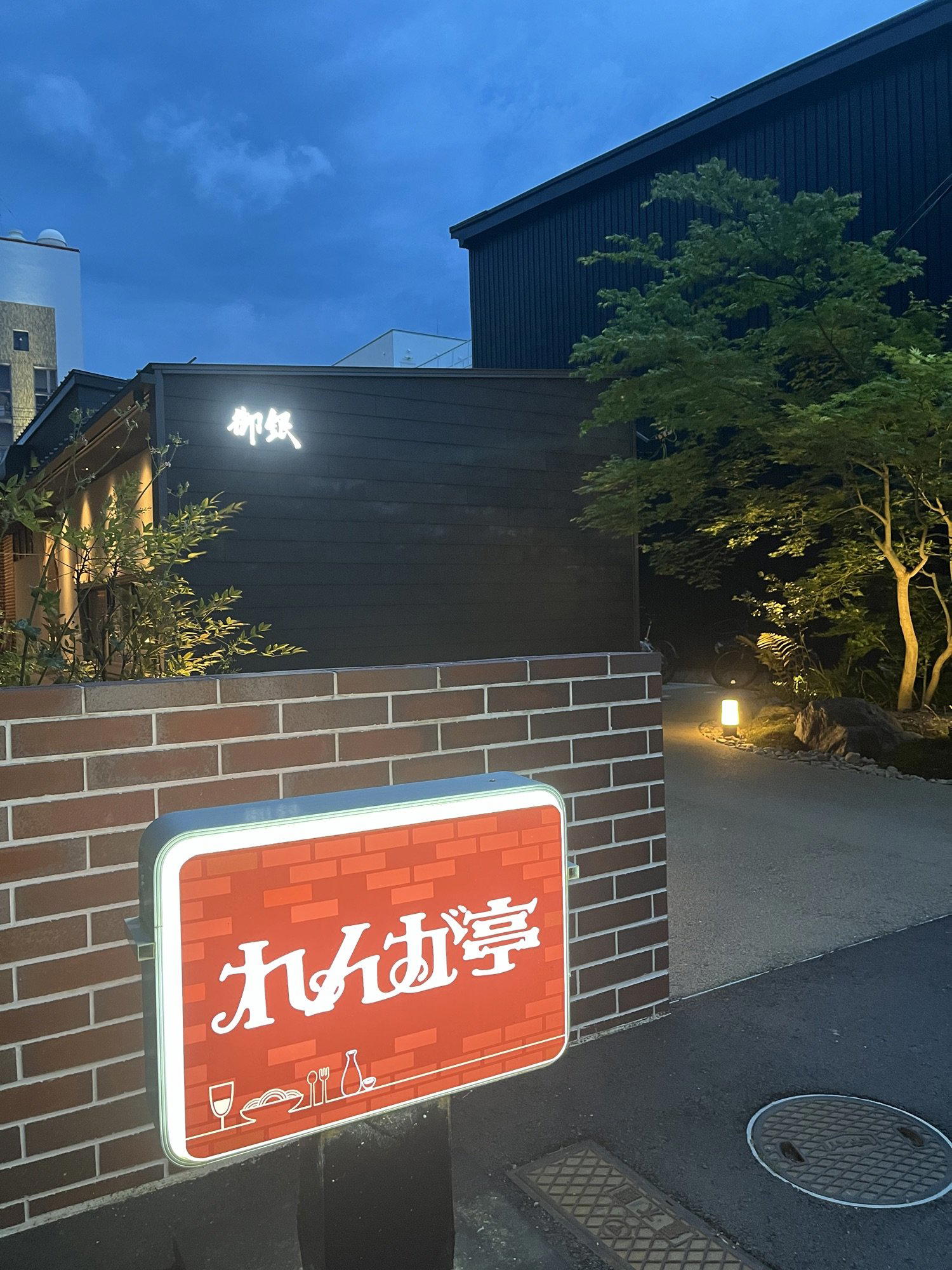
Where the Meal Sets Its Own Clock
In Japanese dining culture, the setting often dictates the ritual before a single dish arrives. Tottori's Suehiro onsen district, a cluster of streets around the city's hot spring quarter at the edge of the prefectural capital, operates on a tempo quite different from the urgency of Osaka or Tokyo. Restaurants here tend to be extensions of the ryokan tradition: meals stretched across an evening, pacing governed by the kitchen rather than the diner's schedule. れんが亭, addressed at 352 Suehiroonsencho, sits inside that tradition, its location alone signaling something about how a visit is meant to unfold.
The name itself, written in hiragana rather than the more formal kanji, carries a softness that matches the district's register. Renga (れんが) means brick, and the implied warmth of the word, solid and old-fashioned, sets a tone before you step inside. This is not a venue positioning itself against the high-concept restaurant culture of Japan's larger cities. It exists in a different conversation entirely.
The Ritual of a Regional Japanese Meal
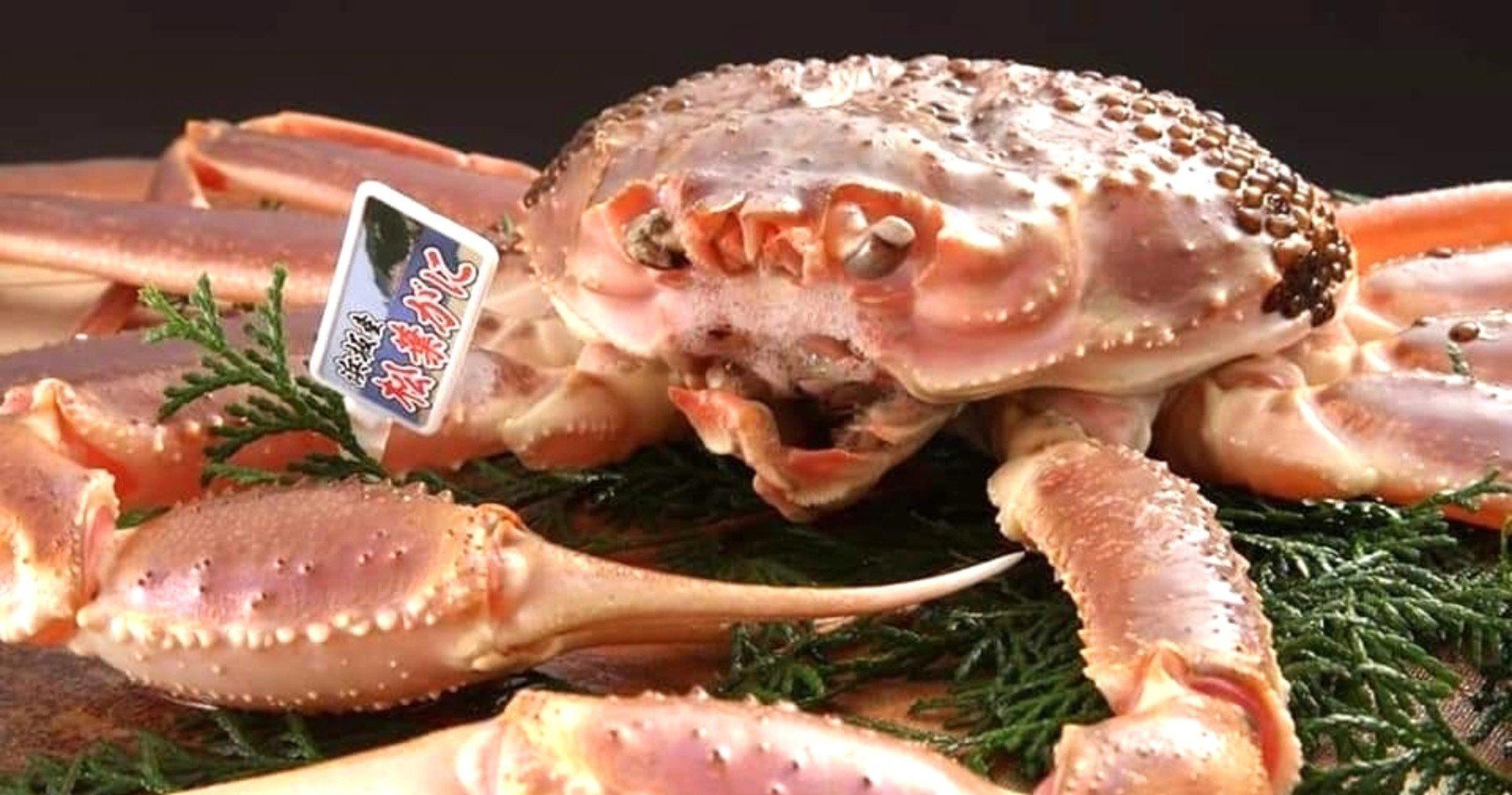
Understanding how to eat at a restaurant like this requires some sense of what regional Japanese dining means in a prefecture like Tottori. The San'in coast, the Sea of Japan-facing strip of western Honshu that Tottori anchors, has its own culinary grammar. Snow crab from the Japan Sea dominates winter menus across the prefecture, and Tottori's proximity to excellent fishing grounds means seafood drives most serious kitchens in the area. The ritual of a formal meal in this context involves a sequence of courses calibrated around what the sea offers that season, moving from lighter preparations toward richer, more substantial dishes.
That sequencing matters because it changes how a diner is expected to behave. You do not rush a crab course. You do not ask the kitchen to compress the format. In the onsen district particularly, meals are understood as the evening's primary event, not something slotted around other plans. Compare this with the tightly choreographed counter experiences of, say, Harutaka in Tokyo or the precision-paced kaiseki of Gion Sasaki in Kyoto, and the difference in register is immediately apparent. Those counters run on the chef's metronome. In a place like Suehiro, the meal runs on something closer to the guest's breathing.
For diners used to the controlled theatrics of HAJIME in Osaka or the intricate tasting progressions at Atomix in New York City, a regional Japanese restaurant in an onsen district represents a deliberate step away from spectacle. The craft here is quieter, and so is the expectation placed on the diner.
Tottori's Dining Scene and Where れんが亭 Sits Within It
Tottori is one of Japan's least populous prefectures, and its restaurant scene reflects that scale: concentrated rather than sprawling, with a handful of serious kitchens operating without the media scrutiny applied to dining in Kyoto or Tokyo. That relative obscurity has kept prices grounded and service unselfconscious. The city's dining character leans toward honesty over refinement, a quality that the leading regional Japanese restaurants share with the leading bistros anywhere in the world.
Within Tottori, the Suehiro hot spring area functions as a separate zone from the city center's more commercial dining strip. Visitors staying in the area's ryokan tend to eat within the district, which means restaurants here serve a specific type of traveler: someone who has come to Tottori to slow down, not to collect experiences. Other kitchens drawing notice in the city include Kaniyoshi and Mitsuki, both of which occupy recognizable positions in the local scene. For those interested in a different mode, the open fire and char-led cooking that defines the robata tradition, Robata Kaba Koyama offers a contrast in approach, while ファロ トラットリア demonstrates how Western formats have quietly embedded themselves in even smaller Japanese cities.
Across Japan's regional cities, this pattern repeats: a handful of serious Japanese kitchens operating alongside one or two Western-format restaurants that have earned local loyalty over years. Bistro Ange in Toyohashi and Birdland in Sakai both illustrate how French and European-leaning restaurants root themselves outside the major cities, often developing more devoted regulars than their urban counterparts because the competition is narrower and the stakes feel more personal.
Eating in the Onsen District: What to Expect
For travelers arriving at れんが亭 from outside Tottori, the logistics of the Suehiro district require a small amount of planning. The area is accessible from Tottori Station by taxi or local transport, and most visitors to the onsen quarter are already staying nearby. The timing of dinner in this district typically aligns with ryokan customs, earlier than the late-evening dining slots common in Tokyo, often beginning between 6:00 and 7:00 pm. Contacting the restaurant directly before visiting is advisable given that detailed booking information is not currently available through centralized platforms.
The physical address at 352 Suehiroonsencho places れんが亭 within the residential and inn-heavy stretch of the onsen quarter rather than on a main commercial road. That positioning is deliberate. The restaurants that succeed in this district tend to be ones that reward the effort of finding them, kitchens that rely on recommendation and return custom rather than foot traffic.
For those building a broader itinerary through Japan's western regions, れんが亭 fits naturally into a circuit that might include akordu in Nara, Goh in Fukuoka, and smaller regional stops like 一本木 石川 in Nanao or 湖畔庵 in Takashima, a loose arc of regional Japanese cooking that exists largely outside the international dining press cycle. Further afield, 古代山乃 in Sapporo and 鷹羽荘 in Nishikawa Machi represent comparable traditions in the north. The full Tottori restaurants guide maps the city's dining options in more detail.
What connects these regional restaurants is less about cuisine type than about attitude: they assume the diner has made a considered choice to be there. That assumption changes the experience in ways that are difficult to articulate but immediately legible when you sit down. The pace slows. The formality lifts slightly. The meal becomes, as it was designed to be, the point.
Planning Your Visit
れんが亭 is located at 352 Suehiroonsencho, Tottori, 680-0833. Given the limited availability of real-time booking data for this address, travelers should make direct contact with the restaurant ahead of any visit, particularly during peak seasons such as the winter crab period, when demand across the San'in coast intensifies significantly. The onsen district sees its heaviest traffic from late November through February, when Tottori's matsuba crab season draws visitors from across the Kansai and Chugoku regions.
Frequently asked questions
What part of town is れんが亭 in?
れんが亭 is located at 352 Suehiroonsencho, Tottori, 680-0833, Japan, Tottori.
What makes dining in Tottori's Suehiro onsen district different from eating at a standard city restaurant in Japan?
Onsen district restaurants in Japan operate within a distinct social contract: guests arrive having already slowed down, and the meal is structured around that tempo rather than urban efficiency. In Tottori's Suehiro district specifically, the setting at addresses like 352 Suehiroonsencho places れんが亭 within a cluster of establishments that serve a quieter, repeat-visit clientele rather than tourist foot traffic. That context tends to produce food that reflects local preference and seasonal availability rather than a menu designed for broad appeal.
What do people recommend at れんが亭?
What the address tells you is useful context: a restaurant in Tottori's Suehiro onsen district sits within reach of San'in coast seafood, including the crab and white squid the region is known for. Guests eating in this district typically come for food that reflects the prefecture's coastal larder rather than a cosmopolitan menu.
Should I book れんが亭 in advance?
For a small restaurant in Tottori's Suehiro onsen district, contacting ahead is advisable rather than optional. Tottori is one of Japan's least populous prefectures, which means popular local restaurants operate with limited covers and no excess capacity to absorb walk-ins.
What's れんが亭 best at?
Based on its location at 352 Suehiroonsencho in Tottori's onsen district, the strongest case for れんが亭 is as a regional Japanese table anchored to the San'in coast. Onsen district restaurants in Japan generally offer meals calibrated to the rhythm of a longer stay rather than a quick urban dinner, and Tottori's seafood tradition gives any serious local kitchen a credible foundation.
Can れんが亭 adjust for dietary needs?
In smaller regional Japanese restaurants, menus are often built around a fixed seasonal structure, which limits flexibility compared to larger city restaurants. Communicating dietary requirements clearly before arrival, ideally through an intermediary who can correspond in Japanese, is the most reliable approach for guests visiting from outside Japan.
Is れんが亭 worth the price?
Regional Japanese restaurants in onsen districts like Suehiro typically sit well below the price tier of comparable Osaka or Tokyo addresses while drawing on equivalent-quality local ingredients, particularly seafood from the San'in coast. For travelers already staying in Tottori, the value calculation generally favours eating locally rather than travelling to a larger city.
Cuisine and Credentials
Comparable venues nearby, for context on price, style, and recognition.
| Venue | Cuisine | Price | Awards | Notes |
|---|---|---|---|---|
| れんが亭This venue (the venue you are viewing) | Yoshoku (Japanese Western) | $20–30 | Not listed | Not listed |
| Goen | Japanese Teppanyaki | Not listed | Tabelog 100 #86 | Suehiro Onsencho, Tottori City |
| Matsuya Horumon Ten | Japanese Horumon & Stir‑Fried Noodles Izakaya | $10–20 | Tabelog 100 #25 | Not listed |
| Kaniyoshi | Matsuba Crab Kaiseki | $200–300 | Tabelog Bronze #162 | Suehiro Onsencho |
| Mitsuki | Seasonal Japanese Omakase | $100–150 | Tabelog Bronze #277 | Suehiro Onsencho |
| Robata Kaba Koyama | Seafood Robata Izakaya | $20–30 | Not listed | Koyama |
Continue exploring
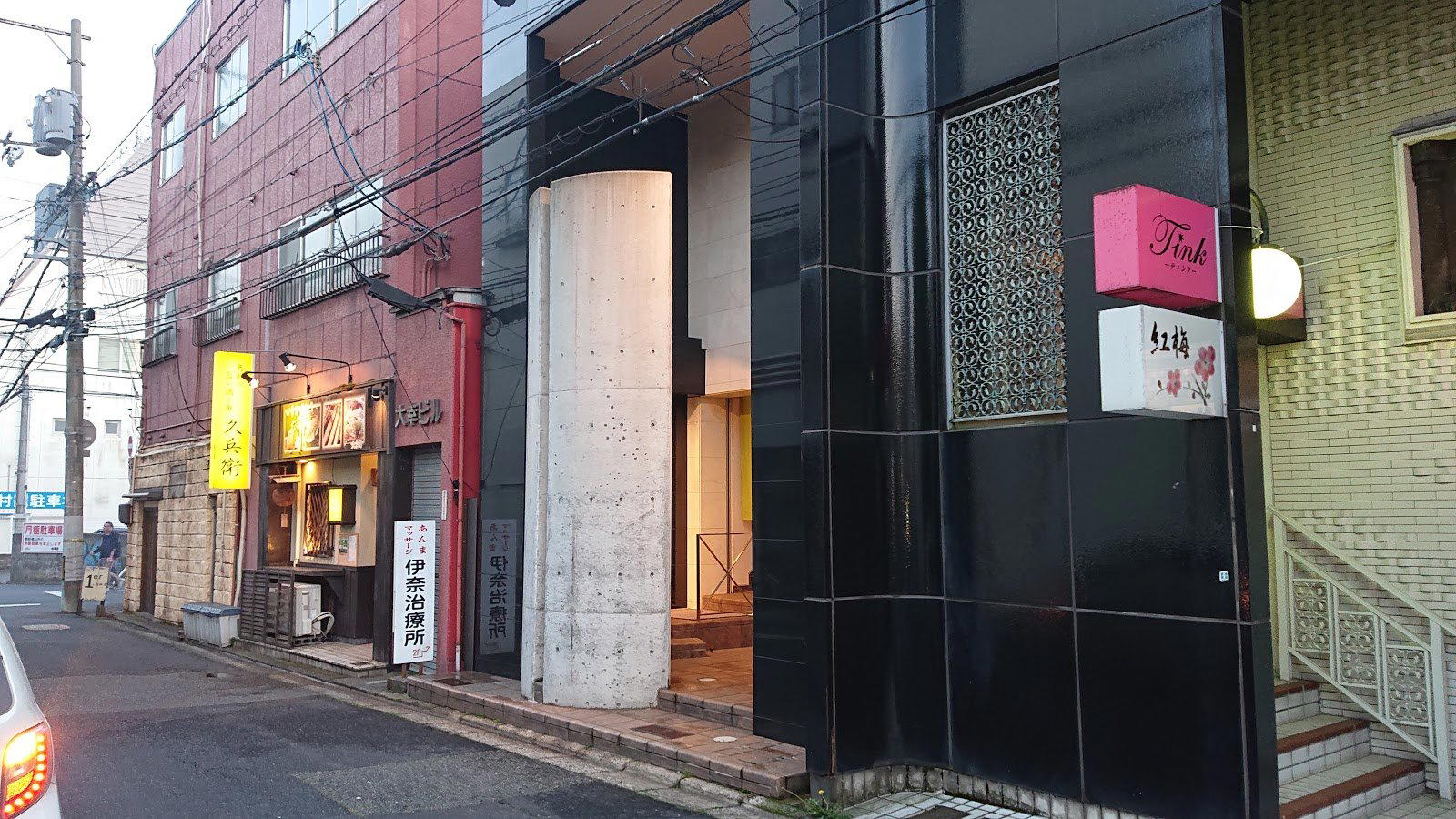
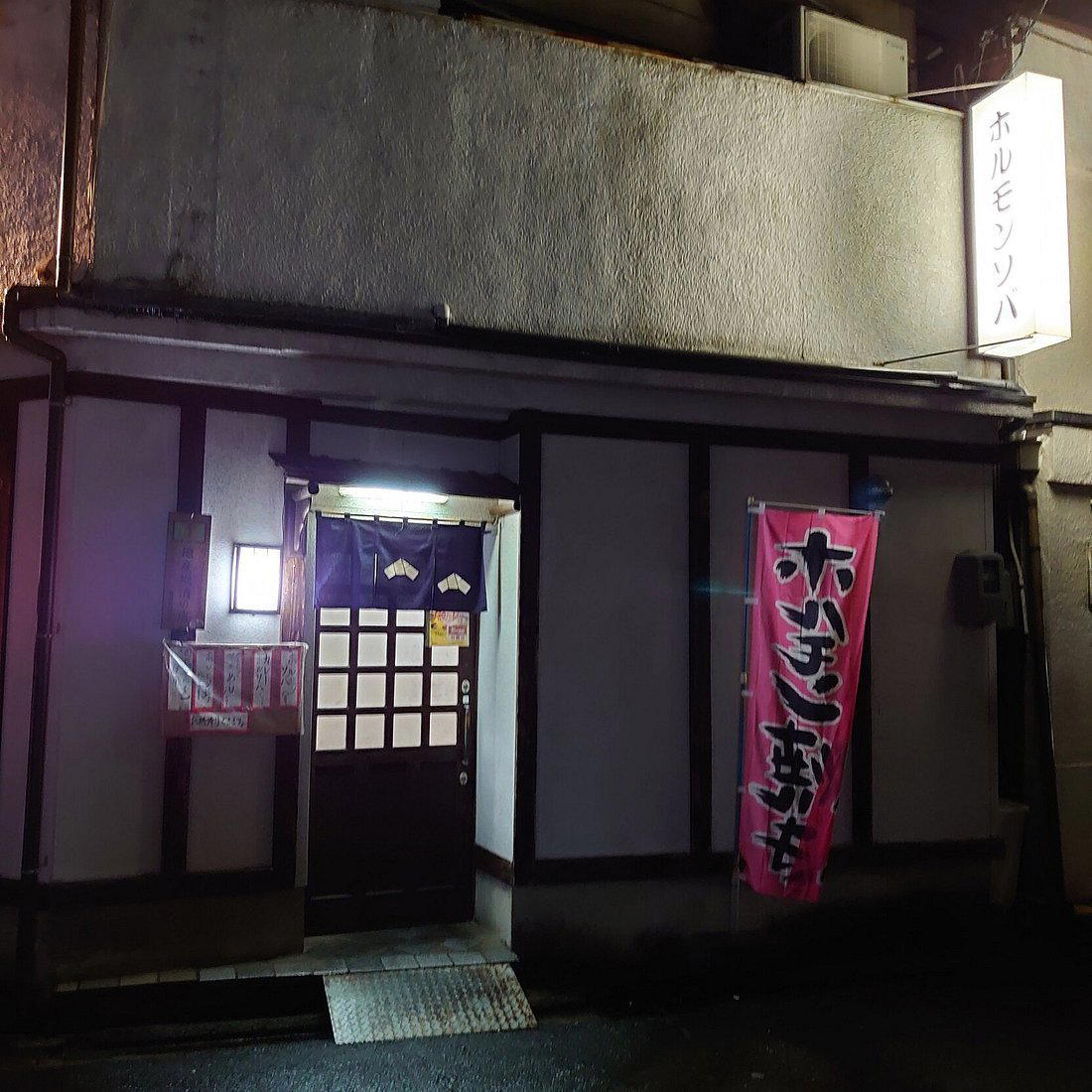
More in Tottori
Details
- Classic
- Cozy
- Casual Hangout
- Date Night
- Private Dining
- Sake Program
- A La Carte
- Sake
Current opening hours
- Monday
- 5:30–11 PM
- Tuesday
- 5:30–11 PM
- Wednesday
- Closed
- Thursday
- 5:30–11 PM
- Friday
- 5:30–11 PM
- Saturday
- 5:30–11 PM
- Sunday
- 5:30–11 PM
Hours can change for holidays and private events. Hours as of .
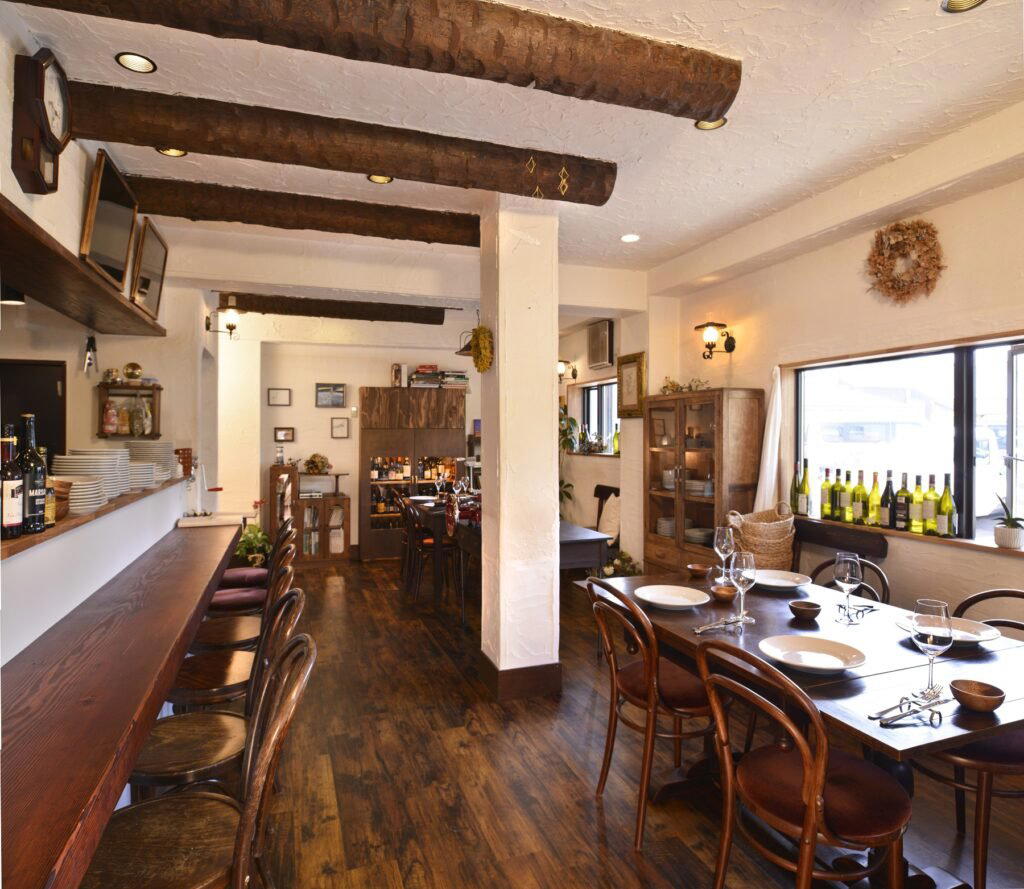
Cozy standalone house with private rooms and warm, inviting atmosphere for dining.