Our verdict
ファロ トラットリア occupies a quiet address on Kawaramachi in Tottori city, bringing Italian trattoria traditions to one of Japan's most understated regional capitals. The restaurant sits within a small but notable cluster of independent dining rooms that give Tottori a dining character disproportionate to its population.

Pearl is the En Primeur Club membership app, where members save venues, book tables and use the concierge.
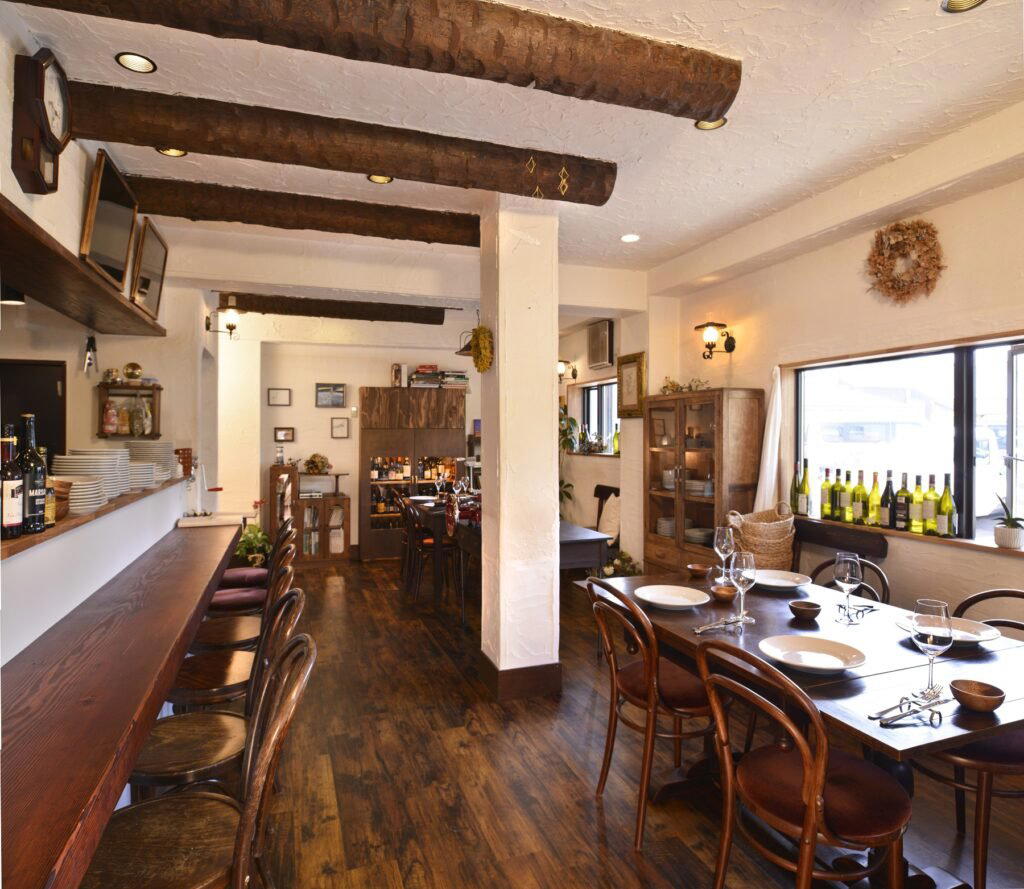
Italian Cooking in a Japanese Regional Capital
Tottori is not the first city that comes to mind when mapping Japan's Western-cuisine scene. Positioned on the Sea of Japan coast, far from the Michelin-dense corridors of Tokyo or Osaka, it draws visitors primarily for its sand dunes and Sanin crab season rather than its restaurant addresses. Yet the city's compact dining district along Kawaramachi has quietly assembled a set of independent restaurants that reward attention. ファロ トラットリア, addressed at 521 Kawaramachi, sits within that cluster and represents a specific phenomenon gaining traction in Japan's smaller regional cities: the arrival of serious Italian trattoria cooking at a distance from the country's major metropolitan circuits.
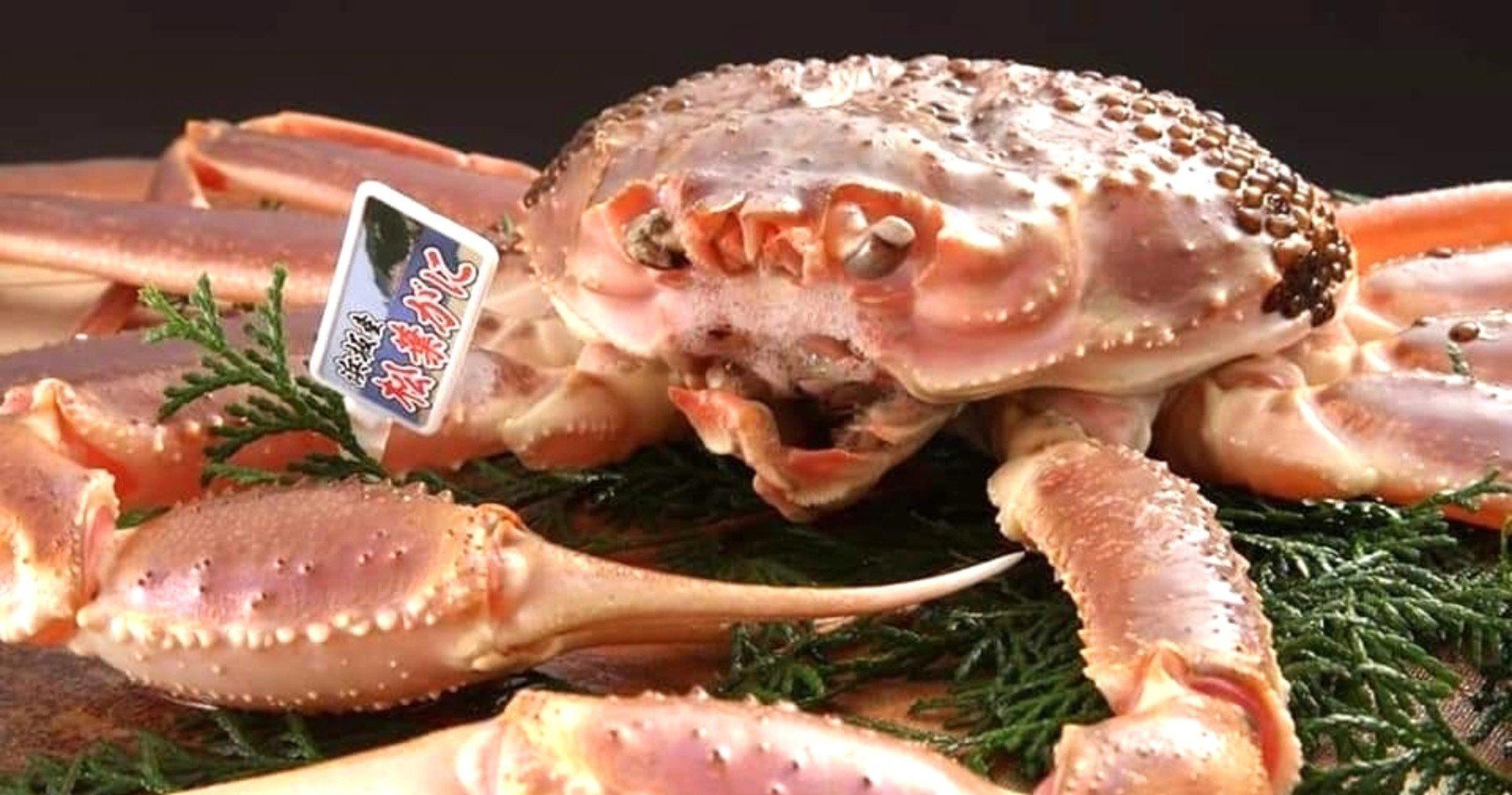
The trattoria format carries particular weight as a cultural reference point. In its original Italian context, a trattoria occupies the middle register between a casual osteria and a formal ristorante. It implies hospitality that is direct and ingredient-led, where the cooking draws authority from technique and sourcing rather than from ceremony. When that format travels to provincial Japan, it tends to absorb local supply chains in ways that urban Italian restaurants rarely do. Tottori's agricultural and coastal resources are considerable: the prefecture produces matsuba crab through the winter season, maintains established pear and watermelon cultivation, and sits close to waters that supply white fish and seafood throughout the year. An Italian kitchen in this geography has reason to operate very differently from one in Tokyo's Minami-Aoyama, where imported European ingredients dominate.
Where ファロ トラットリア Sits in Tottori's Dining Picture
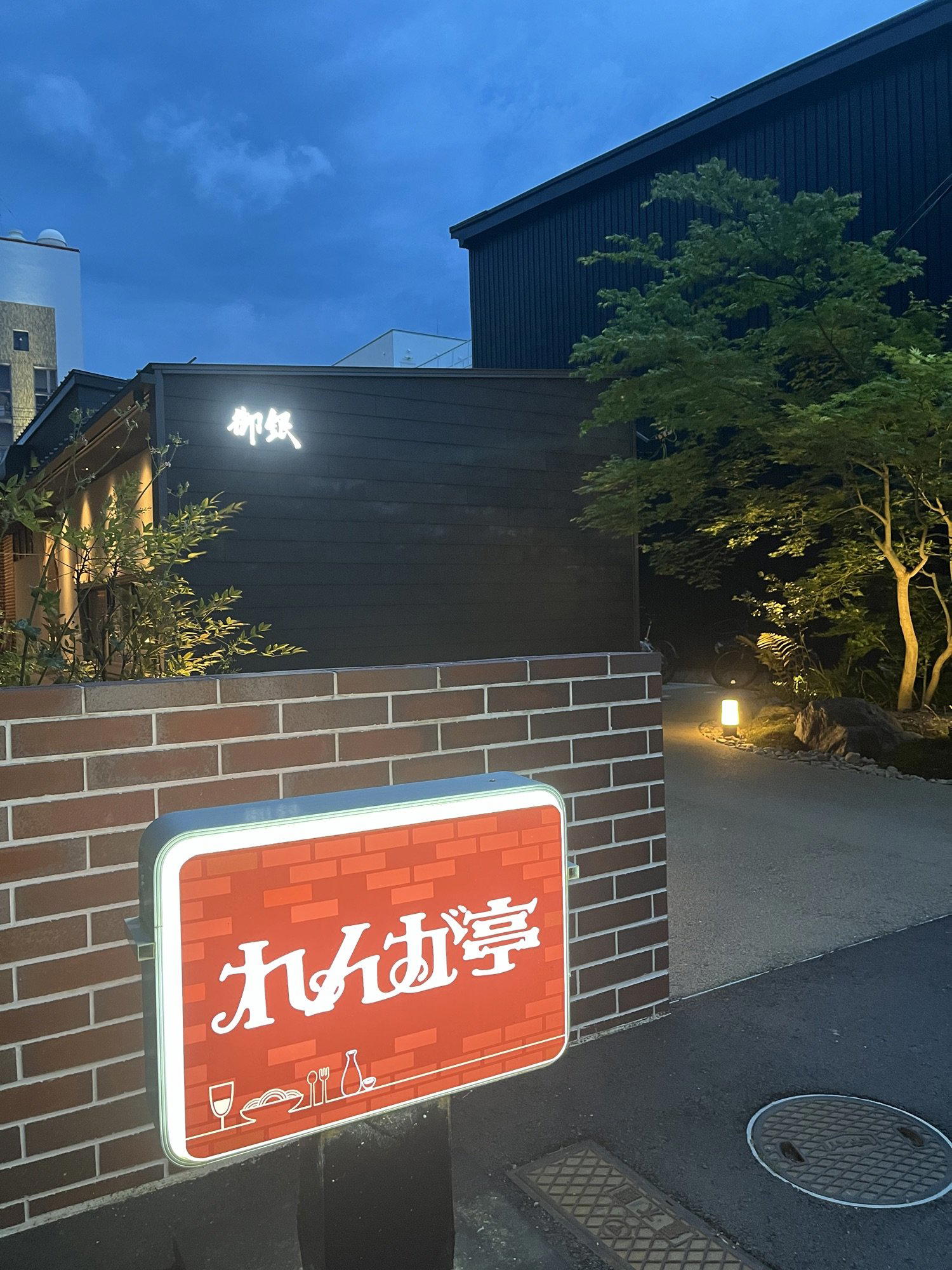
Tottori's restaurant scene organises itself loosely around a few cooking traditions. Japanese formats anchored in seafood and grilled ingredients hold the dominant position, represented by addresses like Kaniyoshi, Mitsuki, and Robata Kaba Koyama. A smaller tier of Western and European-influenced rooms operates alongside these, with れんが亭 among the city's longer-established entries in that category. ファロ トラットリア belongs to this second tier, where the competitive set is defined less by price bracket and more by the kitchen's ability to translate a European culinary tradition into a regional Japanese context.
Across Japan, this translation has become one of the more interesting fault lines in the country's Western restaurant culture. Cities like Nara and Fukuoka have produced Italian and European rooms that draw national attention precisely because distance from Tokyo forces a deeper engagement with local supply. akordu in Nara and Goh in Fukuoka each demonstrate how regional settings can sharpen rather than limit a kitchen's identity. The same logic applies further along the Sea of Japan coast and into Tottori's dining room, where working with what the prefecture actually produces tends to yield a more specific result than importing a generic Italian menu from a metropolitan template.
The Cultural Register of Italian Cooking in Japan
Japan's relationship with Italian cuisine is now several decades old and has matured into something genuinely its own. The early wave of Italian restaurants in Tokyo and Osaka during the 1980s and 1990s gave way to a generation of Japanese chefs who trained in Italy and returned with technique absorbed rather than simply replicated. By the 2010s, Japan had more Michelin-starred Italian restaurants than most European cities outside Italy itself. That recognition concentrated in major urban centres, but the craft spread outward. Restaurants in secondary and tertiary cities began operating at a level of technical discipline that would have seemed implausible two decades earlier.
The trattoria format, as opposed to the more architecturally formal ristorante, proved particularly well-suited to Japanese provincial settings. Its emphasis on warmth, repetition, and seasonal fidelity aligns with values that Japanese dining culture already holds. The idea that a kitchen should reflect its immediate geography rather than perform an imported cosmopolitanism sits comfortably with how the leading Japanese regional restaurants have always operated. Bistro Ange in Toyohashi and comparable European-format rooms in smaller Japanese cities all operate within this cultural logic, where the Western framework becomes a lens for local ingredients rather than a replacement for them.
For context on how the highest tier of this tradition operates at the national level, addresses like HAJIME in Osaka and Gion Sasaki in Kyoto show where Japanese-European cooking reaches its most formalised expression. At the opposite end of the geographic and scale spectrum, regional rooms like ファロ トラットリア occupy a position that has more in common with how Italian trattorias function at source: closer to the market, less mediated by prestige, more directly contingent on what arrived that morning.
Tottori as a Dining Destination
Tottori Prefecture attracts around three million visitors annually, a number small relative to Kyoto or Tokyo but meaningful for a prefecture of roughly 550,000 residents. The city of Tottori functions as the prefectural capital and holds the majority of the dining infrastructure. The Kawaramachi area, where ファロ トラットリア is located, sits within the city's commercial centre and contains the densest concentration of independent restaurants in the prefecture.
Seasonal timing matters considerably for anyone planning a visit with dining as a priority. The matsuba crab season runs from November through March, drawing visitors specifically for the crab and influencing menus across the city's Japanese and Western kitchens alike. Late spring and autumn offer milder conditions and less competition for restaurant seats. For those building a broader Sanin coast itinerary, the restaurant sits within reasonable access of the Tottori Sand Dunes to the east and the historic Uradome Coast to the northeast, making it a practical anchor for a half-day or full-day circuit through the city. Our full Tottori restaurants guide maps the city's dining options across categories and price points.
Japan's broader regional dining circuit has other strong entries worth noting for travellers crossing multiple prefectures. On the Sea of Japan side, 一本木 加賀藩制 in Nanao and 湖畔荘 in Takashima represent the Japanese kaiseki and regional inn tradition that runs parallel to Western-format rooms. Further north, 太古代山乃 in Sapporo and 羽根屋 in Nishikawa Machi illustrate how regional Japanese dining has developed strong independent identities well outside the major city corridors. Those looking to anchor a comparison point internationally might consider how Le Bernardin in New York City handles the tension between formal European training and local market sourcing, or how Atomix in New York City navigates the distance between a culinary tradition's homeland and its adopted city context, questions that any serious Italian kitchen operating in provincial Japan must answer in its own way. Harutaka in Tokyo and Birdland in Sakai round out a picture of how Japan's serious independent rooms, across formats and geographies, maintain distinct identities within their respective traditions.
Planning a Visit
Current hours, reservation procedures, and menu formats for ファロ トラットリア are best confirmed directly with the restaurant, as the venue does not publish a centralised online booking system through available channels. The Kawaramachi address at 521 puts it within the walkable core of central Tottori, accessible from Tottori Station in under fifteen minutes on foot. Visitors arriving by limited express from Osaka reach Tottori Station in approximately two and a half hours via the Super Hakuto service, making a same-day trip from Kansai feasible for those willing to plan around train schedules.
Frequently asked questions
Is ファロ トラットリア a family-friendly restaurant?
The trattoria format, rooted in Italian dining tradition, is generally informal and hospitable to mixed-age groups. Tottori city's dining culture also skews toward accessible neighbourhood restaurants rather than exclusive formats. Confirming any specific seating arrangements or children's menu options directly with the restaurant on Kawaramachi is advisable before visiting.
Is ファロ トラットリア formal or casual?
Trattoria sits a clear register below ristorante in Italian dining convention, favouring a relaxed, hospitality-forward atmosphere over ceremony. The Kawaramachi address in central Tottori, a street known for independent neighbourhood restaurants, reinforces that positioning. Elaborate dress codes are not a feature of the trattoria tradition.
Does ファロ トラットリア use Tottori's local ingredients in its Italian cooking?
Tottori Prefecture produces matsuba crab, Tottori pears, and a range of coastal seafood from the Sea of Japan, ingredients that trattoria kitchens in Japanese regional cities frequently draw into their menus. The restaurant's location at 521 Kawaramachi puts it close to suppliers and markets serving central Tottori. Whether specific local products appear on the current menu is best confirmed with the restaurant directly.
What dish is ファロ トラットリア famous for?
Italian trattoria kitchens in Japanese regional cities frequently build menus around local seasonal produce, and Tottori Prefecture supplies notable ingredients including matsuba crab and coastal seafood that kitchens in this format commonly incorporate. The current menu is best confirmed directly with the restaurant.
How do I find ファロ トラットリア?
ファロ トラットリア is located at 521 Kawaramachi, Tottori, 680-0821, Japan, Tottori.
What's the best way to book ファロ トラットリア?
Online booking details are not published through current channels. The restaurant is located at 521 Kawaramachi, Tottori, 680-0821, and visiting in person or calling ahead is the most reliable approach for independent restaurants in smaller regional Japanese cities. Reservation demand patterns have not been publicly documented.
What is ファロ トラットリア known for?
ファロ トラットリア operates as an Italian trattoria in central Tottori, a city on the Sea of Japan coast where Western-format restaurants occupy a distinct niche within a dining scene otherwise anchored in Japanese seafood and grilled-food traditions. Its position on Kawaramachi, a street with a concentration of independent restaurants, places it within the city's most active dining corridor. The trattoria designation signals a kitchen oriented toward directness and ingredient focus rather than elaborate tasting-menu formats.
Booking and Cost Snapshot
Comparable venues nearby, for context on price, style, and recognition.
| Venue | Cuisine | Price | Awards | Notes |
|---|---|---|---|---|
| ファロ トラットリアThis venue (the venue you are viewing) | Italian Trattoria | $50–100 | Not listed | Not listed |
| Robata Kaba Koyama | Seafood Robata Izakaya | $20–30 | Not listed | Koyama, Seafood Robata Izakaya |
| Kaniyoshi | Matsuba Crab Kaiseki | $200–300 | Tabelog Bronze #162 | Suehiro Onsencho, Matsuba Crab Kaiseki |
| Mitsuki | Seasonal Japanese Omakase | $100–150 | Tabelog Bronze #277 | Suehiro Onsencho, Seasonal Japanese Omakase |
| れんが亭 | Yoshoku (Japanese Western) | $20–30 | Not listed | Tottori Station, Yoshoku (Japanese Western) |
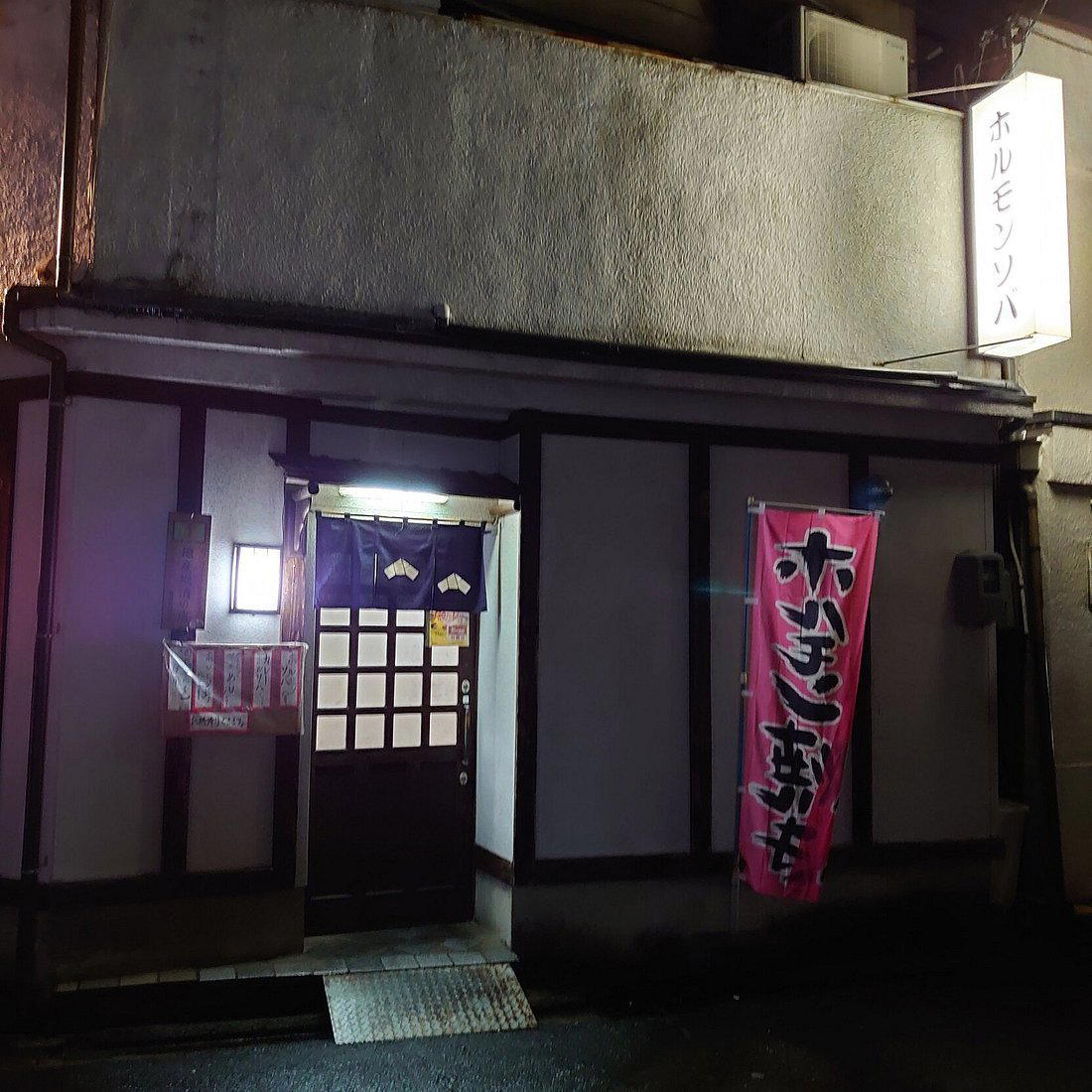
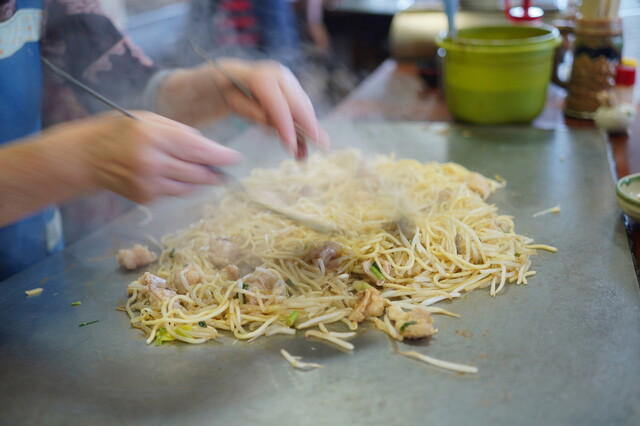
| Matsuya Horumon Ten | Japanese Horumon & Stir‑Fried Noodles Izakaya | $10–20 | Tabelog 100 #25 | Not listed |
Continue exploring
More in Tottori
Details
- Rustic
- Cozy
- Intimate
- Date Night
- Casual Hangout
- Standalone
- Sake Program
- A La Carte
Current opening hours
- Monday
- Closed
- Tuesday
- 6 PM–12 AM
- Wednesday
- 6 PM–12 AM
- Thursday
- 6 PM–12 AM
- Friday
- 6 PM–12 AM
- Saturday
- 6 PM–12 AM
- Sunday
- Closed
Hours can change for holidays and private events. Hours as of .
ゲストに寄り添うフラットなイタリアンの雰囲気