In Asakusa, one of Tokyo's most historically layered districts, Misojyu has built a following around miso soup taken seriously as a complete culinary form. The format is simple in structure but considered in execution, positioning the restaurant within a broader Tokyo shift toward single-subject dining that foregrounds craft over complexity. For visitors approaching from the temples and craft shops of Nakamise, it reads as a logical extension of the neighbourhood's ethos.
Pearl is the En Primeur Club membership app — saves, bookings, and concierge access live there. Same editors, same standards.
- Address
- 1 Chome-7-5 Asakusa, Taito City, Tokyo 111-0032, Japan
- Phone
- +81 3 5830 3101
- Website
- misojyu.jp
- Directions
- Get directions
 Saves & bookings on Pearl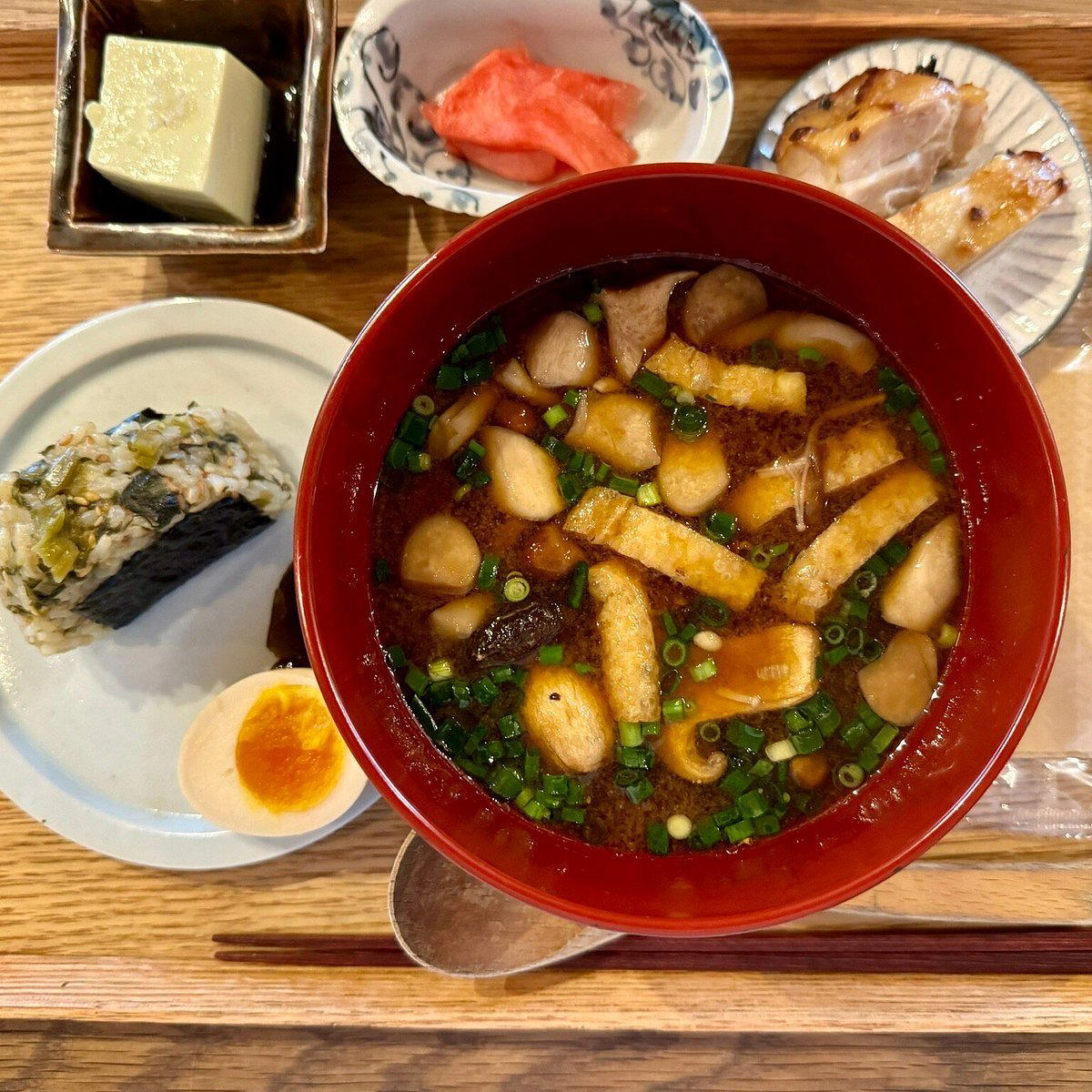
Asakusa and the Single-Subject Dining Shift
Tokyo's restaurant culture has spent the better part of two decades oscillating between maximalism and restraint. On one end, the city's top-tier kaiseki counters at places like RyuGin or refined French kitchens like L'Effervescence layer course upon course into multi-hour constructions. On the other, a quieter but increasingly confident movement has grown around single-subject formats: ramen shops that spend years perfecting one broth, tofu-ya that sell nothing but bean curd in three preparations, and, in the Asakusa district of Taito City, a small restaurant called Misojyu that has made miso soup its entire reason for being.
That kind of editorial restraint carries genuine risk. Miso soup, as most visitors to Japan understand it, is the thing that arrives in a lacquer bowl before the main event. Misojyu's proposition is that this framing is wrong, or at least incomplete, and that miso soup built with intention, varied by regional paste, seasonal garnish, and accompanying onigiri, deserves the same focused attention given to soba, ramen, or tempura. The question the restaurant implicitly poses to the diner is whether a bowl of something familiar can be made surprising through precision rather than transformation.
The Neighbourhood Does Much of the Work
Understanding Misojyu's appeal requires understanding Asakusa. The district surrounding Senso-ji Temple is one of the few parts of central Tokyo where the low-rise, craft-shop streetscape has remained roughly legible across generations. The Nakamise shopping arcade and the surrounding streets still trade in handmade fans, wooden combs, sembei crackers, and other objects that would not look out of place in a Meiji-era print. Misojyu sits at 1 Chome-7-5 Asakusa, within easy walking distance of the temple's outer precinct, and the physical approach primes a particular kind of attention: slow, observational, detail-oriented.
That priming matters for a restaurant whose format depends on the diner noticing small differences rather than large spectacles. Tokyo's dining geography places its multi-starred, ¥¥¥¥-tier restaurants, from omakase counters like Harutaka to progressive kitchens like Crony, predominantly in Ginza, Azabu, and Shinjuku corridors. Asakusa operates at a different register: more accessible in price, more tourist-facing in foot traffic, but also, for the right kind of operation, capable of attracting a disproportionately attentive audience who arrive already in a contemplative frame of mind.
Miso as Subject Matter, Not Supporting Cast
The evolution of miso soup as a serious dining subject in Japan tracks a broader pattern visible in how the country treats its fermented and preserved food traditions. Miso itself is a fermentation product with genuine regional variation: Kyoto's white shiro miso is sweeter and milder; Nagoya's hatcho miso is dense, almost bitter, aged in cedar barrels for years; the mixed awase miso common in Tokyo blends red and white for balance. A restaurant that foregrounds miso soup can, if it chooses, act as a kind of living atlas of these regional characters, rotating pastes by season and source in the same way a sake bar rotates its by-the-glass selections.
What the restaurant's positioning in Asakusa does suggest is an operation aware of its audience: international visitors who want something grounded and local-feeling, and Tokyo regulars who treat the neighbourhood as a periodic return to a slower version of city life. Both groups, in different ways, are already primed to appreciate a format that offers depth in a small bowl rather than breadth across a tasting menu.
That positioning also connects Misojyu to a wider Japanese dining tradition worth understanding before you visit. The teishoku format, a set meal built around rice, miso soup, and one or two side dishes, has been the structural backbone of everyday Japanese eating for centuries. What contemporary single-subject restaurants do is isolate one element of that structure and ask whether it can carry the full weight of a meal. Some, particularly in the ramen and tempura categories, have done so with results that generate Michelin recognition and multi-hour queues. The miso soup category remains smaller and less globally recognised, which is partly what makes Misojyu's position in it worth noting.
Where Misojyu Sits in Tokyo's Broader Scene
Tokyo is a city where dining decisions multiply faster than any single guide can track. For visitors using the city's western and central dining anchors as primary reference points, Asakusa can feel peripheral. It is not. The east of the city, from Ueno down through Taito and into Sumida, holds some of the most texturally distinctive dining in the capital, from long-standing tempura and unagi institutions to the newer wave of craft-focused small formats to which Misojyu belongs.
Readers building a broader Japan itinerary will find useful parallels in how other cities treat their everyday food traditions with renewed seriousness. Gion Sasaki in Kyoto and HAJIME in Osaka operate at the high-precision end of Japanese cooking in their respective cities, but the underlying impulse, to take a specific tradition and execute it at the limits of its potential, is structurally the same as what Misojyu attempts at a more accessible price point. Elsewhere in the country, operations like Goh in Fukuoka, akordu in Nara, and affetto akita in Akita demonstrate how seriously regional Japanese cities now treat their own food identity, a pattern that makes Tokyo's neighbourhood-level specialists like Misojyu more legible as part of a national movement rather than a local curiosity.
For readers whose dining frame of reference extends to international comparisons, the single-subject precision visible at Misojyu has loose analogues in how format-driven restaurants like Lazy Bear in San Francisco or ingredient-focused operations like Le Bernardin in New York City have built identity around committing entirely to a defined frame. The scale and price points differ substantially, but the underlying editorial logic of choosing depth over range is recognisable across all of them.
Our full Tokyo restaurants guide covers the broader range of the city's dining, from the multi-star kaiseki tier down through the neighbourhood specialists that reward the kind of slow exploration Asakusa invites. Further afield, Aji Arai in Oita, Ajidocoro in Yubari District, Akakichi in Imabari, aki nagao in Sapporo, and Abon in Ashiya fill out a picture of how Japan's regional dining culture continues to generate operations worth tracking outside the major-city circuit. For visitors to Sézanne and similar high-end Tokyo destinations, a morning at Misojyu before or after the flight offers a useful recalibration: a reminder that the city's most considered cooking is not always found behind a reservation wall.
Planning Your Visit
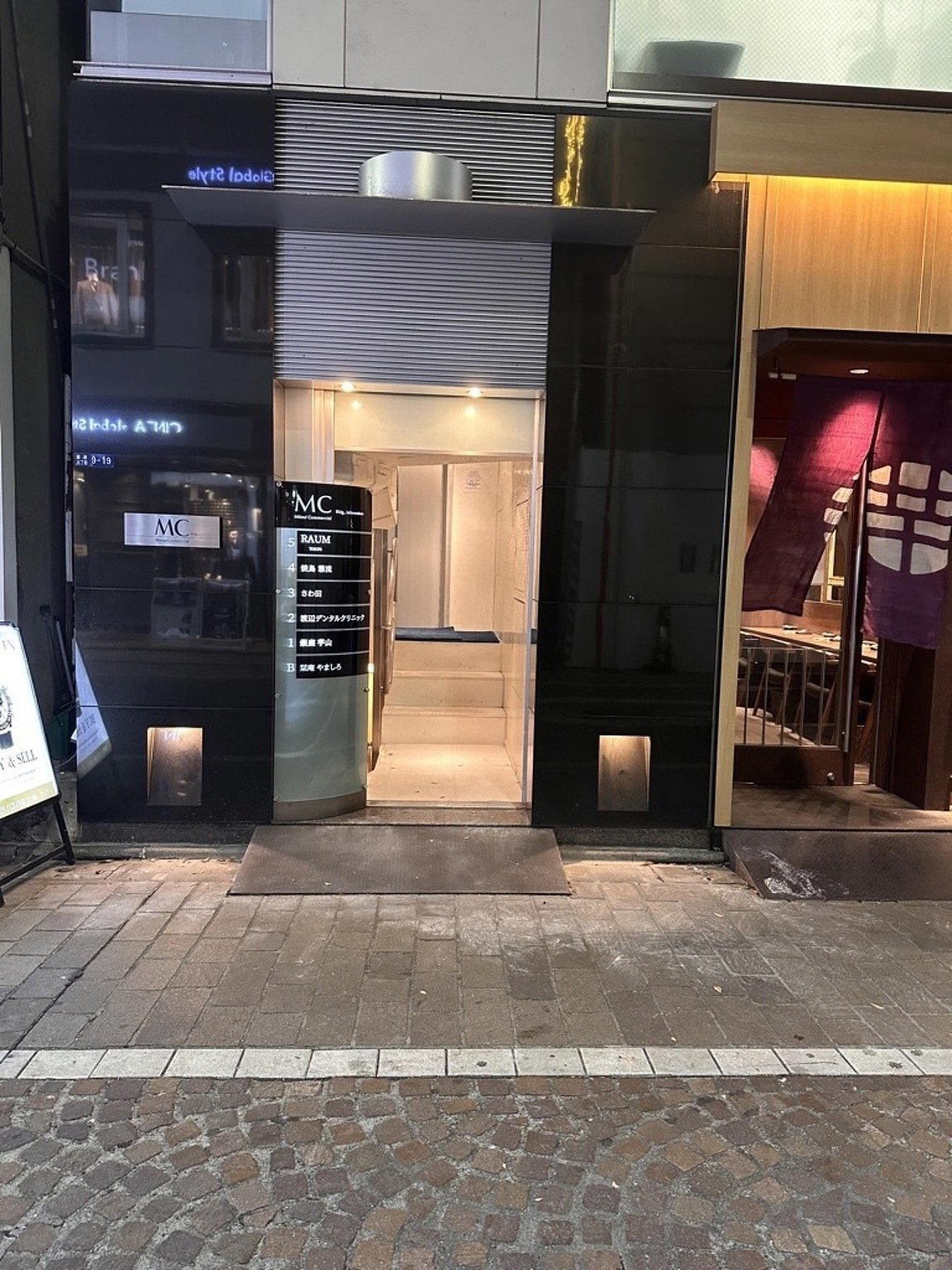
Misojyu is located at 1 Chome-7-5 Asakusa in Taito City, reachable via the Asakusa Station exits served by the Tokyo Metro Ginza Line, the Tobu Skytree Line, and the Asakusa Line. The restaurant sits within the high-foot-traffic zone near Senso-ji and Nakamise, which means morning and midday periods draw significant queues on weekends and during peak seasonal travel, particularly cherry blossom season in late March through April and the autumn foliage window in November. Arriving early on weekday mornings represents the most direct way to avoid extended waits.
How Misojyu Tokyo compares with similar nearby venues.
| Venue | Price |
|---|---|
| Tonkatsu Yutaka | JPY 2,000 - JPY 2,999 JPY 2,000 - JPY 2,999 |
| Asakusa Sanboa | JPY 5,000 - JPY 5,999 JPY 2,000 - JPY 2,999 View spending breakdown |
| Larousse | JPY 6,000 - JPY 7,999 JPY 3,000 - JPY 3,999 |
| Royal Coffee Ten Honten | JPY 999 |




At a Glance
- Cozy
- Classic
- Casual Hangout
- Standalone
- Organic
- Street Scene
Current opening hours
- Monday
- 8 AM–3:30 PM
- Tuesday
- 8 AM–3:30 PM
- Wednesday
- 8 AM–3:30 PM
- Thursday
- 8 AM–3:30 PM
- Friday
- 8 AM–3:30 PM
- Saturday
- 8 AM–3:30 PM
- Sunday
- 8 AM–3:30 PM
Hours can change for holidays and private events. Last verified .
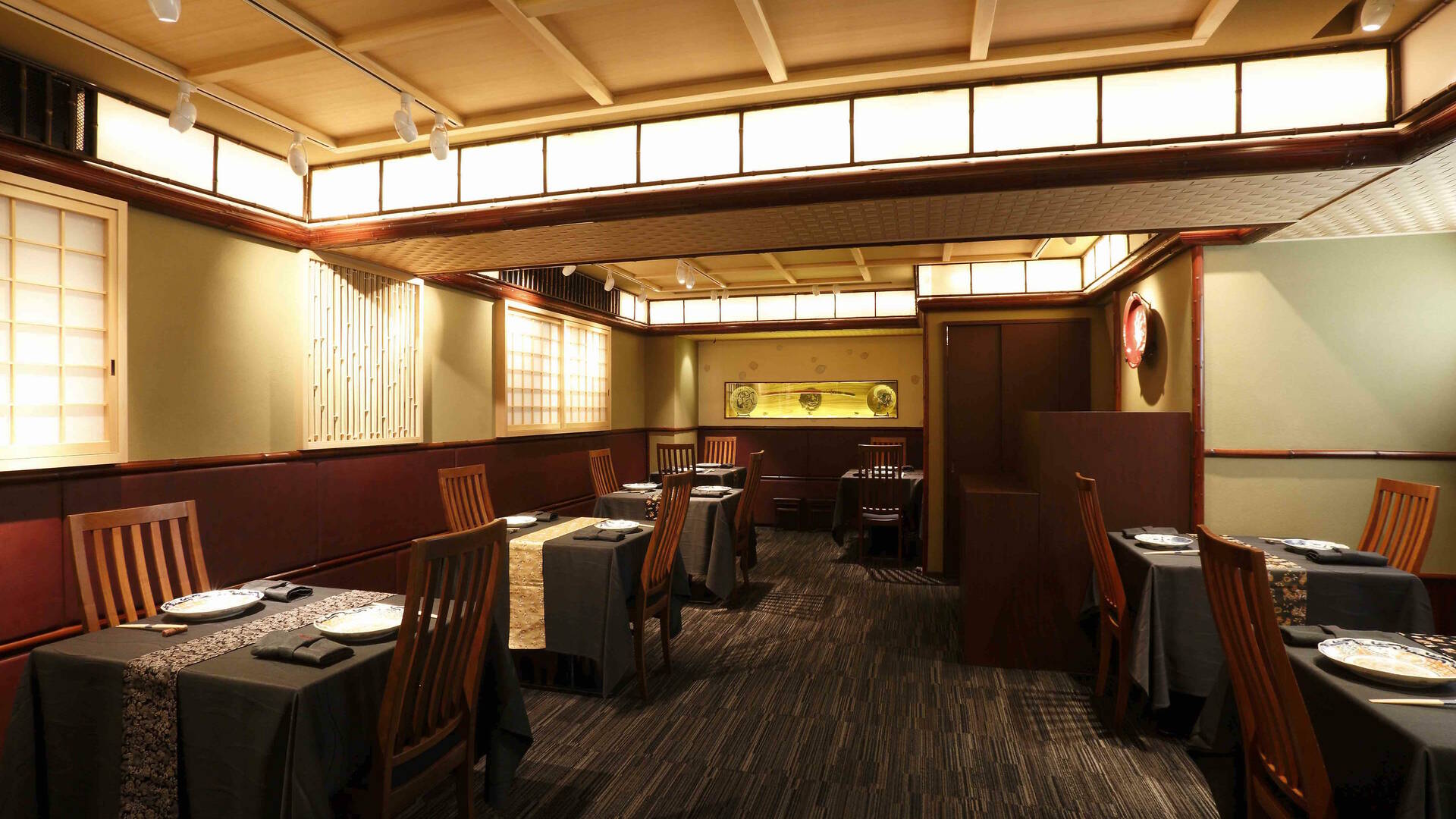
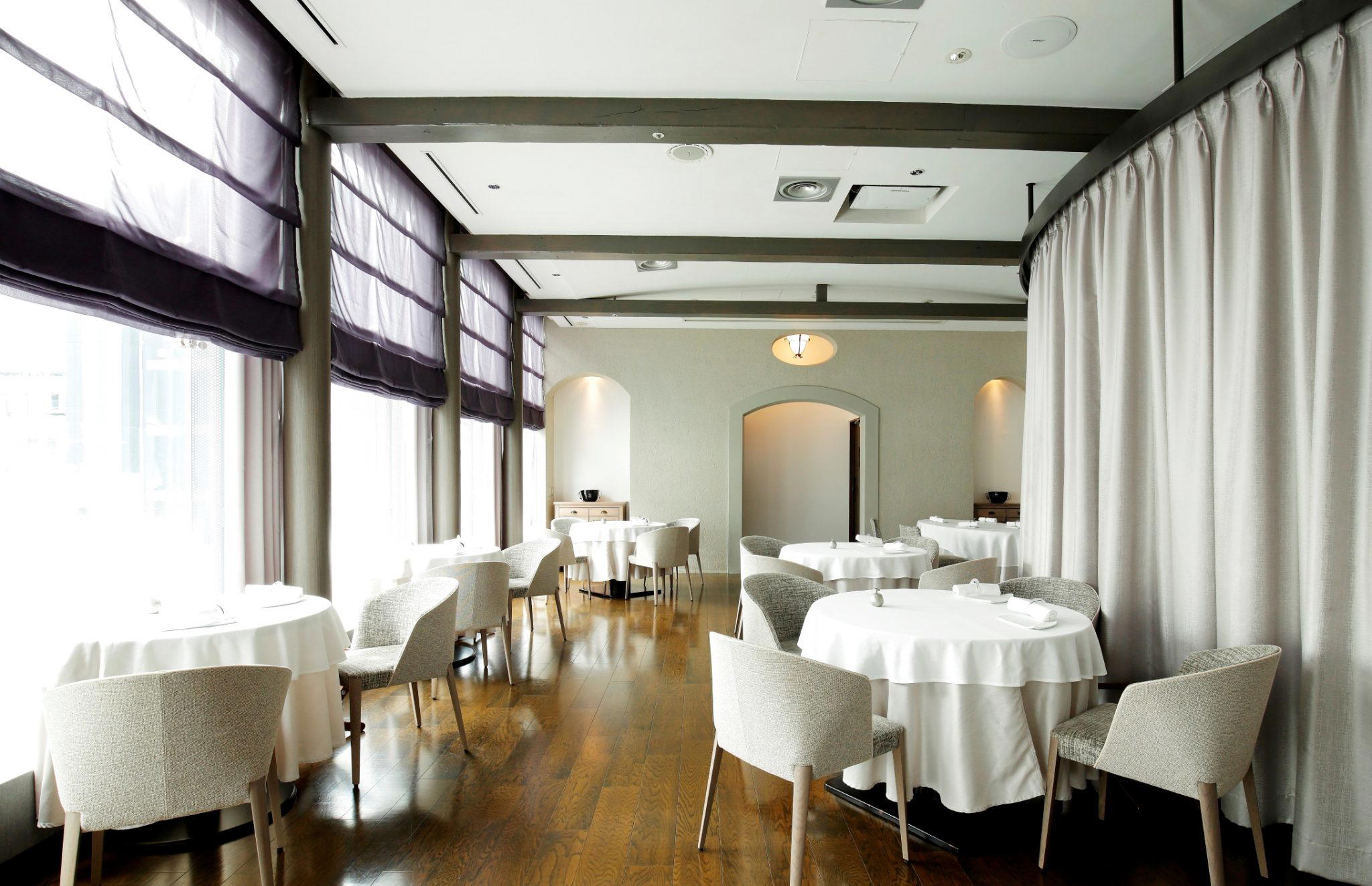
Warm, friendly, cozy atmosphere like a friend's kitchen with simple, comforting decor.
Know Before You Go
- Getting there
- 1 Chome-7-5 Asakusa, Taito City, Tokyo 111-0032, Japan