On a residential stretch of Stuttgart's Eugenviertel, Esszimmer occupies a quieter register than the city's more publicised fine-dining rooms. The address on Eugenstraße places it within reach of the Hegel Eins and Délice corridor, yet the room operates at its own pace. For visitors oriented around wine as much as food, it belongs on the shortlist alongside Stuttgart's strongest cellars.
Pearl is the En Primeur Club membership app — saves, bookings, and concierge access live there. Same editors, same standards.
- Address
- Eugenstraße 16, 70182 Stuttgart, Germany
- Phone
- +491739032275
- Website
- nits-thaikueche.de
- Directions
- Get directions
 Saves & bookings on Pearl
A Room That Sets Its Own Tempo
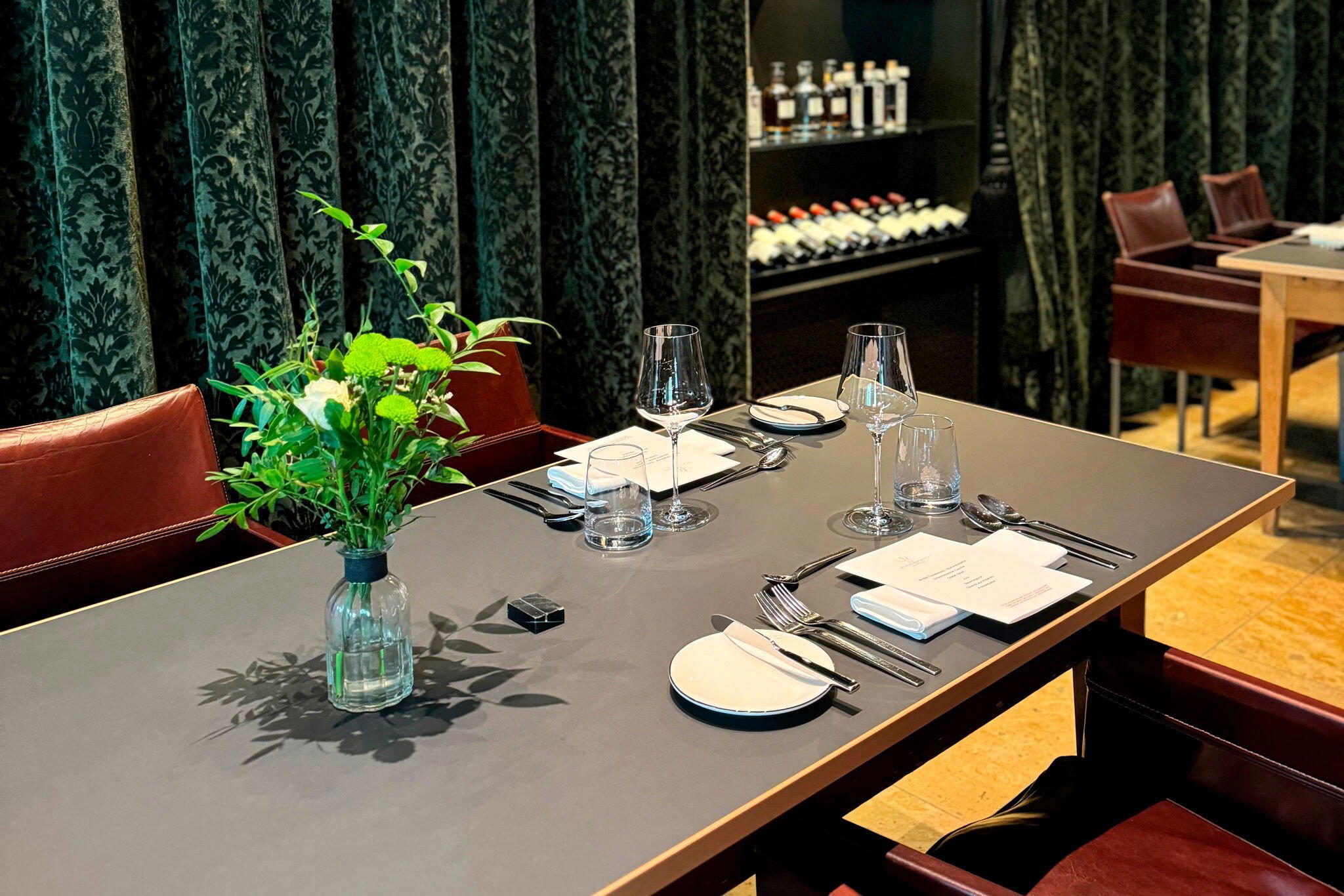
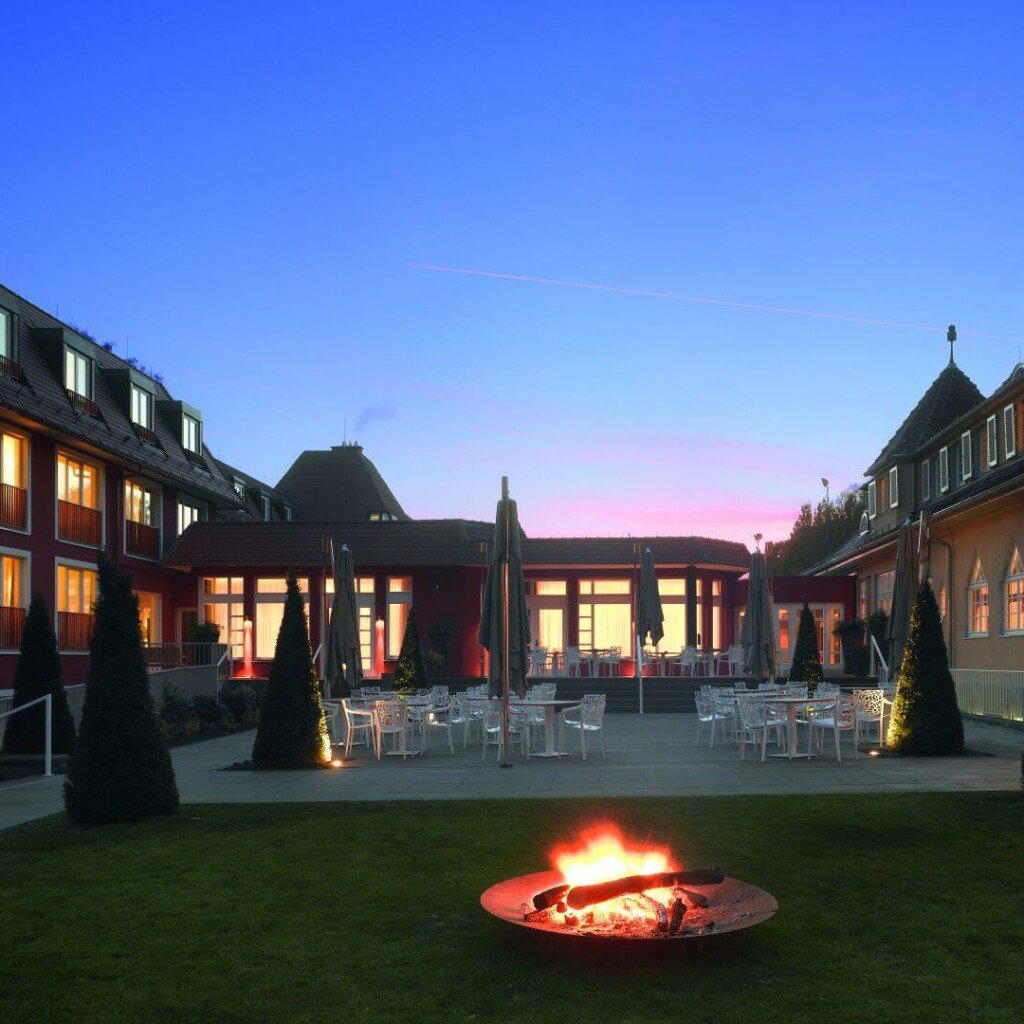
Esszimmer is a restaurant in Stuttgart, Germany. The Wilhelmspalais corridor draws one crowd; the Eugenviertel draws another. Eugenstraße 16 sits in the latter zone, on a tree-lined residential block where the foot traffic is local and the restaurants operate without the visibility that comes from a prominent tourist address. Arriving at Esszimmer, the physical context matters: this is a street that expects you to know why you are there.
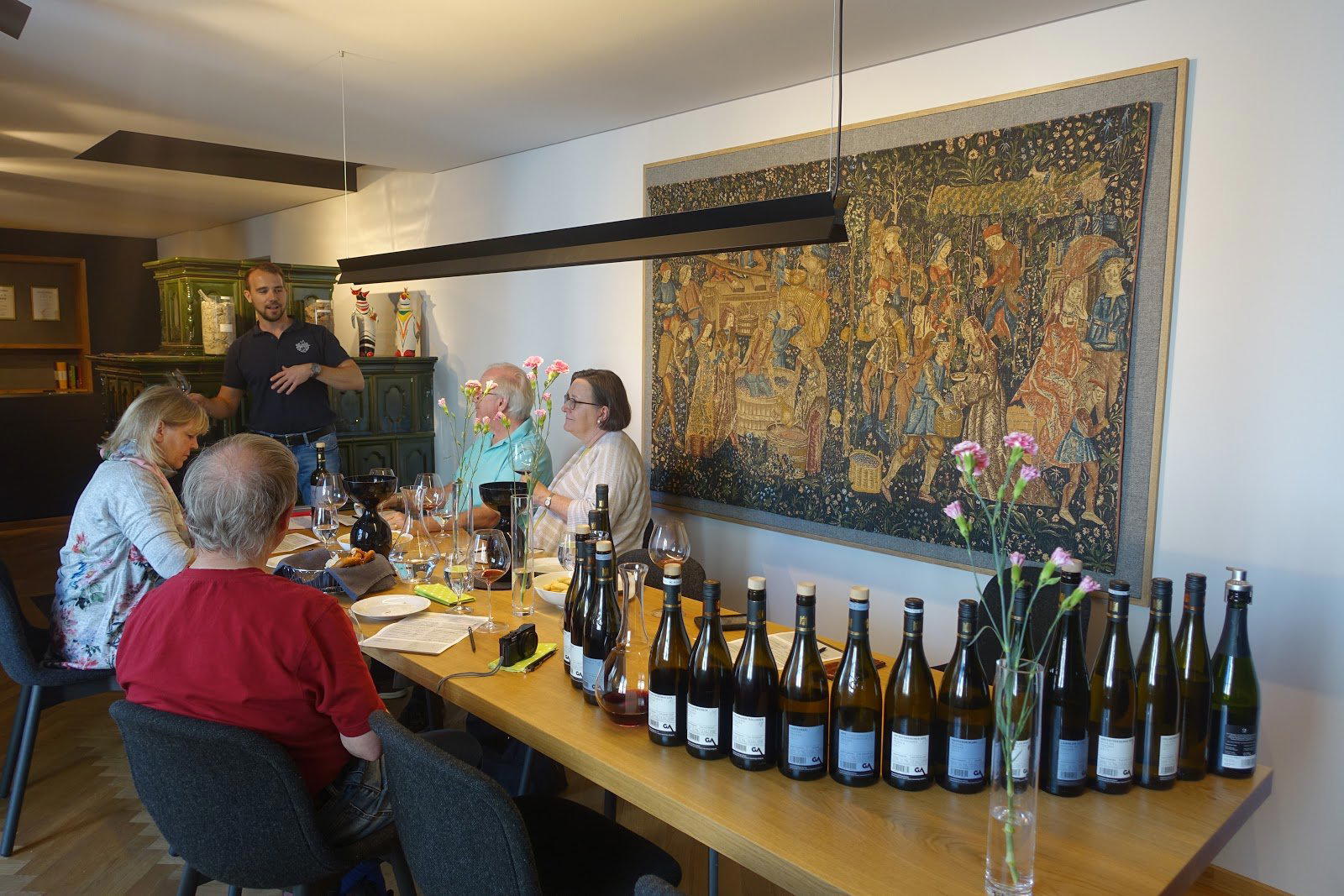
That self-selection is a feature of how the room functions. Stuttgart has a cluster of creative and modern cuisine tables, from Speisemeisterei to 5 and Der Zauberlehrling, each operating at a slightly different price and ambition tier. Esszimmer's position on that map is shaped as much by who shows up as by what is on the plate. The guests here are predominantly wine-literate, which in Baden-Württemberg means something specific: this is a state where Spätburgunder and Lemberger carry genuine regional authority, and where a restaurant's cellar can be as revealing as its kitchen.
The Wine Argument for This Address
Germany's southern wine regions have spent the past two decades reframing their international standing. Baden and Württemberg Pinot Noir now appears on lists at Le Bernardin in New York City and competes credibly against Burgundy village wine at auction. In Stuttgart itself, restaurants that treat the local cellar seriously occupy a distinct tier from those that default to international references. The question worth asking of any serious Stuttgart table is whether its wine selection reflects the production talent that surrounds it geographically, or whether it defaults to a generic European fine-dining list.
A restaurant on Eugenstraße, drawing on Württemberg's leading cooperative and estate producers, has material to work with that peers in less wine-dense cities cannot replicate. The Swabian tradition of matching structured local reds against strong regional cooking creates a pairing logic that is internally consistent and harder to reproduce elsewhere. For visitors who arrive at Esszimmer with that context, the cellar conversation becomes the primary reason to engage seriously with the booking.
This regional wine orientation also distinguishes Stuttgart's stronger tables from Germany's broader fine-dining map. Houses like Schwarzwaldstube in Baiersbronn or Waldhotel Sonnora in Dreis anchor their wine programs in adjacent regional traditions. At the highest tiers, venues like Aqua in Wolfsburg or Vendôme in Bergisch Gladbach build international-breadth cellars that extend well beyond German borders. Esszimmer's address situates it in a different conversation: regional depth over international breadth, which is the intellectually honest position for a room on this street in this city.
Stuttgart's Fine-Dining Tier and Where This Room Fits
Stuttgart's upper dining register has become more competitive over the past decade. Hegel Eins and Délice operate in the modern and creative tiers with visible critical recognition. The city also punches above its tourism weight in terms of local dining seriousness: Stuttgart residents eat out with frequency and with expectations shaped by access to both Baden-Württemberg's agricultural output and its wine estates.
Within that context, a restaurant without the promotional infrastructure of a hotel group or a celebrity-chef narrative holds its audience through consistent performance and word of mouth. Esszimmer's position on Eugenstraße is, by Stuttgart standards, the kind of address that rewards repeat visitors more than first-timers who arrive from a travel list. That dynamic is common to a specific type of European room: the neighbourhood fine-dining table that serves a loyal local clientele and receives outside visitors primarily through personal recommendation.
For comparison, rooms like JAN in Munich or CODA Dessert Dining in Berlin have built recognisable formats that travel well through critical channels. Esszimmer operates closer to the local-institution model, where the format is legible primarily to those who have already done the homework. That is not a limitation so much as a deliberate calibration for a specific kind of diner.
Seasonal Timing and the Swabian Kitchen Calendar
The case for visiting Stuttgart's serious dining rooms in autumn is structural. Baden-Württemberg's hunting season, combined with the late-harvest wine calendar, produces a table that looks different in October and November than it does in July. Spätburgunder from the Remstal and Württemberg estates reaches the glass in its leading form alongside venison, wild mushroom, and root vegetable preparations that define the regional autumn kitchen. Restaurants oriented around local sourcing shift their menus most visibly during this window.
Spring in the Swabian kitchen brings white asparagus, which remains one of the more singular seasonal obsessions in German gastronomy. From late April through June, menus across the region reorganise around Spargel with a focus that can seem disproportionate until you eat the Hohenlohe variety, which carries more mineral weight than its northern German equivalents. A reservation timed to either of these windows engages with the kitchen at its most distinctly regional.
Practical logistics at Esszimmer are handled directly with the restaurant. The Eugenviertel address is accessible from Stuttgart's S-Bahn network, with Stadtmitte and Stöckach both within comfortable walking distance. For visitors building a Stuttgart wine itinerary that extends beyond a single evening, the city's proximity to the Remstal wine route makes a two-night stay a reasonable structure.
Placing Esszimmer in a Longer Germany Trip
Stuttgart works as a base for serious dining travel in a way that its profile outside Germany undersells.
Stuttgart's own restaurant scene justifies two to three evenings of serious eating without difficulty. Esszimmer on Eugenstraße belongs in that itinerary for visitors whose primary interest is the intersection of regional wine and kitchen craft, rather than Michelin-star accumulation for its own sake.
Peers You’d Cross-Shop
Comparable venues nearby, for context on price, style, and recognition.
| Venue | Cuisine | Price | Notes |
|---|---|---|---|
| EsszimmerThis venue — the venue you are viewing | Authentic Thai | $$ | Not listed |
| Kwan Kao - Taste of Thailand | Authentic Thai | $$ | Heslach |
| Zum Becher | Traditional Swabian German | $$ | Gablenberg |
| Food Bazar | Urban Café & Deli | $$ | Gablenberg |
| Buddiez Burger | Craft Burgers & Fries | $$ | Gaisburg |
| Im Künstlerhaus | Modern European Fusion | $$ | Heslach |
Continue exploring
More in Stuttgart
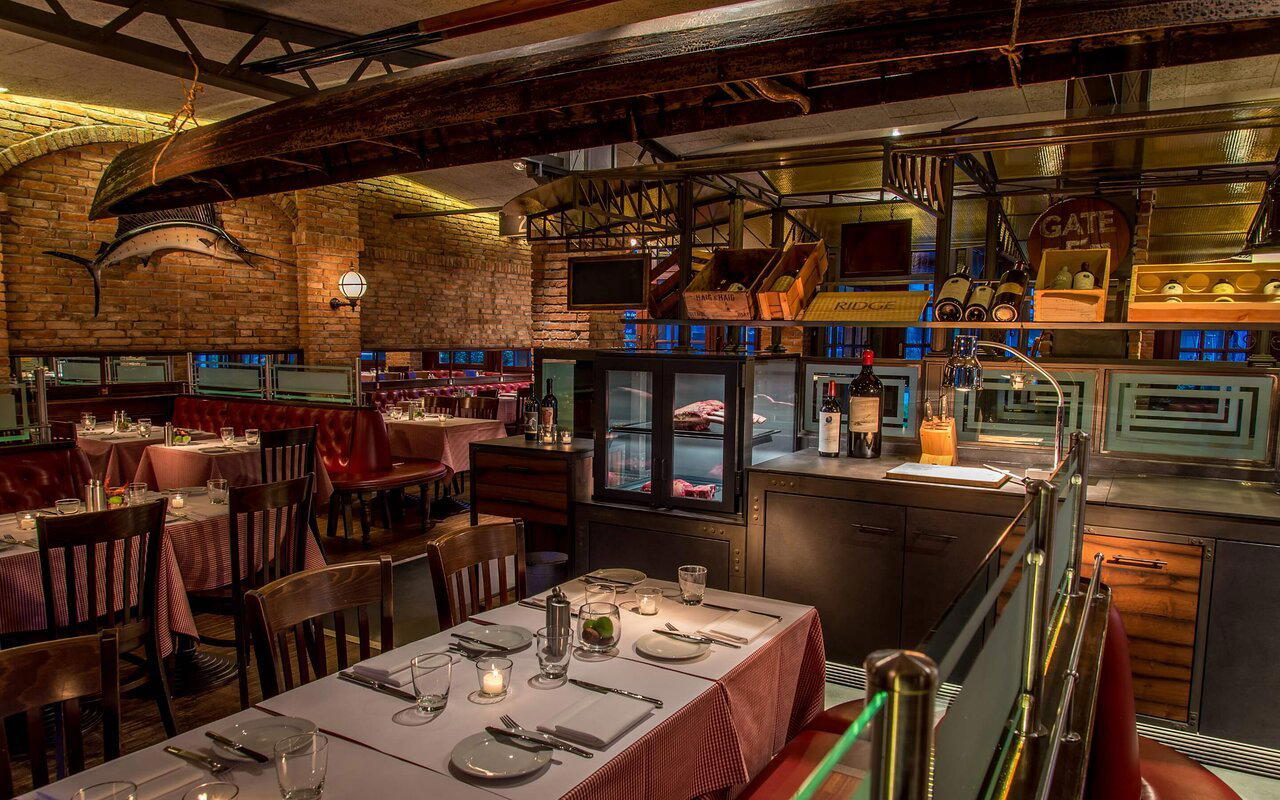
Restaurants in Stuttgart
Browse all →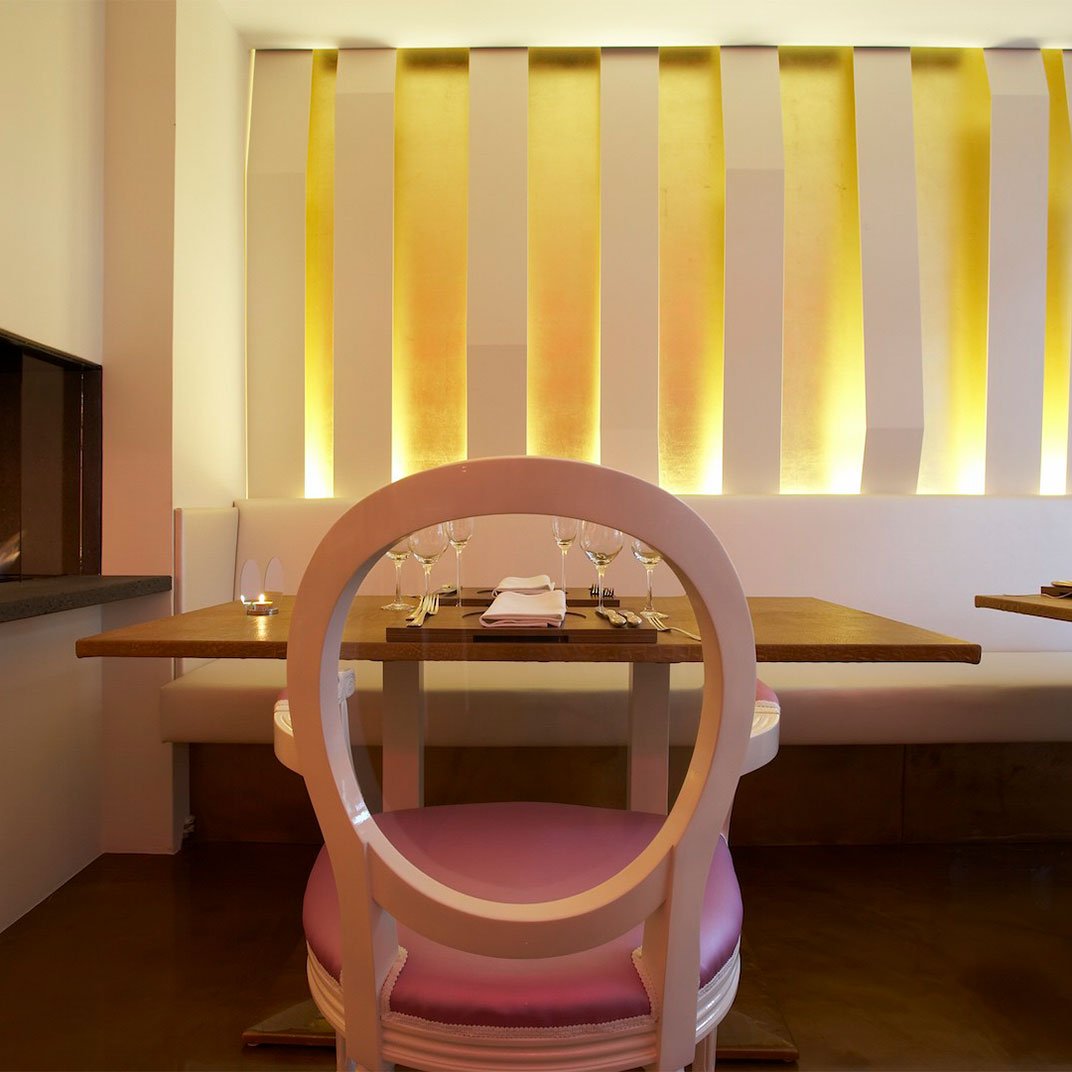
Bars in Stuttgart
Browse all →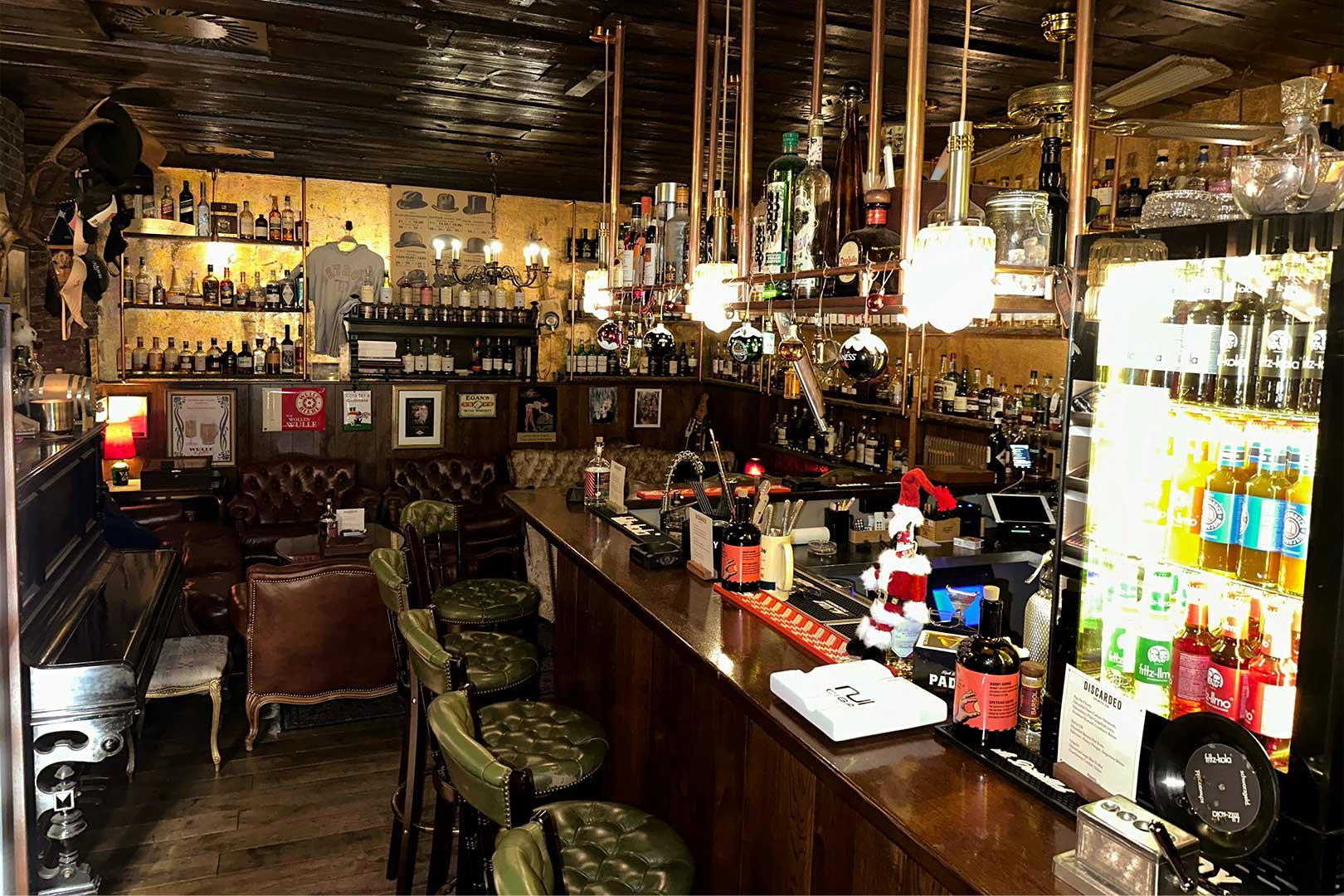
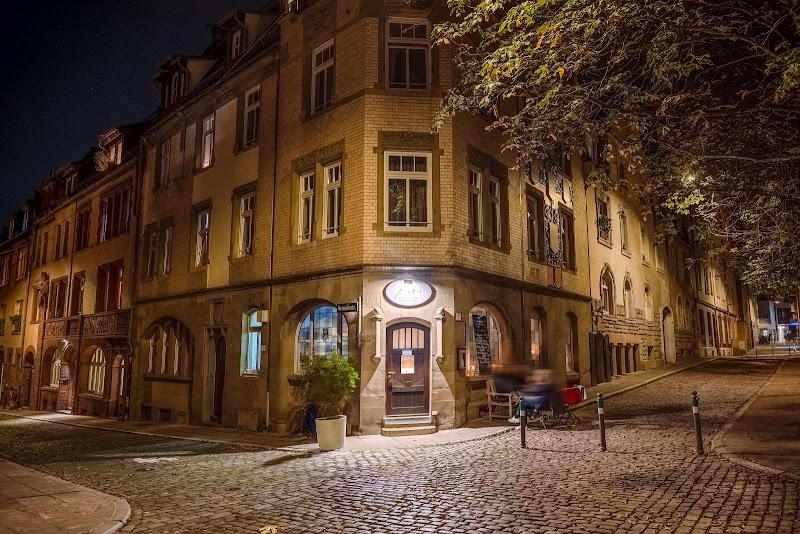

Hotels in Stuttgart
Browse all →

At a Glance
- Casual Hangout
Current opening hours
- Monday
- 11:30 AM–3 PM
- Tuesday
- 11:30 AM–3 PM
- Wednesday
- 11:30 AM–3 PM, 5–10 PM
- Thursday
- 11:30 AM–3 PM, 5–10 PM
- Friday
- 11:30 AM–3 PM, 5–10 PM
- Saturday
- 5–10 PM
- Sunday
- 5–9 PM
Hours can change for holidays and private events. Last verified .
Casual and welcoming atmosphere comfortable for both Thai and German diners.