Ambiente Africa brings African cuisine to Stuttgart's Werastraße, occupying a city where creative and modern European formats dominate the upper dining tier. As one of the few addresses in Baden-Württemberg dedicated to the continent's culinary traditions, it operates in a distinct niche, offering a menu structure that reads against the grain of Stuttgart's otherwise French-influenced fine dining scene.
Pearl is the En Primeur Club membership app — saves, bookings, and concierge access live there. Same editors, same standards.
- Address
- Werastraße 1, 70182 Stuttgart, Germany
- Phone
- +497112365511
- Website
- restaurantafrika.de
- Directions
- Get directions
 Saves & bookings on Pearl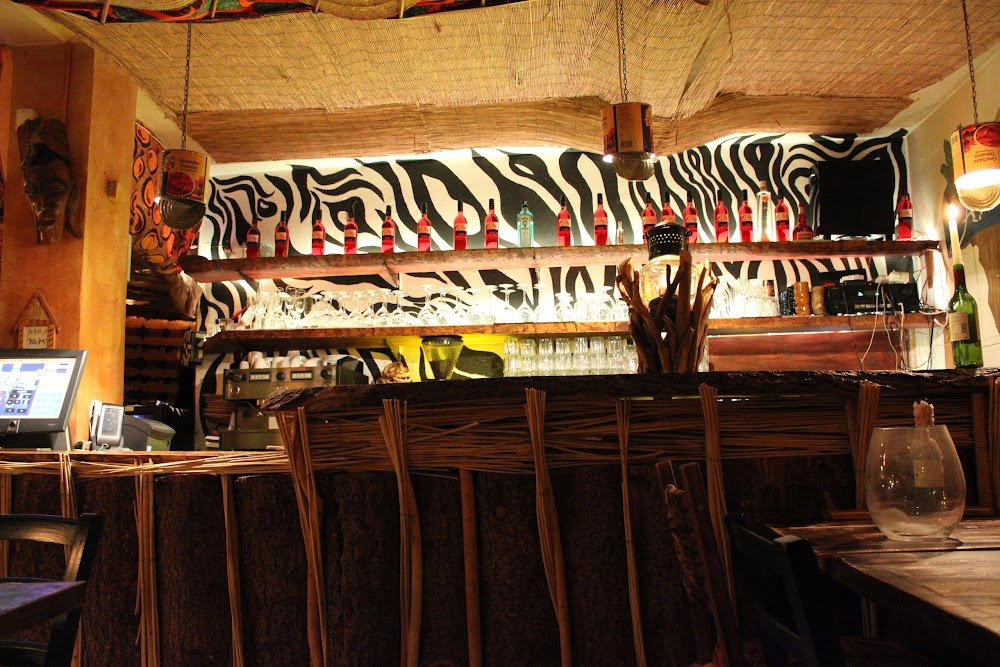
A Different Grammar on Stuttgart's Plate
Stuttgart's serious dining culture runs almost entirely on European coordinates. The addresses that draw greater attention, from the creative tasting formats at Speisemeisterei to the modern cuisine precision of Hegel Eins, speak a language rooted in French technique and Central European produce. Against that backdrop, Ambiente Africa on Werastraße 1, a short address in the 70182 postcode, placing it in the Ostheim-adjacent inner east of the city, represents a structural departure. African cuisines, plural in their regional range, do not appear regularly in Germany's fine dining conversation, and in Stuttgart they are rarer still. That scarcity shapes how the restaurant should be read.
What the Menu Structure Reveals
In cities where a cuisine is genuinely unfamiliar to most diners, the menu becomes a teaching document as much as a selection tool. The architecture of an African-focused menu in a German city like Stuttgart carries editorial weight: it has to introduce a frame of reference before it can satisfy one. This is a different challenge from what faces Der Zauberlehrling or Délice, where the creative-European idiom is already legible to most guests. An African menu in this context must make decisions about representation: which regions, which traditions, which ingredients carry the argument.
African culinary traditions span the spice-forward stews of West Africa, the fermented grain complexity of Ethiopia and Eritrea, the braai and citrus-bright salads of Southern Africa, and the coastal seafood preparations of East Africa. A restaurant operating under the Ambiente Africa name is, in that sense, working with a continent rather than a country, and the menu structure is the primary tool for managing that range.
Stuttgart's Fine Dining comparable set and Where This Sits
To understand what Ambiente Africa is doing, it helps to map what it is not doing. Stuttgart's upper dining tier clusters around formats that Germany's Michelin inspectors have rewarded consistently: the classic-to-creative European progression, the multi-course tasting structure, the wine pairing anchored in domestic Riesling or French Burgundy. 5 sits within that modern cuisine frame. So does the broader regional tradition represented by destinations like Schwarzwaldstube in Baiersbronn and Waldhotel Sonnora in Dreis, where French-rooted discipline underpins everything.
The restaurant is not competing in that tier. Its comparable set, in any meaningful comparative sense, is the smaller category of European restaurants that have built a serious identity around non-European culinary traditions: the kind of address that draws guests not because it holds a star or sits on a ranking, but because it represents a reference point in its category that does not exist elsewhere in the city. In Germany more broadly, this kind of positioning has worked at addresses like CODA Dessert Dining in Berlin, which built a loyal following by doing something structurally unusual rather than competing on conventional fine dining metrics.
The Case for Specificity in a General Category
The risk for any restaurant positioned under a continental umbrella rather than a national or regional one is diffusion. Pan-African menus can read as survey courses rather than arguments. The stronger African restaurants in Europe tend to anchor in a specific tradition, such as Nigerian, Ethiopian, Senegalese, or South African cooking. One compelling version of the restaurant's offer would follow that pattern: a menu with enough specificity to communicate genuine expertise, and enough range to acknowledge that African food is not monolithic.
Ingredient sourcing is part of that argument. African cuisine relies on produce that does not always travel easily or appear in German wholesale supply chains: fonio, teff, moringa, suya spice blends, fermented locust beans, berbere. The presence or absence of these ingredients signals how seriously a kitchen is engaging with its source material. In Stuttgart, a city with strong Turkish, Southern European, and Balkan grocery networks but thinner African import infrastructure, sourcing these correctly is a meaningful logistical undertaking. Restaurants in comparable cities that have made this work, such as JAN in Munich with its South African inflections, demonstrate that regional specificity and sourcing integrity can build a durable identity even in markets where the cuisine is not deeply familiar.
Planning a Visit to Werastraße 1
The restaurant is located at Werastraße 1 in Stuttgart's inner east, a zone that connects the city centre with the Ostheim neighbourhood and sits within walking distance of several tram lines. The area is not Stuttgart's primary dining corridor, which runs further west toward the city's established restaurant clusters, but it is accessible without difficulty from the main public transport network. For diners arriving from elsewhere in Baden-Württemberg or from further afield, Stuttgart Hauptbahnhof is the logical entry point, with the Werastraße address reachable by tram or a short taxi journey. Check directly with the restaurant for current hours and booking details. Visitors with specific dietary requirements should raise these when making contact, as allergy management practices at the kitchen level are best confirmed with the venue directly rather than assumed from category norms.
Reputation First
Comparable venues nearby, for context on price, style, and recognition.
| Venue | Cuisine | Price | Notes |
|---|---|---|---|
| Ambiente AfricaThis venue — the venue you are viewing | Pan-African Cuisine | $$ | Not listed |
| Ebony | East African Aromaküche | $$ | Gablenberg |
| Restaurant Empore | Italian Market Hall Restaurant | $$ | Gablenberg |
| Sultan Saray | Authentic Turkish | $$ | Gablenberg |
| Block House | Classic Steakhouse | $$ | Gablenberg |
| Andiamore | Customizable Italian Pizza & Pasta | $$ | Gablenberg |
Continue exploring
More in Stuttgart
Restaurants in Stuttgart
Browse all →
Bars in Stuttgart
Browse all →

Hotels in Stuttgart
Browse all →


At a Glance
- Cozy
- Rustic
- Date Night
- Casual Hangout
- Open Kitchen
- Craft Cocktails
Current opening hours
- Monday
- Closed
- Tuesday
- 5 PM–12 AM
- Wednesday
- 5 PM–12 AM
- Thursday
- 5 PM–12 AM
- Friday
- 5 PM–12 AM
- Saturday
- 5 PM–12 AM
- Sunday
- 5 PM–12 AM
Hours can change for holidays and private events. Last verified .
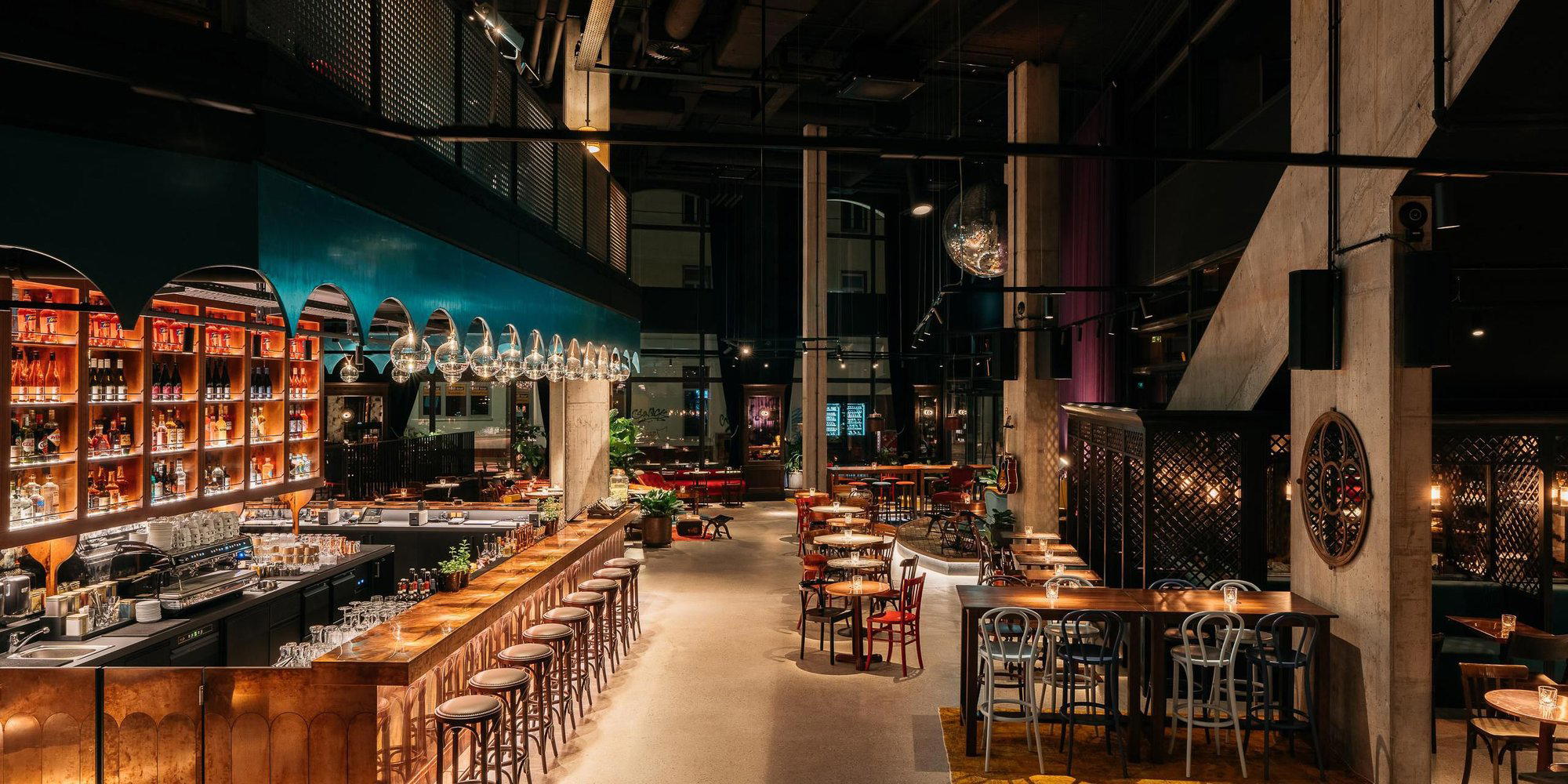
Warm and friendly atmosphere with dark lighting and thematic African motifs creating a cozy, adventurous dining experience.