Mikasa Sushi

Mikasa Sushi gives Saitama sushi a serious, ingredient-led address outside Tokyo’s usual counter circuit. Its Tabelog Sushi EAST 100 selection in 2025, 50-seat format, private rooms and counter seating place it in a rare category: destination sushi with family and group utility, not only a hushed metropolitan omakase room.
Pearl is the En Primeur Club membership app — saves, bookings, and concierge access live there. Same editors, same standards.
- Address
- 4699-1 Matsubushi, Kitakatsushika District, Saitama 343-0111, Japan
- Phone
- +81 48-991-3434
- Website
- tabelog.com
 Saves & bookings on Pearl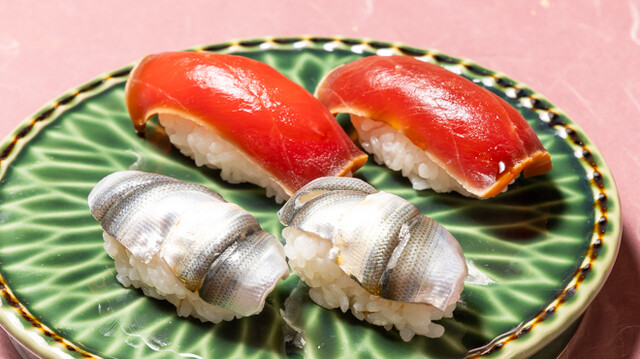
Approach sushi outside central Tokyo and the cues change. The drama is less about Ginza elevators and hushed eight-seat counters, more about suburban rhythm: a house-restaurant setting, parking out front, tatami rooms alongside counter seats, and a room built for regulars as much as destination diners. In Kitakatsushika-gun, that matters. Sushi here has to justify the trip through sourcing and consistency, not postcode theatre.
Mikasa Sushi sits in that wider Saitama pattern: serious fish, a broad drinks structure built around sake, shochu and wine, and enough room to absorb families, celebrations and longer meals without turning the experience into a private-club ritual. Its 2025 selection for Tabelog Sushi EAST 100 gives the restaurant a public benchmark beyond neighbourhood affection. That recognition is useful because suburban sushi can be harder to read from the outside; the award places it in an eastern Japan field where fish handling, rice discipline and repeat custom carry more weight than design spectacle.
Fish sourcing is the real measure in suburban Saitama sushi
Tokyo’s luxury sushi conversation often narrows around scarcity: smaller counters, higher prices, harder reservations, and chefs whose lineage becomes part of the bill. Saitama’s stronger sushi addresses work differently. They have to persuade diners that the sourcing chain and preparation justify leaving the capital’s obvious circuit. The category is less about theatrical intimacy and more about whether the fish programme can carry a meal across counter seats, private rooms and larger tables.
The useful signal here is the stated emphasis on fish rather than a long public list of named signatures. That is the right editorial lens. In sushi, ingredient sourcing is not a decorative detail; it determines texture, fat, temperature tolerance and the margin for restraint. A restaurant can buy prestige cuts and still cook without identity. The stronger version builds range: white fish, oily fish, shellfish, seasonal changes and the rice’s ability to frame them without flattening character. Mikasa Sushi’s recognition in the Sushi EAST 100 suggests that this broader discipline has been noticed beyond its immediate local audience.
The drinks structure also tells a story about how the meal is meant to unfold. Sake and shochu point toward classic Japanese pairing logic, while wine broadens the room’s social use. That matters in a 50-seat sushi restaurant. A tiny counter can dictate pace and silence; a larger format needs flexibility without losing the food’s centre of gravity. The better version of this model lets a family table, a business meal and a counter diner coexist under the same ingredient standard.
Awarded sushi without the narrow-counter script
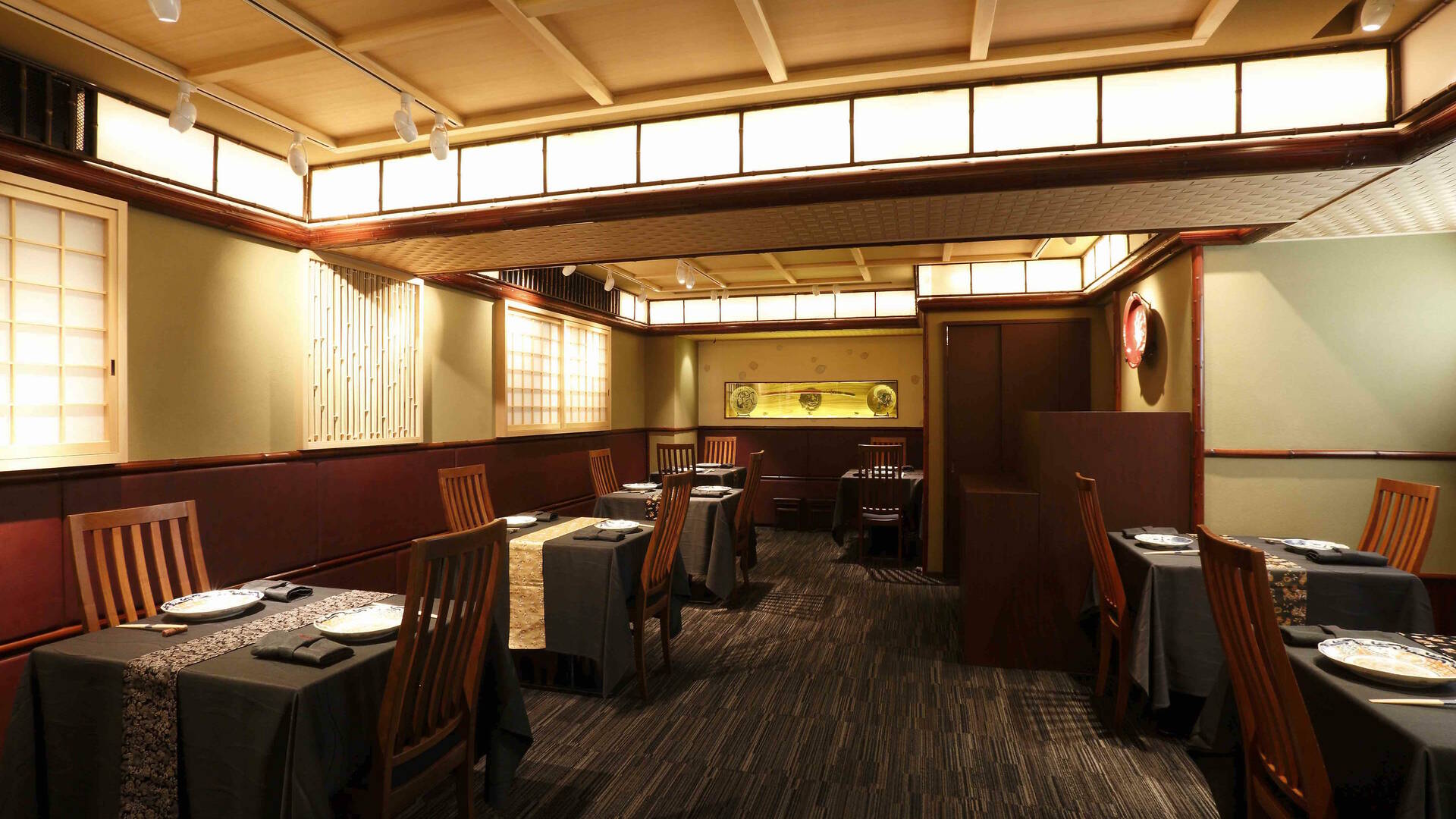
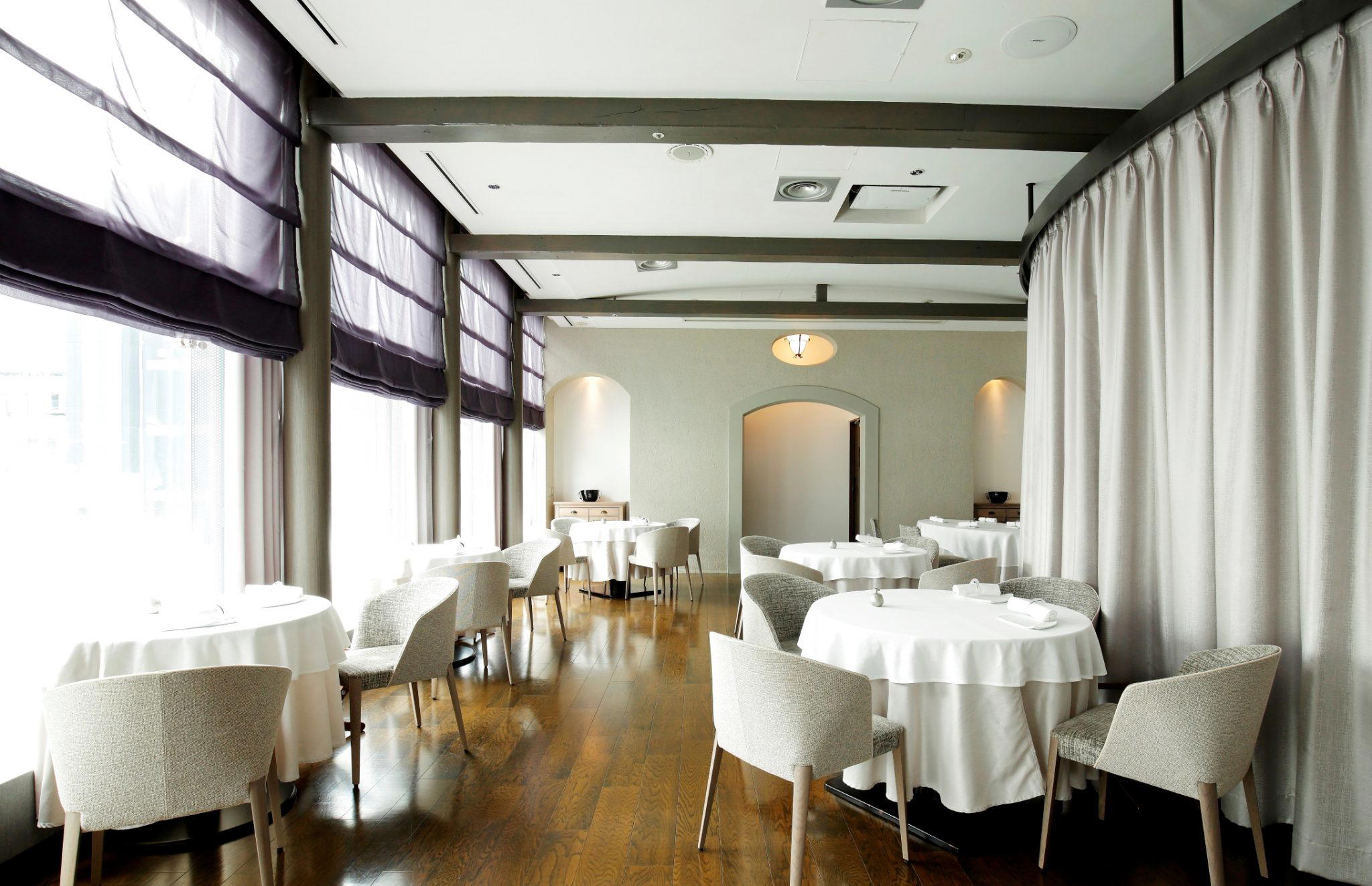
50-seat count changes expectations. Many prestige sushi rooms in Japan use scarcity as part of their identity, but capacity here signals a different tradition: sushi as a full restaurant rather than a jewel-box performance. Counter seating keeps the craft visible, while tatami and private rooms make the experience more practical for children, friends and occasions that would feel strained in stricter urban rooms.
That format does not make the restaurant casual in the ordinary sense. A Tabelog score of 3.76 and a 2025 Sushi EAST 100 selection place it above the mass of local sushi addresses, and the presence of private rooms up to larger groups suggests a house accustomed to formal meals. The non-smoking policy and perfume guidance point to a room where aroma and fish condition are treated seriously. Those details are not etiquette theatre; strong fragrance can distort the perception of vinegar, fat and sea-scent in sushi more quickly than many diners realise.
Compared with the broader out-of-metro set supplied for this region, the price and format separate this from casual specialists such as Niboshi Ranbu, spice curry mokuromi, Ramen Jiro Koshigaya ten and Kuriya Sawa. Those addresses speak to a different everyday dining economy. Mikasa Sushi operates in the celebration and destination tier, closer to a planned meal than a spontaneous stop. That distinction is central to whether the journey makes sense: come for sushi as the point of the outing, not as a convenient add-on.
How to place it within a Kitakatsushika-gun itinerary
Kitakatsushika-gun is not a dense dining grid where visitors drift between bars, hotels and late-night counters on foot. It rewards planning. The appeal lies in a quieter, suburban version of Japanese hospitality, where restaurants often function as local institutions with practical room formats and less metropolitan signalling. For readers mapping the area, start with Our full Kitakatsushika-gun restaurants guide, then use the surrounding guides for context: Our full Kitakatsushika-gun hotels guide, Our full Kitakatsushika-gun bars guide, Our full Kitakatsushika-gun wineries guide and Our full Kitakatsushika-gun experiences guide.
Within Japan’s wider dining map, the useful comparison is not cuisine-to-cuisine similarity but intent. A traveller building a food-led route might pair this kind of suburban sushi appointment with category-specific stops elsewhere: -Grilled beef Sukiyaki- KAMAKURA TANUKIAN 鎌倉 たぬき庵 in Kamakura, . 鮪と炭火焼き うお炭 秋葉原店 in Tokyo, .cafe in Osaka, .know in Kumamoto, (Shoku) Vietnam in Kawasaki, [Curry Senmon Ten] Maruyama Kyoju. in Sapporo, [ki:] in Kyoto, #肉といえば松田 奈良本店 in Kashihara, 1/3 HAMBURGER FACTORY in Kanazawa, 1000 in Yokohama and 1000mヒュッテ 1000m Hut in Kutchan. For Japanese food culture abroad, Jōdo Saké Bar in Los Angeles and Onigiri Time in Pasadena show how sake-bar and rice-based formats translate outside Japan.
The editorial case is clear: this is not the sushi address for diners seeking a tiny Tokyo counter as status object. It is stronger for travellers who understand that ingredient seriousness in Japan is not confined to central wards. The combination of fish focus, award recognition, family tolerance and room variety makes the restaurant a persuasive Saitama detour when the meal itself is the plan.
Comparison Snapshot
Comparable venues by cuisine and price in the same metro.
| Venue | Cuisine | Price | Notes |
|---|---|---|---|
| Mikasa SushiThis venue — the venue you are viewing | High-End Seasonal Sushi & Omakase | $$$$ | Not listed |
| 木佐貫 | Kanazawa Kaiseki Omakase | $$$$ | Tokiwamachi |
| Ginza 1954 | Japanese Bar | $$$$ | Ginza |
| きよ田 離れ | Edomae Sushi Omakase | $$$$ | Ginza |
| Ebihara | Traditional Japanese Kaiseki | $$$$ | Shinjuku |
| 箱崎町すみと | Traditional Edomae Sushi Omakase | $$$$ | Chūō |
Recognition history
Dated appearances from independent guides and award organizations, with the underlying list record or original source where available.
Tabelog 100 #60 · No. 60
Tabelog · Tabelog 100 - Sushi - EAST - 2025
Continue exploring
More in Kitakatsushika-gun
Restaurants in Kitakatsushika-gun
Browse all →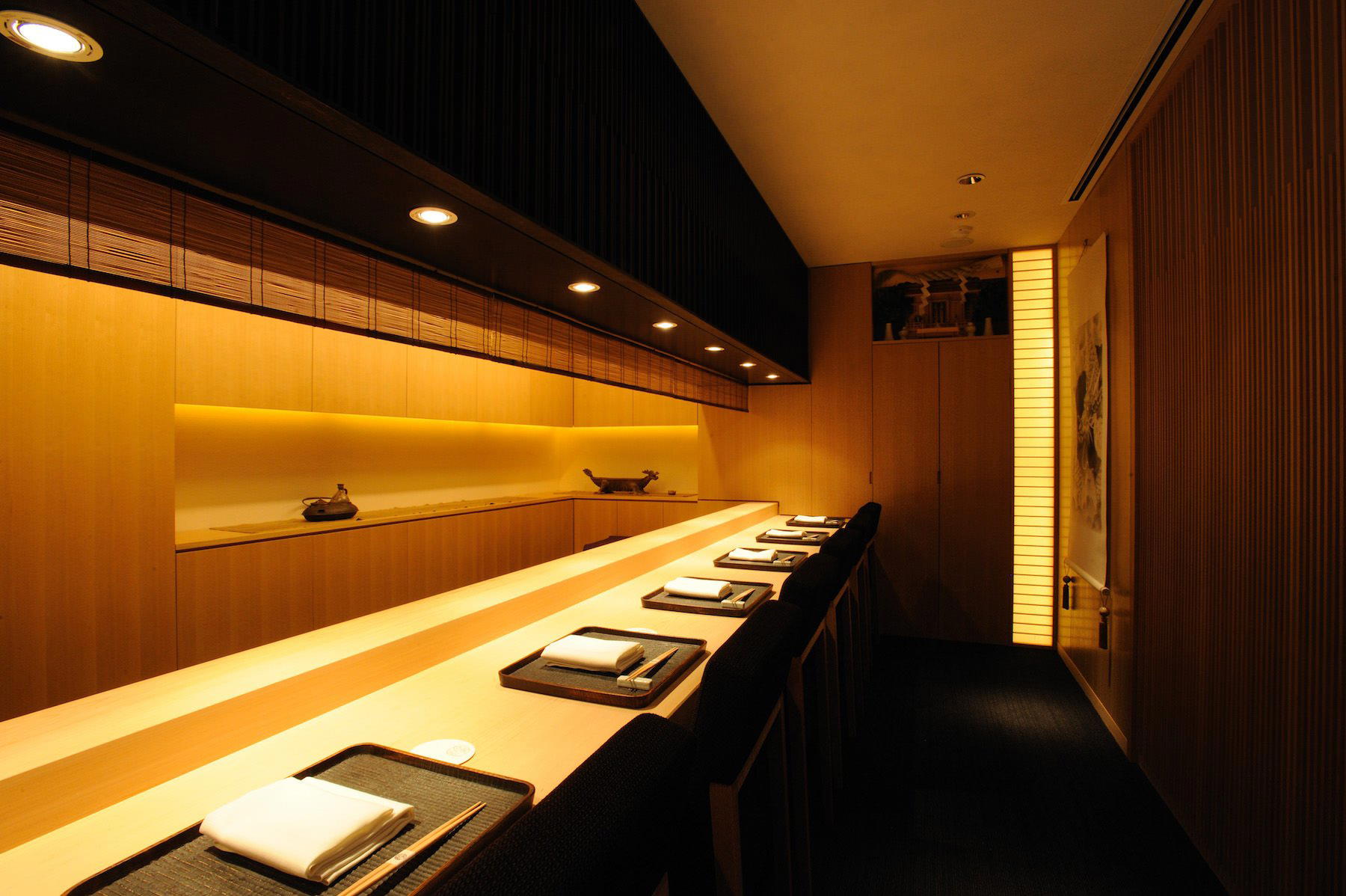

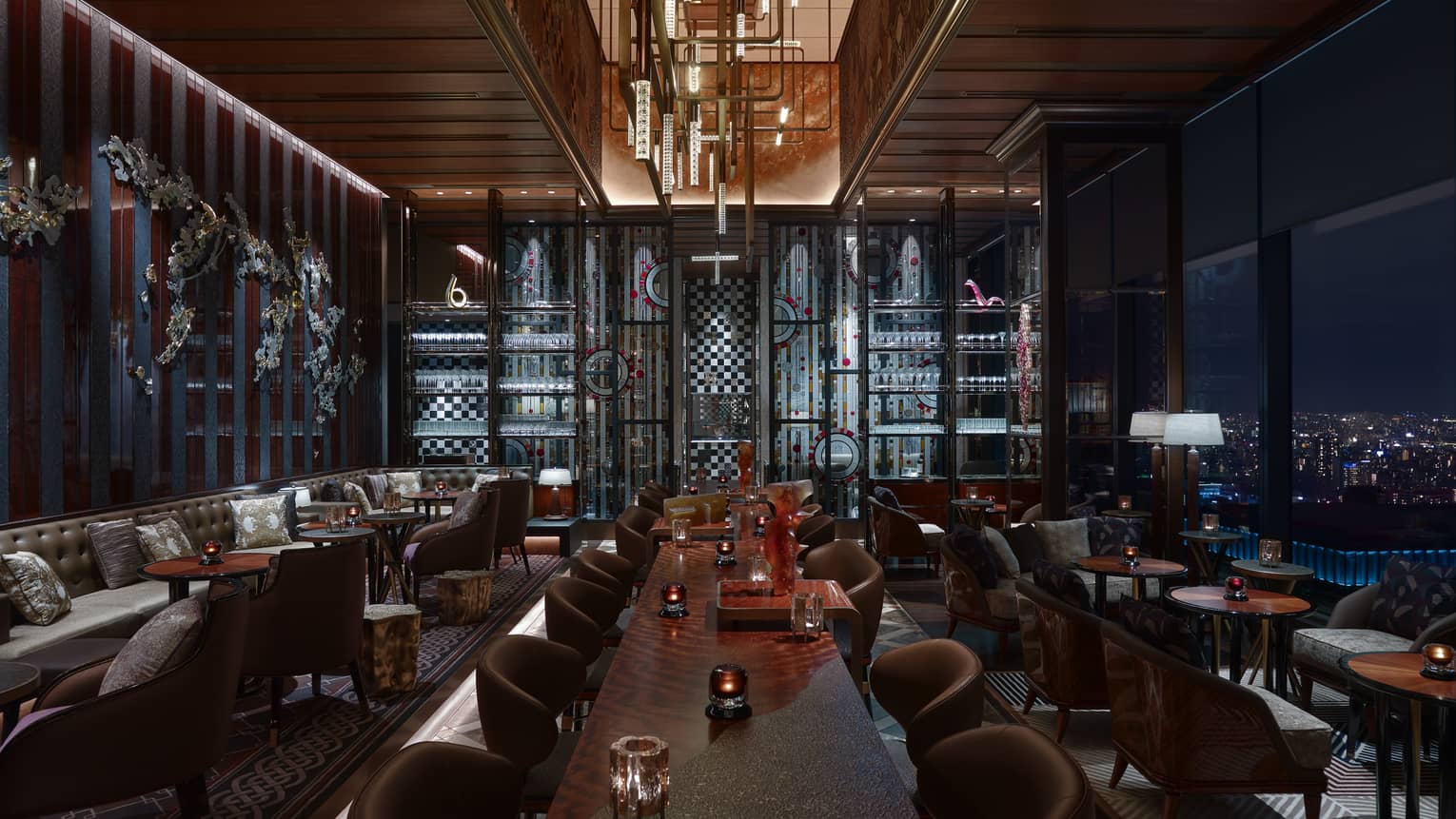
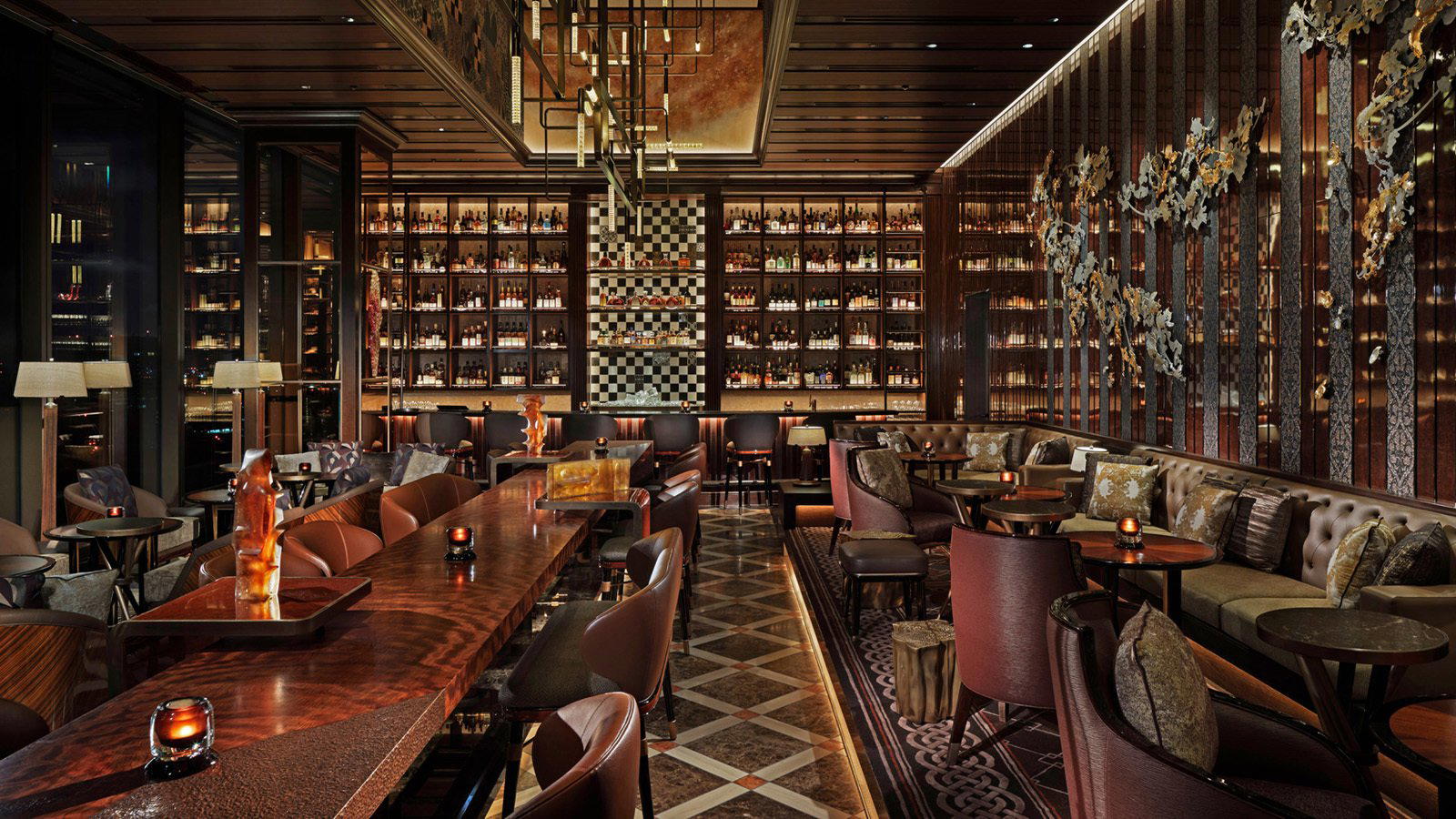
Bars in Kitakatsushika-gun
Browse all →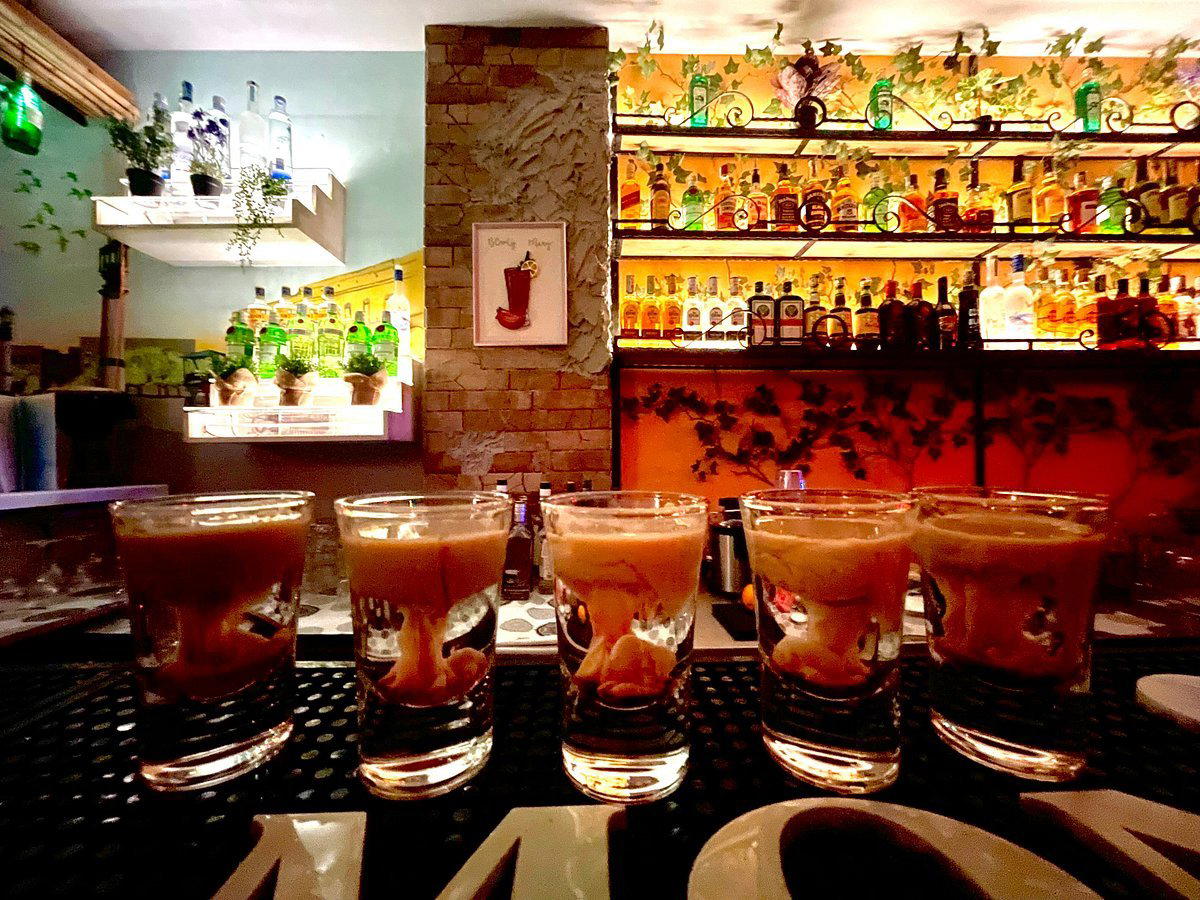

At a Glance
- Elegant
- Sophisticated
- Quiet
- Intimate
- Cozy
- Classic
- Special Occasion
- Business Dinner
- Celebration
- Date Night
- Group Dining
- Private Event
- Chefs Counter
- Private Dining
- Standalone
- Sake Program
- Extensive Wine List
- Local Sourcing
- Sustainable Seafood
Current opening hours
- Monday
- 12–2 PM, 6–10 PM
- Tuesday
- 12–2 PM, 6–10 PM
- Wednesday
- 12–10 PM
- Thursday
- 12–2 PM, 6–10 PM
- Friday
- 12–2 PM, 6–10 PM
- Saturday
- 12–2 PM, 6–10 PM
- Sunday
- 12–2 PM, 6–10 PM
Hours can change for holidays and private events. Last verified .
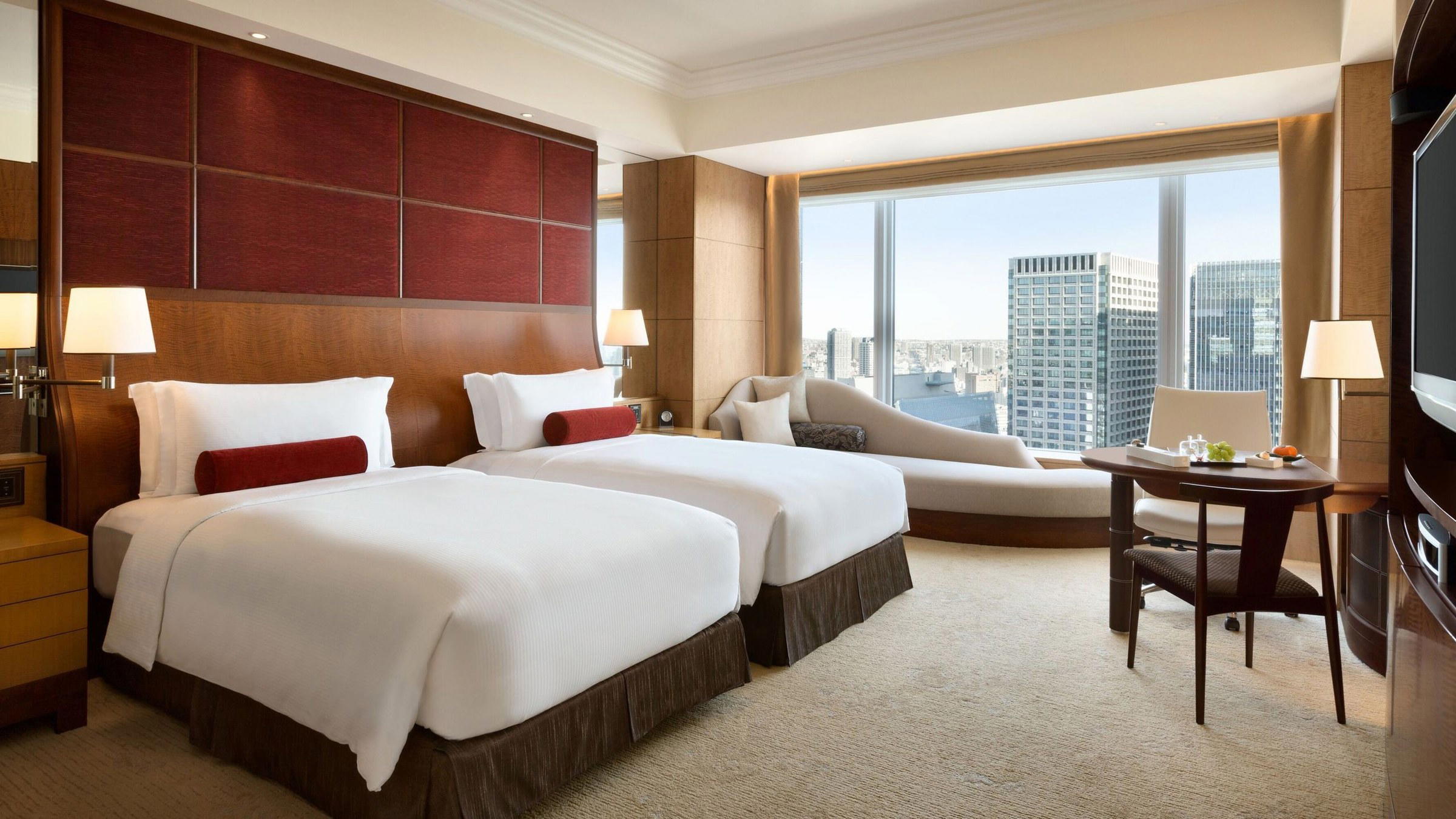
A serene, refined Japanese interior with a calm atmosphere, counter seating focused on chef interaction and temperature-well-suited sushi, plus semi-private and private rooms suited for quiet, special-occasion dining.