箱崎町すみと occupies a basement floor on a quiet Nihonbashi Hakozakicho block, sitting at a different register from the heavily publicised counter restaurants that define Tokyo's upper dining tier. Where peers in that bracket command international reservation queues, this address operates on a neighbourhood scale, making it a more accessible point of entry into the Chuo City dining scene without sacrificing seriousness of purpose.
Pearl is the En Primeur Club membership app — saves, bookings, and concierge access live there. Same editors, same standards.
- Address
- Japan, 〒103-0015 Tokyo, Chuo City, Nihonbashihakozakicho, 27−2 渡菊第三ビル B1F
- Phone
- +81335272220
- Website
- hakozakichosumito.com
 Saves & bookings on Pearl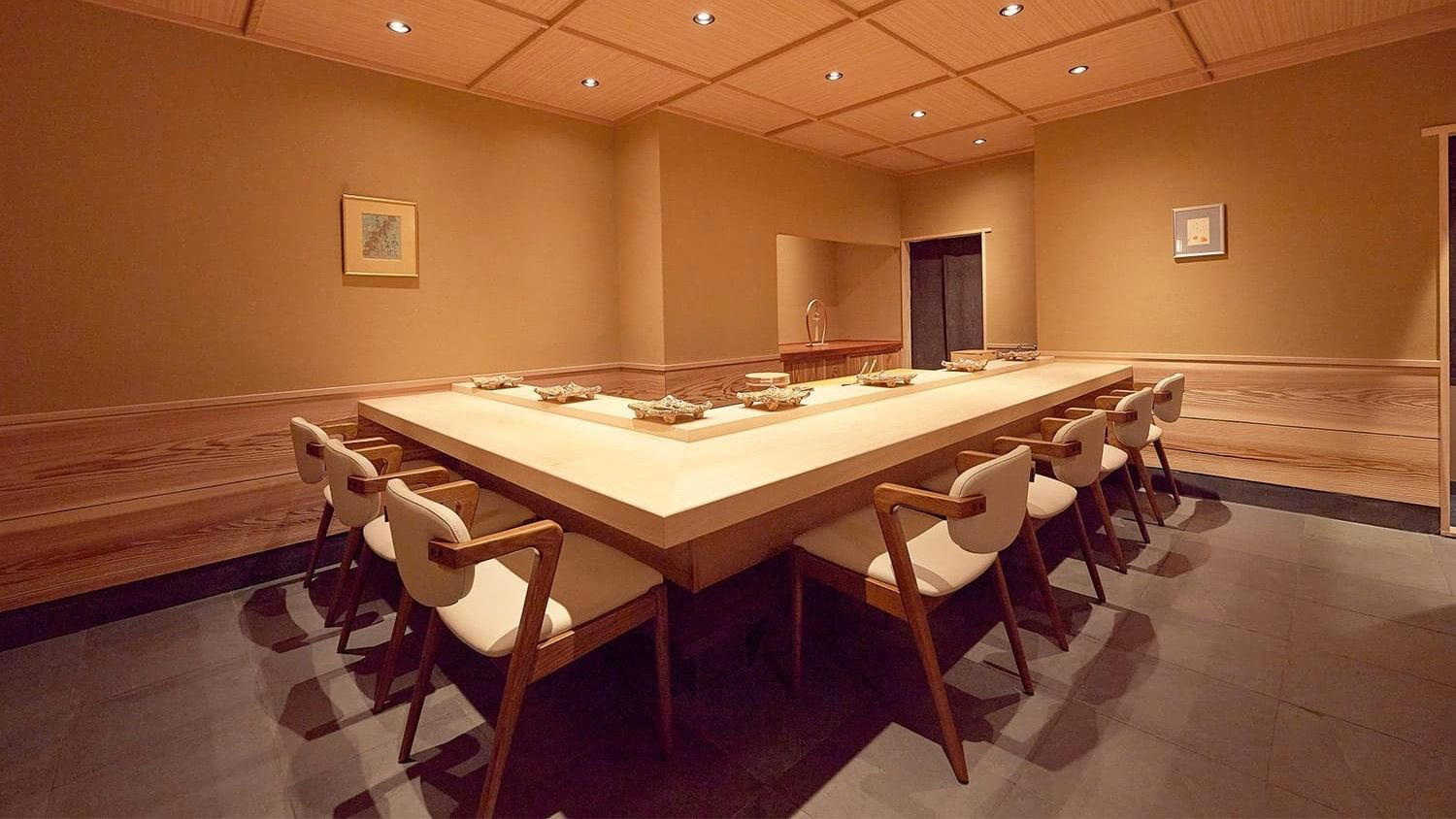
Nihonbashi After Dark: How Tokyo's Financial District Eats
Nihonbashi Hakozakicho is a neighbourhood that appears in few foreign dining itineraries. The area is anchored by corporate offices, logistics firms, and the refined Shuto Expressway that shadows its older streets, and its restaurants reflect a local clientele: business lunches, post-work meals, the rhythms of people who work nearby rather than visitors who travelled across the city. That character shapes dining choices here in ways that differ meaningfully from the tourist-facing counters of Ginza or the chef-driven destinations clustered around Minami-Aoyama. In that context, 箱崎町すみと, on the basement level of the Watakiku Daisan Building at 27-2 Nihonbashi Hakozakicho, makes sense as an address defined by proximity to its regulars rather than by external prestige markers.
Tokyo's dining geography increasingly separates into two operating logics. One tier, represented by counters like Harutaka in Ginza, operates on three-month booking windows, international press attention, and price points that position meals as occasions in themselves. The other operates on repeat local custom, where the measure of quality is daily consistency rather than peak-night performance. Nihonbashi Hakozakicho sits firmly in the second logic, and 箱崎町すみと belongs to that geography rather than to the former.
The Lunch and Dinner Divide in a Business District Restaurant
Business district restaurants in Tokyo operate across a pronounced split between their daytime and evening identities. Lunch in areas like Hakozakicho is a functional meal: fast, reasonably priced, calibrated for office workers with an hour. Dinner is where a different kind of attention is possible, smaller crowds, slower pace, and a room that has shifted from transactional to considered. This division is not specific to 箱崎町すみと; it is the structural condition of eating in commercial Tokyo at almost any price point.
What distinguishes basement-level restaurants in this district from street-level equivalents is partly acoustic and partly social. Descending below street level in Japan carries its own set of associations: izakayas, specialist counters, places where regulars feel proprietary. The format signals a deliberate narrowing of audience, which in a neighbourhood like Hakozakicho tends to reinforce the lunch-to-dinner shift. The lunch crowd is drawn by convenience; the dinner crowd arrives by choice. That choice dynamic changes the tone of service and the duration of meals in ways that are difficult to manufacture in a ground-floor dining room facing foot traffic.
For comparison, the high-volume kaiseki and French formats operating across Tokyo, places like RyuGin, L'Effervescence, and Sézanne, solve the lunch-dinner problem differently, often by running distinct formats for each service or by closing at lunch entirely to concentrate kitchen attention on a single evening sitting. Neighbourhood restaurants do not have that luxury; they must serve both services with consistent quality and a smaller team, which places different demands on the kitchen and the front of house.
Chuo City's Dining Position Within the Tokyo Map
Chuo City contains some of Tokyo's oldest commercial districts, and Nihonbashi in particular carries a density of culinary tradition: long-running department store food halls, established tempura and soba counters, and the kind of institutional restaurants that serve the same clientele across generations. That tradition does not always translate into the kind of headline-generating dining that draws coverage in international publications, but it underpins a consistent standard that is easy to underestimate from the outside.
Within Japan more broadly, the comparison is instructive. Restaurants in regional cities like Goh in Fukuoka or Gion Sasaki in Kyoto carry explicit cultural authority derived from their location and tradition. Tokyo's Chuo City restaurants rarely carry that kind of symbolic weight in the same way, operating instead under the logic of urban convenience and consistent execution. For visitors who have already covered the more publicised ground of Tokyo's dining scene, a neighbourhood like Hakozakicho offers a different register: closer to how the city eats on a working day than to how it performs for outside audiences.
Tokyo's innovative dining tier, which includes addresses like Crony, operates at a deliberate remove from business-district practicality. Those restaurants are defined by their distinctness from the everyday. The value of a place like 箱崎町すみと, by contrast, comes precisely from its embeddedness in the ordinary rhythms of the neighbourhood, which makes it less legible to outside visitors but more reliable as a measure of what the district actually values in a meal.
What the Basement Location Tells You
In Tokyo restaurant grammar, basement positioning often signals one of two things: a deliberate retreat from visibility, or a practical concession to rental economics in a high-demand district. In Hakozakicho, where commercial rents reflect proximity to the waterfront and the expressway interchange, basement units represent accessible entry points for operators who prioritise quality over profile. The result is a category of restaurant that would not survive in a street-facing location in Ginza but thrives in a neighbourhood where regulars know to look downstairs.
That spatial logic has parallels elsewhere in Japan. Some of the more interesting eating in Nara, for instance, is found through similar unmarked routes, akordu in Nara operates with the same kind of deliberate low-visibility profile that rewards those who seek it out. The difference is that Nara's tourism context gives that restaurant a different audience than Hakozakicho's office-block neighbour set.
For visitors planning a Tokyo itinerary across multiple days, the full picture of the city's dining requires moving across its various operating logics: the high-ceremony counter, the neighbourhood specialist, the lunch-only institution. Tokyo's dining map ranges from the Ginza tier anchored by Harutaka to innovation-focused addresses like Crony. 箱崎町すみと occupies a different coordinate on that map, closer to the working-city end of the spectrum, and it is most accurately understood in that context rather than against the Michelin-tracked counters of central Tokyo.
Planning Your Visit
箱崎町すみと is located at 27-2 Nihonbashi Hakozakicho, Chuo City, Tokyo, in the basement of the Watakiku Daisan Building. The nearest access points are the waterfront expressway-adjacent streets of Hakozakicho, within Chuo City. As with many neighbourhood restaurants in this district, lunch service and dinner service operate under distinct social conditions: lunch draws the surrounding office population, while dinner shifts toward a more deliberate, repeat-visitor crowd. Visitors unfamiliar with the area should allow time to locate the basement entrance. The restaurant serves lunch and dinner daily, and reservations are essential.
Quick reference: 27-2 Nihonbashi Hakozakicho, Chuo City, Tokyo, basement floor, Watakiku Daisan Building.
A Lean Comparison
Comparable venues nearby, for context on price, style, and recognition.
| Venue | Cuisine | Price |
|---|---|---|
| 箱崎町すみとThis venue — the venue you are viewing | Chūō, Traditional Edomae Sushi Omakase | $$$$ |
| Takahara Kiyosumi | Kōtō, Kyoto-style Kaiseki | $$$$ |
| 銀座 うち山 | Chūō, Tea Kaiseki Japanese | $$$$ |
| Edo Yakiniku | Chūō, High-end Wagyu Yakiniku Counter | $$$$ |
| Sushi Izumi | Meguro, Traditional Edomae Sushi | $$$$ |
| Sushi Nishizaki | Setagaya, Traditional Omakase Sushi | $$$$ |









At a Glance
- Quiet
- Elegant
- Intimate
- Cozy
- Sophisticated
- Date Night
- Business Dinner
- Special Occasion
- Chefs Counter
- Open Kitchen
- Sake Program
Current opening hours
- Monday
- 11:30 AM–2:30 PM, 5:30–10:30 PM
- Tuesday
- 11:30 AM–2:30 PM, 5:30–10:30 PM
- Wednesday
- 11:30 AM–2:30 PM, 5:30–10:30 PM
- Thursday
- 11:30 AM–2:30 PM, 5:30–10:30 PM
- Friday
- 11:30 AM–2:30 PM, 5:30–10:30 PM
- Saturday
- 11:30 AM–2:30 PM, 5:30–10:30 PM
- Sunday
- 11:30 AM–2:30 PM, 5:30–10:30 PM
Hours can change for holidays and private events. Last verified .
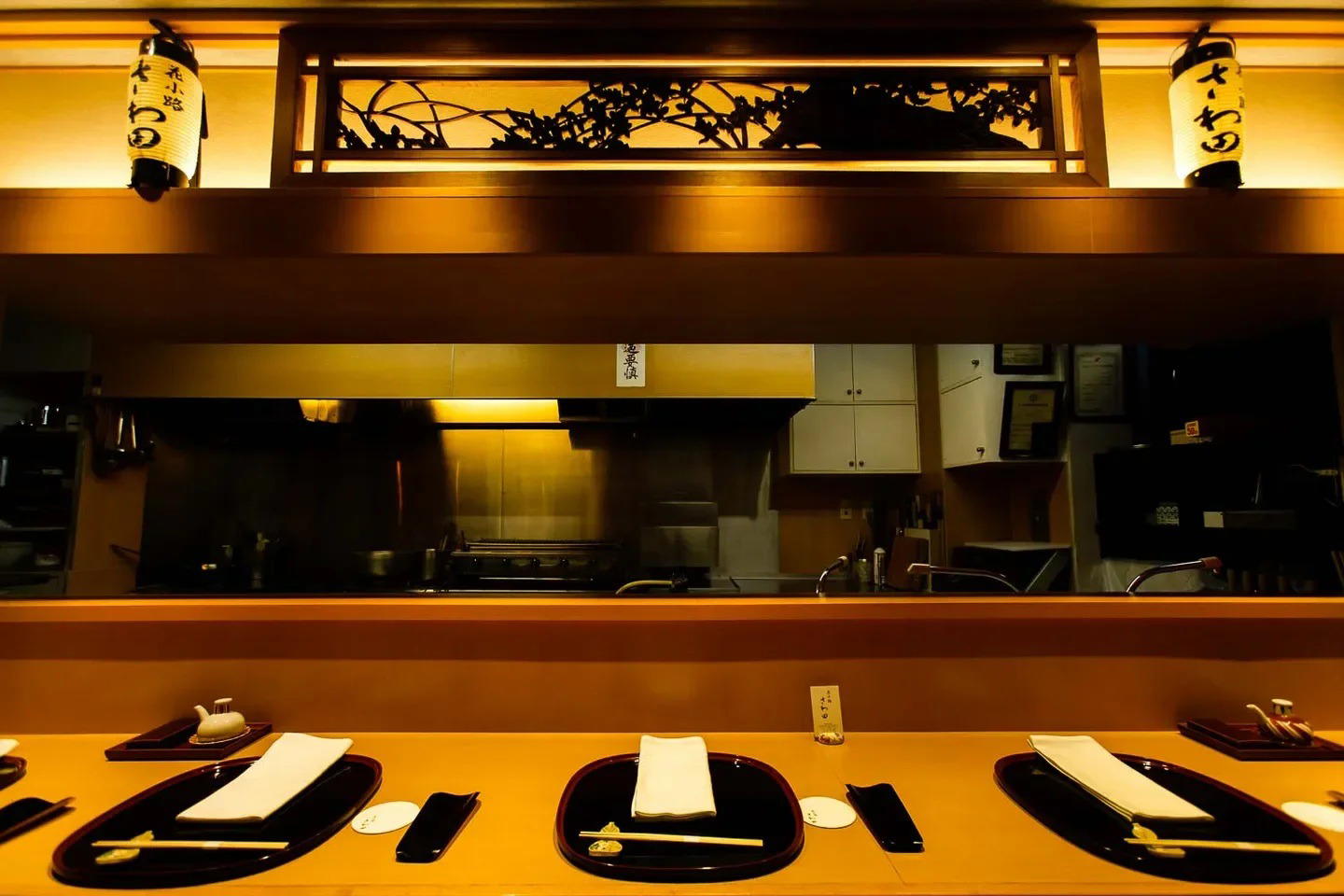
Calm, spacious counter-only space with hinoki wood aroma, high ceilings, and a sense of openness away from city bustle.