
Tabelog 100 #29
Our verdict
Mikage Juenu brings French cooking into Kobe’s quieter Higashinada dining circuit, with a small 14-seat room, counter seating, sommelier service, and a fish-focused kitchen. Its selection for Tabelog French WEST “Tabelog 100” in 2021, 2023, and 2025 places it in the region’s serious French conversation rather than the city’s casual lunch-and-café track.

Pearl is the En Primeur Club membership app, where members save venues, book tables and use the concierge.
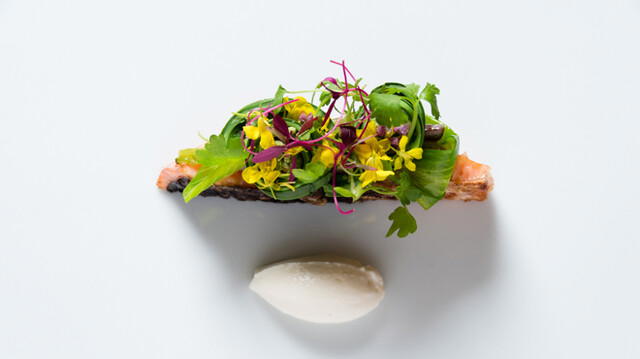
Approaching Mikage Juenu in Kobe changes the rhythm of a meal before the first order is considered. The city’s louder restaurant districts give way to a quieter dining mood, where destination meals tend to feel less theatrical and more deliberate: slower pacing, closer attention, and a room understood through the meal rather than spectacle. In that setting, French dining reads differently. It is not necessarily the grand-hotel model of silver and ceremony, nor the brasserie model of repetition. It is a compact Kobe version: careful pacing, attentive service, and a dining tempo that rewards guests who treat the meal as an appointment rather than a stop between plans.
Mikage Juenu belongs to that smaller Kobe category. The restaurant is listed as French, with public recognition that places it among notable regional dining rooms rather than casual drop-in addresses. What matters most for planning is the positioning: this is a higher-budget meal, best approached with time set aside. The appeal is less about spectacle than concentration, making it a room for conversation, attention, and a deliberate evening or lunch rather than a rushed add-on.
Kobe French dining, scaled to a measured ritual
Kobe is often read through beef, port-city Western influence, and cafés, but its French dining has its own logic. The city absorbed European restaurant culture earlier than many Japanese cities, then adapted it into intimate rooms where technique serves local appetite rather than imported ceremony. In Kobe, that translation can become quieter still. The city’s better meals often feel focused in scale, with destination intent but less dependence on nightlife energy than the busiest restaurant zones.
That context explains why the ritual matters here. A French room in Kobe is not competing with ramen counters such as Men Hikyu Rokkoumichi ten or everyday noodle addresses like Koga Ryuseimen on speed or price. It is also working in a different register from yakitori specialists such as Yakitori Takashima, where the experience is shaped by a different style of cooking and service. French dining at this level asks for a separate kind of planning: a more expensive reservation, a calmer pace, and a table allowed enough time to feel intentional.
The recognition supports that positioning. Selection in the 2025 Tabelog Hyakumeiten materials is a meaningful public signal for Mikage Juenu, especially in a category where regional competition is broad. The Tabelog score of 3.75 adds another benchmark, while the published budget range gives travelers a practical sense of where the restaurant sits: dinner is listed at JPY 20,000 - JPY 29,999, and lunch at JPY 15,000 - JPY 19,999. The useful reading is not a single number alone, but the combination of category, score, and budget.
French cooking, careful pacing, and the discipline of the meal
The strongest clue to the restaurant’s identity is its placement in the French category. In Japanese French restaurants, the format often becomes the place where the cuisine shows its local adaptation: measured pacing, a polished room, and a close relationship between kitchen rhythm and service rhythm. Without relying on named dishes, the editorial point is category and occasion rather than menu detail. The meal should be approached as a planned French dining experience, with the published price range setting expectations before the visit.
This matters in Kobe because the city’s dining choices can pull in several directions. Other Kobe dining rooms answer one version of the visitor’s question: where to anchor a meal around the city’s better-known food culture. A French meal at Mikage Juenu answers a different one: how Kobe’s Western culinary inheritance operates when it is not framed through a single signature ingredient. The distinction is useful for travelers planning more than one serious meal in town.
The etiquette is correspondingly simple. Arrive ready for a focused restaurant experience, not a partial grazing stop. Let the room’s tone set the pace: late arrivals and long phone interruptions carry more weight in a quiet dining room than they would in a large, high-turnover setting. The format is better treated as a planned meal than as a flexible casual stop. The social contract is shared-room composure, patient pacing, and attention to the restaurant’s rhythm.
Where it fits in a Kobe itinerary
For travelers, the decision is less “French or Japanese” than which side of Kobe to emphasize. A meal here suits an itinerary that has already accounted for beef, coffee, and neighborhood wandering in broader terms. Pairing a quiet French lunch or dinner with other Kobe dining and café stops gives a more old-Kobe cadence than chasing only high-energy dining districts. The point is contrast: Kobe rewards meals that do not all try to perform the same identity.
Within the city’s restaurant map, Mikage Juenu is better understood as a specialist reservation than a spontaneous add-on. The published budget makes it a planned meal rather than an incidental expense. For visitors, the practical move is to build the day around the reservation and keep transit simple. That approach leaves the meal enough room to unfold at a comfortable pace.
Use the wider Kobe guides to build the rest of the trip around that decision. The city overview sits in Our full Kobe restaurants guide, with separate planning context in Our full Kobe hotels guide, Our full Kobe bars guide, Our full Kobe wineries guide, and Our full Kobe experiences guide. Travelers extending the food itinerary across Japan can compare category shifts through other Japanese dining rooms in different cities. For a transpacific contrast in Japanese drinking and casual food culture, compare the broader scene with unnamed West Coast examples rather than treating them as direct peers.
Frequently asked questions
What's the pricing like at Mikage Juenu?
Pricing at Mikage Juenu is listed as Dinner: JPY 20,000 - JPY 29,999; Lunch: JPY 15,000 - JPY 19,999.
Where is Mikage Juenu located?
Kobe.
When can I go to Mikage Juenu?
Check current opening times directly with Mikage Juenu before visiting.
What is Mikage Juenu known for?
Mikage Juenu is known as a French restaurant in Kobe. It appears in 2025 Tabelog Hyakumeiten materials with a Tabelog score of 3.75 and published budget ranges for lunch and dinner.
Cuisine and Recognition
Comparable venues for orientation by cuisine and category.
| Venue | Cuisine | Price | Awards | Notes |
|---|---|---|---|---|
| Mikage JuenuThis venue (the venue you are viewing) | French fine dining in Mikage, Kobe | Not listed | Tabelog 100 #29 | Not listed |
| gueule remonte | Creative Modern French with Seafood Focus | $50–100 | Tabelog 100 #21 | Chūō |
| ESPICE | Modern Japanese-influenced French (Seafood-focused) | $150–200 | Tabelog 100 #51 | Chūō |
| Tonkatsu to Wine Nichigetsu | Tonkatsu and Wine | $50–100 | Tabelog 100 #9 | Chūō |
| アントル ヌー | Innovative French-Japanese Fusion | $150–200 | Tabelog Bronze #64 | Chūō |
| Ngam Ngam Hou | Creative Cantonese & Sichuan Chinese | $50–100 | Tabelog 100 #86 | Nada |
Recognition history
Dated appearances from independent guides and award organizations, with the underlying list record or original source where available.
Tabelog 100 #29 · No. 29
Tabelog · Tabelog 100 - French - WEST - 2025
Continue exploring
More in Kobe
Restaurants in Kobe
All restaurants in Kobe →
Bars in Kobe
Browse all →



Details
- Elegant
- Romantic
- Intimate
- Sophisticated
- Date Night
- Special Occasion
- Business Dinner
- Standalone
- Design Destination
- Extensive Wine List
- A La Carte
- Wine
Current opening hours
- Monday
- Closed
- Tuesday
- 12–3 PM, 6–9:30 PM
- Wednesday
- 12–3 PM, 6–9:30 PM
- Thursday
- 12–3 PM, 6–9:30 PM
- Friday
- 12–3 PM, 6–9:30 PM
- Saturday
- 12–3 PM, 6–9:30 PM
- Sunday
- 12–3 PM, 6–9:30 PM
Hours can change for holidays and private events. Hours as of .
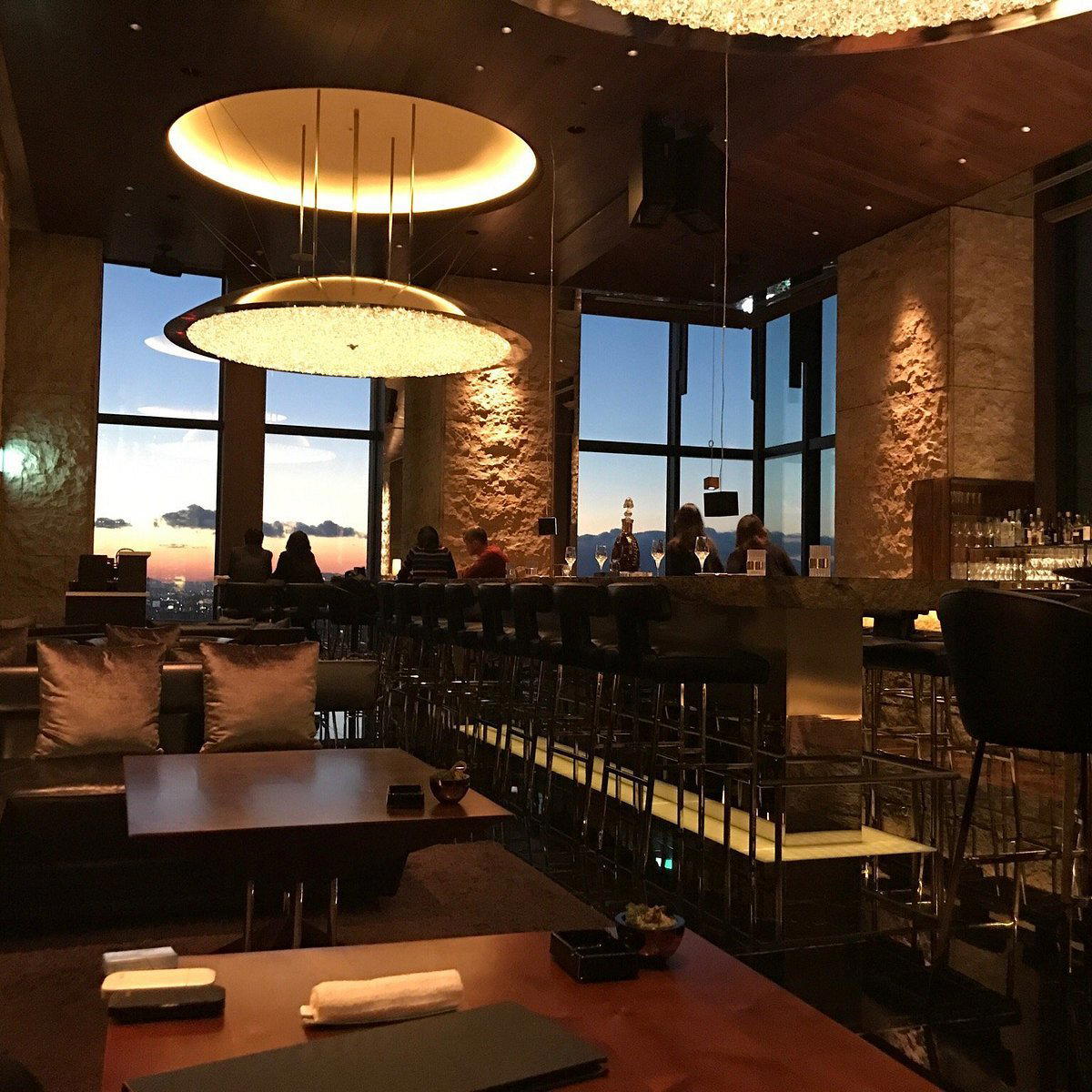
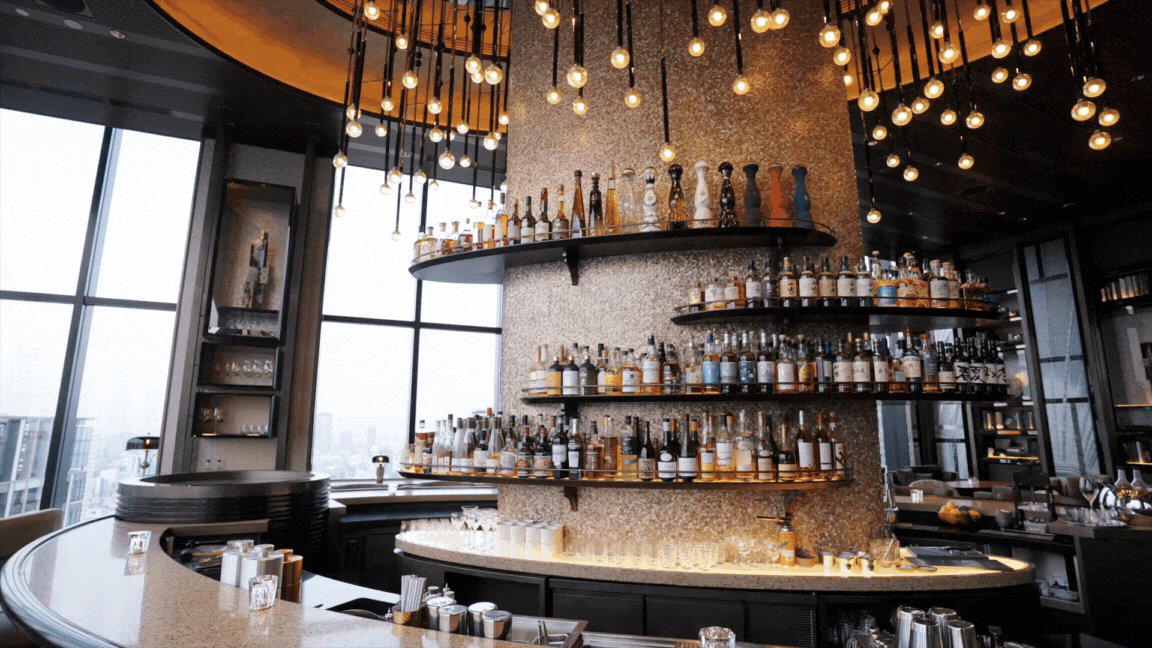
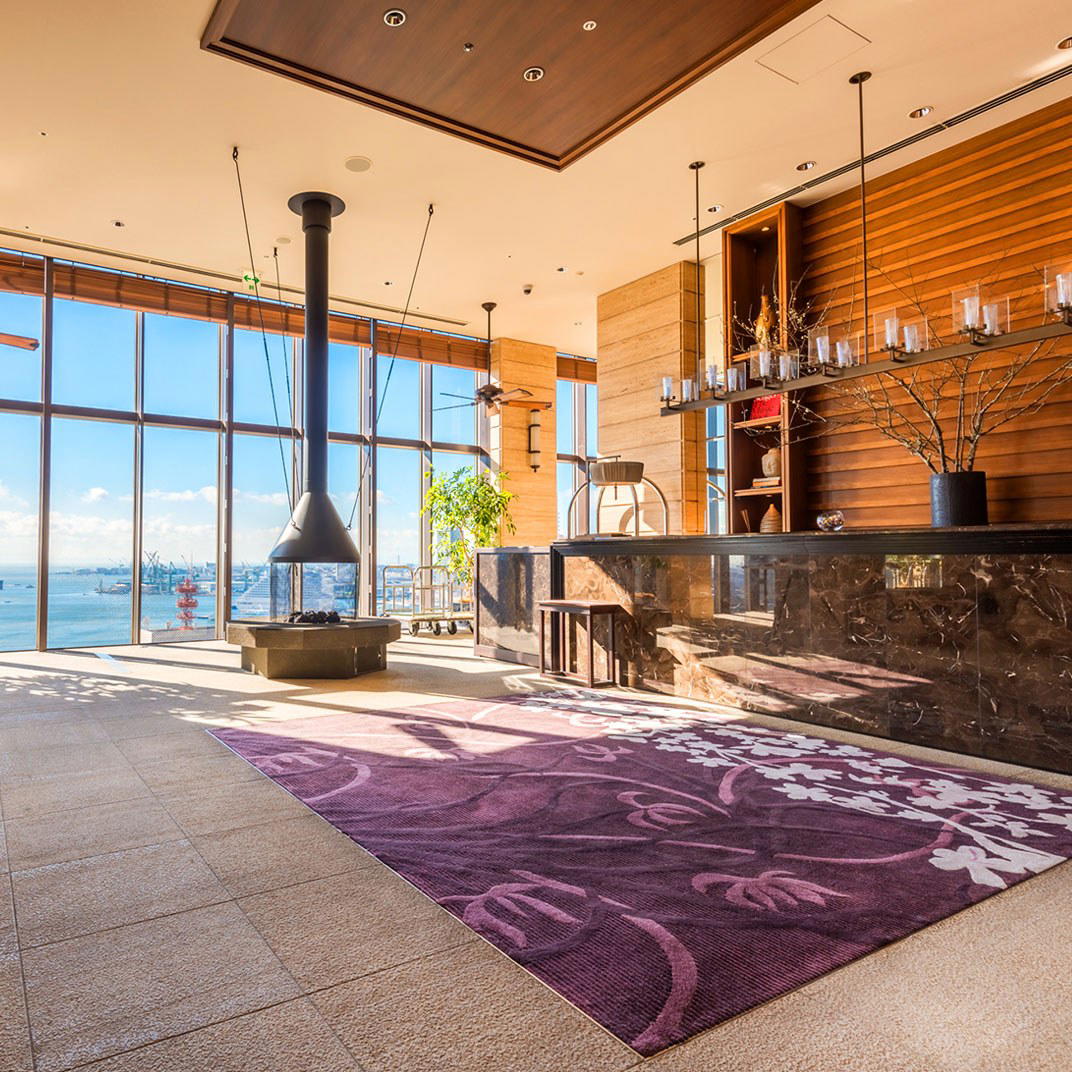
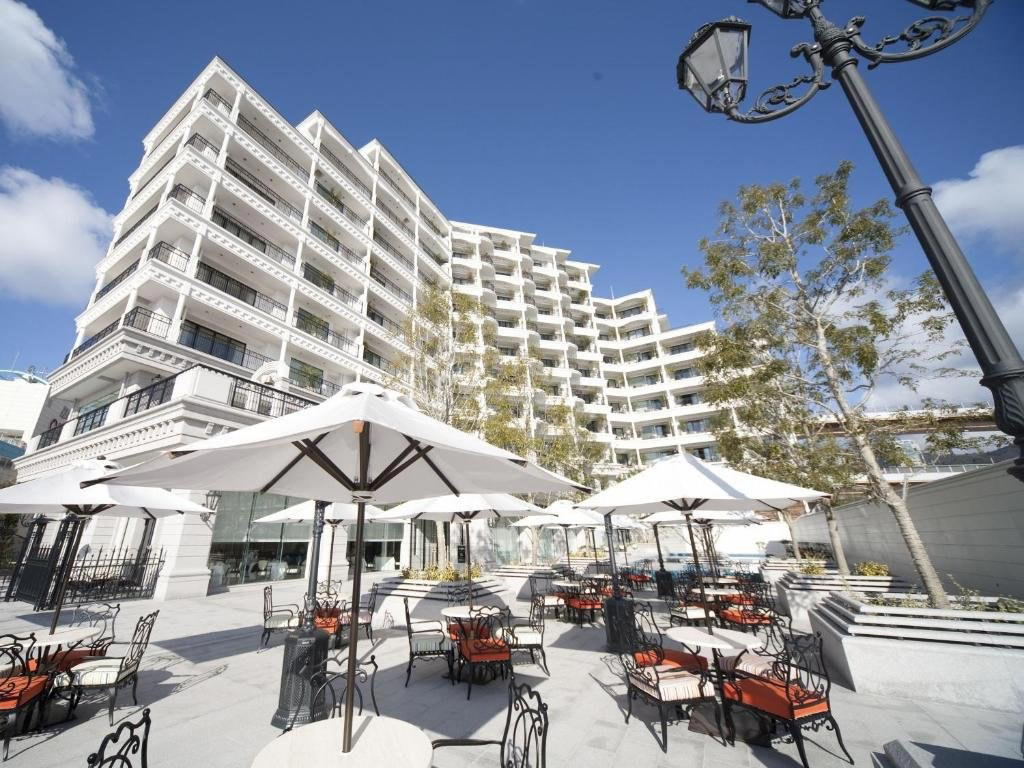
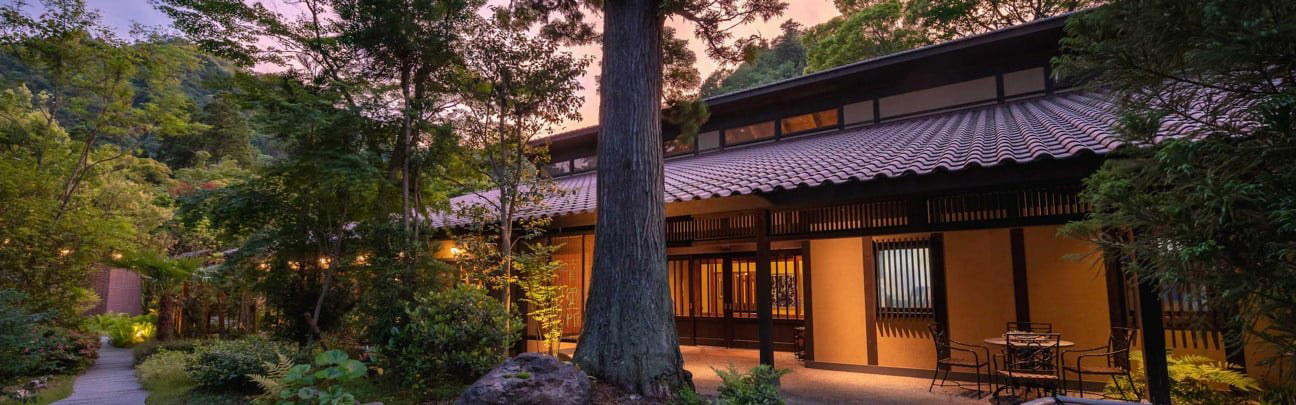
The atmosphere is quiet and refined, with an elegant, intimate dining room that highlights the chef’s craftsmanship and creates a calm setting suited to relaxed meals and special occasions.