
Tabelog 100 #86
Our verdict
Ngam Ngam Hou gives Kobe a compact, serious address for Sichuan, Chinese cooking, and dim sum traditions in Nada Ward. Its 2026 selection for Tabelog 100 Chinese cuisine WEST places it in a documented regional conversation rather than a casual neighbourhood category, with fish and wine both flagged as part of the draw.

Pearl is the En Primeur Club membership app, where members save venues, book tables and use the concierge.
The menu
What to order
- Omakase Cantonese & Sichuan course
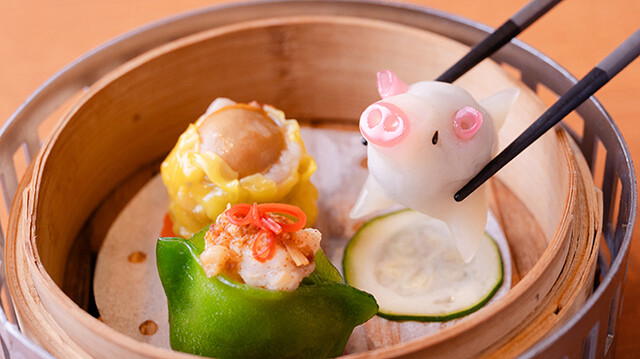
- Handmade dim sum (including pig-shaped dumplings)
- Sichuan mapo tofu
- Mouthwatering chicken with house chili oil
- Seasonal vegetable dishes from contracted Hiroshima farm
Kobe is not only the city of cruise-terminal postcards or Kitano-slope romance. Away from the most familiar visitor routes, the city feels lived-in: rail lines, apartment blocks, small dining rooms, and residents who know exactly where they want dinner. That matters for Chinese food in Kobe. The city has a long relationship with Chinese cooking through trade, migration, and port-city exchange, yet some of its more serious contemporary tables now sit off the tourist circuit, closer to everyday local demand than sightseeing traffic.
Ngam Ngam Hou belongs to that quieter register. The cooking is listed across Sichuan, Chinese, and dim sum and yum cha, signalling more than a single-note spice address. Sichuan brings heat, fragrance, and numbing structure; dim sum brings texture, dough work, and shared pacing; the broader Chinese category lets the meal move between regional references without a single label. In Kobe, where beef often dominates visitor imagination, this is a useful correction: the city’s dining culture is not only steak rooms and counter grills.
Sichuan heat, dim sum discipline, and Kobe's quieter Chinese tradition
Chinese cooking in Japan often splits into two public images: everyday chuka comfort food, ramen, gyoza, fried rice, and set meals, and formal regional cooking, where technique, sourcing, and course structure carry more weight. Kobe has both, but the city’s version can be more local than theatrical. Here, a focused dining room can carry regional ambition without the grand-room choreography associated with larger Chinese dining formats.
The 2026 Tabelog 100 Chinese cuisine WEST selection is the clearest external signal. Covering western Japan, it places the restaurant within a broader Kansai and western regional cohort, not merely Kobe’s neighbourhood hierarchy. The listed Tabelog score of 3.64 adds context: in Japan’s conservative scoring culture, that is serious territory for a specialist address.
The category mix is telling. In a Chinese context, Sichuan, broader Chinese cooking, and dim sum can move the meal away from a single banquet stereotype toward a sequence where aroma, texture, spice, and shared pacing all matter. That range also complicates the usual visitor picture of Kobe. Instead of treating the city as a one-dish destination, Ngam Ngam Hou points to a dining culture where port-city habits, local regulars, and regional Chinese technique can sit in the same frame.
For travellers building a Kobe itinerary, that contrast helps. Kobe has plenty of dining rooms that speak to the city’s most familiar expectations, from beef-focused meals to counter-style cooking. A Chinese table in Kobe speaks to another, less exported city: residential in feeling, practical in mood, and more interested in repeat use than spectacle.
The small-room advantage in a city often judged by beef
Format changes how Chinese food reads. Large dining rooms can turn regional Chinese cooking into banquet performance, especially when menus stretch across too many provinces. A more focused format narrows the frame and asks diners to notice sequence, pacing, and how dishes relate. That suits Sichuan and dim sum cooking, where contrast matters: chile against vinegar, steam against fry, spice against delicacy, small plates against larger shared dishes.
Ngam Ngam Hou need not behave like a Chinatown institution to be culturally interesting. Kobe’s visible Chinese-food history remains part of the city’s identity, but the dining conversation has moved beyond heritage streets alone. The sharper question is where Chinese cooking functions as an evening destination for locals. Ngam Ngam Hou answers in a quieter Kobe register: less ceremony, more repeat-use practicality, and a tighter relationship with the city around it.
That makes the address relevant for visitors who have already mapped the obvious Kobe route. A day might include coffee, casual dining, or another register of international cooking elsewhere in the city. The point is not to rank those choices, but to understand Kobe as a port city whose appetite has always been wider than its beef reputation.
Compared with the local casual field, the positioning is clear. Men Hikyu Rokkoumichi ten, Tsukemen Shigeta, BARMOS, Ipposhi, and Moriguchi offer other reference points within Kobe’s dining map. Ngam Ngam Hou operates in a more deliberate tier, where award recognition, a focused Chinese category, and dinner pricing of JPY 6,000 - JPY 7,999 matter more than speed or volume.
How to place it in a Kobe itinerary
Use this address as part of a broader reading of Kobe, not as a standalone trophy booking. Visitors often default to beef, cocktails, and hotel dining; Ngam Ngam Hou shifts the map into a more residential-feeling register. For planning, Our full Kobe restaurants guide gives citywide dining context, while Our full Kobe hotels guide, Our full Kobe bars guide, Our full Kobe wineries guide, and Our full Kobe experiences guide help build the rest of the day around it.
Readers comparing Japanese regional dining beyond Kobe can place it beside other formats in general terms: beef-focused meals, tuna and charcoal cooking, café culture, contemporary regional dining, Vietnamese cooking, or curry specialization all show how broad Japan’s restaurant map can be. Outside Japan, Japanese dining categories shift again when transplanted abroad, where familiar formats often take on different pacing, service styles, and audience expectations.
The verdict is concise: this is a Kobe Chinese address for diners who want regional specificity, focused pacing, and documented recognition without defaulting to the city’s beef script. Its interest lies in what it says about Kobe now: a port city where Chinese food is not only heritage signage, but a living neighbourhood dining language.
Frequently asked questions
What price level is Ngam Ngam Hou?
Pricing at Ngam Ngam Hou is listed as Dinner: JPY 6,000 - JPY 7,999; Lunch: JPY 3,000 - JPY 3,999.
What days is Ngam Ngam Hou closed?
Specific opening days and hours should be confirmed directly with Ngam Ngam Hou before visiting.
How do I find Ngam Ngam Hou?
Kobe.
What's the standout thing about Ngam Ngam Hou?
Its clearest calling card is the Tabelog 100 Chinese cuisine WEST 2026 selection, paired with a focused Sichuan, Chinese, and dim sum & yum cha lineup in Kobe.
Can Ngam Ngam Hou accommodate dietary restrictions?
The restaurant works in Sichuan, Chinese, and dim sum & yum cha, so the menu is not built around a single fixed format. Diners with restrictions should confirm details before booking.
Cost and Credentials
Comparable venues at the same tier for side-by-side context.
| Venue | Cuisine | Price | Awards | Notes |
|---|---|---|---|---|
| Ngam Ngam HouThis venue (the venue you are viewing) | Creative Cantonese & Sichuan Chinese | $50–100 | Tabelog 100 #86 | Not listed |
| fuxing | Modern Chinese Fine Dining | $150–200 | Tabelog 100 #3 | Chūō, Modern Chinese Fine Dining |
| Rakkanki | Chinese Xiaolongbao | $20–30 | Tabelog 100 #88 | Chūō, Chinese Xiaolongbao |
| Yuzaburo | Japanese Yakiniku & Wagyu Steak | $150–200 | Tabelog 100 #20 | Chūō, Japanese Yakiniku & Wagyu Steak |
| Ryuka Chubo | Casual Chinese restaurant | $30–50 | Tabelog 100 #1 | Chūō, Casual Chinese restaurant |
| LAGUNA THE BAR | Classic Japanese cocktail bar | $30–50 | Tabelog 100 #72 | Chūō, Classic Japanese cocktail bar |
Recognition history
Dated appearances from independent guides and award organizations, with the underlying list record or original source where available.
Tabelog 100 #86 · No. 86
Tabelog · Tabelog 100 - Chinese cuisine - WEST - 2026
Continue exploring
More in Kobe
Restaurants in Kobe
All restaurants in Kobe →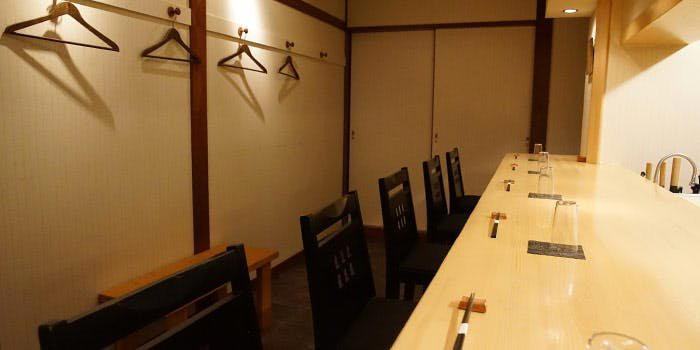
Bars in Kobe
Browse all →




Details
- Modern
- Intimate
- Cozy
- Elegant
- Date Night
- Business Dinner
- Special Occasion
- Family
- Group Dining
- Standalone
- Design Destination
- Extensive Wine List
- Local Sourcing
- Farm To Table
- Tasting Menu
- A La Carte
- Set Menu
- Wine
Current opening hours
- Monday
- 6–9 PM
- Tuesday
- Closed
- Wednesday
- 6–9 PM
- Thursday
- 6–9 PM
- Friday
- 6–9 PM
- Saturday
- 11:30 AM–1:30 PM, 6–9 PM
- Sunday
- 11:30 AM–1:30 PM, 6–9 PM
Hours can change for holidays and private events. Hours as of .
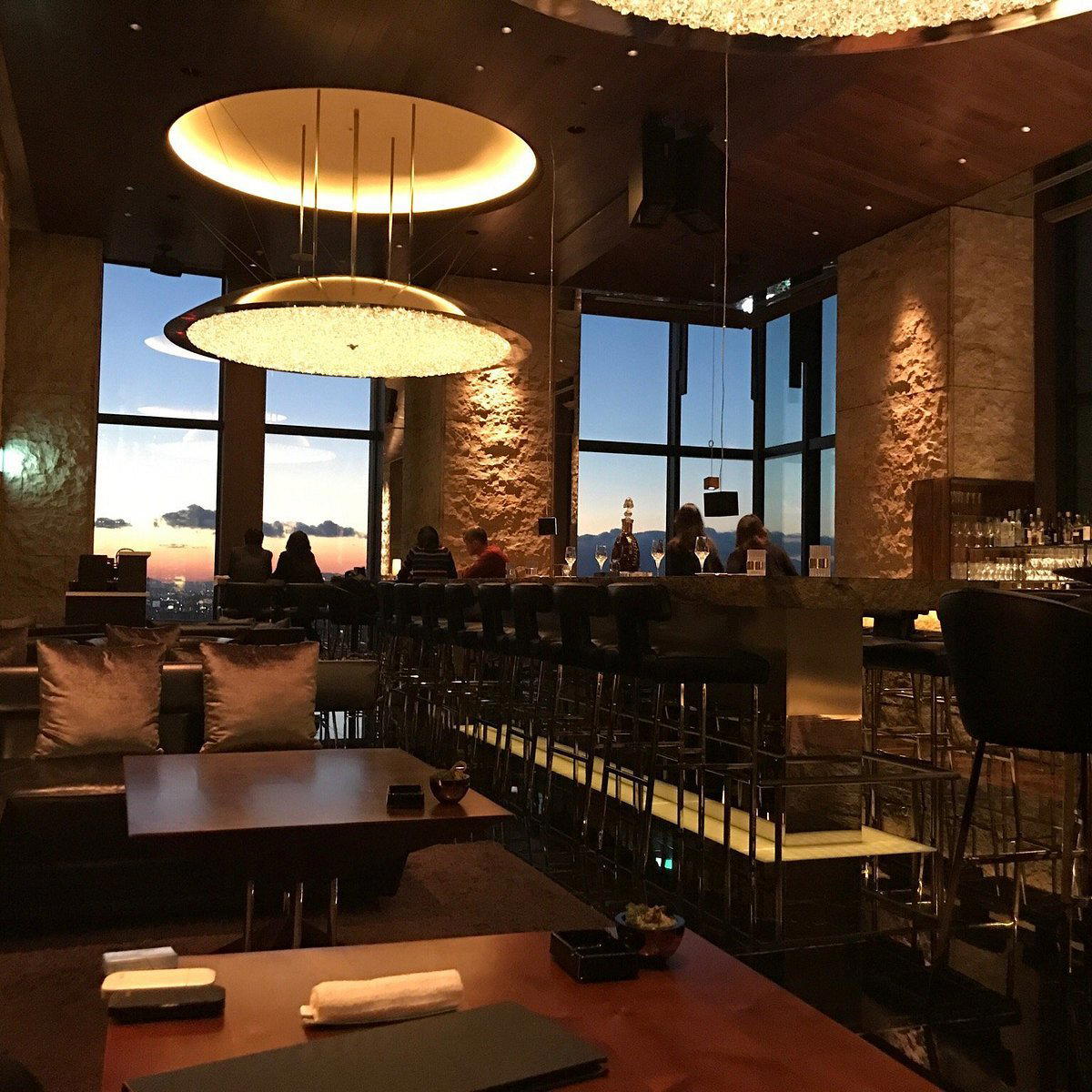
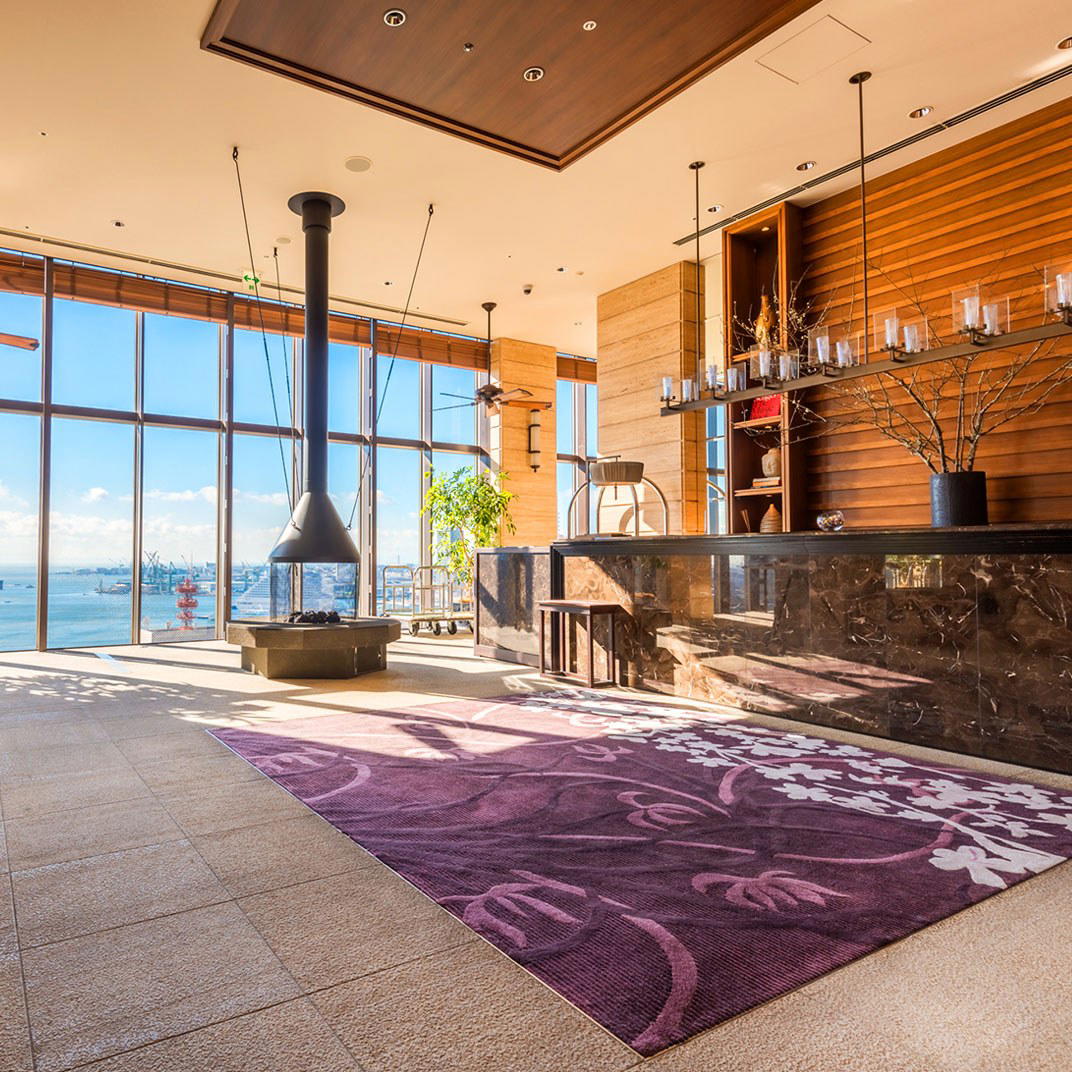
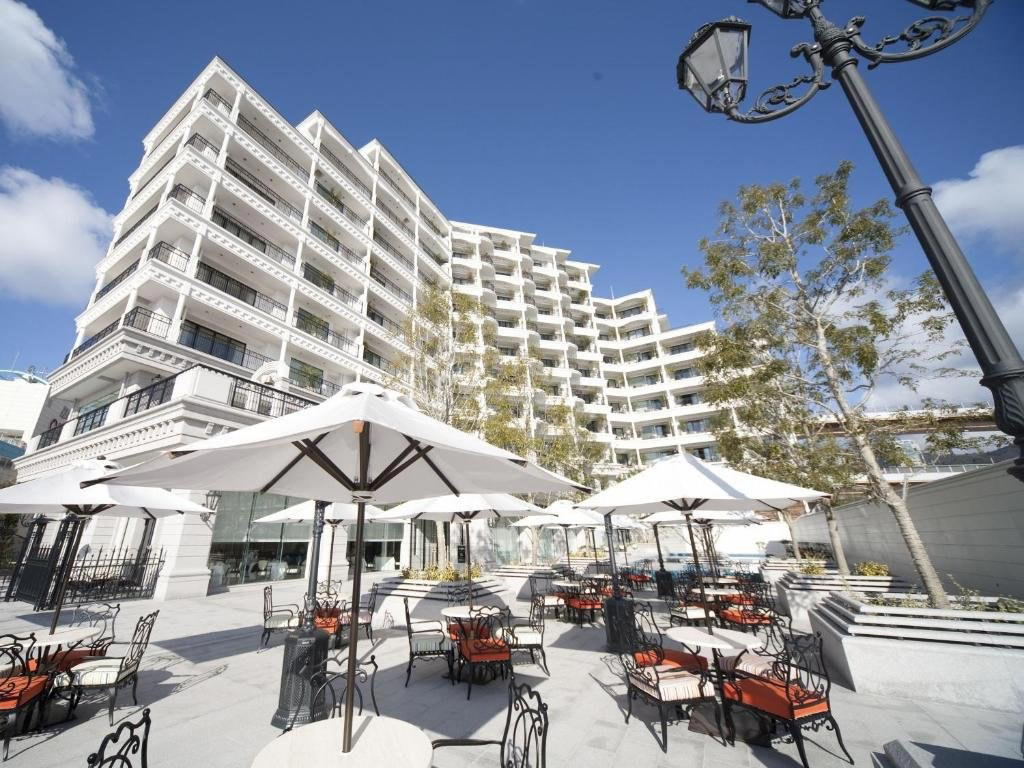
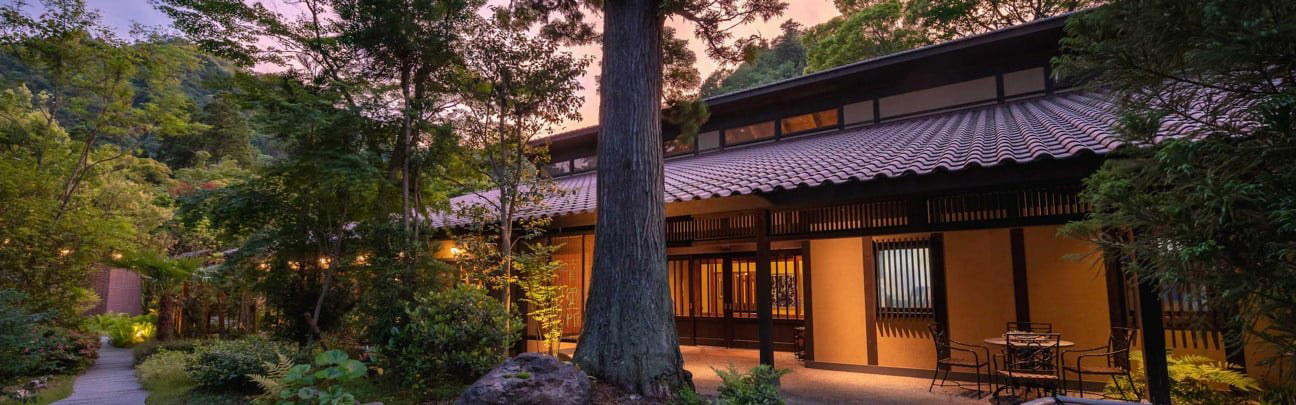
A small, 14-seat, smoke-free dining room with a simple, refined exterior and a calm, private-kitchen feel, pairing innovative Chinese dishes with wine in a relaxed but polished atmosphere.