Cactus Cantina
On upper Wisconsin Avenue in Cleveland Park, Cactus Cantina has operated as a reliable neighborhood anchor for Tex-Mex in a city better known for its power-lunch institutions than its casual Mexican dining. The dining room's scale and open layout set it apart from the compact cantina format common elsewhere in D.C., making it a practical choice for groups navigating the neighborhood's limited casual options.
Pearl is the En Primeur Club membership app — saves, bookings, and concierge access live there. Same editors, same standards.
- Address
- 3300 Wisconsin Ave NW, Washington, DC 20016
- Phone
- +12026867222
- Website
- cactuscantina.com
- Directions
- Get directions
 Saves & bookings on Pearl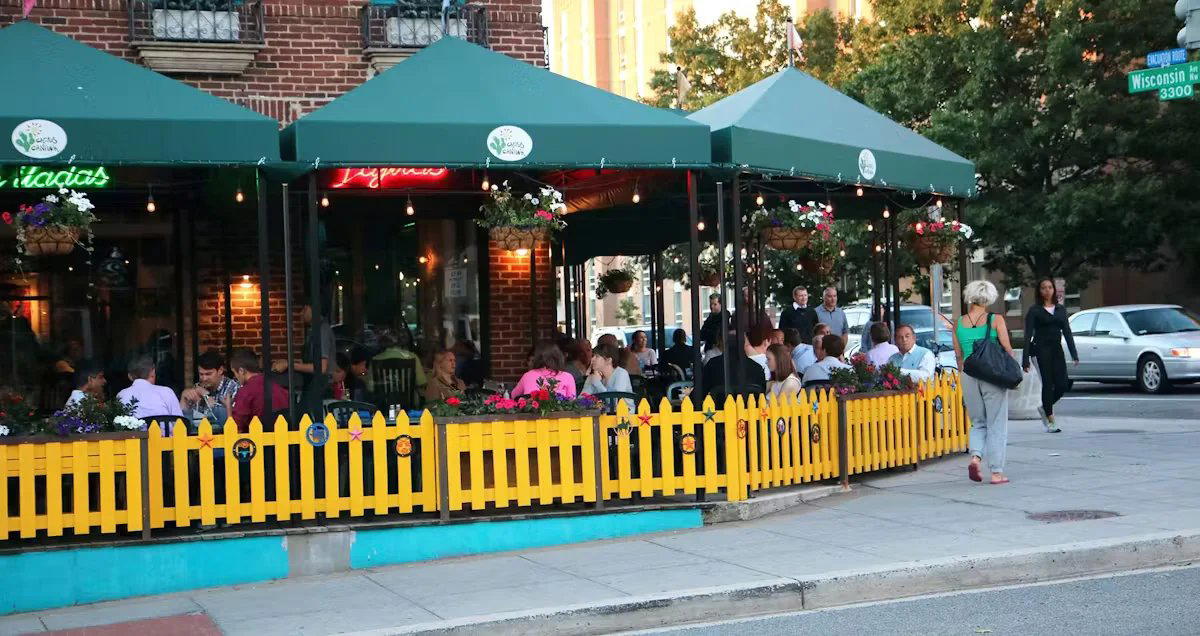
The Room Comes First
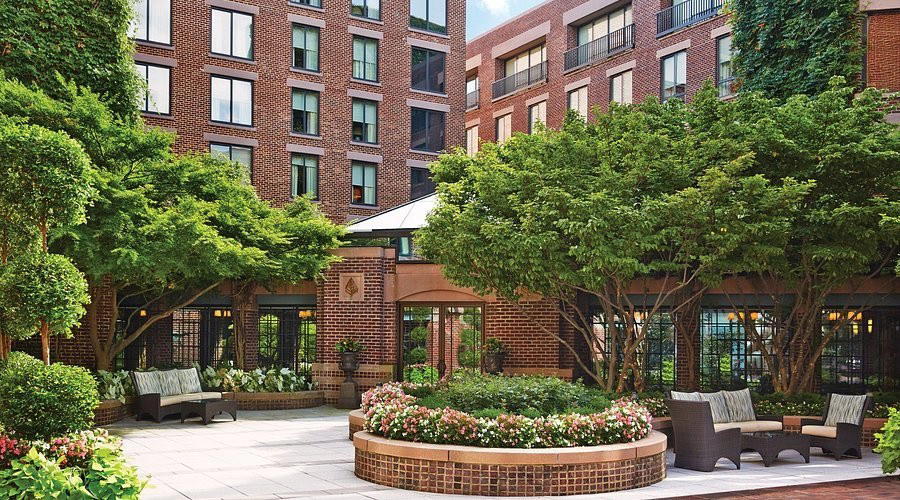
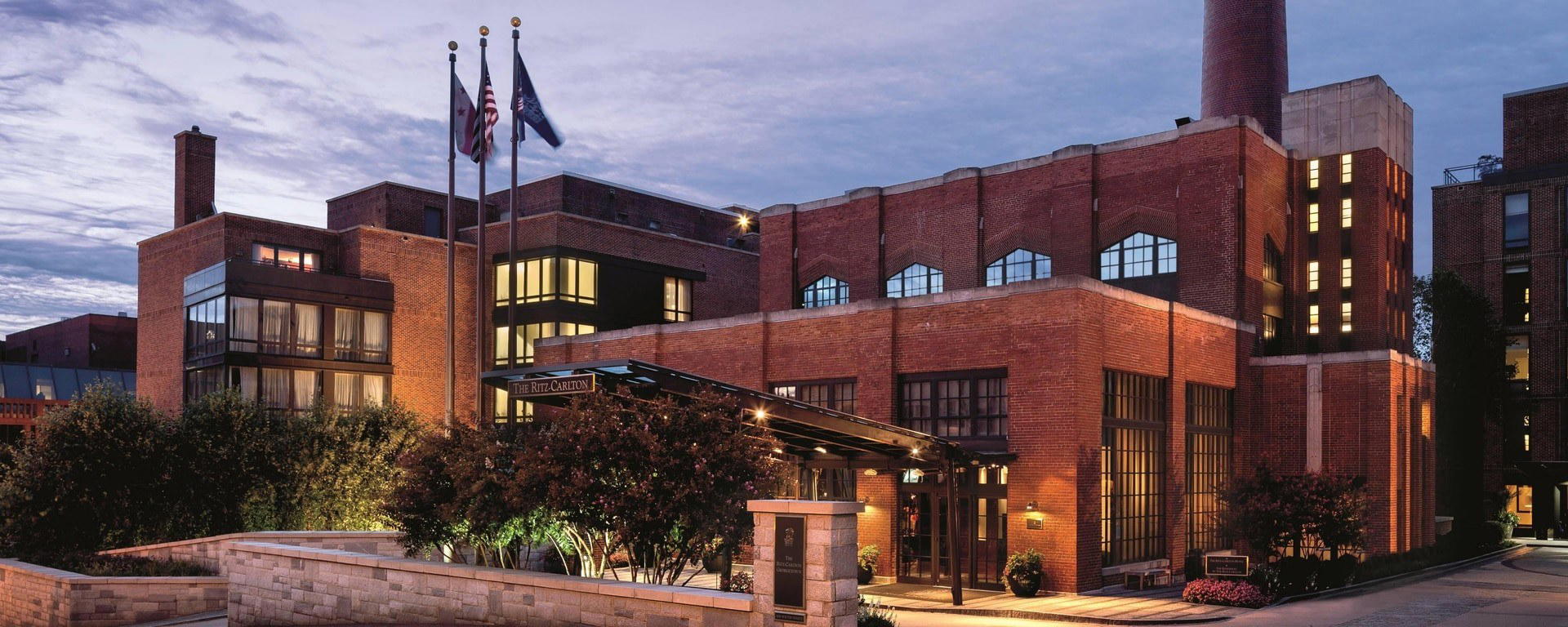
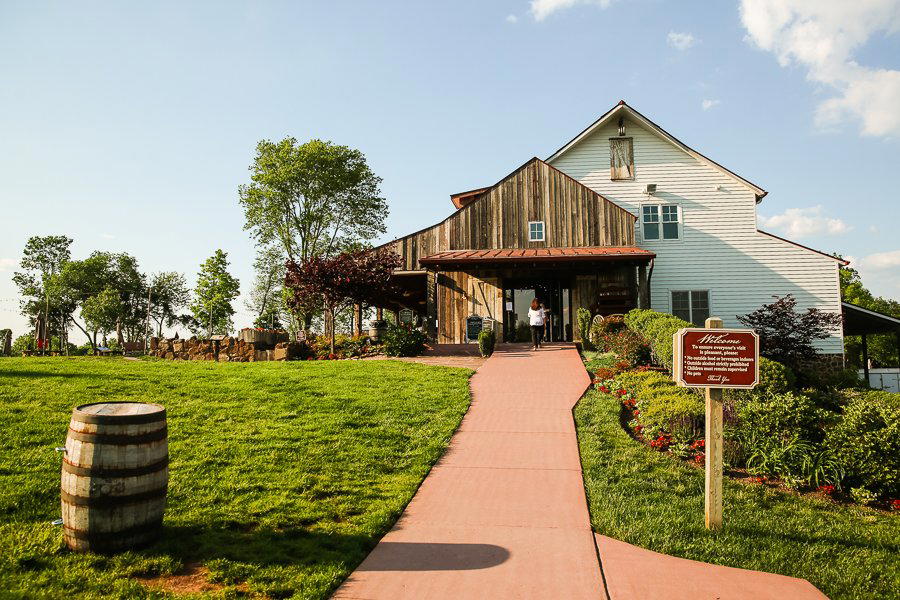
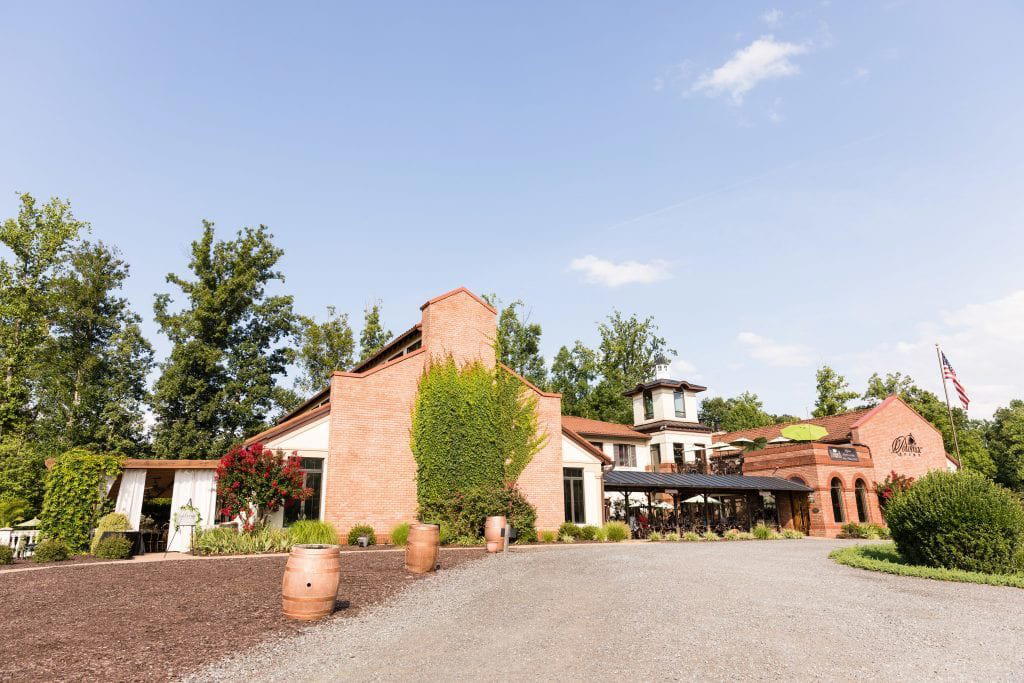
On upper Wisconsin Avenue in Cleveland Park, the building that houses Cactus Cantina makes an impression before any food arrives. The space reads as deliberately generous, high ceilings, exposed brick, and a floor plan that accommodates the kind of group dining that smaller D.C. restaurants routinely struggle to handle. In a city where most casual dining rooms default to tight two-tops and narrow banquette runs, the open, almost cantina-hall scale here signals a different set of priorities. The architecture is doing real work: it shapes the experience before a single tortilla hits the table.
Cleveland Park, the residential neighborhood that brackets the address at 3300 Wisconsin Ave NW, has long functioned as one of D.C.'s more self-contained dining pockets. Families, Hill staffers who have migrated northwest, and regulars from the surrounding blocks make up the weekday crowd. The Cantina's footprint fits that demographic logic, it is large enough to absorb a birthday party and relaxed enough that nobody is performing for the room.
Where Cactus Cantina Sits in D.C.'s Casual Dining Tier
Washington's dining conversation tends to anchor on its upper tier: the tasting-menu counters, the chef-driven destination rooms, the Michelin-flagged addresses. Venues like Jônt, minibar, and Oyster Oyster occupy different corners of that higher-stakes category, and D.C.'s serious dining scene also includes destination addresses like Albi and Causa, both of which operate at price points that reflect their ambitions. Cactus Cantina operates in a different register entirely, the neighborhood-anchor tier where consistent execution and spatial generosity matter more than innovation or critical accolades.
That tier is harder to fill well than it looks. Tex-Mex, in particular, is a format that travels poorly when kitchens try to dress it up or strip it down too aggressively. The genre has its own internal logic, flour tortillas made in-house, fajita smoke, the particular weight of a well-built combination plate, and a room that holds that logic without apology tends to find its audience. The broader national picture of Tex-Mex dining, from the border institution to the urban cantina, has shown consistently that atmosphere and portion reliability drive repeat visits more than menu novelty does.
For a sense of how D.C.'s casual dining fits into the national picture, Washington's dining across price tiers and neighborhoods helps place the city in context. The comparison is instructive: cities like San Francisco and New York have well-developed mid-tier Mexican and Tex-Mex scenes, but D.C.'s version has historically been thinner, making neighborhood anchors like this one carry more weight in the local ecosystem.
The Physical Logic of the Dining Room
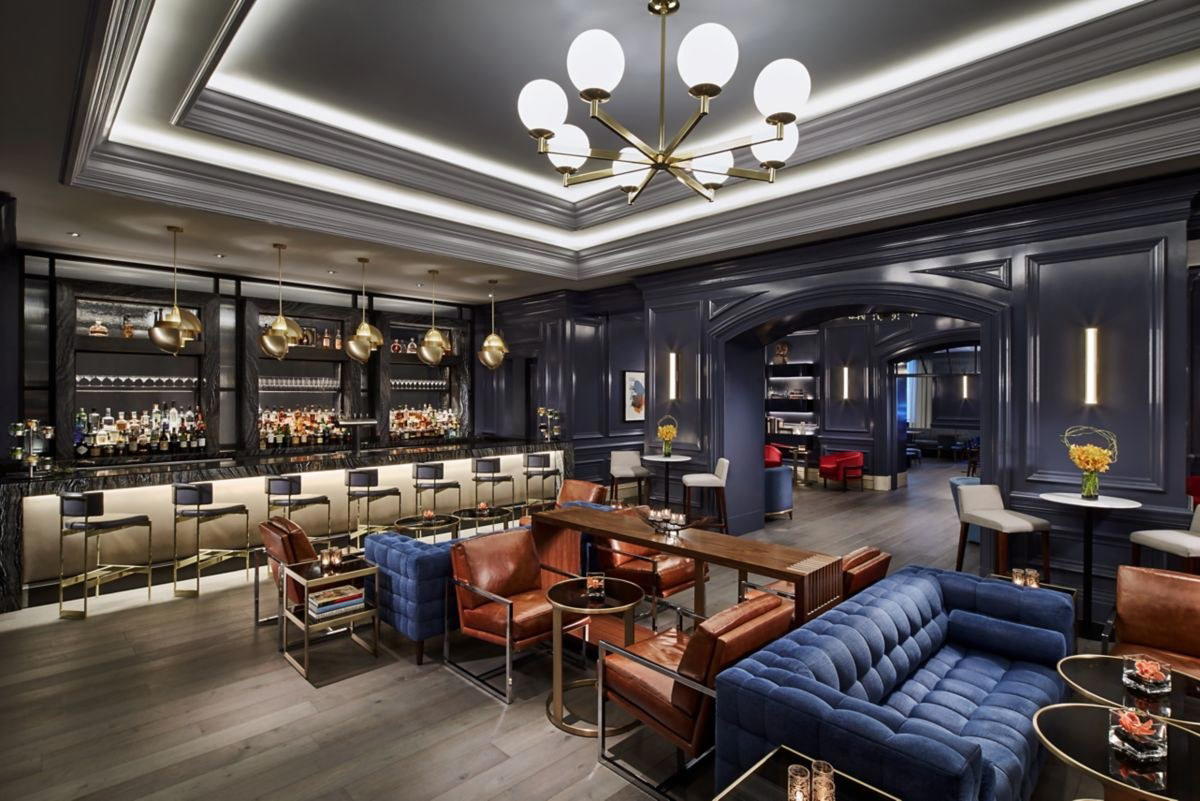
The design choices at the restaurant reward attention. High-volume casual restaurants in this price tier frequently over-invest in visual noise, neon signage, maximalist tile work, aggressively themed décor, as a substitute for considered spatial planning. The approach here is more grounded. The exposed brick and open-plan layout read as architectural decisions rather than decorative ones, and the result is a room that functions across different group sizes without feeling either cavernous or cramped depending on how full it is.
That spatial intelligence matters practically. Cleveland Park lacks the density of Penn Quarter or 14th Street, so a restaurant here that cannot handle groups effectively loses a significant share of its potential audience. The floor plan at the restaurant appears to be calibrated to that reality. Large tables, clear sightlines, and a room that absorbs ambient noise rather than amplifying it make it a workable option for situations where the tighter rooms at higher-end addresses would strain under the load.
The contrast with D.C.'s destination dining rooms is worth noting. Places like The Inn at Little Washington invest in architectural drama as part of a complete sensory program. At the other end of the spectrum, high-volume cantina formats nationally, from Houston's legacy Tex-Mex institutions to the Austin strip, have demonstrated that a well-proportioned, unfussy room often outlasts more aggressively designed competitors in its neighborhood. The same pattern applies here.
Tex-Mex in the D.C. Context
Washington is not a natural Tex-Mex city. Its culinary identity has been shaped more by its transient political population, its immigrant communities from Central America and Southeast Asia, and the upscale dining culture that surrounds its institutions. Tex-Mex, which originated in the border regions of Texas and northern Mexico and developed as a distinct American regional cuisine through the twentieth century, landed in D.C. through a different route than in cities with larger Texas migrant populations or direct border-state connections.
What that means in practice is that the format here is less surrounded by competition and less subject to the regional authenticity debates that shape Tex-Mex dining in Texas cities. A D.C. audience tends to evaluate a Tex-Mex cantina on different criteria, comfort, consistency, the quality of the margarita, the ability to feed a table of eight without logistical drama. The restaurant has operated in that frame long enough to have built the neighborhood familiarity that drives repeat visits more reliably than any single dish or seasonal menu shift.
For readers tracing casual American dining across cities, useful comparison points include Emeril's in New Orleans, which similarly functions as a neighborhood institution navigating between casual and destination registers, and the broader casual-tier dynamics visible in cities like Chicago, where Smyth operates at a different ambition level but reflects the same city-level stratification between tiers.
Know Before You Go
Quick Comparison
Comparable venues nearby, for context on price, style, and recognition.
| Venue | Cuisine | Price | Notes |
|---|---|---|---|
| Cactus CantinaThis venue — the venue you are viewing | Authentic Tex-Mex | $$ | Not listed |
| Agua 301 | Modern Mexican | $$ | Near Southeast |
| Lucha Rosa | Modern Mexican Rooftop Taqueria | $$ | Shaw |
| El Tamarindo | Authentic Salvadoran & Mexican | $$ | Reed-Cooke |
| MXDC | Modern Mexican Cocina | $$$ | Logan Circle |
| DC Al Toque | Authentic Peruvian Cevicheria | $$ | La Cosecha |
Continue exploring
More in Washington DC
Restaurants in Washington DC
Browse all →
Bars in Washington DC
Browse all →
Hotels in Washington DC
Browse all →

At a Glance
- Lively
- Casual
- Well Known
- Energetic
- Family
- Casual Hangout
- Group Dining
- After Work
- Standalone
- Terrace
- Craft Cocktails
Current opening hours
- Monday
- 11:30 AM–10 PM
- Tuesday
- 11:30 AM–10 PM
- Wednesday
- 11:30 AM–10 PM
- Thursday
- 11:30 AM–10 PM
- Friday
- 11:30 AM–11 PM
- Saturday
- 11:30 AM–11 PM
- Sunday
- 11:30 AM–10 PM
Hours can change for holidays and private events. Last verified .
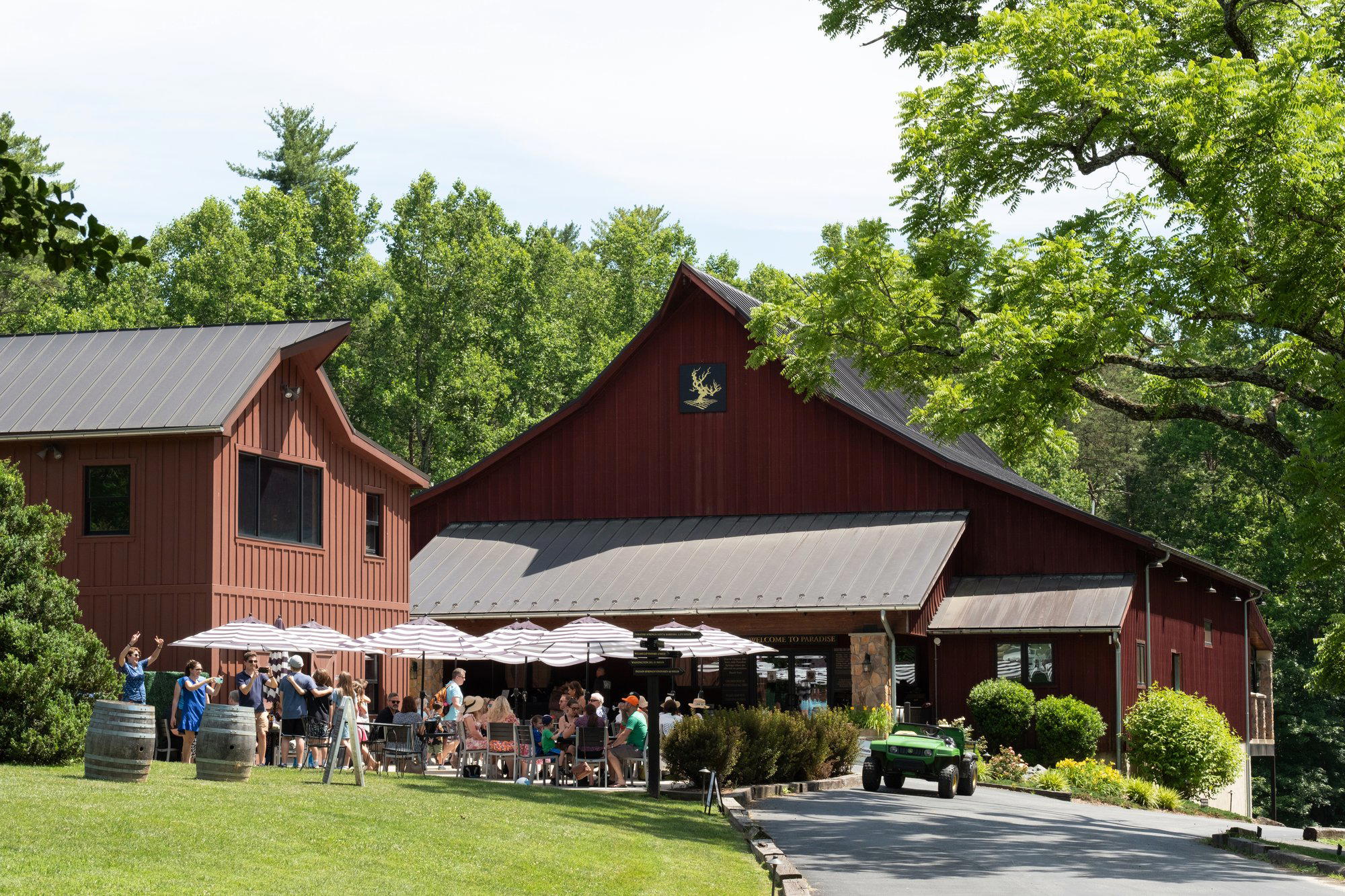
Fun and relaxed with a lively, energetic atmosphere; casual dining with street-level windows and outdoor seating that can experience some street noise.