Our verdict
Első Mádi by BG sits in the village of Mád, at the heart of Tokaj wine country, where the sourcing logic runs directly from vineyard to table. The restaurant operates in a region where volcanic soils and centuries of winemaking tradition shape not just what's in the glass but what arrives on the plate. For visitors tracing Hungary's most serious wine corridor, it anchors the table side of that story.

Pearl is the En Primeur Club membership app — saves, bookings, and concierge access live there. Same editors, same standards.
- Address
- Mád, Hunyadi János u. 2, 3909 Hungary
- Phone
- +36203547118
- Website
- app.asztalfoglalas.com
- Directions
- Get directions
- Booking
- Book on the venue's website
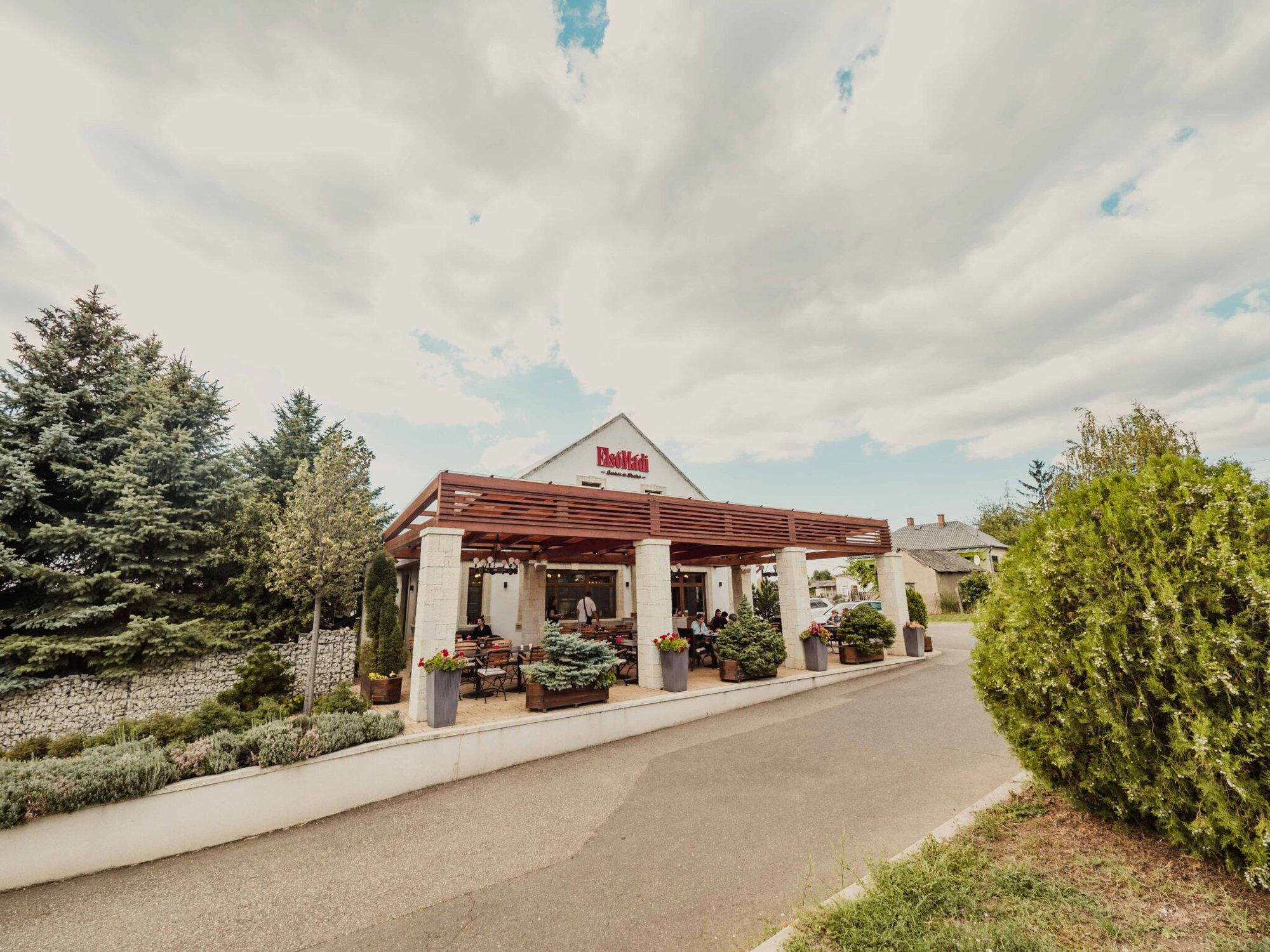
Where the Plate Follows the Vineyard
Mád is not a dining destination in the conventional sense. The village sits in the Tokaj wine region of northeastern Hungary, a place where the conversation has historically been about botrytised Furmint and volcanic terroir rather than restaurant reservations. That context is precisely what gives Első Mádi by BG its editorial weight. In wine villages across Europe, from Burgundy's Gevrey-Chambertin to the Douro's Pinhão, the pattern repeats: serious wine provenance eventually draws serious food to match it. Tokaj, long underserved on the dining side despite its centuries of winemaking prestige, is moving in that direction, and Mád is where the shift is most visible.
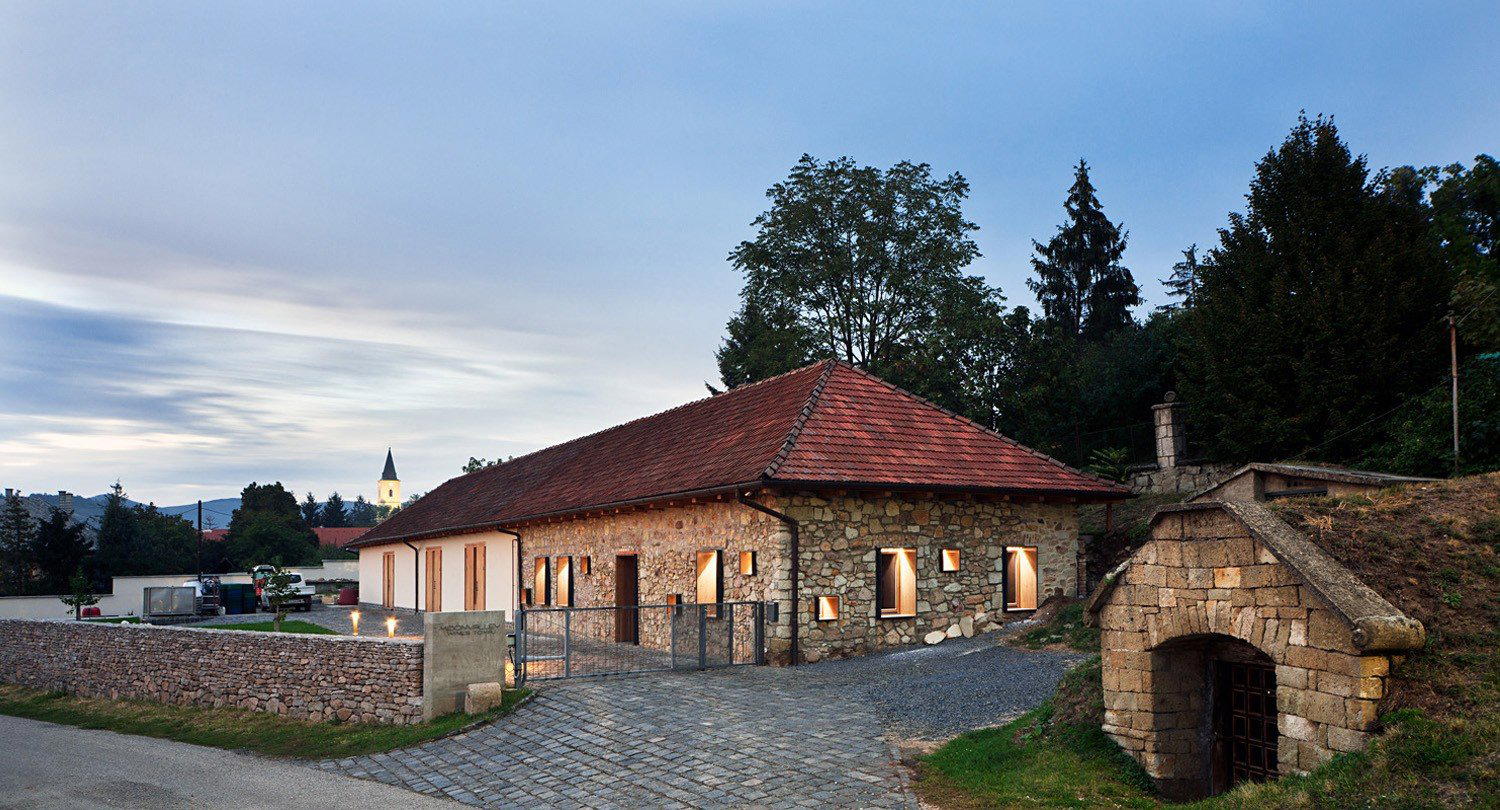
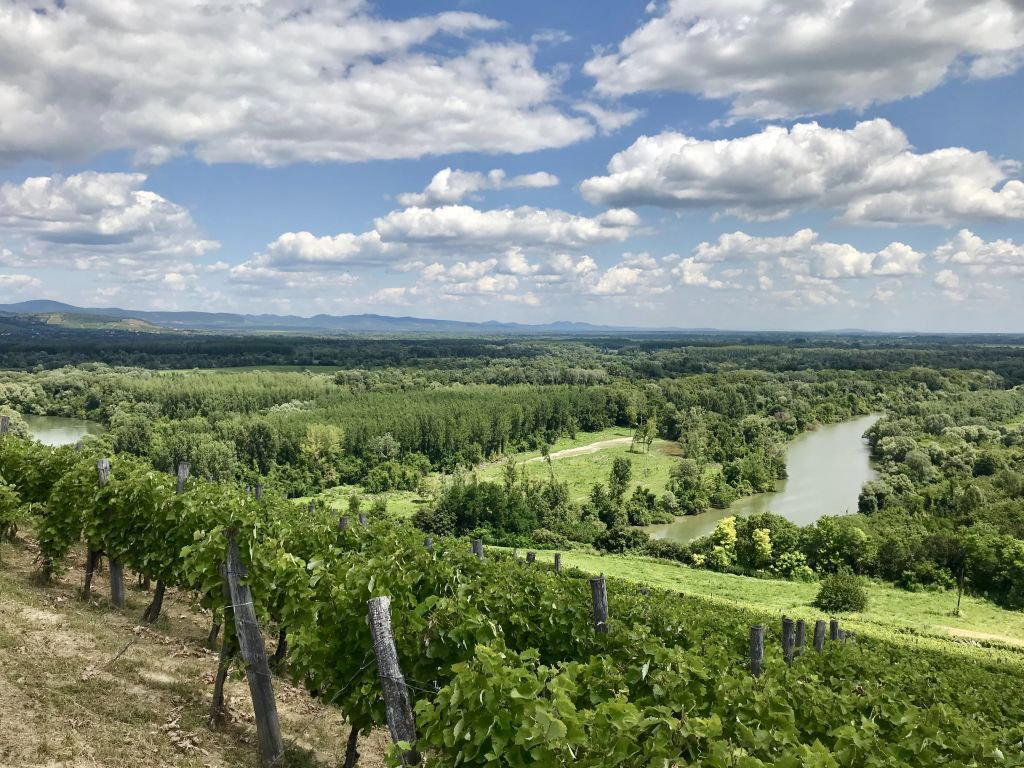
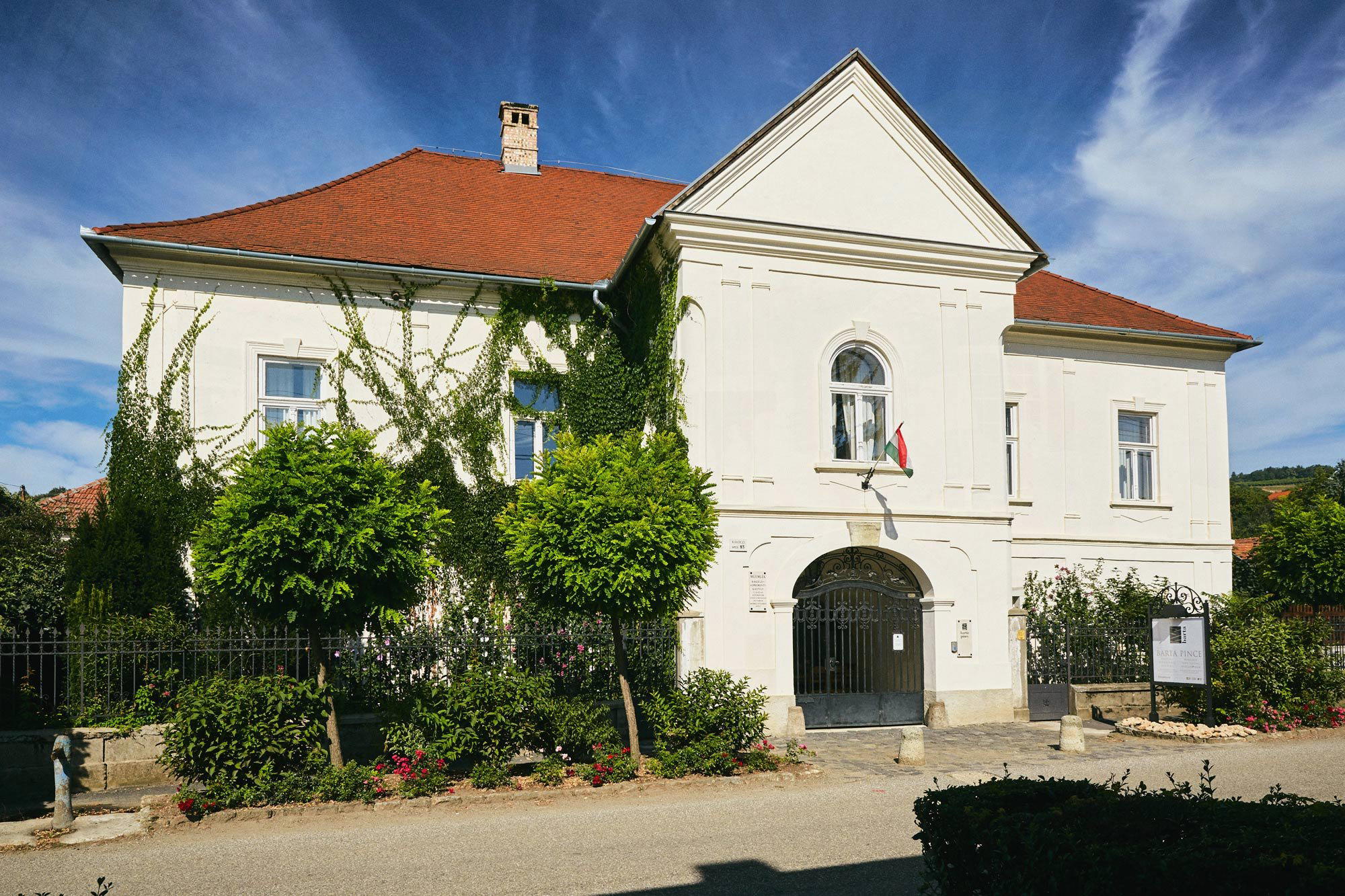
The address, Hunyadi János u. 2, places the restaurant on one of Mád's quiet village streets, the kind of approach that rewards visitors who arrive knowing what they are looking for rather than stumbling upon it. The physical setting reflects the broader character of the Tokaj wine country: spare, agricultural, grounded in the landscape rather than performing a version of it. This is not the polished rusticity of a resort property staging wine-country atmosphere. It is a working wine village, and a restaurant here reads as an extension of that working culture rather than a hospitality overlay.
The Sourcing Logic of Tokaj Wine Country
The editorial angle that makes Első Mádi by BG worth the detour from Budapest, roughly a two-hour drive northeast through the Great Hungarian Plain and into the Zemplén hills, is ingredient provenance. In Tokaj, sourcing is not a menu-copy talking point. The volcanic soils of the region, primarily rhyolite tuff, produce ingredients with a specificity that registers on the plate the same way they register in the glass. The short growing season and the thermal swings between the Bodrog and Tisza rivers create conditions that concentrate flavour in ways that flatland agriculture does not replicate.
Restaurants in wine-producing villages succeed or fail on the clarity of that connection. The leading examples in Hungary draw a direct line between what the local land yields and what arrives at the table, treating the sourcing geography as the foundational decision rather than an afterthought. Platán Gourmet in Tata and Kővirág in Köveskál both operate on this logic in their respective regions. In Mád, the version of that argument is sharpened by the wine region's own identity: if the glass carries a declared cru and a vintage, the plate should carry equivalent specificity about where the food came from.
Hungary's wine-country restaurant tier has been expanding steadily. Sauska 48 in Villány represents the southern end of this movement, where the Villány wine region's red wine prestige has attracted a dining program built around the same sourcing discipline. Első Mádi by BG fits that cohort: restaurants that exist because the wine provenance demanded a food partner capable of meeting it at the same level of specificity.
Mád as a Dining Destination
For visitors planning the trip, Mád itself warrants the framing of a dedicated destination rather than a day excursion. The village holds a concentration of leading Tokaj producers within walking distance of each other, and the combination of winery visits and a serious meal creates the kind of full-day programme that justifies the journey from Budapest or Miskolc. Avalon Ristorante in Miskolc offers an urban alternative roughly 60 kilometres west, but Mád's appeal is precisely that it is not urban.
The Tokaj wine region as a whole has historically been stronger on cellar visits than on dining, a gap that places like Első Mádi by BG are closing. Visitors who have explored Hungary's broader restaurant scene through Stand in Budapest or followed the wine-country dining trail through Hosszú Tányér in Hosszúhetény will recognise a consistent thread: the leading rural Hungarian restaurants anchor themselves in local produce and treat the regional wine programme as a co-equal element of the experience rather than an add-on.
For context across Hungary's wine regions, Öreg Prés in Mór operates within the same traditional cuisine tier in the Mór wine region to the west. Petrányi Csopak in Csopak anchors the Balaton Felvidék wine corridor in a comparable way. These venues share a structural similarity with Első Mádi by BG: they sit in wine-producing communities and derive their reason for being from that provenance rather than from proximity to a major city.
Where Első Mádi Sits in Hungary's Wider Picture
Hungary's fine dining conversation is dominated by Budapest, where operations like Borkonyha Winekitchen and creative-format restaurants hold the press attention and the Michelin credentials. The rural tier is smaller, less documented, and in some ways more interesting precisely because the relationship between place and plate has to do more work without the city's hospitality infrastructure behind it. Első Mádi by BG operates in that rural tier, in a village where the wine is the primary cultural product and the restaurant has to justify its existence against that standard.
That framing puts it in useful company. Pajta in Őriszentpéter in the western border region, Teyföl in Szentendre just north of Budapest, and Botanica in Dánszentmiklós all represent the same pattern: restaurants in smaller Hungarian settlements building a programme around local sourcing and regional identity rather than metropolitan ambition. For readers who have tracked international parallels, the structural logic is not unlike what Le Bernardin in New York City does with sourcing specificity in seafood, or what Lazy Bear in San Francisco does with format discipline, albeit at a very different scale and price point.
Planning the Visit
Mád is most practically reached by car from Budapest, with journey times of approximately two hours depending on the route through Miskolc or directly via the M3 motorway and then northeast through Szerencs. The village is small enough that orientation is immediate on arrival. Booking in advance is advisable, particularly during the Tokaj harvest period in October, when winery visits and wine-country tourism create higher demand across all local hospitality operations. For visitors building a broader northeastern Hungary itinerary, Tiszavirág in Szeged, Horgonyzó Kisvendéglő in Tiszalök, and Old Kőrössy Fish Restaurant in Szegedin fill in the dining picture across the Tisza river corridor. See our full Mád restaurants guide for a broader overview of what the village offers across different meal occasions and price points.
Frequently asked questions
Is Első Mádi by BG good for families?
Mád is a quiet, unhurried village in the Tokaj wine region, which sets the tone here more than any children's menu policy would. The pace and register of dining in this part of northeastern Hungary runs closer to a producer's table than a casual trattoria. Families with older children who can engage with a wine-country dining context will find the setting coherent; those travelling with very young children should weigh Mád's limited infrastructure against the roughly two-hour drive from Budapest.
What's the vibe at Első Mádi by BG?
Mád operates at the rhythm of a working wine village, not a tourist circuit, and Első Mádi by BG reflects that. Expect a register shaped by the surrounding Tokaj terroir rather than urban restaurant theatre. The address on Hunyadi János utca places it at the centre of a village where the vineyards are the dominant reference point, and the dining atmosphere follows accordingly: purposeful, unhurried, regionally grounded.
Is Első Mádi by BG worth the drive from Budapest for a wine-pairing dinner?
The journey from Budapest runs approximately two hours northeast, passing through the Great Hungarian Plain toward Mád in the Tokaj wine region. For visitors whose primary interest is Tokaj wine in its geographic context, the detour has a logic that a Budapest wine bar cannot replicate: you are eating within the appellation rather than importing it. The village itself holds enough producer visits and cellar access to justify an overnight stay rather than treating the trip as a return day excursion.
What do regulars order at Első Mádi by BG?
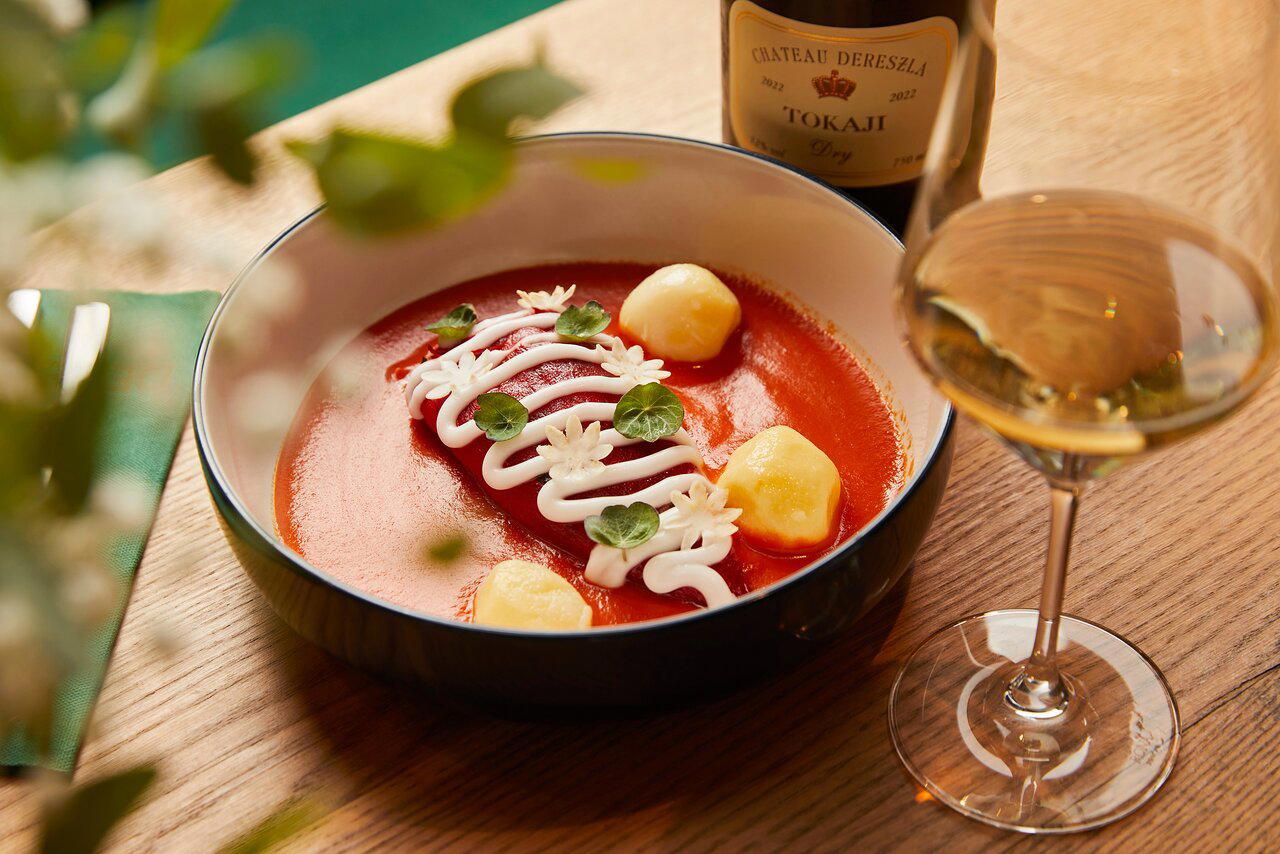
What the Tokaj wine-country context makes clear is that a kitchen sourcing from this region has direct access to ingredients shaped by the same volcanic soil and microclimate that produces Furmint and Aszú. Regulars in wine-country restaurants of this type tend to return for the way the plate tracks the season rather than for a fixed signature dish.
At-a-Glance Comparison
| Venue | Cuisine | Price | Awards | Notes |
|---|---|---|---|---|
| Első Mádi by BGThis venue — the venue you are viewing | Modern Hungarian-Italian Bistro | Not listed | Not listed | Not listed |
| Babel | Modern Hungarian Fine Dining | Not listed | 1 Michelin Star · La Liste Top Restaurants | Modern Cuisine |
| Borkonyha Winekitchen | Modern Hungarian-Inspired Bistro | $30–50 | 1 Michelin Star · La Liste Top Restaurants | Modern Cuisine |
| Rumour by Rácz Jenő | Modern Fusion Tasting Menu | $100–150 | 1 Michelin Star · La Liste Top Restaurants | Creative |
| Stand25 Bisztró | Modern Hungarian Bistro | $50–100 | Michelin Plate | Traditional Cuisine |
| Öreg Prés | Modern Hungarian with Swabian influences | Not listed | Michelin Plate | Traditional Cuisine |
Details
- Modern
- Elegant
- Cozy
- Date Night
- Special Occasion
- Terrace
- Extensive Wine List
- Local Sourcing
- Vineyard
- A La Carte
- Local Wine
- Vegetarian Friendly
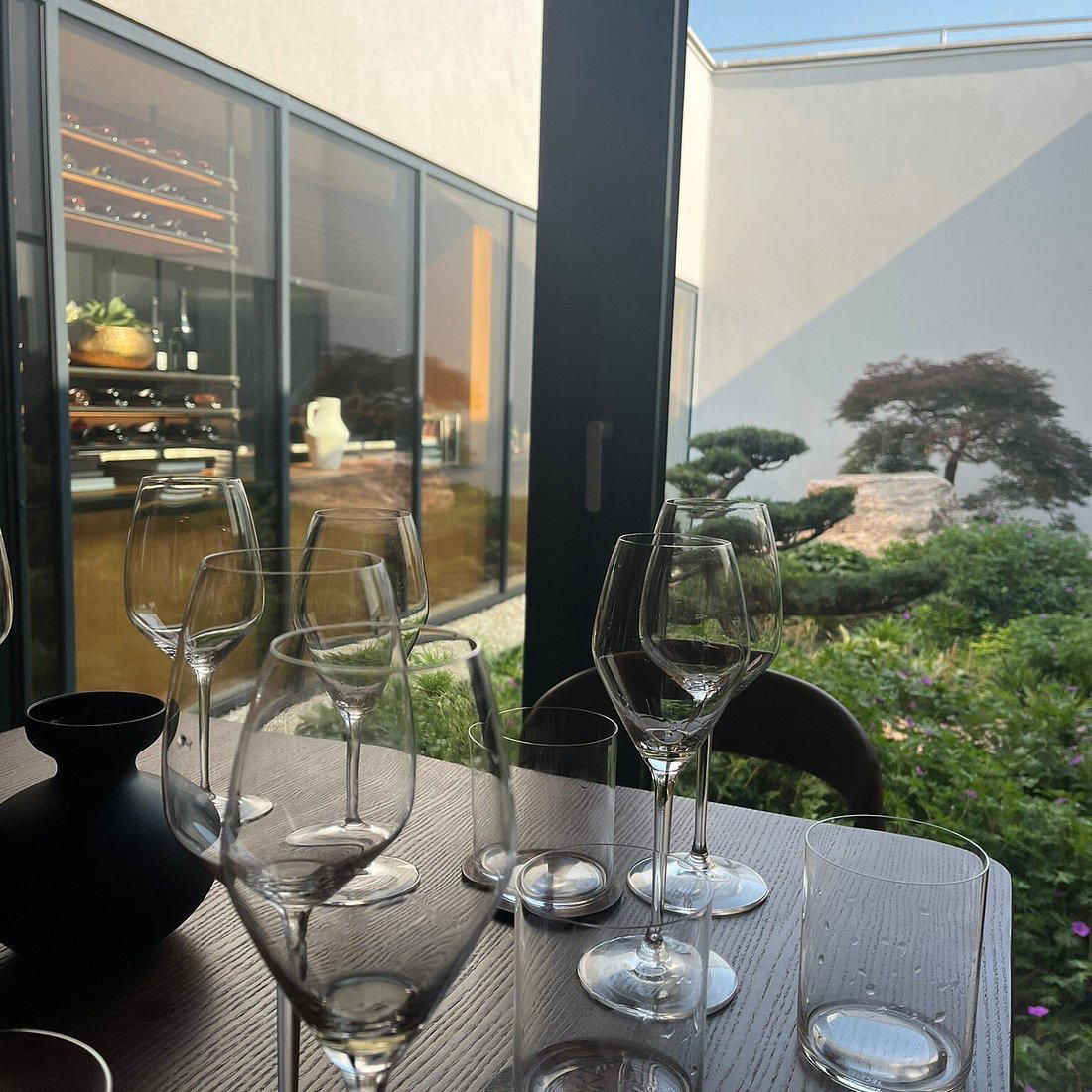
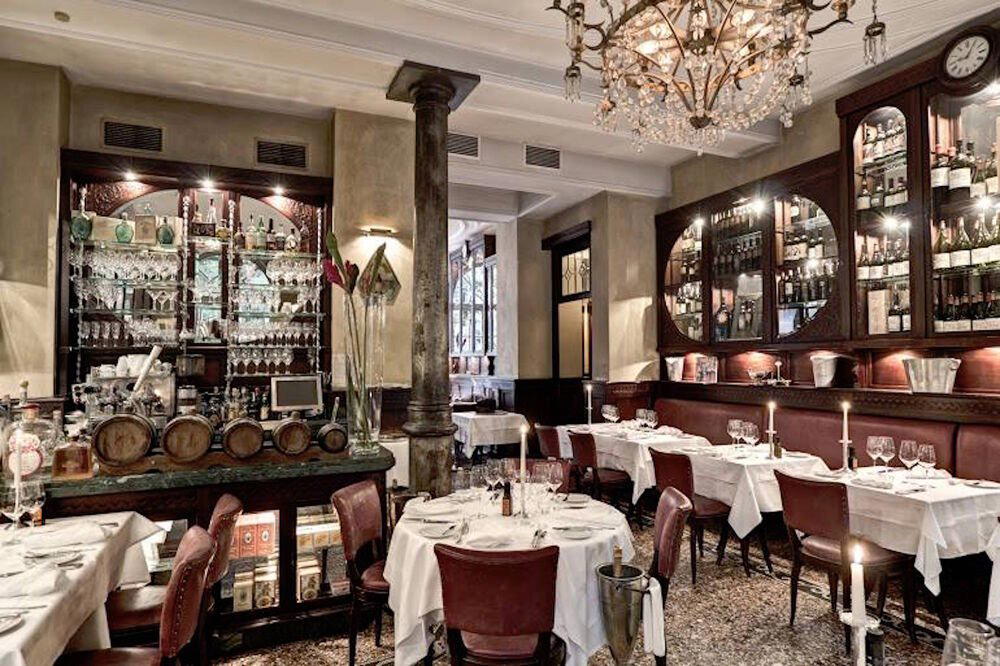
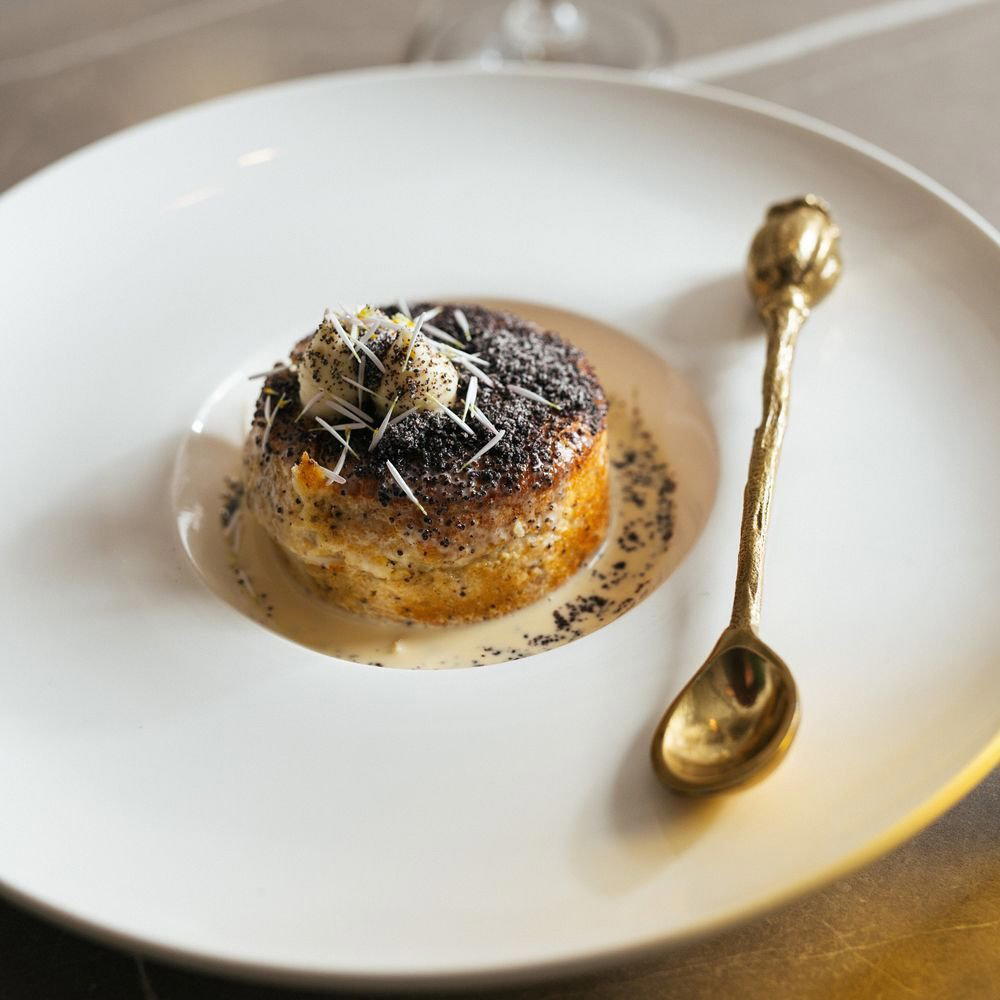
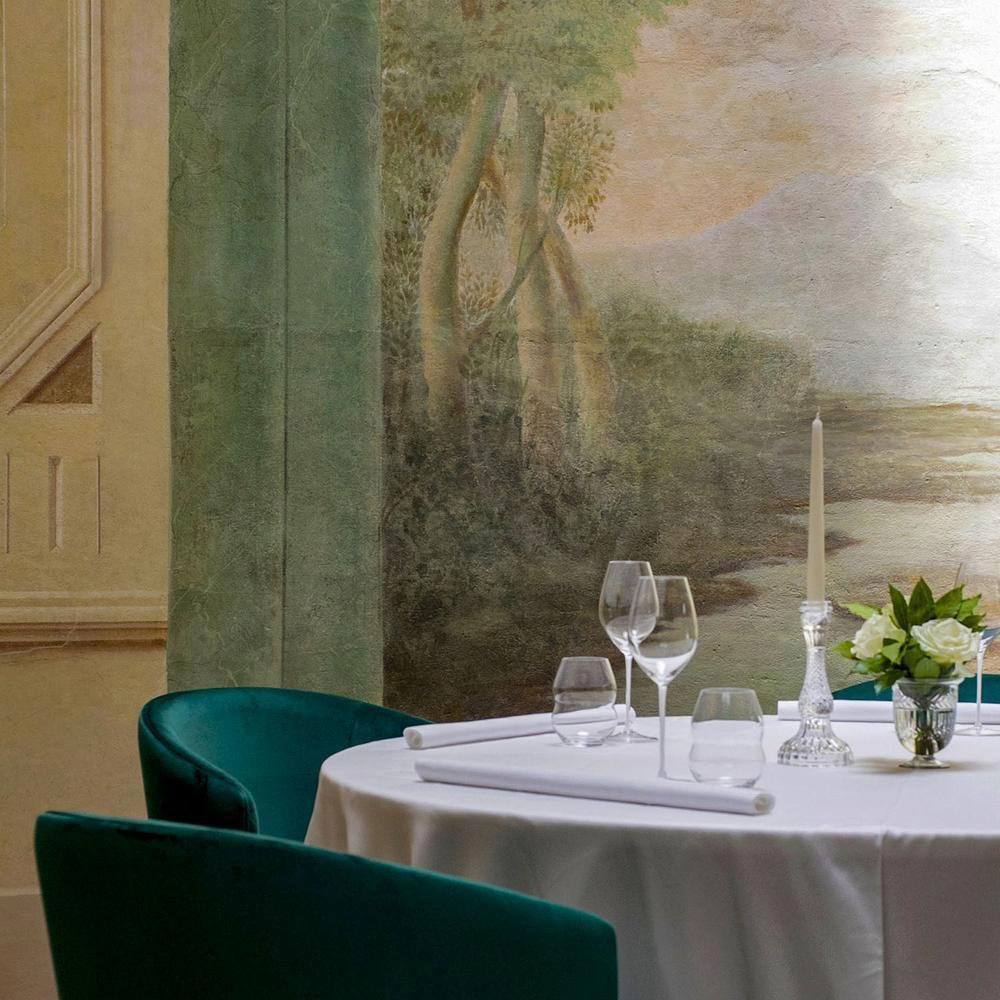
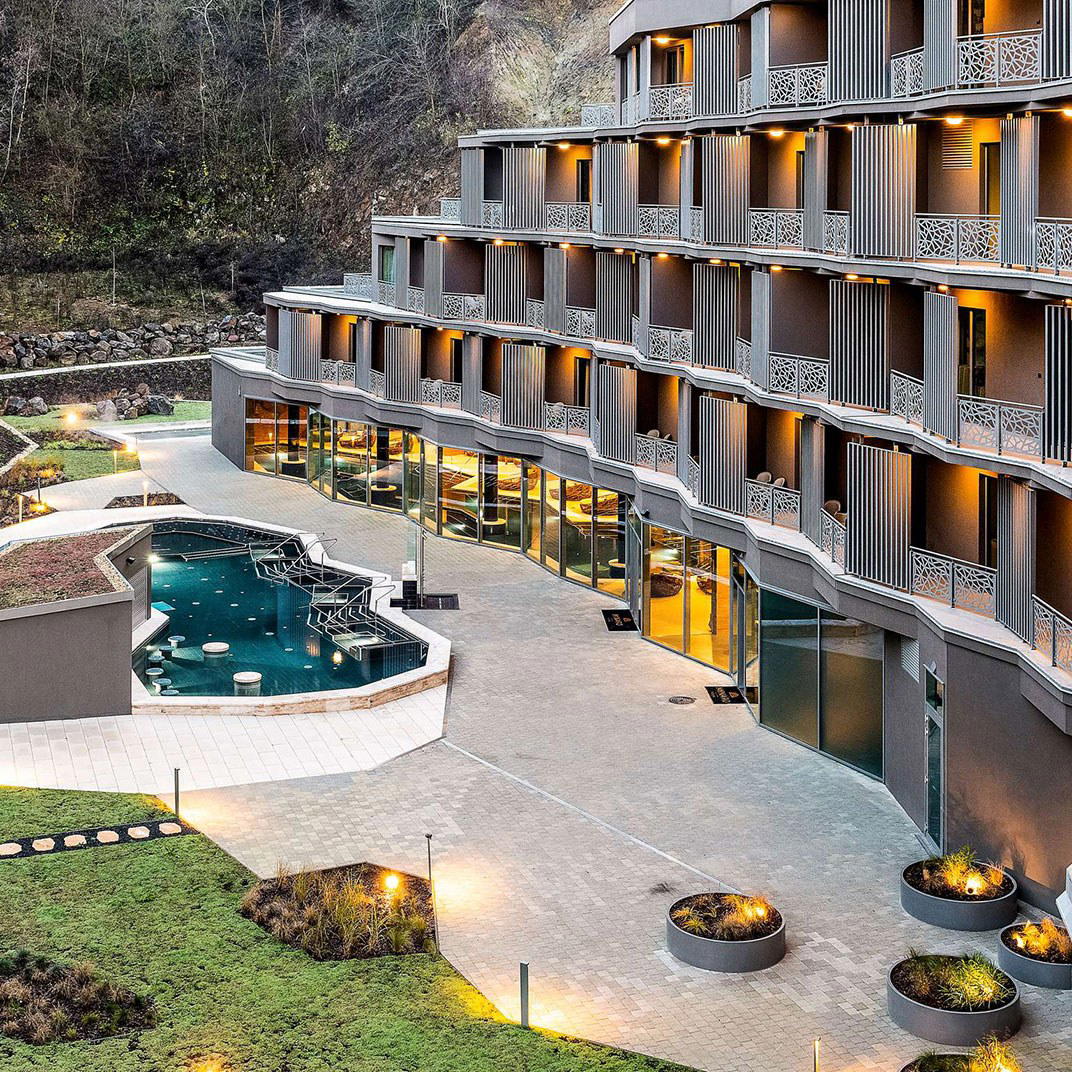
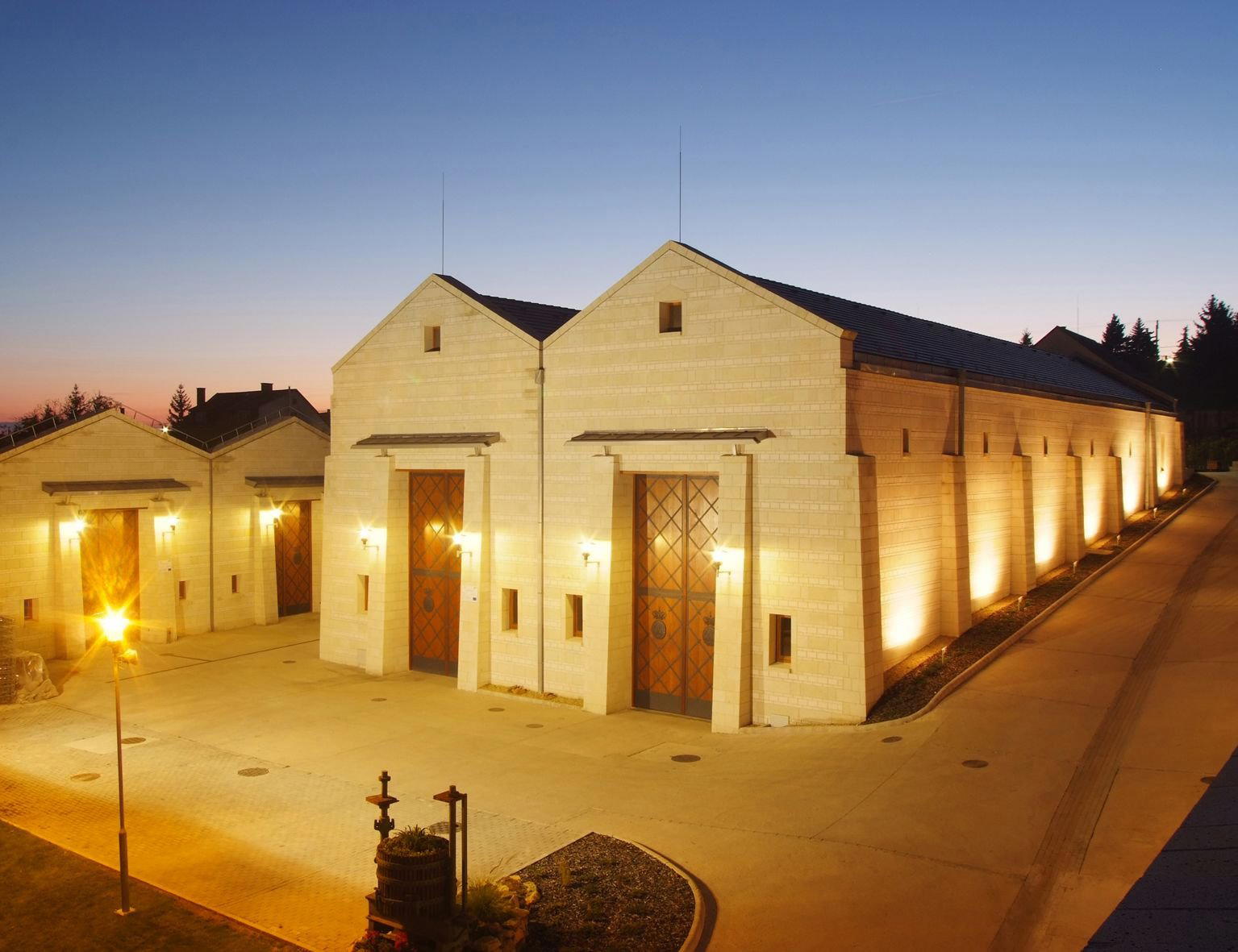
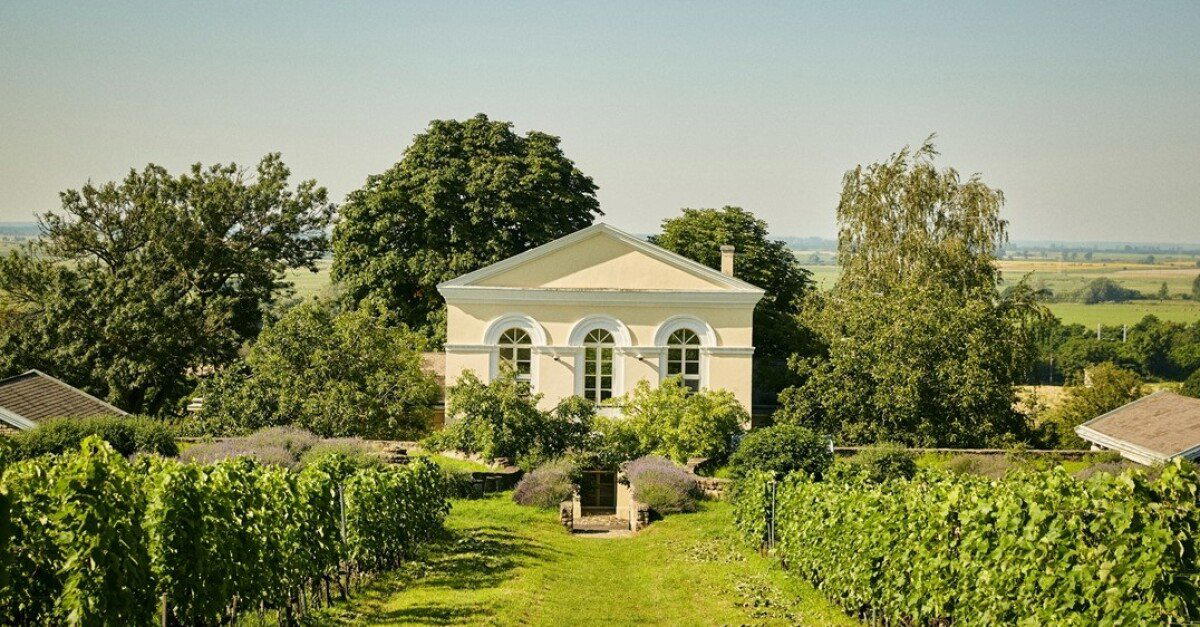
Clean, modern bistro atmosphere that blends seamlessly with the surrounding landscape, featuring a spacious terrace with splendid views.