Our verdict
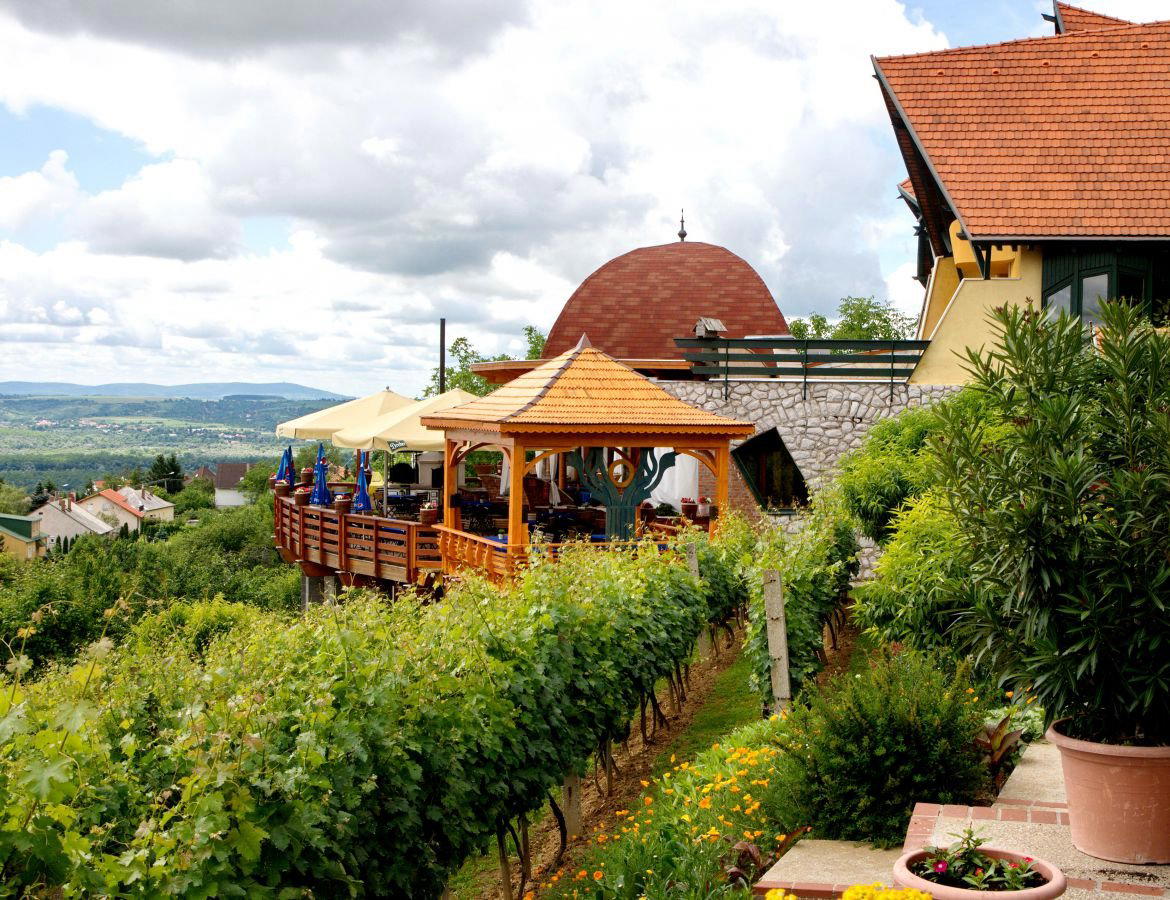
Bagolyvár sits at Felsőhavi dűlő on the hillside edge of Pécs, occupying a position in the city's dining scene where locality and terrain shape the plate rather than trend. For visitors tracing Hungarian regional cooking beyond Budapest, it offers a grounded alternative to the capital's more polished productions. Pécs rewards the detour, and Bagolyvár is a credible reason to make it.

Pearl is the En Primeur Club membership app — saves, bookings, and concierge access live there. Same editors, same standards.
- Address
- Pécs, Felsőhavi dűlő 6, 7627 Hungary
- Phone
- +3672211333
- Website
- bagolyvarpecs.hu
- Directions
- Get directions
The menu
What to order
- Duck breast
- Mushroom cream soup
- Mixed fish plate
- Goose breast
- Floating island
Where the Hillside Meets the Kitchen
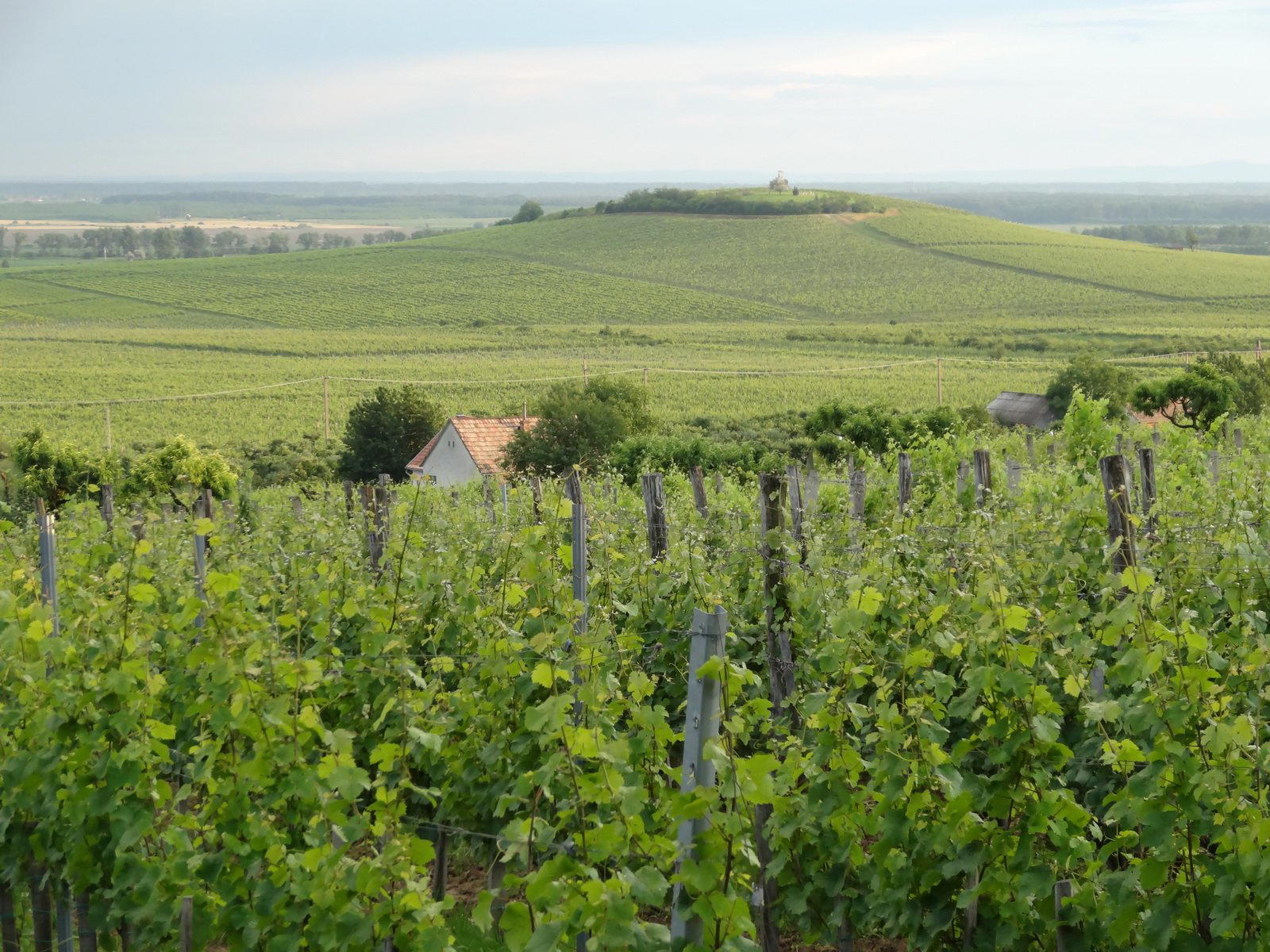
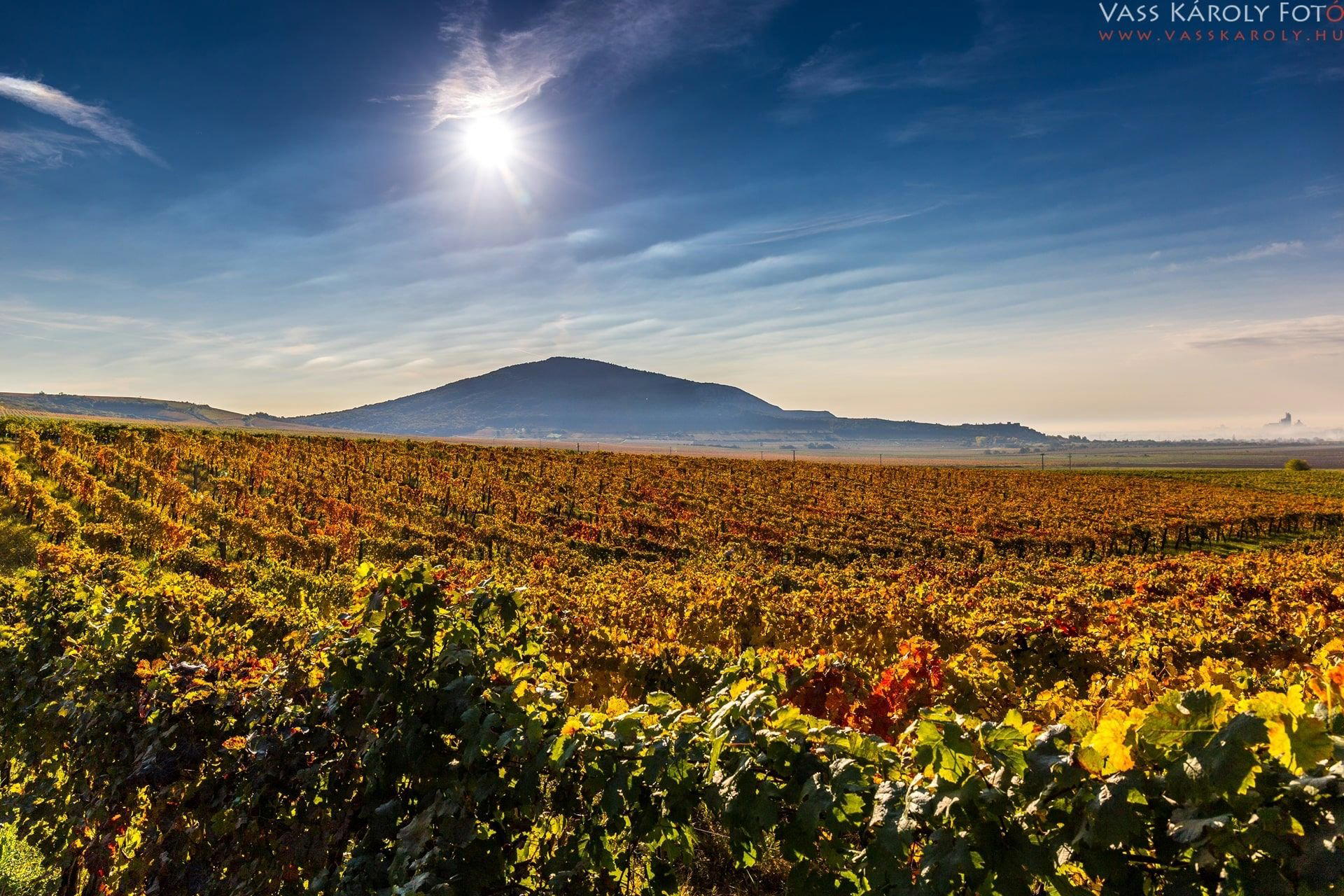
Approach Bagolyvár from the lower streets of Pécs and the address itself — Felsőhavi dűlő 6, on the city's refined fringe — tells you something before you arrive. The Mecsek hills rise behind the city's Ottoman domes and Roman ruins, and the restaurants that occupy this upper register tend to carry a different character than the downtown trattorias closer to Széchenyi tér. There is a sense, climbing toward this part of the city, that the cooking will answer to landscape rather than foot traffic. That spatial relationship between restaurant and terrain matters in Pécs more than it does in most Hungarian cities, because Pécs sits at the southern edge of a wine-producing region with its own agricultural logic, and the proximity to Villány and the Mecsek foothills means the supply chain for serious kitchens here is shorter and more direct than in the capital.
Pécs and the Case for Southern Hungarian Cooking
Hungary's dining conversation has long defaulted to Budapest, where Stand in Budapest and a cluster of other ambitious operations have made the case for Hungarian fine dining on an international stage. But Pécs operates on different terms. As Hungary's fifth-largest city, it sits closer to the Croatian border than to the capital, approximately 200 kilometres south of Budapest, and its culinary character reflects that proximity: more paprika, more slow-cooked meat traditions, and a wine culture anchored to the Villány region, whose Cabernet Franc and Portugieser have been earning serious attention for the better part of two decades. Restaurants such as Sauska 48 in Villány demonstrate how closely dining and viticulture are linked in this part of Transdanubia.
The broader pattern across provincial Hungarian dining is that the most compelling operations are those grounded in hyperlocal sourcing rather than imported culinary frameworks. You see it at Pajta in Őriszentpéter, where the West Transdanubian setting dictates the pantry, and at Hosszú Tányér in Hosszúhetény, a village operation that draws on its immediate agricultural surroundings with unusual discipline. Both sit in the same emerging tier of Hungarian regional restaurants that treat provenance as a structural feature of the menu rather than a marketing note. Bagolyvár occupies a similar position in the Pécs dining ecosystem.
The Sourcing Logic of a Hillside Address
The ingredient sourcing framework that defines southern Transdanubian cooking is worth understanding on its own terms. The Mecsek region produces wild herbs, game, and foraged produce that rarely travels far before reaching a kitchen. The Ormánság area to the southwest, historically isolated and agriculturally distinctive, contributes heritage pork breeds whose fat composition and flavour profiles differ meaningfully from standard commercial product. Further afield but still within the regional supply orbit, Villány's wine estates have in recent years begun developing food partnerships that give local kitchens access to estate-grown vegetables and pressed fruit alongside bottles. This is a different supply logic than what operates in Budapest, where the leading kitchens often source nationally or internationally because the capital's immediate agricultural hinterland is thin.
For context, consider what Platán Gourmet in Tata does with its own regional setting in northwest Hungary, the sourcing there reflects a Transdanubian agricultural character that differs substantially from what is available around Pécs. These are not interchangeable regional pantries. Southern Hungary's warmer climate, longer growing season, and Ottoman-era culinary inheritance, visible in the stuffed vegetables, spice use, and slow-cooking techniques that persist in Pécs's domestic cooking, produce a distinct ingredient vocabulary. Any restaurant operating from this address that takes its setting seriously will cook from a different base than a kitchen in Eger or Sopron.
Pécs in the Wider Hungarian Regional Picture
The provincial restaurant scene across Hungary has been evolving steadily, with a generation of operators choosing to work in smaller cities and villages rather than compete in Budapest's crowded dining market. Kővirág in Köveskál near Lake Balaton and Petrányi Csopak in Csopak both demonstrate that serious cooking can anchor itself outside the capital with a regional identity that becomes a competitive advantage rather than a limitation. Teyföl in Szentendre and Öreg Prés in Mór reinforce the pattern from their own corners of the country.
Pécs has its own version of this story. The city's eating scene spans a range that includes Tettye Vendéglő with its own hillside character, Rózsa Restaurant and Boarding House which combines accommodation with regional cooking, and more globally-oriented options like Namaste Indian Restaurant and Fusion Grill. Megyeri Burgers handles the casual end. Bagolyvár sits closer to the regional-Hungarian tier rather than the international-influenced bracket, which positions it for a specific kind of visitor: one who has come to Pécs precisely because the city's Roman, Ottoman, and Austro-Hungarian layering makes it one of the most historically dense places in the country, and who wants the food to answer to that context.
Planning Your Visit
Pécs is reachable from Budapest by direct train in approximately three hours, making it a viable long weekend from the capital or an anchor point for a Villány and Mecsek itinerary. The Felsőhavi dűlő address places Bagolyvár above the historic centre, so arriving by taxi or car is more practical than walking from central Pécs, particularly in the evening. For a broader map of where Bagolyvár sits among Pécs's dining options, our full Pecs restaurants guide covers the city's range. Visitors combining Pécs with the wider region will find Old Kőrössy Fish Restaurant in Szegedin a worthwhile detour for a different southern Hungarian tradition, while the road through Villány is worth building into any itinerary for the wine estates alone.
Frequently asked questions
Is Bagolyvár good for families?
Bagolyvár's hillside setting at Felsőhavi dűlő 6 on the elevated fringe of Pécs suggests a relaxed, residential atmosphere that tends to suit unhurried meals rather than formal dining. Southern Transdanubian cooking is generally produce-led and accessible, which works across age groups. Confirm specifics directly with the venue before visiting with young children.
What's the overall feel of Bagolyvár?
The address — Felsőhavi dűlő 6, on Pécs's upper hillside — positions this as a destination you make a point of reaching rather than stumbling across. Pécs itself is Hungary's southern cultural anchor, and restaurants at this elevation tend to trade on the setting as much as the plate. Expect something closer to a regional dining room than an urban bistro.
Is Bagolyvár worth a special trip from Budapest to Pécs?
Pécs is roughly three hours from Budapest by direct train, making it a viable long weekend anchor rather than a day trip. Bagolyvár's hillside location at Felsőhavi dűlő 6 places it within Pécs's distinctive urban geography, a city with UNESCO-listed early Christian monuments and a well-established arts scene. For travellers interested in Hungarian regional cooking outside the capital, the southern Transdanubian tradition this area represents offers a genuinely different culinary reference point from Budapest's restaurant circuit.
What should I eat at Bagolyvár?
Bagolyvár operates within the southern Transdanubian tradition, a cooking style shaped by the Mecsek region's wild-grown and locally sourced ingredients. Dishes in this tradition draw on seasonal produce distinct from Budapest's more internationally influenced menus. Specific menu details are best confirmed with the venue directly before your visit.
Where is Bagolyvár in Pecs?
Bagolyvár is located at Pécs, Felsőhavi dűlő 6, 7627 Hungary, Pecs.
How far ahead should I plan for Bagolyvár?
No booking data is currently documented for Bagolyvár, so lead times are difficult to quote with precision. Pécs draws steady visitor traffic as Hungary's primary southern city, particularly during warmer months, and hillside restaurants with a local following can fill quickly on weekends. Contacting the venue directly ahead of your planned visit is the practical approach.
Fast Comparison
| Venue | Cuisine | Price |
|---|---|---|
| BagolyvárThis venue — the venue you are viewing | Traditional Hungarian with Game Specialties | $20–30 |
| Fusion Grill | Authentic Indian Fusion Grill | $10–20 |
| Megyeri Burgers | Premium Burgers and Neapolitan Pizza | $10–20 |
| Namaste Indian Restaurant | Authentic North Indian | $10–20 |
| Rózsa Restaurant and Boarding House | Italian & Mediterranean Family Dining | Not listed |
| Tettye Vendéglő | Traditional Hungarian | $20–30 |
Continue exploring
More in Pecs
Restaurants in Pecs
Browse all →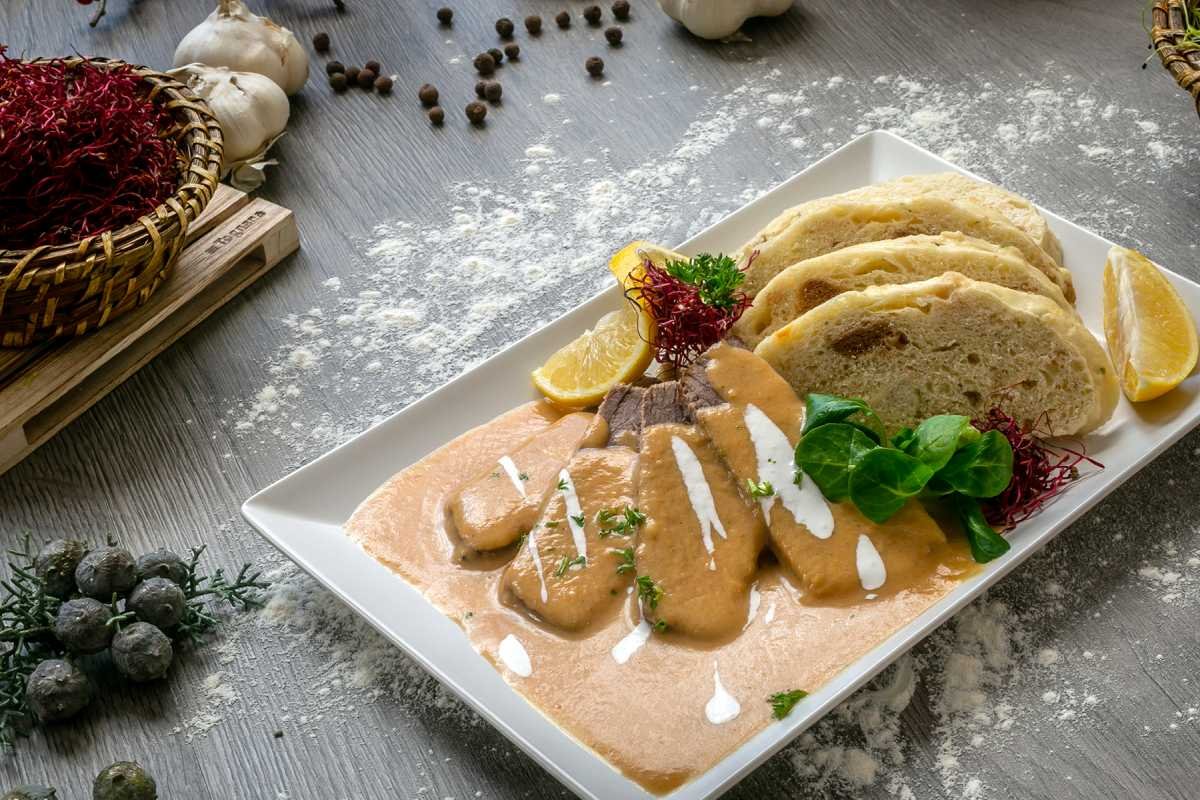
Details
- Scenic
- Classic
- Rustic
- Elegant
- Family
- Group Dining
- Celebration
- Special Occasion
- Terrace
- Panoramic View
- Private Dining
- Beer Program
- Local Sourcing
- Mountain
- A La Carte
- Family Style
- Local Wines
- Homemade Lemonades
- Vegetarian Friendly
- Vegan Options
- Gluten Free Options
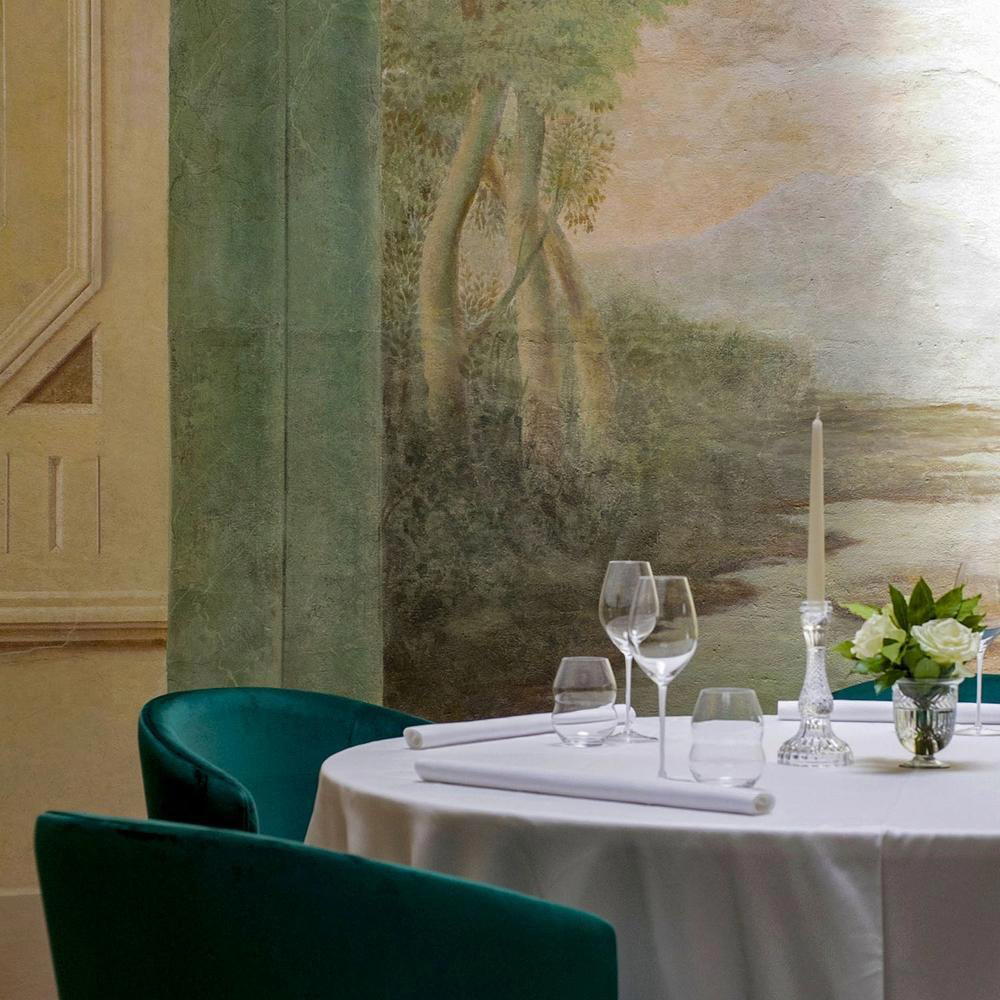
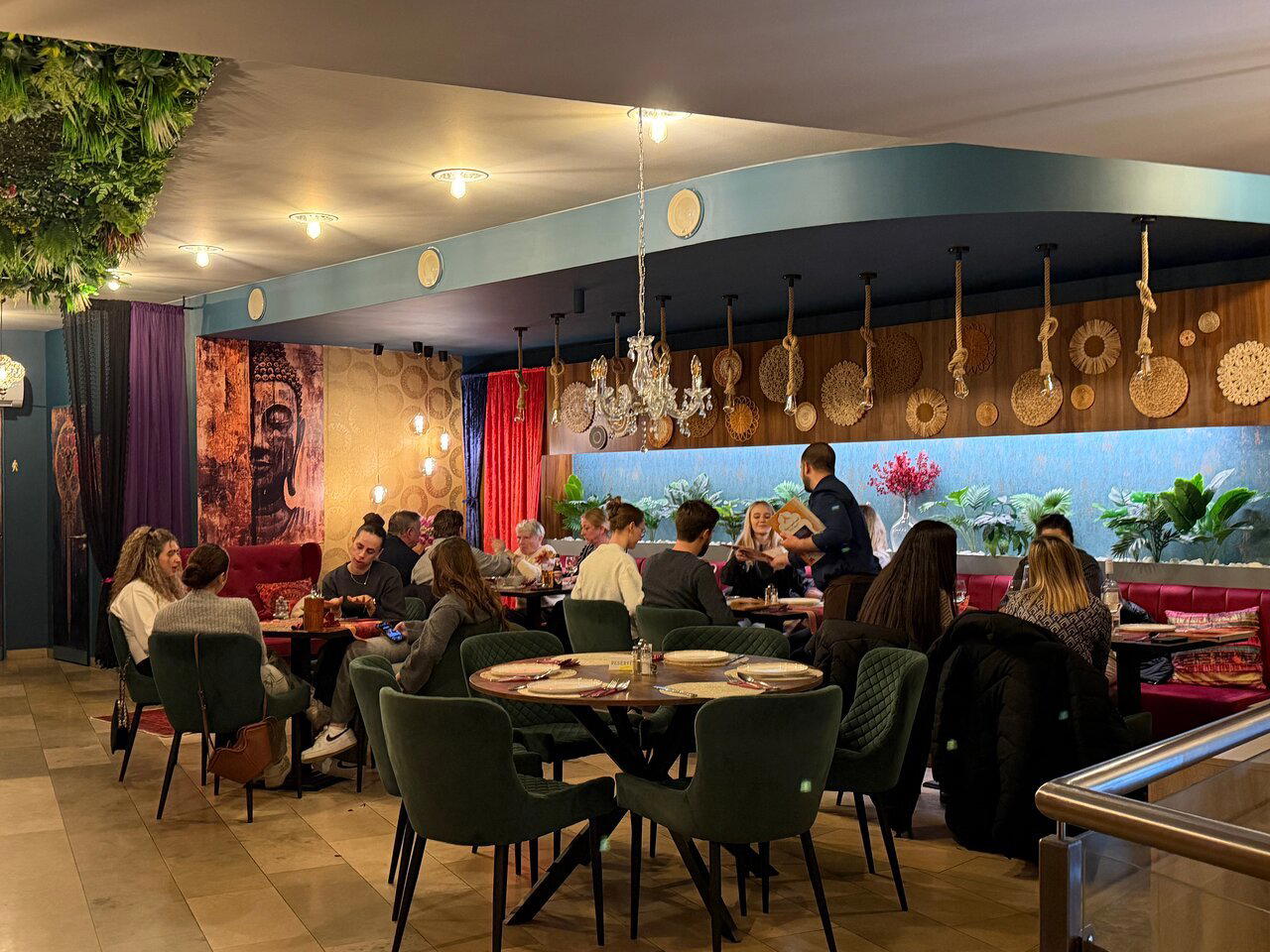
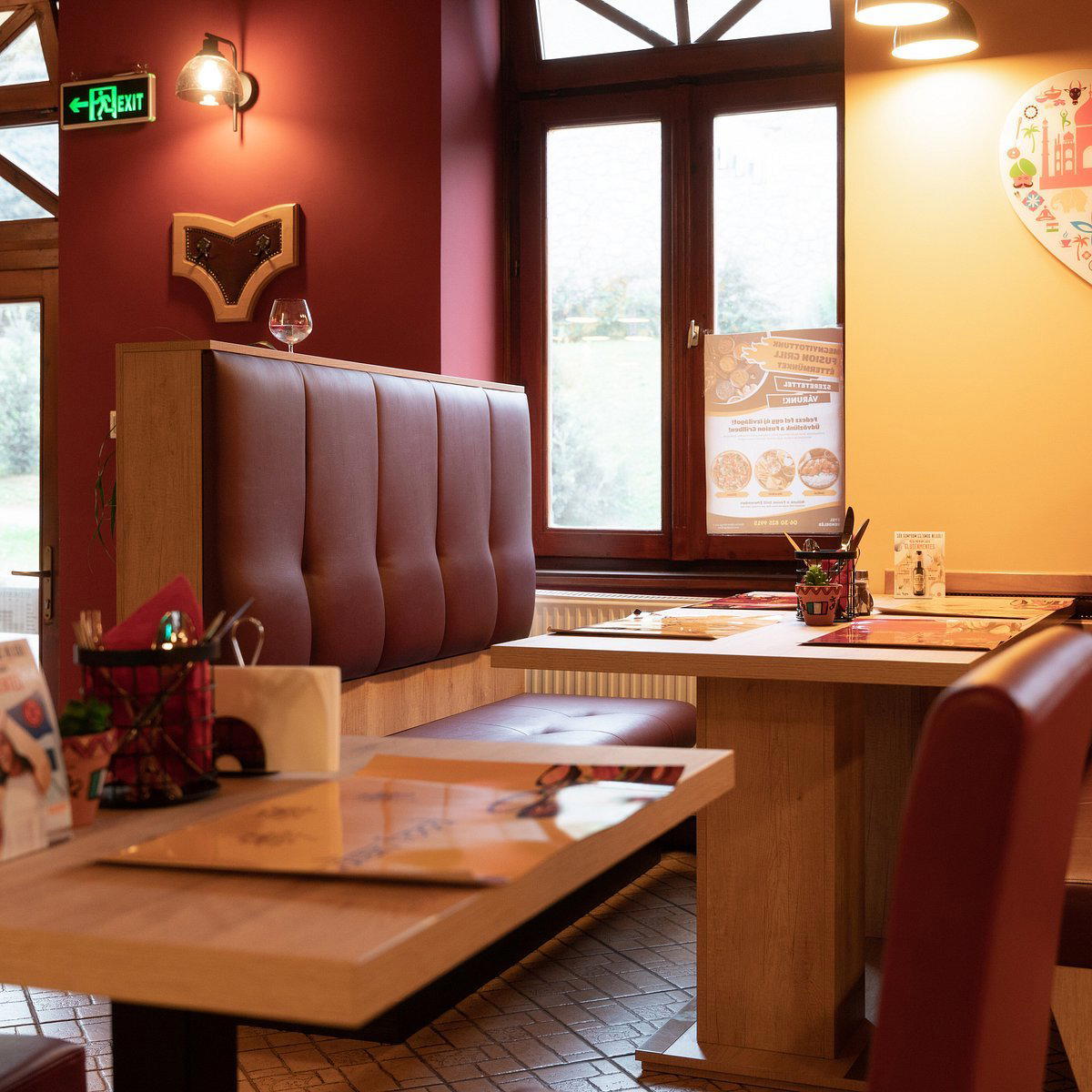
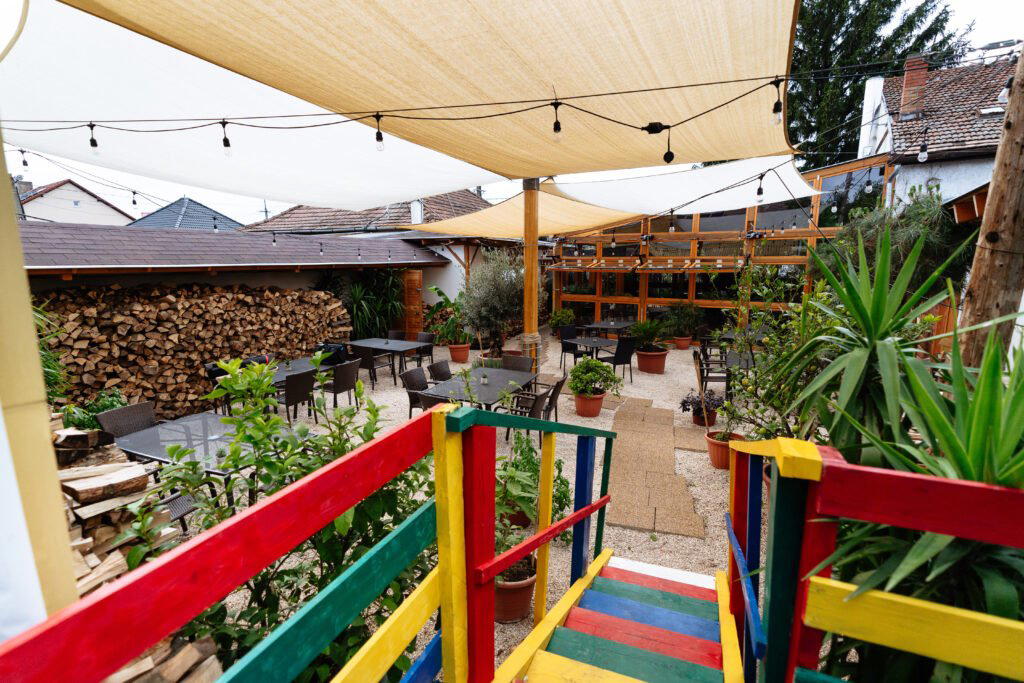
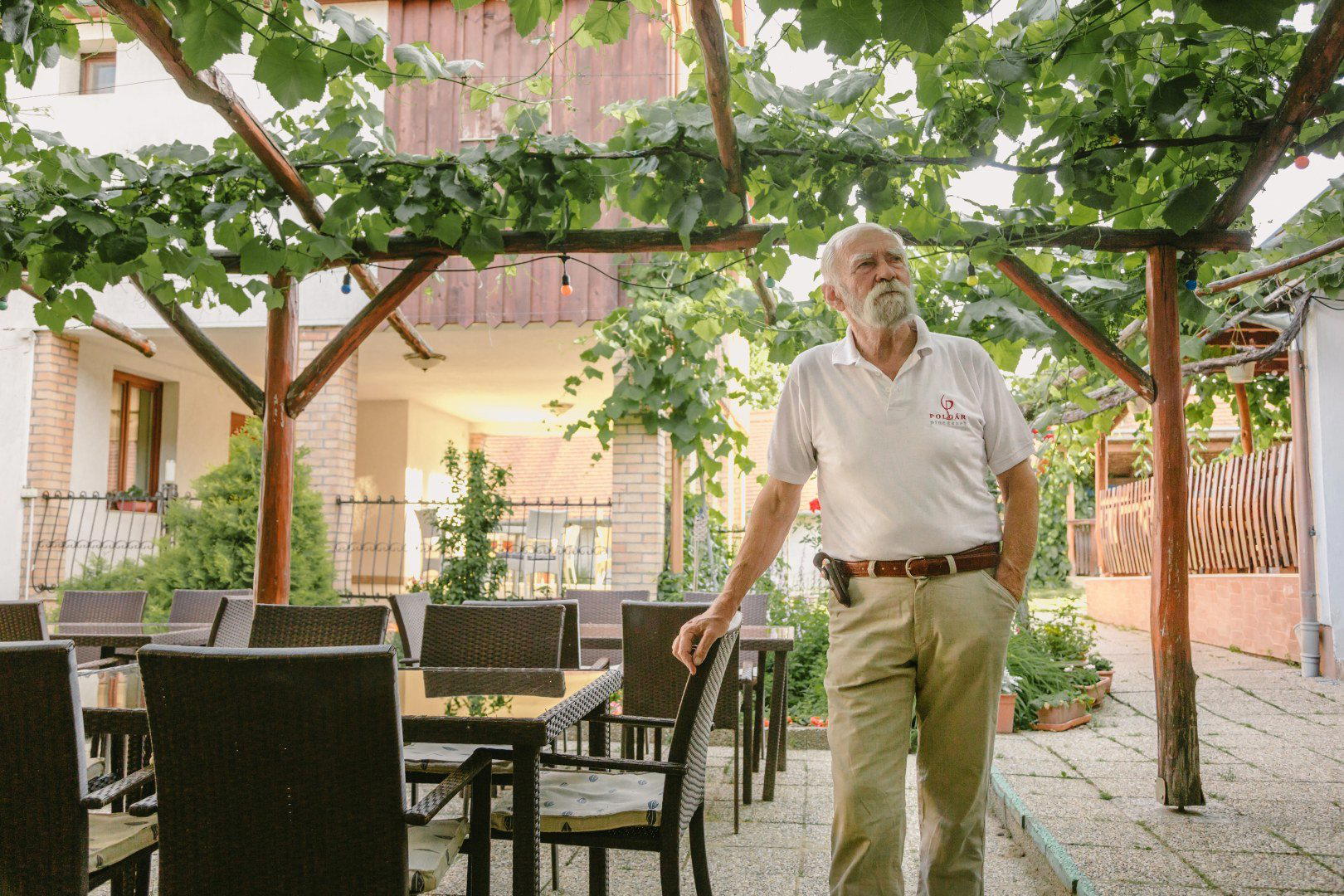
Spacious, stylishly decorated interior with warm Hungarian hospitality; terrace seating offers spectacular views overlooking the Zengő side of Pécs with natural lighting.