Varga Pincészet
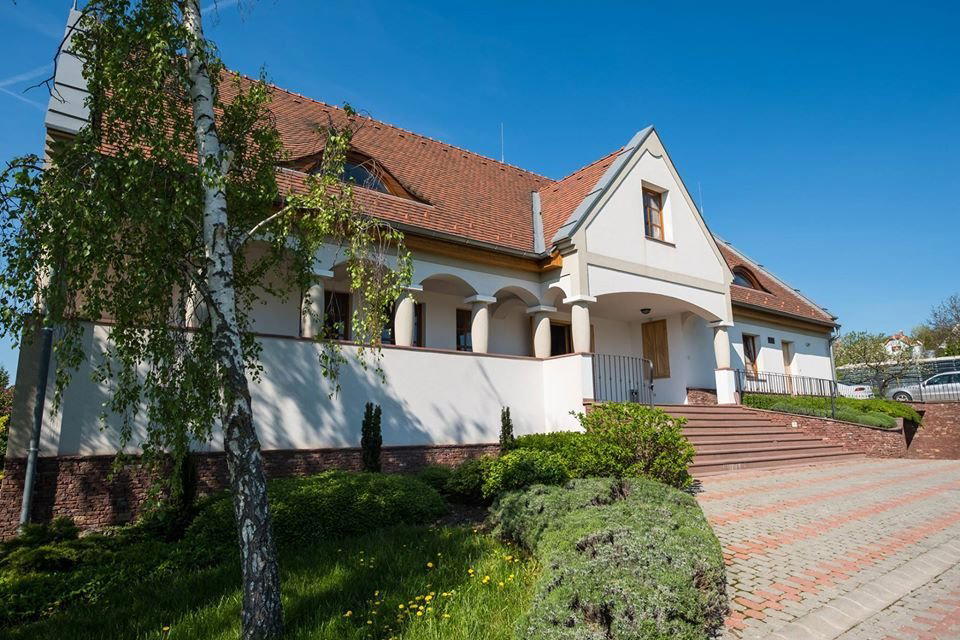
Varga Pincészet sits on Füredi út in Badacsonytomaj. The winery represents the recognition-tier that defines serious quality in Hungary's most geologically distinctive white wine zone, where Olaszrizling and Kéknyelű have shaped regional identity for centuries.

Pearl is the En Primeur Club membership app, where members save venues, book tables and use the concierge.
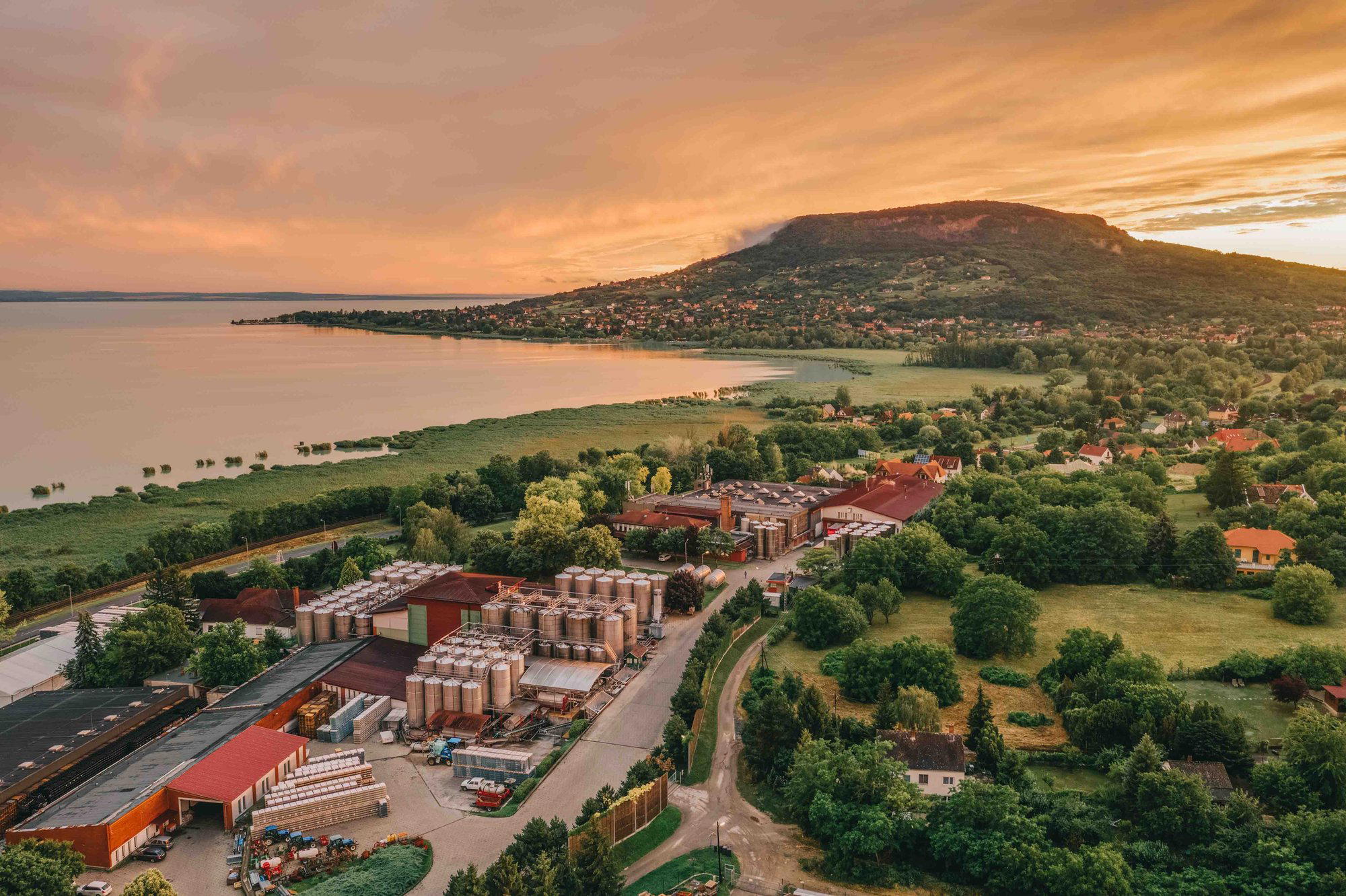
Volcanic Soil, Measured Ambition: Badacsony's Recognition Tier
The road along Badacsony's lower slopes carries a particular character in the late afternoon, when the light off Lake Balaton bleaches the basalt outcrops and the air holds the mineral coolness that drops from the hillside. Füredi út runs through this terrain, connecting producers who have built reputations on one of Central Europe's most geologically specific wine zones. Varga Pincészet, at number 49 on that road, sits within a cluster of estates where the primary argument is always the same: what does volcanic soil, worked seriously, actually taste like in the glass?
That question has defined Badacsonytomaj's competitive identity for decades. The hill's basalt-topped ridge forces vines into a fight for nutrients, producing wines with an austerity and mineral tension that warmer, richer Hungarian regions cannot replicate. Producers here are not making Egri Bikavér or Tokaji Aszú. They are working in a tradition built around white varieties, particularly Olaszrizling, Kéknyelű, and Szürkebarát, where the soil character carries more argumentative weight than fruit concentration alone.
Pearl-tier awards in the Hungarian wine recognition framework signal producers operating above regional baseline, where consistency across vintages and a house style that can be evaluated against peers both carry weight.
For context, this places Varga Pincészet in a peer group with other Badacsonytomaj producers who have moved beyond the tourist-cellar model that once dominated the hillside. Neighbours such as Laposa Estate, Szeremley Estate, and Villa Sandahl represent the category of Badacsony producer that has brought international visibility to what was previously a domestically consumed wine region.
Badacsony as a Winemaking Argument
To understand Varga Pincészet, you need to understand what Badacsony is arguing for in the broader Hungarian wine conversation. Hungary's prestige wine geography has long been dominated by Tokaj, where the classification system carries centuries of documented history. Producers such as Disznókő in Mezőzombor, Royal Tokaji in Mád, Tokaj Hétszőlő in Tokaj, and Tokaj Oremus in Tolcsva operate within a framework where Grand Cru vineyards and centuries of botrytis tradition form the primary reference points. Árvay Winery in Rátka works in the same appellation with comparable ambition.
Badacsony makes a different case entirely. The volcanic hill rising from the northern shore of Lake Balaton produces dry white wines from indigenous varieties, and the argument is geological rather than historical. Basalt retains heat through the night, extends ripening, and contributes a stony character that distinguishes these wines from those grown on the sandier or loamy soils of other Hungarian regions. Olaszrizling grown on Badacsony's slopes produces a different wine from Olaszrizling grown elsewhere in Hungary, and producers working serious terroir-focused programs use that difference as their primary commercial and critical claim.
Varga Pincészet operates within this tradition.
Beyond the Balaton corridor, Hungarian wine producers working for recognition outside their immediate region operate within a competitive set that rewards consistent quality and legible identity. Bock Winery in Villány and Bodri Winery in Szekszárd represent the southern red wine tradition, where Cabernet Franc and Kékfrankos carry the regional argument. Béres Winery in Erdőbénye and Babarczi Winery in Gyor extend the picture of producers outside Tokaj who have pursued recognition through technical consistency and varietal focus.
For comparison from outside Hungary entirely, the model of a region-specific producer earning recognition through geological specificity and varietal authenticity has close parallels internationally: Accendo Cellars in St. Helena and Aberlour in Aberlour each operate within tightly defined terroir arguments, where the producer's role is to clarify rather than transform what the land offers.
Visiting Badacsonytomaj: Practical Orientation
Badacsonytomaj sits on the northern shore of Lake Balaton, roughly two hours from Budapest by car via the M7 motorway, with rail connections running along the lakeshore. The town is compact, and Füredi út runs from the lower town up toward the hillside vineyards, making it a natural route for visitors moving between producers. The concentration of recognised estates on and around this road means that serious cellar visits to multiple producers in a single afternoon are logistically practical.
For those building a broader itinerary across the Badacsony appellation, the cluster of estates here, including the neighbours listed above, provides a comparative framework that individual cellar visits alone cannot. Tasting the same variety, Olaszrizling being the clearest example, across three or four producers in the same afternoon creates a reference point for understanding what the volcanic terroir contributes versus what each winemaker chooses to emphasise. Varga Pincészet's position on Füredi út places it naturally within that circuit.
Booking and access details for Varga Pincészet are not listed publicly at time of publication. Visitors planning a trip to the Badacsonytomaj wine region should confirm logistics directly and consult our full Badacsonytomaj restaurants and wineries guide for broader context on the area's producers, dining options, and seasonal considerations. The summer months, particularly July and August, bring significant tourist volume to the Balaton shore, and serious wine visits are generally more productive in the shoulder season of May, June, or September, when producers have more time and the harvest period adds operational texture.
In regions where geological specificity is the primary argument, as it is across Badacsony's basalt slopes, award recognition tends to follow producers who have stabilised their winemaking approach and are expressing consistent terroir character rather than experimenting with format. The 2025 rating suggests a producer operating within that more resolved phase, making it a relevant stop for visitors whose Balaton itinerary extends beyond the well-documented anchors of the region and into the producers building the next layer of recognition.
Cost and Credentials
Comparable venues nearby, for context on price, style, and recognition.
| Venue | Cuisine | Price | Awards | Notes |
|---|---|---|---|---|
| Varga PincészetThis venue (the venue you are viewing) | Badacsony, Olaszrizling, Kéknyelű | Not listed | Not listed | Not listed |
| Szeremley Estate | Badacsonytomaj, Kéknyelű, Budai Zöld | Not listed | Not listed | Not listed |
| Laposa Estate | Not listed | $20–30 | Not listed | Badacsonytomaj, Olaszrizling, Rajnai Rizling |
| Villa Sandahl | Badacsonytomaj, Riesling | $50–100 | Falstaff Winery - Listed | Not listed |
| Jásdi Winery | Csopak, Olaszrizling, Furmint | Not listed | Not listed | Not listed |
| Ikon Winery | Rádpuszta, Cabernet Franc, Merlot | Not listed | Not listed | Not listed |
Continue exploring
More in Badacsonytomaj
Wineries in Badacsonytomaj
All wineries in Badacsonytomaj →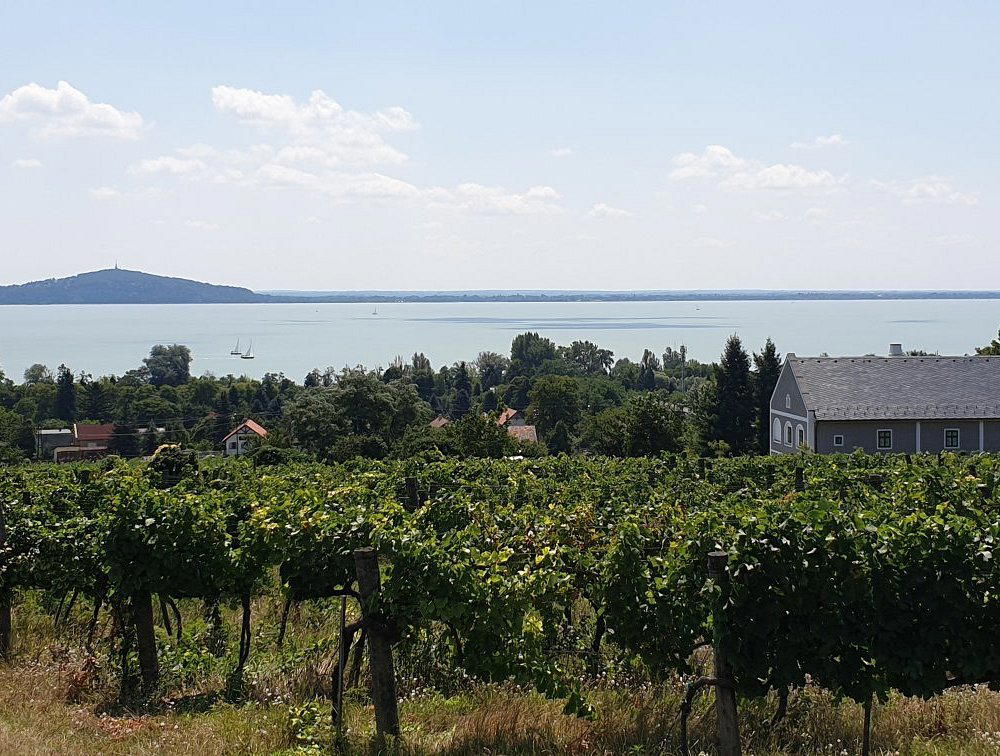


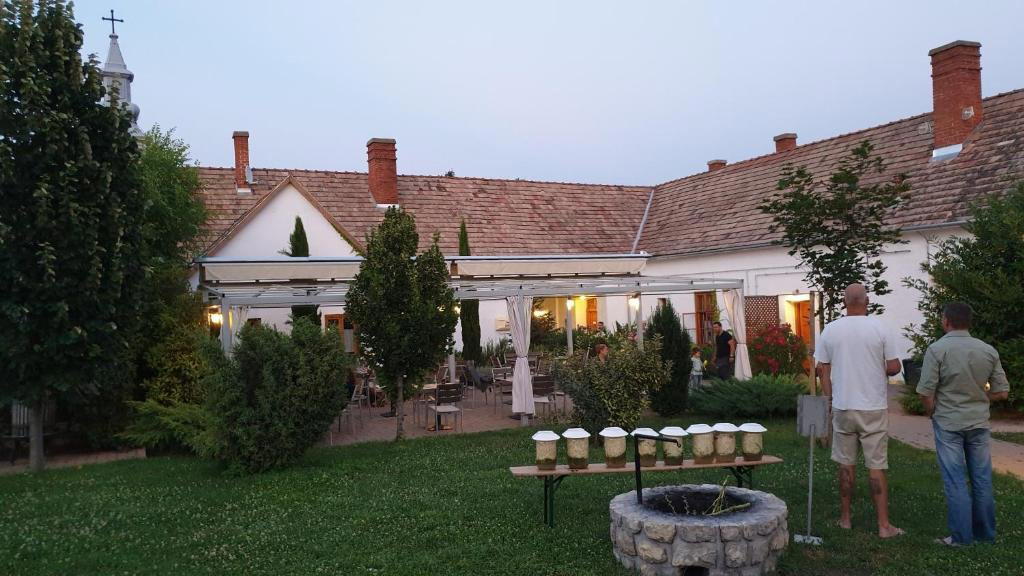
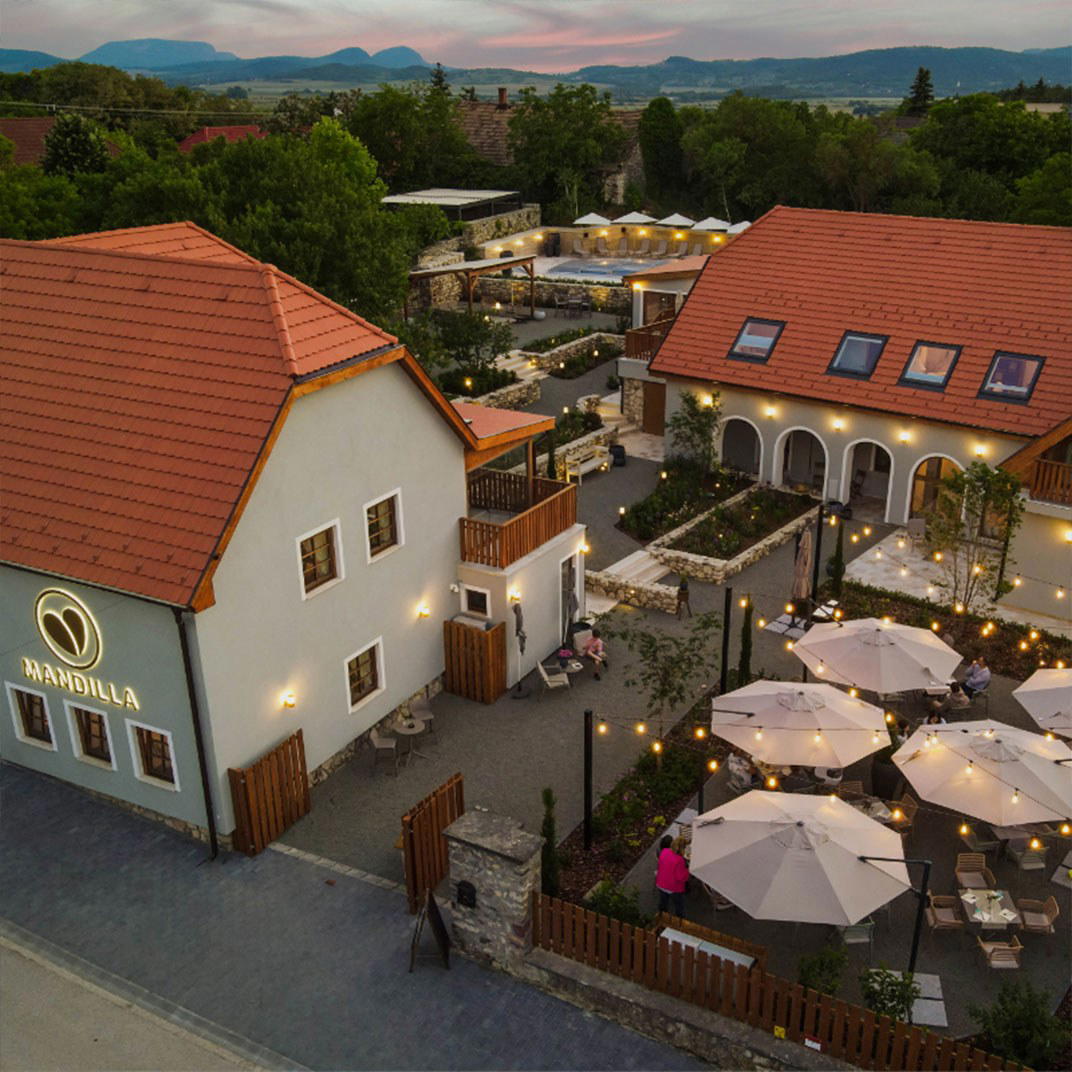
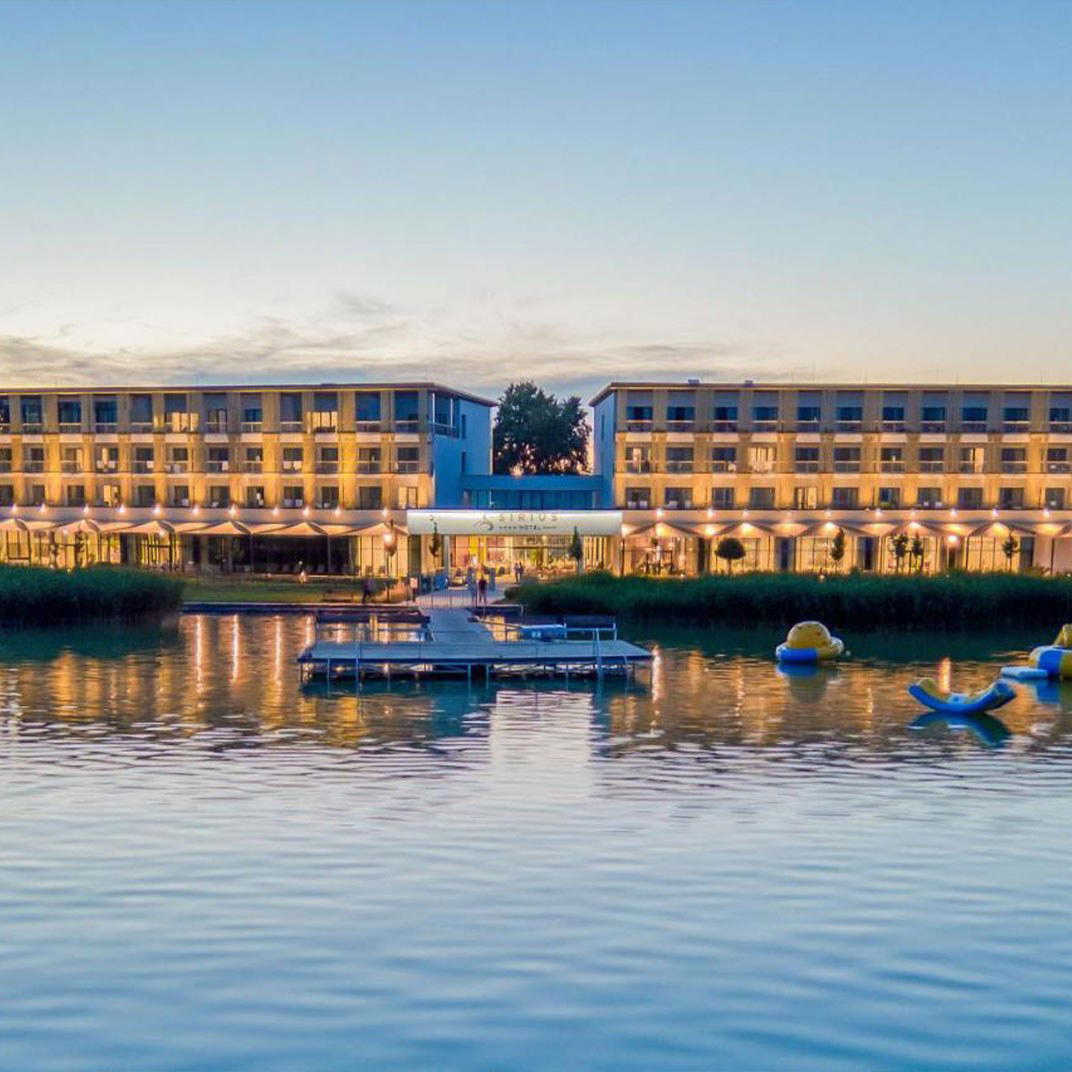
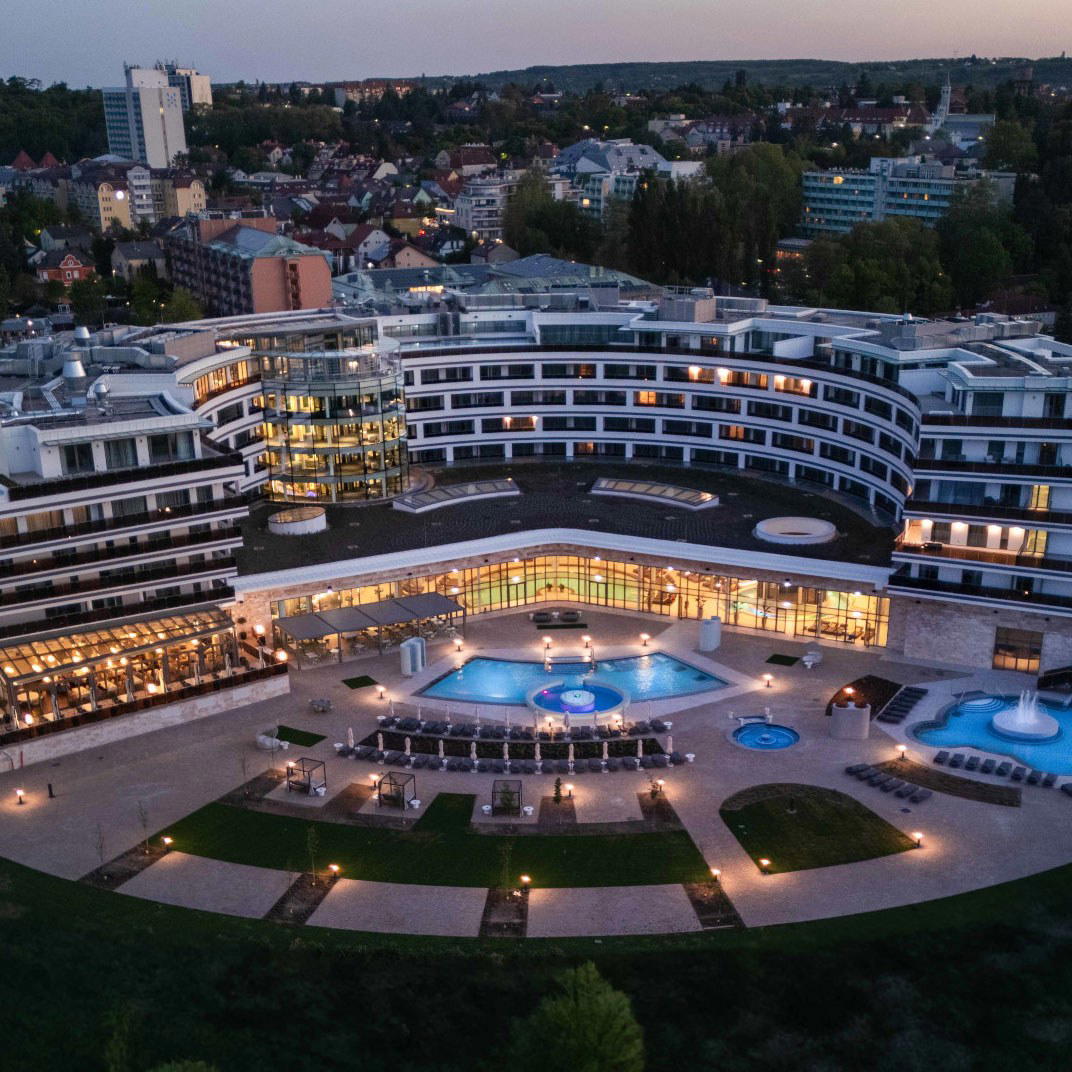
Details
- Rustic
- Scenic
- Cozy
- Wine Education
- Group Outing
- Vineyard Tour
- Vineyard
- Mountain
- Olaszrizling
- Kéknyelű
- Szürkebarát
- Pinot Gris
- Sauvignon Blanc
- Kékfrankos
- Cabernet Sauvignon
- Zweigelt
- Still White
- Still Red
- Guided Wine Tasting
- Hungarian
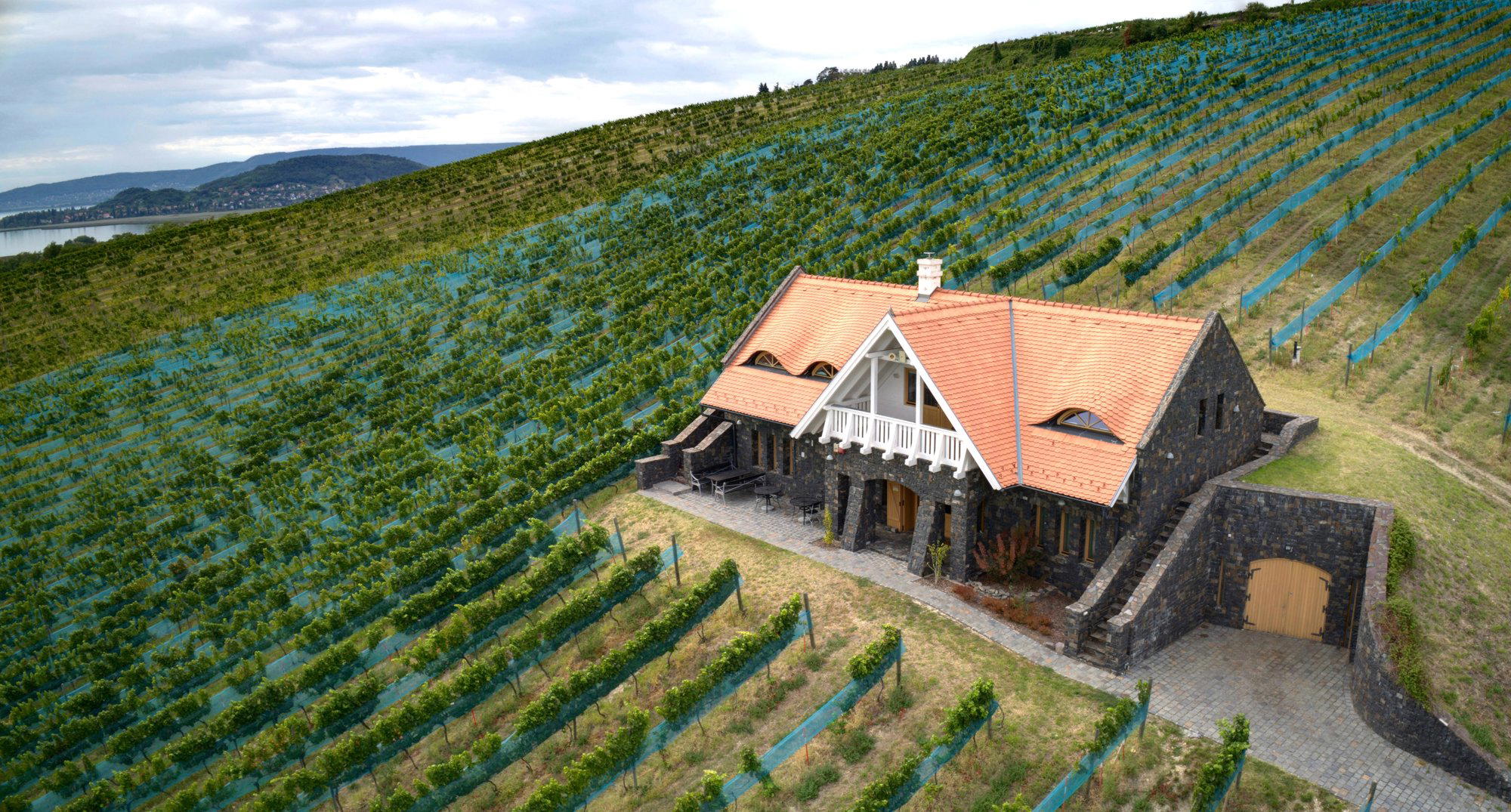
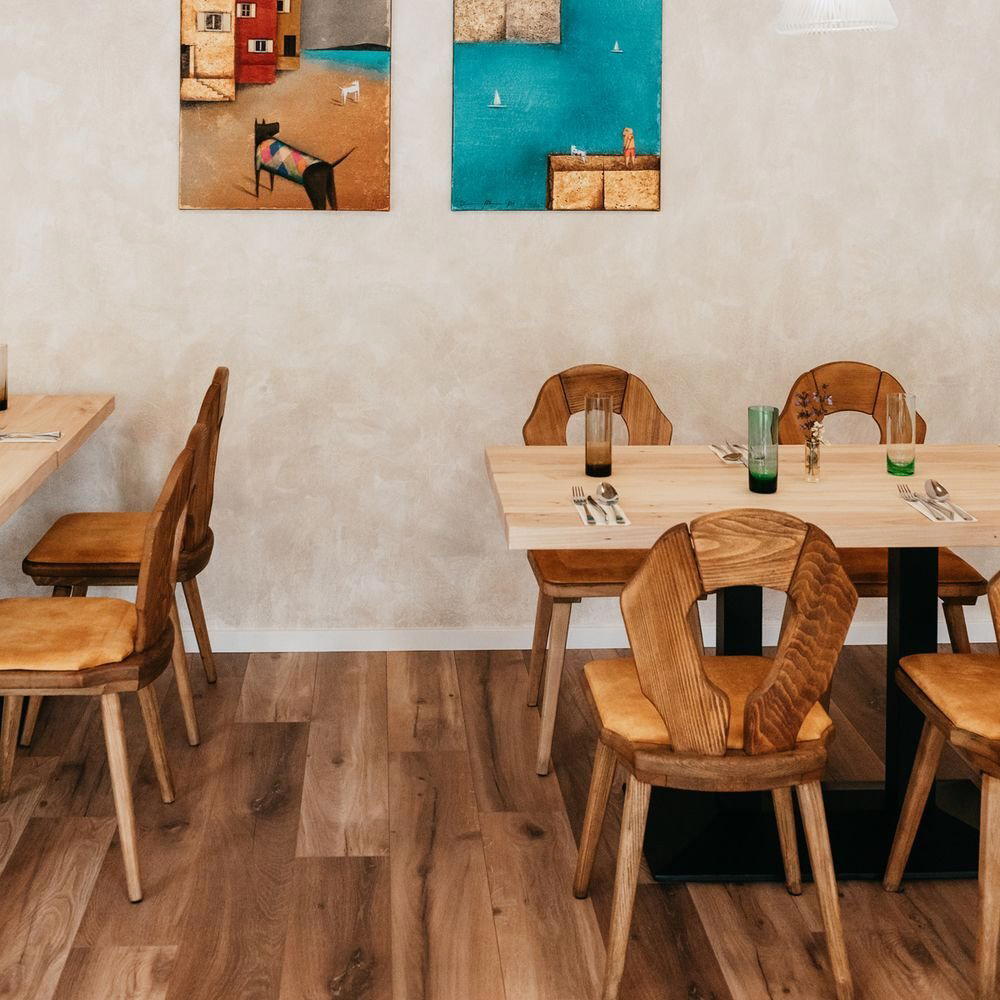
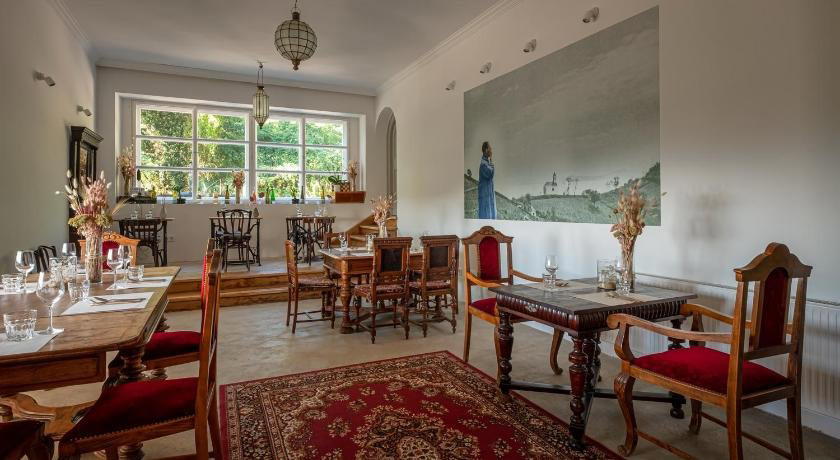
Cozy wine cellar with wooden barrels offering an intimate, traditional atmosphere.