Laposa Estate
The estate address in Badacsonytomaj puts it at the heart of Hungary's most geologically distinctive wine country, where basalt soils and a lake-moderated climate shape wines with a character rarely replicated elsewhere in Central Europe.
Pearl is the En Primeur Club membership app — saves, bookings, and concierge access live there. Same editors, same standards.
- Address
- Badacsonytomaj, Park u. 26, 8261
- Phone
- +36 20 777 7133
- Website
- laposa.hu
- Directions
- Get directions
 Saves & bookings on Pearl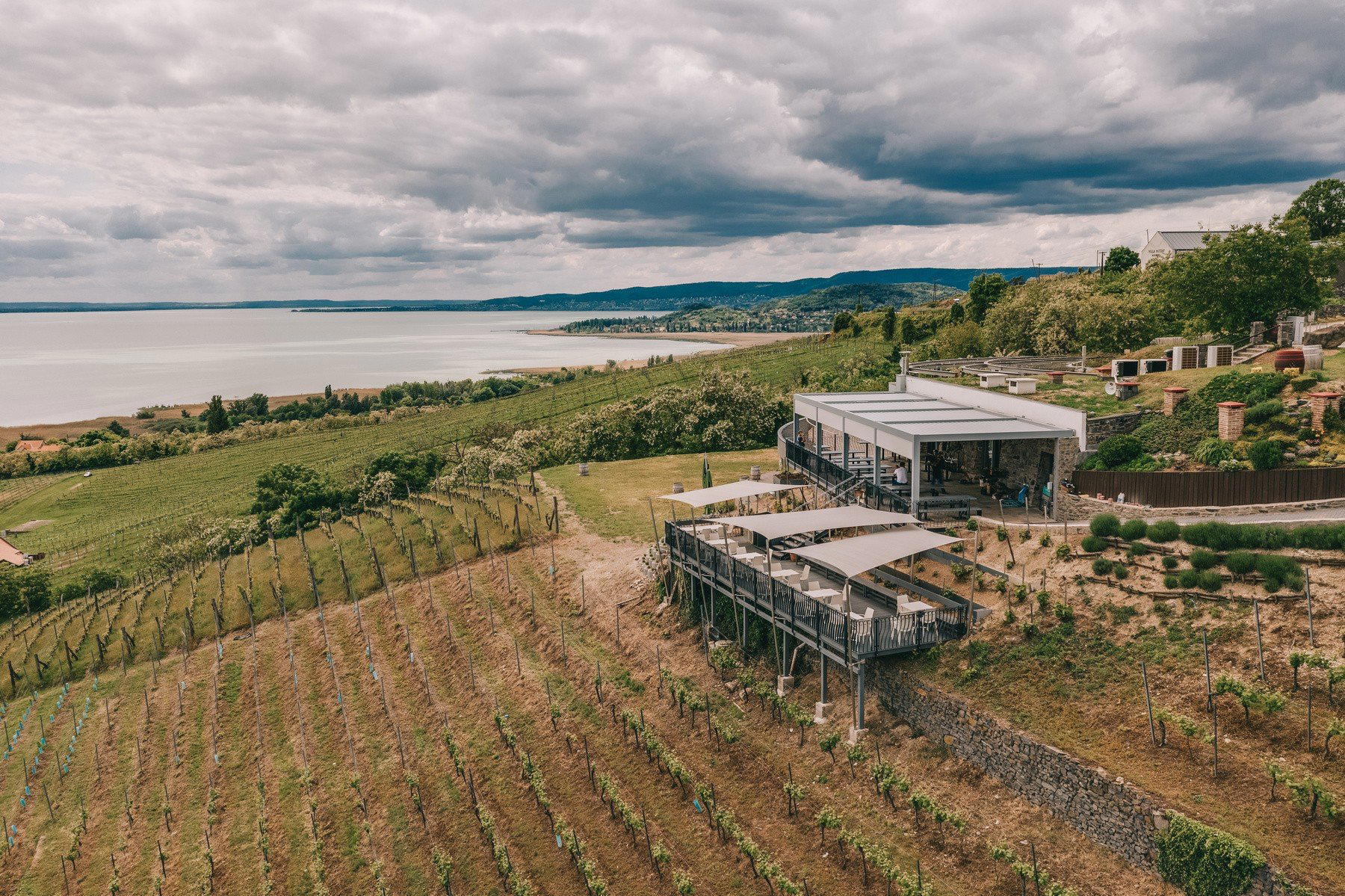
Basalt, Lake Light, and the Badacsony Gradient
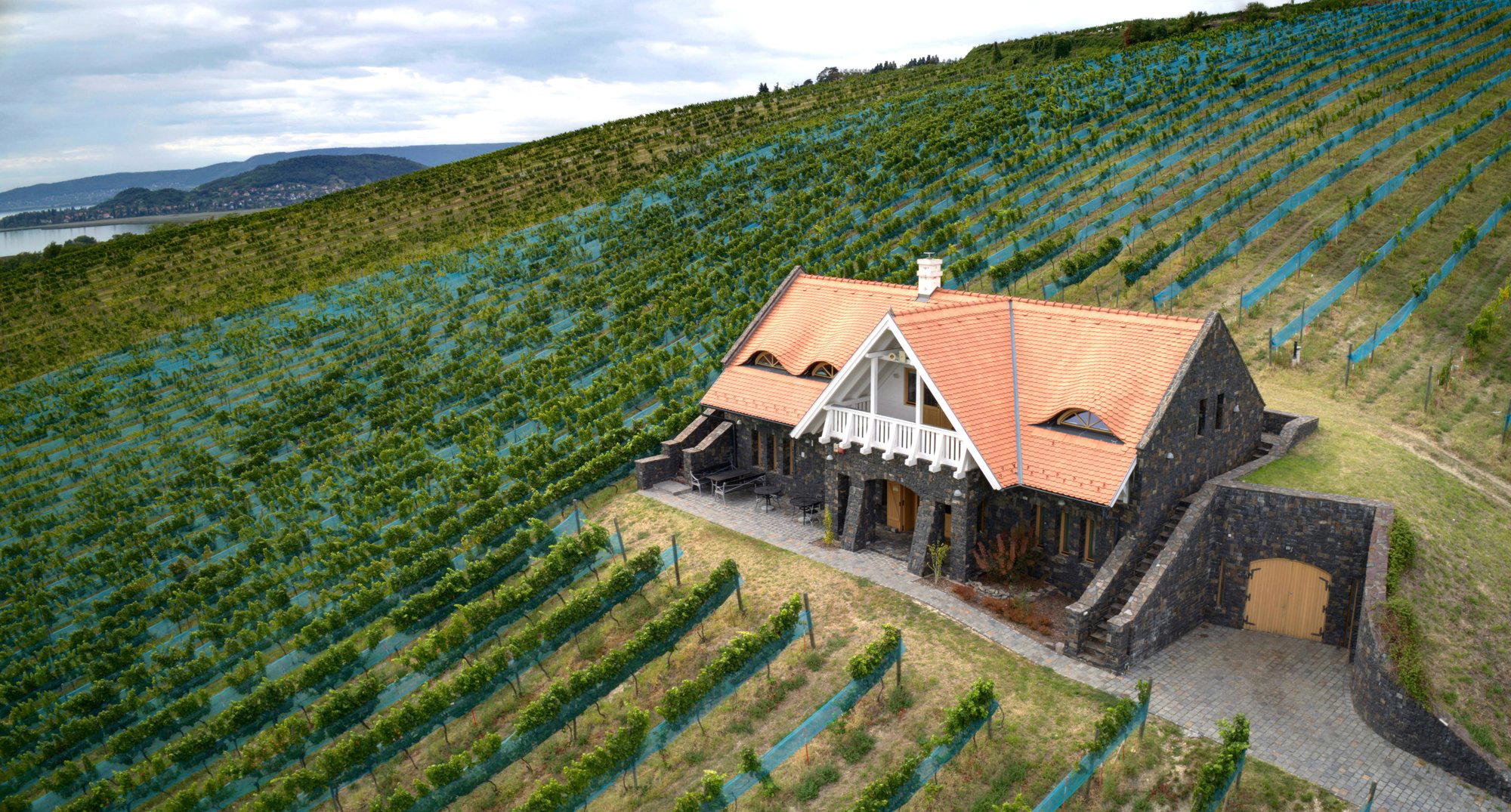
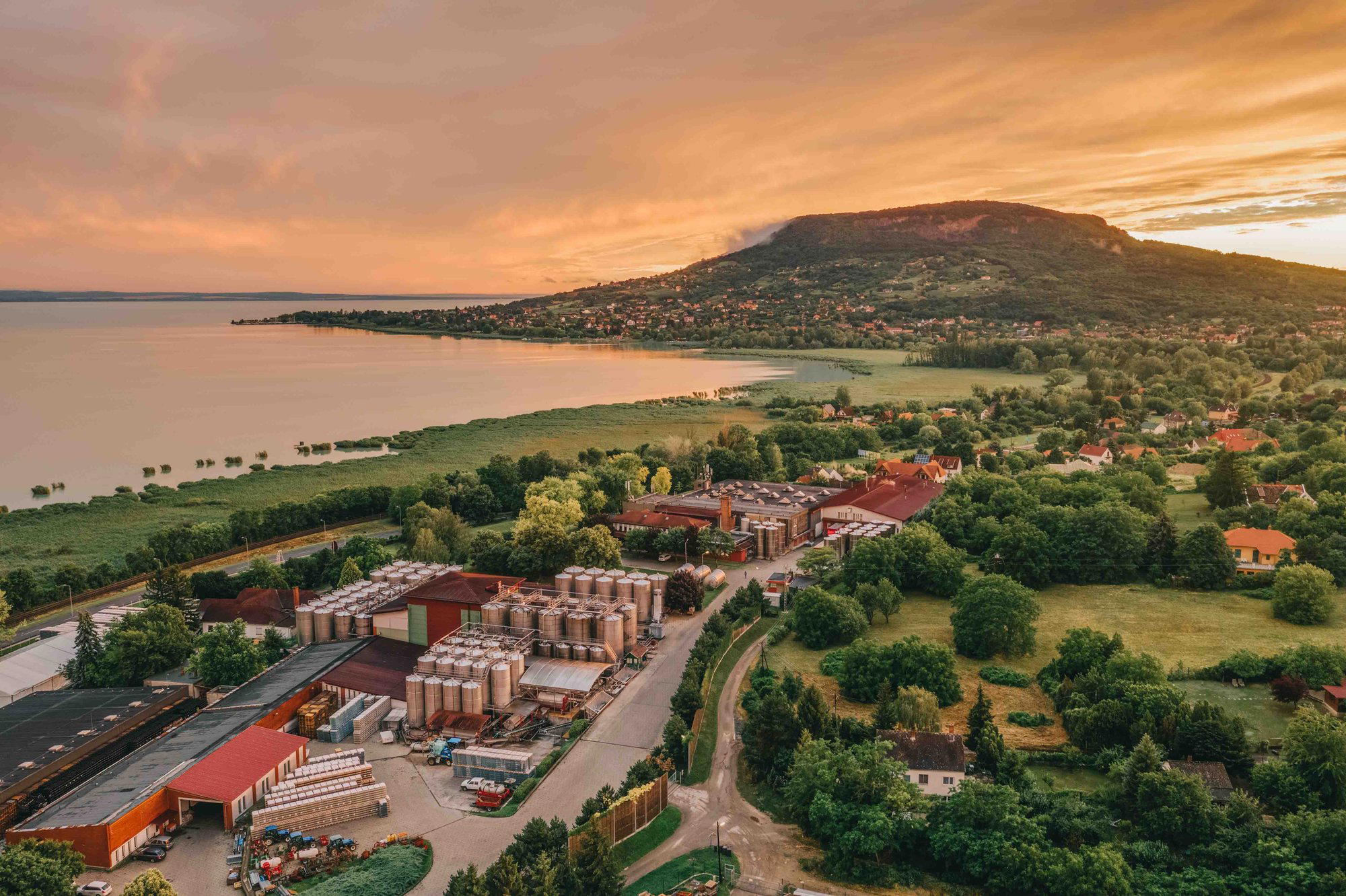
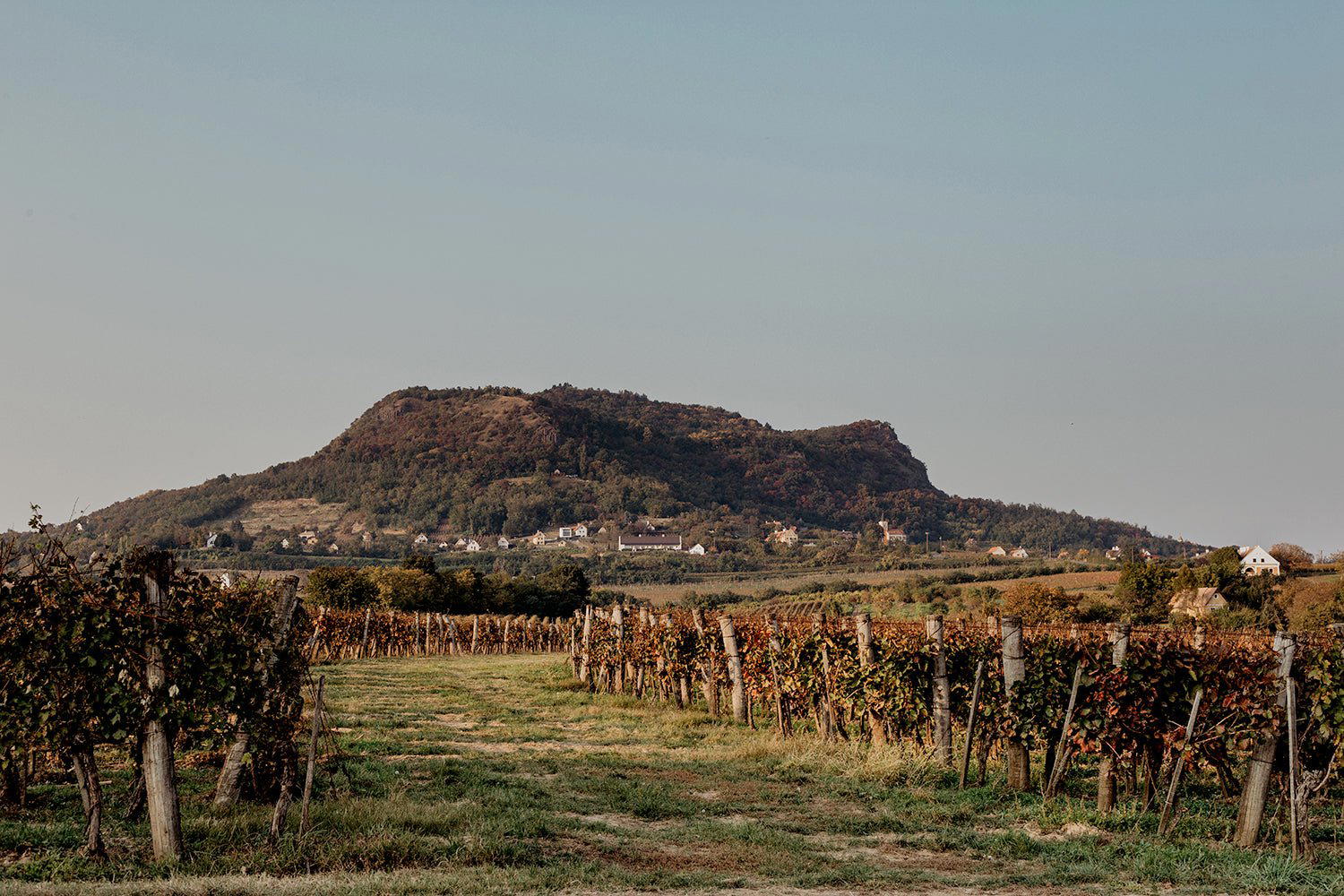
Approach Badacsonytomaj from the southern shore road and the hill dominates the view long before you reach it: a flat-topped basalt mesa rising sharply from the waterline, its terraced slopes catching afternoon light off Lake Balaton in a way that shifts the microclimate meaningfully from what you would find even ten kilometres inland. This is not decorative geography. The basalt bedrock retains daytime heat and releases it overnight, extending the growing season and pushing wines toward a mineral density that producers in Hungary's other major regions, the Eger valley, the loess-heavy soils around Villány, or the volcanic tuff of Tokaj, simply cannot replicate.
What Basalt Actually Does to a Wine
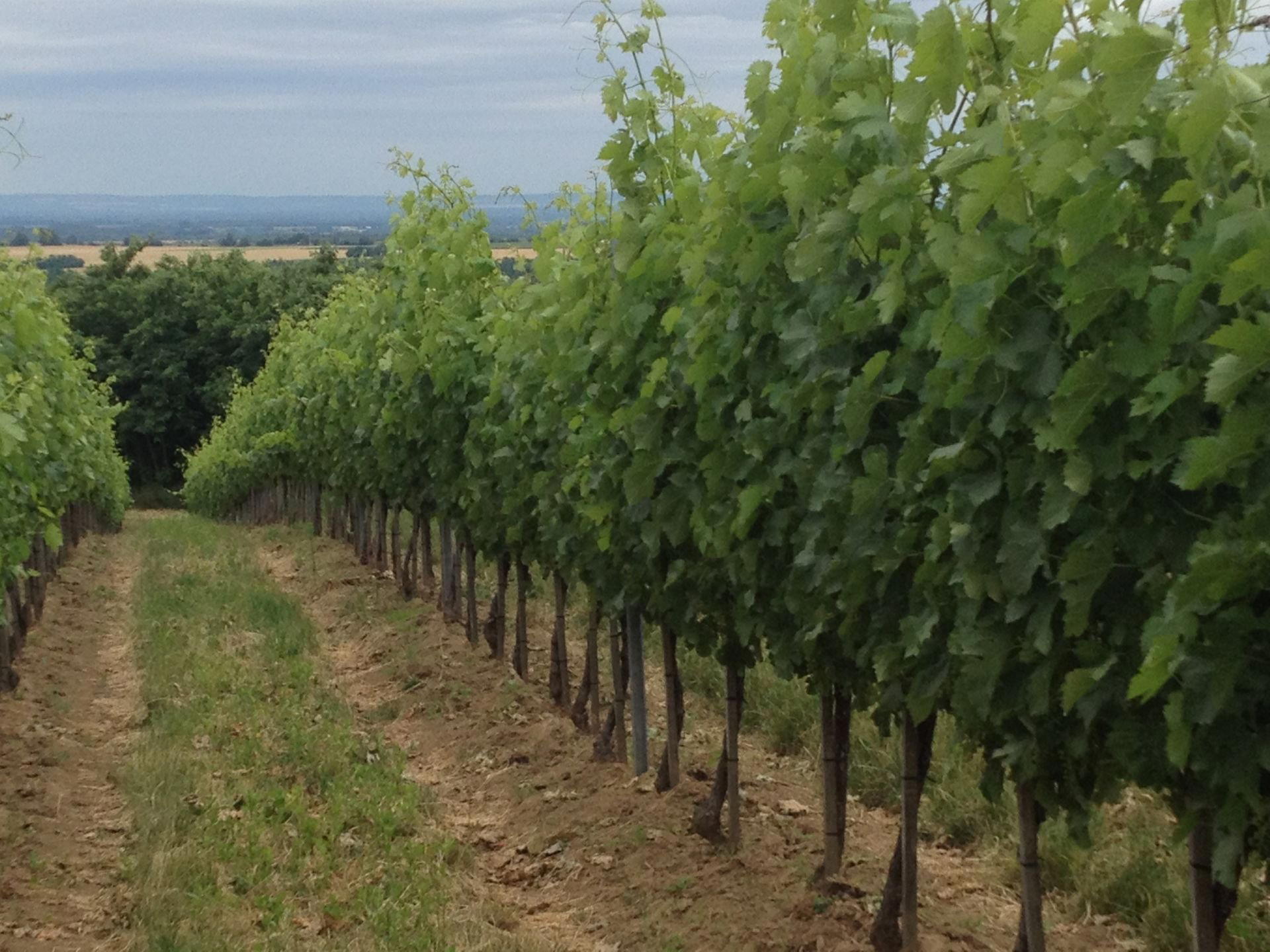
The editorial case for Badacsony is essentially a geology argument. Basalt-derived soils drain quickly, force vine roots deep, and contribute a characteristic stony tension to white wines that distinguishes them from the rounder, fruit-forward profiles typical of sandy or loam-heavy Hungarian appellations. The region's flagship grape, Olaszrizling, known as Welschriesling outside Hungary, expresses this terroir with unusual clarity: high natural acidity, pronounced saline minerality, and a capacity for bottle age that surprises visitors expecting soft, early-drinking whites. Kéknyelű, a near-extinct variety grown almost exclusively on these slopes, adds a separate dimension, with textural weight and aromatic complexity that reflect the altitude and volcanic origin of the site more directly than almost any other local variety.
The lake plays an equally concrete role. Balaton is Central Europe's largest freshwater lake, and its thermal mass moderates both frost risk in spring and heat accumulation in late summer. The reflected light from the water surface increases the effective light exposure on the lower terraces, contributing to phenolic development without the alcohol escalation common in continental growing zones without such a natural regulator. Producers along this northern shore consistently work with this dynamic in their harvest timing decisions, and the resulting wines carry a freshness that distinguishes them from inland Hungarian whites of comparable weight.
Laposa in the Badacsony comparable set
Regional producer community in Badacsonytomaj includes a range of scale and ambition. Szeremley Estate has operated as one of the longer-established names on the hill, with both white and red programs. Varga Pincészet represents the mid-tier family winery model, while Villa Sandahl has attracted attention for a more design-conscious positioning.
Comparing across Hungarian wine regions more broadly, the Badacsony producers operate in a niche that is geographically constrained by design: the usable south-facing basalt slope is finite, and particularly sought-after parcels do not expand. This scarcity logic distinguishes the region from the more commercially scalable Tokaj appellation, where estates like Disznókő in Mezőzombor, Royal Tokaji in Mád, Tokaj Hétszőlő in Tokaj, Tokaj Oremus in Tolcsva, and Árvay Winery in Rátka each work at different scales with more flexibility on volume. Badacsony's producers, by contrast, are permanently land-limited, which concentrates quality incentives and keeps the regional identity tightly defined.
Babarczi Winery in Győr, Béres Winery in Erdőbénye, Bock Winery in Villány, and Bodri Winery in Szekszárd illustrate how Hungarian wine diversity spans dramatically different soil types, grape varieties, and stylistic traditions. Badacsony sits at the more mineralic, terroir-expressive end of that spectrum.
Planning a Visit to Badacsonytomaj
Badacsonytomaj is reachable by rail from Budapest's Déli station on the Balaton north shore line, with journey times typically between two and two and a half hours depending on the service. The town sits roughly midpoint along the northern shore, making it accessible as a day trip from Budapest but better experienced with at least one overnight stay, given how much the atmosphere shifts after day-trippers depart. The peak visiting period runs from late June through early September, when the lakeside infrastructure is fully operational and the wine harvest preparations begin in late August. Shoulder season, particularly September and October during and after harvest, offers a different register: fewer visitors, more direct engagement with producers, and the visual drama of the vines turning on the basalt terraces. Laposa Estate's address at Park utca 26 is in the town proper, accessible on foot from the main waterfront area.
For broader orientation to the Badacsonytomaj producer scene and practical planning, the Scotch whisky tradition at Aberlour in Aberlour and the Napa Valley precision of Accendo Cellars in St. Helena illustrate how site-specific production logic operates across different climates and traditions, the underlying argument about place expressing itself through the liquid is the same.
A Quick Peer Check
Comparable venues nearby, for context on price, style, and recognition.
| Venue | Cuisine | Price | Notes |
|---|---|---|---|
| Laposa EstateThis venue — the venue you are viewing | Olaszrizling, Rajnai Rizling | $$ | Not listed |
| Varga Pincészet | Olaszrizling, Kéknyelű | $$ | Badacsony |
| Szeremley Estate | Kéknyelű, Budai Zöld | $$ | Badacsonytomaj |
| Villa Sandahl | Riesling | $$$ | Badacsonytomaj |
| Gálné Dignisz Éva Winery | Winery | Not listed | Felsőlajos |
| Malatinszky Winery | Cabernet Franc, Cabernet Sauvignon | $$ | Villány |
Continue exploring
More in Badacsonytomaj
Wineries in Badacsonytomaj
Browse all →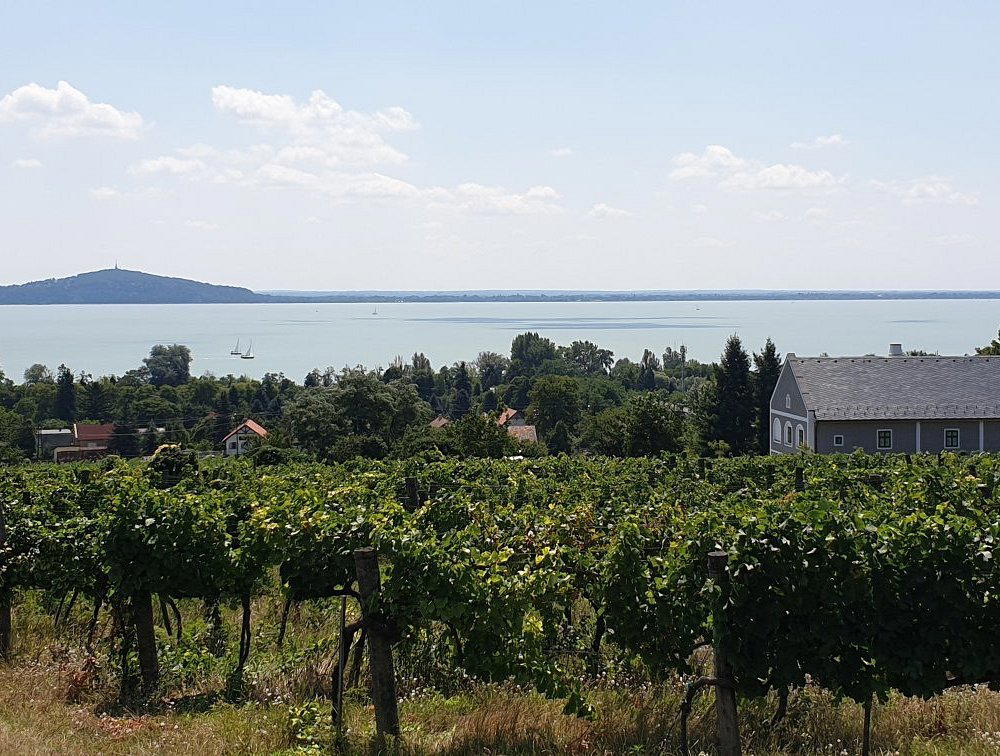
Restaurants in Badacsonytomaj
Browse all →
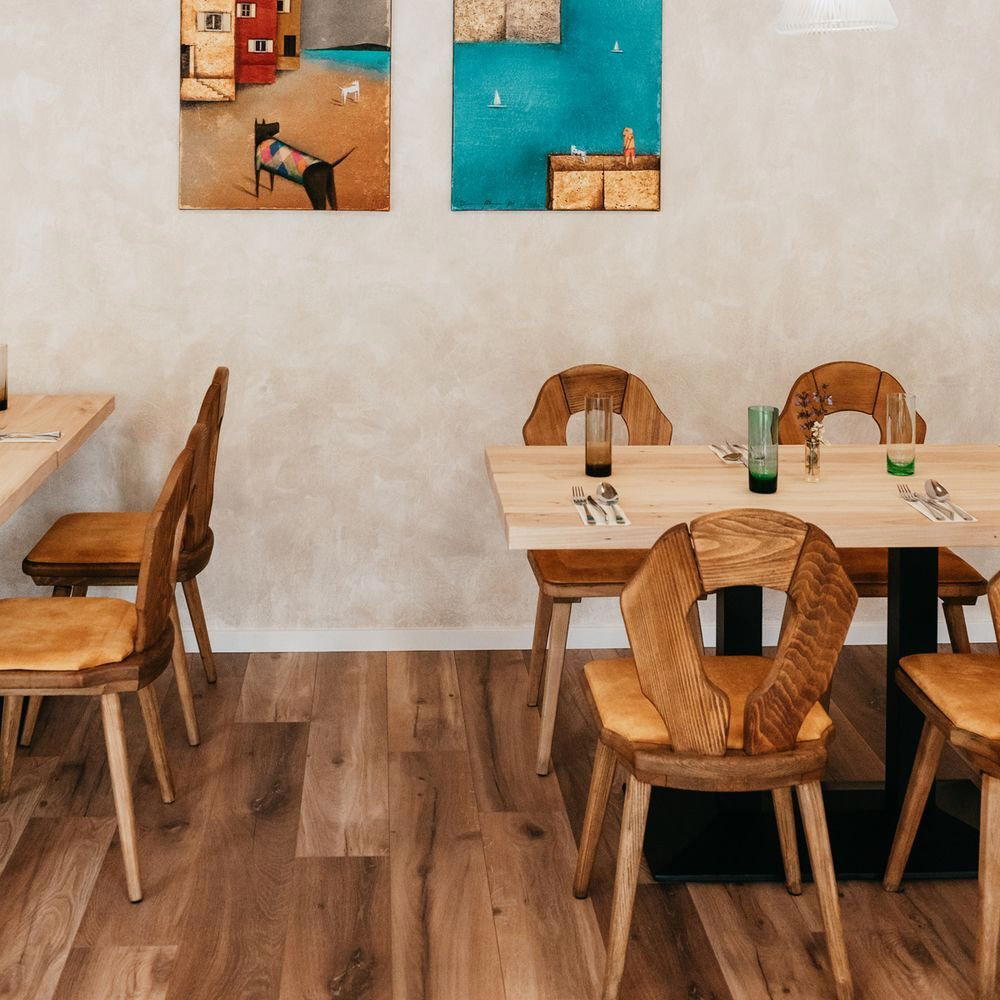
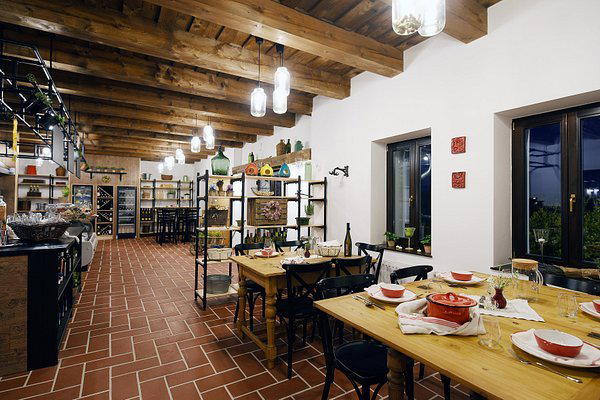
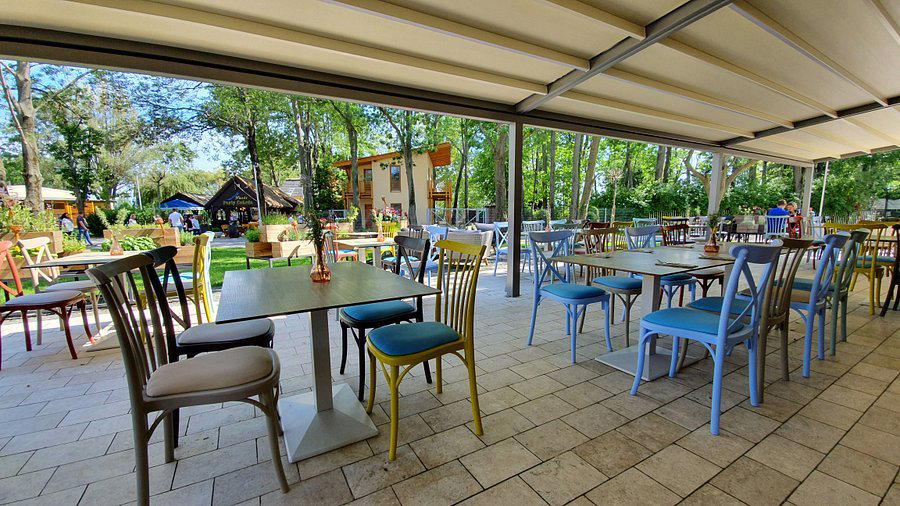
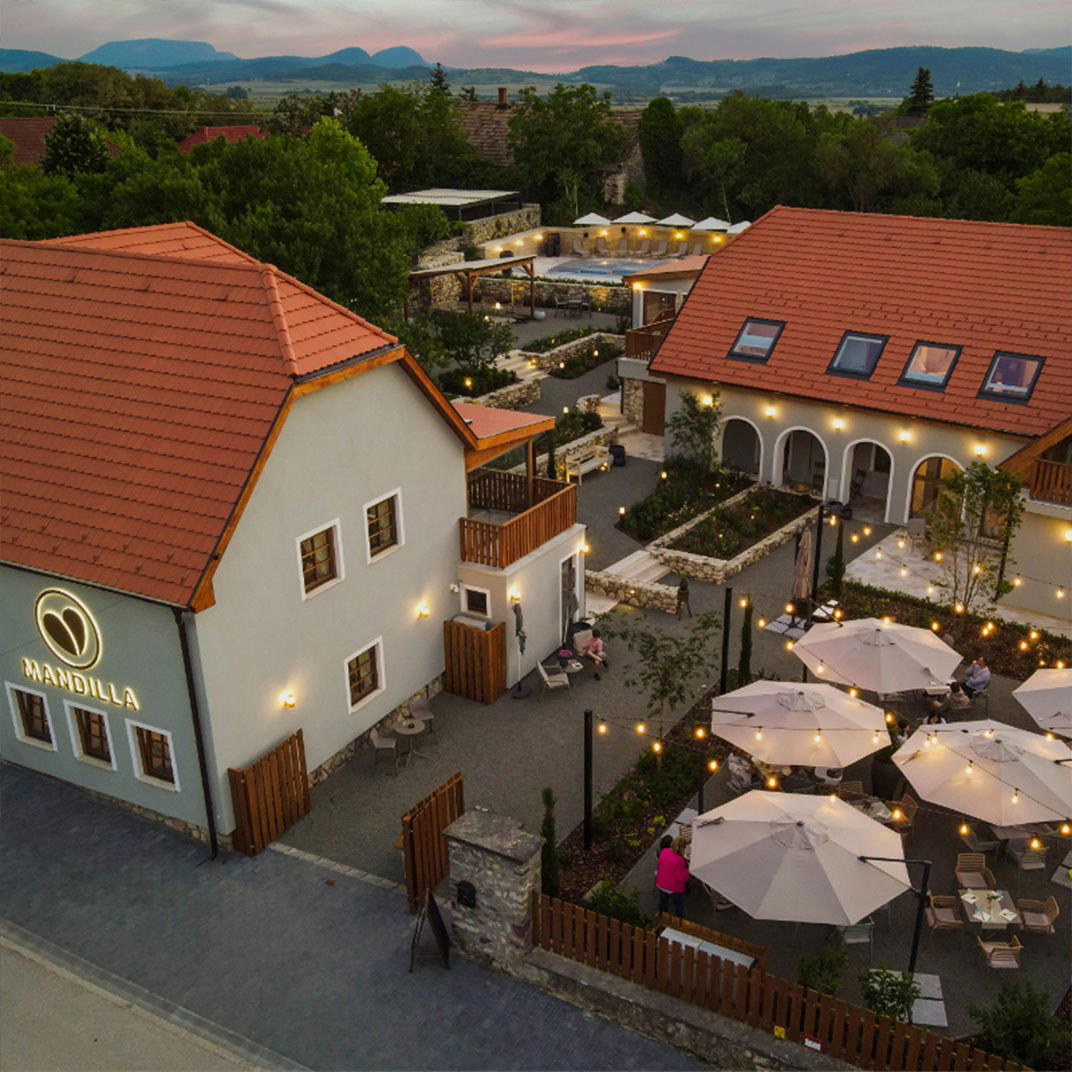
At a Glance
- Scenic
- Rustic
- Cozy
- Romantic
- Romantic Getaway
- Group Outing
- Wine Education
- Terrace
- Panoramic View
- Estate Grounds
- Sustainable
- Vineyard
- Badacsony
- Olaszrizling
- Rajnai Rizling
- Szürkebarát
- Kéknyelű
- Furmint
- Juhfark
- Still White
- Still Rosé
- Terrace Tasting
- Guided Tasting
Far-reaching terrace vistas by day, cozy heated interiors in winter, lively community atmosphere with sunsets and local flavors.