
Michelin Plate
Our verdict
In the heart of Köveskál, a small village at the edge of the Balaton Uplands, Kővirág occupies a position that says something about how rural Hungarian dining has shifted in recent years. The village's growing reputation as a slow-travel destination has drawn kitchens that take local sourcing seriously, and Kővirág sits squarely within that current. An address for those already exploring the Káli Basin's wine country and farm culture.

Pearl is the En Primeur Club membership app — saves, bookings, and concierge access live there. Same editors, same standards.
- Address
- Köveskál, Fő u. 25, 8274 Hungary
- Phone
- +36 30 459 5323
- Hours
- Mon ClosedTue–Thu 12–8 PMFri 12–9 PMSat 10 AM–9 PMSun 10 AM–6 PM
- Website
- mia-ko.hu
- Directions
- Get directions
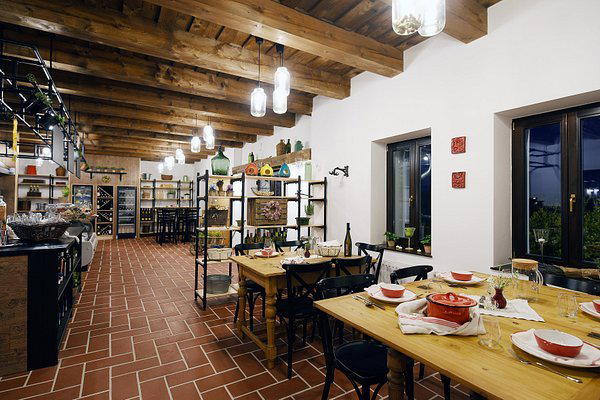
Where the Káli Basin Sets the Table
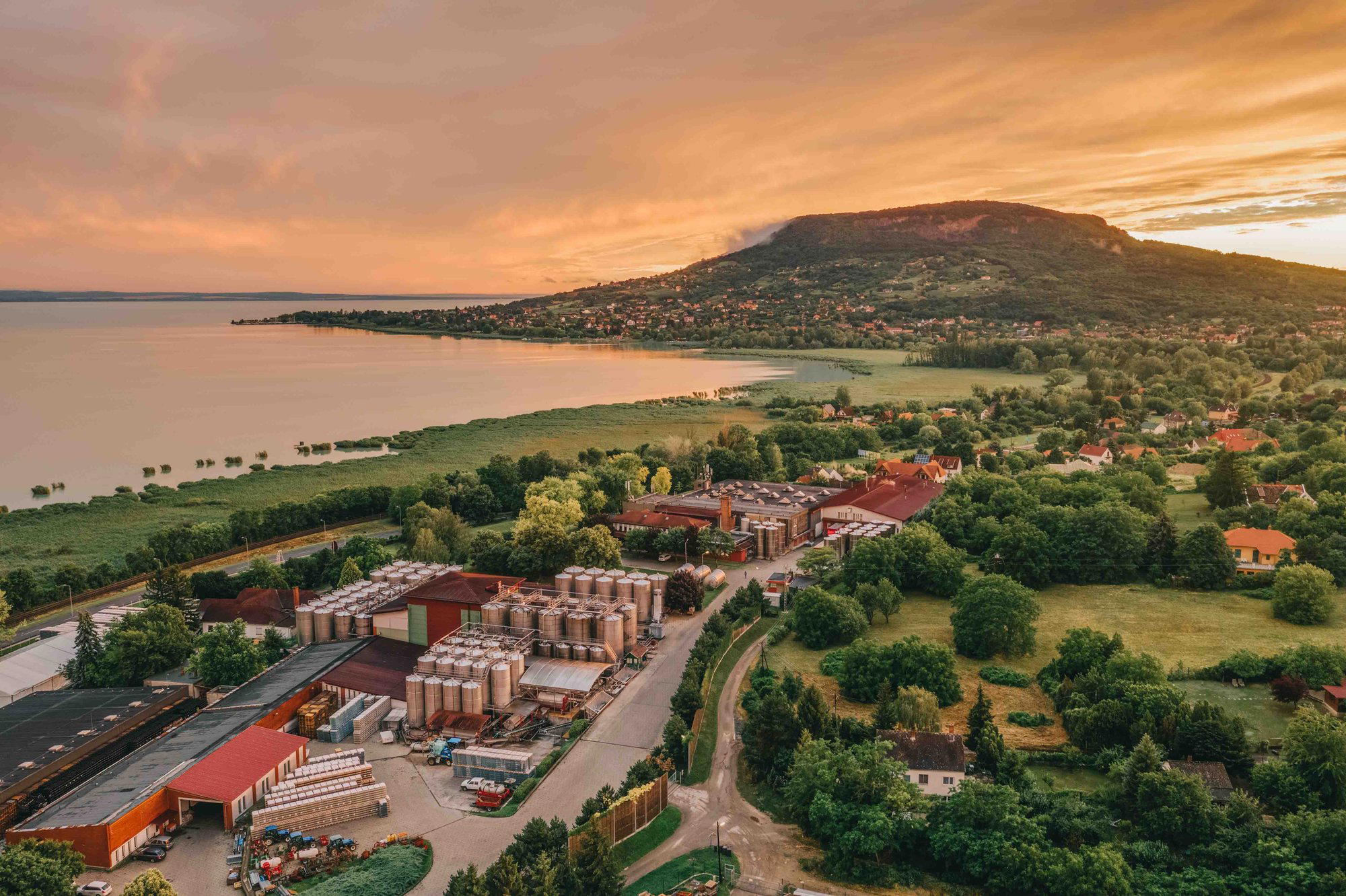
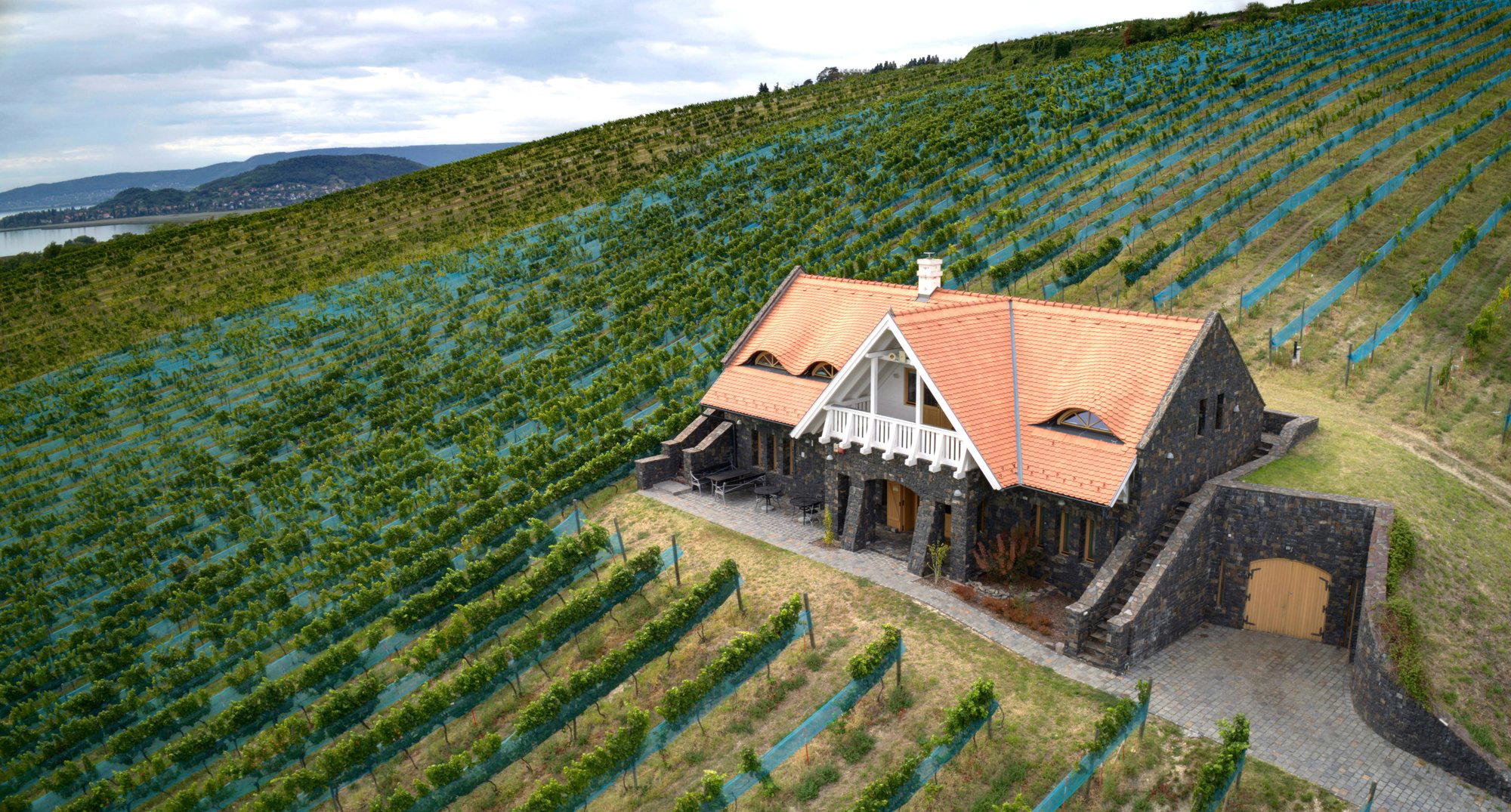
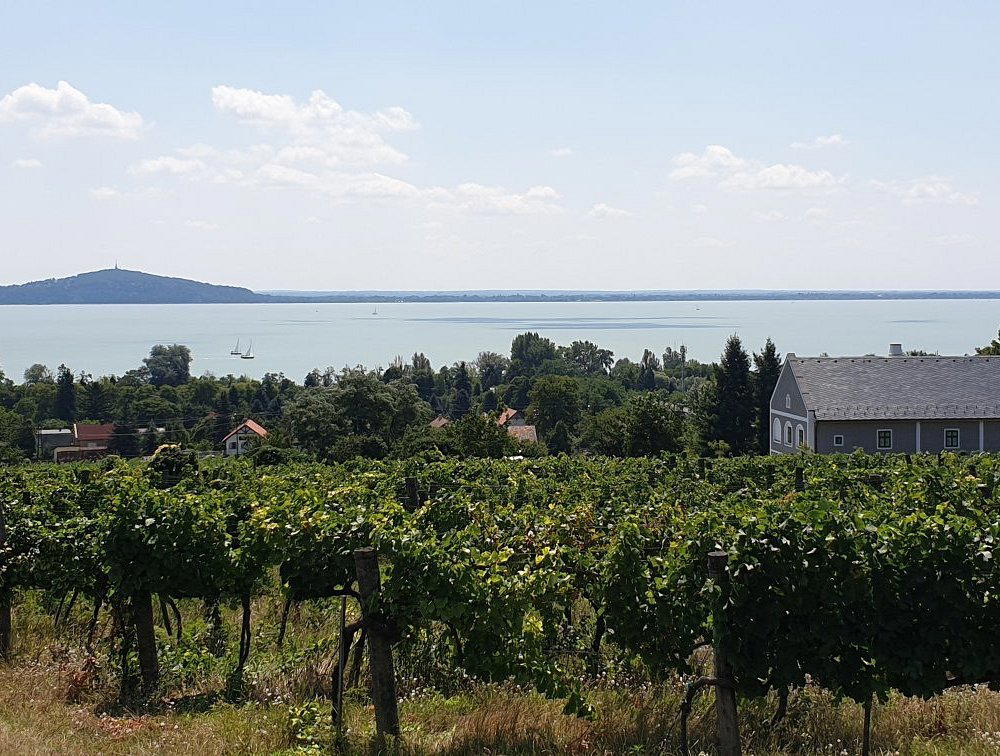
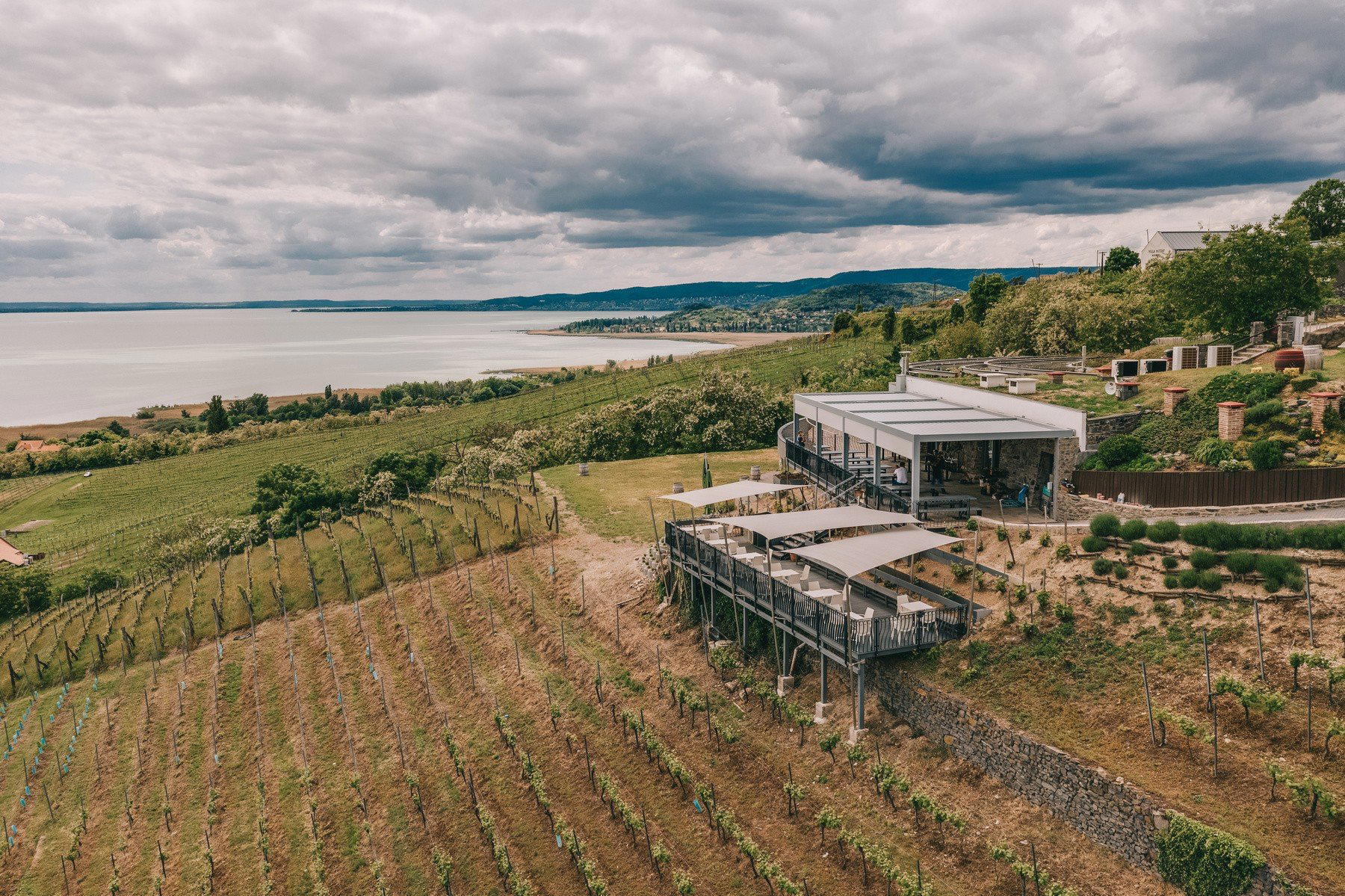
Köveskál is not a place you pass through. The village sits in the Káli Basin, a compact volcanic landscape in the Balaton Uplands where basalt hills meet orchards, smallholder farms, and one of Hungary's most quietly serious wine zones. In the past decade, the area has attracted a particular kind of traveller: one who combines wine visits to the region's producers with stays in converted farmhouses and meals that connect directly to what the surrounding land grows. Kővirág, at Fő u. 9/A, is part of that pattern. Its address on the village's main street puts it at the centre of a small but increasingly deliberate dining scene that has made Köveskál worth a detour in its own right. For a broader picture of what the village now offers at the table, the full Köveskál restaurants guide maps the options by character and format.
Sourcing as the Starting Point
The Balaton Uplands sit on one of Hungary's more fertile agricultural belts, where the proximity of Lake Balaton moderates temperature swings and the volcanic basalt soils create distinct growing conditions. Villages like Köveskál have long supplied regional markets with stone fruits, vegetables, and dairy, but what has changed in recent years is how kitchens in the area treat that supply chain. Rather than treating local produce as a marketing note, the better addresses in the Káli Basin build their menus around what is available in the immediate season, which in practice means shorter, more changeable lists and a cooking style that puts raw material quality ahead of technical elaboration.
This sourcing logic connects Kővirág to a broader shift visible across rural Hungarian dining. Kitchens that once imported ingredients from Budapest wholesale markets are increasingly working with farmers within driving distance, which changes not just what arrives on the plate but how the kitchen plans and prices. The same dynamic has played out at Pajta in Őriszentpéter, where the West Transdanubian countryside shapes the menu with similar discipline, and at Almalomb in Hosszúhetény, another village address in the South Transdanubian hills that operates on comparable farm-to-kitchen logic. The argument in each case is the same: geography as ingredient.
The Village Dining Format
Rural Hungarian restaurants at this level tend to operate differently from their urban counterparts. In Budapest, kitchens like Stand or the modern end of the scene at Platán Gourmet in Tata operate with structured tasting formats and advance booking systems built for a city audience. Village kitchens in the Káli Basin work on a smaller scale, with more flexible service rhythms tied to the pace of the surrounding area. Visitors typically arrive from a wine visit or a walk through the basalt formations, and the meal is part of a longer day rather than the event itself.
That context shapes expectations on both sides of the pass. The kitchen at an address like Kővirág is not competing with the formal creative dining of Stand or the fine-dining tier represented by Platán Gourmet. It is operating in a different register, one where the quality signal comes from ingredient provenance and seasonal honesty rather than from technique-led tasting menus. Comparable village formats across Hungary, from Apicius Étterem in Herend to Aranysárkány Vendéglő in Szentendre, show that this register has its own rigour. The kitchen cannot hide behind elaborate preparation when the central claim is that the tomato came from two kilometres away.
Wine Country Context
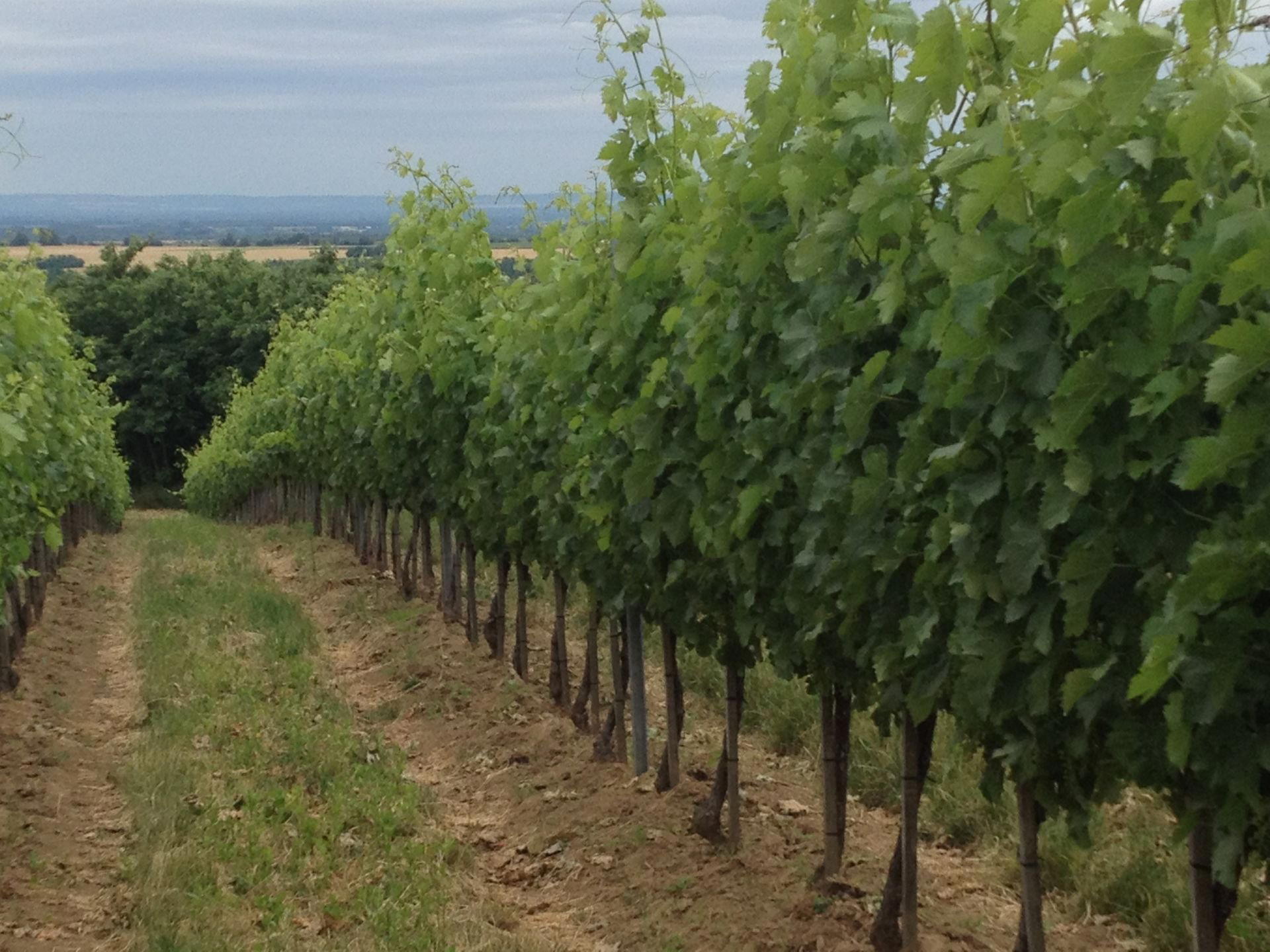
The Káli Basin sits within the broader Balaton wine region, and any serious meal in Köveskál exists in dialogue with the local wine culture. Balaton Felvidék producers, working primarily with Olaszrizling, Furmint, and local red varieties, have raised the region's profile considerably over the past fifteen years. What this means in practice for a table in Köveskál is that the wine list at a well-run local restaurant should be drawing from the same geographic logic as the food: producers within the basin and the wider Balaton shore, not default selections from the national distribution catalogue.
The village's neighbour on the map, Mi a Kő, also in Köveskál, represents the more overtly wine-driven end of the local scene. The two addresses together give the village a range that is unusually complete for a settlement of this size, with one tilting toward wine-bar informality and the other, in Kővirág's case, oriented more toward a meal-centred format. Wine-forward rural dining in Hungary has analogues elsewhere: Halasi Pince Panzió in Villány operates on similar principles in the south, pairing accommodation, wine production, and regional food under one roof in a way that the Káli Basin is beginning to replicate across its own cluster of addresses.
Planning a Visit to Köveskál
Köveskál is most accessible by car from the M7 motorway, exiting toward the Balaton Uplands and following regional roads through the basin. The village is roughly two hours from Budapest and sits between the towns of Tapolca and Veszprém, with the Badacsony wine ridge visible to the south on clear days. The area sees its highest visitor numbers in summer and early autumn, when the harvest season brings wine tourists and the basalt lake formations at Fekete-hegy attract hikers. For those building a regional itinerary that combines dining with wine country, the full Köveskál guide provides a structured overview of when and how to approach the area. Booking ahead for any Köveskál address in peak season is practical: the village has limited capacity across all its restaurants, and walk-in availability narrows significantly in July and August.
Regional Comparisons Worth Making
Hungarian rural dining has developed unevenly. The wine regions of Eger, Villány, and Tokaj have attracted the most critical attention, and addresses like Forst-Ház in Eger or BoriMami in Gyöngyös benefit from the visitor infrastructure those wine regions have built. The Káli Basin is at an earlier stage of that development, which carries both advantages and constraints. The advantage is that the sourcing relationships are still genuinely local rather than performing locality for a sophisticated audience. The constraint is that consistency and service infrastructure are harder to guarantee than in more established destinations.
For travellers who have dined at the technically ambitious end of Hungarian cuisine, say at the Bib Gourmand-level precision of Stand in Budapest or at the internationally benchmarked level of Le Bernardin or Atomix in New York, Kővirág operates on different terms entirely. The comparison set is not the urban fine-dining tier but rather the cluster of serious village kitchens that Hungary's wine regions are producing, addresses where the editorial interest is in what the land gives the kitchen rather than what the kitchen does to impose itself on the land.
Frequently asked questions
Does Kővirág work for a family meal?
Köveskál is a small village, and restaurants operating in this setting generally run at a pace that suits unhurried, multi-generational meals rather than quick turnovers. The rural format in the Káli Basin tends toward informal service and shared plates drawn from local producers. Confirm current booking arrangements directly before visiting, as smaller village venues often operate on limited days or sittings.
Is Kővirág formal or casual?
Kővirág sits in Köveskál, a village in the Káli Basin where the dining culture runs distinctly informal by design rather than by default. Rural Hungarian restaurants at this level are shaped more by the agricultural calendar and local sourcing than by codes of dress or ceremony. Expect a relaxed setting that reflects the character of the Balaton Uplands rather than a Budapest dining room.
Is Kővirág a good base for exploring Balaton wine country?
Köveskál sits inside the Káli Basin, which falls within the broader Balaton wine region — one of Hungary's most active areas for small-producer viticulture, with Balaton Felvidék wines produced on the surrounding basalt slopes. A meal at Kővirág at Fő u. 9/A places you within the wine-producing villages without the detour to Badacsony or the Tihany peninsula. This makes it a practical anchor for a wine-focused itinerary in the Balaton Uplands.
What should I eat at Kővirág?
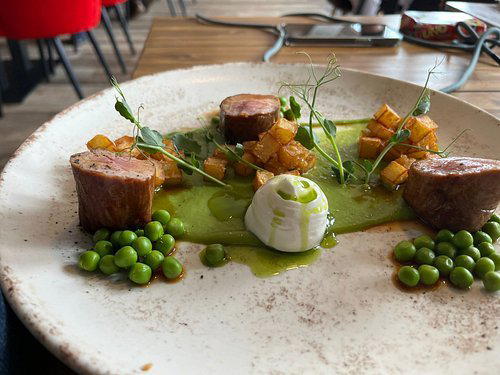
The Káli Basin sits within one of Hungary's more productive agricultural zones, where the moderating influence of Lake Balaton on temperature supports a range of local produce across the growing season. Köveskál-area kitchens at this level typically build their menus around what regional farms and foragers supply, meaning the menu shifts with the season. For current dishes, check the venue's official channels or check closer to your visit.
At-a-Glance Comparison
| Venue | Cuisine | Price | Awards | Notes |
|---|---|---|---|---|
| KővirágThis venue — the venue you are viewing | Modern Hungarian | Not listed | Michelin Plate | Not listed |
| Borkonyha Winekitchen | Modern Hungarian-Inspired Bistro | $30–50 | 1 Michelin Star · La Liste Top Restaurants | Modern Cuisine |
| Costes | Modern Hungarian Fine Dining | $150–200 | 1 Michelin Star · La Liste Top Restaurants | Modern Cuisine |
| Rumour by Rácz Jenő | Modern Fusion Tasting Menu | $100–150 | 1 Michelin Star · La Liste Top Restaurants | Creative |
| Stand25 Bisztró | Modern Hungarian Bistro | $50–100 | Michelin Plate | Traditional Cuisine |
| Bilanx | Modern Hungarian Contemporary | $50–100 | Michelin Plate | Contemporary |
Recognition history
Dated appearances from independent guides and award organizations, with the underlying list record or original source where available.
Michelin Plate
Michelin
Details
- Romantic
- Cozy
- Rustic
- Elegant
- Date Night
- Special Occasion
- Terrace
- Garden
- Extensive Wine List
- Local Sourcing
- Garden
- A La Carte
- Local Wines
- Vegetarian Friendly
- Vegan Options
- Gluten Free Options
Current opening hours
- Monday
- Closed
- Tuesday
- 12–8 PM
- Wednesday
- 12–8 PM
- Thursday
- 12–8 PM
- Friday
- 12–9 PM
- Saturday
- 10 AM–9 PM
- Sunday
- 10 AM–6 PM
Hours can change for holidays and private events. Last verified .
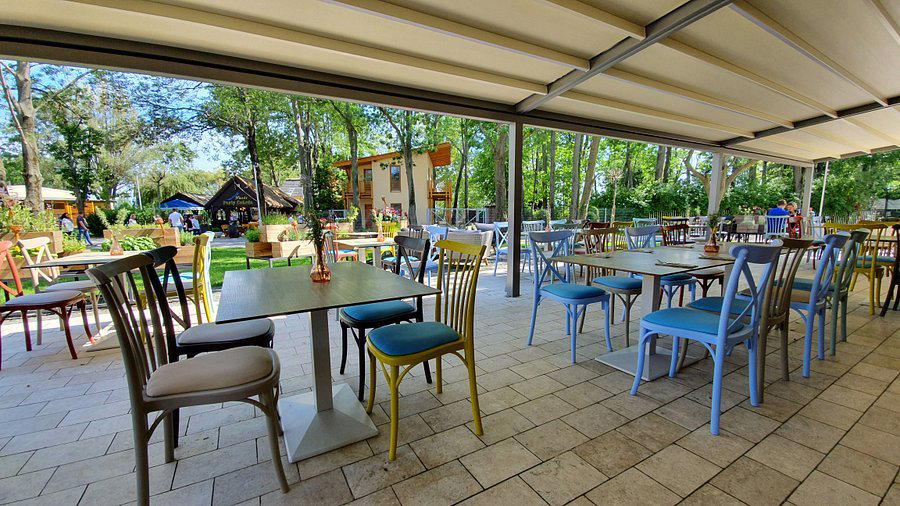
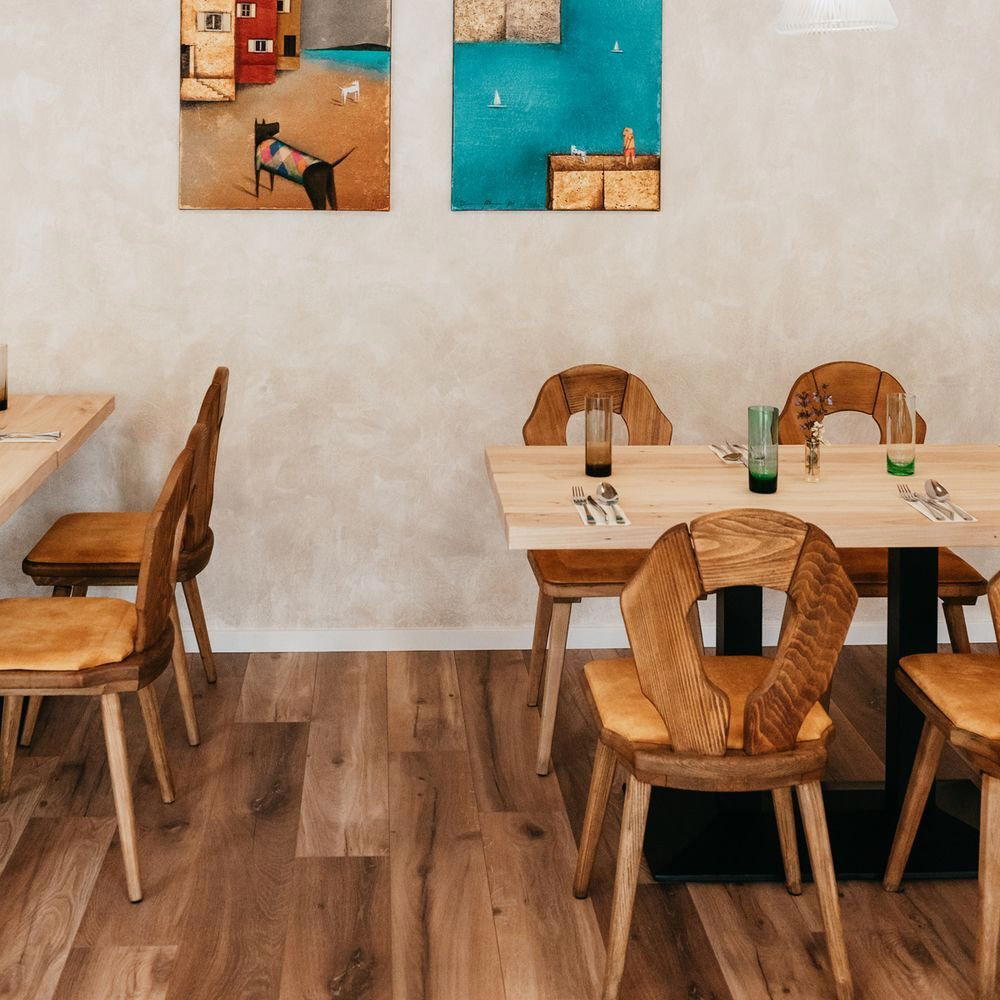
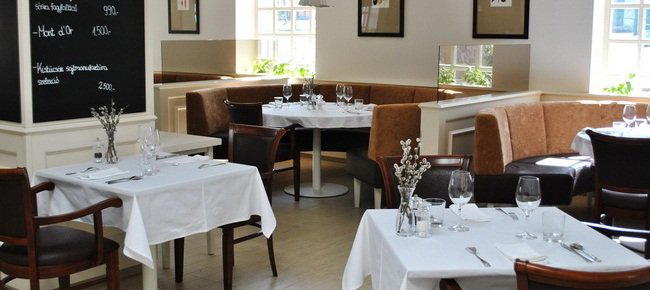
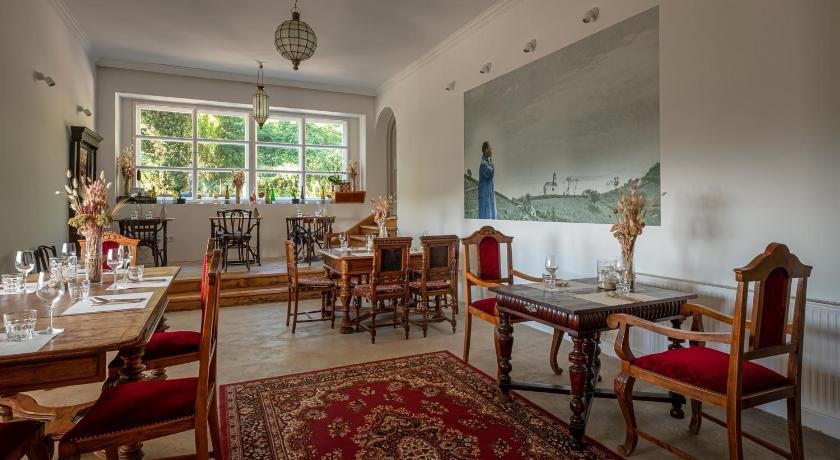
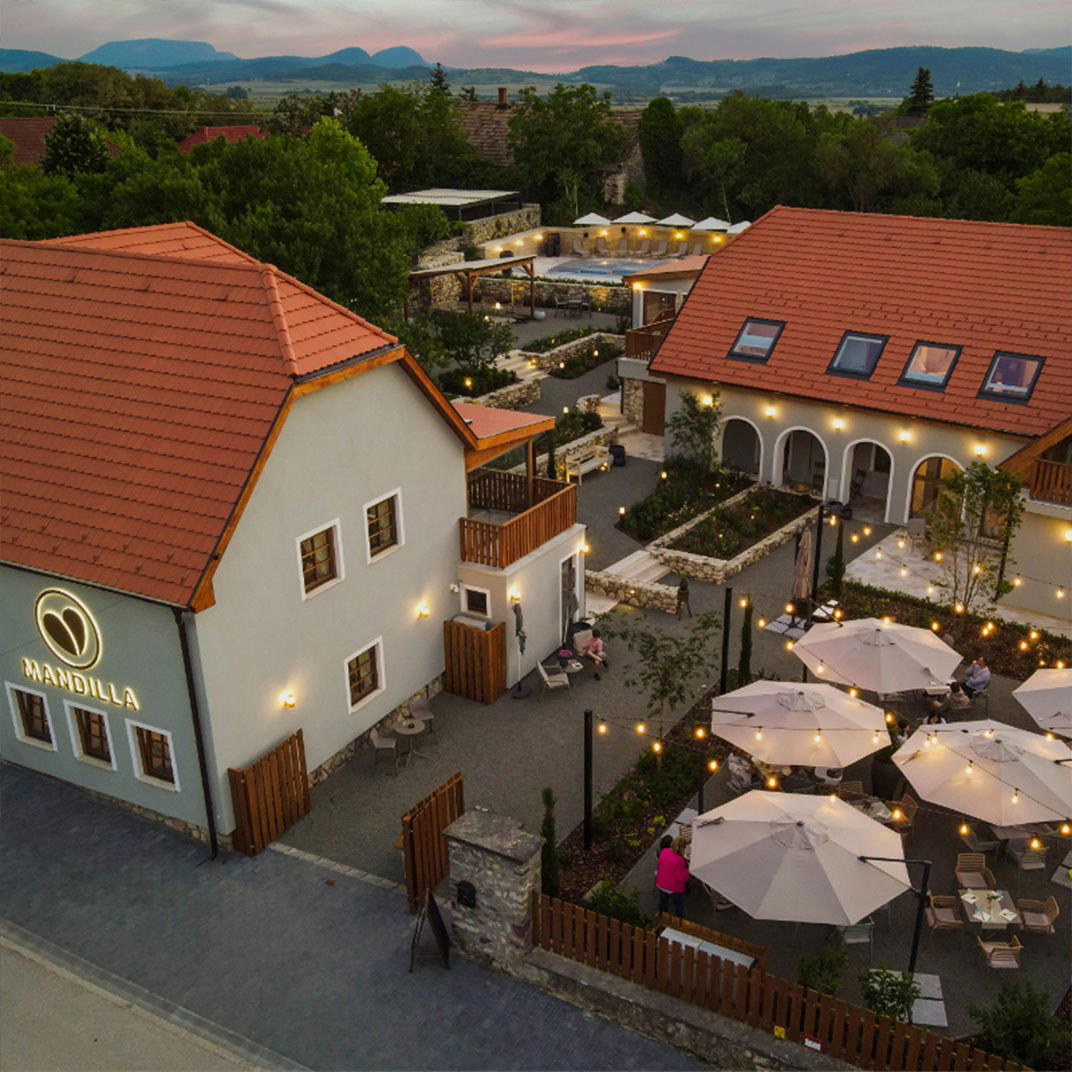
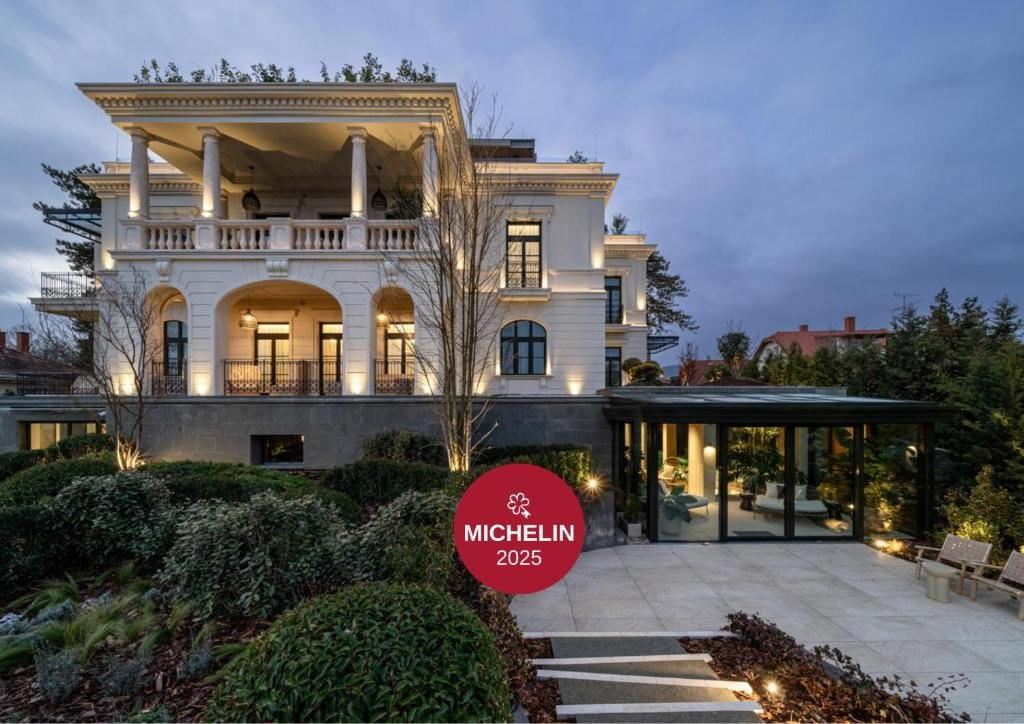
Romantic, contemporary style with stone-washed walls, herbs, trees, flowers, lights, shadows, and scents in a cozy countryside setting.