
Kumamoto’s Mexican dining lane is narrow, which makes Mexico Restaurant Toru Tacos more interesting than its category label suggests. Its case rests on sourcing and process: handmade tortillas and salsas, Mexican corn flour, nine types of chilli, domestic meats, Kumamoto brand pork, and vegetables sourced directly by the owner-chef, backed by selection for Tabelog 100 Asian cuisine / Ethnic cuisine WEST 2024.
Pearl is the En Primeur Club membership app — saves, bookings, and concierge access live there. Same editors, same standards.
- Address
- 73 Renpeicho, Chuo Ward, Kumamoto, 860-0017, Japan
- Phone
- +81 96-221-5716
- Website
- hotpepper.jp
 Saves & bookings on Pearl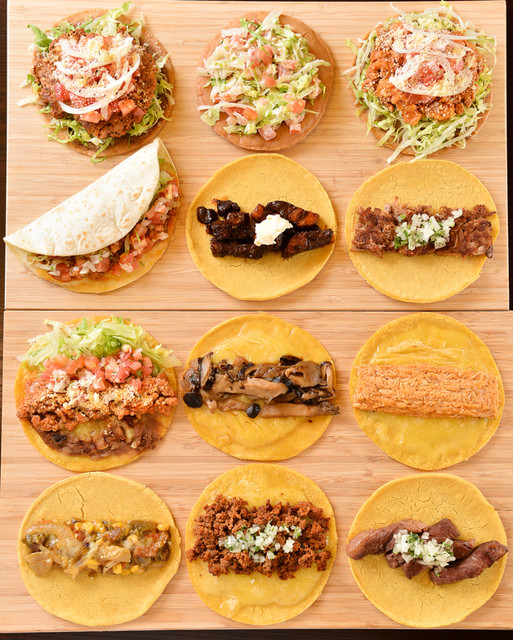
In Renpeicho, the appeal starts with scale rather than spectacle: a house-restaurant setting, counter seats, tables, and a semi-private box arrangement rather than the theatre of a large dining room. That matters for Mexican food in a Japanese regional city, where the stronger version of the genre is not built on volume or decoration but on control: masa, salsa, chilli handling, and the discipline of seasoning food for repeat local use rather than novelty value.
Kumamoto dining often reads through local product first. Beef, pork, chicken, vegetables, and shochu culture tend to define the conversation before imported formats do. Mexico Restaurant Toru Tacos fits that city logic by treating Mexican cooking less as an exotic detour and more as a sourcing problem: Mexican corn flour for tortillas, nine types of chilli peppers, domestic chicken, Japanese beef, Kumamoto brand pork, and vegetables sourced directly by the owner-chef. The result is not a copy of Tokyo’s Latin dining wave; it is a regional restaurant using Mexican structure to organize local ingredients.
Mexican technique, Kumamoto produce, and the umami argument
The stronger reading here is not “spicy food in Kumamoto.” Mexican cooking is often misread in Japan as heat first, but the more durable connection is umami. Chilli peppers contain glutamic acid, tomatoes bring glutamic and aspartic acids, and chicken broth contributes inosinate. Those are not decorative claims; they explain why tacos, salsas, broths, and braised fillings can feel closer to Japanese seasoning logic than their reputation suggests.
That is the useful lens for the menu. Handmade tortillas and salsas place the kitchen in a narrower bracket than restaurants that assemble imported flavours from commercial components. Tomatillo salsa and habanero pasta made with locally sourced Kumamoto habaneros show how the kitchen moves between Mexican reference points and local agriculture without reducing either side to theme-restaurant shorthand. Vegetarian options are also part of the public positioning, which is significant in a city where premium dining can still lean heavily on animal protein.
Selection for Tabelog 100 Asian cuisine / Ethnic cuisine WEST 2024 gives the restaurant a concrete trust signal in a category where regional coverage can be uneven. The listed Tabelog score is 3.63, useful not as a universal verdict but as a marker of sustained local attention within Japan’s user-review culture. In Kumamoto, where destination dining usually points visitors toward horse meat, tonkatsu, sushi, tempura, or local izakaya cooking, a Mexican restaurant earning that placement changes the map slightly.
Where it sits in Kumamoto's dining range
Price and format put the restaurant in the city’s serious casual tier rather than the high ceremony bracket. Murakami sits in a sushi price band far above it, while Tsuru Hachi represents a higher-ticket tempura lane; Katsuretsu Tei Shinishigai honten and Kairakuen occupy more everyday price territory, and cocina uchida overlaps more closely on spend. That middle position is important: the kitchen has enough room to work with handmade components and sourced produce, but the experience remains closer to a neighbourhood dinner than a formal tasting menu.
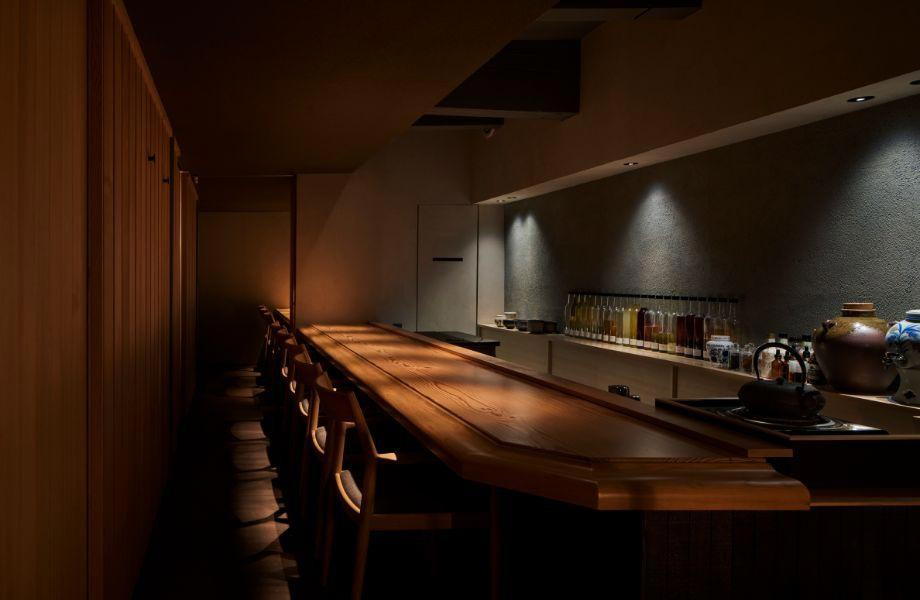
The room supports that reading. With 22 seats, including four counter seats and a semi-private box seat arrangement, the format suits small groups as much as solo diners who want to watch a compact kitchen at work. Private use is available across smaller and larger group bands, and the restaurant is non-smoking inside with an outside smoking area. Those details matter in Kumamoto because many good meals in the city happen in intimate rooms where comfort and flexibility carry as much weight as cuisine type.
For travellers building a Kumamoto food itinerary, this is not a replacement for the city’s local specialities. It is the counterpoint. Pairing regional Japanese meals with a restaurant that treats Mexican technique seriously makes the trip less predictable, especially for repeat visitors who have already covered the obvious Kumamoto staples. For nearby editorial context, compare the city’s contemporary and specialist tables through .know, Amakusa Daiou Senmon Ten Tosaka, antica locanda MIYAMOTO, BARON, and China Sichuan Togen.
How to read the experience before going
The restaurant operates as dinner service rather than an all-day address, and the public details point to a two-shift rhythm with limited seating. That means the meal is better treated as a planned stop, not a loose fallback after drinks. The restaurant notes that seats are commonly held for 90 minutes, with longer stays aligned to the main seating times; ingredients can also run out. This is the sort of operational detail that separates small, ingredient-led restaurants from venues designed for constant turnover.
Access is practical by central Kumamoto standards: the restaurant is by Keitokuko Mae, with nearby tram stops also putting Nishikurashimacho and Kurashimacho within walking range. Parking is not provided, so the better plan is public transport or nearby coin parking. Payments cover major credit cards, transport IC cards, several electronic money systems, and QR-code options, which makes it easier for visitors than many small-format restaurants in regional Japan.
The editorial value is clear: this is a Kumamoto restaurant that uses Mexican cooking to make a local argument. The draw is not scale, ceremony, or chef mythology. It is the way handmade staples, chilli chemistry, and Kyushu sourcing meet in a room small enough for those choices to matter.
For broader planning, use Our full Kumamoto restaurants guide alongside Our full Kumamoto hotels guide, Our full Kumamoto bars guide, Our full Kumamoto wineries guide, and Our full Kumamoto experiences guide. Readers comparing Japan’s wider specialist dining scene can also look at -Grilled beef Sukiyaki- KAMAKURA TANUKIAN 鎌倉 たぬき庵 in Kamakura. 鮪と炭火焼き うお炭 秋葉原店 in Tokyo.cafe in Osaka, (Shoku) Vietnam in Kawasaki, [Curry Senmon Ten] Maruyama Kyoju. in Sapporo, [ki:] in Kyoto, Jōdo Saké Bar in Los Angeles, and Onigiri Time in Pasadena.
- Assorted customizable tacos (15+ fillings, 7 tortillas)
- Guisado (stewed) tacos
- Carne asada tacos
- Sopa Azteca
- Chilaquiles
- Enchiladas verdes
How It Stacks Up
Nearby venues at a similar price tier for orientation.
| Venue | Cuisine | Price | Notes |
|---|---|---|---|
| Mexico Restaurant Toru TacosThis venue — the venue you are viewing | Authentic Mexican tacos & tortas | $$ | Not listed |
| cocina uchida | Casual Spanish & Mediterranean Wine Bar | $$ | Shinshigai / Karashimacho |
| Pizzeria da Rocco | Traditional Italian Pizzeria | $$ | Chuo Ward (Namikizaka / Jotomachi) |
| Katsuretsu Tei (勝烈亭 新市街本店) | Traditional Tonkatsu (Pork Cutlet) | $$ | Shinshigai, Chuo-ku |
| Valeur | Creative Chinese and dumplings | $$ | Chuo Ward, Jotomachi |
| .know | Creative Japanese Fine Dining | $$$ | Gionbashi |
Recognition history
Dated appearances from independent guides and award organizations, with the underlying list record or original source where available.
Tabelog 100 #11 · No. 11
Tabelog · Tabelog 100 - Asian cuisine / Ethnic cuisine - WEST - 2024




At a Glance
- Lively
- Cozy
- Intimate
- Whimsical
- Casual Hangout
- Group Dining
- Solo
- Family
- After Work
- Date Night
- Standalone
- Design Destination
- Chefs Counter
- Beer Program
- Craft Cocktails
Current opening hours
- Monday
- 6–10 PM
- Tuesday
- 6–10 PM
- Wednesday
- 6–10 PM
- Thursday
- 6–10 PM
- Friday
- 6–10 PM
- Saturday
- 6–10 PM
- Sunday
- Closed
Hours can change for holidays and private events. Last verified .
Warm, colorful, and casual with bright yellow walls, Mexican masks, sombreros, and folk art creating a cheerful, slightly whimsical atmosphere; a small, lively room where counter seating encourages conversation with the owner and sofa/box seats suit relaxed gatherings.