Mets Envies
Our verdict
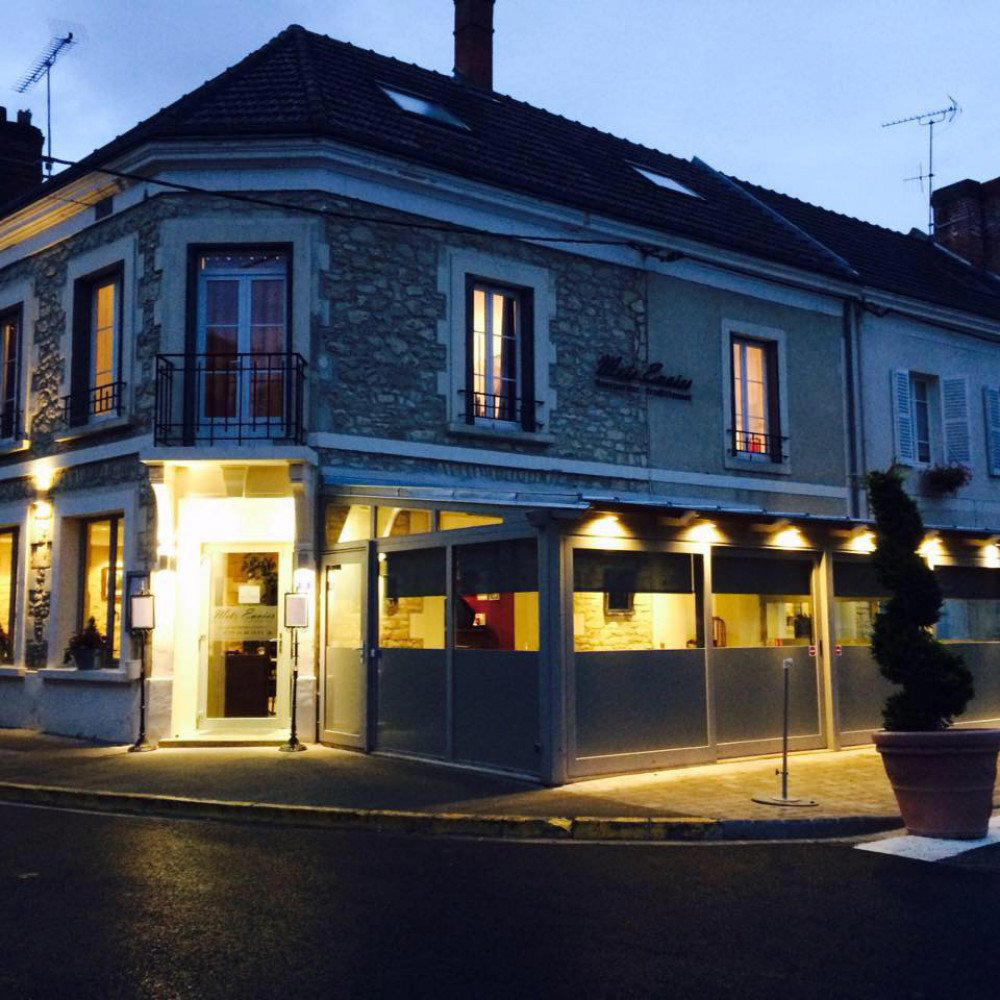
Mets Envies sits on Place Truchon in Hermonville, a quiet village in the Marne department of the Grand Est region, at the heart of Champagne country. The restaurant occupies an address where the surrounding agricultural terroir shapes what reaches the table. For travellers making the short drive from Reims, it represents a distinctly local counterpoint to the region's more celebrated dining rooms.

Pearl is the En Primeur Club membership app, where members save venues, book tables and use the concierge.
The menu
What to order
- Crème brûlée with Auvergne blue cheese
- Crispy hake with basil and ratatouille
- Filet mignon skewer marinated in paprika
Champagne Country, Away from the Grand Caves
The villages of the Marne department have long existed in the shadow of Reims and Épernay, their identities absorbed into the broader Champagne appellation story. Most visitors arrive for the caves, the prestige cuvées, and the cathedral, then leave without testing what the surrounding agricultural plain actually produces at table. Hermonville, roughly fifteen kilometres north of Reims on the plateau above the Vesle valley, is exactly the kind of place that gets skipped. Mets Envies, at 3 Place Truchon, sits within that overlooked geography, and the address itself is an editorial statement: this is not destination dining in the Michelin-pilgrimage sense, but it operates inside a region with a serious culinary identity that rarely gets separated from its sparkling wine reputation.
For a sense of what Champagne's top tier looks like at the formal end, Assiette Champenoise in Reims sets the regional benchmark, holding three Michelin stars and drawing an international clientele. Mets Envies occupies a very different position: a village square address, a local catchment, and a format that functions on a scale closer to what rural French dining has always done well. The contrast is instructive. Grand Est fine dining has two distinct modes, and most travellers only encounter one of them.
The Sourcing Logic of the Marne Plateau
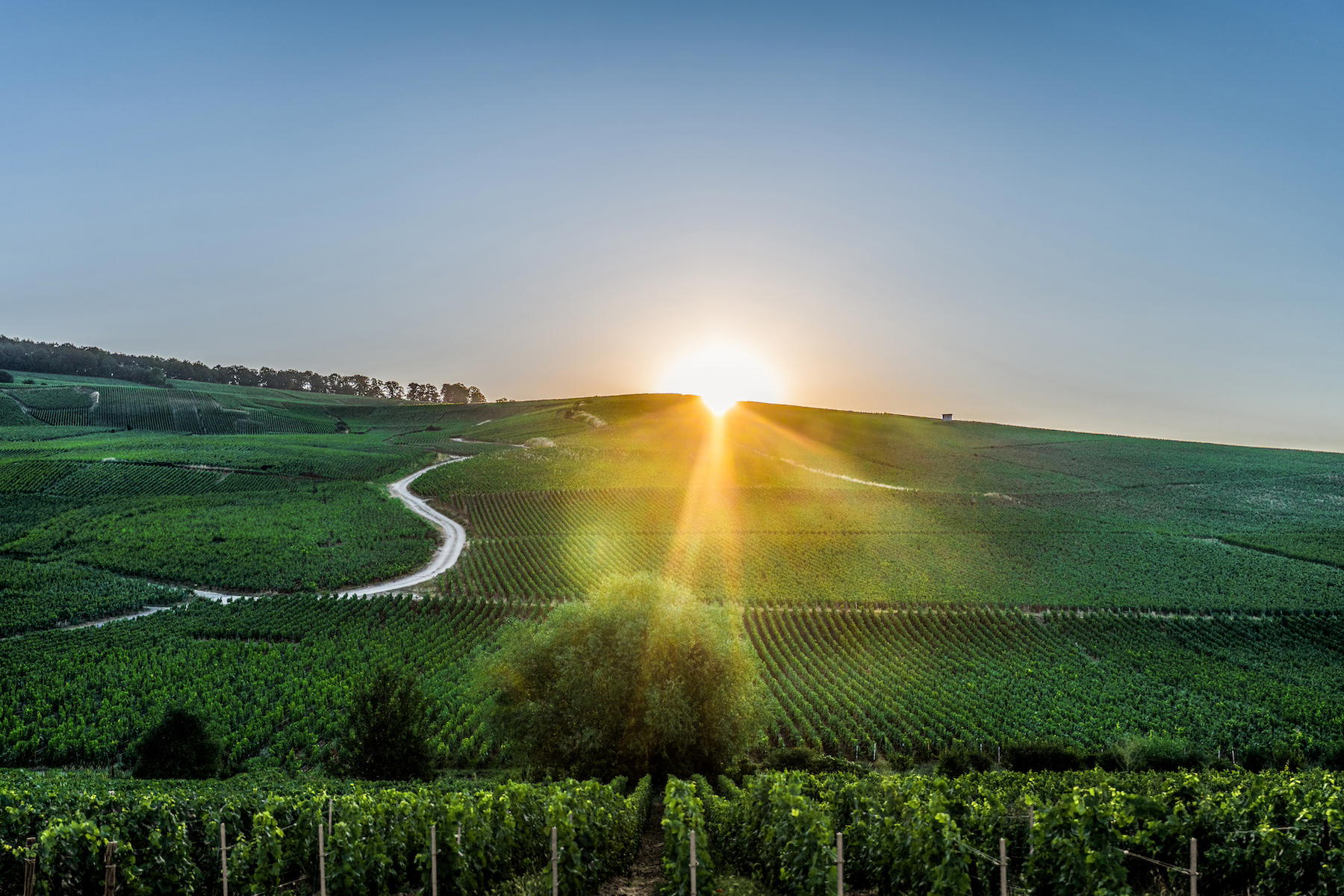
The editorial angle that makes a restaurant like Mets Envies worth examining is ingredient geography. The Marne department is not simply a wine region. It sits within a broader agricultural zone that produces quality grains, beet, legumes, and livestock from the chalk-rich soils that define both the vineyards and the farmland between them. Restaurants in villages like Hermonville draw from a supply chain that is, almost by necessity, shorter and more localised than their urban counterparts. A chef sourcing in this environment deals with producers who are, in many cases, within a few kilometres of the kitchen.
This dynamic has precedent across rural France. Bras in Laguiole built its identity around the Aubrac plateau's specific flora and terrain, making terroir sourcing an intellectual framework rather than a marketing phrase. Auberge du Vieux Puits in Fontjoncouse operates from a similarly remote base in the Languedoc, where proximity to producers defines both the menu and the experience. The village restaurant, when it works, does something that city dining rarely can: it removes the abstraction between land and plate.
Rural French Dining and What the Format Implies
Place Truchon is a village square, which in the French provincial context typically means a space tied to civic and social rhythm rather than tourist traffic. Restaurants that anchor themselves to these squares tend to serve a mixed clientele: regulars from the commune, passing trade from the RN31 corridor between Reims and Soissons, and the occasional visitor who has read ahead. The format in such settings gravitates toward prix-fixe menus and seasonal rotation driven by availability rather than concept. This is not a criticism; it is how rural French kitchens have historically maintained quality without the purchasing power of urban establishments.
For context on how French regional cooking operates at different scales, Georges Blanc in Vonnas represents one model: a village institution that has expanded into a hospitality complex while retaining its Bresse-chicken identity. Auberge de l'Ill in Illhaeusern shows another: a family-run Alsatian address that has held three Michelin stars for decades without relocating to a city. These are extreme examples, but they map the range within which village dining in France operates. Mets Envives sits closer to the foundational end of that range, where the logic is community-first rather than reputation-first.
Travellers accustomed to the sourcing-led narratives of restaurants like Mirazur in Menton or the produce-driven precision of Christopher Coutanceau in La Rochelle will find a different register here. Those are destination restaurants with documented international recognition. Mets Envies operates in a register where the sourcing story, if it exists, is told through what arrives on the plate rather than through published kitchen philosophy.
Planning a Visit to Hermonville
Hermonville is accessible by car from Reims in under twenty minutes via the D26 or the route through Berry-au-Bac. There is no meaningful public transport connection from Reims centre that would make an evening visit practical without a vehicle. The village itself has limited accommodation, so most visitors treat this as a lunch or early-dinner excursion from Reims, which has several well-positioned hotels near the cathedral district. Given the restaurant's village-square address and probable local clientele, booking ahead for weekend service is advisable; rural French restaurants of this type often run at capacity on Saturday lunch without advertising it.
For those building a broader Champagne itinerary, the region's dining options range from the formal Michelin tier anchored by Assiette Champenoise to the kind of village-square cooking Mets Envies represents. Both have a place in a well-constructed trip. The cave visits and prestige tastings are the obvious draw, but the agricultural character of the Marne plateau is equally present in what local kitchens serve, if you know where to stop. See our full Hermonville restaurants guide for additional options in and around the village.
Elsewhere in France's starred and recognised dining circuit, the breadth of regional cooking is documented across addresses as varied as Flocons de Sel in Megève, AM par Alexandre Mazzia in Marseille, Troisgros in Ouches, L'Oustau de Baumanière in Les Baux, La Marine in Noirmoutier, Au Crocodile in Strasbourg, Paul Bocuse's Auberge in Collonges-au-Mont-d'Or, and at the international end, Le Bernardin and Atomix in New York and Alléno Paris au Pavillon Ledoyen.
Frequently asked questions
Can I bring kids to Mets Envies?
Mets Envies sits on Place Truchon, a village square in Hermonville with the unhurried civic character typical of small Marne communities, a setting that tends to suit families more comfortably than a formal city dining room. That said, no children's menu or family-specific facilities are documented so it is worth confirming directly before visiting with young children.
What's the overall feel of Mets Envies?
The address on Place Truchon places Mets Envies squarely within the social fabric of a French village square, the kind of setting where the rhythm is local rather than tourist-facing. Hermonville sits in the Marne department, less than twenty minutes from Reims, putting it in Champagne country without the grand-cave atmosphere of the appellation's better-known stops.
Is Mets Envies a good option for dining near Reims without the tourist crowds?
Hermonville is under twenty minutes from Reims by car via the D26, putting Mets Envies well outside the cathedral-district and grand-maison circuit that defines most visitor itineraries in the region. Place Truchon is a village square oriented around local life rather than passing trade, which makes Mets Envies a practical choice for those specifically seeking Marne department dining away from the Épernay and Reims centres.
What's the best thing to order at Mets Envies?
Given its location in the Marne department, the ingredient geography of the plateau, where arable farmland surrounds the vineyard villages, suggests a kitchen with access to strong regional produce, but ordering specifics are best confirmed on arrival or by contacting the restaurant directly.
Where exactly is Mets Envies?
Mets Envies is located at 3 Pl. Truchon, 51220 Hermonville, France, Hermonville.
How far ahead should I plan for Mets Envies?
No booking window or reservation policy is publicly documented for Mets Envies. Village restaurants on a square like Place Truchon in Hermonville often draw a loyal local clientele, which can make weekend tables harder to secure than the setting implies, contacting the venue ahead of a weekend or seasonal visit is advisable.
In Context: Similar Options
Comparable venues nearby, for context on price, style, and recognition.
| Venue | Cuisine | Price | Awards | Notes |
|---|---|---|---|---|
| Mets EnviesThis venue (the venue you are viewing) | Traditional French Bistro | $20–30 | Not listed | Not listed |
| La Taverne Du Château | Traditional Inventive French Bistro | $20–30 | Not listed | Guise |
| La Taverne du Musée | French Beer Tavern | $10–20 | Not listed | Stenay |
| Bienheureux | Modern French Creative | Not listed | Michelin Plate | Wasquehal |
| Comptoir De Vie | Modern French Tasting Counter-Bar | $100–150 | Not listed | 2nd Arrondissement |
| Café Gustave Maison Caillebotte | French Bistronomic | $30–50 | Not listed | Yerres |
Continue exploring
More in Hermonville
Restaurants in Hermonville
All restaurants in Hermonville →
Bars in Hermonville
Browse all →
Details
- Cozy
- Rustic
- Intimate
- Classic
- Casual Hangout
- Family
- Standalone
- Local Sourcing
- A La Carte
Current opening hours
- Monday
- 12–1:30 PM
- Tuesday
- 12–1:30 PM
- Wednesday
- Closed
- Thursday
- 12–1:30 PM, 7–9:30 PM
- Friday
- 12–1:30 PM, 7–9:30 PM
- Saturday
- 12–1:30 PM, 7–9:30 PM
- Sunday
- 12–1:30 PM
Hours can change for holidays and private events. Hours as of .
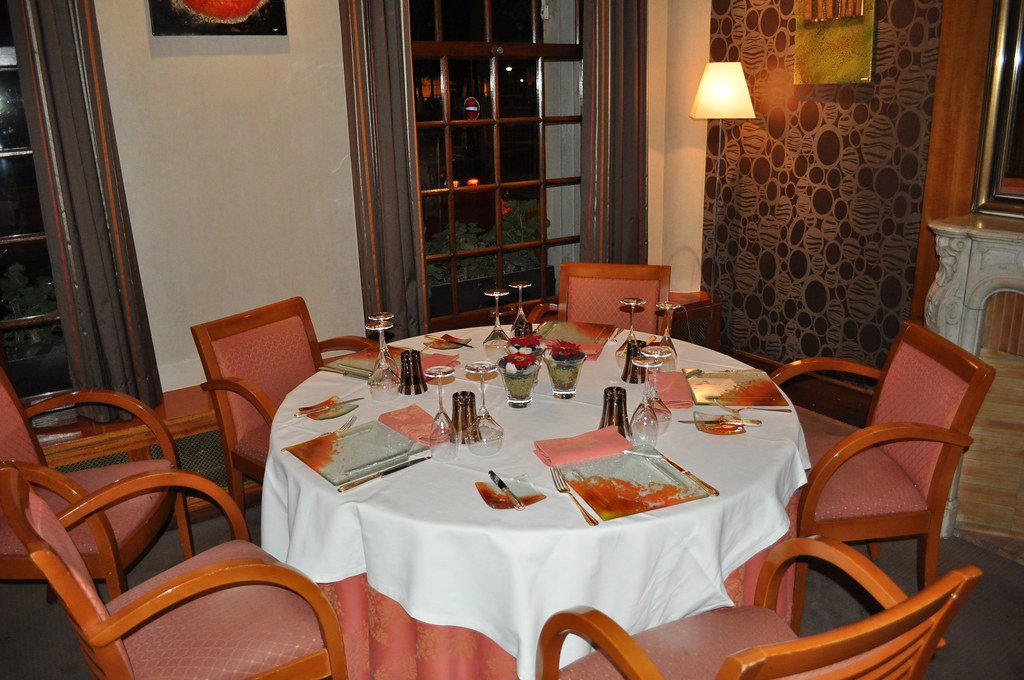
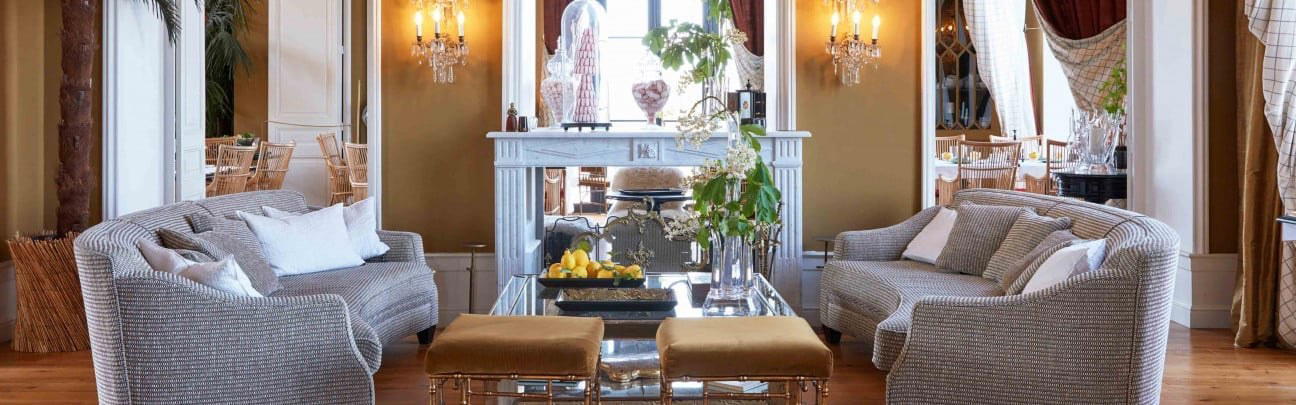
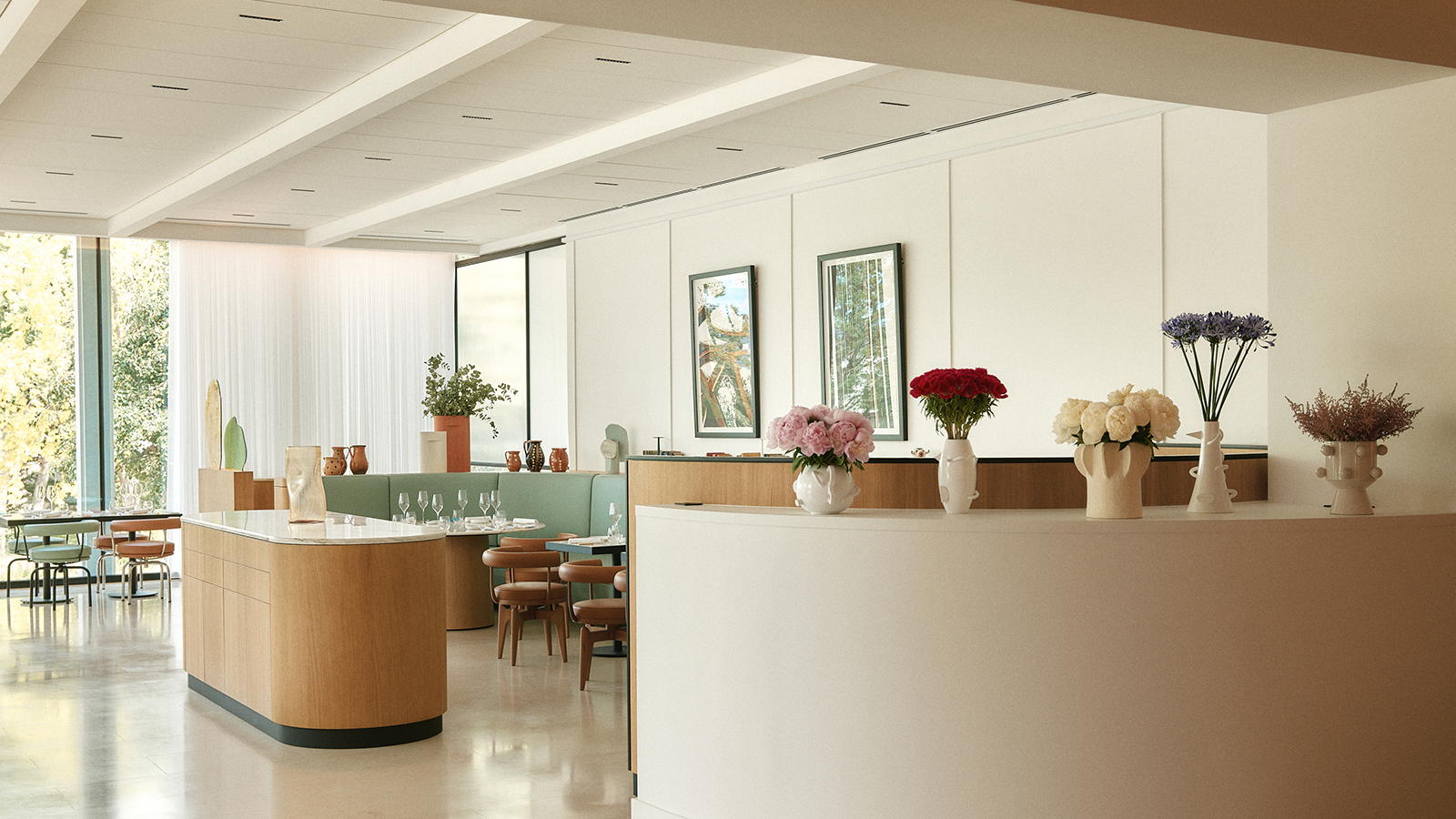
Cozy family house atmosphere with bistro furniture, exposed stones, soft tones, and a bright, welcoming interior.