Our verdict
Positioned on the Place de la Poterne in the historic town of Guise, La Taverne Du Château occupies ground that carries genuine regional weight. Dining here means engaging with northern French culinary tradition in a setting shaped by centuries of Picard agricultural heritage, a counterpoint to the polished spectacle of metropolitan French dining rooms.

Pearl is the En Primeur Club membership app, where members save venues, book tables and use the concierge.
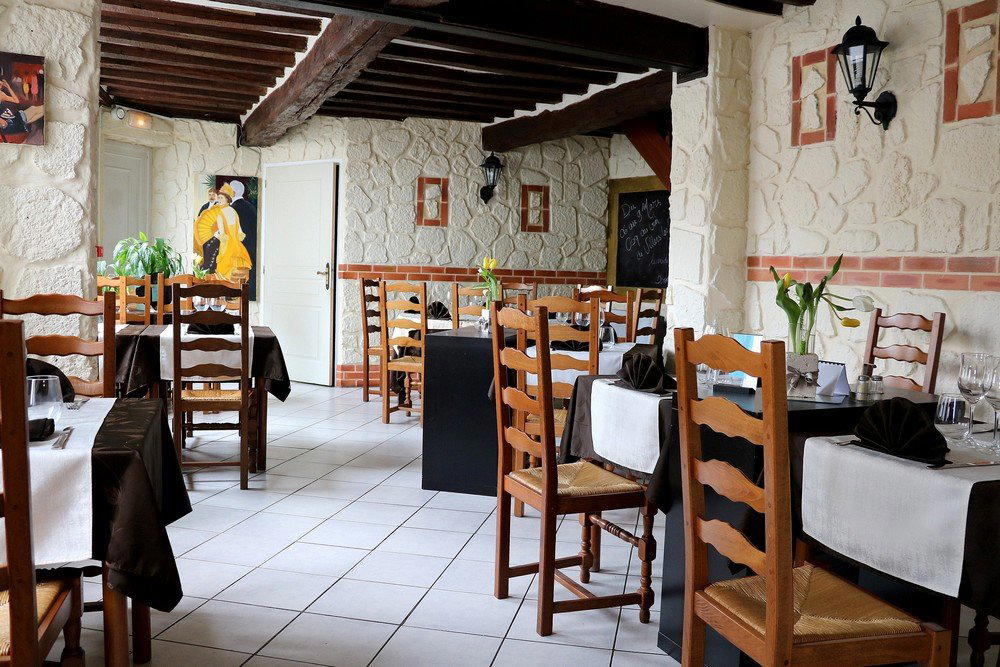
The menu
What to order
- Saumon fumé mariné au whisky
- Côte de porc cuisson 10 heures
Dining in the Shadow of the Château de Guise
The Place de la Poterne in Guise is not a square that announces itself loudly. It sits at the edge of a town most visitors reach by intention rather than by accident, dominated by the silhouette of the Château de Guise, one of the more intact medieval fortresses of the Hauts-de-France region. La Taverne Du Château occupies a position at 34 Place de la Poterne that is, in the most literal sense, defined by that proximity. In provincial French towns of this character, the restaurant closest to the historic monument tends to attract a particular clientele: locals marking occasions, travellers arriving from Saint-Quentin or Laon who have made a specific detour, and the occasional visitor to the château's restored interior. The room carries the atmosphere you would expect from that geography, solid, unhurried, shaped by the rhythms of a market town rather than the anxious energy of a metropolitan dining room.
Guise itself is a useful starting point for understanding what this kind of dining represents within the broader French provincial tradition. The Hauts-de-France, which stretches from the Somme through Aisne and into the Nord, has never been France's most celebrated culinary territory. Its reputation sits behind Alsace, behind the Loire, and at a considerable remove from the starred concentration along the Mediterranean coast. But that absence of external prestige has a correlating virtue: the cooking that endures here tends to be rooted in local production rather than performance. The Aisne department produces sugar beet, chicory, and cereal crops at scale; its river valleys supply freshwater fish; and the proximity to the Belgian border has historically informed a directness in preparation, less of the baroque sauce architecture that defines classical Parisian French cooking, more of the honest-plate tradition common to northern Europe.
What Northern French Provenance Actually Means on the Plate
The editorial angle that matters most in assessing a restaurant in this part of France is ingredient sourcing, because it is the primary axis on which regional cooking here separates itself from anything further south. Restaurants operating in Paris's upper tier, Alléno Paris au Pavillon Ledoyen or the broader creative French tradition represented by Mirazur in Menton, work with sourcing strategies that emphasize either hyper-local kitchen gardens or extended luxury supply chains. Provincial northern France operates in a different register: the sourcing is local because the supply chain is local, not because it is a marketing decision.
This matters for how a diner should frame expectations at La Taverne Du Château. The cooking tradition of the Aisne valley towns is not competing with the tasting-menu architecture of Flocons de Sel in Megève or the landscape-driven sourcing philosophy visible at Bras in Laguiole.
Comparable institutions in other French provincial contexts, Auberge de l'Ill in Illhaeusern for Alsace, Georges Blanc in Vonnas for Bresse, have built multi-generational identities around exactly this kind of regional sourcing loyalty. The difference is that those institutions now operate within international recognition frameworks that have amplified and formalised what was once simply a local practice. In Guise, the same underlying logic operates without the external validation layer.
Placing Guise Within the Northern France Dining Circuit
Guise is approximately 160 kilometres northeast of Paris, making it a realistic day-trip from the capital for those exploring the Aisne or continuing north toward the Belgian border. Saint-Quentin, 30 kilometres to the west, is the nearest city of scale. Laon, with its cathedral and its own small restaurant scene, sits roughly 45 kilometres to the south. Within this geography, La Taverne Du Château functions as the kind of anchor dining address that provincial French towns have traditionally sustained, the place where the local mayor hosts a visiting delegation, where a family from the surrounding villages arrives for a Sunday lunch that takes three hours by design.
For visitors approaching from the direction of Paris's higher-end dining circuit, the tonal shift is considerable. The tasting-menu dominance of Paris's three-star tier, Assiette Champenoise in Reims is the nearest point of comparison within the broader region, gives way here to something more straightforwardly brasserie in format and intention. That is not a criticism; it is a category distinction.
For those building a broader itinerary through northern France's dining traditions, the Hauts-de-France region rewards patience. The cooking at this level lacks the dramatised sourcing narratives that have become standard in the more media-visible end of French gastronomy, places like Christopher Coutanceau in La Rochelle or La Marine in Noirmoutier-en-l'île, where the sourcing story is as much a part of the experience as the food itself. In Guise, the sourcing goes largely unannounced. It is simply what the kitchen does.
Practical Planning for a Visit
La Taverne Du Château is located at 34 Place de la Poterne, directly adjacent to the château precinct. Given the modest scale of Guise as a town, this address is not difficult to locate. The venue sits within walking distance of the château itself, making a visit here a natural pairing with a tour of one of the region's more significant medieval sites. Booking practices and opening hours are best confirmed directly or through local tourism contacts in Guise, as the operational details for restaurants of this type in provincial French towns are subject to change across seasons and are not available through centralised platforms. For travellers arriving by rail, the nearest major stations are Saint-Quentin and Hirson, both requiring onward road transport. Those driving from Paris via the A26 will reach Guise in under two hours from the Périphérique. For full context on dining options across the town, see our full Guise restaurants guide.
Frequently asked questions
Is La Taverne Du Château suitable for children?
The setting at 34 Place de la Poterne, directly beside the Château de Guise precinct, is a town-square address in a quiet northern French commune. That context, a historic château visit paired with a sit-down meal, suits families with older children who are travelling the Aisne region.
What kind of setting is La Taverne Du Château?
La Taverne Du Château occupies Place de la Poterne in Guise, a low-key square at the edge of the château precinct rather than a conventional town centre. The address places it firmly in a heritage context, stone, civic quiet, the weight of a fortified château nearby. This is provincial northern France at a measured pace, not a buzzy urban dining room.
Is La Taverne Du Château worth visiting as part of a day trip from Paris to the Aisne?
Guise sits approximately 160 kilometres northeast of Paris, making it a plausible stop on a circuit through the Aisne for those combining historical and culinary interests. La Taverne Du Château at 34 Place de la Poterne is positioned directly beside the Château de Guise, so a single visit covers both the fortification and a regional lunch without logistical detour. The town itself is small, which means this restaurant absorbs a meaningful portion of visitor traffic passing through, arrival at peak times without a reservation carries some risk.
What's the signature dish at La Taverne Du Château?
No specific dish information is confirmed for La Taverne Du Château at this time. In the broader Aisne and northern France context, regional kitchens in this corridor tend to anchor menus around locally sourced produce, slow-cooked preparations, and ingredients that reflect the agricultural character of Picardy.
What part of town is La Taverne Du Château in?
La Taverne Du Château is located at 34 Pl. de la Poterne, 02120 Guise, France, Guise.
How hard is it to get a table at La Taverne Du Château?
Guise is a small town of roughly 5,000 residents, and La Taverne Du Château at Place de la Poterne is one of a limited number of sit-down restaurants in the commune. Demand will concentrate around château visiting hours and weekend lunches in warmer months.
What's the defining dish or idea at La Taverne Du Château?
The defining idea at La Taverne Du Château is geographic: it is the dining address closest to the Château de Guise, positioning it as the natural endpoint for visitors making their way through the Aisne. Northern French kitchens in this region draw on an agricultural tradition that prioritises regional provenance over technique-led innovation.
At-a-Glance Comparison
Comparable venues nearby, for context on price, style, and recognition.
| Venue | Cuisine | Price | Notes |
|---|---|---|---|
| La Taverne Du ChâteauThis venue (the venue you are viewing) | Traditional Inventive French Bistro | $20–30 | Not listed |
| LA MANIGUETTE | Modern French Bistronomy | $30–50 | La Madeleine |
| Le Studio | French Bistro | $20–30 | Tourcoing center |
| L'Atelier Entrecôte et Volaille - Reims | Classic French Brasserie | $30–50 | Centre-ville (Downtown Reims) |
| La Table d'Arthur | French Bistronomy with Ardennes Terroir | $20–30 | centre-ville |
| Quai 38 | Modern French Seafood | $20–30 | Vieux Lille 1 |
Continue exploring
More in Guise
Restaurants in Guise
All restaurants in Guise →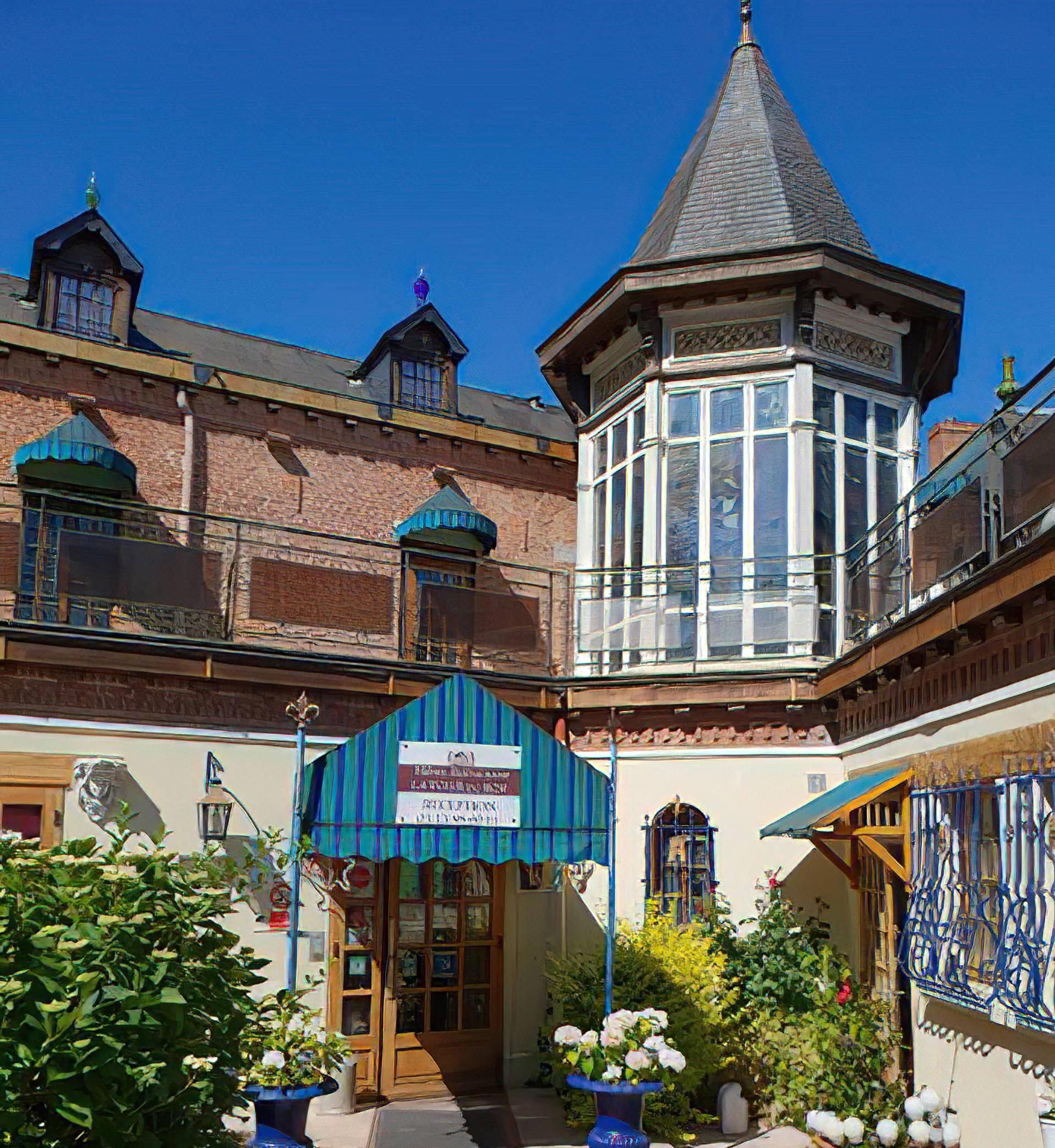
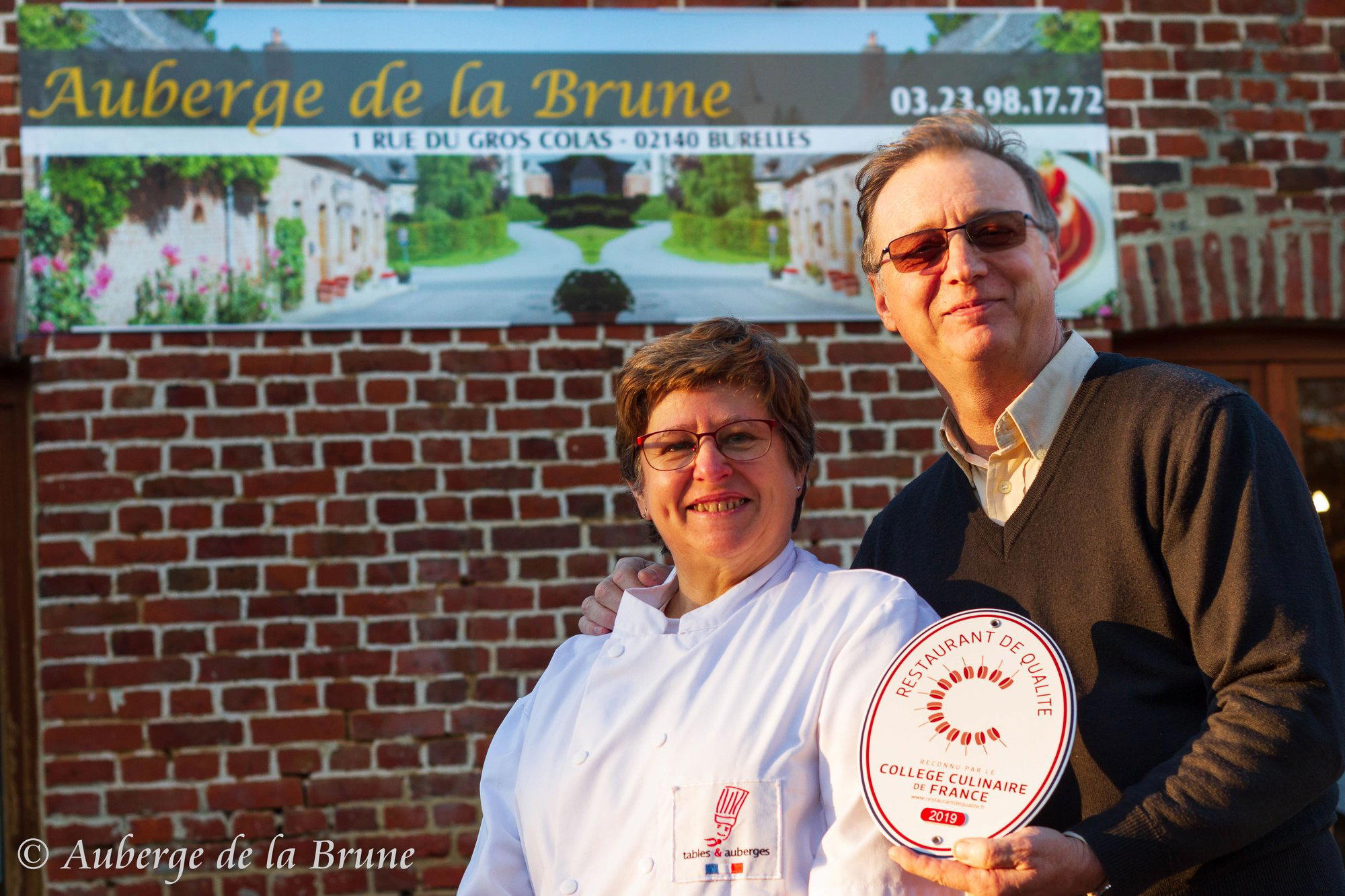
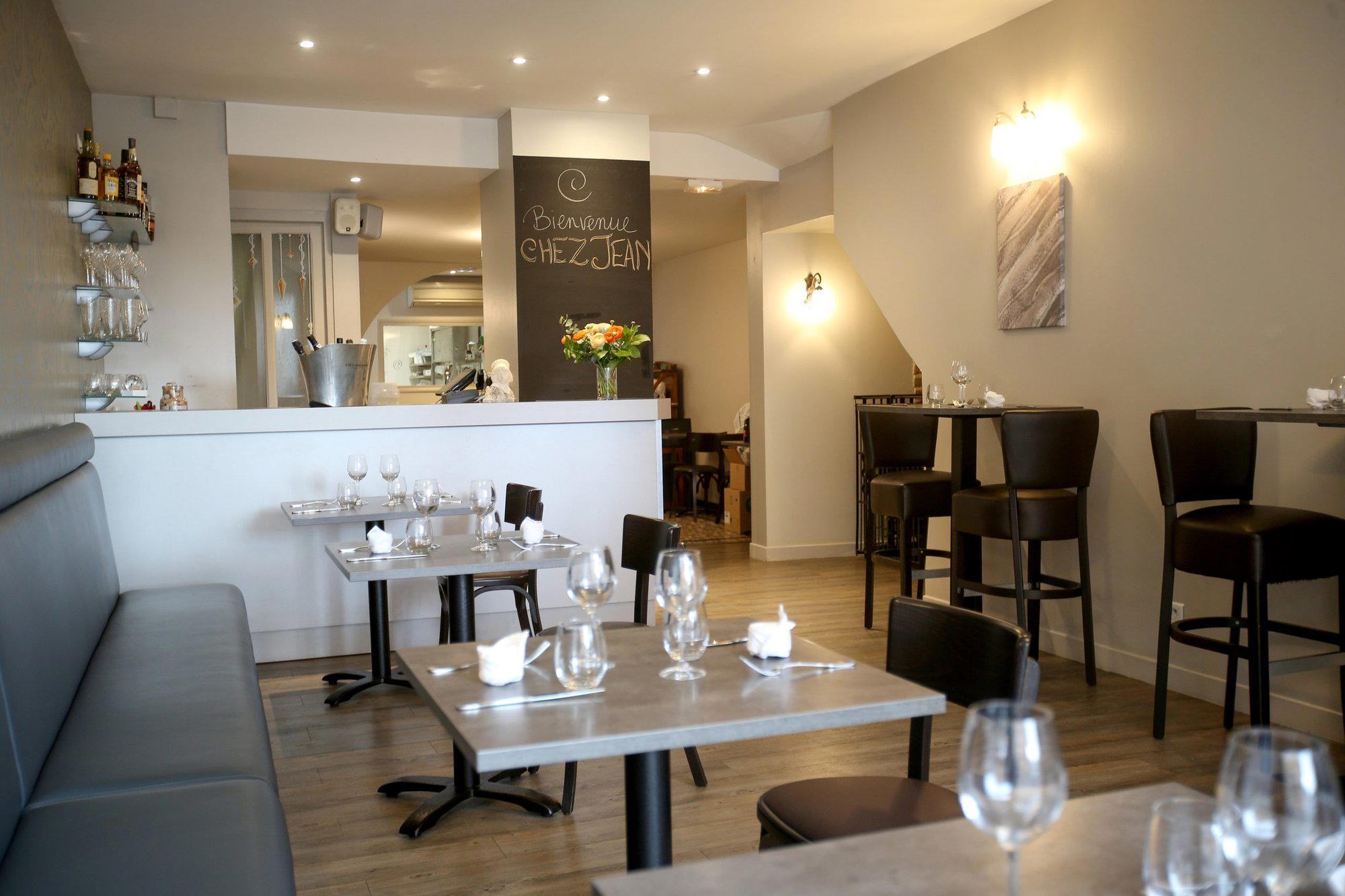
Hotels in Guise
Browse all →
Wineries in Guise
Browse all →
Details
- Cozy
- Rustic
- Intimate
- Date Night
- Family
- Casual Hangout
- Historic Building
- Extensive Wine List
- Local Sourcing
- A La Carte
- Vegetarian Friendly
Current opening hours
- Monday
- Closed
- Tuesday
- 12–2 PM, 7–9 PM
- Wednesday
- 12–2 PM, 7–9 PM
- Thursday
- 12–2 PM, 7–9 PM
- Friday
- 12–2 PM, 7–9 PM
- Saturday
- 7–9 PM
- Sunday
- 12–2 PM
Hours can change for holidays and private events. Hours as of .
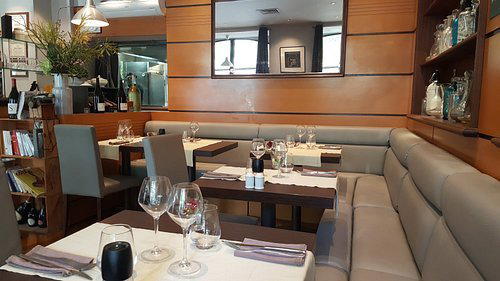
Cozy interior with soothing discreet background music, warm family atmosphere and natural kindness from the owners.