



Arbane Reims brings a sharper contemporary register to a Champagne dining scene often defined by grand houses, formal cellars, and classical French luxury. Julien Caligo’s background at Le Parc Les Crayères gives the cooking local credibility, while La Liste recognition and We’re Smart Green Guide attention place the restaurant in the city’s newer vegetable-led conversation.
Pearl is the En Primeur Club membership app — saves, bookings, and concierge access live there. Same editors, same standards.
- Address
- 7 Rue Noël, 51100 Reims, France
- Phone
- +33 3 26 89 60 70
- Website
- arbane-philippe-mille.com
- Directions
- Get directions
 Saves & bookings on Pearl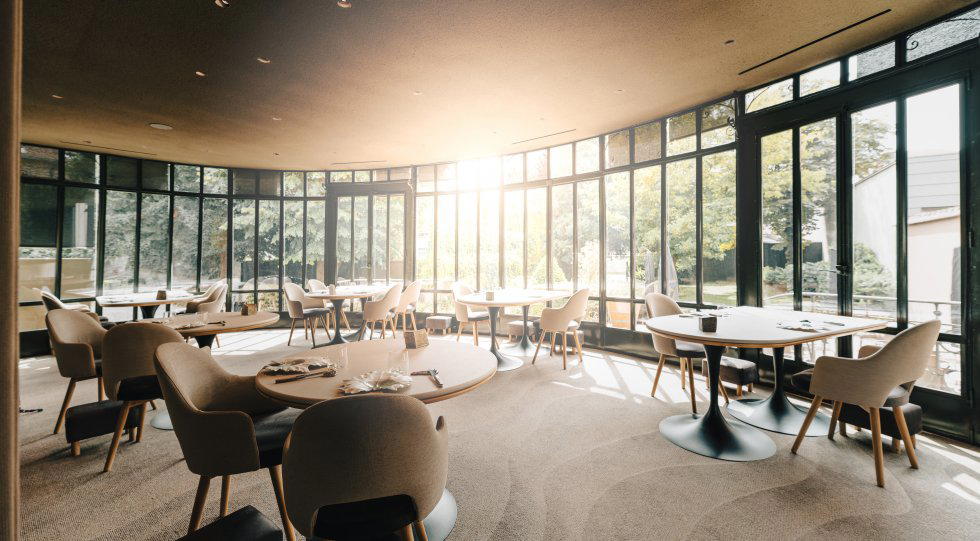
Arbane sits in Reims, away from the ceremonial scale of Champagne houses and polished hotel dining rooms that long shaped the city’s table culture. Arbane Reims belongs to a newer register: smaller in tone, contemporary in intention, and less dependent on old luxury choreography. In a city where Champagne can make a meal an occasion before the first course, the sharper question is what a kitchen does when the bottle is no longer the whole argument.
Reims has never lacked formal dining. Its reputation rests on cellar prestige, grand addresses, and French service that treats ceremony as part of the product. The current creative tier is more varied. Assiette Champenoise represents the high-luxury end, while Racine gives the city another contemporary language. Arbane’s interest lies in pushing plant-led precision into a region better known for classic cellar-led hospitality.
Vegetal cooking in a Champagne city still attached to classic luxury
One useful way to read the restaurant is through Champagne’s conservatism. The region has immense agricultural wealth, yet its fine-dining identity has often leaned on luxury markers rather than vegetables as the central text. We’re Smart Green Guide attention matters because it identifies a direction still narrower in Reims than in some larger dining capitals: a serious creative kitchen giving vegetables, herbs, and flowers structural importance rather than using them as garnish.
That does not make the cooking austere. In French fine dining, vegetable-led work succeeds when it avoids moral instruction and behaves like cuisine first: sequencing, texture, acidity, temperature, and sauce work must carry the plate. Champagne adds another layer. High-acid wines and long lees aging can flatter vegetal bitterness and herbal detail when pairing is restrained. The region’s dining rooms often use Champagne as symbol; sharper contemporary kitchens use it as tool.
Philippe Mille gives this direction local weight. After many years in one of Reims’ defining luxury institutions, the revealing point is what that background implies: a chef formed in the city’s formal register choosing his own restaurant, with an “Expression Végétale” menu present from the start. In Reims, that is a meaningful evolution, not a standard career turn.
The awards trail reinforces the position without overstatement. La Liste scored the restaurant at 77.5 points for 2025, and Michelin lists it with two stars. Those signals place the address in the serious-destination bracket, but the more telling recognition is the We’re Smart Green Guide attention in a traditional region. It frames Arbane less as another expensive Reims table than as part of a narrower argument about how Champagne cuisine can modernise without rejecting French technique.
Where it sits among Reims restaurants
For travellers building a Reims itinerary, the question is less one grand meal than which version of the city to eat. Other Reims dining rooms keep brasserie tradition in view, while more relaxed addresses can be useful when Champagne tasting has already supplied the theatre. The creative tier asks for longer pacing, controlled service, and attention.
Arbane is not the default answer for every Reims meal. It suits the traveller who has already done the city’s grand classical grammar, or wants to see where it is bending. Compared with Racine, it sits in the same broad creative and luxury bracket, but its green-guide identity gives it a more explicit plant-forward axis. Compared with Assiette Champenoise, it reads smaller and more contemporary, less total luxury machine than kitchen argument.
Wider French context helps. Creative restaurants across France have moved away from the old binary of haute cuisine versus bistro cooking, toward formats that compress technique into leaner, more authored menus. That shift is visible well beyond Champagne, where the same creative category can mean different things according to local setting. Reims’ version is distinctive because Champagne culture keeps pulling the meal back toward wine, ceremony, and regional expectation.
That tension is the appeal. A city meal can start with Reims’ historic setting, continue through cellar visits, and end where herbs and vegetables are asked to carry the seriousness once reserved for older luxury codes. The result is not anti-luxury; it is a narrower, more disciplined form of it.
How to plan the meal around the city, not just the table
Reims rewards sequencing. A heavy cellar day followed by a long formal dinner can flatten the palate, especially when multiple tastings have already pushed acidity, dosage, and lees character forward. A creative dinner with vegetal emphasis works better when the day has not been built entirely around rich food. Leave space for the kitchen’s quieter register, and treat Champagne pairing as part of the meal, not a trophy exercise.
The restaurant also works as one anchor in a broader Reims weekend. Use our full Reims restaurants guide to separate brasserie meals from fine dining, then build the trip with our full Reims hotels guide, our full Reims bars guide, our full Reims wineries guide, and our full Reims experiences guide. The stronger itinerary is rarely a string of formal meals. It balances one ambitious table with a brasserie, a cellar visit, and enough unscheduled time to make the city more than a Champagne checklist.
For travellers comparing creative restaurants across France, Arbane belongs in a wider file that includes smaller-format kitchens outside the capital. The category changes with local setting: coastal informality in one case, resort pressure in another. In Reims, the pressure is Champagne itself. The strongest reason to book is not that the city needed another polished restaurant; it is that this one gives the region’s formal dining culture a greener, more contemporary point of friction.
- Arbanothèque (Champagne grape varieties)
- Champagne veal tartare
- Iodized champagne egg
- Lacquered St Pierre
- Roast veal with flax seeds
- Asparagus
- Hazelnut and lemon dessert
A Quick Peer Check
Comparable venues by cuisine and price in the same metro.
| Venue | Cuisine | Price | Awards | Notes |
|---|---|---|---|---|
| ArbaneThis venue — the venue you are viewing | Modern French Gastronomic | $$$$ | Michelin 2 Star | Not listed |
| Le Parc Les Crayères | Modern French Fine Dining | $$$$ | Michelin 2 Star | Boulevard Henry Vasnier |
| Racine | French-Japanese Fine Dining | $$$$ | Michelin 2 Star | Reims Centre-Ville |
| Assiette Champenoise | Modern French Fine Dining | $$$$ | Michelin 3 Star | Tinqueux |
| Le Millénaire | Contemporary French Fine Dining with Seafood Focus | $$$$ | Michelin 1 Star | Place du Forum |
| Brasserie Le Jardin | French Brasserie | $$$ | Bib Gourmand | Reims |
Recognition history
Dated appearances from independent guides and award organizations, with the underlying list record or original source where available.
Michelin 2 Stars
Michelin
Gault & Millau Remarkable Restaurant
Gault & Millau
La Liste Top Restaurants
La Liste
Michelin 1 Star
Michelin
We're Smart World 4 Radishes
We're Smart World
Michelin Plate
Michelin
Continue exploring
More in Reims
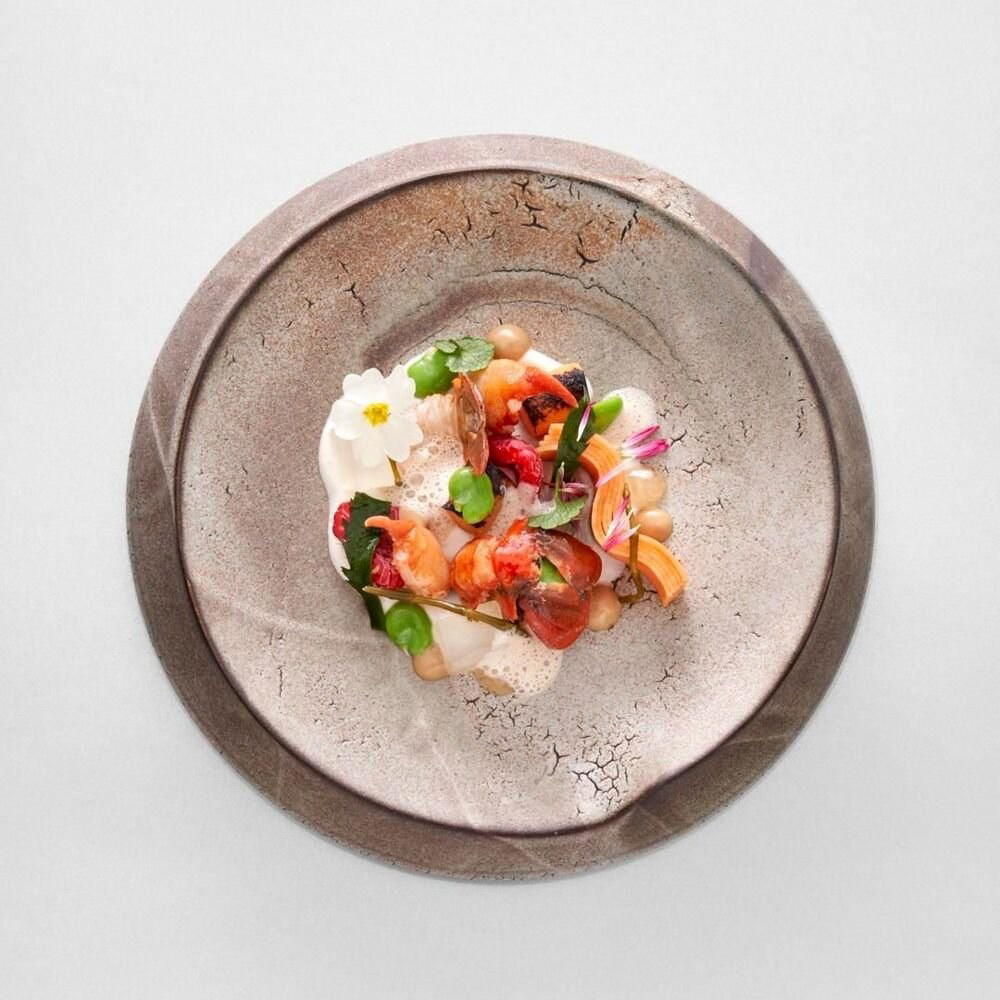
Restaurants in Reims
Browse all →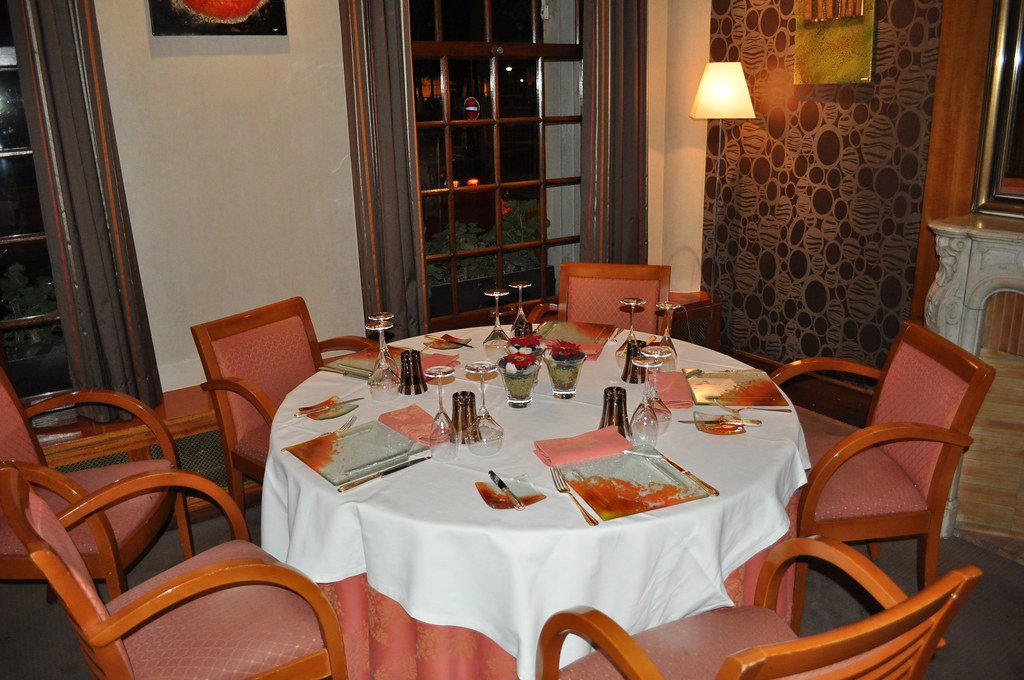
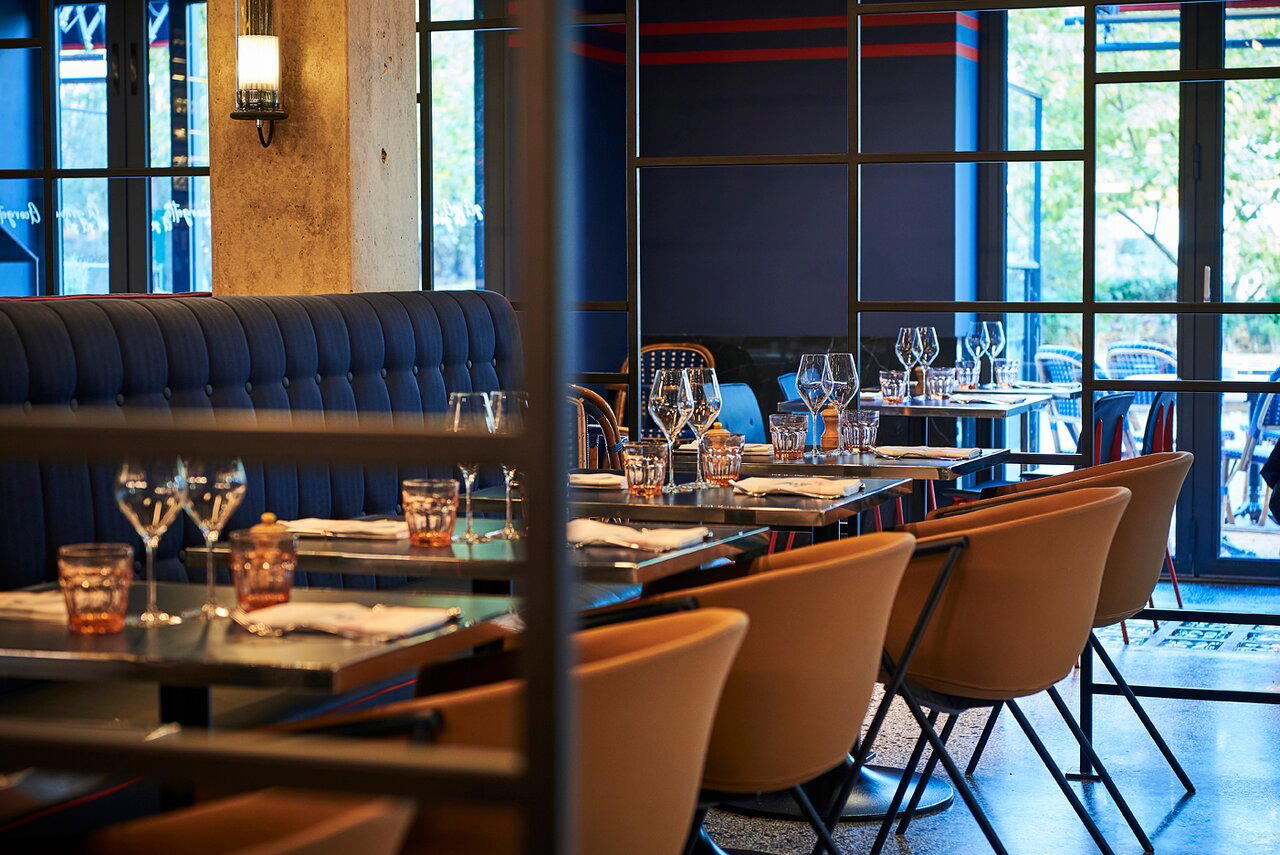
Bars in Reims
Browse all →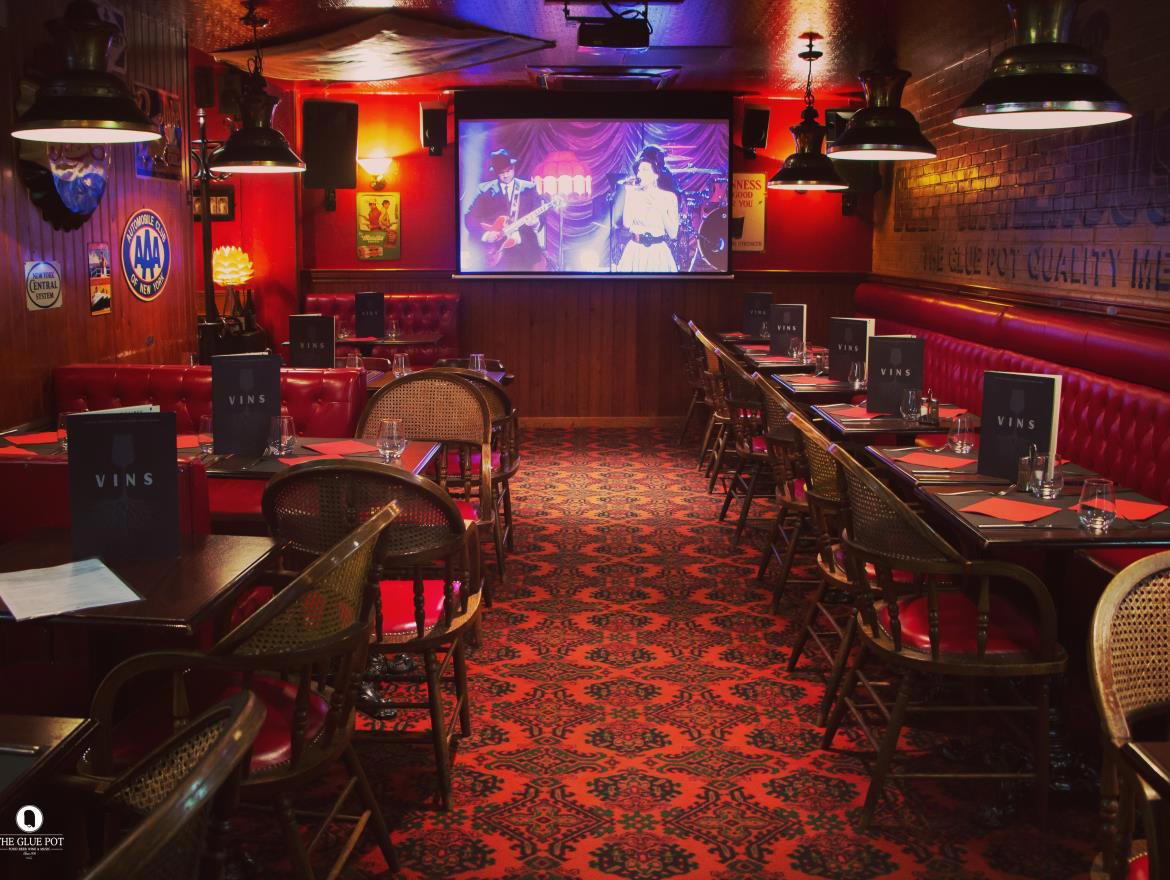
Hotels in Reims
Browse all →
At a Glance
- Elegant
- Sophisticated
- Modern
- Intimate
- Date Night
- Special Occasion
- Celebration
- Business Dinner
- Open Kitchen
- Garden
- Private Dining
- Terrace
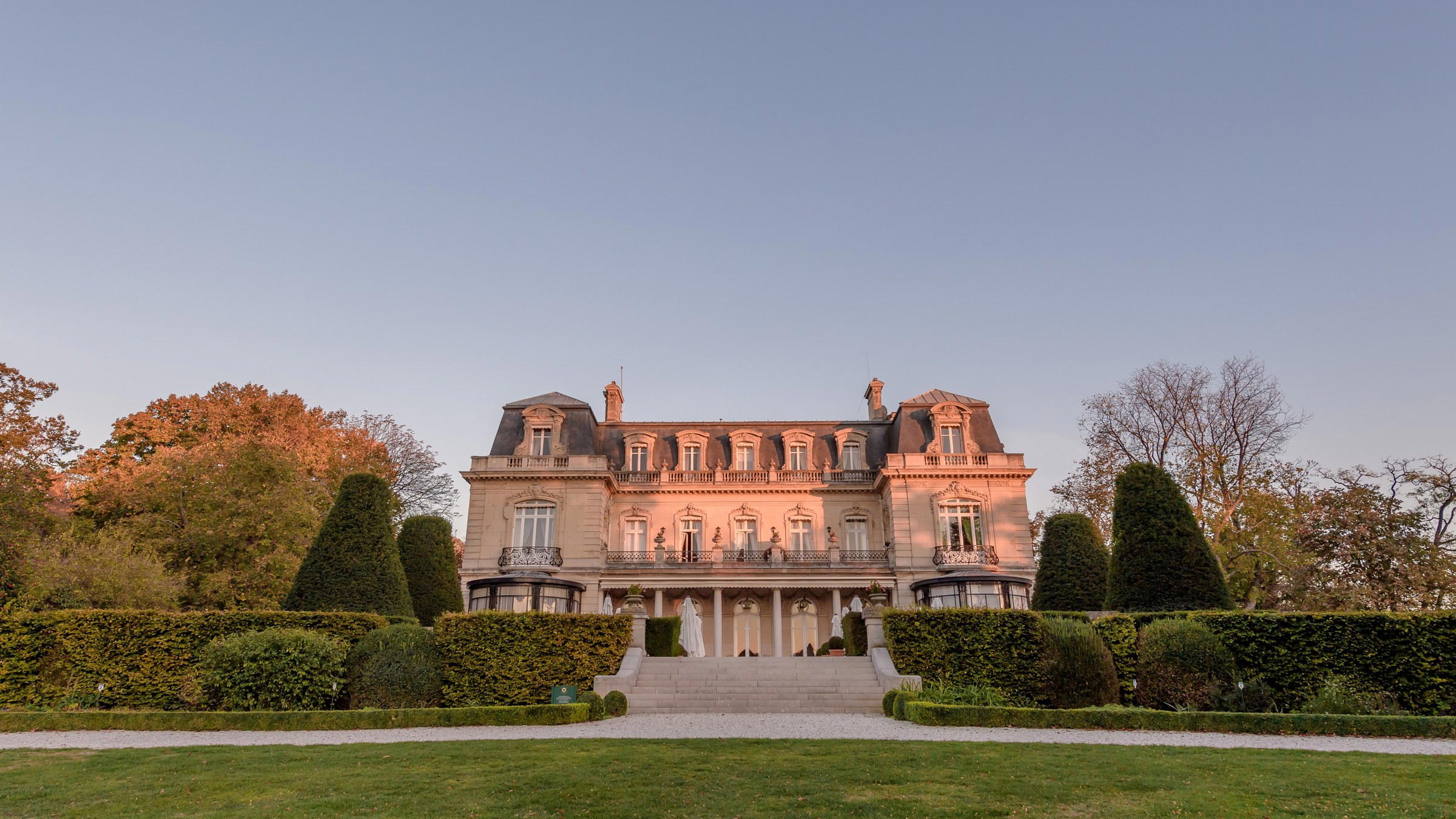
- Historic Building
- Design Destination
- Extensive Wine List
- Sommelier Led
- Local Sourcing
- Farm To Table
- Garden
Current opening hours
- Monday
- 12–1:30 PM, 7:30–8:30 PM
- Tuesday
- 12–1:30 PM, 7:30–8:30 PM
- Wednesday
- Closed
- Thursday
- Closed
- Friday
- 12–1:30 PM, 7:30–8:30 PM
- Saturday
- 12–1:30 PM, 7:30–8:30 PM
- Sunday
- Closed
Hours can change for holidays and private events. Last verified .
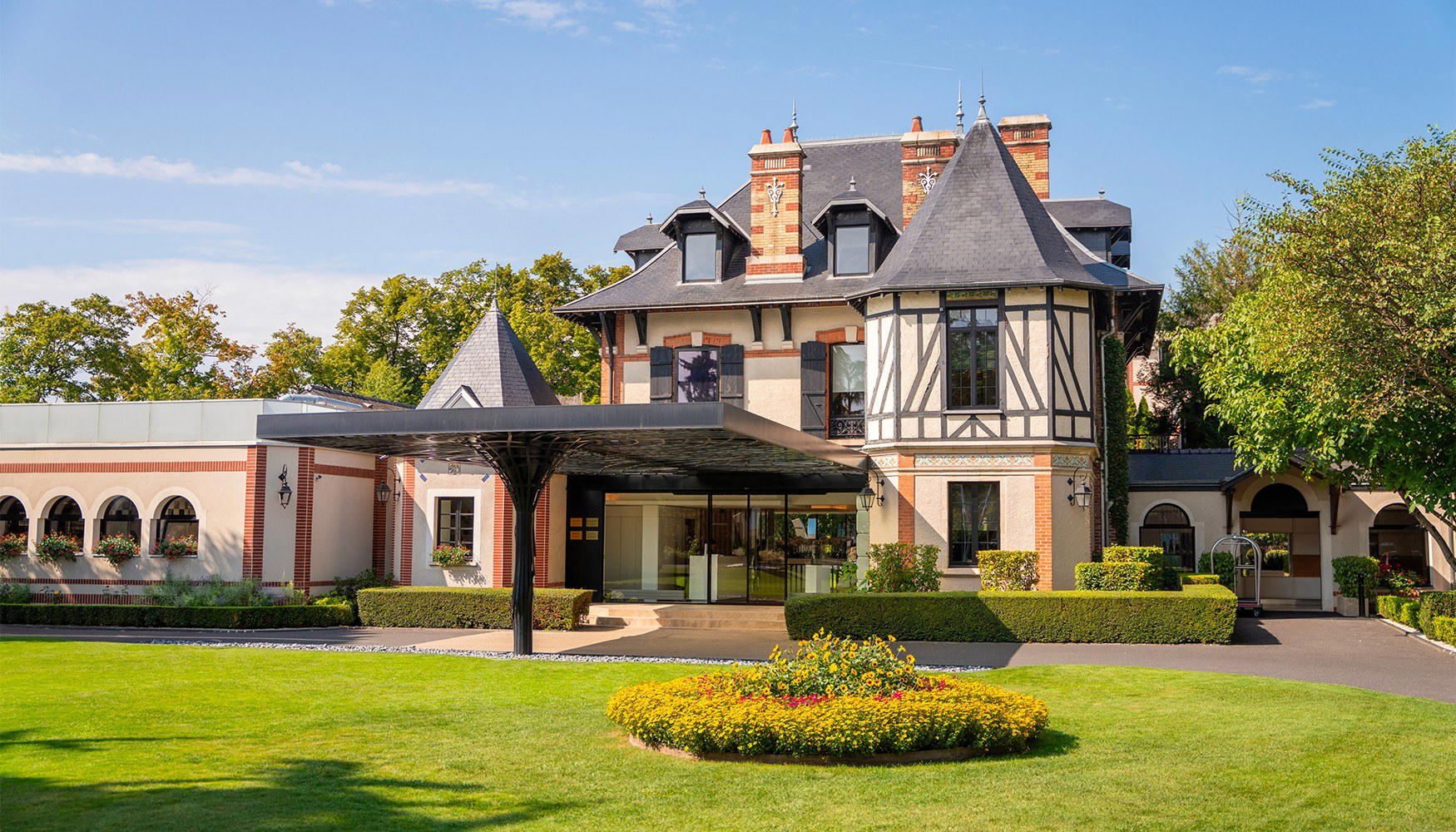
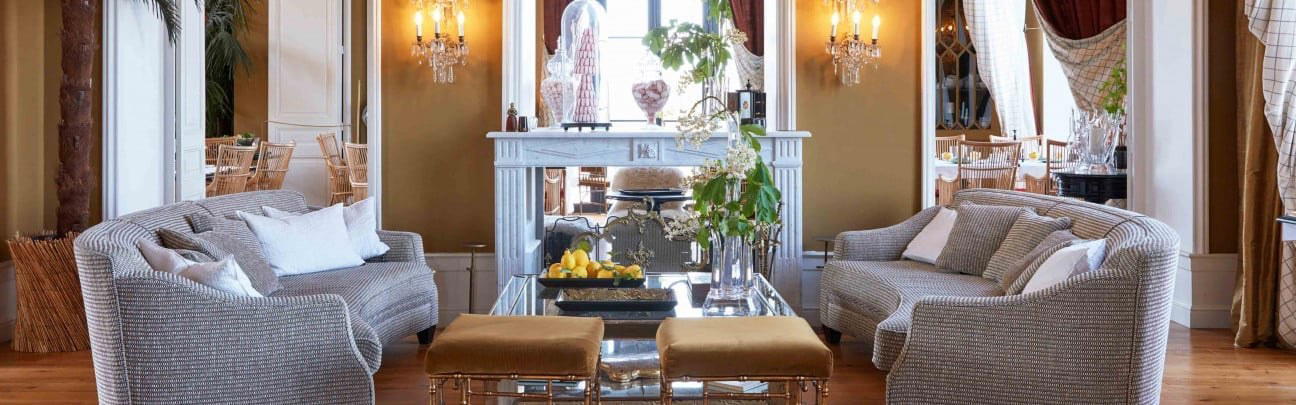
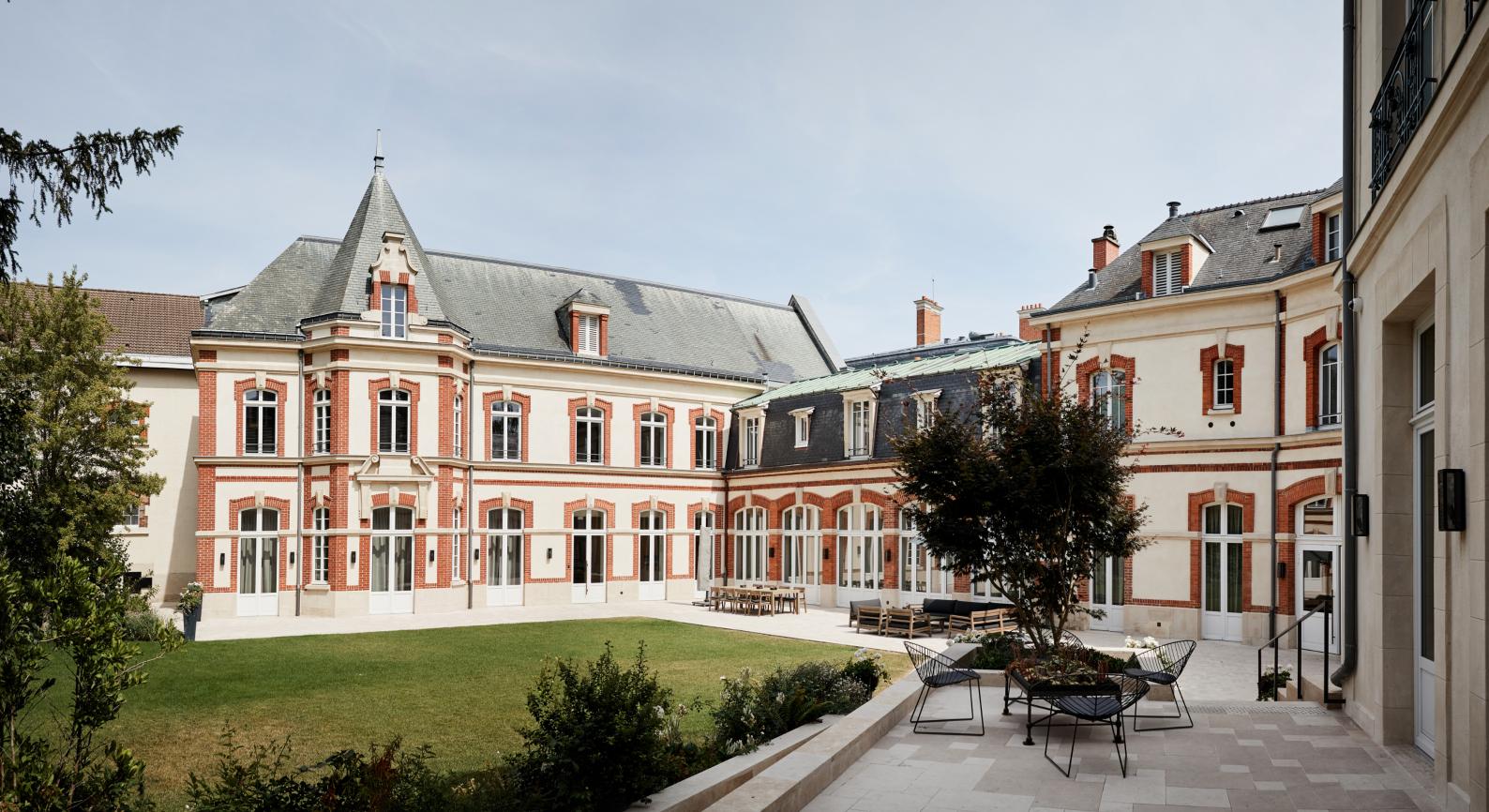
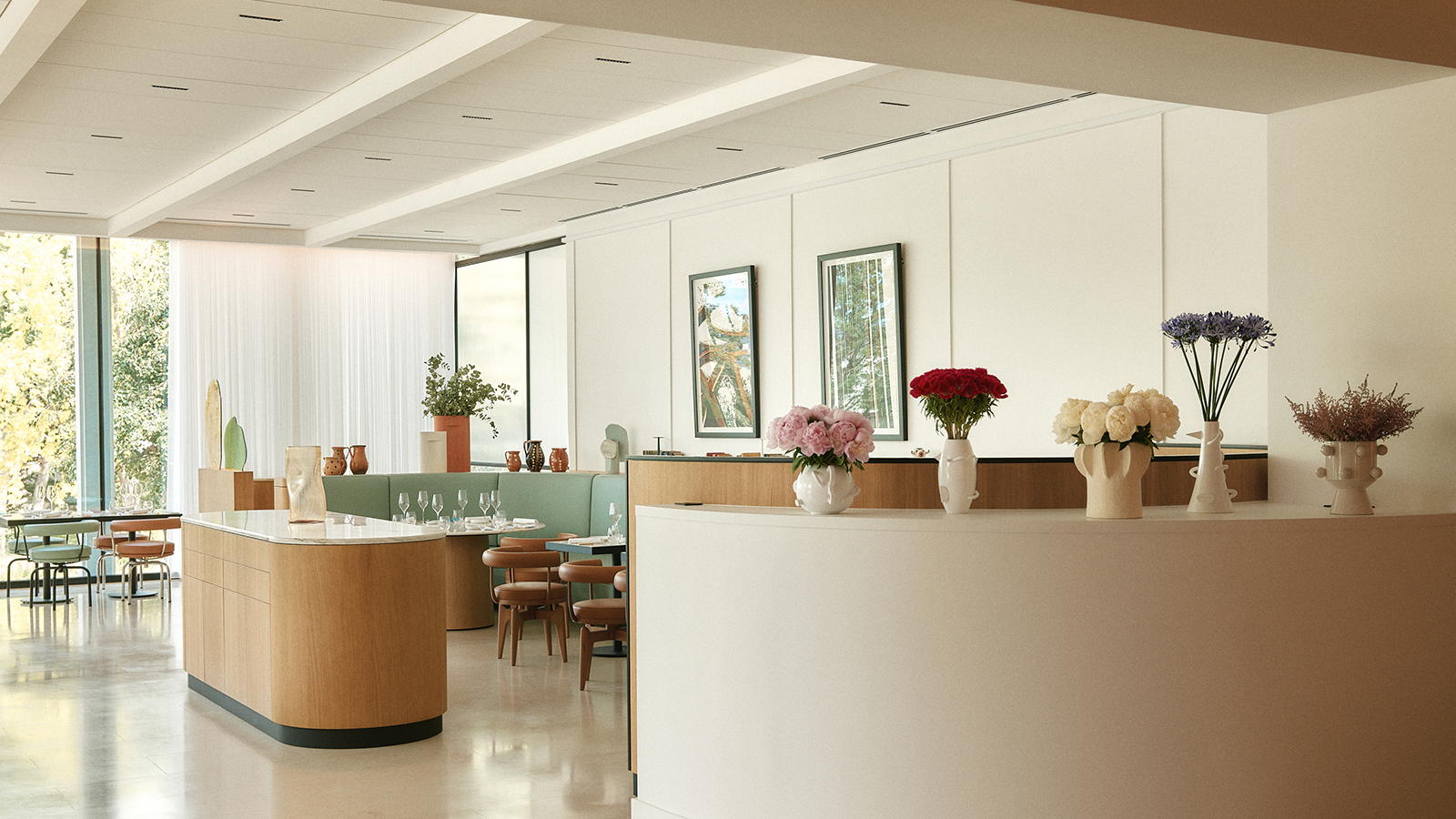
Contemporary, uncluttered interior with soft soothing tones of olive green and natural shades, adorned with local artwork and Champagne-themed details; bright veranda overlooking peaceful garden; serene open kitchen with graceful choreography of chefs.