Comptoir De Vie belongs to Paris’s compact, format-led dining tier: a seven-course tasting attached to De Vie rather than a loose à la carte evening. The appeal is less about spectacle than sequencing, pacing, and the way a controlled menu can sharpen a night out in a city where tasting formats now sit across every register of ambition.

Pearl is the En Primeur Club membership app — saves, bookings, and concierge access live there. Same editors, same standards.
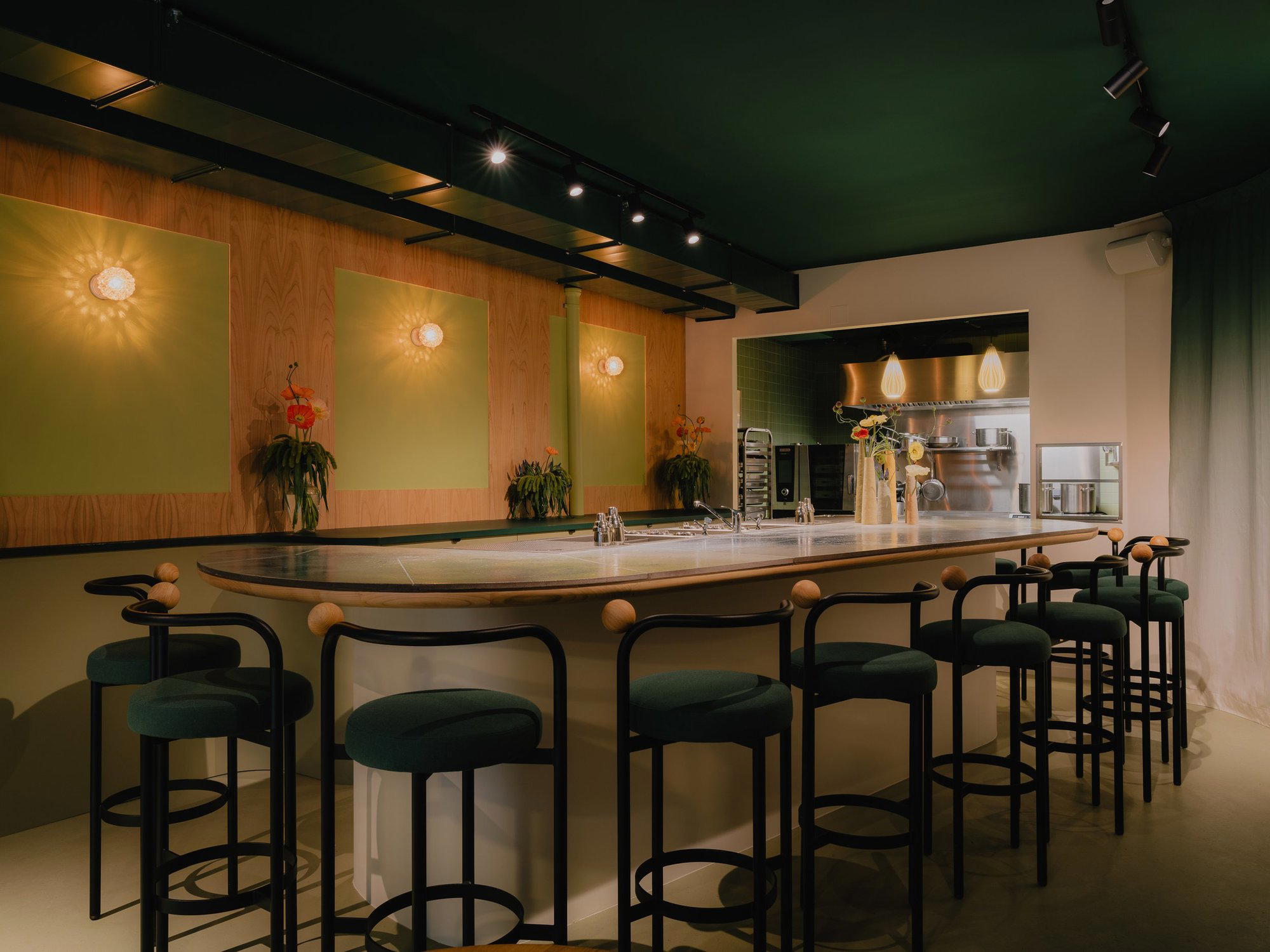
Paris dining rooms often announce themselves before the first plate: a change in street rhythm, a quieter doorway, the soft choreography of coats, glasses, and menus. Comptoir De Vie fits that more intimate register, where the room matters because the format gives it discipline. A seven-course tasting menu narrows the evening’s choices and puts attention on sequence, timing, and proportion rather than on table-side negotiation over what to order.
That matters in Paris. The city has long split its serious dining between grand-room ceremony and smaller counters or compact rooms where a fixed menu does the editorial work. The latter format asks the kitchen to make decisions for the table: how rich the opening should be, where acidity lands, when a course needs restraint, and how the meal closes without exhausting the palate. Comptoir De Vie sits in that controlled-tasting category, part of De Vie, with the seven-course structure doing most of the talking.
A seven-course format in a city that understands pacing
The phrase “tasting menu” can mean many things in Paris, from long-form fine dining to shorter modern menus built for a single sitting. Seven courses occupy a useful middle ground. The format has enough space for progression, but not so much that dinner becomes a test of stamina. In a city where lunch can still carry formality and dinner often stretches late, that scale is a practical signal as much as a culinary one.
For readers mapping Paris by dining style, Comptoir De Vie is better understood through format than through cuisine labels alone. “Seven-course tasting” tells the diner to expect a curated rhythm rather than a broad card. It also places the restaurant within a wider shift toward smaller decision sets: fewer choices, tighter menus, and more responsibility placed on the kitchen’s sequencing. That shift is visible across the city, from modern cuisine rooms such as 114, Faubourg to compact contemporary addresses like 19 Saint Roch and 14 paradis. Those links are not a like-for-like comparison; they show how broad the Paris restaurant spectrum has become for diners choosing between ceremony, creativity, and scale.
The absence of public-facing chef biography or award detail here shifts the editorial emphasis back to the meal’s architecture. In practical terms, that is not a weakness for a tasting counter or compact tasting room. A diner is buying a sequence, not a personality study. The useful question is whether the format suits the occasion: a focused dinner, a planned evening, and a table that wants the kitchen to set the pace.
The neighbourhood lens: Paris as a sequence of small dining worlds
Paris rewards neighbourhood-level planning. The difference between a polished hotel dining room, a young creative kitchen, and a small tasting format is often less about distance than about tempo. A dinner built around seven courses belongs to the part of the city’s dining culture that treats the evening as a contained performance, not a stop between errands. That makes the surrounding area part of the decision, even when the address itself is not the headline.
In this category, the strongest nights usually come from matching the restaurant to the rest of the itinerary. A tasting menu pairs badly with a rushed pre-theatre slot and better with an evening kept open. It also suits visitors who have already done the classic brasserie circuit and want a more edited Paris dinner without committing to the longest fine-dining format. For broader planning, our full Paris restaurants guide is the useful starting point, especially when sorting tasting menus from traditional cuisine addresses such as 19.20 by Norbert Tarayre or concise contemporary listings such as 116.
The same neighbourhood logic applies beyond dinner. Paris trips work better when the hotel, bar, cultural plan, and restaurant are not treated as separate decisions. A controlled tasting menu can anchor the night; the rest of the itinerary should avoid crowding it. For that wider map, use our full Paris hotels guide, our full Paris bars guide, our full Paris wineries guide, and our full Paris experiences guide to keep the evening coherent rather than overpacked.
How to think about the table before committing
The restaurant is a stronger fit for diners who like a kitchen-led meal and are comfortable giving up menu control. It is a weaker fit for groups that need broad choice, fast pacing, or a casual drop-in format. That distinction sounds basic, but it is often where Paris restaurant planning goes wrong: the city offers every level of formality, yet the success of a meal depends on choosing the right kind of room for the night.
For travellers extending a France dining itinerary beyond Paris, it helps to compare by structure rather than reputation alone. Regional restaurants can mean anything from casual contemporary formats to hotel dining rooms and resort-season addresses. EP Club’s wider France map includes.... Et la Fourmi in Nantes, [S] Corner in Courchevel, 1217 in Bagnols, 1387 in Strasbourg, 14 Avenue in La Baule, and 16âme in Le Monêtier-les-Bains. For a cross-continental contrast in compact, ingredient-led formats, see Jōdo Saké Bar in Los Angeles and Onigiri Time in Pasadena.
The verdict is simple: this is a Paris table to consider when the tasting format itself is the draw. The seven-course structure gives the evening a clear frame, and that frame will appeal to diners who want a measured meal rather than a sprawling card. In a city with endless restaurant choice, that kind of constraint can be the point.
Comparable venues nearby, for context on price, style, and recognition.
| Venue | Cuisine | Price | Notes |
|---|---|---|---|
| Comptoir De VieThis venue — the venue you are viewing | Modern French Tasting Counter-Bar | $$$ | Not listed |
| Café Max | Classic French Bistro | $$$ | Gros-Caillou |
| Attabler | Authentic Parisian Bistro | $$$ | 16th arrondissement |
| Café Sud | Modern French Bistro | $$$ | 8th arrondissement (Madeleine) |
| La Petite Régalade | Aveyronnais Bistro | $$$ | 2nd arrondissement |
| Le Square Trousseau | Classic French Bistro | $$$ | Bastille |
Continue exploring
More in Paris
Restaurants in Paris
Browse all →

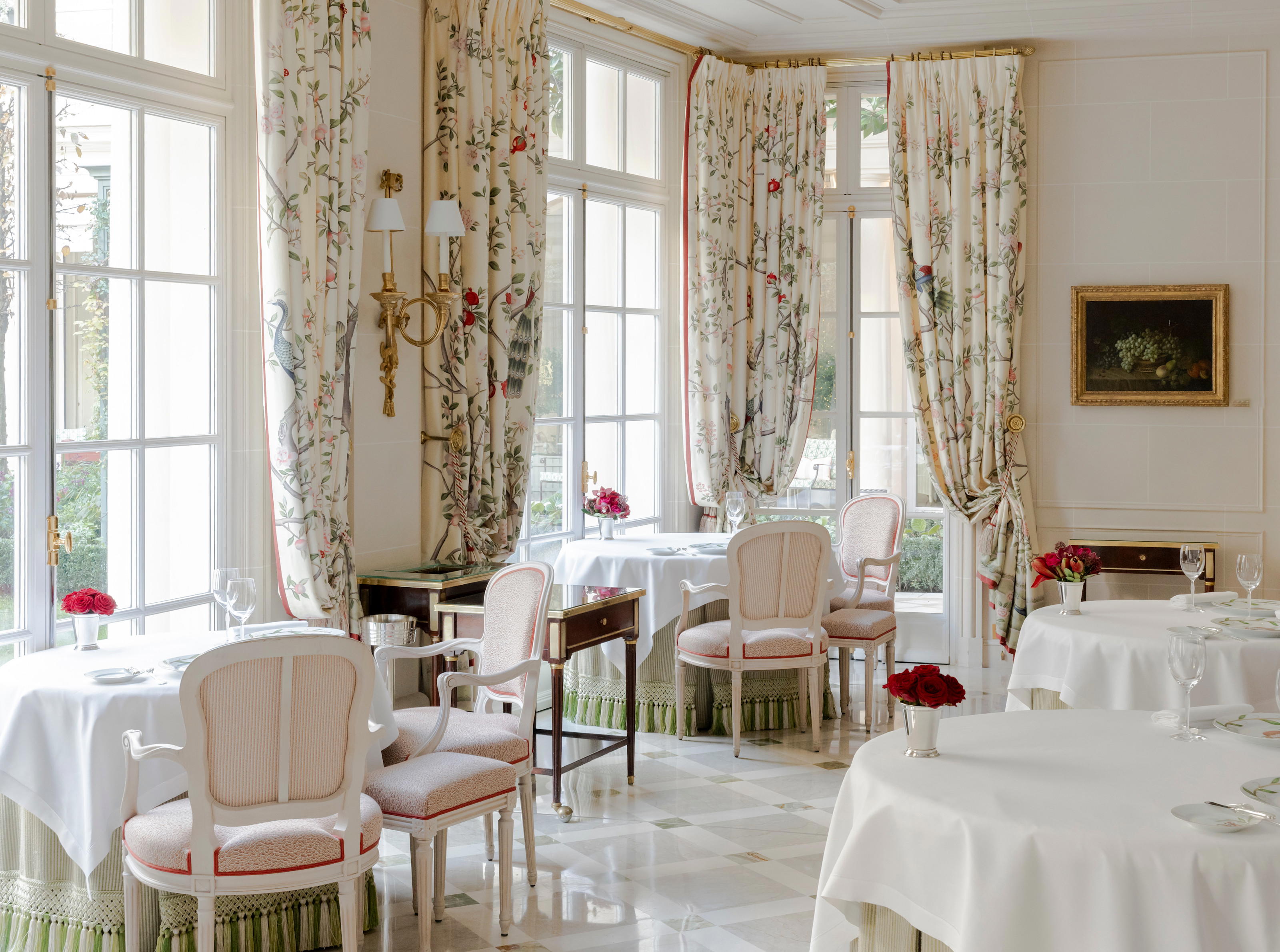
Bars in Paris
Browse all →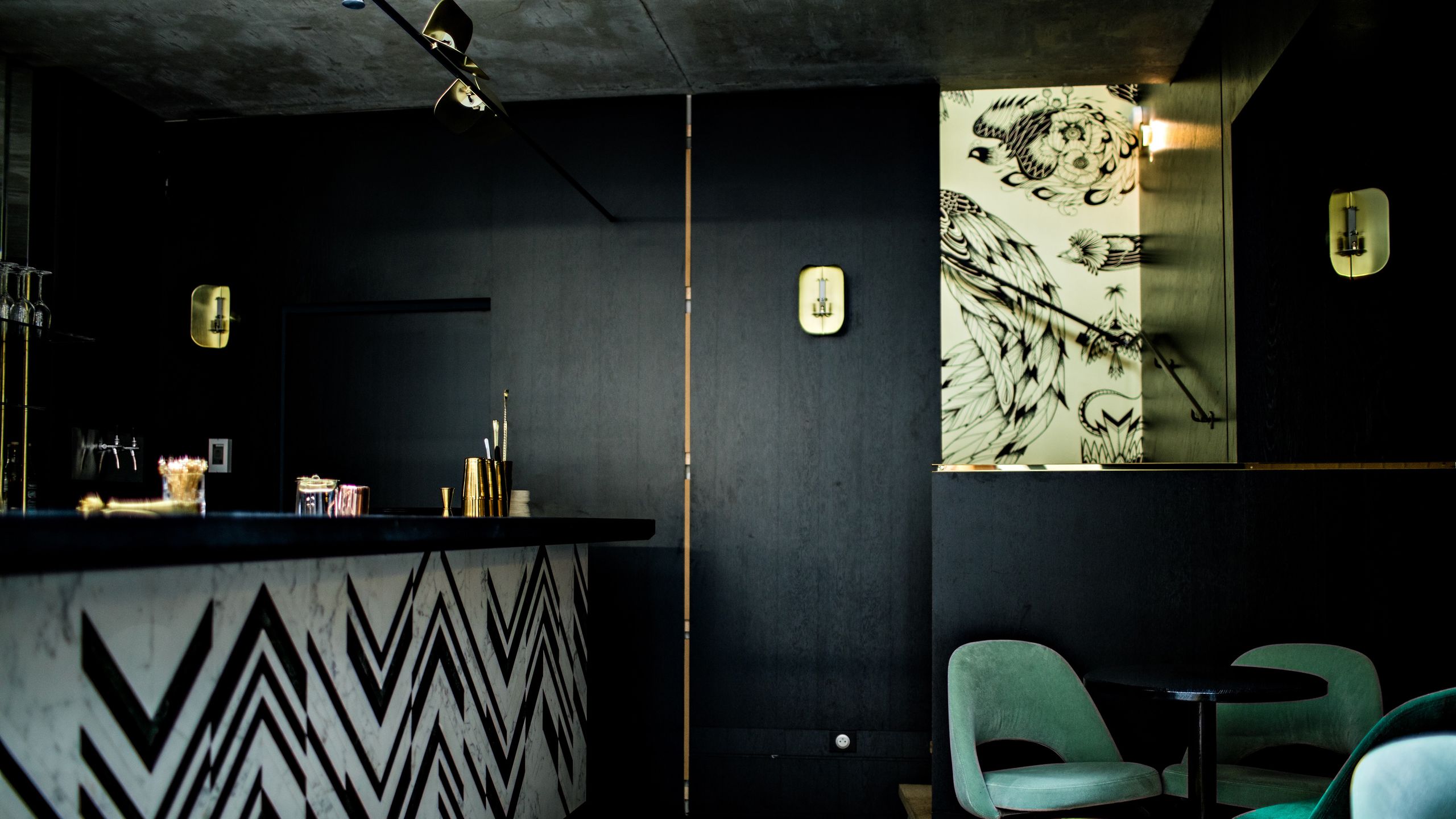
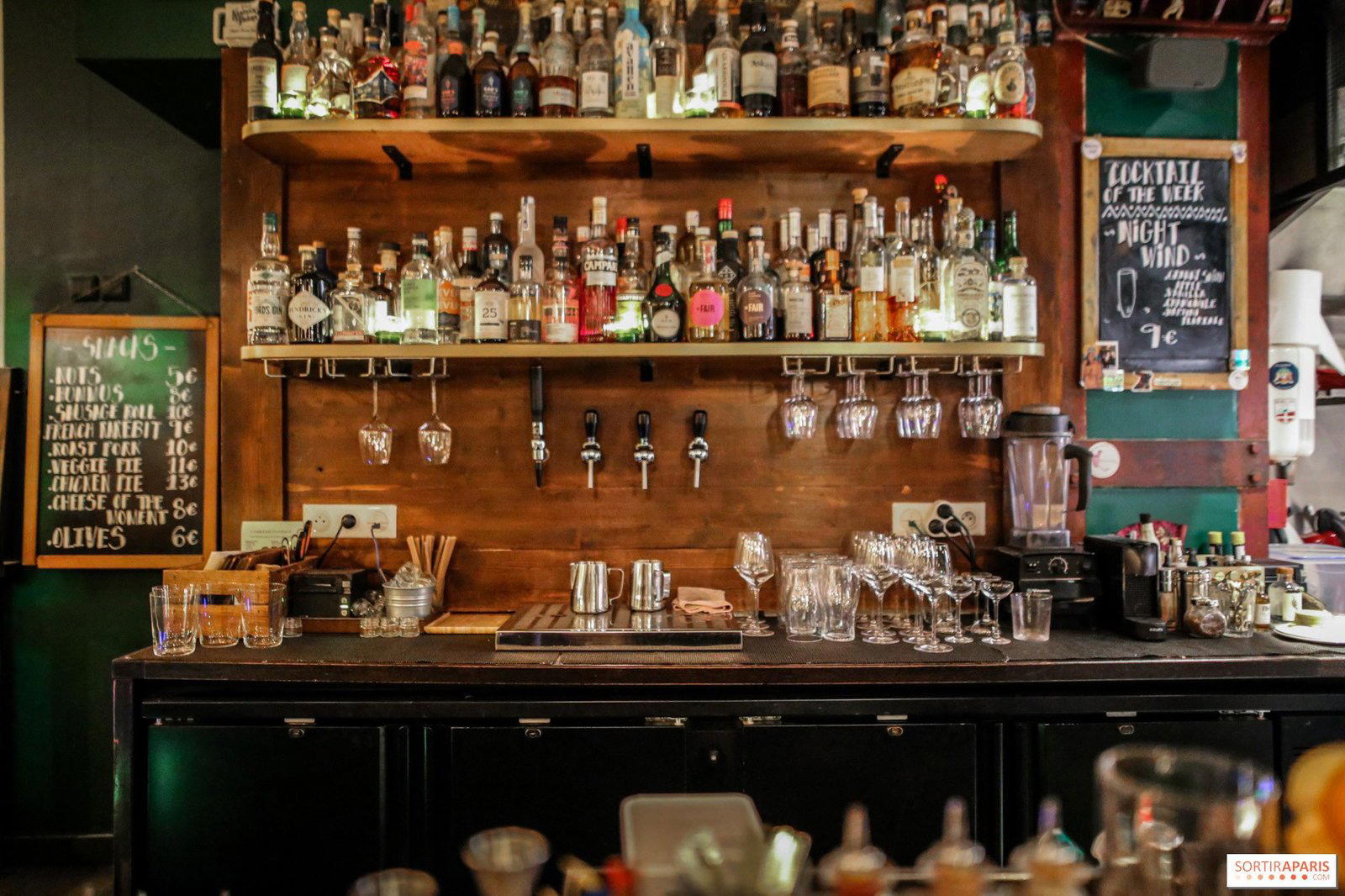
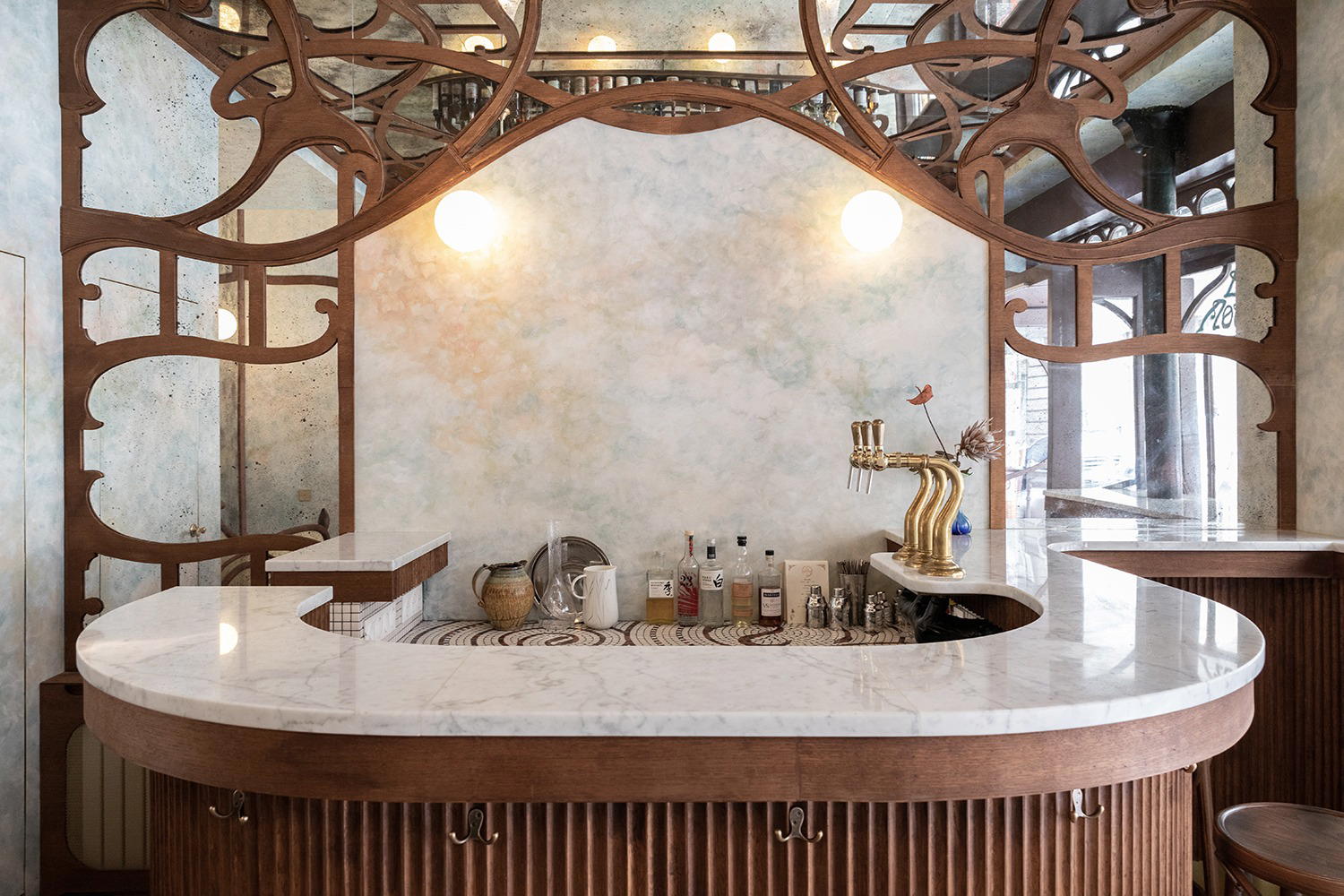
Hotels in Paris
Browse all →


At a Glance
- Sophisticated
- Intimate
- Modern
- Trendy
- Elegant
- Date Night
- Special Occasion
- Celebration
- Solo
- Business Dinner
- Chefs Counter
- Design Destination
- Terrace
- Standalone
- Craft Cocktails
- Zero Proof
- Natural Wine
- Local Sourcing
- Sustainable Seafood
- Zero Waste
- Street Scene
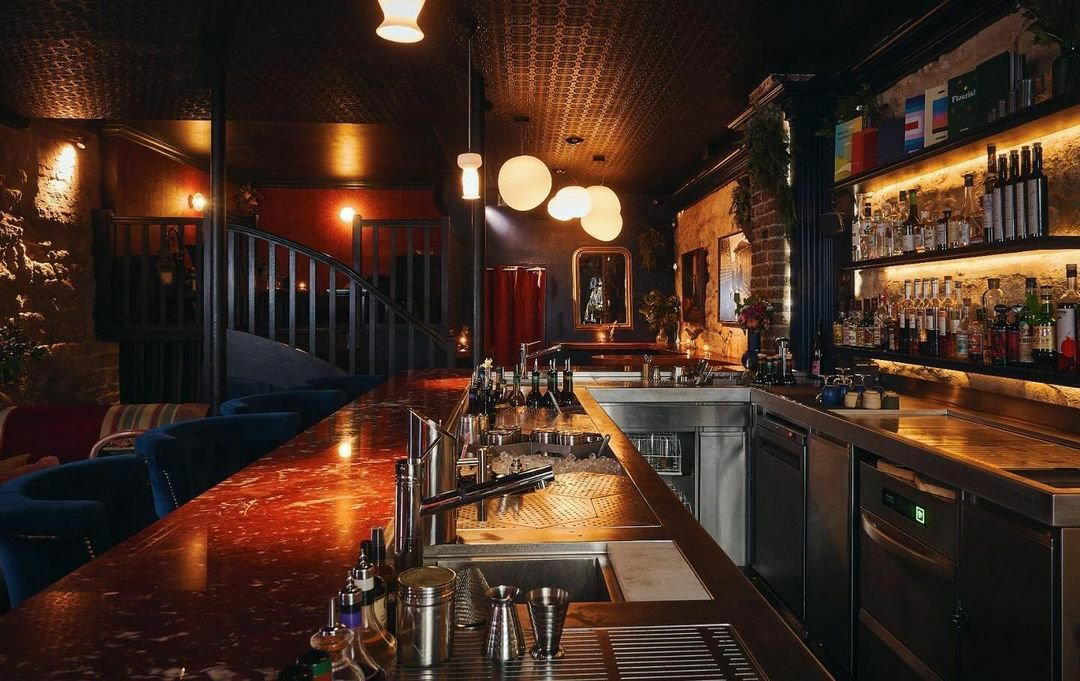
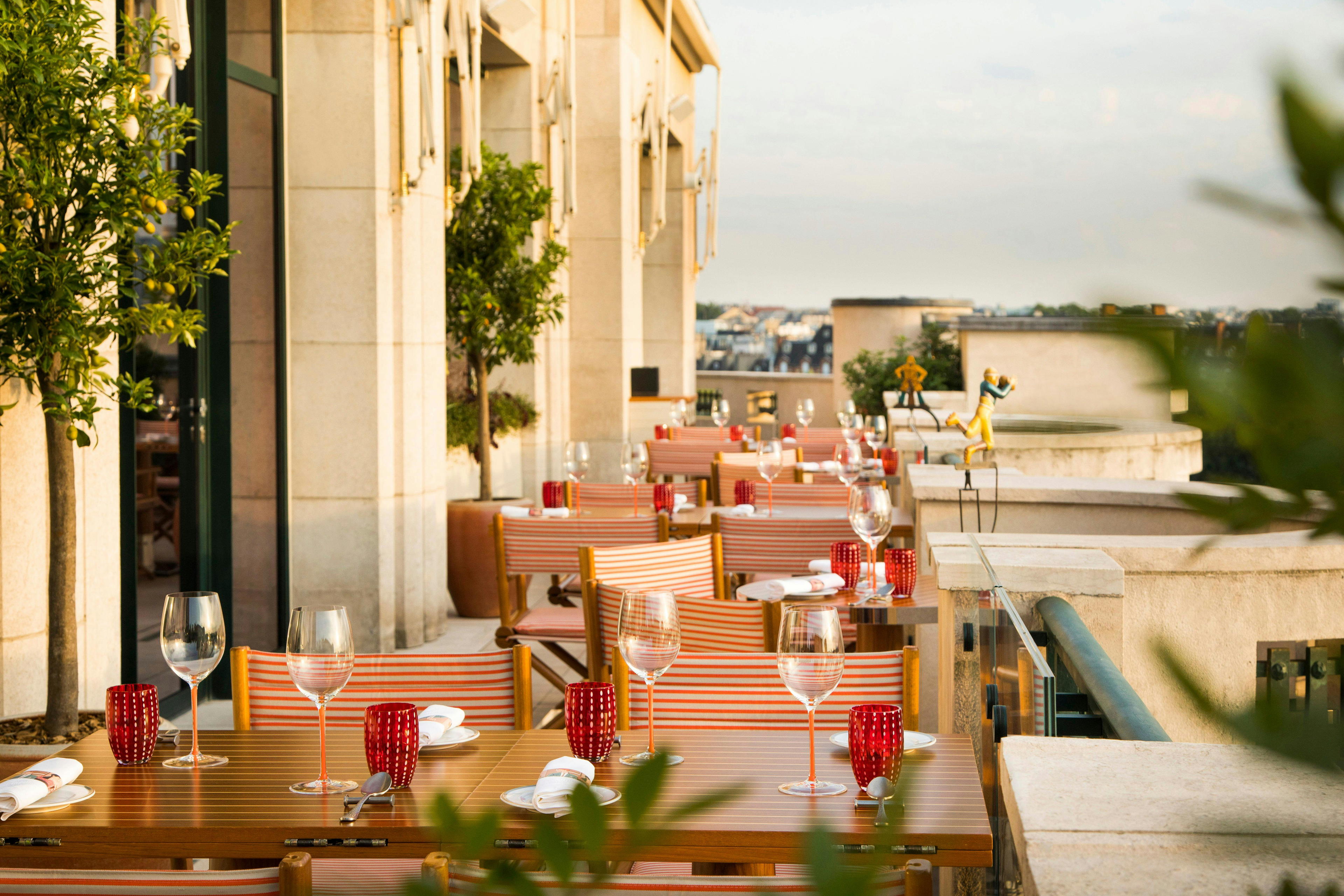
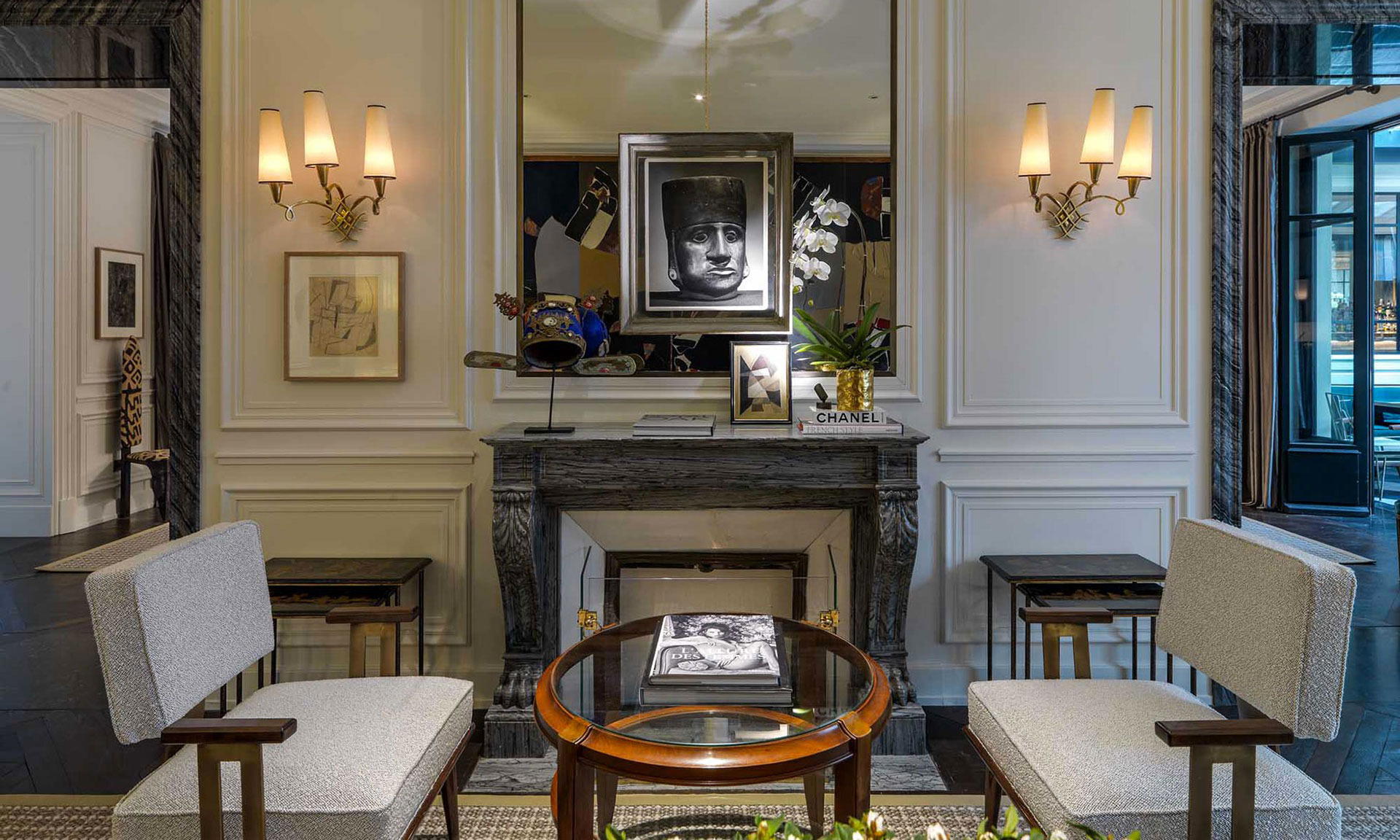
An intimate, sophisticated, design-forward room with a large blue-green enamel counter, a warm interior feel, and a terrace for outdoor seating.