Our verdict
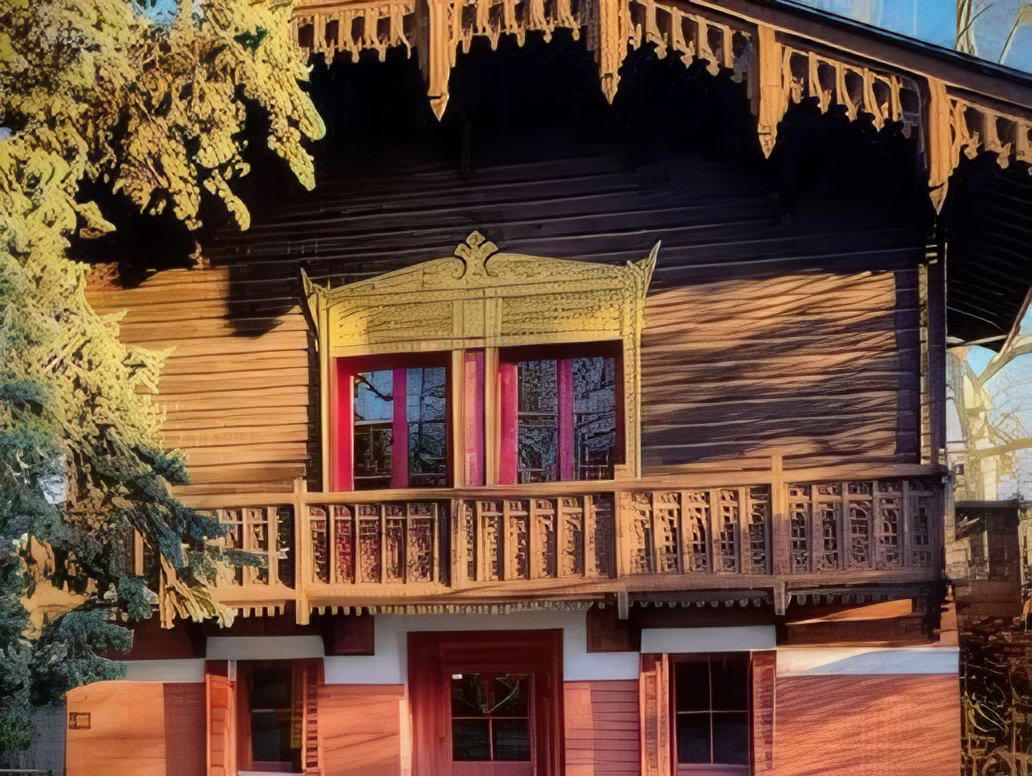
Café Gustave sits within the historic Parc Caillebotte in Yerres, south of Paris, on the grounds where Impressionist painter Gustave Caillebotte once cultivated his kitchen garden. The café operates in direct dialogue with that agricultural heritage, making it one of the more contextually grounded dining stops in the Essonne département. It suits visitors exploring the park and those curious about the intersection of French horticultural history and contemporary café culture.

Pearl is the En Primeur Club membership app, where members save venues, book tables and use the concierge.
The menu
What to order
- Salmon salad with yuzu and pomegranate vinaigrette
- Shallot steak
- Creamy chestnut rice
- Citrus Mont Blanc
- Pavlova
Where a Painter's Garden Becomes the Menu
The approach to Café Gustave tells you something before you sit down. The Parc Caillebotte in Yerres is not a manicured municipal garden with benches and plaques, it is a working estate, with greenhouse structures, a restored manor, and traces of the kitchen garden that Gustave Caillebotte, the Impressionist painter and committed horticulturalist, maintained in the 1870s and 1880s. The café sits inside that environment at 6 Rue de Concy, 91330 Yerres, and the physical setting frames the food before a single dish arrives. In a region where most café dining amounts to a brasserie terrace off a suburban high street, that context is not incidental, it is the point.
France's most discussed restaurants tend to operate far from the Île-de-France periphery. The ingredient-led houses that define contemporary French fine dining, Flocons de Sel in Megève, Mirazur in Menton, Bras in Laguiole, are rooted in specific agricultural terroirs that inform their menus with documentary precision. Café Gustave operates at a different scale and register, but the underlying logic is the same: the land the restaurant occupies shapes what appears on the plate. In that sense, it belongs to a longer tradition than its café format might suggest.
The Sourcing Logic Behind the Setting
French horticultural heritage and restaurant sourcing have a complicated relationship. Many venues invoke provenance loosely, a mention of a regional farm on the menu, a seasonal vegetable as garnish. The Caillebotte estate provides a more specific frame. Gustave Caillebotte was not only a painter of domestic and garden scenes; he was a practical gardener whose correspondence and estate records document the varieties he grew and the attention he paid to his kitchen garden. A café operating on those grounds inherits an implicit sourcing brief: the garden's logic should extend to the table.
This is the context that separates Café Gustave from other Essonne café stops. Where a venue like Bird, Yerres's farm-to-table option at the €€ tier, builds its sourcing story around a defined farm-to-table philosophy, Café Gustave's sourcing argument is architectural, it is physically embedded in a site with documented agricultural history. That distinction matters when assessing what the visit is actually for. You are not coming primarily to eat; you are coming to eat in a place where the provenance of ingredients carries a historical weight that most urban cafés cannot replicate.
The broader Yerres dining scene reflects a town that punches modestly in culinary terms relative to its proximity to Paris, roughly 20 kilometres southeast via the RER D from Gare de Lyon. Le 330 and Restaurant de la Ferme represent the local mid-range, but neither operates inside a heritage site with the cultural density of the Caillebotte estate. For a fuller picture of the town's options, the EP Club Yerres restaurants guide maps the field.
The Estate as Editorial Argument
The leading reason to understand Café Gustave through a sourcing lens is that it reframes what French café culture can be at its most considered. The dominant model, a zinc counter, a plat du jour sourced from the same cash-and-carry as every surrounding brasserie, is the baseline most visitors expect. The estate café model, where the kitchen's proximity to a specific landscape creates a genuine sourcing constraint, is rarer and more interesting.
French restaurants that have pushed ingredient provenance to its logical conclusion tend to be destination properties: Auberge de l'Ill in Illhaeusern draws on Alsatian river and farm produce embedded in decades of institutional memory; Les Prés d'Eugénie in Eugénie-les-Bains built a spa-and-kitchen ecosystem around its terroir; Georges Blanc in Vonnas and Auberge du Vieux Puits in Fontjoncouse similarly anchor their identity in place. Café Gustave is not in that tier by any measure of scale or ambition, but it shares the structural argument: place precedes plate.
It is worth placing that in contrast with what haute cuisine looks like in Paris proper. Alléno Paris au Pavillon Ledoyen and the legacy of Paul Bocuse represent the metropolitan and institutional poles of French dining seriousness. Café Gustave operates in a completely different register, but for visitors who have already ticked off the Paris circuit and are looking for a half-day excursion with genuine historical texture, the Caillebotte estate delivers something those grands restaurants cannot: a living agricultural site rather than a formal dining room.
Planning the Visit
The Parc Caillebotte is accessible by RER D to Yerres station, with the park a short walk from the platform. The estate draws visitors primarily for its Caillebotte museum and garden programming, and the café functions as a natural pause within that itinerary rather than a standalone dining destination. Visitors combining the café with a full estate visit should allow a half-day; those arriving specifically to eat may find the experience brief without the broader park context. Given the absence of published booking information, walk-in visits tied to park opening hours are the practical approach. Seasonal programming at the estate, which tends to intensify in late spring and summer when the garden is most active, is worth checking before arrival, as events can affect access and café capacity.
For travellers building a broader French dining itinerary, the contrast between Café Gustave's informal estate register and the formal ambition of venues like Troisgros in Ouches, La Table du Castellet, or Le 1947 à Cheval Blanc in Courchevel is instructive. And for those curious about how French sourcing logic translates across the Atlantic, Le Bernardin in New York City and Lazy Bear in San Francisco both show how French-influenced ingredient discipline plays out in American fine dining.
Frequently asked questions
Is Café Gustave Maison Caillebotte child-friendly?
The setting at Parc Caillebotte in Yerres works naturally for families. The park offers open grounds for children to move freely, and a café within a heritage estate tends to attract a mixed age range rather than a strictly adult crowd.
Is Café Gustave Maison Caillebotte better for a quiet night or a lively one?
Café Gustave operates within the Parc Caillebotte estate at 6 Rue de Concy, Yerres, which is a heritage property rather than an urban dining destination. The context suggests a daytime or early evening register oriented around the park visit rather than late-night atmosphere. Those seeking a high-energy evening would be better served elsewhere; the draw here is the estate setting itself.
Can you visit Café Gustave Maison Caillebotte as a day trip from Paris?
Yes. The Parc Caillebotte is directly accessible via RER D to Yerres station, with the estate a short walk from the platform, placing it within practical reach of central Paris for a half-day or full-day visit. The café sits within the same grounds as the Maison Caillebotte itself, so combining a visit to the Impressionist-era property with lunch or coffee at Café Gustave is the logical sequence.
What's the must-try dish at Café Gustave Maison Caillebotte?
What the body of editorial coverage makes clear is that the sourcing logic is tied to the Caillebotte estate's horticultural heritage in Yerres, which shapes what reaches the table more than any single signature dish.
Where exactly is Café Gustave Maison Caillebotte?
Café Gustave Maison Caillebotte is located at Parc Caillebotte, 6 Rue de Concy, 91330 Yerres, France, Yerres.
How It Stacks Up
| Venue | Cuisine | Price | Awards | Notes |
|---|---|---|---|---|
| Café Gustave Maison CaillebotteThis venue (the venue you are viewing) | French Bistronomic | $30–50 | Not listed | Not listed |
| Bird | French Market Bistro | $30–50 | Michelin Bib Gourmand | Farm to table |
| Le 330 | Traditional French Brasserie | $20–30 | Not listed | Not listed |
| Restaurant de la Ferme | French Steakhouse with Wood-Fire Grills | $30–50 | Not listed | Not listed |
Continue exploring
More in Yerres
Restaurants in Yerres
All restaurants in Yerres →
Bars in Yerres
Browse all →
Details
- Scenic
- Cozy
- Classic
- Brunch
- Group Dining
- Casual Hangout
- Garden
- Terrace
- Standalone
- Local Sourcing
- Garden
- A La Carte
- Set Menu
- Wine
- Coffee
- Tea
- Vegetarian Friendly
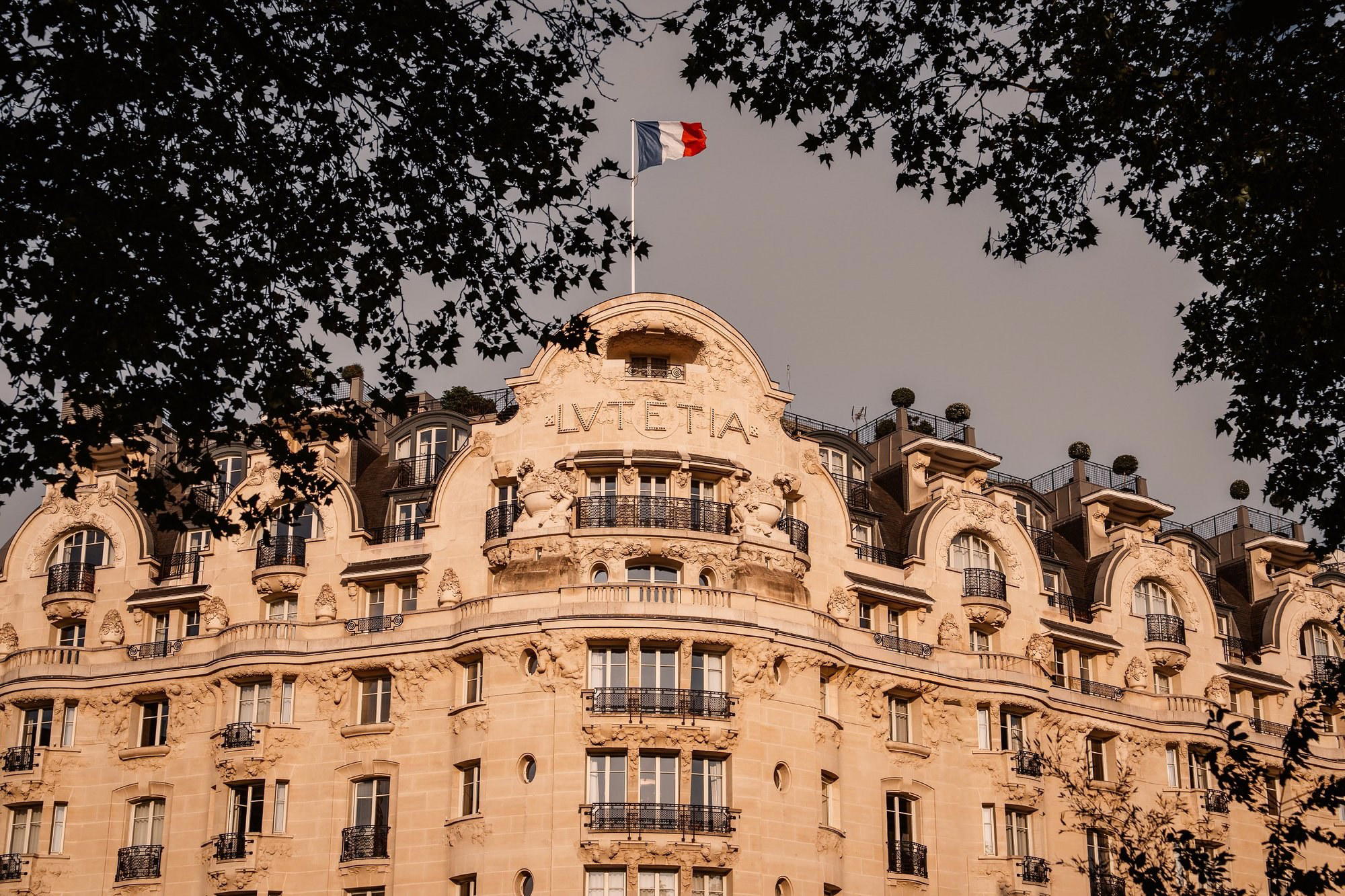
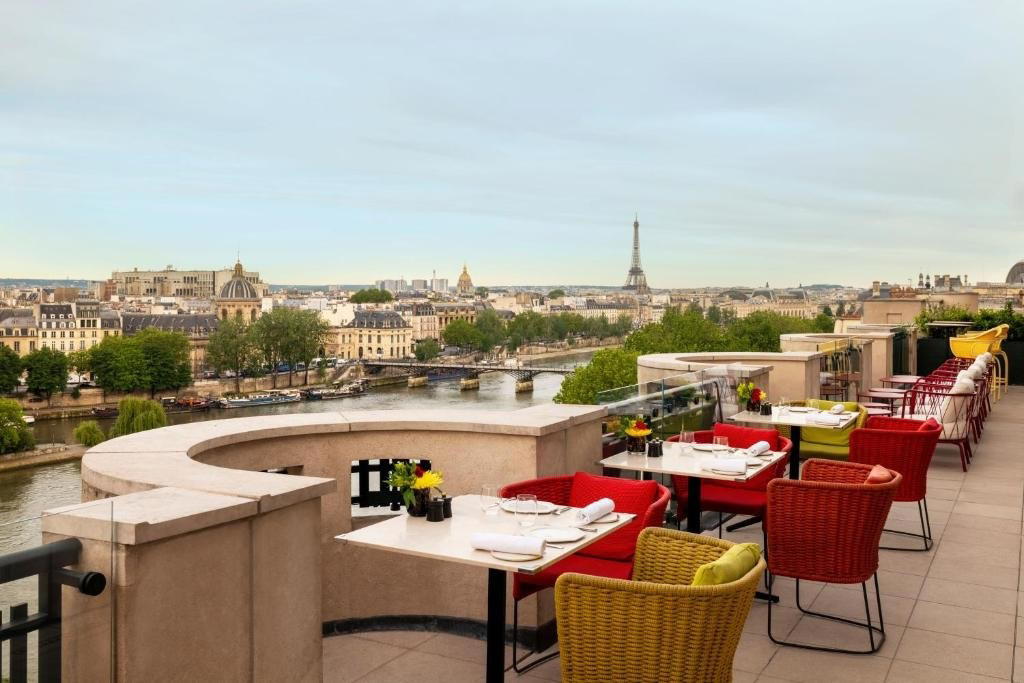
A bistronomic, park-adjacent setting with a large shaded terrace overlooking the park, a large room, and a small cozy lounge; the tone is friendly and relaxed rather than formal.