Our verdict
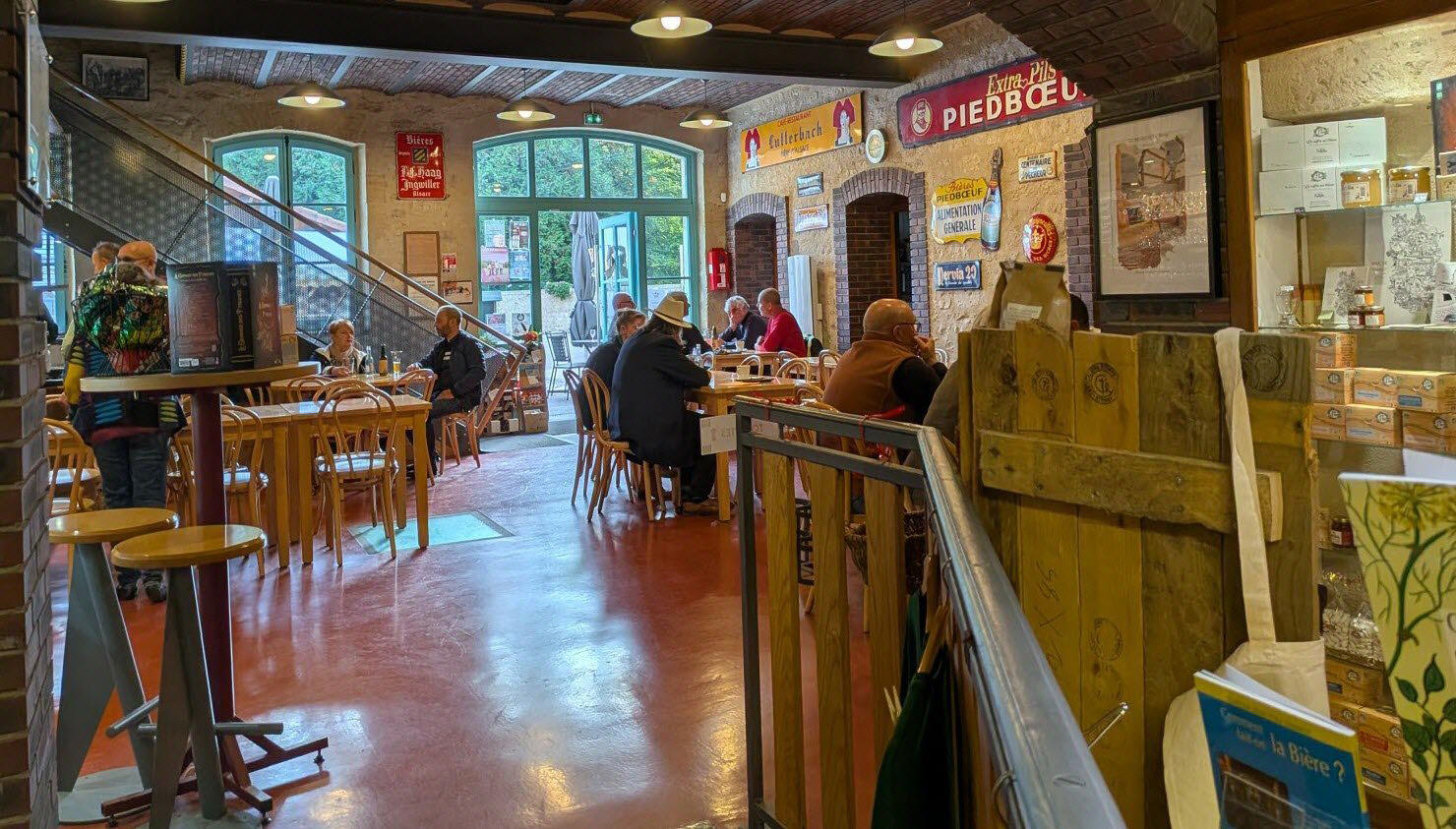
La Taverne du Musée occupies a quiet address on Rue du Moulin in Stenay, a small Meuse town better known for its European Beer Museum than its restaurant scene. In a region where traditional Lorraine cooking has held its ground against broader French culinary trends, the taverne format positions it squarely in the neighbourhood bistro tier, honest, local, and grounded in the produce rhythms of the Ardennes-Meuse corridor.

Pearl is the En Primeur Club membership app, where members save venues, book tables and use the concierge.
Where the Meuse Valley Sets the Table
Stenay sits on the western bank of the Meuse in the Meuse department of Grand Est, a stretch of France where the culinary identity is shaped less by star kitchens and more by the slow logic of agricultural seasons. The town is small enough that its dining scene operates in a register entirely different from the Michelin-chased restaurants of nearby Reims or the celebrated addresses further east, such as Assiette Champenoise in Reims or Au Crocodile in Strasbourg. Here, the reference point is not the tasting counter or the carte blanche menu, but the taverne, a format that in northern France carries specific weight: hearty plates, regional produce, and an expectation that the food will match the weather and the surroundings rather than transcend them.
La Taverne du Musée, at 37 Rue du Moulin, takes its name partly from its proximity to Stenay's European Beer Museum, a genuine draw that pulls visitors into a town that otherwise sees limited tourist traffic. That adjacency matters. It positions the restaurant inside a particular kind of local economy: visitors arriving to explore the museum find a logical next stop, while locals who know the address arrive with different expectations. The taverne format threads both audiences together in a way that a more ambitious kitchen would struggle to do.
The Lorraine Table and Where It Sourced From
The Grand Est region, which absorbed historic Lorraine after the 2016 regional reforms, has a culinary identity rooted in proximity to Germany and Luxembourg as much as in French tradition. The Meuse corridor specifically sits between the cereal plains to the west and the forested Ardennes to the north, a geography that historically produced pork, dairy, river fish, and foraged ingredients rather than the Mediterranean abundance you find at addresses like Mirazur in Menton or AM par Alexandre Mazzia in Marseille.
In the taverne format across this part of France, ingredient sourcing has traditionally followed short supply lines: the butcher two streets away, the farms in the valleys between Stenay and Verdun, the river yielding pike and crayfish when the season allows. That sourcing logic shapes the plate before any kitchen philosophy does. Where destination restaurants in France, from Bras in Laguiole to Auberge du Vieux Puits in Fontjoncouse, have built identities around hyper-local terroir as a deliberate creative statement, the regional taverne does something structurally similar but without the editorial framing: the local produce is simply what is available, and availability defines the menu.
Lorraine's traditional repertoire draws on quiche (the Lorraine version is a classic of the French canon), pâté Lorrain, potée, and preparations built around smoked and cured pork. River fish from the Meuse have historically appeared on plates across the region, alongside wild mushrooms from the Argonne forest to the south. A taverne on the Rue du Moulin in Stenay operates within that inherited vocabulary, even if the specific dishes shift with the season and the cook's inclinations.
To understand what La Taverne du Musée is, it helps to understand what it is not. The French Northeast contains some of the country's most formally celebrated kitchens, and the distance between those and a neighbourhood taverne in Stenay is not merely geographic. The celebrated auberge tradition, exemplified by places like Auberge de l'Ill in Illhaeusern, represents a different tier entirely: multi-generational culinary institutions with Michelin history, wine cellars built over decades, and a guest profile that travels specifically for the table. La Taverne du Musée operates in the tier below that, in the honest bistro-taverne bracket where the measure of success is a full room on a Friday, not a listing in a national guide.
That is not a diminishment. France's restaurant culture depends on the vitality of this middle layer, the places where regional cooking is kept alive not through preservation efforts but through daily service. The grand kitchens of Paul Bocuse in Collonges-au-Mont-d'Or or Georges Blanc in Vonnas exist in a different economic and cultural register from a town taverne in a Meuse river town, but both are part of the same national food culture. The taverne format holds the weight of the everyday. For readers accustomed to planning trips around addresses like Troisgros in Ouches or Flocons de Sel in Megève, the taverne register requires a recalibration of expectations, not a lowering of them.
Arriving in Stenay and Planning Around the Visit
Stenay is accessible from Luxembourg city in roughly an hour by car, and from Reims in under ninety minutes on the D-road network. It sits on no major rail line, which means a visit is effectively car-dependent. The European Beer Museum, a draw significant enough to have put Stenay on the regional tourism map, is within walking distance of the Rue du Moulin address. Visitors planning a day trip from Luxembourg or from the Champagne region have a coherent itinerary: the museum in the morning, the taverne for lunch, and the Meuse valley in the afternoon. For a fuller account of what the town's dining scene offers, see our full Stenay restaurants guide.
Frequently asked questions
Is La Taverne du Musée good for families?
Stenay is a small town on the Meuse with a pace that suits unhurried meals, and the taverne format at 37 Rue du Moulin points toward the kind of setting where families are more the norm than the exception. The town itself draws visitors to the Musée Européen de la Bière, so multi-generational groups passing through are part of the regular clientele. For specific menu accommodations or seating arrangements, contacting the venue directly is advisable.
How would you describe the vibe at La Taverne du Musée?
The name positions this as a taverne rather than a restaurant, which in the French Northeast signals a setting oriented toward ease over formality. Stenay is a Meuse river town of roughly 2,500 people, not a destination dining circuit, so the atmosphere reflects that context: regional, grounded, and local in character rather than competitive or aspirational. Expect a room shaped more by the rhythms of the town than by any particular design concept.
Is La Taverne du Musée a good base for visiting the Musée Européen de la Bière in Stenay?
La Taverne du Musée sits at 37 Rue du Moulin in Stenay, placing it within the small town centre where the Musée Européen de la Bière is also located. Stenay's beer museum is the town's primary cultural draw, and the taverne name suggests an alignment with that identity rather than coincidence. Pairing a museum visit with a meal here is a logical half-day itinerary for anyone arriving from Luxembourg, roughly an hour by car, or from Reims in under ninety minutes.
What dish is La Taverne du Musée famous for?
What the regional context does support is that Lorraine's culinary identity runs through dishes shaped by proximity to Germany and Luxembourg, with charcuterie, river fish from the Meuse, and slow-cooked preparations historically prominent in the area. For the current menu, reaching the venue directly at 37 Rue du Moulin, Stenay, is the reliable route.
What's the address for La Taverne du Musée?
La Taverne du Musée is located at 37 Rue du Moulin, 55700 Stenay, France, Stenay.
At-a-Glance Comparison
Comparable venues nearby, for context on price, style, and recognition.
| Venue | Cuisine | Price | Notes |
|---|---|---|---|
| La Taverne du MuséeThis venue (the venue you are viewing) | French Beer Tavern | $10–20 | Not listed |
| Le Signal 2108 | Bistronomic French with Regional Alpine Specialties | $30–50 | Signal Mountain |
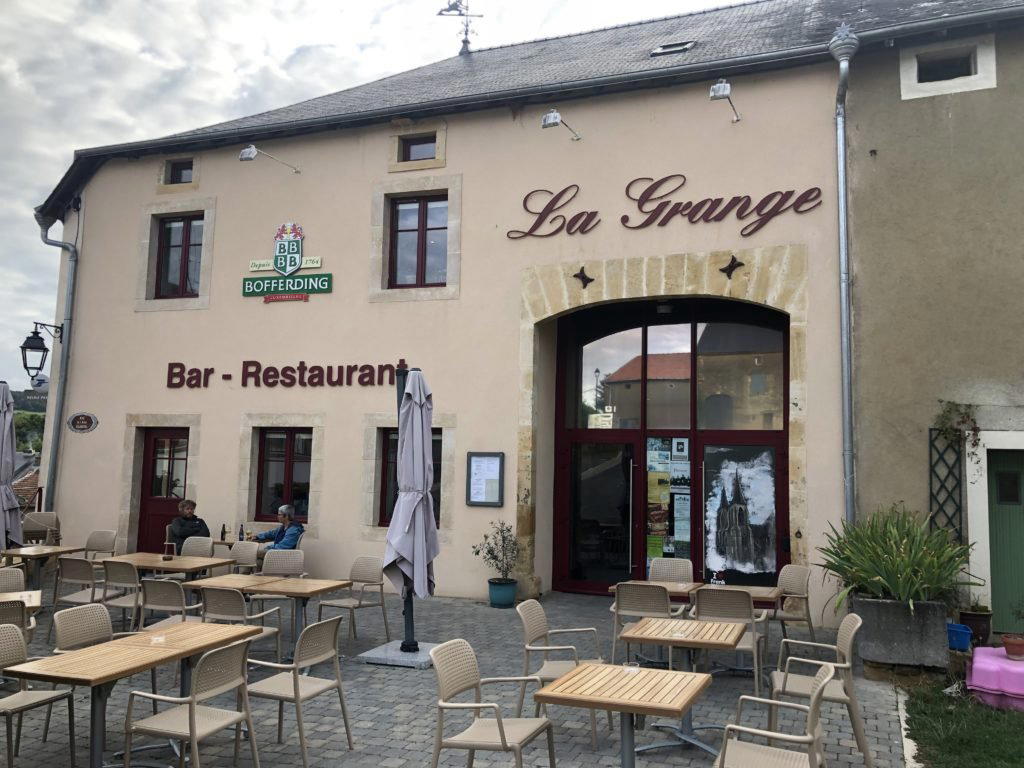
| La Grange | French Bistro | $20–30 | Avioth |
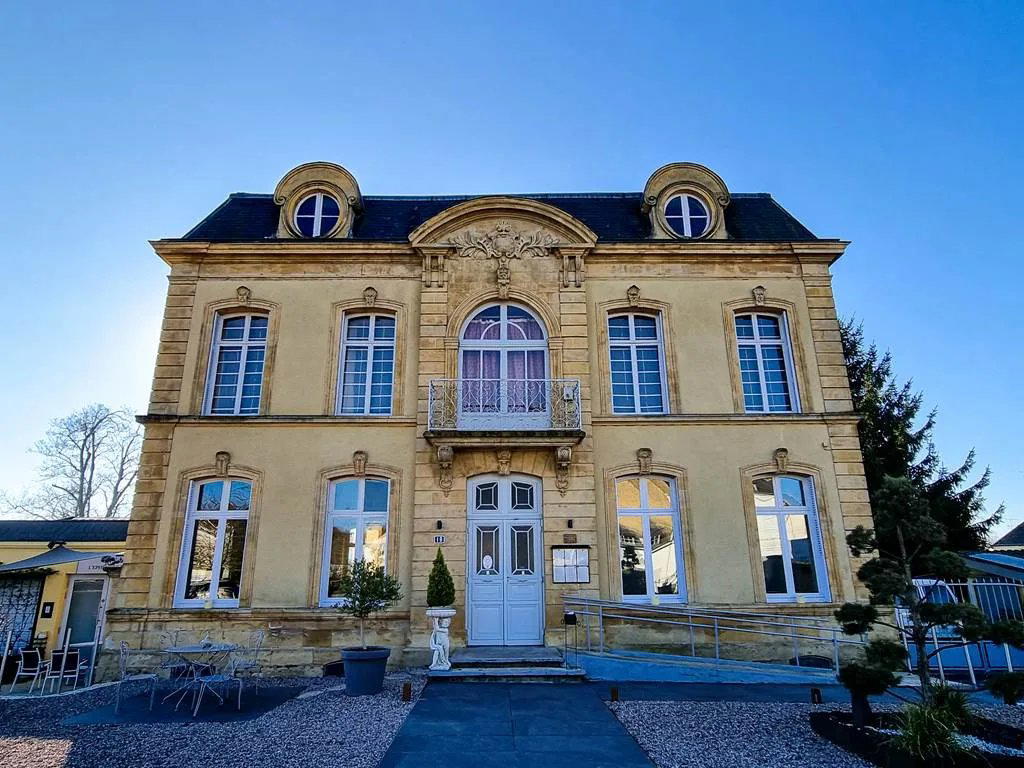
| LE MEDIEVAL | Classic Ardennes French Bistro | Not listed | Vieille Ville |
| Les Pas Sages | French Bistro | $30–50 | centre-ville |
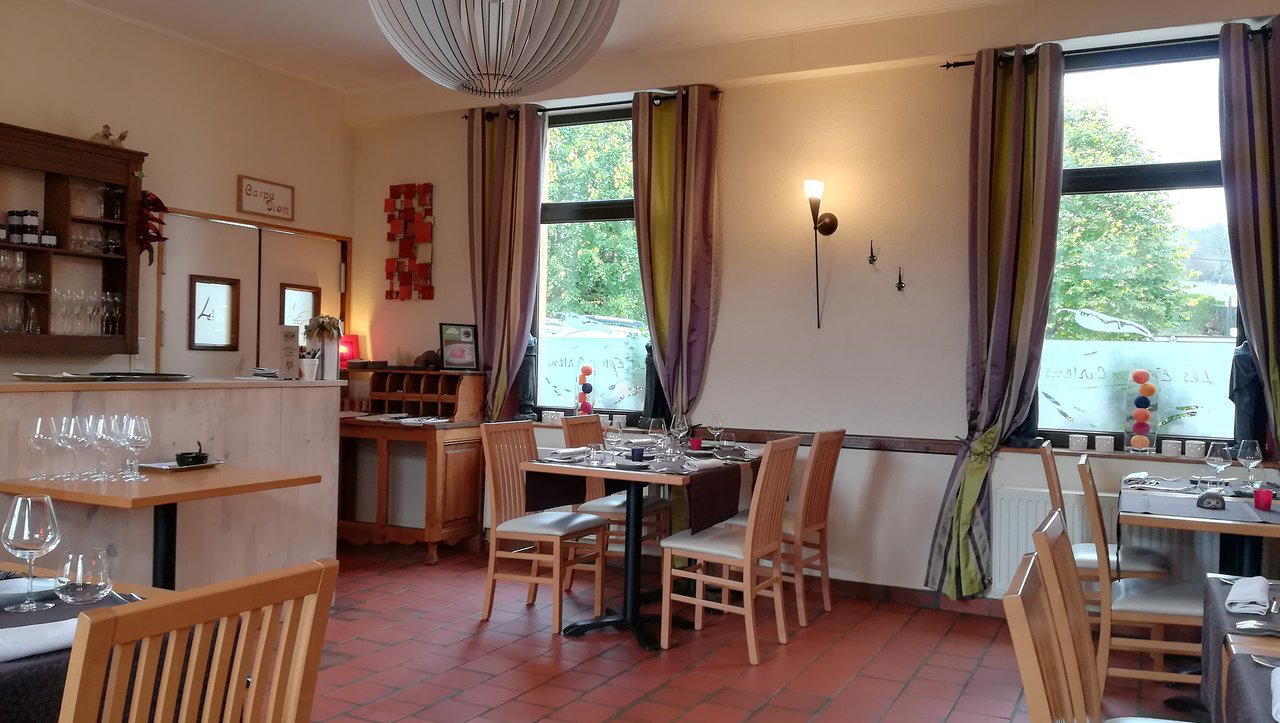
| L'Épicurien | French Creative Bistro | $30–50 | vieille ville |
Continue exploring
More in Stenay
Details
- Rustic
- Cozy
- Classic
- Casual Hangout
- Group Dining
- Historic Building
- Terrace
- Beer Program
- Local Sourcing
- A La Carte
- Beer
Current opening hours
- Monday
- 10 AM–6 PM
- Tuesday
- 10 AM–6 PM
- Wednesday
- 10 AM–6 PM
- Thursday
- 10 AM–6 PM
- Friday
- 10 AM–6 PM
- Saturday
- 10 AM–6 PM
- Sunday
- 10 AM–6 PM
Hours can change for holidays and private events. Hours as of .
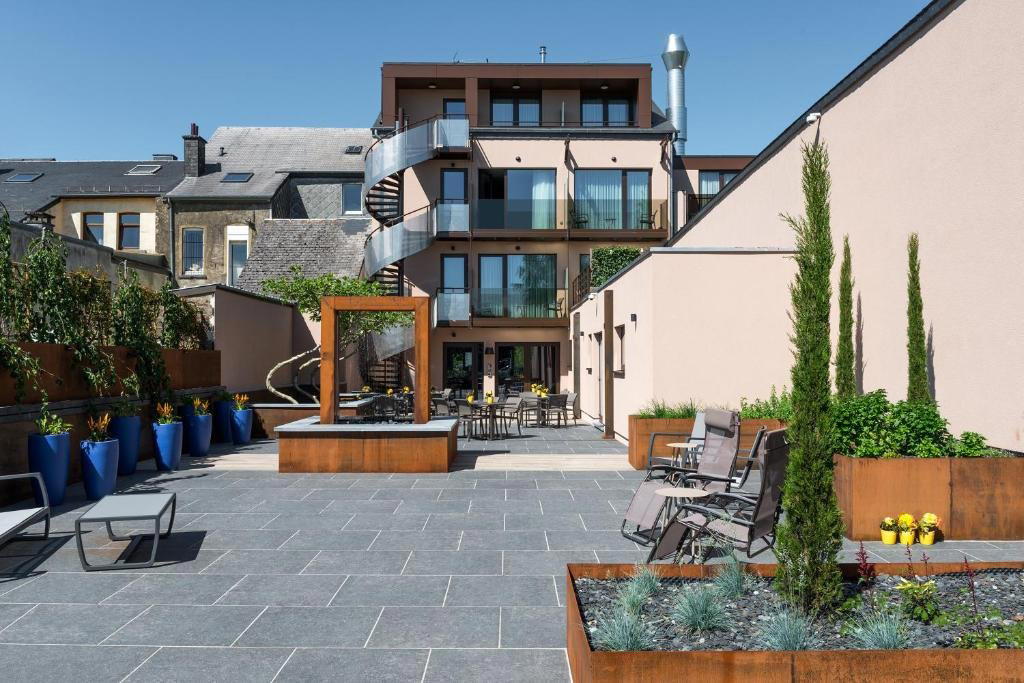
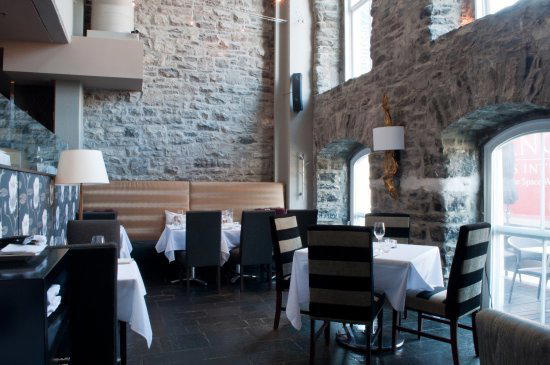
Authentic 16th-century interior creating a welcoming, time-travel atmosphere with summer terrace.