
G Men 7 puts Yokohama ramen in its everyday, specialist register: compact room, counter seating, ramen and tsukemen, and a price band that keeps it far from the city’s formal dining economy. Its Tabelog Ramen KANAGAWA “Tabelog 100” selections in 2024 and 2025 place it inside Kanagawa’s serious noodle conversation rather than the tourist circuit.
Pearl is the En Primeur Club membership app — saves, bookings, and concierge access live there. Same editors, same standards.
- Address
- Japan, 〒233-0002 Kanagawa, Yokohama, Konan Ward, Kamiookanishi, 3 Chome−10−6 エクセルマンション上大岡
- Phone
- +81 45-517-3918
- Website
- twitter.com
 Saves & bookings on Pearl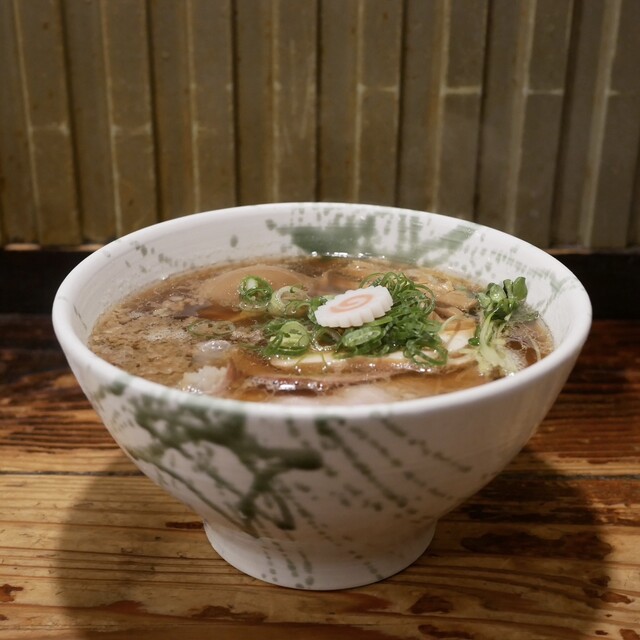
Kamiooka’s ramen addresses are not built for theatre. The pleasure is in the small room, the counter rhythm, the short distance between kitchen and bowl, and the way a station-area meal can become a serious detour without acquiring the manners of fine dining. G Men 7 belongs to that Yokohama category: compact, casual, and specific, with ramen and tsukemen as the frame rather than a broad izakaya-style menu built to please every table.
Yokohama’s dining identity is often reduced to Chinatown, waterfront hotels, and polished Minato Mirai restaurants, but the city’s noodle culture is more dispersed. Serious bowls turn up along commuter lines, in residential wards, and in rooms that operate closer to daily routine than destination dining. That is the useful context here. G Men 7 is not competing with tasting-menu rooms or hotel restaurants; it sits in the low-price, high-repeat-visit ramen tier where broth style, noodle handling, and queue tolerance matter more than décor.
Kanagawa ramen judged by focus, not ceremony
The clearest trust signal is external: G Men 7 was selected for Tabelog Ramen KANAGAWA “Tabelog 100” in both 2024 and 2025, with a Tabelog score listed at 3.73. In Japan’s ramen ecosystem, that matters because the category rewards consistency over luxury cues. A counter can be modest, the spend can remain low, and the judgment can still be exacting. The format here, ramen and tsukemen, places the shop in a lineage where choice is narrower but scrutiny is sharper.
That distinction is useful for travellers mapping Yokohama beyond the port-facing version of the city. The comparison set in Kanagawa is not only ramen shops at the same price level, such as Susurimase nka, but also casual specialists where a single format carries the meal. Yokohama has room for broader comfort-food addresses, from 1000 (Yakitori (Grilled chicken skewers)) to Aichun, Ajowan, and Alpenjiro Honten. Ramen asks for a different reading: less time at the table, more attention to the bowl, and a sharper relationship between price and execution.
The wine-list angle, in this case, is absence rather than depth. This is not a cellar-led restaurant, and that is part of the point. Ramen shops in this tier rarely ask diners to think in terms of pairings, vintages, or sommelier architecture. The curation sits in the food format itself: broth, noodles, dipping style, speed, and repeatability. For travellers used to evaluating restaurants through beverage programs, G Men 7 is a reminder that Japanese casual dining often concentrates its seriousness in one narrow lane.
A small-room format that suits solo diners and quick decisions
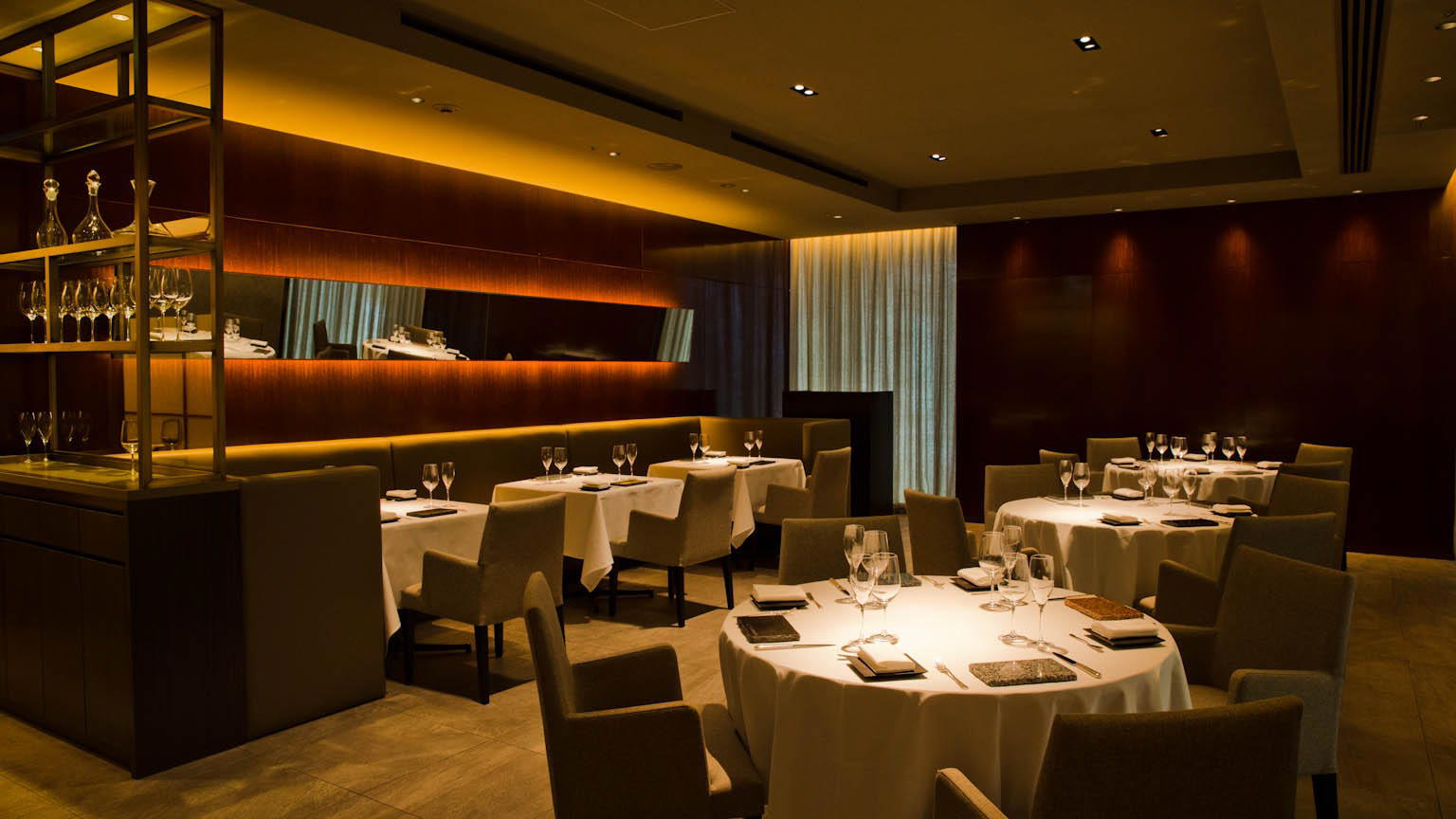
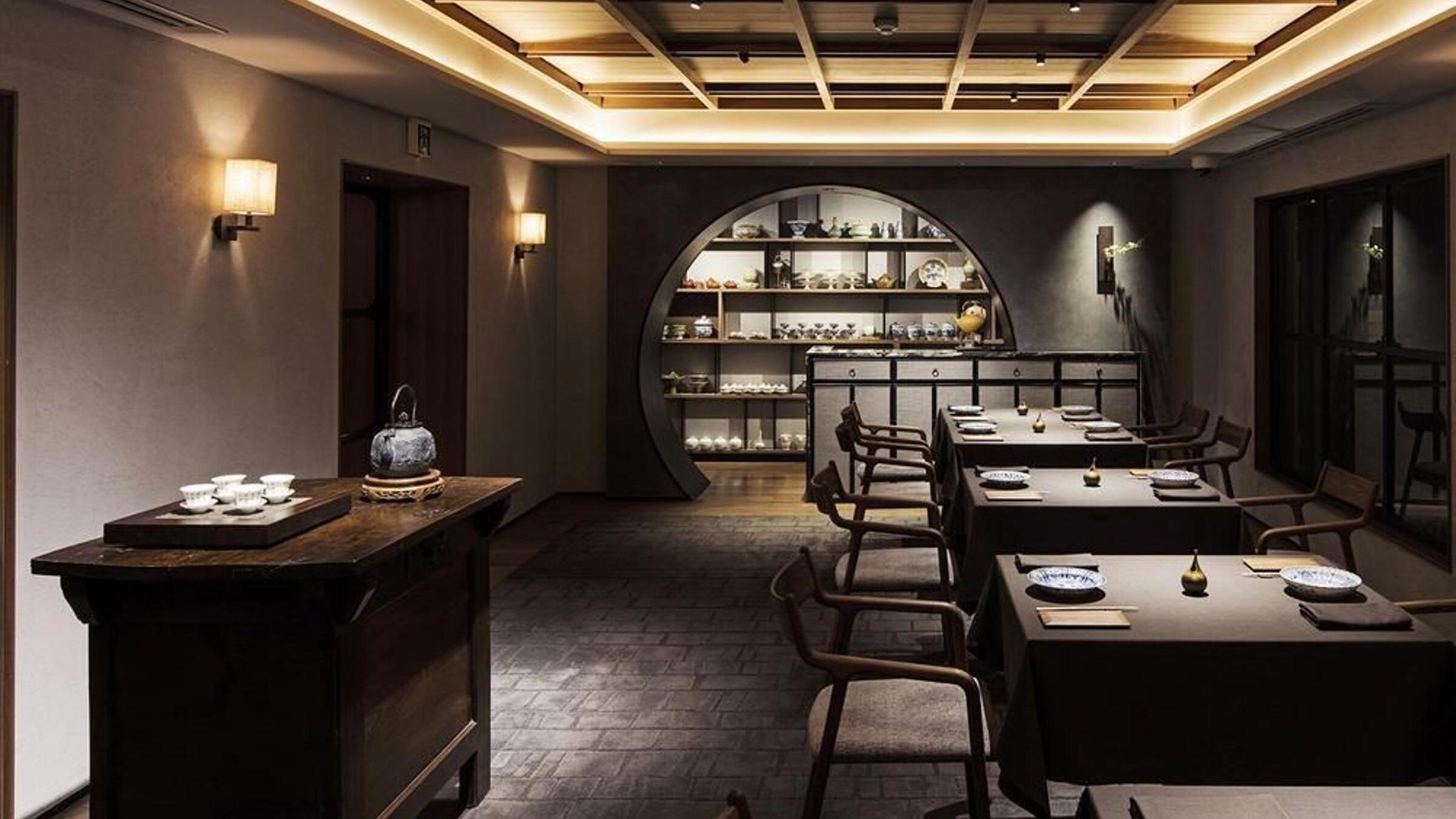
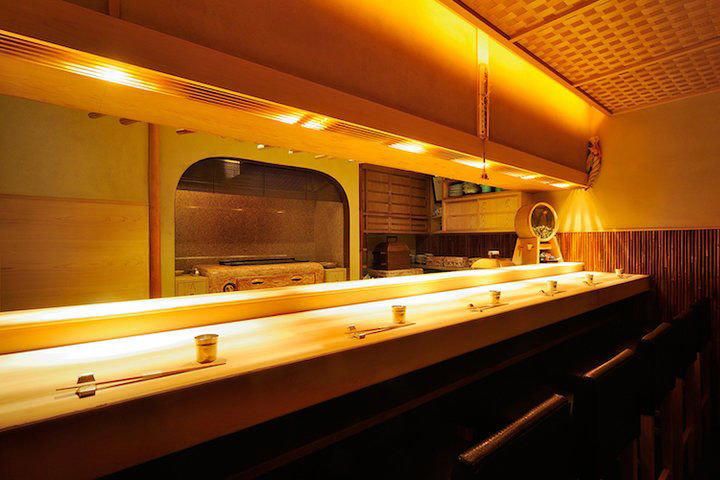
The room is listed at 12 seats, split between counter and table seating, which puts the experience closer to a focused noodle counter than a lingering restaurant meal. That scale shapes behavior. Solo dining makes sense, small groups are easier than large ones, and the meal’s tempo belongs to the kitchen rather than the table. Children are welcome, and strollers are allowed if space permits, but the physical footprint still rewards flexibility.
Practical reading is simple: this is a casual ramen stop with specialist recognition, not a long-form dining reservation. Reservations are unavailable, Tuesday is the regular closure, and service is listed as continuous through the day on open days, with the caveat that the shop may close early if soup runs out. Payment also follows the casual model: credit cards are not accepted, transportation IC cards are accepted, and QR code payments are not accepted. That combination makes it a better fit for diners who can move with the day rather than those trying to anchor an entire evening around one seating.
Location matters, too. Kamiooka is away from the city’s hotel-heavy waterfront, which changes the audience. A traveller staying near Minato Mirai may treat the meal as a cross-town ramen errand; a diner already moving through southern Yokohama will read it as a stronger local option. For broader planning, Our full Yokohama restaurants guide gives the restaurant map, while Our full Yokohama hotels guide, Our full Yokohama bars guide, Our full Yokohama wineries guide, and Our full Yokohama experiences guide help decide whether Kamiooka fits the day’s route.
Where it fits in a wider Japan eating itinerary
For visitors building a Japan itinerary around specialist casual food, G Men 7 makes sense as part of a pattern rather than as a standalone trophy stop. The same logic links modest, focused rooms across cities: a single craft, a narrow menu language, and a price point that encourages comparison by execution rather than luxury. That could mean Anzen Shokudo in Fukuoka, (Shoku) Vietnam in Kawasaki, [Curry Senmon Ten] Maruyama Kyoju. in Sapporo, or a more regional detour such as -Grilled beef Sukiyaki- KAMAKURA TANUKIAN 鎌倉 たぬき庵 in Kamakura.
It also sits usefully against the international appetite for Japanese casual formats. The export version can become polished and explanatory, as seen in places such as Jōdo Saké Bar in Los Angeles or Onigiri Time in Pasadena. In Japan, the grammar is usually less narrated. A ramen shop does not need to explain itself through design language when the local audience already knows how to read the counter, the ticket-machine culture common to the genre, and the value of a bowl under the four-figure yen mark.
That is the editorial reason to care. G Men 7 gives Yokohama diners a Kanagawa-recognized ramen address outside the obvious visitor zones, with a low spend, small seating count, and a format that privileges concentration over breadth. Pair it with other city-specific specialists rather than with formal dining:. 鮪と炭火焼き うお炭 秋葉原店 in Tokyo.cafe in Osaka, and.know in Kumamoto all underline the same point in different registers. The serious Japanese meal is not always expensive, lengthy, or drink-led. Sometimes it is 12 seats, a narrow noodle brief, and enough recognition to justify leaving the main tourist corridor.
Cuisine and Credentials
Comparable venues to calibrate price, style, and recognition.
| Venue | Cuisine | Price | Notes |
|---|---|---|---|
| G Men 7This venue — the venue you are viewing | Classic Yokohama ramen shop | $ | Not listed |
| Chuka Soba Efu | Japanese Ramen | $ | Kōhoku |
| Kikuya Curry | Japanese & Sri Lankan-style Curry House | $ | Naka |
| Torakichi Ya Hikaru | Yokohama-style ramen shop | $ | Kanagawa |
| Tsurumigawa Bashi Motsu Niku Ten | Japanese tachinomi offal bar | $ | Tsurumi |
| Hi, How Are You | Pakistani-style Japanese curry house | $ | Kōhoku |
Recognition history
Dated appearances from independent guides and award organizations, with the underlying list record or original source where available.
Tabelog 100 #72 · No. 72
Tabelog · Tabelog 100 - Ramen - KANAGAWA - 2025









At a Glance
- Lively
- Cozy
- Solo
- Casual Hangout
- After Work
- Standalone
- Open Kitchen
Current opening hours
- Monday
- 11:30 AM–11 PM
- Tuesday
- Closed
- Wednesday
- 11:30 AM–11 PM
- Thursday
- 11:30 AM–11 PM
- Friday
- 11:30 AM–11 PM
- Saturday
- 11:30 AM–11 PM
- Sunday
- 11:30 AM–11 PM
Hours can change for holidays and private events. Last verified .
Compact, no-frills local ramen shop with counter-focused seating, close interaction with the kitchen, and a revived sense of bustling counter energy after acrylic partitions were removed.