
Menya Numata places Yokohama ramen in its small-shop ritual: compact seating, quick pacing, and a serious local following in Tsurumi rather than a polished central-district dining room. Its selection for Tabelog Ramen KANAGAWA “Tabelog 100” in 2024 and 2025 gives it a clear quality signal, while the format remains casual, solo-friendly, and tightly focused.
Pearl is the En Primeur Club membership app — saves, bookings, and concierge access live there. Same editors, same standards.
- Address
- 1 Chome-27-15 Tsurumichuo, Tsurumi Ward, Yokohama, Kanagawa 230-0051, Japan
- Phone
- +81 45-294-8989
- Website
- twitter.com
 Saves & bookings on Pearl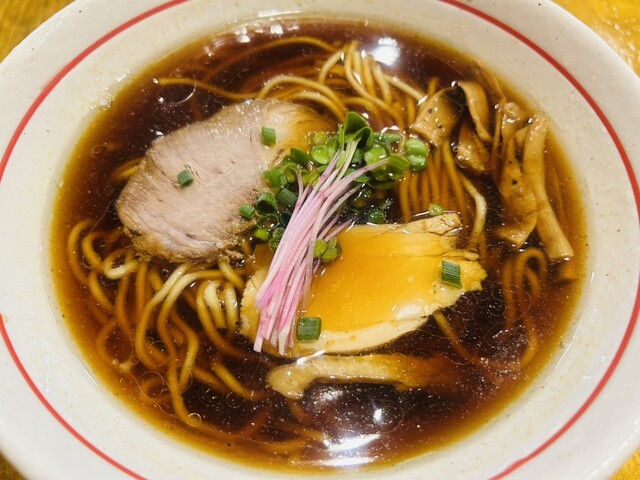
Approaching a serious ramen shop in Yokohama is less about theatre than rhythm: the short wait, the quick scan of seats, the quiet calculation of when to order and when to move. In Tsurumi, that rhythm matters. This part of the city sits between commuter practicality and old port-area appetite, which gives ramen a different charge from the destination counters of central Tokyo. Menya Numata belongs to that everyday category, but with enough recognition to make it more than a neighbourhood fallback.
Kanagawa’s ramen culture does not operate as a single style. Yokohama carries the heavy pull of ie-kei lineage, while coastal and station-adjacent shops across the prefecture have built followings around tighter menus, small rooms, and short service windows. The local test is not ceremony; it is repeatability. A bowl has to justify the wait, fit into a working day, and make sense for solo diners who know exactly how long lunch can take.
A small-room ramen ritual in Tsurumi
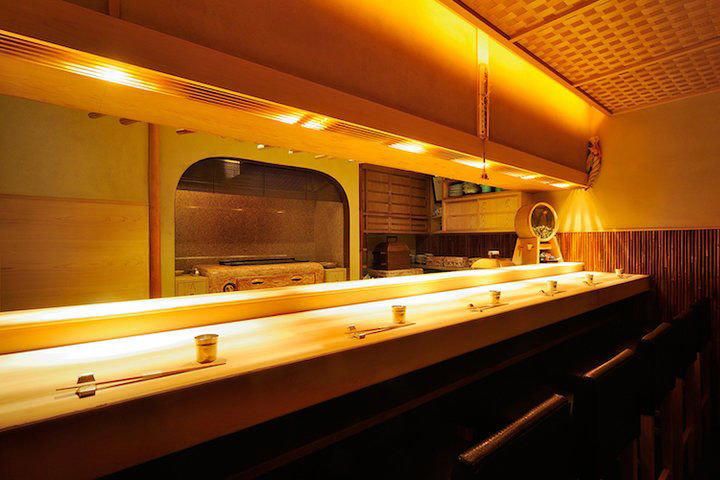
The key to understanding the experience is scale. This is a 13-seat restaurant, with counter seating and a few tables, so the meal follows the compact etiquette of Japanese ramen shops: arrive ready to decide, keep the pace, and treat the seat as part of the shared economy of the room. That format is not cold; it is efficient. Families are accommodated, and solo dining is part of the natural grammar, but the underlying tempo belongs to a shop built for turnover rather than lingering.
That tempo is also why ramen remains one of Japan’s great democratic dining forms. At the serious end, technique can be as disciplined as a tasting-menu kitchen, but the service model strips away ceremony. The diner reads the room, orders without prolonged negotiation, eats while the bowl is at its intended temperature, and leaves space for the next customer. Menya Numata sits inside that tradition: a compact counter-and-table setup where the act of eating is direct, practical, and governed by small customs rather than formal service.
The recognition sharpens the point. Selection for Tabelog Ramen KANAGAWA “Tabelog 100” in both 2024 and 2025 places the shop within a curated prefectural field rather than a generic ramen search result. That matters in Kanagawa, where strong ramen options stretch well beyond Yokohama’s central tourist corridors. A Tabelog score of 3.71 adds another signal, especially in a category where user discipline and repeat visits tend to separate durable local favourites from one-season hype.
Where the value sits in Yokohama's ramen hierarchy
Yokohama dining can split sharply between destination spending and everyday precision. Ramen compresses that decision. In the same city, comparison venues such as Ramen Dohyo Kakureihoho and Ramen Matsushin sit in a modest ramen bracket, while Tsurumigawa Bashi Motsu Niku Ten and Yakiniku Horumon Beef Boss move the evening toward meat, alcohol, and a higher spend. Menya Numata’s appeal is that it keeps the decision narrow: go for ramen, accept the small-room format, and do not expect the meal to behave like a long night out.
That narrowness is a strength. Premium travellers often overcorrect in Japan, chasing counters with elaborate booking rituals while missing the everyday forms that locals calibrate with precision. Ramen is one of those forms. The better question is not whether a bowl can compete with sushi or kaiseki, but whether the shop handles the ramen contract cleanly: concise format, clear identity, reliable pacing, and enough local credibility to justify a detour within the city. The Tabelog 100 selections answer part of that question without turning the meal into an occasion.
There is also a useful contrast with Yokohama’s broader casual-dining map. A yakitori stop such as 1000 (Yakitori (Grilled chicken skewers)) suits a longer sequence of skewers and drinks; Aichun, Ajowan, and Alpenjiro Honten point toward different casual traditions. Ramen in Tsurumi is more compressed. The reward is not breadth, but the satisfaction of a focused meal that fits the neighbourhood’s station-side pace.
How to place it in a Yokohama itinerary
Tsurumi rewards travellers who are willing to treat Yokohama as a working city rather than a waterfront postcard. The area’s railway connections make it practical for a tightly planned meal, and the ramen-shop format suits a day when the main dining event is elsewhere. That is the right use case here: slot it into a Yokohama day for a disciplined, local lunch or early evening bowl, then build the rest of the itinerary around bars, hotels, or slower restaurants.
For a fuller city plan, use Our full Yokohama restaurants guide alongside Our full Yokohama hotels guide, Our full Yokohama bars guide, Our full Yokohama wineries guide, and Our full Yokohama experiences guide. Nearby and wider-region casual references can also help set expectations: Anzen Shokudo, (Shoku) Vietnam in Kawasaki, and -Grilled beef Sukiyaki- KAMAKURA TANUKIAN 鎌倉 たぬき庵 in Kamakura all show how everyday dining shifts by neighbourhood and format.
For readers mapping Japanese casual food beyond Kanagawa, the comparison expands quickly:. 鮪と炭火焼き うお炭 秋葉原店 in Tokyo.cafe in Osaka.know in Kumamoto, and [Curry Senmon Ten] Maruyama Kyoju. in Sapporo each belong to different local habits. Even outside Japan, places such as Jōdo Saké Bar in Los Angeles and Onigiri Time in Pasadena show how Japanese formats travel, often losing the speed and restraint that make a small Yokohama ramen counter work.
The editorial case for the restaurant is not grandeur. It is a specific form of confidence: a small Tsurumi ramen shop, recognised in Kanagawa’s Tabelog 100 field, operating within the disciplined customs that make ramen one of Japan’s clearest dining rituals. Go for focus, not ceremony.
- Shio ramen
- Shirunashi tantanmen (soupless dan dan noodles)
- Kawasaki tantanmen (limited)
- Noko curry ramen (limited)
- Hiyashi mabō men (summer limited)
- Shio ebi wantan men (limited)
Category Peers
Nearby venues at a similar price tier for orientation.
| Venue | Cuisine | Price | Notes |
|---|---|---|---|
| Menya NumataThis venue — the venue you are viewing | Specialty Shio Ramen Shop | $ | Not listed |
| Yokohama Iekei Ramen Kachidoki Ya | Yokohama Iekei Ramen Shop | $ | Naka |
| Menya Sakigakeboshi | Modern Ramen with White Truffle Oil | $ | Naka |
| Susurimase nka | Ramen & Tsukemen Shop | $ | Kōnan |
| Ramen Kan 2 Ya | Yokohama Ie-kei Ramen | $ | Kōnan |
| Baron Noodle | Ramen & Tsukemen | $ | Nishi |
Recognition history
Dated appearances from independent guides and award organizations, with the underlying list record or original source where available.
Tabelog 100 #56 · No. 56
Tabelog · Tabelog 100 - Ramen - KANAGAWA - 2025









At a Glance
- Cozy
- Lively
- Solo
- Casual Hangout
- After Work
- Chefs Counter
- Standalone
Current opening hours
- Monday
- Closed
- Tuesday
- Closed
- Wednesday
- 11:15 AM–2 PM, 6–8:45 PM
- Thursday
- 11:15 AM–2 PM, 6–8:45 PM
- Friday
- 11:15 AM–2 PM, 6–8:45 PM
- Saturday
- 11:15 AM–2 PM, 6–8:45 PM
- Sunday
- 11:15 AM–2 PM, 6–8:45 PM
Hours can change for holidays and private events. Last verified .
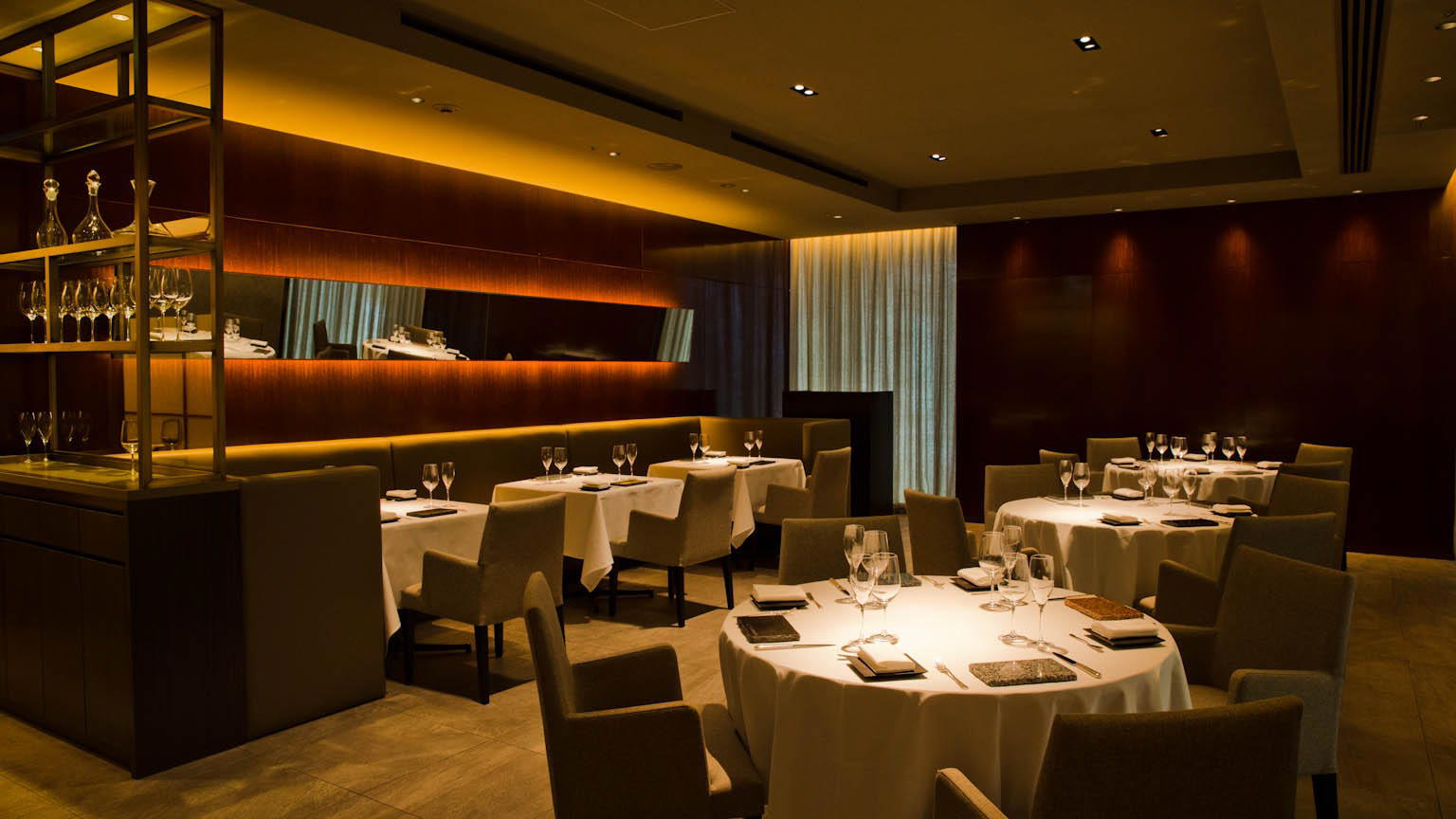
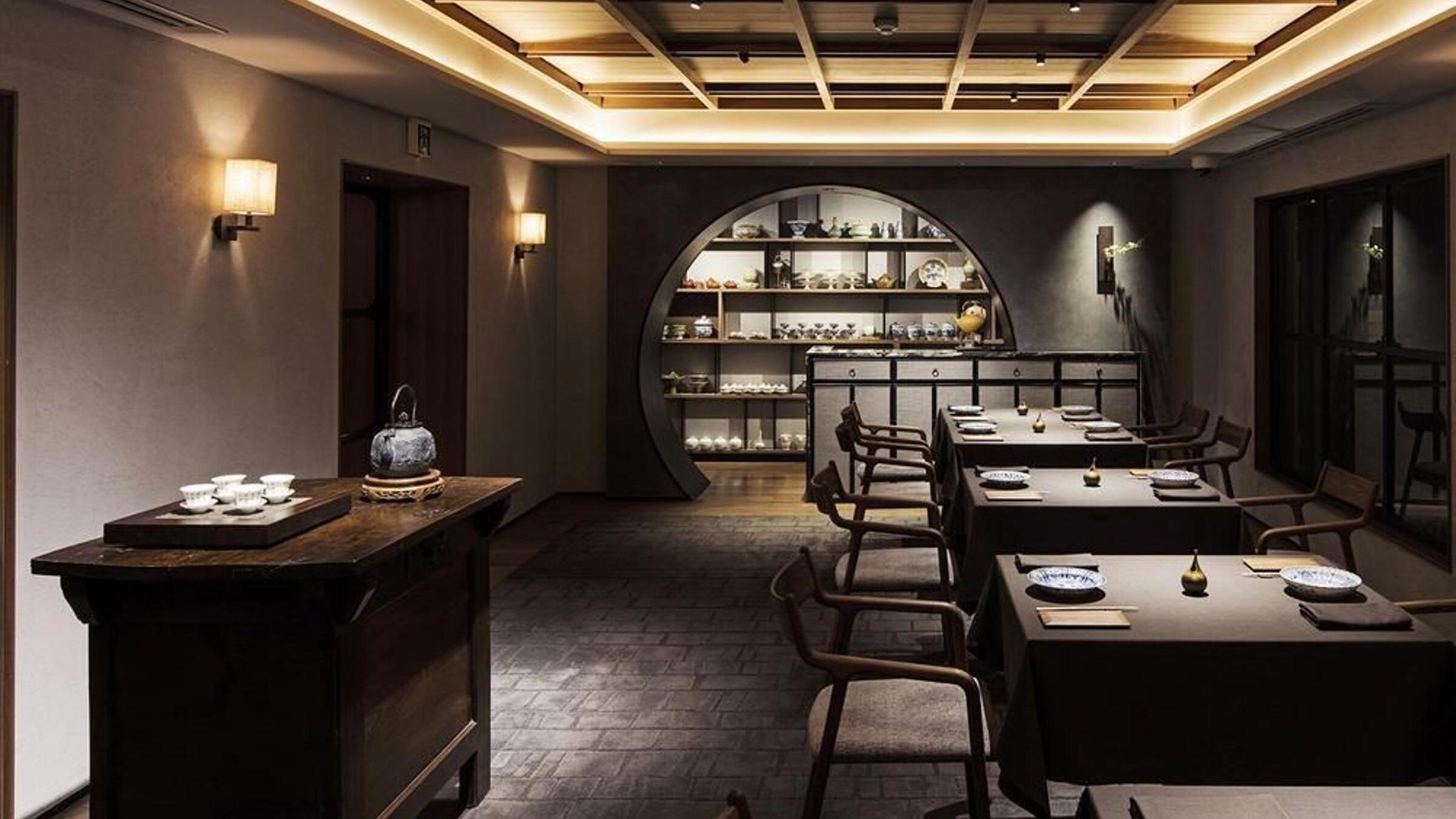
Compact, counter-focused neighborhood ramen shop with a casual, bustling feel and functional decor, designed for quick solo or small-party meals rather than lingering.