
Ethan Shokudo brings Thai and curry cooking into Yamato’s everyday dining conversation rather than treating it as a special-occasion detour. Its Tabelog 100 selection for Asian cuisine and ethnic cuisine in EAST 2024 gives the room a clear trust signal, while the Minamirinkan setting keeps the experience grounded in a local, family-friendly rhythm.
Pearl is the En Primeur Club membership app — saves, bookings, and concierge access live there. Same editors, same standards.
- Address
- 2 Chome-10-4 Minamirinkan, Yamato, Kanagawa 242-0006, Japan
- Phone
- +81 46-277-7658
- Website
- e-sanshokudou.com
 Saves & bookings on Pearl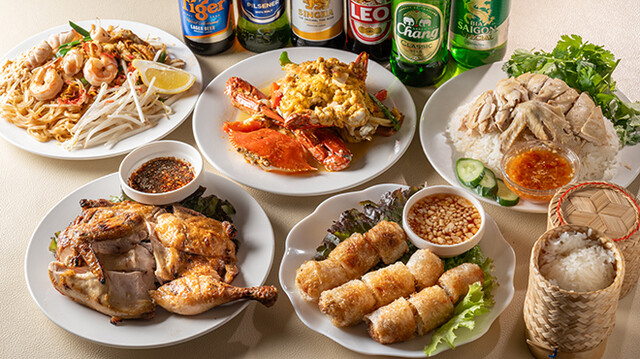
Minamirinkan is not a station district that announces dinner with ceremony. Its appeal is smaller and useful: a compact west-exit grid, local tables, and restaurants that work for weekday lunches and weekend groups. Ethan Shokudo matters because Thai cooking here is not framed as nightlife or novelty. It sits inside Yamato’s everyday restaurant culture, where curry, noodles, sweets, and regional Asian kitchens share the same local audience.
In Kanagawa, serious eating does not always follow Tokyo’s pattern of high-counter scarcity and reservation theatre. Yamato’s stronger addresses are practical, repeatable, and sharply defined by genre. Men Tei Tsumugi and China Soba Suzuki show the city’s ramen and chuka-soba discipline; CINNAMON GARDEN shows South Asian cooking in the same suburban circuit; Maison Givree pulls the conversation toward pastry and dessert craft; Nakamizo gives another local reference for diners mapping the area beyond station convenience. Ethan Shokudo belongs because it treats a specific cuisine with enough clarity to earn repeat local use.
Thai cooking as everyday Kanagawa dining, not destination theatre
Japan’s Thai restaurant culture has long split between casual urban canteens built around speed and value, and curated rooms translating regional Thai food for diners fluent in spice, herbs, and fermented depth. Ethan Shokudo is closer to the first in format, but its recognition places it in a more serious conversation. Selection for Tabelog 100 - Asian cuisine / Ethnic cuisine - EAST - 2024 is the signal, because the list groups restaurants by category and region rather than luxury cues.
The category is Thai and curry, a pairing that explains how Thai food often travels in Japan. Curry offers an accessible entry point, while the broader Thai frame carries sharper regional identity: sourness, heat, herbs, grilled or simmered dishes, and rice-led balance rather than a Western appetizer-main-dessert structure. For diners used to Japanese curry or ramen pacing, Thai food changes the table logic: contrast and accumulation, with several flavors pulling against each other instead of one broth or sauce carrying the meal.
The northeastern Thai reference is especially meaningful. Isan cooking is associated with grilled meats, fresh herbs, chilies, lime, fermented fish sauce traditions, sticky rice, and salads built on heat and acidity. These traditions are central to how Thai food is understood outside Thailand, yet are often softened overseas. In Yamato, the point is not academic authenticity as slogan; it is a local restaurant giving that regional vocabulary a regular place at the table.
Drinks list reflects a Japanese neighborhood setting rather than a Bangkok replica. Sake, shochu, wine, and cocktails are available, positioning the room for mixed groups as well as cuisine specialists. Regional Japanese dining often absorbs imported culinary traditions into local patterns of drinking, payment, family use, and group meals without losing core identity.
Why the recognition matters in a city built on repeat diners
A Tabelog score of 3.53 in this category carries more weight than it may for readers used to inflated rating systems elsewhere. Japanese user-rating culture is comparatively conservative, and category lists such as the Tabelog 100 function as stronger editorial filters than raw stars alone. For an accessible Thai and curry restaurant in Yamato, the recognition signals consistency, not luxury.
The room’s scale reinforces that point. Forty-eight seats across twelve four-seat tables create a restaurant built for circulation, families, and friends rather than a hushed counter format. There are no private rooms, and the non-smoking policy makes the space more usable across generations. Children are welcomed, including babies, preschoolers, and school-age children, and strollers are accepted. In practical dining terms, that places the restaurant where credibility and everyday usability overlap.
English support also lowers the threshold for travelers. A multilingual menu, English-speaking staff availability, and menus with photos make the experience more accessible without turning the restaurant into a tourist room. For visitors staying in or passing through Yamato, this matters more than ceremony: the food culture is local, but ordering friction is lower than at many neighborhood restaurants of comparable ambition.
Within Yamato, the comparison is less cuisine-for-cuisine rivalry than how different genres serve the same diners. Ramen rooms such as Men Tei Tsumugi operate around specialization and turnover. CINNAMON GARDEN, like Ethan Shokudo, shows South and Southeast Asian cooking anchoring a neighborhood rather than sitting at its edge. Maison Givree occupies a different hour, but shares the lesson: Yamato rewards places with a clear lane.
How to read Ethan Shokudo inside a wider Yamato itinerary
For travelers, Yamato is often treated as a pass-through between better-publicized Kanagawa and Tokyo stops. That misses how suburban stations reveal Japan’s contemporary dining habits. The useful itinerary is not one trophy meal, but a sequence of local genres. Start with the broader city edit in our full Yamato restaurants guide, then build around the meal needed: Thai and curry here, ramen at Men Tei Tsumugi, sweets at Maison Givree, or South Asian cooking at CINNAMON GARDEN.
Yamato also works as a base for a wider food-and-travel day when planned by category rather than hype. The city pages for Yamato hotels, Yamato bars, Yamato wineries, and Yamato experiences place the meal inside a fuller local stay. For nearby and comparative eating beyond the city, useful reference points include -Grilled beef Sukiyaki- KAMAKURA TANUKIAN 鎌倉 たぬき庵 in Kamakura. 鮪と炭火焼き うお炭 秋葉原店 in Tokyo.cafe in Osaka.know in Kumamoto, (Shoku) Vietnam in Kawasaki, and [Curry Senmon Ten] Maruyama Kyoju. in Sapporo. For readers tracking Japanese food culture abroad, Jōdo Saké Bar in Los Angeles and Onigiri Time in Pasadena show the reverse movement: Japanese formats adapting to overseas neighborhoods.
The critical read is simple. The restaurant is valuable not because Yamato lacks Thai restaurants, but because it shows how regional Thai cooking can function as a regular neighborhood meal while carrying enough category recognition to justify attention from diners who usually chase central-city lists. That balance, local ease with verified recognition, is where many of Japan’s more rewarding suburban meals now live.
- Tom Yum Goong soup
- Green papaya salad (Som Tam)
- Isaan sausages
- Grilled pork neck
- Green curry with chicken
- Beef noodle soup
Cost Snapshot
Comparable venues by cuisine and price in the same metro.
| Venue | Cuisine | Price | Notes |
|---|---|---|---|
| Ethan ShokudoThis venue — the venue you are viewing | Isaan-style Thai restaurant | $$ | Not listed |
| CINNAMON GARDEN | Minami Rinkan, Sri Lankan Curry House | $$ | Not listed |
| Pentai | Minamirinkan, Casual Thai restaurant | $$ | Not listed |
| Ramen Go | Not listed | $ | Tsuruma, Yamato, Sapporo-style miso ramen |
| Maison Givree | Chuo-Rinkan, French Patisserie | $$ | Not listed |
| Nakamizo | Chuo-Rinko, Authentic Sushi | $$ | Not listed |
Recognition history
Dated appearances from independent guides and award organizations, with the underlying list record or original source where available.
Tabelog 100 #3 · No. 3
Tabelog · Tabelog 100 - Asian cuisine / Ethnic cuisine - EAST - 2024
Continue exploring
More in Yamato
Restaurants in Yamato
Browse all →
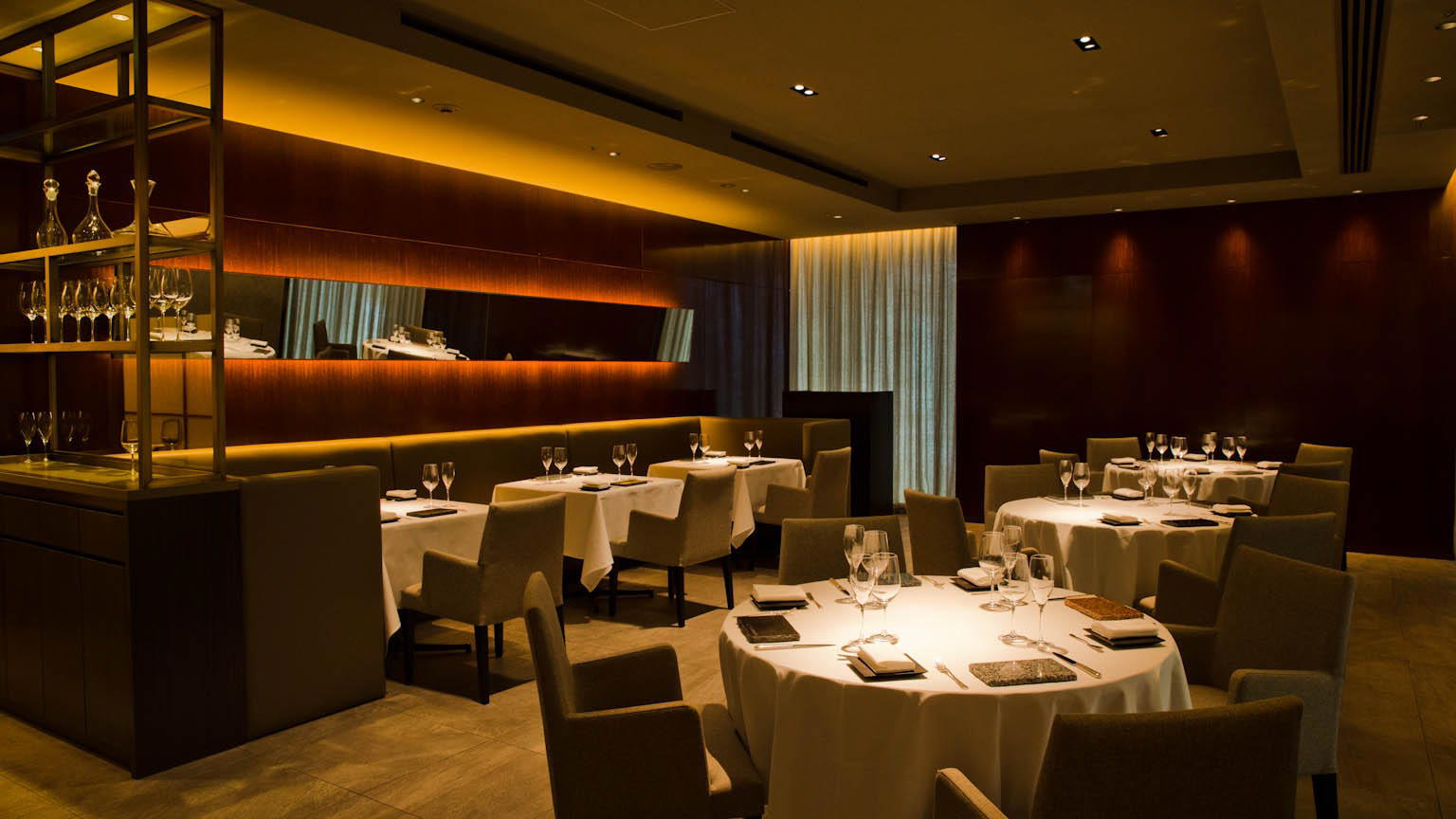
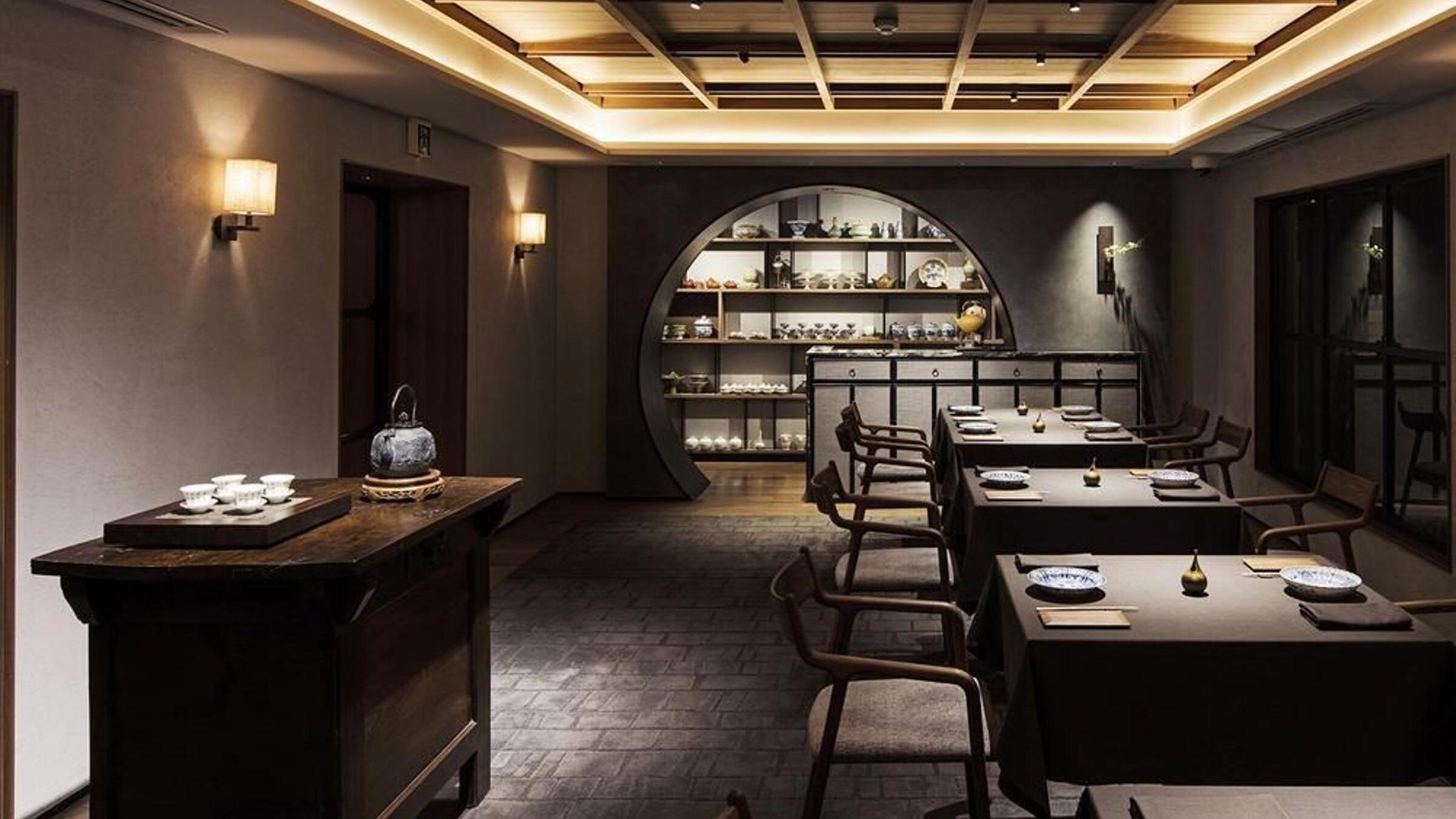


Bars in Yamato
Browse all →




Hotels in Yamato
Browse all →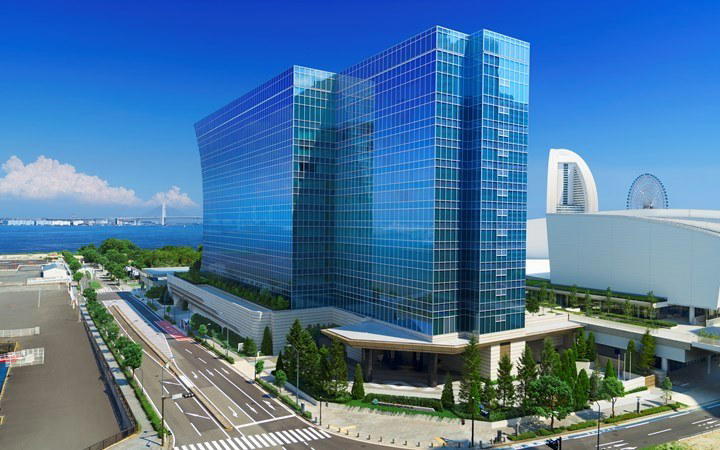


Wineries in Yamato
Browse all →
At a Glance
- Cozy
- Classic
- Casual Hangout
- Group Dining
- Family
- Solo
- Standalone
Current opening hours
- Monday
- Closed
- Tuesday
- 11:30 AM–3 PM, 5–10 PM
- Wednesday
- 11:30 AM–3 PM, 5–10 PM
- Thursday
- 11:30 AM–3 PM, 5–10 PM
- Friday
- 11:30 AM–3 PM, 5–10 PM
- Saturday
- 11:30 AM–3 PM, 5–10 PM
- Sunday
- 11:30 AM–3 PM, 5–10 PM
Hours can change for holidays and private events. Last verified .
A compact, unpretentious Thai eatery with a casual, homey feel, focused more on hearty regional cooking than on design or decor.