
China Soba Suzuki belongs to Yamato’s compact, rail-line ramen culture: small rooms, fast turnover, and bowls judged on broth discipline rather than ceremony. Its Tabelog Ramen KANAGAWA “Tabelog 100” selections in 2024 and 2025 place it in a serious Kanagawa conversation, while the counter-only format keeps the experience closer to everyday noodle craft than destination dining theatre.
Pearl is the En Primeur Club membership app — saves, bookings, and concierge access live there. Same editors, same standards.
- Address
- 神奈川県大和市福田2-14-4
- Website
- tabelog.com
 Saves & bookings on Pearl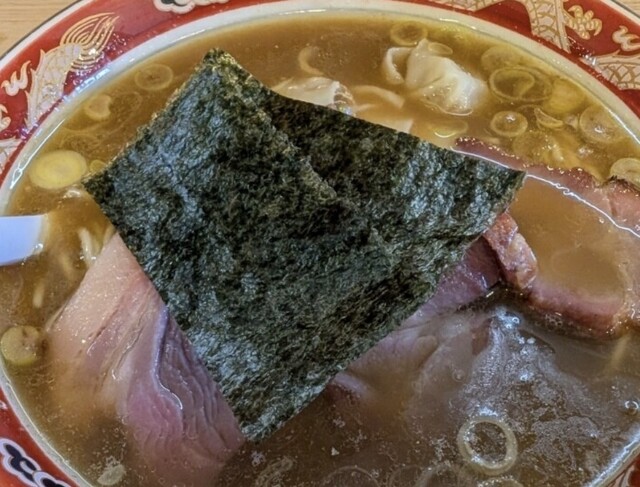
Approaching a serious suburban ramen counter in Kanagawa is different from entering a central Tokyo dining room. The room is small, the rhythm is functional, and the focus narrows quickly to the bowl. At China Soba Suzuki, that compression matters: counter seating puts the cooking process in view, and the lack of excess turns attention toward broth, noodles, aroma oil, and the discipline of assembly. Yamato’s ramen scene rewards this kind of directness. The city sits along commuter lines rather than tourist circuits, so repeat local use carries more weight than spectacle.
Kanagawa ramen has long been shaped by movement: port-city influences around Yokohama, dense commuter towns, and independent shops that compete on clarity rather than luxury cues. In that context, a Tabelog Ramen KANAGAWA “Tabelog 100” selection in both 2024 and 2025 is a meaningful signal. It does not turn a counter shop into a formal restaurant, but it places the address inside a prefecture-wide ramen conversation where consistency, value, and a recognisable point of view matter.
Ingredient discipline, not dining-room theatre, defines the bowl
The name points toward chūka soba, a ramen lineage associated with Chinese-style noodles adapted into Japanese daily eating. The form usually depends on balance: stock, tare, noodle texture, fat, and toppings working without one element drowning the rest. That sourcing logic is central to why this category remains compelling. In ramen, ingredients are not displayed like a tasting menu; they are extracted, reduced, seasoned, and folded into a bowl that has to read within minutes.
For travellers used to high-budget Japanese dining, ramen can be misread as casual by default. The better comparison is craft density per yen. A counter serving ramen in the JPY 1,000 to JPY 1,999 bracket sits in a category where ingredient choices have to be precise because there is little margin for ornament. The broth must carry the spend, the noodles must suit the liquid, and the seasoning has to stay consistent through repeated service. China Soba Suzuki’s recognition suggests it belongs to that demanding, low-price, high-scrutiny tier.
Yamato also has a useful internal contrast. Umai Yo Yuchan Ramen operates in a higher listed price band, while Niboshi Raamen Neko Tora Tei occupies the same JPY 1,000 to JPY 1,999 range. Those comparisons matter because ramen value is not only about cheapness. It is about whether the bowl communicates a clear sourcing and seasoning choice within its price bracket. Kanagawa diners are accustomed to that calibration, and suburban shops are judged without the softening effect of a hotel lobby, design budget, or English-language fame.
An eight-seat counter changes how the meal should be read
The counter-only format gives the meal a narrow frame. Eight seats means pacing is part of the experience, not a minor operational detail. Small ramen counters tend to favour solo diners and pairs because the format is built around quick decisions, quick eating, and minimal lingering. That does not make the room unfriendly; it makes it purpose-built. The pleasure is in watching a compact system work, then leaving the seat for the next person.
This is also where ingredient sourcing becomes visible indirectly. Ramen shops rarely explain supply chains at length during service, but the counter format exposes the outcome of those choices: how broth is held, how noodles are timed, how toppings are placed, and how many moving parts the kitchen is willing to manage in a small space. A restaurant with private rooms can hide inconsistency behind ceremony. A ramen counter has fewer places to conceal it.
The practical reading is clear. Reservations are unavailable, payment is cash-only, and the room is non-smoking. Parking is limited to three cars in the adjacent lot, so rail access is the cleaner plan when possible. The shop is listed near Sakuragaoka Station on the Odakyu Enoshima Line, which fits the broader pattern of Kanagawa ramen: strong counters often sit close to everyday transit rather than major sightseeing routes.
Where it fits in Yamato's broader table map
Yamato is not a single-cuisine dining city; it is a working local market with ramen, curry, Chinese, cafés, and neighbourhood restaurants sitting side by side. Readers building a day around the area should treat China Soba Suzuki as the noodle anchor rather than a long lunch. Nearby editorial alternatives in Yamato include CINNAMON GARDEN, Ethan Shokudo, Maison Givree, Men Tei Tsumugi, and Nakamizo. For broader planning, use Our full Yamato restaurants guide, with separate city pages for Our full Yamato hotels guide, Our full Yamato bars guide, Our full Yamato wineries guide, and Our full Yamato experiences guide.
The wider Japan file shows how varied this price-conscious dining culture can be. A beef-focused meal at -Grilled beef Sukiyaki- KAMAKURA TANUKIAN 鎌倉 たぬき庵 in Kamakura, a casual Tokyo address such as. 鮪と炭火焼き うお炭 秋葉原店 in Tokyo, and regional stops like.cafe in Osaka.know in Kumamoto, (Shoku) Vietnam in Kawasaki, and [Curry Senmon Ten] Maruyama Kyoju. in Sapporo all sit in different registers of the same national habit: specialised rooms built around a tight proposition. Abroad, Jōdo Saké Bar in Los Angeles and Onigiri Time in Pasadena show how Japanese formats travel, but Yamato ramen remains rooted in local frequency, not export polish.
The editorial case for the restaurant is strongest for diners who care about ramen as a craft of extraction and restraint. The recognition is credible, the format is severe in a productive way, and the price band keeps the meal grounded. This is not a room for extended conversation or ceremony. It is a Kanagawa counter where sourcing decisions disappear into broth, seasoning, and timing, which is exactly where ramen proves its seriousness.
Snapshot
Comparable venues by cuisine and price in the same metro.
| Venue | Cuisine | Price | Notes |
|---|---|---|---|
| China Soba SuzukiThis venue — the venue you are viewing | Japanese Ramen | $ | Not listed |
| Ramen Go | Sapporo-style miso ramen | $ | Tsuruma, Yamato |
| Men Tei Tsumugi | Ramen shop | $ | Minami Rinkan |
| Nakamizo | Authentic Sushi | $$ | Chuo-Rinko |
| Yokohama Ukaitei | Teppanyaki Japanese Grill | $$$ | Tsukimino |
| Umai Yo Yuchan Ramen | Rich Tonkotsu Ramen Shop | $ | Yamato |
Recognition history
Dated appearances from independent guides and award organizations, with the underlying list record or original source where available.
Tabelog 100 #70 · No. 70
Tabelog · Tabelog 100 - Ramen - KANAGAWA - 2025











At a Glance
- Classic
- Cozy
- Intimate
- Solo
- Casual Hangout
- Standalone
- Street Scene
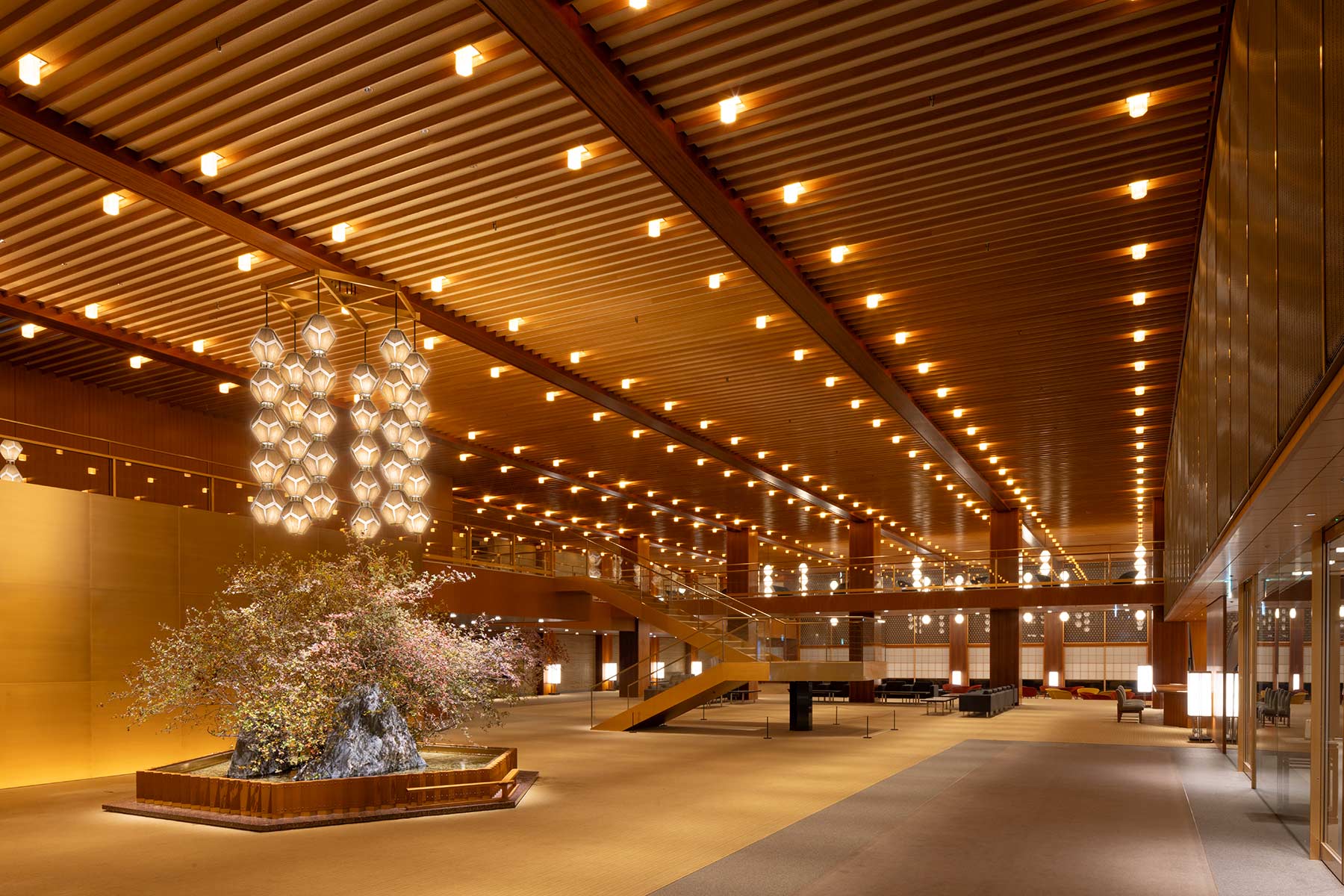
Compact and understated, with a warm, casual counter-dining atmosphere that feels best suited to a quick ramen stop.