
Aiko-gun ramen rewards the traveler willing to leave the station-front circuit. Men Kobo Komoriku Aikawa honten sits in Kanagawa’s low-cost, high-scrutiny ramen tier, with Tabelog Ramen KANAGAWA 100 selections in 2024 and 2025, a 12-seat counter format, and a noodles-first rhythm that can end service once supply runs out.
Pearl is the En Primeur Club membership app — saves, bookings, and concierge access live there. Same editors, same standards.
- Address
- 768-9 Sumida, 愛川町 Aikawa, Aiko District, Kanagawa 243-0301, Japan
- Phone
- +81 90-3532-7095
- Website
- komoriku-z.com
 Saves & bookings on Pearl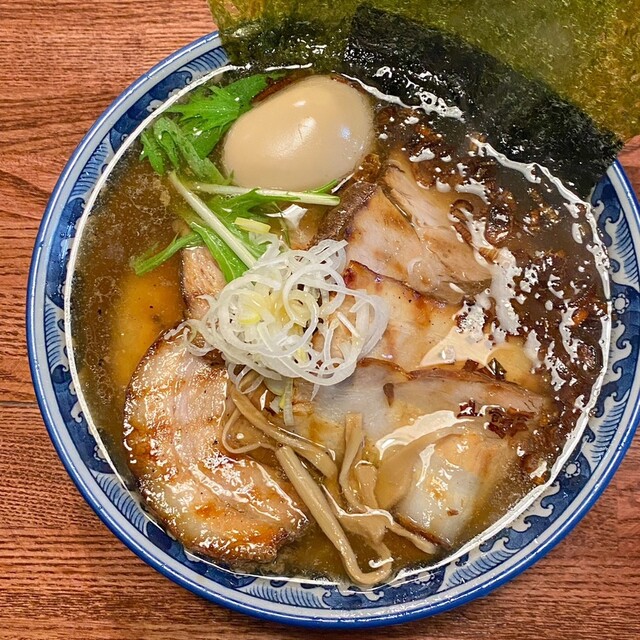
Rural Kanagawa ramen is rarely ceremonial: a low building, modest sign, and a road that feels local rather than touristic. Men Kobo Komoriku Aikawa honten belongs to Aiko-gun’s small-counter geography, away from the station-adjacent shops that define much of greater Tokyo’s commuter eating. The room is tight, lunch service sets the pace, and the essential question is whether the bowl justifies the trip.
Kanagawa ramen is broader than Yokohama’s Ie-kei shorthand. Inland towns and smaller districts support shops where production matters more than theatre: noodle texture, broth discipline, and a kitchen’s ability to repeat a narrow format under pressure. In that context, a Tabelog Ramen KANAGAWA 100 selection in both 2024 and 2025 is not decoration. It places this Aiko-gun address inside a prefectural conversation that usually favours denser urban catchments, higher footfall, and easier access.
A rural counter where noodle supply sets the tempo
The central fact is the format: ramen, counter seating, no private rooms, and a small-capacity lunch rhythm. Twelve counter seats put the meal in the Japanese ramen tradition of quick turnover and close-range production, not leisurely dining. At this level, ramen is judged in minutes: noodle tension, bowl temperature, soup-tare balance, and toppings that support rather than bury the base.
The shop sits at the lower end of the Japanese ramen price band, with average spend around JPY 999 and review-based spend in the JPY 1,000 to JPY 1,999 range. That pricing matters. This is not a premium counter using scarcity to signal luxury; it is a local-format ramen shop earning attention in a category where small differences in sourcing, noodle work, and consistency decide reputation. The absence of card and electronic payment options reinforces the old-school rhythm: arrive prepared, eat at the counter, move on.
Ingredient sourcing is the useful lens, even without a named farm list or chef biography. Japanese ramen is extraction cuisine as much as noodle cuisine: value sits in how flour, stock components, seasoning, and fat are selected, controlled, and translated into a coherent bowl through service. A shop that closes when noodles run out is not simply managing scarcity; it ties service volume to production capacity. For travelers, that separates a ramen stop built for constant replenishment from one shaped around the day’s prepared supply.
Aiko-gun frames the meal differently from Tokyo ramen tourism. The area is not designed for back-to-back dining crawls; it is a car-friendly, rural-leaning pocket of Kanagawa where a food stop may sit alongside farms, local roads, and family errands rather than nightlife or department-store basements. Nearby context helps: Hattori Bokujou Ice cream Kobo Kasaringa reflects the area’s dairy and day-trip side, while our full Aiko-gun restaurants guide is the better map for building a meal around the district rather than treating it as an isolated pin.
Why the recognition matters in a low-price ramen category
Tabelog’s Hyakumeiten lists are influential in Japan because they separate category performance from general luxury signals. A ramen selection in Kanagawa does not reward linen, cellar depth, or service choreography. It rewards consistency within ramen’s own expectations. Men Kobo Komoriku Aikawa honten’s 2024 and 2025 Kanagawa ramen listings, with a listed Tabelog score of 3.70, give the shop a measurable place in a crowded prefecture where many serious bowls remain inexpensive.
The comparison set clarifies the point. Nakamura Menzaburo Shoten and Jikaseimen Nichome Ramen sit in the higher JPY 1,000 to JPY 1,999 spend band, while Ganso Ichijoryu Ganko Sohonke Bunten shares the sub-JPY 999 bracket. Curry no Mise Maboroshi belongs to a different dish tradition but occupies a similar low-cost destination-food logic. Against those peers, this Aiko-gun counter reads as a value-driven ramen specialist rather than a prestige splurge. The signal is recognition inside a category where diners expect technical competence at everyday cost, not price escalation.
That distinction helps travelers who over-index on central-city rankings. A rural or suburban ramen address can be harder to fold into an itinerary, but it can also show how Japanese dining culture protects inexpensive specialist formats. Not every traveler should detour for a single bowl; the point is that the shop belongs to a network of small, focused counters keeping ramen competitive outside obvious urban districts.
How to fold Aiko-gun into a wider Japan food itinerary
Aiko-gun rewards a slower plan. The district works better as a daytime food stop than a late-evening dining target, and ramen here pairs naturally with local grazing rather than a multi-course schedule. Families and solo diners are both part of the stated occasion profile, fitting the counter format: efficient, informal, and built around the bowl rather than the table.
For a broader Japan itinerary, use this stop as contrast. Kamakura’s polished specialist dining, Tokyo’s izakaya density, Osaka’s cafe culture, Kyoto’s small-format restaurants, and Yokohama’s urban drinking and dining circuits all speak different dialects of Japanese food travel. Relevant EP Club references include -Grilled beef Sukiyaki- KAMAKURA TANUKIAN 鎌倉 たぬき庵 in Kamakura, . 鮪と炭火焼き うお炭 秋葉原店 in Tokyo, .cafe in Osaka, .know in Kumamoto, (Shoku) Vietnam in Kawasaki, [Curry Senmon Ten] Maruyama Kyoju. in Sapporo, [ki:] in Kyoto, #肉といえば松田 奈良本店 in Kashihara, 1/3 HAMBURGER FACTORY in Kanazawa, and 1000 in Yokohama.
The same planning logic extends beyond restaurants. Aiko-gun is best understood through the whole district: our full Aiko-gun hotels guide, full Aiko-gun bars guide, full Aiko-gun wineries guide, and full Aiko-gun experiences guide help set expectations for a place where food travel is practical and local rather than spectacle-led. For readers comparing Japanese comfort-food formats abroad, Jōdo Saké Bar in Los Angeles and Onigiri Time in Pasadena offer a useful counterpoint: export settings tend to explain the format, while small Japanese counters assume the diner already understands it.
The editorial case is clear. Men Kobo Komoriku Aikawa honten is for travelers who value ramen as craft at everyday scale, not luxury performance. Its recognition, price band, and compact counter format make it a sharp expression of Kanagawa’s local ramen depth, particularly for those already moving through Aiko-gun by day.
Comparison Snapshot
Comparable venues by cuisine and price in the same metro.
| Venue | Cuisine | Price | Notes |
|---|---|---|---|
| Men Kobo Komoriku Aikawa hontenThis venue — the venue you are viewing | Traditional Ramen Shop | $ | Not listed |
| Hattori Bokujou Ice cream Kobo Kasaringa | Farm ice cream & Italian gelato shop | $ | Aikawa |
| Mingei Chadokoro Fukatsuya | Traditional Japanese Tea House | $ | Fukuyama City |
| カツカレーの店 KAPPA | カツカレー専門洋食 | $ | 倉敷えびす通り商店街 |
| Ayu Ramen Plus (鮎ラーメンプラス) | Traditional Ayu Ramen | $ | Toranomon |
| Honkaku Teuchi Udon Arata | Traditional Hand-Made Udon | $ | Hachioji |
Recognition history
Dated appearances from independent guides and award organizations, with the underlying list record or original source where available.
Tabelog 100 #8 · No. 8
Tabelog · Tabelog 100 - Ramen - KANAGAWA - 2025
Continue exploring
More in Aiko-gun
Restaurants in Aiko-gun
Browse all →
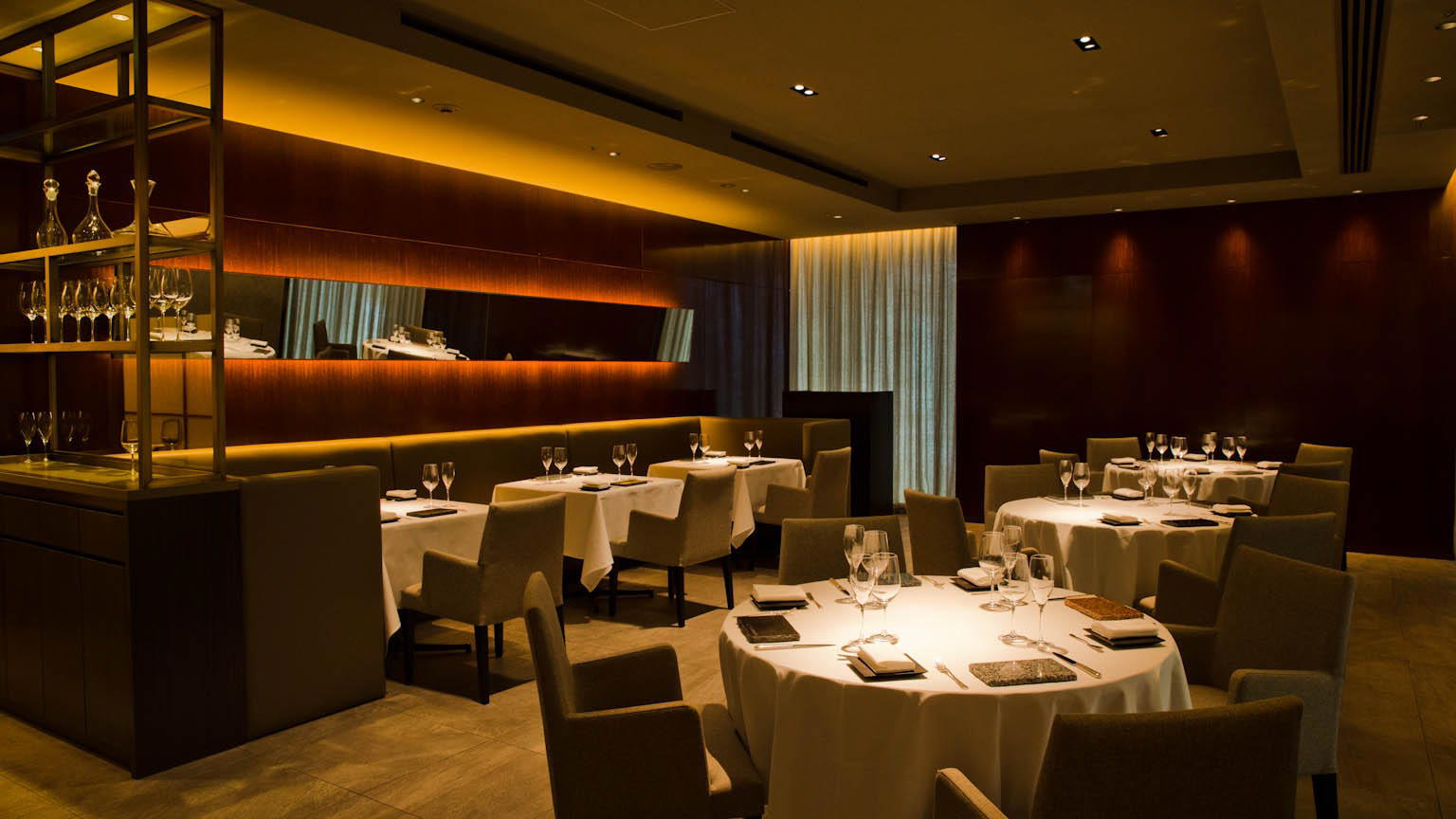


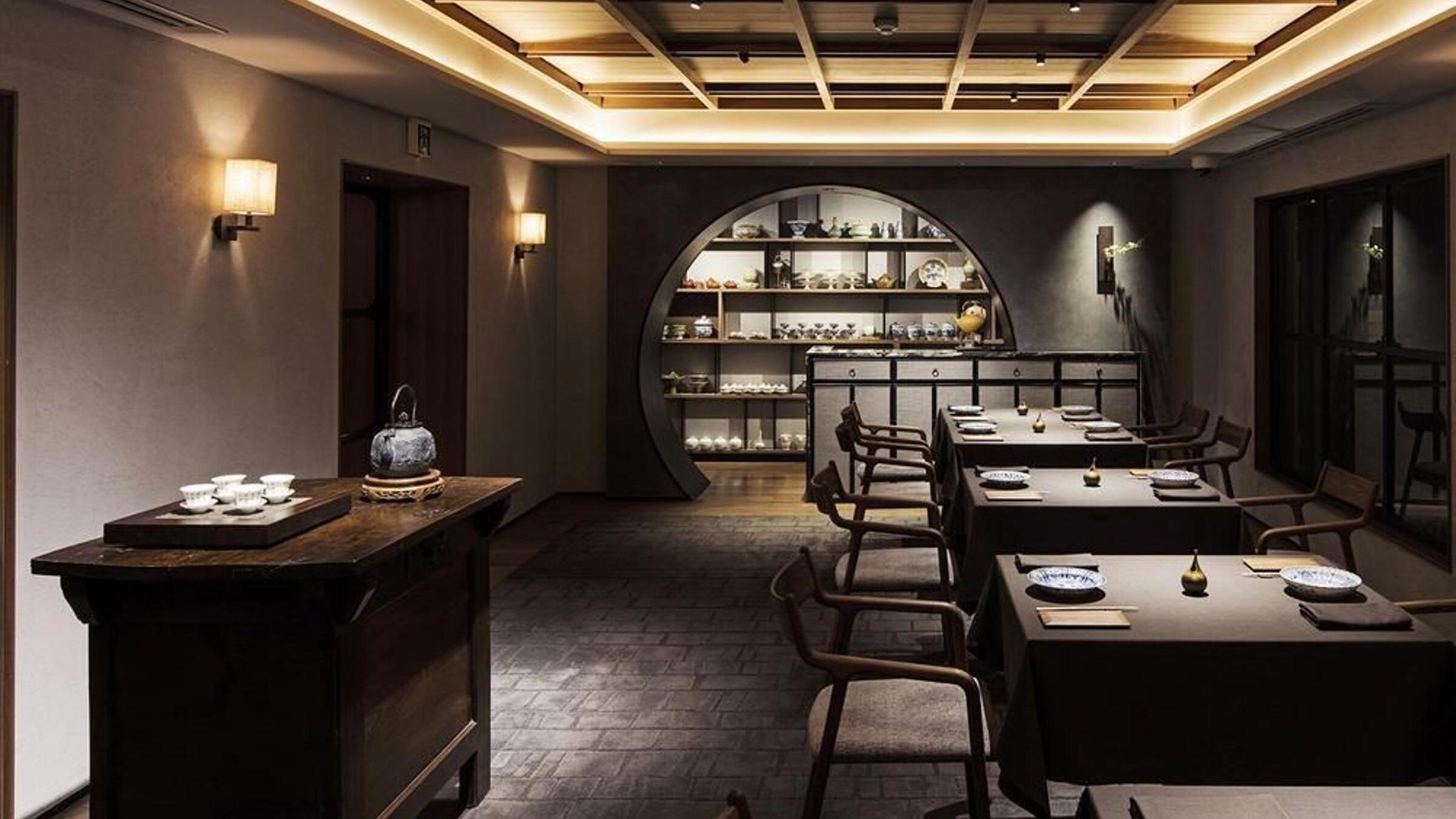
Bars in Aiko-gun
Browse all →




Hotels in Aiko-gun
Browse all →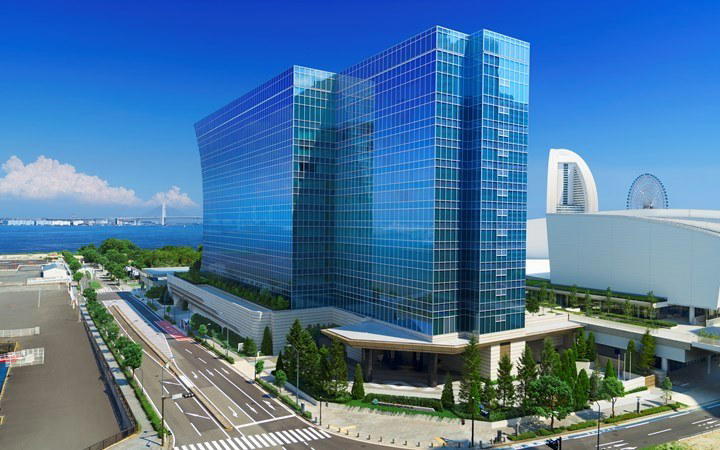




Wineries in Aiko-gun
Browse all →
At a Glance
- Cozy
- Solo
- Family
- Casual Hangout
- After Work
- Standalone
- Local Sourcing
Current opening hours
- Monday
- Closed
- Tuesday
- Closed
- Wednesday
- 11:30 AM–2:30 PM
- Thursday
- 11:30 AM–2:30 PM
- Friday
- 11:30 AM–2:30 PM
- Saturday
- 11:30 AM–3 PM
- Sunday
- 11:30 AM–3 PM
Hours can change for holidays and private events. Last verified .
A small, non-smoking ramen shop with counter-focused seating that feels like a cozy, slightly hidden local spot rather than a high-traffic chain, drawing solo diners and families alike.