
Men Dokoro Rajuku gives Fujisawa ramen a sourcing-led argument rather than a Tokyo imitation: Hokkaido wheat, Nagoya Cochin chicken bones, Rausu kombu, dried fish, and aged soy sauce define the bowl. Its Tabelog Ramen Kanagawa 100 selections in 2024 and 2025 place it among the prefecture’s serious ramen counters, with a compact counter format that suits solo diners and focused meals.
Pearl is the En Primeur Club membership app — saves, bookings, and concierge access live there. Same editors, same standards.
- Address
- 2-16 Kugenumahanazawacho, Fujisawa, Kanagawa 251-0023, Japan
- Phone
- +81 466-50-9016
- Website
- tabelog.com
- Directions
- Get directions
 Saves & bookings on Pearl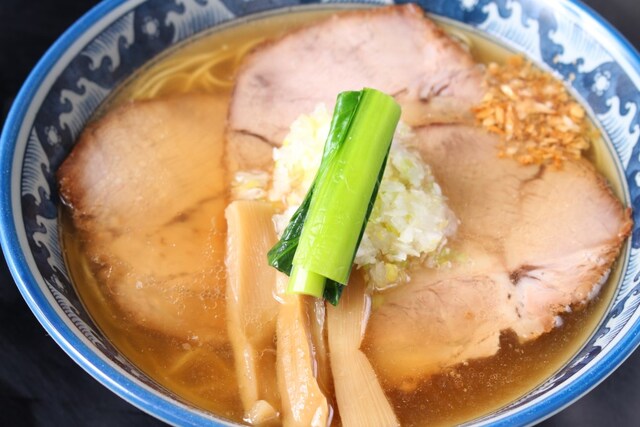
Fujisawa’s ramen culture moves differently from Tokyo’s station-corridor churn. Around Fujisawa Station’s south side, lunch is compressed, counter seats turn fast, and regulars know what they came for. Men Dokoro Rajuku reads less like a novelty stop than a local answer to a national ramen question: how much bowl character should come from technique, and how much from the provenance of wheat, poultry, kelp, fish, and soy?
Here, the answer is ingredient-led. Noodles use 100% Hokkaido wheat, central because wheat controls chew, aroma, and how well noodles hold in hot broth. The soup base draws on Nagoya Cochin whole chicken bones and high-grade Rausu kombu, putting the bowl closer to clear, layered umami than heavy richness. Dried bonito flakes, mackerel flakes, and two-year-aged Kanewai soy sauce from Arida in Wakayama extend that register. This is not ramen built for maximal impact, but for sourcing decisions a diner can trace across Japan.
Kanagawa ramen, seen through wheat, chicken, kombu, and soy
Kanagawa’s ramen scene often sits in Tokyo’s shadow for visitors, yet the prefecture has its own logic. Yokohama has thick, pork-forward ie-kei grammar; coastal towns and commuter cities such as Fujisawa support smaller counters where repeat trade rewards consistency over spectacle. A Tabelog Ramen Kanagawa 100 selection in both 2024 and 2025 places Men Dokoro Rajuku inside that prefectural conversation, not as a luxury restaurant, but as a focused ramen counter with a defined sourcing position.
The distinction matters because ramen’s price ceiling remains low beside Fujisawa’s higher-spend dining rooms. A meal here sits in the JPY 1,000 to JPY 1,999 bracket, while nearby comparison venues such as Chinese Shunsai Chaamaen and fu-fu shisen occupy a different spend category, and Sushi Tomi belongs to another dining rhythm. For travelers, the contrast is useful: Fujisawa supports destination meals, but its ramen counters reveal daily food intelligence with less ceremony.
Rajuku’s ingredient list explains why the bowl belongs in a specialist category rather than a generic noodle stop. Hokkaido wheat signals noodle control; Nagoya Cochin brings a premium poultry base; Rausu kombu adds concentrated kelp umami; aged Wakayama soy sauce gives depth rather than simple salinity. The salt ramen, built around Kibi Ougon chicken and Setouchi dried shrimp, shifts toward a cleaner poultry-and-seafood structure. Handmade wontons with domestic pork, chicken, and Yui sakura shrimp add another sourcing cue without turning the meal into a tasting-menu exercise.
For readers mapping Fujisawa beyond ramen, the surrounding restaurant field is broad. Asahi Honten, clarita da marittima, COOKER'S GRILL, and elarte point to a city where casual counters, Western-influenced kitchens, and neighborhood dining coexist near the railway spine. The fuller map sits in Our full Fujisawa restaurants guide, with adjacent planning in Our full Fujisawa hotels guide, Our full Fujisawa bars guide, Our full Fujisawa wineries guide, and Our full Fujisawa experiences guide.
A counter format that rewards decisive ordering
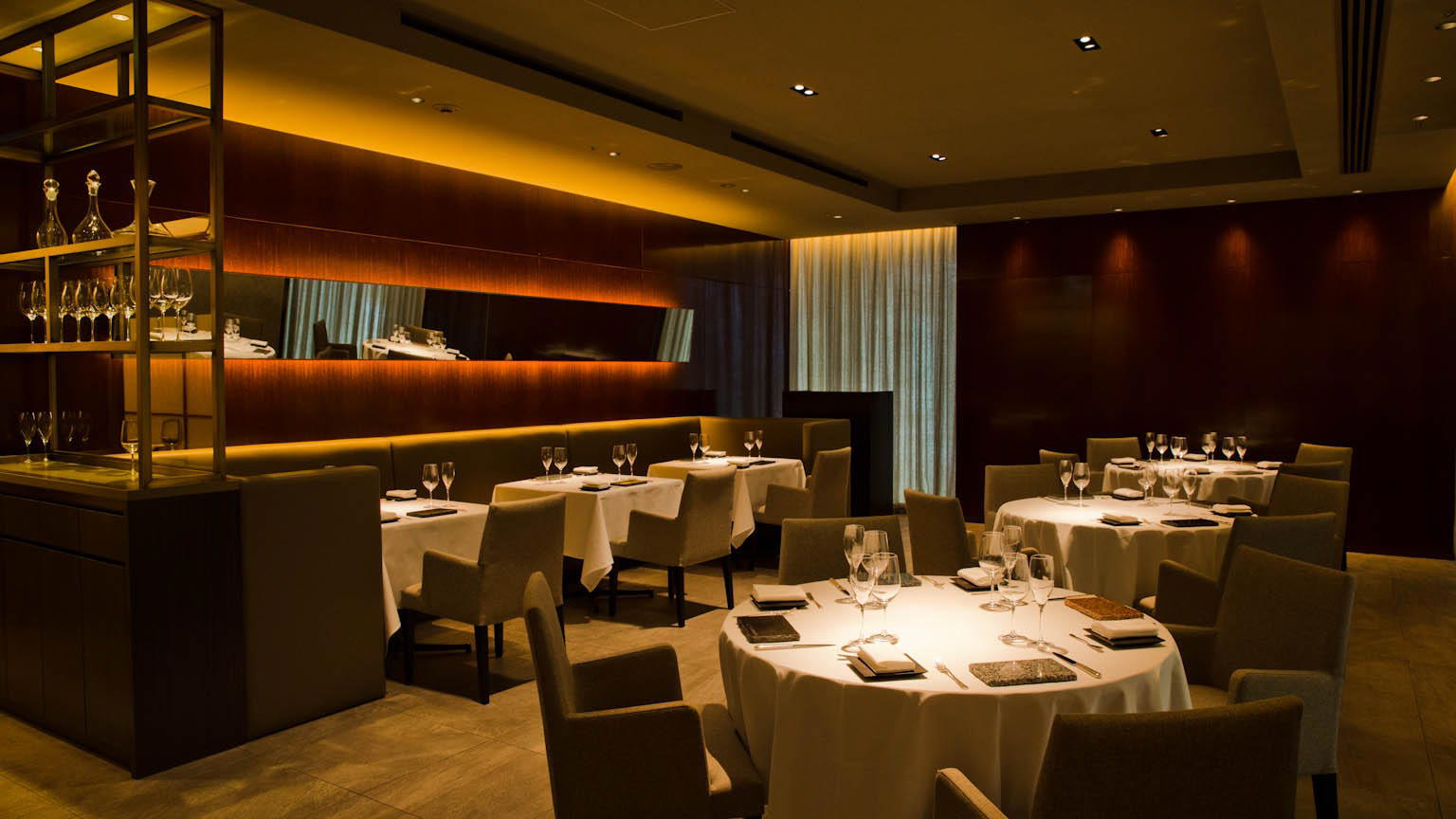
The format is compact and counter-based, with 16 seats and no private rooms. The ramen-counter social contract applies: arrive prepared, order with purpose, eat while the bowl is at its intended temperature, and do not treat the room as an open-ended lounge. Reservations are unavailable, placing the experience in Japan’s serious walk-in ramen tradition. The restaurant is non-smoking, and payment is practically cash-oriented because credit cards are not accepted.
Timing matters more than polish. Listed service includes a lunch window and a short evening window, with Tuesday as the regular closing day, but ramen-shop reality is sharper: evening service can end once soup sells out, and temporary closures can occur outside the regular schedule. The address is near Fujisawa Station, close enough for a focused meal before or after moving toward Enoshima, Kamakura, or Yokohama. Paid parking nearby matters only for drivers; rail access is cleaner.
The restrictions define who should come. It is marked as solo-dining friendly and suitable for friends, fitting the counter format. During busy periods, strollers, children, and entry may be refused, so families should treat this as a serious noodle counter, not a flexible group meal. That is part of the compact model that protects pace, broth supply, and seat turnover.
Within the wider Japanese comfort-food spectrum, this is sharper than many casual meals because sourcing is named and the format disciplined. Travelers building a broader Japan itinerary can compare that local specificity with other formats, from -Grilled beef Sukiyaki- KAMAKURA TANUKIAN 鎌倉 たぬき庵 in Kamakura to. 鮪と炭火焼き うお炭 秋葉原店 in Tokyo.cafe in Osaka.know in Kumamoto, (Shoku) Vietnam in Kawasaki, and [Curry Senmon Ten] Maruyama Kyoju. in Sapporo. For readers following Japanese food culture abroad, Jōdo Saké Bar in Los Angeles and Onigiri Time in Pasadena show how differently Japanese formats translate when rent, staffing, and audience expectations change.
Who should prioritize this Fujisawa ramen counter
Men Dokoro Rajuku is strongest for diners who care about ramen as craft rather than late-night fuel. The bowl’s logic depends on Japanese regional ingredients, and the value proposition is unusually clear: a low-price meal with named wheat, poultry, kelp, fish, soy, and shrimp sources, plus repeated placement on the Tabelog Ramen Kanagawa 100 list. In Fujisawa, that makes it a smart choice for a solo lunch, a two-person noodle stop, or a compact meal built around everyday food culture rather than higher-spend restaurants.
The trade-off is flexibility. This is not for a leisurely group dinner, a stroller-friendly family outing, or a late-evening plan that assumes the kitchen runs to the posted close. It is a counter for diners who accept ramen-shop rules: limited seats, no reservations, short windows, and the possibility that soup supply dictates service’s end. For that audience, the appeal is precise. Fujisawa gets a ramen counter whose seriousness shows not through ceremony, but through the ingredients’ origins in the bowl.
At-a-Glance Comparison
Comparable venues by cuisine and price in the same metro.
| Venue | Cuisine | Price | Notes |
|---|---|---|---|
| Men Dokoro RajukuThis venue — the venue you are viewing | Japanese Ramen | $ | Not listed |
| Sengyo Toridashi Men Sawamura | Japanese Ramen | $ | Fujisawa |
| Hilo Homemade Ice Cream | Hawaiian-style Ice Cream Shop | $ | Kugenumakaigan |
| Uzu to Kaminari | Modern Ramen | $$ | Hon-Kugenuma |
| The Market SE1 | Gelato Cafe | $ | Katase Kaigan / Enoshima |
| POURQUOI | European-style bakery & cafe | $ | Fujisawa |
Recognition history
Dated appearances from independent guides and award organizations, with the underlying list record or original source where available.
Tabelog 100 #22 · No. 22
Tabelog · Tabelog 100 - Ramen - KANAGAWA - 2025










At a Glance
- Cozy
- Classic
- Solo
- Casual Hangout
- Standalone
Current opening hours
- Monday
- 11:30 AM–1:30 PM
- Tuesday
- Closed
- Wednesday
- 11:30 AM–1:30 PM
- Thursday
- 11:30 AM–1:30 PM
- Friday
- 11:30 AM–1:30 PM
- Saturday
- 11:30 AM–1:30 PM
- Sunday
- 11:30 AM–1:30 PM
Hours can change for holidays and private events. Last verified .
A laid-back, no-frills ramen counter with a small 16-seat setup that feels focused on the bowl rather than the decor.