
POURQUOI places Fujisawa’s bread culture in a compact, everyday register rather than a destination-dining frame. The draw is the collision of bakery, sandwich counter, breakfast stop, terrace seating, and Tabelog Bread EAST 100 recognition, all in Tsujido Motomachi rather than a central Tokyo food district.
Pearl is the En Primeur Club membership app — saves, bookings, and concierge access live there. Same editors, same standards.
- Address
- 4 Chome-17-11 Tsujido Motomachi, Fujisawa, Kanagawa 251-0043, Japan
- Phone
- +81 466-33-3676
- Website
- instagram.com
 Saves & bookings on Pearl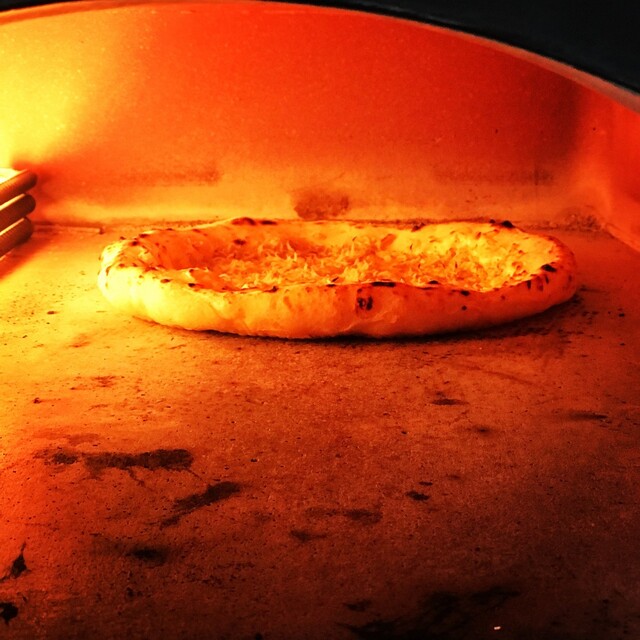
Approaching a serious Japanese bakery in a residential pocket of Kanagawa is a different ritual from entering a restaurant dining room. The pace is earlier, the decisions are faster, and the room is read through trays, counter space, and the quiet choreography of people buying for breakfast, lunch, or the walk home. In Fujisawa, that rhythm matters. This is a coastal city where daily eating is not only ramen, seafood bowls, and izakaya counters; bread has become part of the local vocabulary, shaped by Japanese precision, French influence, and the practical needs of commuters and families.
POURQUOI belongs to that category: a bread and sandwich address in Tsujido Motomachi with Tabelog Bread EAST 100 selection in 2022 and earlier recognition in 2020. That badge is useful because bakery culture in Japan is crowded, hyper-local, and difficult to judge from reputation alone. A place selected for a regional bread list is being measured against specialist bakeries rather than general cafés, which puts the conversation in the right frame from the start.
Fujisawa bread culture, read through a 13-seat bakery
Japan’s bakery scene is not a side note to restaurant culture. It has its own hierarchy: neighborhood shokupan specialists, pâtisserie-adjacent boulangeries, sandwich shops, breakfast bakeries, and small counters that sell out by rhythm rather than spectacle. Fujisawa adds another layer because the city sits between beach-town ease, commuter practicality, and Kamakura-adjacent day-trip traffic. A bakery here has to work for locals first; visitors are secondary unless the product gives them a reason to detour.
The compact format shapes the experience. With 13 seats split between counter and terrace, the setting suggests short dwell time rather than a long café session. That matters editorially: the appeal is not a restaurant-style arc, but the Japanese bakery habit of buying precisely, eating simply, and moving on. In the same city, COOKER'S GRILL sits in a similar accessible price band but plays a different role, closer to casual cooked-to-order dining than morning bakery utility. The contrast helps define the category: Fujisawa’s lower-cost dining tier is not monolithic, and bread shops can carry as much local identity as grill counters or ramen rooms.
POURQUOI’s public classification as Bread and Sandwich is also worth taking literally. In Japan, sandwich culture often sits between convenience-store efficiency and bakery craftsmanship, with the better specialist shops using the format as a test of texture, structure, and freshness rather than as filler between loaves. The listing’s emphasis on vegetables, health-oriented menus, allergy information, vegetarian options, and breakfast availability points to a bakery built for repeat use, not only for pastry tourists chasing a single item.
A practical coastal-city stop rather than a destination lunch
Fujisawa rewards visitors who think in neighborhoods. Tsujido Motomachi does not behave like a station-front dining strip; it is better understood as a residential food pocket where small venues serve everyday routines. That makes POURQUOI a stronger fit for a morning or early-day plan than for a conventional dinner itinerary. The atmosphere should be read through the bakery format: modest capacity, counter seating, terrace seats, non-smoking policy, and enough accessibility detail to make it workable for families, solo diners, and wheelchair users.
For family travel, the signals are unusually concrete. Children are welcome across age groups, strollers are accepted, and dogs are limited to terrace seats. Those details say more than a vague claim of warmth. They place the shop in the useful end of Fujisawa dining, especially for travelers trying to keep a day flexible without defaulting to chain cafés. The presence of card, transit IC, electronic money, and QR payment options also matches the way many Japanese bakery stops function now: quick, mixed-payment, and low-friction.
The price band keeps the decision casual. In Fujisawa, that puts it near everyday specialty eating rather than formal dining. Hilo Homemade Ice Cream and Uzu to Kaminari occupy nearby low-cost territory in the broader local conversation, while places such as Asahi Honten, Chinese Shunsai Chaamaen, clarita da marittima, and elarte show how varied the city’s casual and mid-market dining map becomes once it is read beyond one cuisine. Bread is part of that map, not a snack outside it.
How to place it in a Fujisawa itinerary
The sharper way to use POURQUOI is as a timing decision. Bakeries reward earlier planning, especially in Japan, where selection and pace can shift through the day. The shop’s stated schedule concentrates service from midweek through Sunday, with weekend starts earlier than weekdays, so it suits a morning built around Tsujido or a food-focused pause before moving toward the coast. Reservations are listed as available, but the format remains bakery-led rather than a long seated meal.
There is no need to inflate the experience into ceremony. The value lies in seeing how Fujisawa’s everyday food culture absorbs bakery craft: compact seating, sandwich utility, family-friendly access, terrace flexibility, and regional recognition in a category where small differences matter. For travelers building a broader local circuit, compare it with the city-level coverage in Our full Fujisawa restaurants guide, then widen the trip planning through Our full Fujisawa hotels guide, Our full Fujisawa bars guide, Our full Fujisawa wineries guide, and Our full Fujisawa experiences guide.
Readers tracing Japanese casual dining beyond Fujisawa can also compare how regional formats travel: -Grilled beef Sukiyaki- KAMAKURA TANUKIAN 鎌倉 たぬき庵 in Kamakura. 鮪と炭火焼き うお炭 秋葉原店 in Tokyo.cafe in Osaka.know in Kumamoto, (Shoku) Vietnam in Kawasaki, [Curry Senmon Ten] Maruyama Kyoju. in Sapporo, Jōdo Saké Bar in Los Angeles, and Onigiri Time in Pasadena. The through-line is not luxury; it is format discipline, price clarity, and the way a small place can explain a city’s eating habits with more force than a grand dining room.
- French breads
- Italian breads
- German breads
- Naples pizzas
- bagels
- baked confectioneries
- sandwiches
- cafe plate menu
Price and Recognition
Comparable venues by cuisine and price in the same metro.
| Venue | Cuisine | Price | Notes |
|---|---|---|---|
| POURQUOIThis venue — the venue you are viewing | European-style bakery & cafe | $ | Not listed |
| The Market SE1 | Not listed | $ | Katase Kaigan / Enoshima, Gelato Cafe |
| elarte | Not listed | $$ | Minami-Fujisawa, Spanish & Basque restaurant and wine bar |
| COOKER'S GRILL | Not listed | $$ | Tsujido, American Grill / Burgers |
| Men Dokoro Rajuku | Fujisawa, Japanese Ramen | $ | Not listed |
| Hilo Homemade Ice Cream | Not listed | $ | Kugenumakaigan, Hawaiian-style Ice Cream Shop |
Recognition history
Dated appearances from independent guides and award organizations, with the underlying list record or original source where available.
Tabelog 100 #56 · No. 56
Tabelog · Tabelog 100 - Bread - EAST - 2022










At a Glance
- Cozy
- Solo
- Family
- Casual Hangout
- Standalone
Current opening hours
- Monday
- Closed
- Tuesday
- Closed
- Wednesday
- 8:30 AM–5 PM
- Thursday
- 8:30 AM–5 PM
- Friday
- 8:30 AM–5 PM
- Saturday
- 8 AM–5 PM
- Sunday
- 8 AM–5 PM
Hours can change for holidays and private events. Last verified .
Casual bakery atmosphere with a focus on takeaway breads and simple cafe plates rather than full-service restaurant dining.