
elarte gives Fujisawa a serious Spanish address outside the Tokyo orbit, with Basque cooking, wine-bar habits, and a fish-led point of view. Its Tabelog Spanish Cuisine 100 selection in 2024 and 2026 places it in a selective national conversation while keeping the scale compact and local.
Pearl is the En Primeur Club membership app — saves, bookings, and concierge access live there. Same editors, same standards.
- Address
- 神奈川県藤沢市南藤沢9-2 山下ビル 1F
- Phone
- +81466525501
- Website
- elarte.biz
 Saves & bookings on Pearl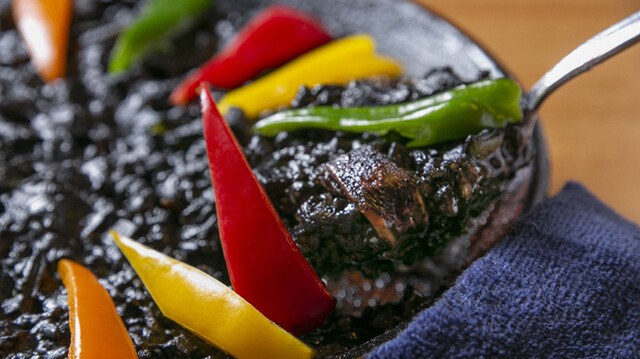
South of Fujisawa Station, the dining rhythm changes quickly from commuter flow to small-room restaurants where the evening is measured by bottles, counter seats, and tables that turn slowly. In that setting, elarte reads less like imported Spain than a Kanagawa answer to Spanish cooking: seafood-led, wine-aware, and sized for a city that eats seriously without performing metropolitan ceremony.
Basque cooking makes sense in a coastal rail city
Spanish restaurants in Japan often split into two camps: urban tasting-menu rooms built around technique, and neighbourhood bars where wine, seafood, and repeated visits matter more than ceremony. Fujisawa suits the second model. The city sits within the Shonan orbit, close enough to Tokyo for destination diners but grounded in a coastal culture where fish is not an accessory. A Spanish kitchen that is explicitly particular about fish has a clear reason to be here.
Basque cooking travels well in Japan because it does not require theatrical translation. Grilling, seafood, preserved flavors, olive oil, wine, and the discipline of small plates all sit comfortably beside Japanese expectations for seasonality and product focus. elarte works within that overlap rather than chasing a generic tapas mood. The category listing, Spanish, wine bar, and dining bar, matters: it signals a room built around both food and drinking, not a formal European dining template dropped into Fujisawa.
The national recognition gives the address sharper context. Selection for Tabelog 100 Spanish Cuisine in 2024 and again in 2026 puts elarte into a list where Japan’s Spanish restaurants are judged against each other, not merely against local demand. That distinction matters in a city where the restaurant conversation is varied rather than single-track: Fujisawa can support Chinese, Sichuan, grill, seafood, and coastal Italian-adjacent rooms without forcing every serious table into one luxury format. For a wider read on that spread, see Our full Fujisawa restaurants guide.
The sourcing argument is the strongest reason to choose it
The useful way to read elarte is through ingredients rather than décor or biography. Fish is the stated emphasis, and that gives the restaurant its editorial weight. In Japan, Spanish cooking becomes more persuasive when it treats local seafood as the starting point rather than as a substitute for Mediterranean product. Fujisawa’s location helps that argument: the city is close to fishing communities, beach traffic, and a dining public that understands freshness without needing it overexplained.
That sourcing angle also separates the restaurant from several Fujisawa peers. Chinese Shunsai Chaamaen sits in a higher dinner bracket and speaks to Fujisawa’s appetite for polished Chinese dining. fu-fu shisen works in a similar dinner band but through Sichuan heat and structure. COOKER'S GRILL pulls the conversation toward meat and casual grill culture, while Asahi Honten and clarita da marittima point to the city’s broader affection for specialist, ingredient-led restaurants. elarte belongs in that local pattern, but its Spanish frame gives the seafood conversation a different grammar: wine, counter conviviality, and the Basque instinct to let product carry the meal.
The drinks program reinforces that position. Wine and cocktails are both part of the restaurant’s identity, with particular attention given to each. That matters because Spanish dining at this scale is rarely only about plates. The more convincing rooms understand pacing: aperitif, seafood, something grilled or richer, another glass, and a final course that does not require the table to change emotional register. Fujisawa has enough commuter energy to reward efficiency, but this is not a grab-and-go address; the format points toward lingering without the stiffness of a formal tasting room.
How to place it in a Fujisawa itinerary
For travelers, elarte is strongest as a Fujisawa dinner rather than a detour appended to a Kamakura day out. The city’s station area has its own dining identity, and treating it as a stopover undersells the point. The surrounding scene is broad enough to build a weekend around food rather than a single reservation: compare the area’s restaurants with Our full Fujisawa hotels guide, Our full Fujisawa bars guide, Our full Fujisawa wineries guide, and Our full Fujisawa experiences guide if the plan extends beyond one meal.
The broader Kanagawa and Japan comparison is useful, but it should not flatten the restaurant into a generic travel checklist. Kamakura has its own dining logic, from beef-focused rooms such as -Grilled beef Sukiyaki- KAMAKURA TANUKIAN 鎌倉 たぬき庵 in Kamakura to coastal cafés and temple-adjacent lunches. Tokyo pulls visitors toward density, including specialist addresses such as. 鮪と炭火焼き うお炭 秋葉原店 in Tokyo. Fujisawa’s advantage is different: it can feel local without being thin, serious without chasing the rituals of Ginza or Ebisu.
That is why elarte is better understood as a regional confidence marker. A 30-seat Spanish, wine-bar, and dining-bar format selected for a national Spanish cuisine list says something about where Japanese dining has moved: serious European cooking no longer needs a capital-city postcode, a hotel lobby, or a chef-driven mythology to earn attention. It needs a clear product argument, a room scaled to its city, and enough discipline to make locals return. Fujisawa has several such arguments, and this is the Spanish one.
Readers mapping a wider Japan itinerary can use that same lens elsewhere. (Shoku) Vietnam in Kawasaki.cafe in Osaka.know in Kumamoto, and [Curry Senmon Ten] Maruyama Kyoju. in Sapporo each show how non-capital or non-obvious dining choices can sharpen a trip when the category is chosen with intent. Even outside Japan, the same principle applies to compact specialist formats, from Jōdo Saké Bar in Los Angeles to Onigiri Time in Pasadena: the question is not whether a place has the loudest reputation, but whether its format, sourcing, and city fit together.
In Context: Similar Options
Comparable venues by cuisine and price in the same metro.
| Venue | Cuisine | Price | Notes |
|---|---|---|---|
| elarteThis venue — the venue you are viewing | Spanish & Basque restaurant and wine bar | $$ | Not listed |
| Sushi Tomi | Traditional Sushi Counter | $$$ | Fujisawa |
| Hilo Homemade Ice Cream | Hawaiian-style Ice Cream Shop | $ | Kugenumakaigan |
| COOKER'S GRILL | American Grill / Burgers | $$ | Tsujido |
| 二代目 笑楽 | :null | Not listed | Not listed |
| fu-fu shisen | Organic Pescatarian Sichuan Course Dining | $$$ | Fujisawa |
Recognition history
Dated appearances from independent guides and award organizations, with the underlying list record or original source where available.
Tabelog 100 #83 · No. 83
Tabelog · Tabelog 100 - Spanish cuisine - 2026








At a Glance
- Cozy
- Lively
- Intimate
- Modern
- Date Night
- Group Dining
- Casual Hangout
- After Work
- Celebration
- Wine Cellar
- Standalone
- Design Destination
- Extensive Wine List
- Beer Program
- Local Sourcing
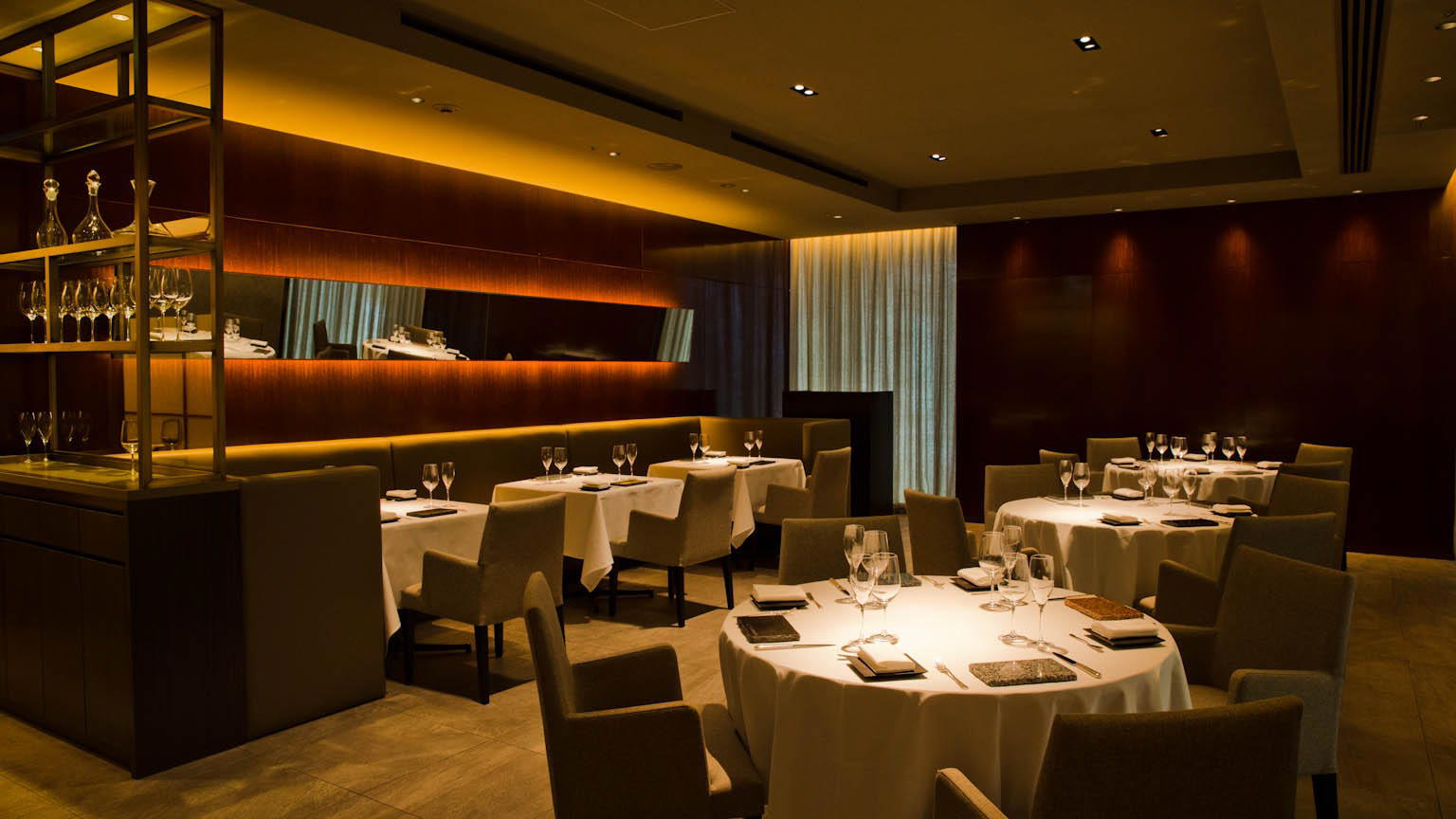
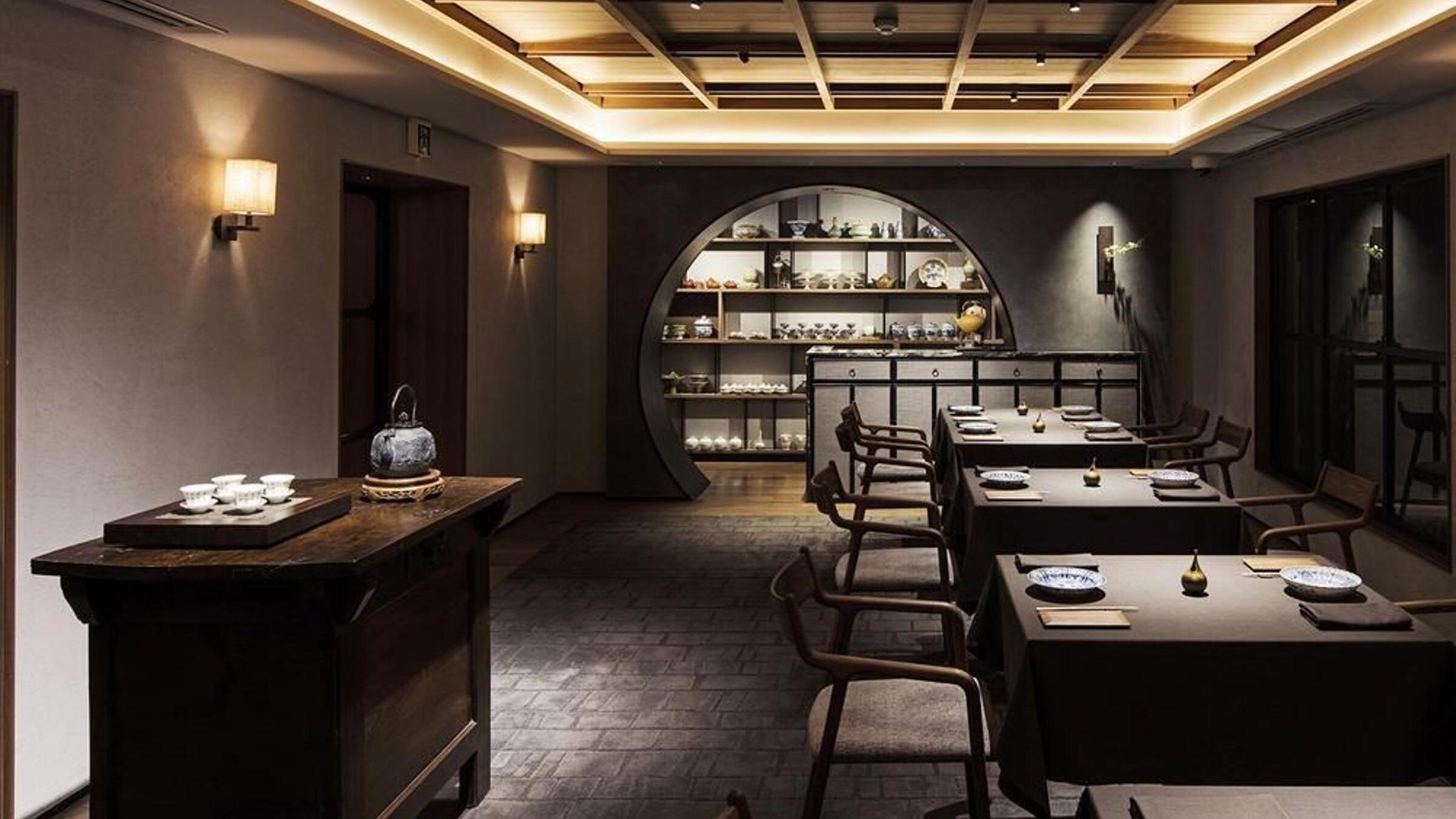
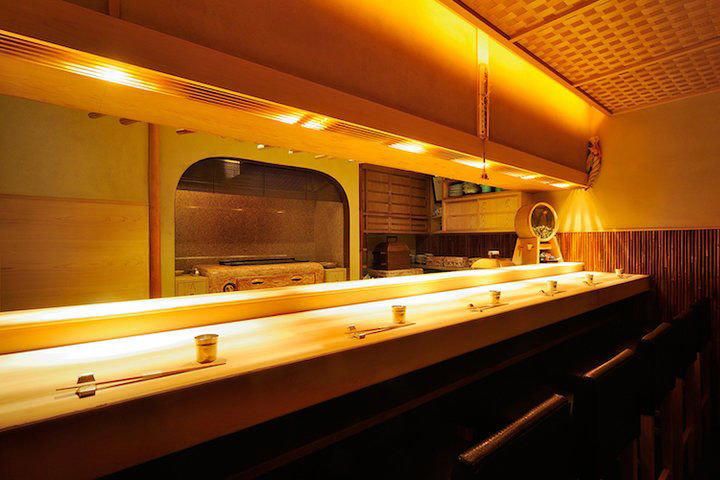
Warm, cozy neighborhood spot with a casual yet slightly modern wine-bar feel, Spanish art on the walls, and a relaxed atmosphere suited to lingering over tapas and wine.