Meiselocker
Meiselocker sits on Rue des Frères in central Strasbourg, positioned within a city that has long balanced Alsatian tradition against French culinary ambition. Against a comparable set that includes Michelin-recognised rooms and creative tasting menus, it occupies a distinct address in one of France's most food-serious border cities. For travellers cross-referencing the Strasbourg dining scene, it warrants attention alongside the neighbourhood's established names.
- Address
- 39 Rue des Frères, 67000 Strasbourg, France
- Phone
- +33388223000
- Website
- meiselocker.fr
- Directions
- Get directions
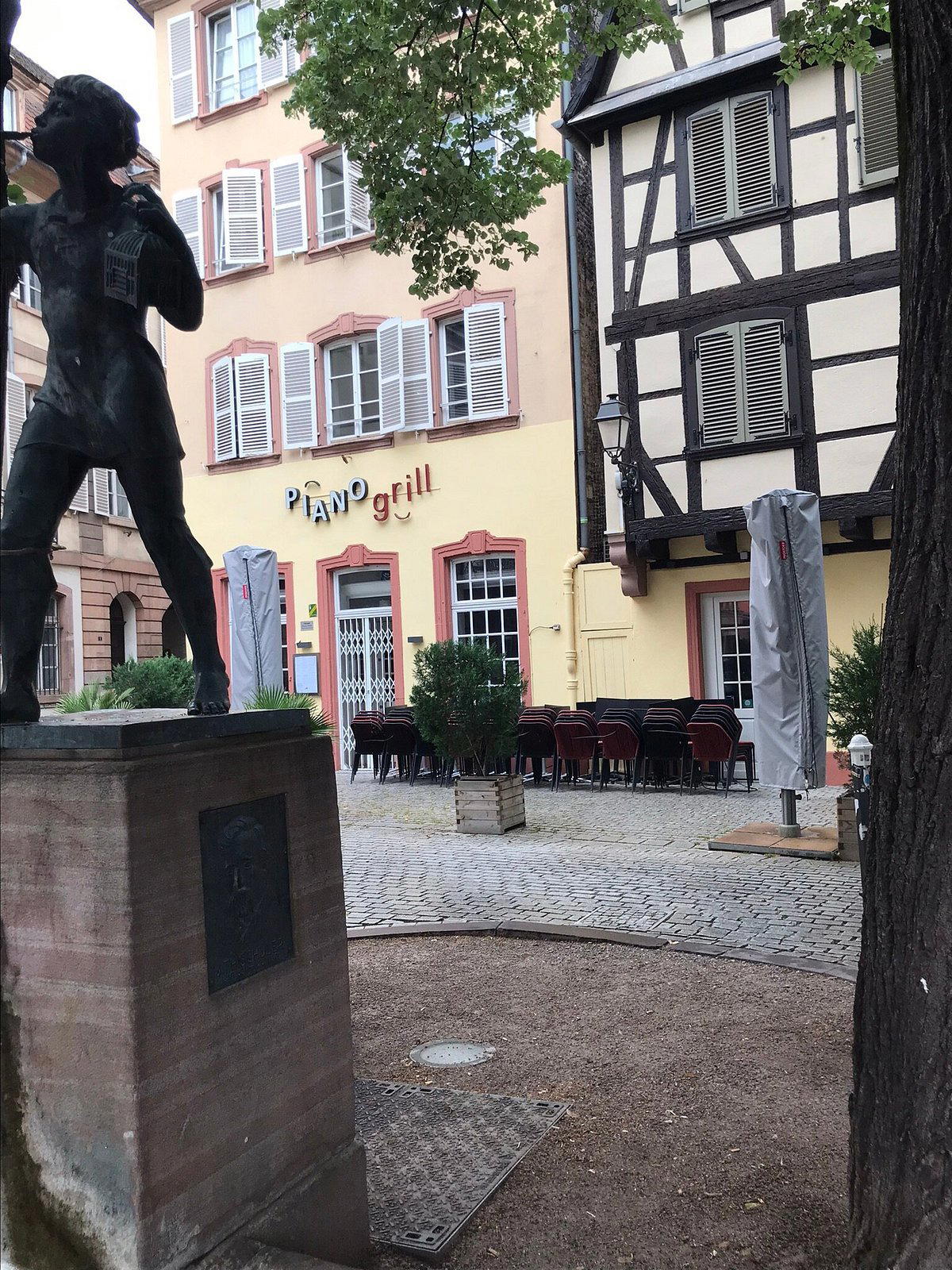
Strasbourg's Dining Address and the Question of Ethical Sourcing
Meiselocker is a restaurant in Strasbourg, France, at 39 Rue des Frères, serving Traditional Alsatian Cuisine and priced at about $48 per person. The city's restaurants have long negotiated between Alsatian tradition, choucroute, baeckeoffe, flammekueche, the weight of Germanic influence across centuries of border history, and the continental French ambition that Michelin and the broader food press have rewarded here more consistently than in most French cities of comparable size. Au Crocodile and 1741 anchor stronger examples from that range; addresses like de:ja and Les Funambules occupy the creative middle ground. Meiselocker, at 39 Rue des Frères, enters this conversation from a street address that places it within reach of the city's older residential fabric, away from the tourist-facing Grande Île circuit.
Across France, a generation of restaurant operators has reoriented around sourcing transparency, waste reduction, and supply chain accountability in ways that go beyond seasonal menu language. This shift is visible in particularly scrutinised rooms in the country: Mirazur in Menton has built a biodynamic garden programme into its operational identity, while Bras in Laguiole has made the Aubrac plateau's ecology inseparable from its menu logic. Further along the Rhine corridor, Alsace's proximity to organic farming networks in Baden-Württemberg and the Vosges foothills gives regional operators unusually direct access to quality primary producers. Whether smaller addresses like Meiselocker draw on those networks is a practical question worth asking before you book.
The Rue des Frères Address
Rue des Frères runs through a part of Strasbourg that sits between the cathedral district and the quieter residential zones to the west. It is a street that registers as a working address rather than a destination strip, which tends to filter the clientele toward locals and deliberate visitors rather than foot-traffic tourists. That filtering effect matters in Strasbourg more than in some French cities because the Grande Île draws significant tourism volumes, the Christmas market alone reshapes the city's hospitality economy for several weeks each winter. A room on Rue des Frères sits outside that gravitational pull for most of the year.
For context on the broader Strasbourg scene, our full Strasbourg restaurants guide maps the city's dining character across neighbourhoods and price tiers. Strasbourg's overall restaurant density in the centre means that proximity to a given address is less of a constraint than in sprawling cities; most of the dining addresses worth knowing are within a manageable radius.
Sustainability as Operational Discipline, Not Marketing Position
The more credible sustainability stories in French fine dining are operational rather than rhetorical. They show up in how a kitchen handles protein utilisation, how it structures relationships with farms over multi-year timescales, how it treats waste as a cost problem rather than an image problem. Troisgros - Le Bois sans Feuilles exemplifies this at the highest level: the kitchen's vegetable garden and supply chain are documented operational commitments, not seasonal gestures. At the other end of the spectrum, many restaurants use the language of terroir and local sourcing to signal values without the supply chain depth to back them up.
Alsace has structural advantages here that other French regions lack. The Vosges range to the west provides a distinctive agricultural microclimate; the Rhine plain supports diverse market gardening; proximity to Germany's organic certification infrastructure means that cross-border sourcing can carry verifiable credentials. A restaurant on Rue des Frères that actively engages with these networks is working in a more favourable sourcing environment than a comparable address in Paris or Lyon, where supply chains are longer and producer relationships more intermediated. Auberge de l'Ill, operating from Illhaeusern just south of Strasbourg, has demonstrated over decades what committed regional sourcing can look like at the summit end of Alsatian hospitality.
What the address and city context do establish is that an operator here has access to one of France's richer regional sourcing environments if they choose to use it.
Placing Meiselocker in the Strasbourg comparable set
Strasbourg's restaurant market segments fairly clearly across price points. The top tier, rooms where Michelin attention and tasting menu formats push covers into the €€€€ bracket, includes Au Crocodile, 1741, and de:ja. A tier below, addresses like Umami and Les Funambules operate modern menus at price points that attract a broader local clientele alongside visitors. Meiselocker is positioned as a casual, recommended reservation restaurant at an approachable price tier.
Across France more broadly, addresses that have drawn sustained critical attention for sustainability-led cooking tend to cluster around chefs with documented producer relationships and menus that reflect seasonal constraint rather than seasonal aspiration. Auberge du Vieux Puits in Fontjoncouse and Flocons de Sel in Megève represent two versions of this at the three-star level: different geographies, different culinary registers, but similar commitments to place-rooted sourcing as a structural principle.
Practical Information for Planning a Visit
Meiselocker is located at 39 Rue des Frères, 67000 Strasbourg. Strasbourg's compact centre makes it accessible on foot from the tram network, which connects the main railway station to the cathedral district and points beyond.
For travellers cross-referencing Alsace against France's wider dining options, the regional context is worth holding: Strasbourg sits at the intersection of two culinary traditions in a way that few French cities do, and restaurants here that take that position seriously, sourcing from both sides of the Rhine, cooking within an Alsatian grammar while speaking a contemporary French language, are doing something that has no direct equivalent in Paris or Lyon. For reference points at the highest level of French ambition, Alléno Paris au Pavillon Ledoyen and AM par Alexandre Mazzia in Marseille each represent a version of French modernism that Strasbourg's leading rooms are in dialogue with, even at geographic distance. International visitors comparing European fine dining options might also consider Le Bernardin in New York City or Atomix in New York City for context on what sourcing rigour and tasting menu discipline look like at peer level across the Atlantic. And for Champagne country comparisons, Assiette Champenoise in Reims sits in a similar northeast France register, albeit with a wine programme built around a different regional identity. Paul Bocuse - L'Auberge du Pont de Collonges remains the reference point for the historical weight that French restaurant tradition carries.
- Alsatian snails
- Smoked ham and bibeleskæs
- Cordon bleu with munster
- Roast knuckle of pork with beer and sauerkraut
- Sauerkraut with five meats
- Chicken with Riesling and spätzles
A Lean Comparison
Comparable venues nearby, for context on price, style, and recognition.
| Venue | Cuisine | Price | Notes |
|---|---|---|---|
| MeiselockerThis venue — the venue you are viewing | Centre, Traditional Alsatian Cuisine | $$ | Not listed |
| Au Cruchon | Centre, Traditional Alsatian Winstub | $$ | Not listed |
| Au Brasseur | Centre, Traditional Alsatian Brasserie | $$ | Not listed |
| Le Tire-Bouchon | Centre, Traditional Alsatian Winstub | $$ | Not listed |
| Les Innocents | Not listed | $$ | Tribunal-Gare-Porte De Schirmeck, Modern French Bistronomic |
| Pfifferbriader | Centre, Traditional Alsatian Winstub | $$ | Not listed |
Continue exploring
More in Strasbourg
Restaurants in Strasbourg
Browse all →

Bars in Strasbourg
Browse all →


Hotels in Strasbourg
Browse all →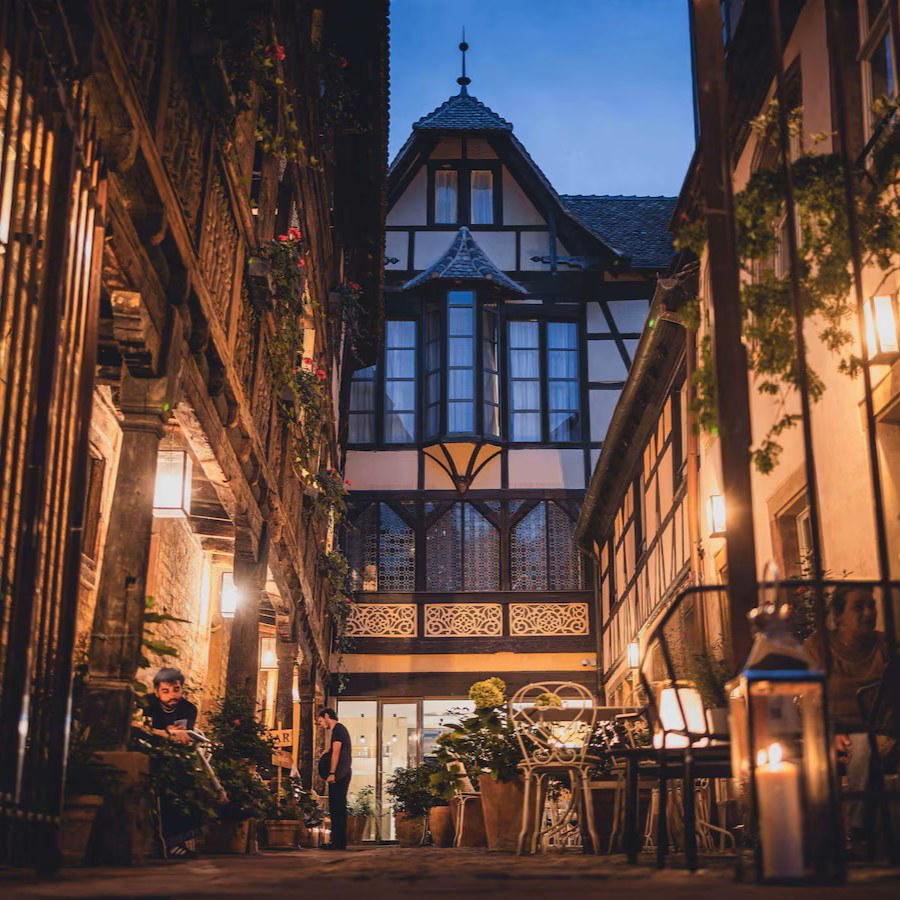
At a Glance
- Cozy
- Rustic
- Classic
- Intimate
- Group Dining
- Casual Hangout
- Family
- Standalone
- Historic Building
- Extensive Wine List
- Local Sourcing
- Farm To Table
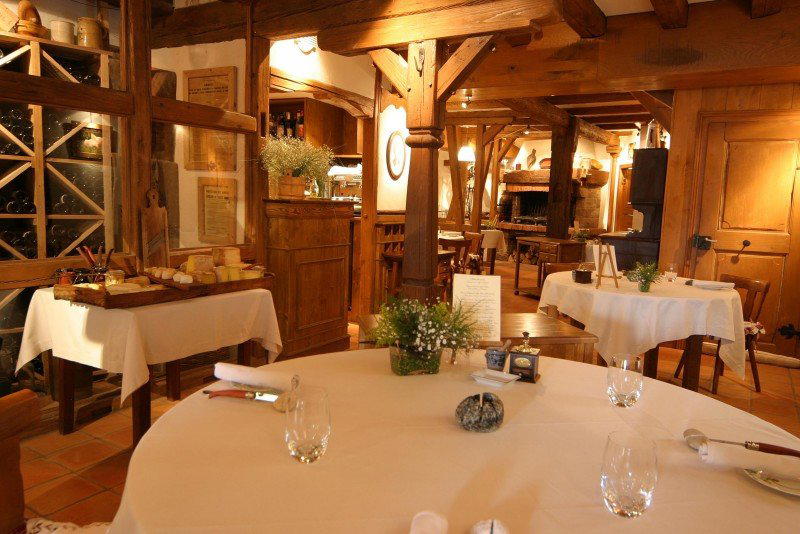
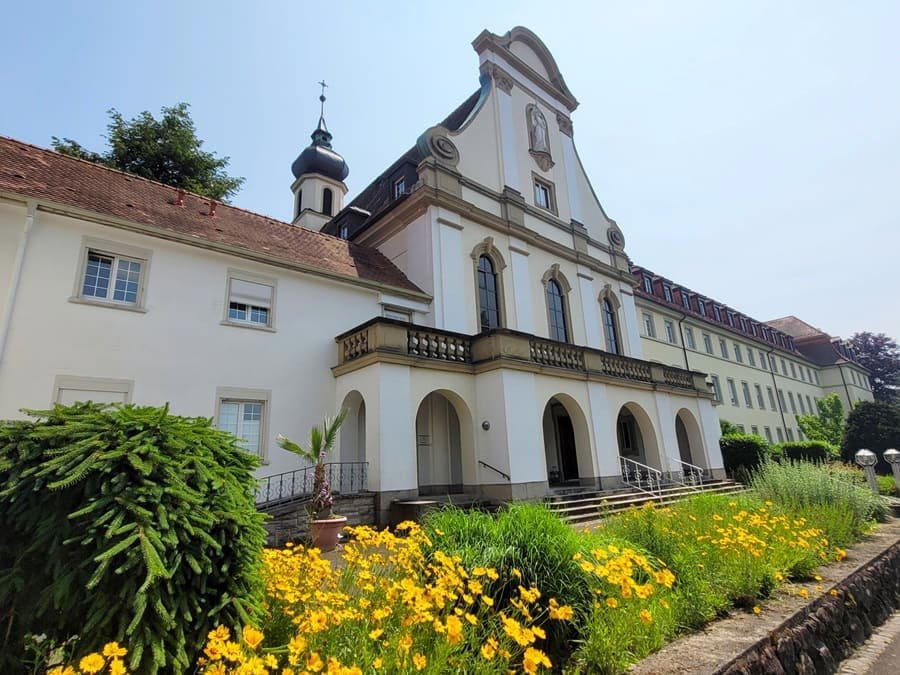
Relaxed and cosy with a simple, authentic Alsatian gastube setting that emphasizes traditional warmth and friendliness.