Mathes

Michelin Plate
Our verdict
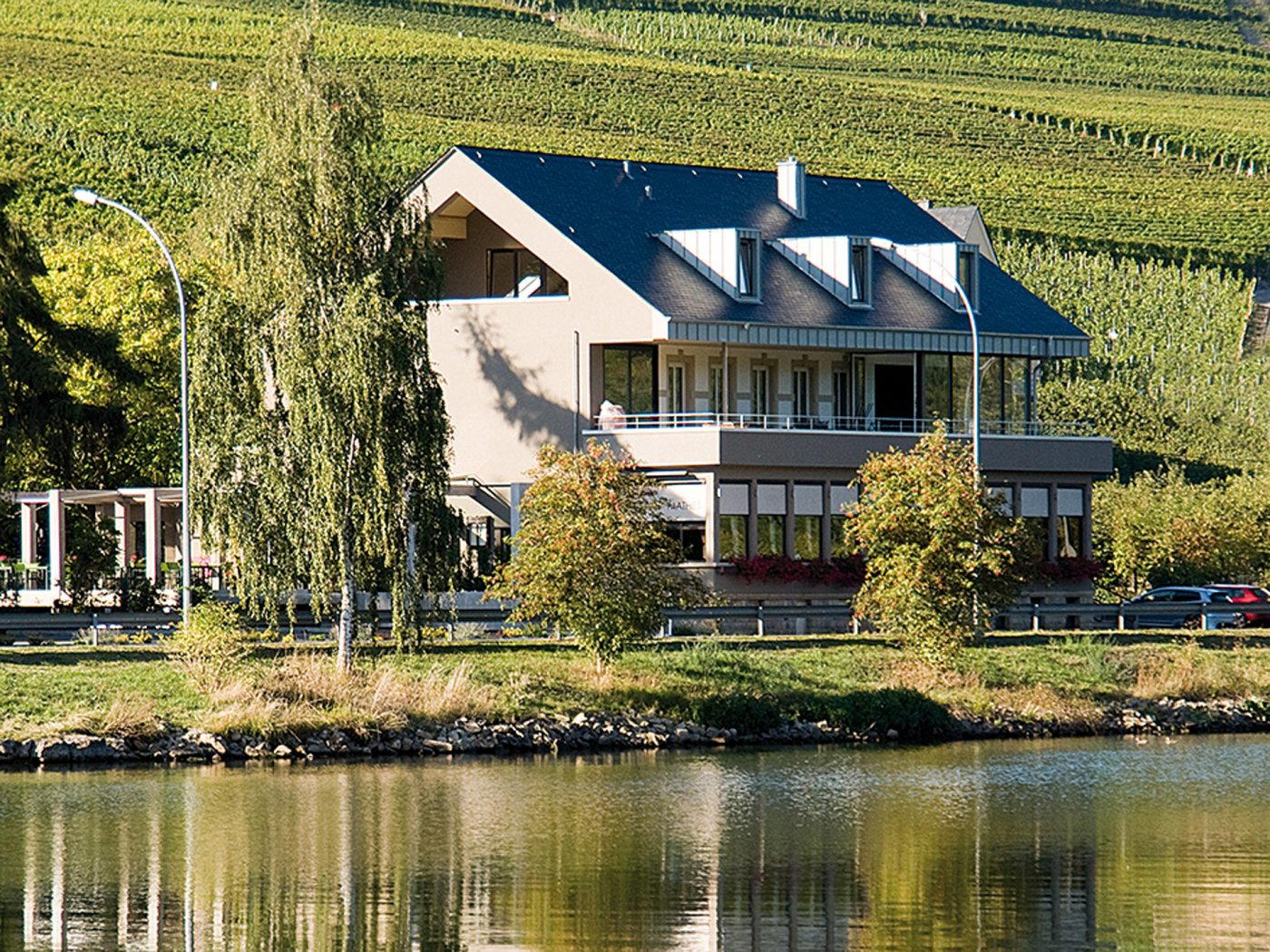
Mathes sits along the Route du Vin in Ahn, a village where the Moselle Valley's vineyard terroir shapes what ends up on the plate as much as any kitchen decision. The address places it squarely within Luxembourg's wine-country dining corridor, where sourcing proximity and regional produce define the competitive conversation among serious restaurants in this part of the Grand Duchy.

Pearl is the En Primeur Club membership app — saves, bookings, and concierge access live there. Same editors, same standards.
- Address
- 37 Rte du Vin, 5401 Ahn Wormeldange, Luxembourg
- Phone
- +352760106
- Hours
- Mon–Tue ClosedWed–Sat 12–2 PM, 7–9 PMSun 12–2 PM
- Website
- restaurant-mathes.lu
- Directions
- Get directions
- Booking
- Book on the venue's website
The menu
What to order
- Pike perch with Riesling sauce
- Fish cassolette with nori broth and shiitake
- Squab with kale maki
- Crème brûlée with pineapple
Dining Where the Vineyard Meets the Table
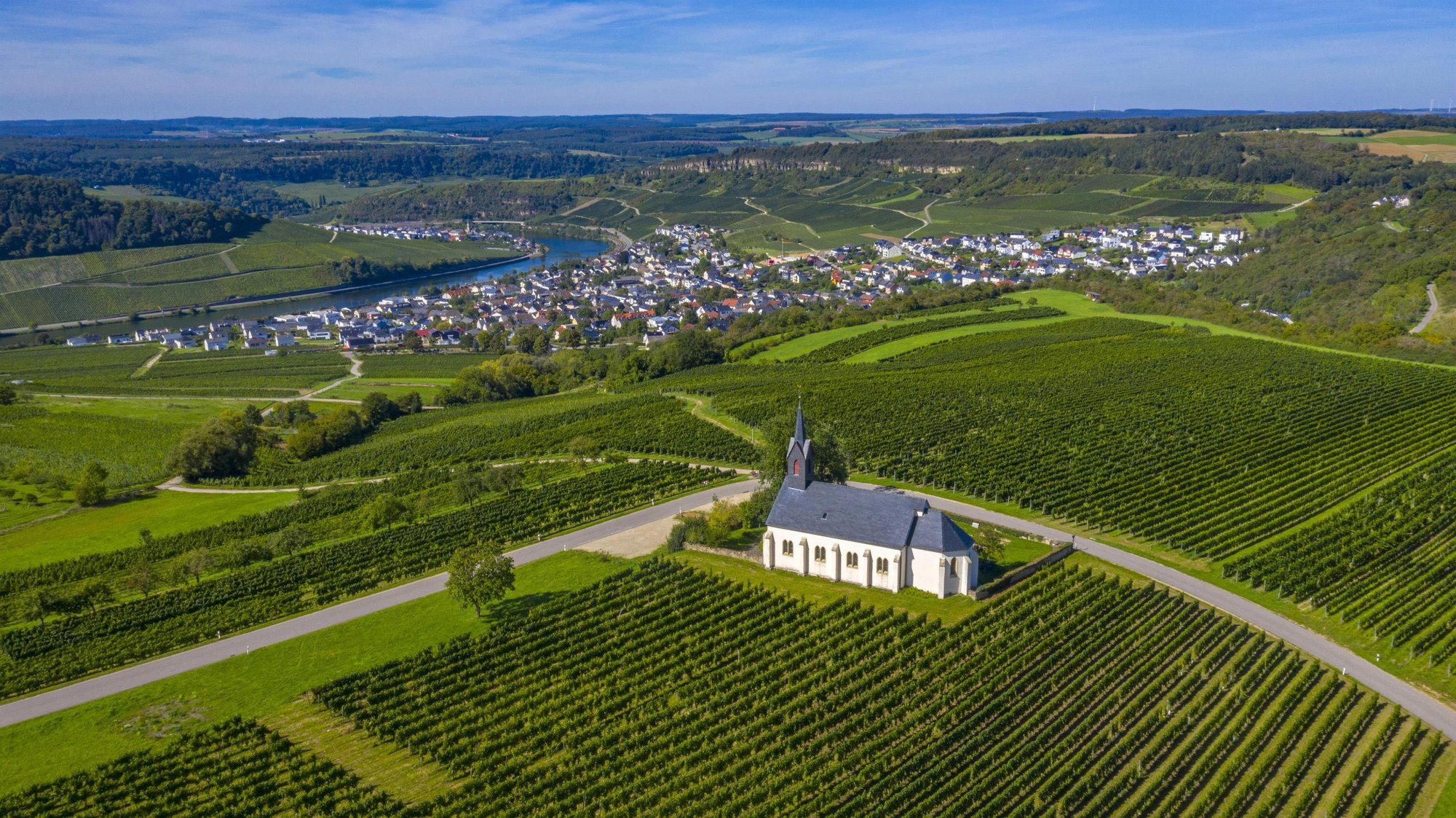
The Route du Vin between Wasserbillig and Schengen is one of the quieter wine corridors in Western Europe, running along the Luxembourg bank of the Moselle with vineyards pressed close to the road and the river visible through breaks in the vine rows. Ahn sits near the upper end of that strip, a small village whose dining identity is inseparable from the agricultural character of the land around it. Restaurants here do not choose a farm-to-table positioning as a marketing exercise; the geography makes sourcing locally the path of least resistance. Mathes, at 37 Route du Vin, occupies that context directly.
In a region where the Auxerrois, Riesling, and Pinot Gris grown on steep south-facing slopes have earned Luxembourg's Moselle wines a quiet international reputation, the relationship between what is grown nearby and what appears on a plate carries real weight. Dining along this corridor is not about urban sophistication; it is about the specific logic of a place, where the growing season, the soil type, and the proximity of producers are legible in a meal in ways that city restaurants often try to simulate and rarely replicate.
Ingredient Sourcing Along the Moselle
The Moselle Valley's agricultural output is narrow but distinctive. The river's moderating influence on temperature, combined with the slate and limestone subsoils that run through the Luxembourg bank, produces grapes and complementary produce with a particular mineral sharpness. Kitchens working seriously in this part of Luxembourg have access to a short supply chain: local wine producers, river fish from the Moselle itself, and market produce from the broader Grevenmacher canton. That proximity to primary ingredients is the defining condition for restaurants in Ahn and its immediate neighbours.
Across Luxembourg's more formal dining tier, represented by addresses like Léa Linster in Luxembourg at the €€€€ level and the organic-focused Côté Cour in Bourglinster, the conversation about sourcing is explicit and credential-driven. The wine-country restaurants along the Moselle operate from a different starting point: sourcing is structural rather than aspirational, built into the geography rather than articulated as philosophy. Mathes sits within that structural condition.
The Wine-Country Dining Corridor in Context
Luxembourg's restaurant scene has developed along two distinct axes in recent years. The capital and its inner suburbs have attracted the headline recognition, with contemporary French and creative formats pulling the formal dining conversation toward urban addresses. The Moselle corridor, by contrast, has retained a character shaped by wine tourism and regional produce, where the audience is as likely to be a Riesling producer hosting a harvest dinner as a Luxembourg City professional making a weekend reservation.
That distinction matters for how a restaurant in Ahn positions itself relative to the broader Grand Duchy dining map. Addresses like Le Bistrot Gourmand in Remerschen, further south along the same Route du Vin, and Domaine La Forêt in Remich operate within the same wine-corridor logic, where the wine list and the sourcing story carry as much editorial weight as the kitchen technique. Mathes shares that competitive set rather than measuring itself against the capital's more formal addresses.
For readers who use Luxembourg City as a base and are plotting a day along the Moselle, the Route du Vin requires a car; the villages are connected by the B49 road running parallel to the river, and Ahn itself is a short drive north of Grevenmacher, the canton's administrative centre. Timing a visit around the harvest window, typically late September through October, puts the sourcing logic of this corridor into sharpest relief, when the relationship between vineyard activity and restaurant programming is most visible.
Placing Mathes in the Luxembourg Dining Map
Luxembourg's dining geography rewards some mapping before a first visit. The capital's highest-profile formal addresses, including Léa Linster with its Michelin recognition and modern French positioning, operate at a remove from the wine-country corridor in terms of format and audience. The Moselle restaurants draw from a different tradition: regional, produce-adjacent, wine-integrated. Visitors who have spent time with the farm-anchored dining culture of Alsace or the Mosel's German bank will find the Luxembourg side of the river operating from a recognisable set of assumptions, though with the particular quietness that comes from a smaller national dining scene.
Other Luxembourg addresses worth placing on the same trip include Beim Bertchen in Wahlhausen for a sense of the country's rural dining character, and Der Napf in Wilwerdange further north. For those extending into a wider Luxembourg itinerary, the contrast between wine-country addresses like Mathes and urban formats such as B13 in Bertrange or Kore in Steinfort gives a more complete picture of what the Grand Duchy's dining range looks like in practice.
For reference points outside Luxembourg entirely, the precision sourcing logic at work in Moselle-corridor restaurants finds echoes in the way addresses like Le Bernardin in New York City treat ingredient provenance as a primary editorial argument, or how Atomix in New York City builds its identity around the traceability of its inputs. The scale is entirely different, but the underlying conviction that sourcing precedes technique is shared.
Planning a Visit
Ahn is a village, which means logistics require more planning than a city reservation. Driving is the practical approach from Luxembourg City, roughly 30 kilometres east along the A1 and then south along the river road. The village has no meaningful public transport connection for dining purposes. Given the sparse public record on Mathes's current hours, booking policy, and seasonal programming, direct contact via the address at 37 Route du Vin or inquiry through our full Ahn restaurants guide is the sensible approach before making the drive. Wine-country restaurants in this part of the Moselle tend to follow seasonal rhythms that are not always published consistently online, so confirming availability before travel matters more here than in an urban setting.
For a broader sense of Luxembourg's dining range before or after a visit to the Moselle corridor, addresses including Les Roses in Mondorf-les-Bains, Beefbar Smets in Strassen, Laotse in Moutfort, Victoria vum Berdorfer Eck in Berdorf, La Table du Curé in Lasauvage, Beim Schlass in Wiltz, and Bo Zai Fan in Letzebuerg give a sense of how varied the country's dining formats have become beyond the wine-corridor template.
Frequently asked questions
Is Mathes child-friendly?
Ahn is a small village on the Route du Vin, and the dining pace in this corridor tends toward the unhurried end — settings that generally suit families better than late-night urban rooms. That said, no specific children's menu or family facilities are documented for Mathes, so it is worth confirming directly before bringing young children.
Is Mathes better for a quiet night or a lively one?
Ahn has a population measured in the hundreds, and the Route du Vin between Wasserbillig and Schengen is a quiet wine corridor by any measure. Mathes at 37 Route du Vin sits squarely in that context — this is a destination for an unhurried evening, not a room that competes with the capital's livelier addresses.
What makes Mathes a destination rather than a convenient local stop on Luxembourg's Route du Vin?
Mathes sits at 37 Route du Vin in Ahn, one of the named wine villages in the Wormeldange stretch of the Luxembourg Moselle — a corridor that produces Riesling and Auxerrois on slopes the EU has formally delimited as a distinct wine region. Reaching it from Luxembourg City requires a deliberate 30-minute drive along the river, which filters the clientele toward those who have sought it out rather than stumbled in. That separation from the capital's dining circuit is precisely what defines the experience here.
What's the must-try dish at Mathes?
Given the venue's position on the Luxembourg Moselle, the sourcing conversation almost certainly runs through the valley's produce — Riesling-region ingredients and river fish have defined this corridor's tables for generations.
Where exactly is Mathes?
Mathes is located at 37 Rte du Vin, 5401 Ahn Wormeldange, Luxembourg, Ahn.
How far ahead should I plan for Mathes?
Ahn requires more logistical lead time than a Luxembourg City reservation simply because the village has no fallback options nearby if plans change. Driving from the capital takes roughly 30 minutes along the Moselle route. Booking ahead is advisable, though no specific reservation window is documented for Mathes.
Side-by-Side Snapshot
Comparable venues nearby, for context on price, style, and recognition.
| Venue | Cuisine | Price | Awards | Notes |
|---|---|---|---|---|
| MathesThis venue — the venue you are viewing | Modern French Fine Dining | $100–150 | Michelin Plate | Not listed |
| Le Bistrot Gourmand | French-Luxembourgish Bistro | $30–50 | Not listed | Remerschen |
| L'Orgue | Modern French Fine Dining | $50–100 | Not listed | Lintgen |
| Big Fernand | French Hamburgers | $20–30 | Not listed | Gasperich |
| La Mirabelle | Classic French with Seasonal Twists | $50–100 | Not listed | Eich |
| Der Napf | French Fine Dining | Not listed | Not listed | Wilwerdange |
Recognition history
Dated appearances from independent guides and award organizations, with the underlying list record or original source where available.
Michelin Plate
Michelin
Full recognition history (3 entries)
Michelin Plate
Michelin
Michelin Plate
Michelin
Continue exploring
More in Ahn
Restaurants in Ahn
Browse all →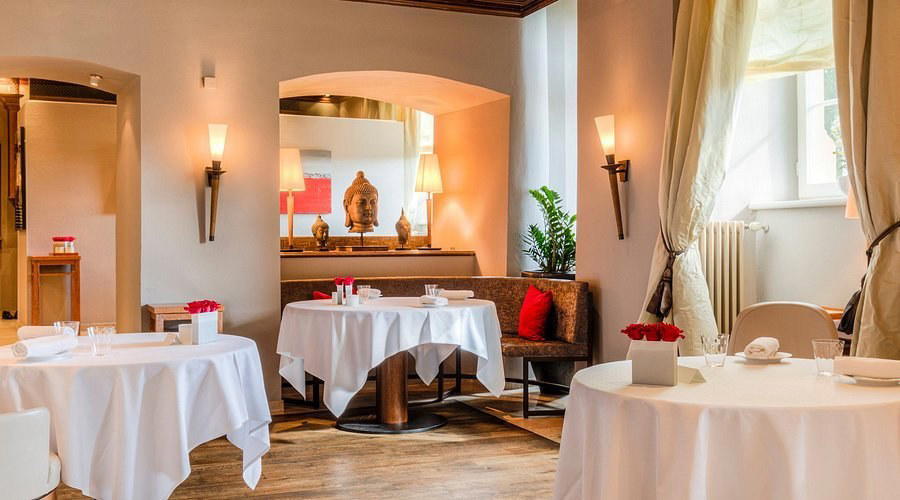
Bars in Ahn
Browse all →
Hotels in Ahn
Browse all →

Details
- Elegant
- Romantic
- Scenic
- Sophisticated
- Date Night
- Business Dinner
- Special Occasion
- Celebration
- Waterfront
- Terrace
- Garden
- Private Dining
- Panoramic View
- Extensive Wine List
- Local Sourcing
- Waterfront
- Vineyard
- Garden
- A La Carte
- Set Menu
- Luxembourg Wines
- Riesling
- Vegetarian Friendly
- Gluten Free Options
- Pescatarian Friendly
Current opening hours
- Monday
- Closed
- Tuesday
- Closed
- Wednesday
- 12–2 PM, 7–9 PM
- Thursday
- 12–2 PM, 7–9 PM
- Friday
- 12–2 PM, 7–9 PM
- Saturday
- 12–2 PM, 7–9 PM
- Sunday
- 12–2 PM
Hours can change for holidays and private events. Last verified .
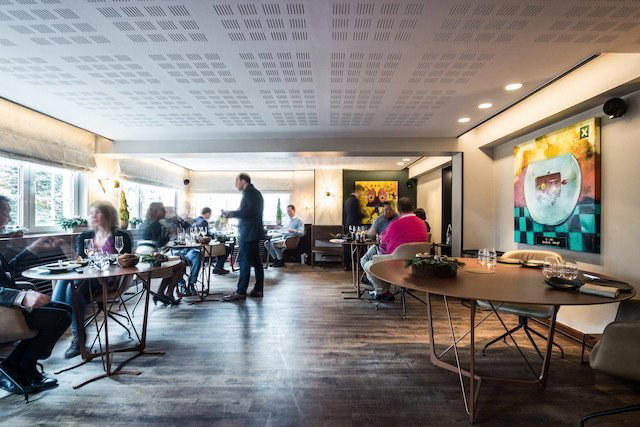
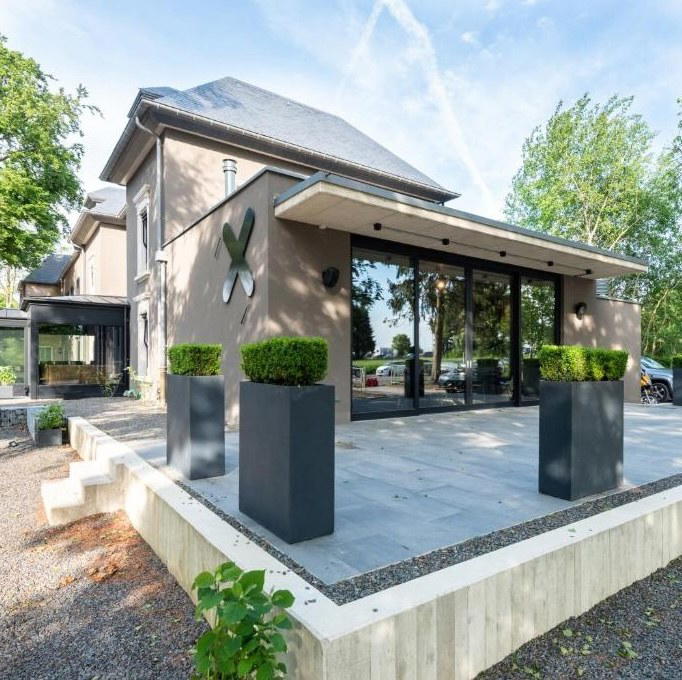
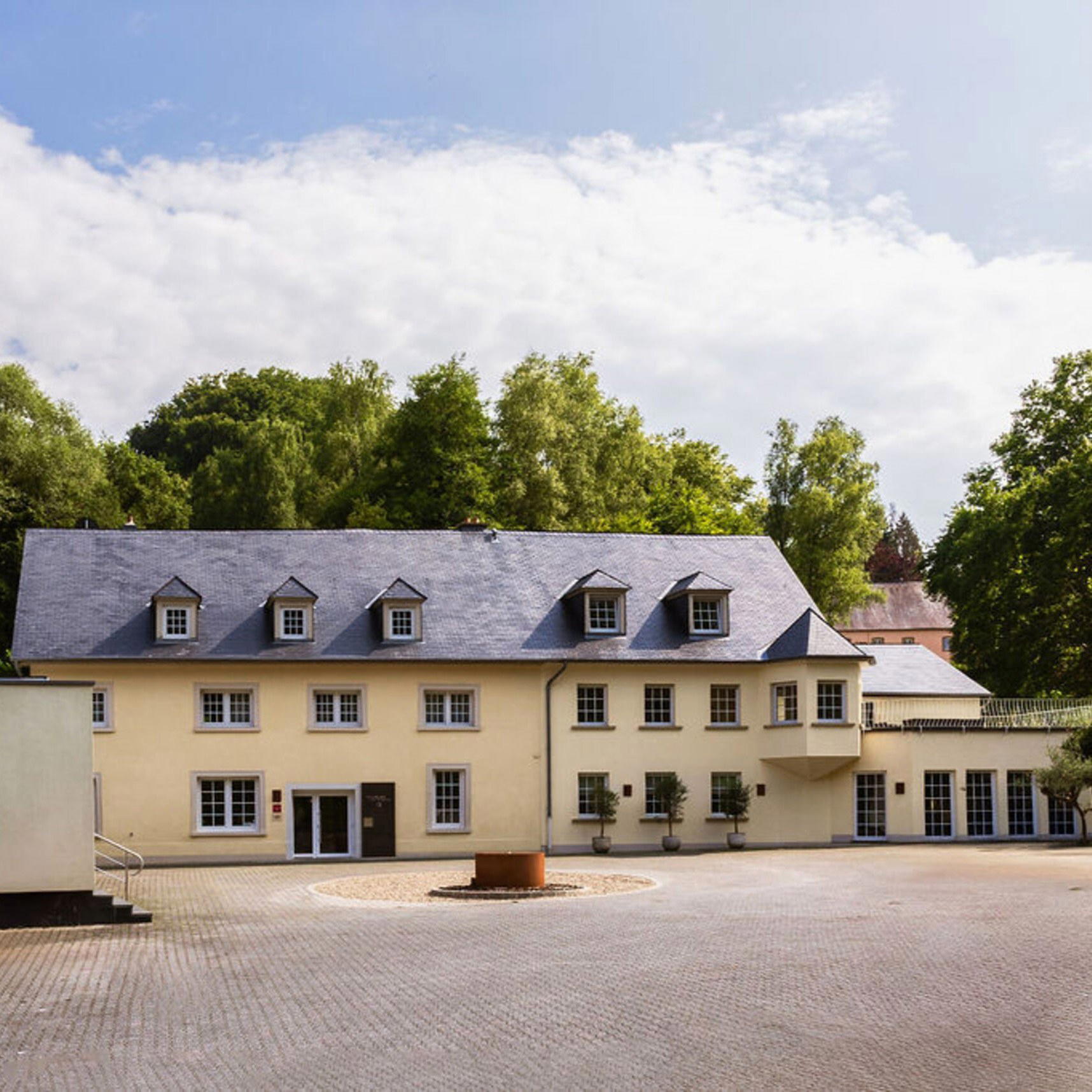
Refined and elegant with artwork adorning the walls, sun-drenched terrace overlooking the Moselle, and a lively yet sophisticated dining room atmosphere.