Le Bistrot Gourmand
Le Bistrot Gourmand sits on the Moselle's western bank in Remerschen, a village better known for its wine cooperatives than its restaurant tables. The address, 77 Waistrooss, within walking distance of the Schengen border crossing, places it squarely in Luxembourg's vineyard corridor, where the regional kitchen draws from one of Europe's more underexplored agricultural pockets. For visitors moving through the Moselle valley, it is a natural stopping point between the river and the vines.
Pearl is the En Primeur Club membership app — saves, bookings, and concierge access live there. Same editors, same standards.
- Address
- 77 Waistrooss, 5440 Remerschen Schengen, Luxembourg
- Phone
- +35226665793
- Website
- bistrotgourmand.lu
- Directions
- Get directions
 Saves & bookings on Pearl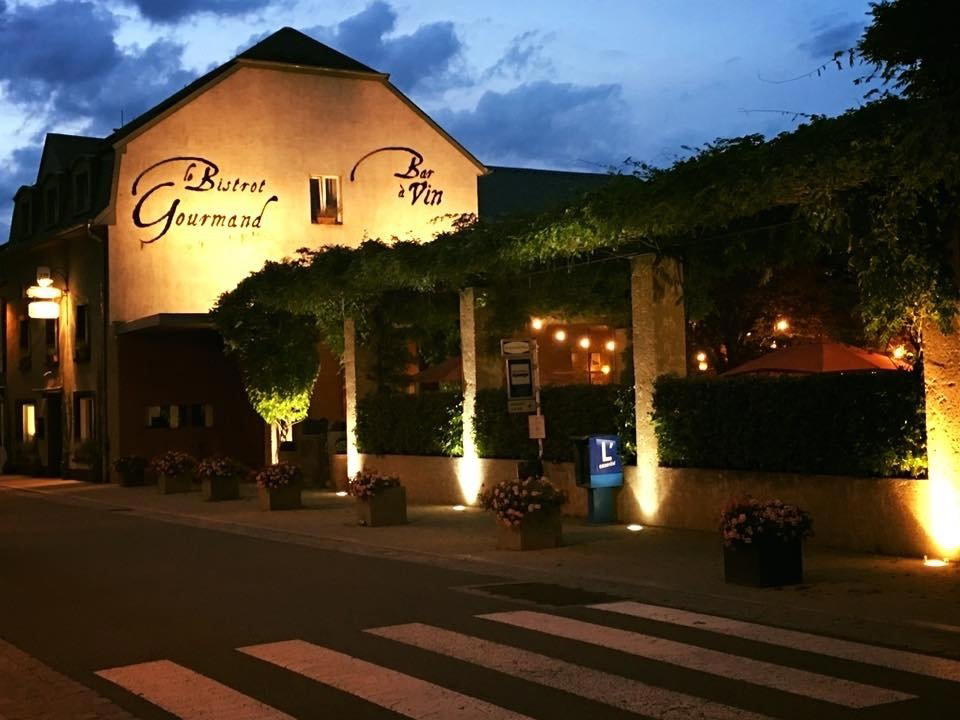
Where the Moselle Vineyard Corridor Meets the Table
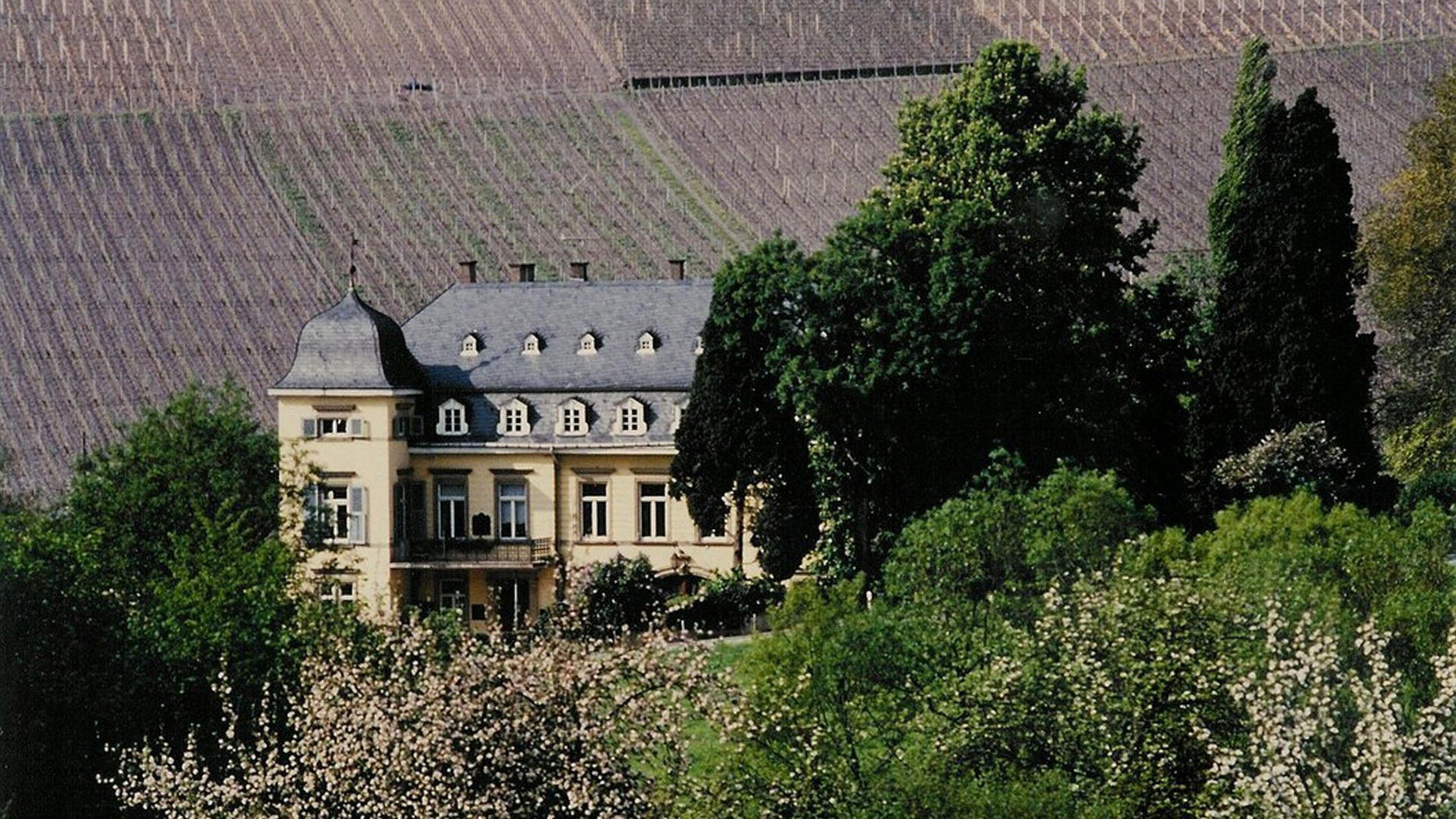
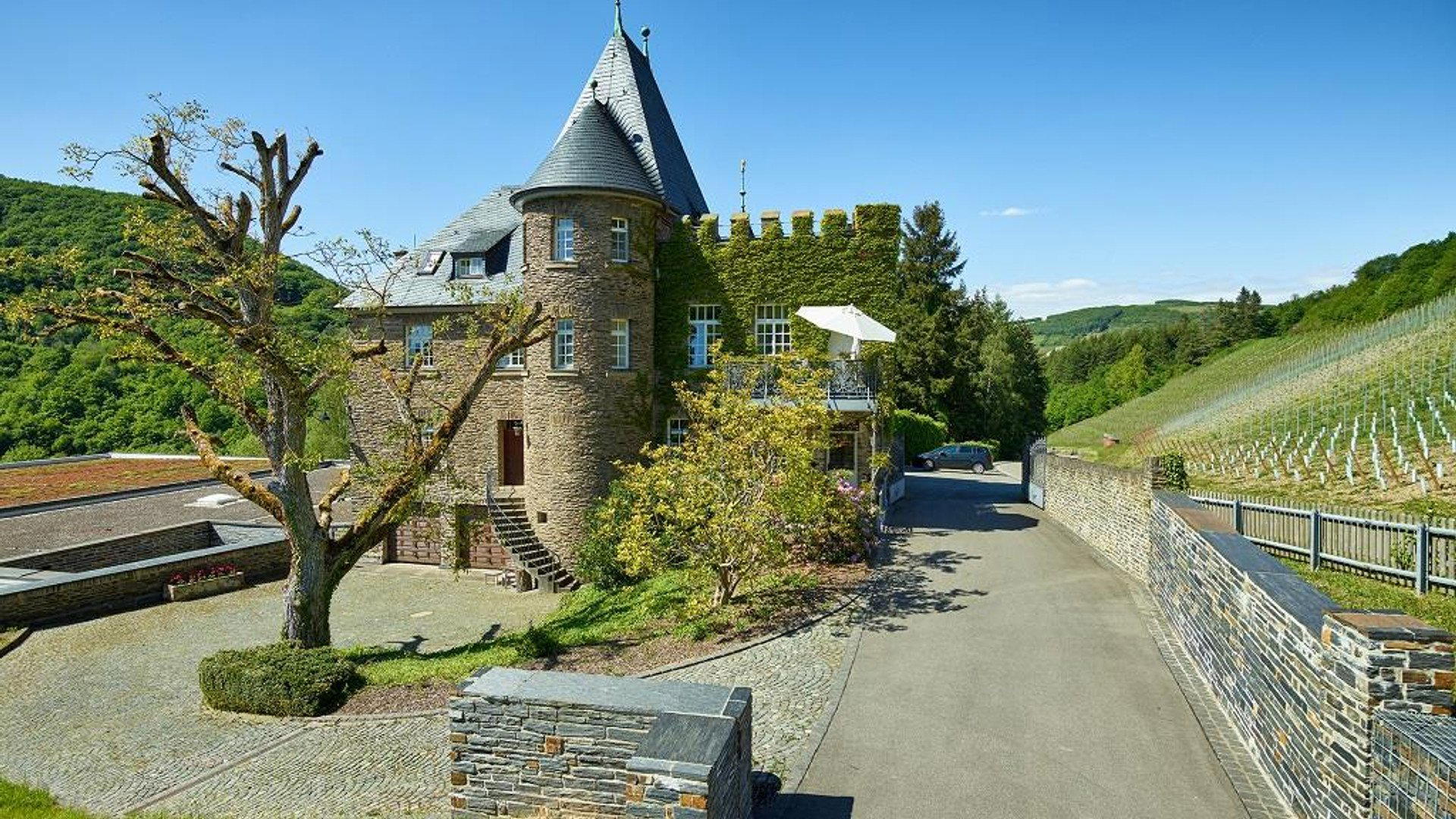
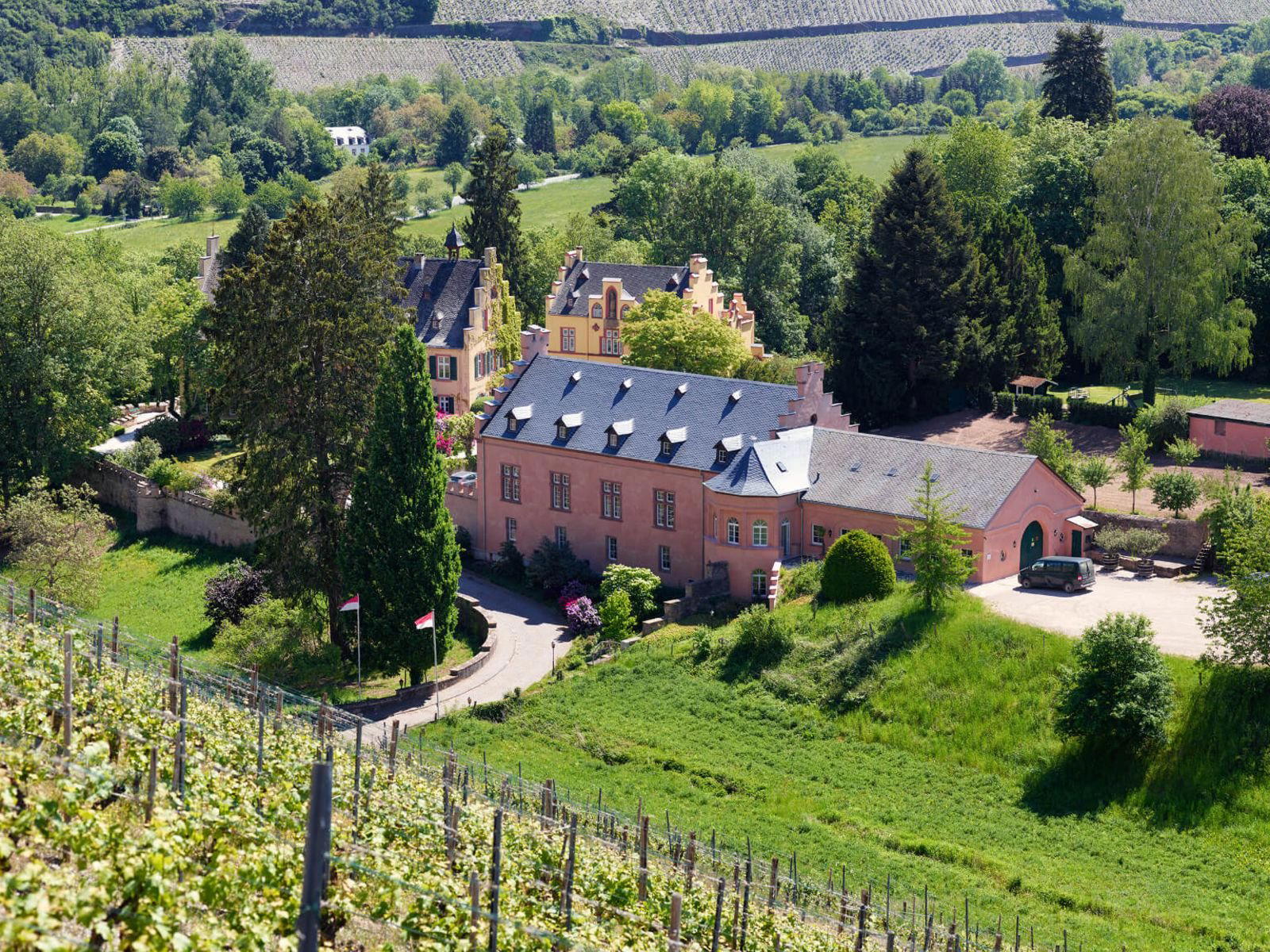
The southern tip of Luxembourg's Moselle valley has always operated on a different rhythm from the capital. Remerschen sits where the river bends toward the tripoint of Luxembourg, France, and Germany, the same stretch of borderland that gave the Schengen Agreement its name. The agricultural logic of this zone is old and particular: thin limestone soils, cool-to-warm continental swings, and a wine culture that predates most of the national institutions that now promote it. Restaurants in this corridor tend to operate inside that logic rather than against it, drawing from what the valley produces rather than importing an external culinary identity. Le Bistrot Gourmand, at 77 Waistrooss in Remerschen, occupies that position.
The word bistrot carries specific weight in a French-language Luxembourg context. It signals mid-register intent, not the white-tablecloth formality of the country's upper tier (where venues like Léa Linster in Luxembourg anchor the €€€€ bracket) and not a casual canteen. A bistrot in this tradition implies daily-changing provisions, a short menu tied to what arrived that morning, and wine chosen to work with the food rather than perform independently. Along the Moselle, that philosophy aligns naturally with proximity to both the river's produce and the surrounding smallholder farms.
The Sourcing Logic of the Moselle Valley
Understanding what ends up on a plate in Remerschen requires understanding the geography first. The Moselle corridor in Luxembourg is narrow, roughly 42 kilometres from Schengen in the south to Wasserbillig in the north, and its agricultural output is correspondingly focused. River fish, including pike-perch and eel, have been central to the local kitchen for centuries. The limestone-heavy soils that define the valley's Rivaner and Riesling vineyards also support market gardening, and the cross-border proximity to France's Moselle department and Germany's Saar-Ruwer region means that ingredient sourcing here is inherently regional in a way that transcends any single national boundary.
In this context, a venue like Le Bistrot Gourmand operates in a sourcing environment that kitchens in Luxembourg City do not have by default. Physical distance from the capital, Remerschen is approximately 25 kilometres south of Luxembourg City by road, translates, in practice, to closer proximity to primary producers. The Moselle cooperative at Wellenstein, one of Luxembourg's larger wine-producing operations, is within a few kilometres. Produce from the Grevenmacher and Remich market towns feeds this section of the valley. For visitors tracing the wine route, this is a meaningful distinction: the provenance of what arrives on the table is measurable in minutes of travel time, not intermediary supply chains.
The broader context of ingredient-driven cooking in Luxembourg has gained definition over the past decade. At the leading end, venues like Côté cour in Bourglinster and Kore in Steinfort have built programs around local and regional sourcing with formal credentials to match. At the bistrot tier, the sourcing argument is less explicitly marketed but often more organically embedded, it reflects necessity and habit as much as philosophy. That is a different kind of credibility.
Placing Le Bistrot Gourmand in Luxembourg's Dining Tiers
Luxembourg's restaurant map, when read with some care, divides into a handful of legible tiers. The formal French-lineage houses in and around the capital, among them Léa Linster and the contemporary French operations tracking the country's Michelin-listed properties, occupy the leading bracket. Below that sits a working middle tier of regionally-rooted restaurants, many of them family-run, that carry the actual weight of daily dining across the country's cantons. The restaurant belongs to this second category, in a village where the pace is set by the agricultural calendar and the wine cooperative schedule rather than the capital's business lunch circuit.
The comparison is instructive. Venues like Les Roses in Mondorf Les Bains and Domaine La Forêt in Remich operate in this same southern Moselle zone, and each reflects its immediate context in different ways. Remich, as the larger town and administrative centre of the Moselle canton, supports a slightly wider restaurant range. Remerschen, quieter and more rural, positions a venue like Le Bistrot Gourmand as the primary table for both locals and travellers passing through on the wine route.
Further afield in Luxembourg's dining geography, places like Beim Bertchen in Wahlhausen, Victoria vum Berdorfer Eck in Berdorf, and Der Napf in Wilwerdange demonstrate how Luxembourg's rural cantons sustain serious kitchens outside the capital's gravitational pull. The common thread is locale specificity: these are not restaurants trying to replicate an urban dining experience in a rural setting, but rather places that use their geography as the primary editorial premise. The restaurant fits that pattern.
Planning a Visit: What to Know Before You Go
Remerschen is accessible by car from Luxembourg City in under 30 minutes via the A3 motorway south, and the village sits on Luxembourg's Moselle cycling route, making it a logical stop for the growing number of visitors who combine the wine road with active travel. The address at 77 Waistrooss places the bistrot in the village's main street cluster, within the Schengen municipality. Cross-border visitors from France or Germany will find it direct to reach via the N10 river road that runs the length of the Luxembourg Moselle.
And Beim Schlass in Wiltz rounds out the picture of Luxembourg's regionally-anchored kitchen tradition in the north of the country.
Comparable Spots, Quickly
Comparable venues nearby, for context on price, style, and recognition.
| Venue | Cuisine | Price | Notes |
|---|---|---|---|
| Le Bistrot GourmandThis venue — the venue you are viewing | French-Luxembourgish Bistro | $$$ | Not listed |
| Le Q dans le Beurre | Lyon-style Bouchon Brasserie | $$$ | Bonnevoie-Nord / Verlorenkost |
| Confiserie Namur - Hamm | French Patisserie | $$$ | Hamm |
| Hôtel Le Place d’Armes | Modern French Brasserie | $$$$ | Ville Haute |
| L'Hêtre Beim Musée | Modern French Brasserie | $$$ | Ville Haute |
| La Mirabelle | Classic French with Seasonal Twists | $$$ | Eich |
Continue exploring
More in Remerschen
Restaurants in Remerschen
Browse all →
Bars in Remerschen
Browse all →

Hotels in Remerschen
Browse all →
At a Glance
- Cozy
- Rustic
- Classic
- Date Night
- Family
- Celebration
- Terrace
- Extensive Wine List
- Local Sourcing
- Vineyard
Current opening hours
- Monday
- Closed
- Tuesday
- 11:45 AM–1:45 PM, 6:45–9:45 PM
- Wednesday
- 11:45 AM–1:45 PM, 6:45–9:45 PM
- Thursday
- 11:45 AM–1:45 PM, 6:45–9:45 PM
- Friday
- 11:45 AM–1:45 PM, 6:45–9:45 PM
- Saturday
- 6:45–9:45 PM
- Sunday
- 11:45 AM–1:45 PM
Hours can change for holidays and private events. Last verified .
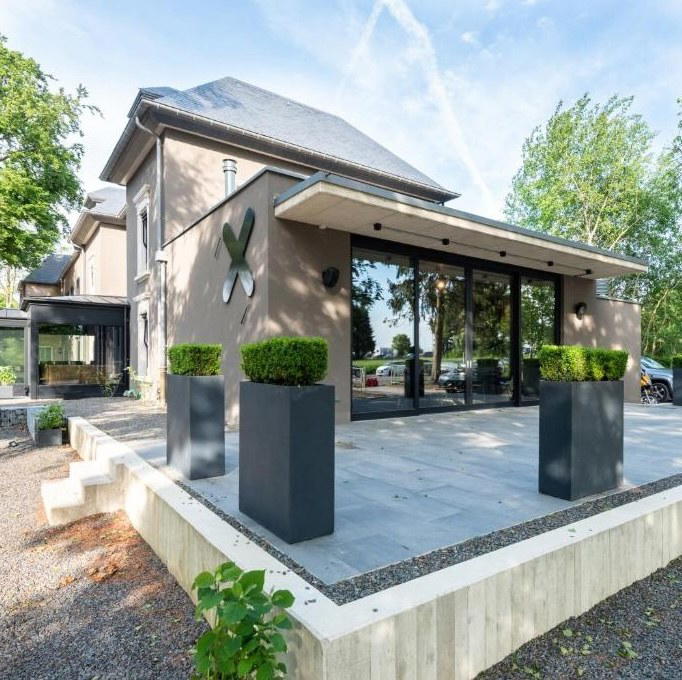
Simple charm with relaxed, peaceful atmosphere enhanced by leafy terrace.