La Villa de Camille et Julien


1 Michelin Star · We're Smart World 4 Radishes
Our verdict
A Michelin-starred French restaurant in Luxembourg's Polfermillen valley, La Villa de Camille et Julien runs a plant-forward tasting menu called Naturalité alongside classical French technique rooted in training under Joël Robuchon. Recognised in the We're Smart Green Guide for its seasonal, garden-sourced approach, it operates Tuesday through Saturday with tightly spaced lunch and dinner sittings, making advance booking essential.

Pearl is the En Primeur Club membership app — saves, bookings, and concierge access live there. Same editors, same standards.
- Address
- 5 Rue de Pulvermuhl, 2356 Polfermillen Luxembourg
- Phone
- +352 28 99 39 93
- Hours
- Mon ClosedTue 7–8:45 PMWed–Sat 12–1:45 PM, 7–8:45 PMSun Closed
- Website
- lavilla.lu
- Directions
- Get directions
- Booking
- Book on Zenchef
Arriving at the Villa: Setting and First Impressions
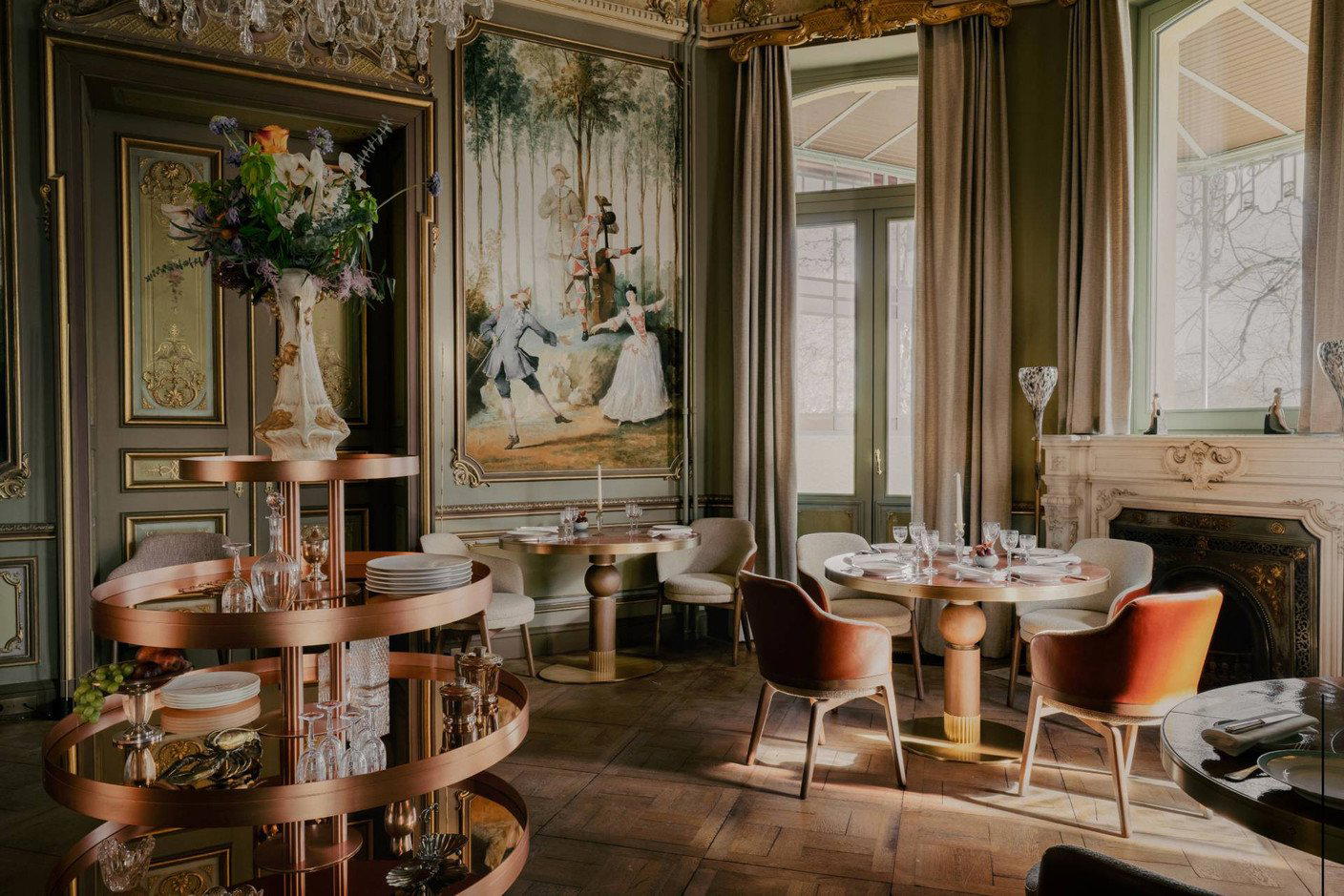
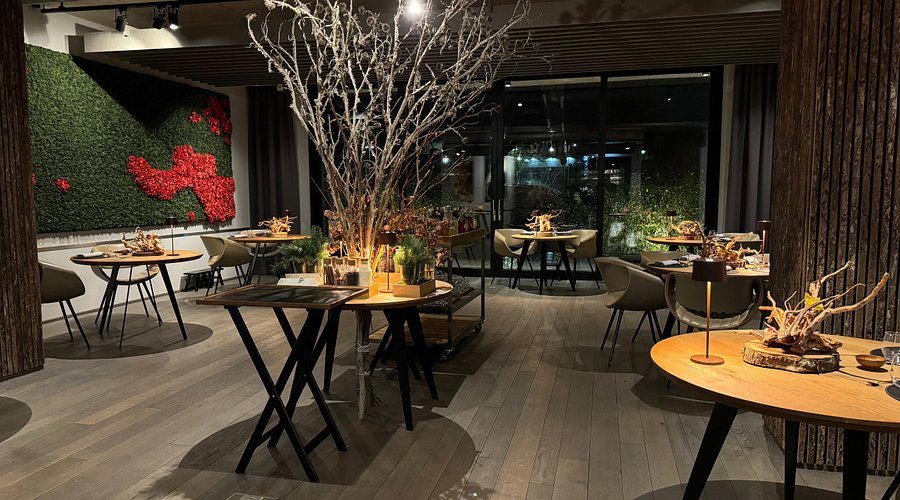
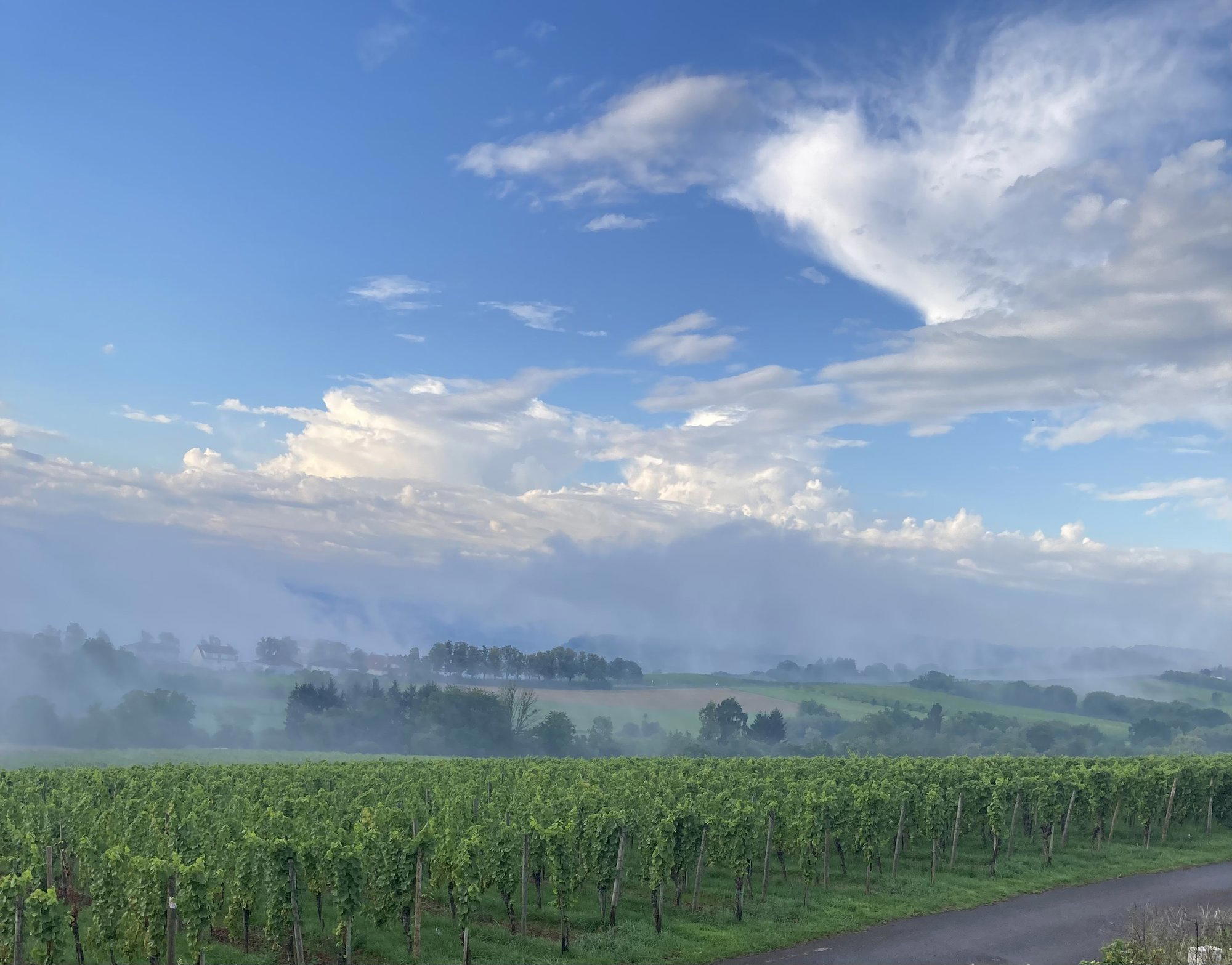
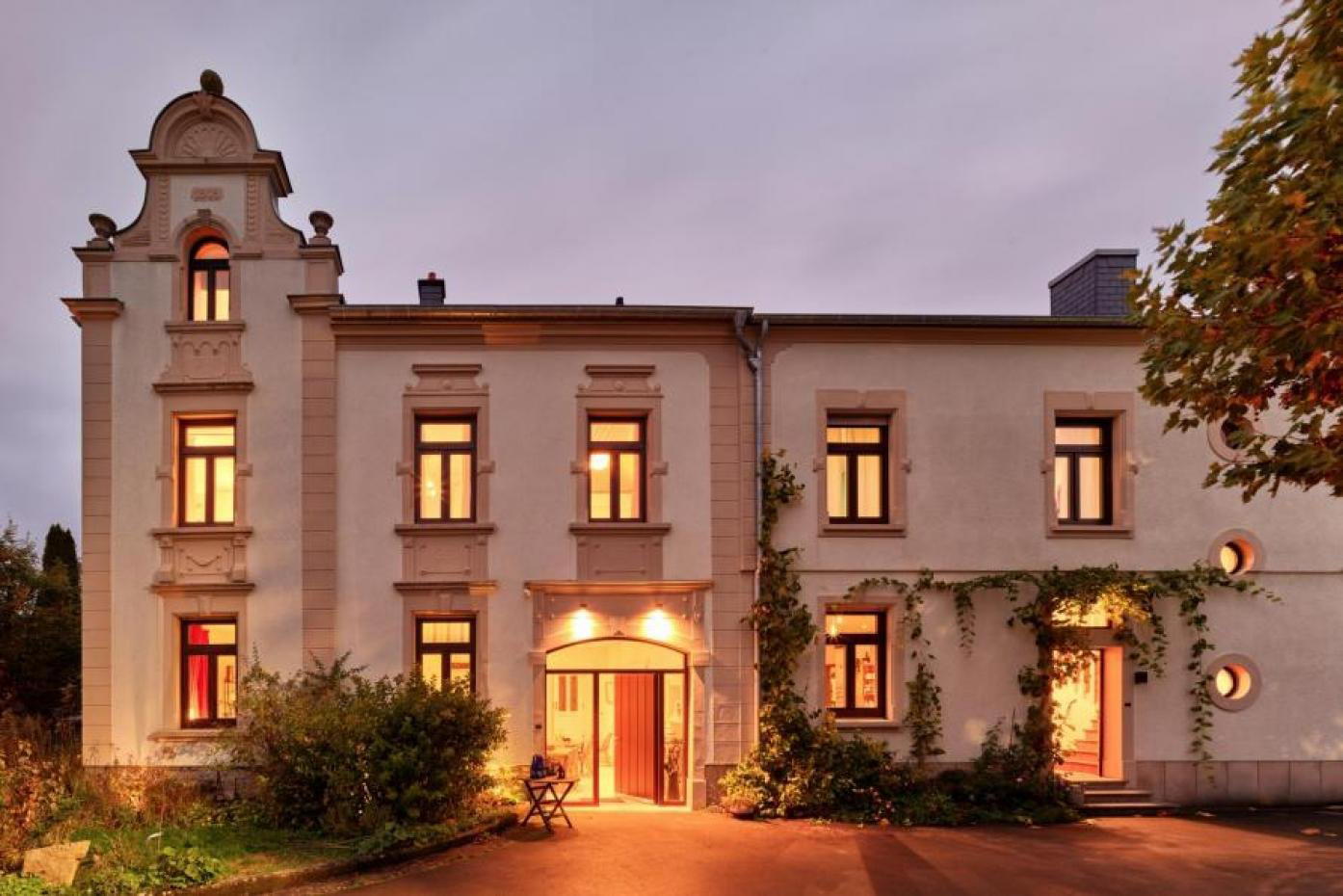
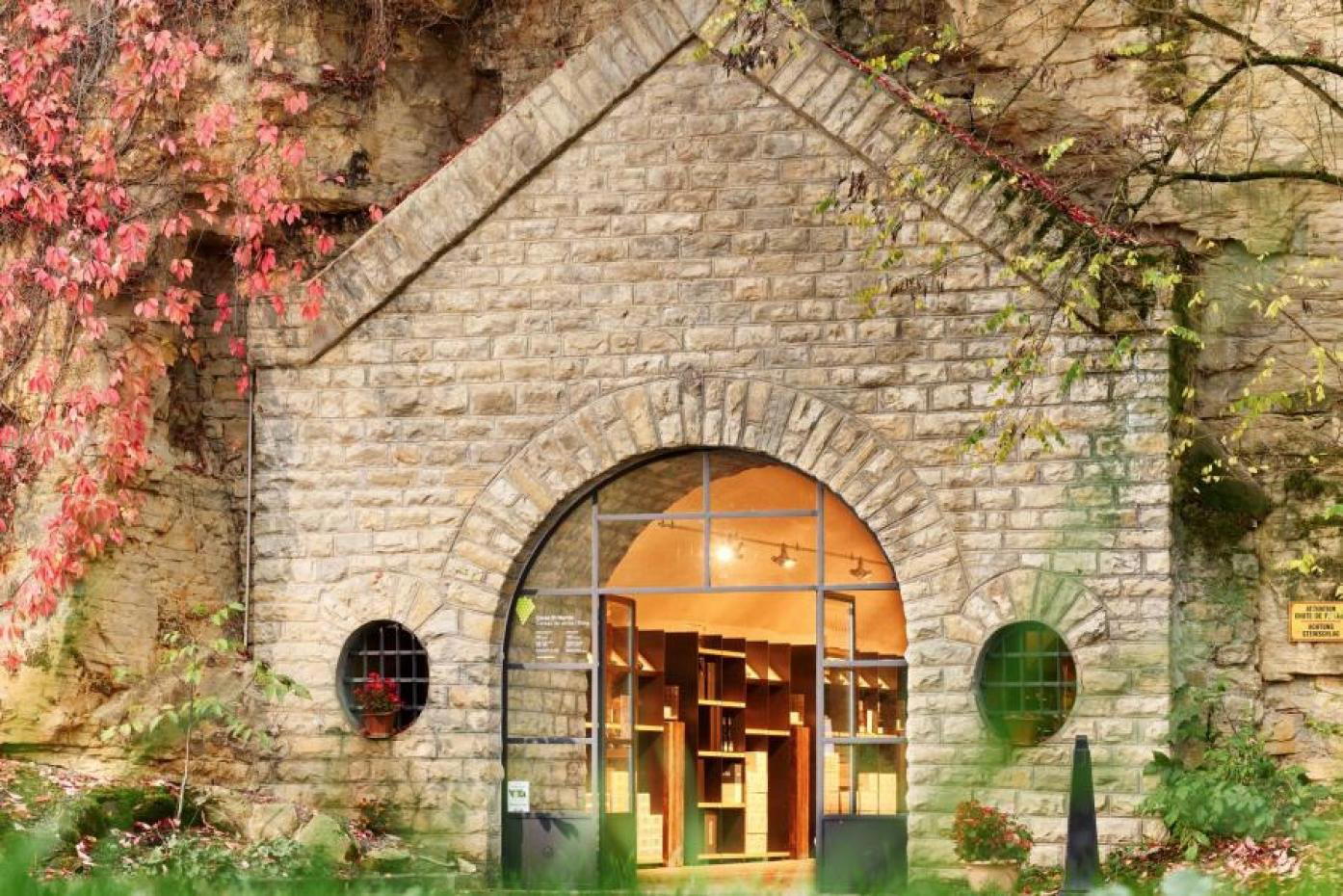
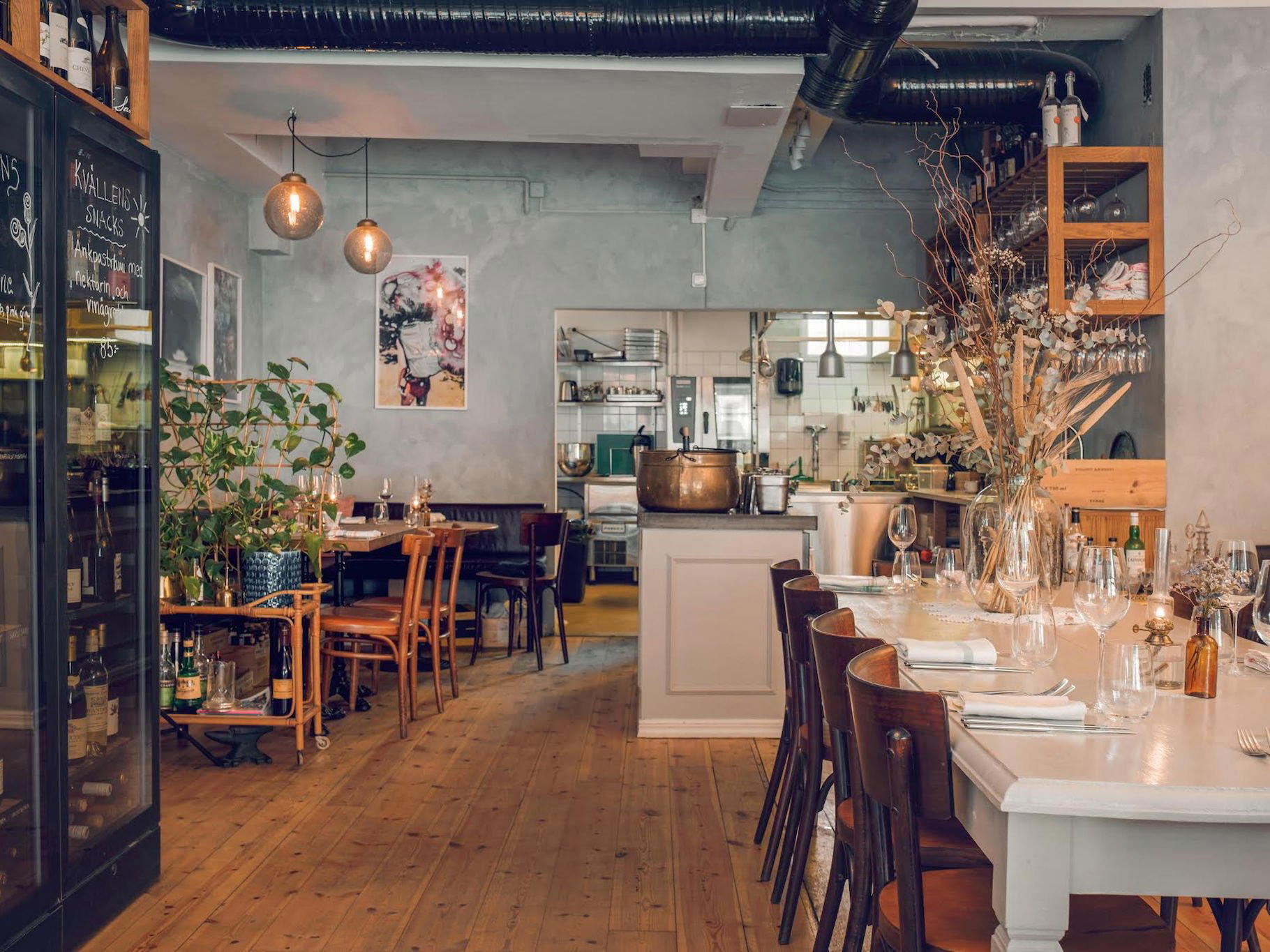
The approach to La Villa de Camille et Julien along the Polfermillen valley already signals a departure from Luxembourg City's polished financial-district restaurants. The building sits against a cliffside, and the terrace it opens onto occupies what is, in warmer months, one of the more atmospheric outdoor settings in the Grand Duchy: vertiginous greenery above, the valley floor below, a stillness that does not exist in the city centre. Inside, the room accumulates decades of travel in its decoration — souvenirs and objects gathered from elsewhere that give the space a personal, layered character distinct from the spare minimalism common to new-wave European fine dining. This is not an interior designed by committee to signal luxury; it is one shaped by habitation and curiosity.
That physical environment does real editorial work before a dish arrives. Luxembourg's Michelin-starred tier — which includes L'Opéra, La Cristallerie, and Ma Langue Sourit, is largely anchored in the city itself. La Villa sits outside that geographic cluster, and its setting shapes the dining experience in ways a central address simply cannot replicate.
The Logic of a Structured Tasting Menu: How Naturalité Works
Multi-course tasting menus in contemporary French fine dining have largely sorted into two camps: those that use structure to demonstrate technique across an ambitious range, and those that use it to build a coherent argument about ingredients. La Villa de Camille et Julien's plant-focused Naturalité menu belongs to the second camp. The format is a commitment to showing what a vegetable-centred kitchen philosophy can sustain across a full meal, not merely as a novelty course inserted between meat dishes.
The We're Smart Green Guide, which evaluates restaurants globally on their use of vegetables as primary ingredients rather than accompaniment, recognised La Villa for this approach. In a country where French classical cooking, rich sauces, premium proteins from Brittany and Provence, defines the upper tier of dining, a fully plant-forward tasting menu at Michelin-star level represents a structural divergence from the norm. The premise of a prix fixe format built around seasonal produce is that the kitchen's judgment, not the diner's selection, carries the meal from beginning to end. The discipline that requires is considerable.
Alongside the plant-centred menu, the kitchen works with the kinds of premier-league French ingredients that Michelin evaluators expect at this level: Brittany lobster, Provence asparagus. The classical training that underpins the technique here traces to Joël Robuchon's kitchens, and that lineage shows most directly in the precision of preparation rather than in any attempt to replicate his style. Chef Julien Lucas's approach, as evidenced in dishes like hare à la royale, a preparation that demands extended, exacting work to render gamey meat into a rich, chocolate-inflected sauce without losing the ingredient's essential character, is one of technique serving flavour rather than competing with it.
What holds the multi-course structure together at La Villa is the incorporation of contemporary acidic and fermented elements into the classical French vocabulary. Green asparagus cooked in a tonka bean stock, then paired with fermented asparagus slices and a hop beer mousse, is a dish that uses French technique but arrives at flavour combinations that the classical canon would not have generated on its own. Citrus notes deployed for freshness and depth function similarly. These are not departures from the structured tasting format; they are what make a long tasting menu worth following to its conclusion.
Garden, Season, and the Kitchen's Sourcing Logic
La Villa's approach goes a step further by maintaining its own garden as an additional ingredient source, which gives the kitchen a degree of direct control over produce that a buying-only operation cannot replicate. The practical significance for a tasting menu is timing: dishes can be structured around what is ready rather than what is available through the supply chain.
Waste reduction and seasonal cooking are described as cornerstones of the kitchen's sourcing philosophy. In a prix fixe context, that matters structurally: a set menu format allows the kitchen to plan procurement tightly, minimise over-ordering, and design courses around what the season actually produces rather than what a year-round menu demands. The alignment between the tasting menu format and an ecological sourcing commitment is not incidental. A carte blanche environment makes both more achievable than an à la carte kitchen running the same ingredients in parallel through dozens of individual dishes.
For diners comparing La Villa to other French tasting menu experiences, whether in Luxembourg's own Michelin tier or internationally at restaurants like Sézanne in Tokyo, L'Effervescence, or Les Amis in Singapore, the distinction is that La Villa's format carries an explicit ecological programme. That is increasingly common in the We're Smart Green Guide tier internationally but remains a minority position within Luxembourg's Michelin-starred peer group.
Where La Villa Sits in Luxembourg's Fine Dining Tier
The city's upper bracket covers a range of formats and price points. Ma Langue Sourit and Léa Linster operate at the €€€€ tier; La Villa holds a €€€ price point, placing it closer to Apdikt and Guillou Campagne in terms of what a meal costs. For a Michelin-starred experience with a structured tasting format, that positioning offers comparative accessibility within the Grand Duchy's fine dining tier.
The French classical tradition plays differently in Luxembourg than it does in Paris or Lyon. Le Taillevent in Paris, or [Hotel de Ville Crissier]() in nearby Switzerland, operate within a French bourgeois tradition of long institutional standing. Luxembourg's French-influenced kitchen culture draws on proximity and training connections to France, but it operates in a smaller market with fewer starred addresses and a different diner base, more internationally sourced, given the city's financial sector composition. La Villa's position outside the city centre, in a valley setting that feels removed from that corporate geography, makes it a particular kind of destination within that context.
La Cime in Osaka engages with French structure from a different geographic distance. What connects these addresses is a shared interrogation of what the prix fixe format can sustain when the kitchen has a clear position on ingredients. La Villa sits within that broader international conversation even as it operates from a Grand Duchy valley.
Planning a Visit: Timing, Booking, and the Seasonal Calendar
La Villa runs two services Tuesday through Saturday, lunch from noon to 1:45 PM and dinner from 7 to 8:45 PM, and closes both Monday and Sunday. The tightly bounded service windows are characteristic of a kitchen running structured menus with a defined kitchen brigade; they do not accommodate late arrivals or flexible start times in the way a brasserie might.
The terrace becomes the primary reason to time a visit between late spring and early autumn, when the cliffside setting delivers what the interior can only approximate. The kitchen's own garden reaches its most productive period through summer and into early autumn, which aligns the seasonal menu format with the most ingredient-rich window of the year. For those with broader Luxembourg ambitions, the full Luxembourg restaurants guide, hotels guide, bars guide, wineries guide, and experiences guide cover the full range of options across the Grand Duchy.
Frequently asked questions
Is La Villa de Camille et Julien okay with children?
La Villa operates as a Michelin-starred tasting menu restaurant with two structured services daily — lunch from noon to 1:45 PM and dinner from 7 to 8:45 PM. The format and pace of a multi-course menu like Naturalité are better suited to adults or older children comfortable sitting through extended dining. Families with very young children should consider whether the service rhythm aligns with their plans before booking.
What should I expect atmosphere-wise at La Villa de Camille et Julien?
The interior is described as elegant but idiosyncratic, filled with globetrotting souvenirs that give the space a personal, lived-in character rather than the stripped-back minimalism common in contemporary fine dining. A cliffside terrace adds a second dimension, particularly useful in warmer months given the Polfermillen valley setting. The overall register is formal enough to hold a Michelin star but individual enough to feel like a private residence rather than a conventional restaurant room.
Is La Villa de Camille et Julien award-winning?
La Villa de Camille et Julien has received recognition including: Luxembourg boasts a number of gems when it comes to vegetable-based restaurants. La Villa de Camille et Julien stands out with its pure plant menu “Naturalité”, earning it a place in the We’re Smart Green Guide. Camille Tardif and chef Juli….
What do regulars order at La Villa de Camille et Julien?
The kitchen operates on a fixed tasting menu format — Naturalité — so there is no à la carte selection to navigate. The menu draws on produce from the restaurant's own garden alongside sourced French ingredients such as Brittany lobster and Provence asparagus, with dishes shaped by fermentation, seasonal stocks, and foamy preparations. Chef Julien Lucas trained with Joël Robuchon, and signature preparations like hare à la royale reflect that classical French foundation applied to the current season's produce.
Is La Villa de Camille et Julien focused on a specific cuisine style?
What does dinner at La Villa de Camille et Julien typically cost?
Pricing at La Villa de Camille et Julien is listed as €€€.
What are La Villa de Camille et Julien's hours?
Hours at La Villa de Camille et Julien: Monday closed Tuesday 12 PM-1:45 PM 7 PM-8:45 PM Wednesday 12 PM-1:45 PM 7 PM-8:45 PM Thursday 12 PM-1:45 PM 7 PM-8:45 PM Friday 12 PM-1:45 PM 7 PM-8:45 PM Saturday 12 PM-1:45 PM 7 PM-8:45 PM Sunday closed.
City Peers
A quick peer list to put this venue’s basics in context.
| Venue | Cuisine | Price | Awards | Notes |
|---|---|---|---|---|
| La Villa de Camille et JulienThis venue — the venue you are viewing | Michelin-Starred French Gastronomic Cuisine | $100–150 | 1 Michelin Star · We're Smart World 4 Radishes | Not listed |
| Ma Langue Sourit | Modern French Fine Dining | $150–200 | 2 Michelin Stars · La Liste Top Restaurants | Contemporary French, Modern Cuisine |
| Léa Linster | Modern French Fine Dining | Not listed | Not listed | Modern French |
| Grünewald Chef’s Table | Modern French Chef's Table | $100–150 | 1 Michelin Star | Modern Cuisine |
| Guillou Campagne | Traditional French Country Bistro | $100–150 | 1 Michelin Star | Classic French |
| Apdikt | French Contemporary Fine Dining | $150–200 | 1 Michelin Star · We're Smart World 2 Radishes | Creative |
Recognition history
Dated appearances from independent guides and award organizations, with the underlying list record or original source where available.
Michelin 1 Star
Michelin
We're Smart World 4 Radishes
We're Smart World
Full recognition history (4 entries)
Michelin 1 Star
Michelin
Michelin 1 Star
Michelin