La table du curé
Our verdict
La table du curé occupies a quietly positioned address in Lasauvage, a former mining village in Luxembourg's industrial south that has seen a slow shift toward considered dining. The setting in this historically charged corner of Differdange gives the restaurant a character that separates it from Luxembourg City's busier restaurant circuit, placing it within the country's tradition of destination dining in smaller communes.

Pearl is the En Primeur Club membership app — saves, bookings, and concierge access live there. Same editors, same standards.
- Address
- 1 Rue de la Crosnière, 4696 Lasauvage Differdange, Luxembourg
- Phone
- +352265862
- Hours
- Mon 7 PM–12 AMTue–Sat 12–2 PM, 7 PM–12 AMSun 12–2 PM
- Website
- presbytere.lu
- Directions
- Get directions
- Booking
- Book on the venue's website
Where Lasauvage Places Its Table
Luxembourg's dining scene has long operated on a split between the capital's concentrated restaurant density and a scattering of destination addresses in smaller villages, where the surrounding landscape and the architecture of old buildings do part of the work a city setting cannot. Lasauvage, a village within the Differdange commune in the country's southwestern corner, belongs firmly to the second category. The area's identity was shaped by iron and steel production, and the built fabric reflects that past: stone construction, contained scale, a certain quietness that now reads as atmosphere rather than absence. It is the kind of place where a restaurant called La table du curé — the priest's table — makes instinctive sense. The name itself signals a tradition of communal, locally rooted eating, the kind of meal historically served from whatever the land and the season provided.
For broader context on where this fits within the country's dining geography, our full Lasauvage restaurants guide maps the area's options across price points and styles.
The Logic of Sourcing in Luxembourg's South
Across Luxembourg, a cohort of smaller restaurants has built its identity around proximity to supply rather than proximity to a capital's foot traffic. This is a different logic from the city model, where chef reputation and award accumulation drive bookings. In villages like Lasauvage, the relationship between kitchen and surrounding territory tends to be the operative credential. The Minett region, of which Differdange forms part, sits at the convergence of Lorraine and Luxembourg agricultural traditions: pork preparation, river fish, root vegetables, and orchard fruit have historically defined what this part of the Greater Region puts on the table.
La table du curé's address on the Rue de la Crosnière places it within walking distance of the village's historic core, which makes the physicality of arrival part of the experience. Reaching Lasauvage from Luxembourg City takes roughly 40 to 50 minutes by car; the village is not served by a direct rail connection, which means a visit requires planning and tends to filter for guests who have made a deliberate choice to be there. That self-selection matters in a room's atmosphere.
This pattern appears at other notable Luxembourg addresses outside the capital. Beim Bertchen in Wahlhausen and Victoria vum Berdorfer Eck in Berdorf both operate within a similar framework: a small commune, a locally anchored identity, and a clientele that arrives with intent rather than convenience. Beim Schlass in Wiltz follows comparable logic in the north of the country.
Ingredient Sourcing as the Central Argument
The broader shift in European rural dining over the past decade has moved ingredient sourcing from background detail to primary editorial. What was once assumed, that a country restaurant would use local produce, became a point of differentiation as urban restaurants began flying in product from more celebrated regions. The counter-move by smaller, place-specific addresses was to treat proximity and seasonality as their competitive position. The name La table du curé implies exactly this orientation: a table fed by the parish, by what is near, by what is in season. Whether that extends to relationships with named local farms, foragers, or producers in the Differdange area is detail that warrants direct confirmation with the restaurant.
For comparison, the sourcing model at addresses like Côté cour in Bourglinster and Le Bistrot Gourmand in Remerschen reflects a similar preoccupation with regional supply chains, each framing its menu around what the surrounding Moselle and Mullerthal areas produce. Luxembourg's compact geography makes this feasible across the country in a way that larger nations cannot replicate as cleanly.
At the higher end of the Luxembourg market, addresses like Léa Linster have built sustained international reputations on a French-Luxembourg synthesis that treats the country's produce seriously. Kore in Steinfort and Wax in Petange represent more recent entries operating in the southwest, which suggests this part of Luxembourg is developing a denser restaurant identity beyond its industrial history.
Positioning Within Luxembourg's Dining Tiers
Luxembourg's restaurant market at the higher end is anchored by a small number of addresses with Michelin recognition, including Ma Langue Sourit and Léa Linster, both operating at €€€€ price points with modern French frameworks. Organic and produce-led positions, such as Archibald De Prince, occupy a similar pricing tier but with sourcing as the primary differentiation.
The southwest Luxembourg dining corridor now includes enough addresses to constitute a genuine circuit. B13 in Bertrange and Beefbar Smets in Strassen serve the Luxembourg City periphery. Der Napf in Wilwerdange and Laotse in Moutfort extend the map into other communes. Les Roses in Mondorf Les Bains and Domaine La Forêt in Remich anchor the Moselle side. La table du curé in Lasauvage sits at the western edge of this circuit, close to the Belgian and French borders, giving it a positioning that is genuinely peripheral in geographic terms and distinct in character from the Moselle-facing addresses.
For a sense of how destination dining operates at the international level, addresses like Le Bernardin in New York City and Atomix in New York City show what sustained sourcing discipline looks like at scale, though the reference points for Luxembourg's village circuit are necessarily closer to home. Bo Zai Fan in Letzebuerg adds a further data point for how the capital itself handles culinary range.
Planning a Visit
Lasauvage requires a car for most visitors arriving from Luxembourg City or from across the Belgian border in Liège. The Rue de la Crosnière address sits within the village and is accessible without difficulty once you have arrived in Differdange commune. A visit pairs naturally with time in the broader Minett region, which has invested significantly in heritage tourism around its industrial past.
Frequently asked questions
Does La table du curé work for a family meal?
The name and setting point toward an accessible format. Lasauvage is a quiet village within Differdange commune, and restaurants at this scale in Luxembourg's southwest tend to operate as community-oriented dining rooms rather than formal tasting-menu addresses. That context makes La table du curé a plausible choice for a relaxed family meal, though confirming current format and booking availability directly with the restaurant is advisable.
Is La table du curé formal or casual?
Village restaurants in Differdange commune generally operate without the dress codes attached to Luxembourg City's Michelin-recognised addresses. La table du curé, at 1 Rue de la Crosnière in Lasauvage, sits in a residential village context that suggests an informal register.
Is La table du curé a good option for visitors crossing from Belgium into Luxembourg?
Lasauvage sits in Differdange commune in Luxembourg's far southwest, making it one of the closer Luxembourg dining addresses for travellers arriving from the Belgian border near Liège. The Rue de la Crosnière location requires a car, as public transport links in this part of the country are limited. For cross-border visitors, it occupies a position in a corridor with relatively few comparable restaurant options at village scale.
What's the signature dish at La table du curé?
check the venue's official channels for current menu information.
How do I find La table du curé?
La table du curé is located at 1 Rue de la Crosnière, 4696 Lasauvage Differdange, Luxembourg, Lasauvage.
Comparable Spots, Quickly
Comparable venues nearby, for context on price, style, and recognition.
| Venue | Cuisine | Price | Notes |
|---|---|---|---|
| La table du curéThis venue — the venue you are viewing | Traditional French Bistro | $50–100 | Not listed |
| Namur | French Pâtisserie and Café | Not listed | Bertrange |
| Le Quai Steffen | French-European Brasserie and Rotisserie | $20–30 | Gare |
| La Table de Frank | French Brasserie | $50–100 | Steinfort |
| Grand Café | French Brasserie & Grill | $30–50 | Belle Étoile |
| Le Bistro du sommelier | Traditional French Bistro | $50–100 | Limpertsberg |
Continue exploring
More in Lasauvage
Restaurants in Lasauvage
Browse all →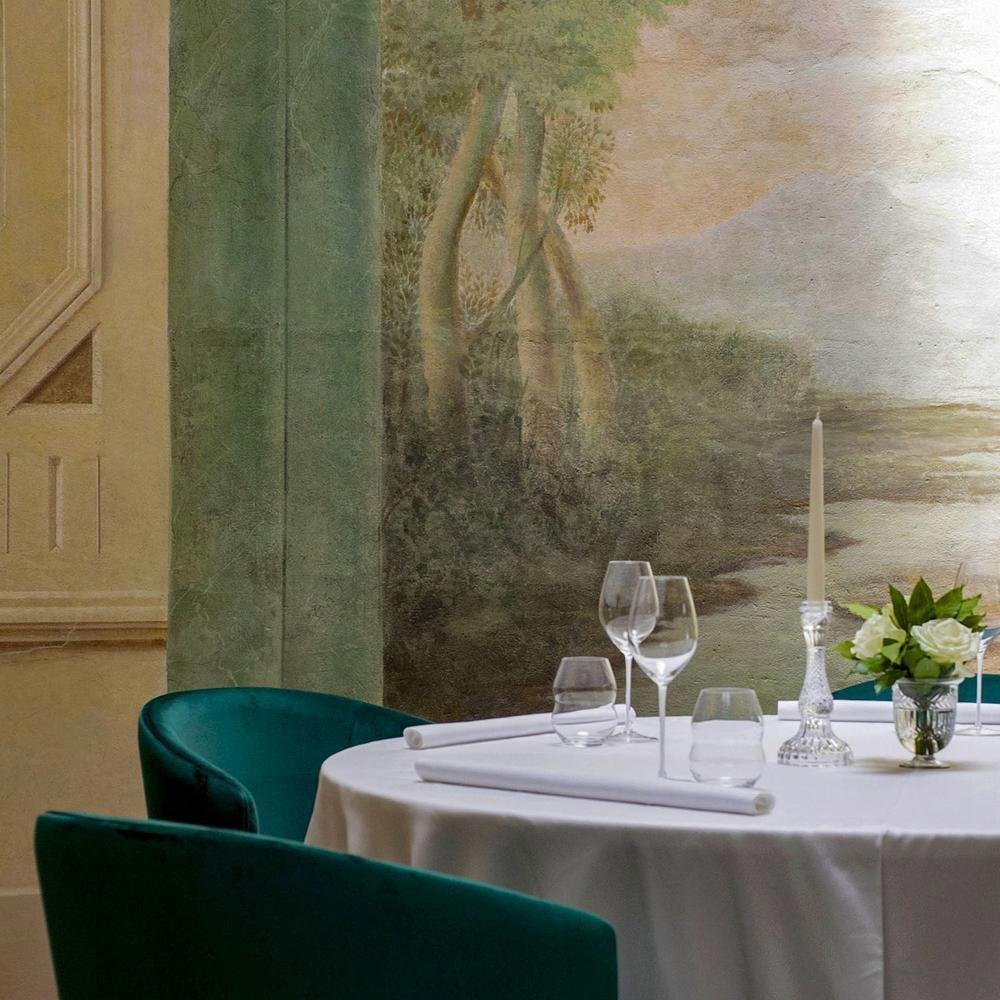
Bars in Lasauvage
Browse all →
Hotels in Lasauvage
Browse all →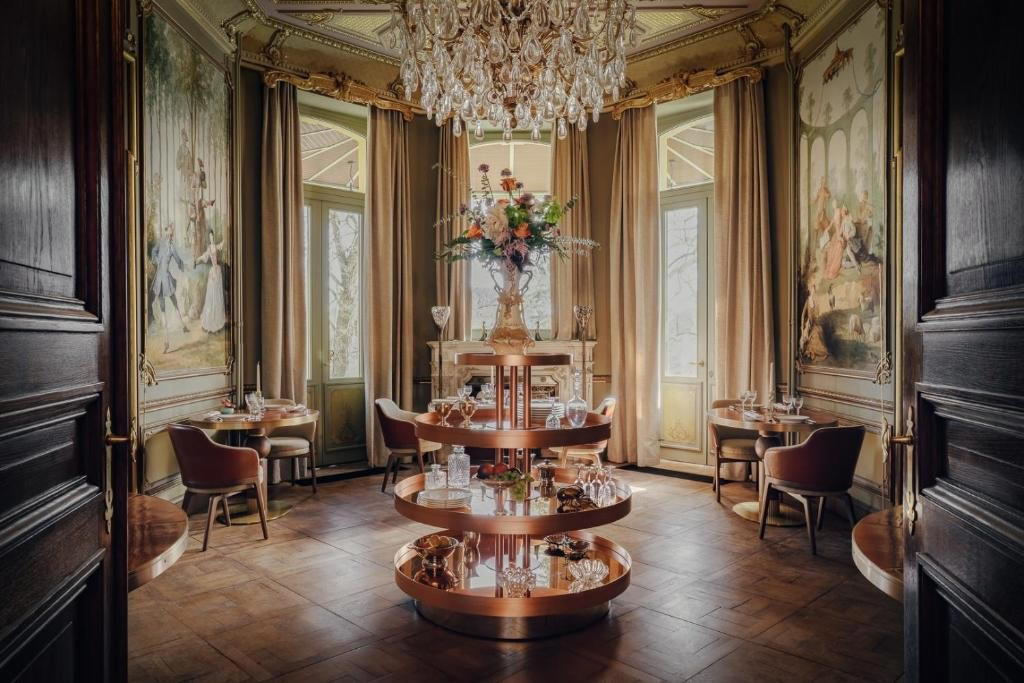
Details
- Rustic
- Cozy
- Romantic
- Historic
- Elegant
- Date Night
- Family
- Special Occasion
- Historic Building
- Terrace
- Extensive Wine List
- Garden
- Street Scene
- A La Carte
Current opening hours
- Monday
- 7 PM–12 AM
- Tuesday
- 12–2 PM, 7 PM–12 AM
- Wednesday
- 12–2 PM, 7 PM–12 AM
- Thursday
- 12–2 PM, 7 PM–12 AM
- Friday
- 12–2 PM, 7 PM–12 AM
- Saturday
- 12–2 PM, 7 PM–12 AM
- Sunday
- 12–2 PM
Hours can change for holidays and private events. Last verified .
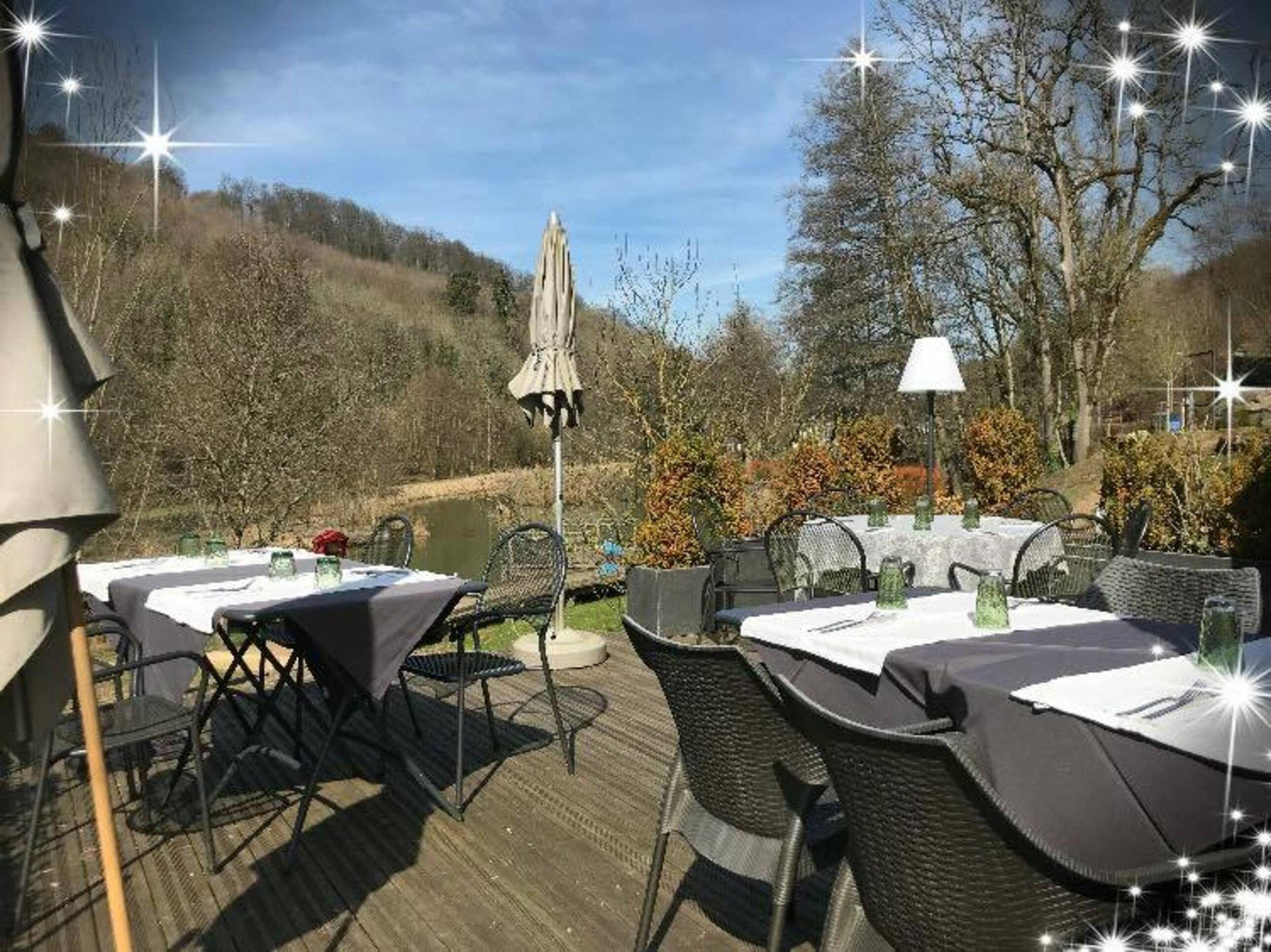
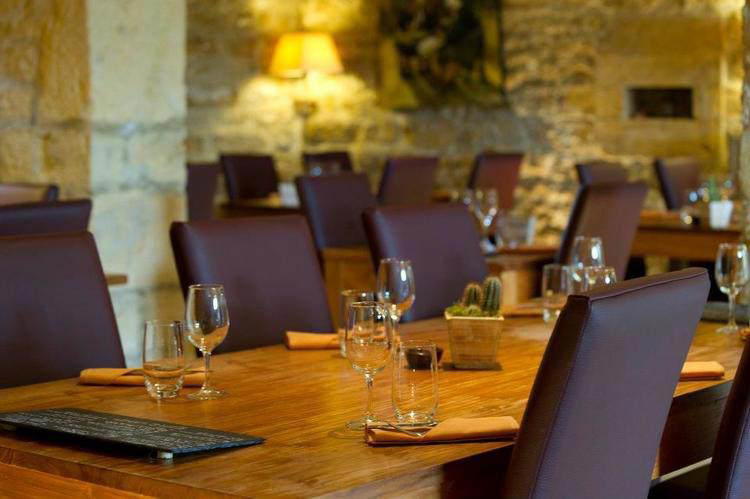
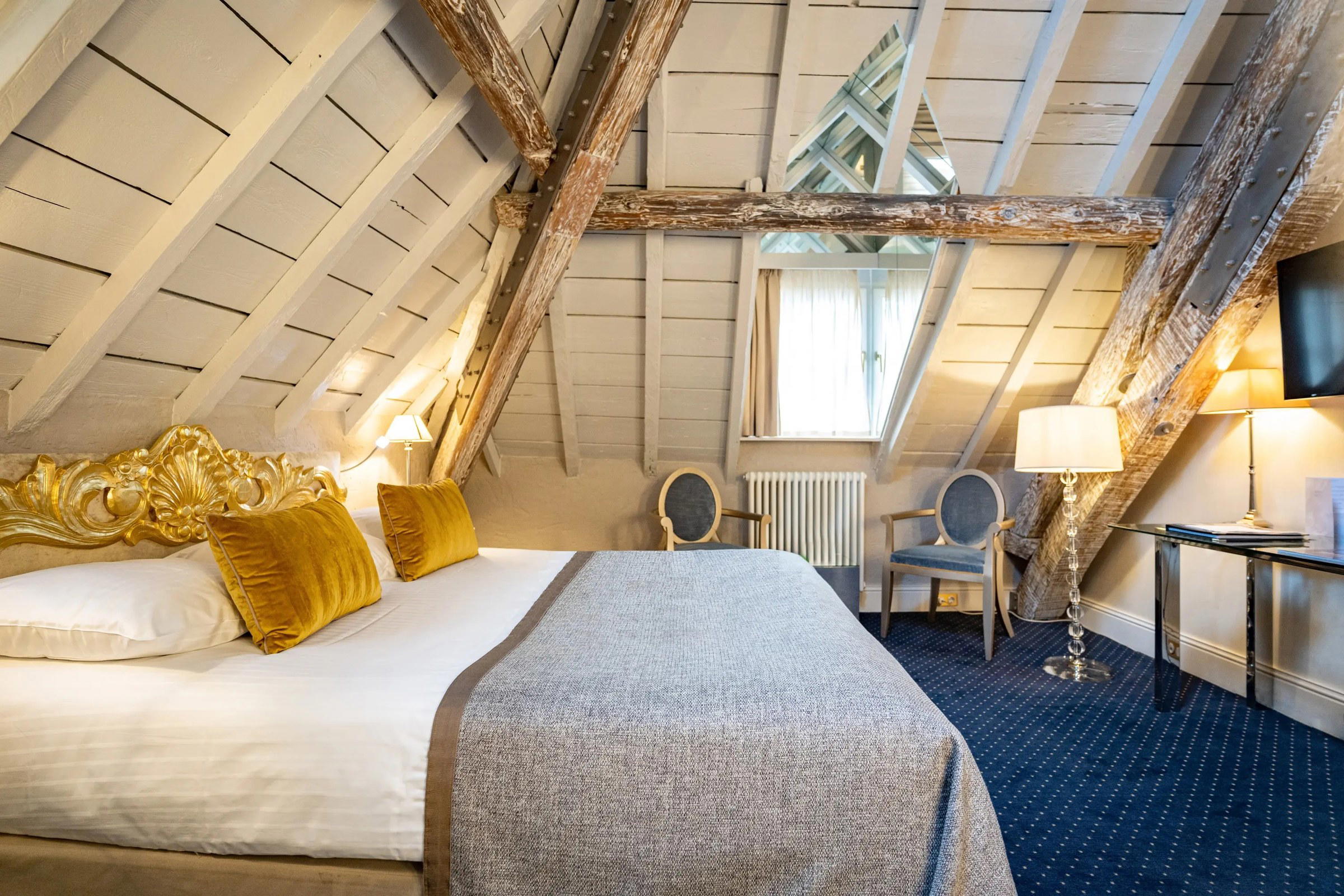
Warm, rustic, and convivial atmosphere in a retro-chic setting combining traditional and contemporary elements, with a picturesque terrace overlooking a river.