Laotse
Laotse sits in Moutfort, a quiet commune in the Contern canton of Luxembourg, where village-scale dining tends to favour produce-led cooking over metropolitan spectacle. The address on Rue de Medingen places it within the agricultural corridor south-east of Luxembourg City, a setting that shapes what ends up on the plate as much as any kitchen philosophy. For the broader Luxembourg dining context, see our full Moutfort restaurants guide.
Pearl is the En Primeur Club membership app — saves, bookings, and concierge access live there. Same editors, same standards.
- Address
- 2 Rue de Medingen, 5335 Moutfort Contern, Luxembourg
- Phone
- +352350345
- Website
- laotse.lu
- Directions
- Get directions
 Saves & bookings on Pearl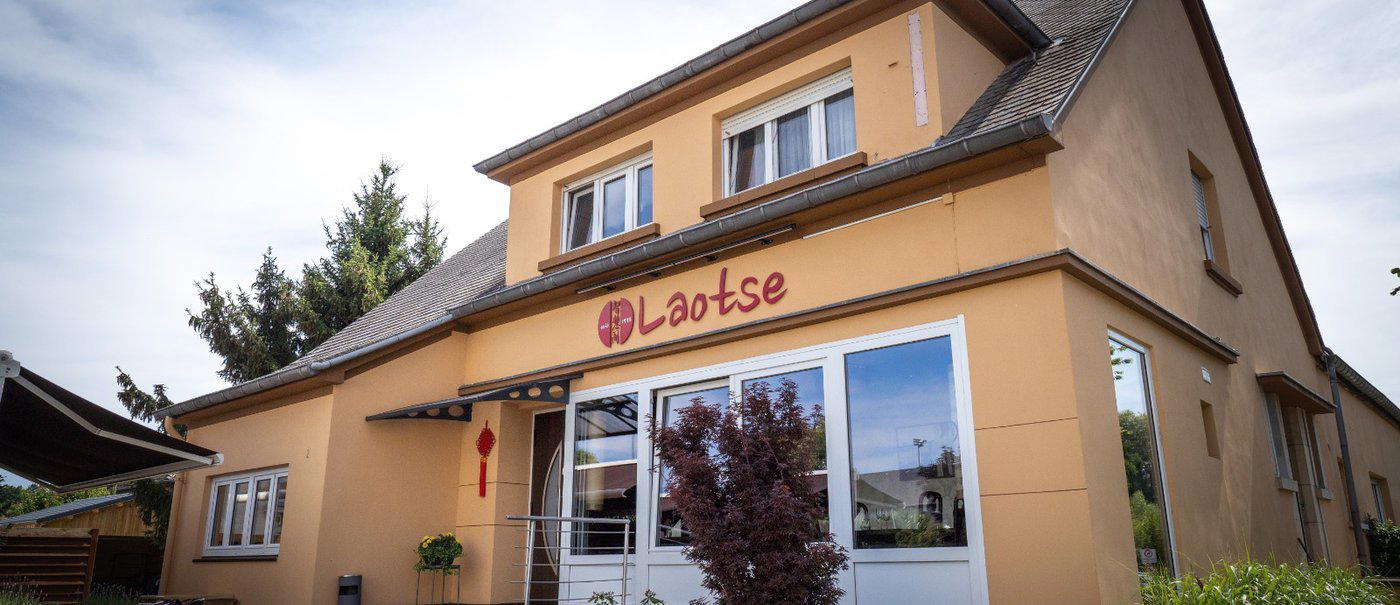
Village Dining in Luxembourg's Agricultural Corridor
The road into Moutfort from Luxembourg City takes you through a stretch of the Moselle hinterland where the density of the capital gives way to farmland, church spires, and the kind of unhurried pace that rarely survives proximity to a major European financial centre. This is the Contern canton, and its villages have developed a dining character that sits at an oblique angle to the Kirchberg towers visible on the horizon. Restaurants here are not competing for the same clientele as the city's polished contemporary French addresses. They serve a different kind of occasion: the long Sunday lunch, the family celebration that doesn't need theatre, the meal that earns its keep through the quality of what's on the plate rather than the height of the ceiling.
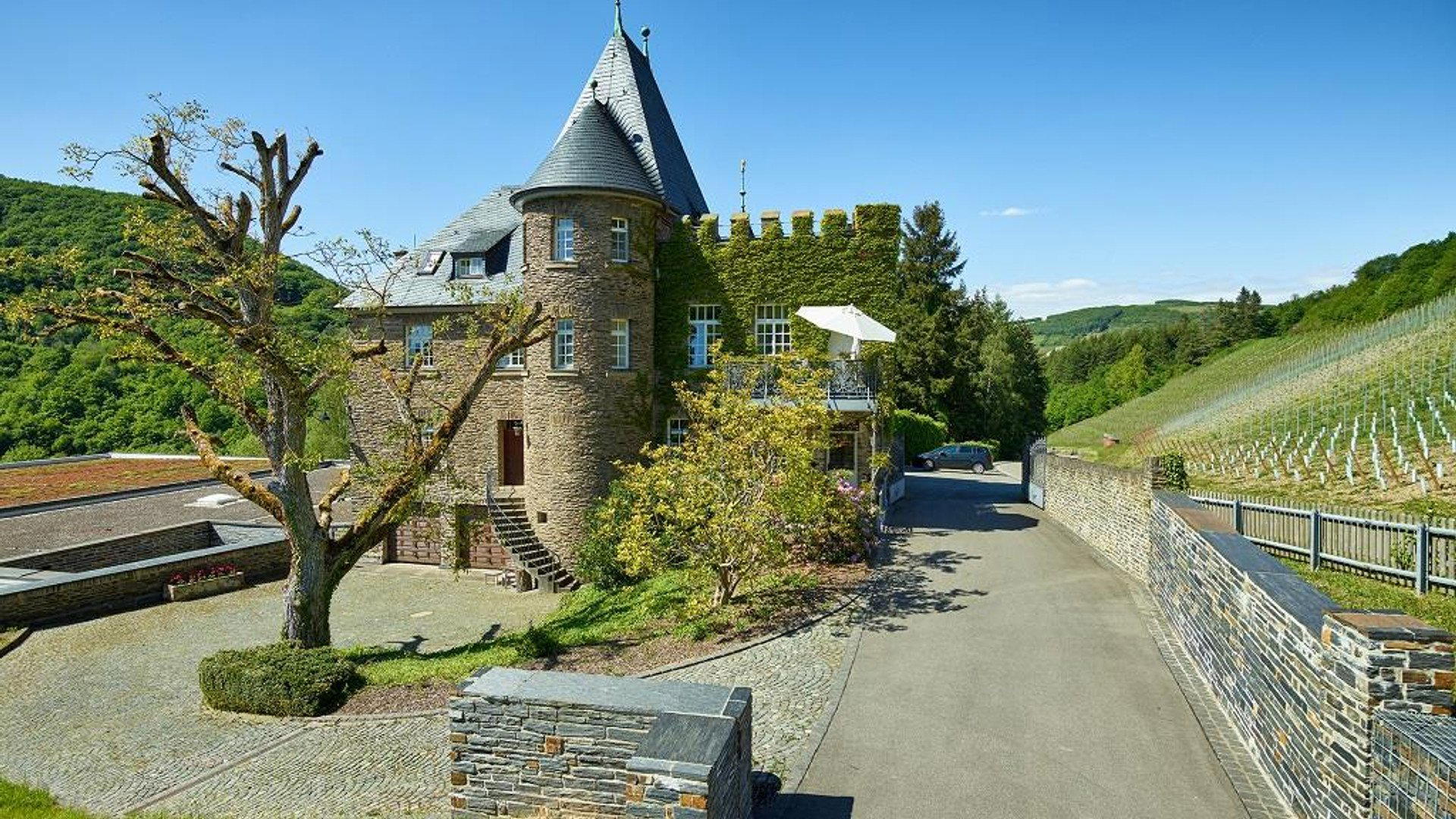
Laotse, at 2 Rue de Medingen in Moutfort, occupies that context. The address is residential in scale, the kind of setting where the building itself gives little away before you enter. In a country where the dining map splits sharply between capital-city fine dining and rural auberge cooking, this position in a small commune is itself a statement about what the kitchen is likely to prioritise.
Where Ingredients Do the Arguing
Luxembourg's most distinctive dining tradition is not a cuisine in the strict sense. It is an approach: a reliance on the agricultural produce of the Moselle valley, the Oesling highlands, and the cross-border markets that a small, landlocked nation with permeable borders has always drawn from. The farms of the Contern canton feed into this network, and kitchens that operate in villages like Moutfort have shorter sourcing chains than their urban counterparts almost by default. A restaurant in this position either leans into that proximity or ignores it; those that lean in tend to produce food that reads as specific to place in a way that city-centre menus rarely do.
The editorial argument for ingredient-led cooking in rural Luxembourg is partly geographic. The country's wine-producing south-east, the forested north, and the Belgian and German borders all sit within an hour. That range, compressed into a small national territory, gives kitchens in the agricultural middle-ground access to a supply chain that a larger country would require considerable logistics to replicate. For comparison, consider what Léa Linster in Luxembourg has demonstrated over decades: that rigorous sourcing at a Michelin-starred level is achievable within Luxembourg's borders, and that the country's produce does not require metropolitan framing to earn serious attention.
Kitchens operating outside the capital, from Beim Bertchen in Wahlhausen in the far north to Côté cour in Bourglinster in the Mullerthal, have found that the village setting is not a constraint but a positioning advantage. The same argument applies in Moutfort. The commune's location means that what arrives in the kitchen is shaped by what is immediately available, seasonally and locally, rather than by what a distributor can deliver on a Tuesday morning.
Luxembourg's Wider Dining Map and Where Moutfort Sits
Luxembourg's restaurant scene has matured considerably over the past decade. The country punches above its demographic weight in formal dining: Ma Langue Sourit holds two Michelin stars, and the country's broader roster of recognised addresses runs from contemporary French at the summit of the price register down through creative mid-market cooking and village-level bistro work. Within that range, the rural commune addresses form their own tier, one that rarely makes international lists but sustains a loyal local following and, increasingly, draws visitors from the capital who have exhausted the obvious central addresses.
The contrast between city dining and village dining in Luxembourg is not simply one of price or formality. Les Roses in Mondorf Les Bains and Domaine La Forêt in Remich illustrate a southern Luxembourg pattern: dining rooms that are embedded in their communities, shaped by proximity to the Moselle wine corridor, and operating with a seasonal rhythm that city kitchens can approximate but rarely match. Moutfort fits a similar pattern, shifted slightly east and north of the Moselle itself, into the agricultural plateau of the Contern canton.
For readers building a wider Luxembourg itinerary, the country's village dining circuit rewards planning. Le Bistrot Gourmand in Remerschen, Victoria vum Berdorfer Eck in Berdorf, La table du curé in Lasauvage, and Beim Schlass in Wiltz each represent the village-dining register in different parts of the country, and each has a different relationship to its local supply chain. Kore in Steinfort and B13 in Bertrange sit closer to the capital's western edge, where the urban and rural registers begin to blur. Wax in Petange and Der Napf in Wilwerdange push further into the rural west and north. Moutfort, south-east of the city, completes a circuit that covers most of the country's agricultural character.
For readers whose reference points are further afield, the contrast with something like Le Bernardin in New York City or Atomix in New York City is instructive in a different way. Those addresses operate at the upper end of a large urban market, where sourcing is a deliberate editorial choice layered onto a metropolitan context. In Moutfort, the sourcing question is answered partly by geography before the kitchen makes any deliberate choice at all. The village sets the terms; the kitchen responds to them.
Further afield on the Luxembourg map, Beefbar Smets in Strassen represents the import-led end of the spectrum, where provenance is global and premium by design. Bo Zai Fan in Letzebuerg shows how international cuisine traditions operate within the Luxembourg market. Laotse's position in a quiet commune places it at the opposite end of that axis: local, grounded, and answerable to what the immediate region produces rather than what a global supply chain can deliver.
Planning a Visit
Moutfort is a short drive from Luxembourg City, and the Contern commune is well connected by the road network that links the capital's south-eastern suburbs to the Moselle valley. The village is small, and Rue de Medingen is easy to locate. Laotse is recommended for reservations, and its casual setting suits a relaxed meal. Hours run Tuesday to Sunday from 12 to 2 PM and 6:30 to 10:30 PM; the restaurant is closed on Monday.
Side-by-Side Snapshot
Comparable venues nearby, for context on price, style, and recognition.
| Venue | Cuisine | Price | Notes |
|---|---|---|---|
| LaotseThis venue — the venue you are viewing | Authentic Chinese | $$ | Not listed |
| Mesa Verde | Organic Vegetarian with Asian Influences | $$ | Ville Haute |
| Madame Jeanette | Latin American | $$ | Gare |
| Old Brasserie | Traditional Luxembourg Brasserie | $$ | Limpertsberg |
| Hakii | Fusion Japanese Sushi | $$ | Hollerich |
| Piri Piri | Authentic Portuguese Cuisine | $$ | Kirchberg |
Continue exploring
More in Moutfort
Restaurants in Moutfort
Browse all →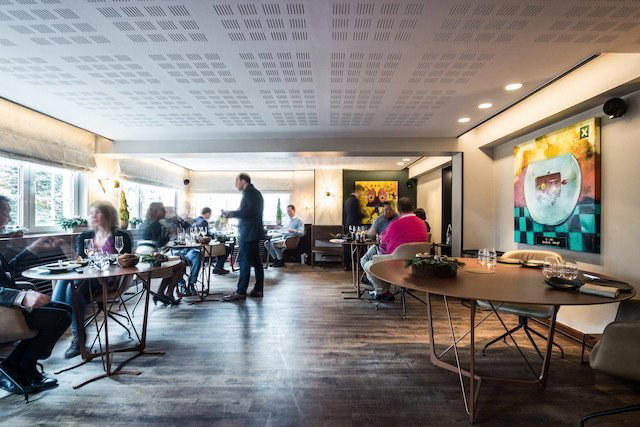
Bars in Moutfort
Browse all →
Hotels in Moutfort
Browse all →
At a Glance
- Cozy
- Modern
- Family
- Casual Hangout
- Open Kitchen
- Craft Cocktails
Current opening hours
- Monday
- Closed
- Tuesday
- 12–2 PM, 6:30–10:30 PM
- Wednesday
- 12–2 PM, 6:30–10:30 PM
- Thursday
- 12–2 PM, 6:30–10:30 PM
- Friday
- 12–2 PM, 6:30–10:30 PM
- Saturday
- 12–2 PM, 6:30–10:30 PM
- Sunday
- 12–2 PM, 6:30–10:30 PM
Hours can change for holidays and private events. Last verified .
Cozy and modern atmosphere with a welcoming family-run feel.