Domaine La Forêt
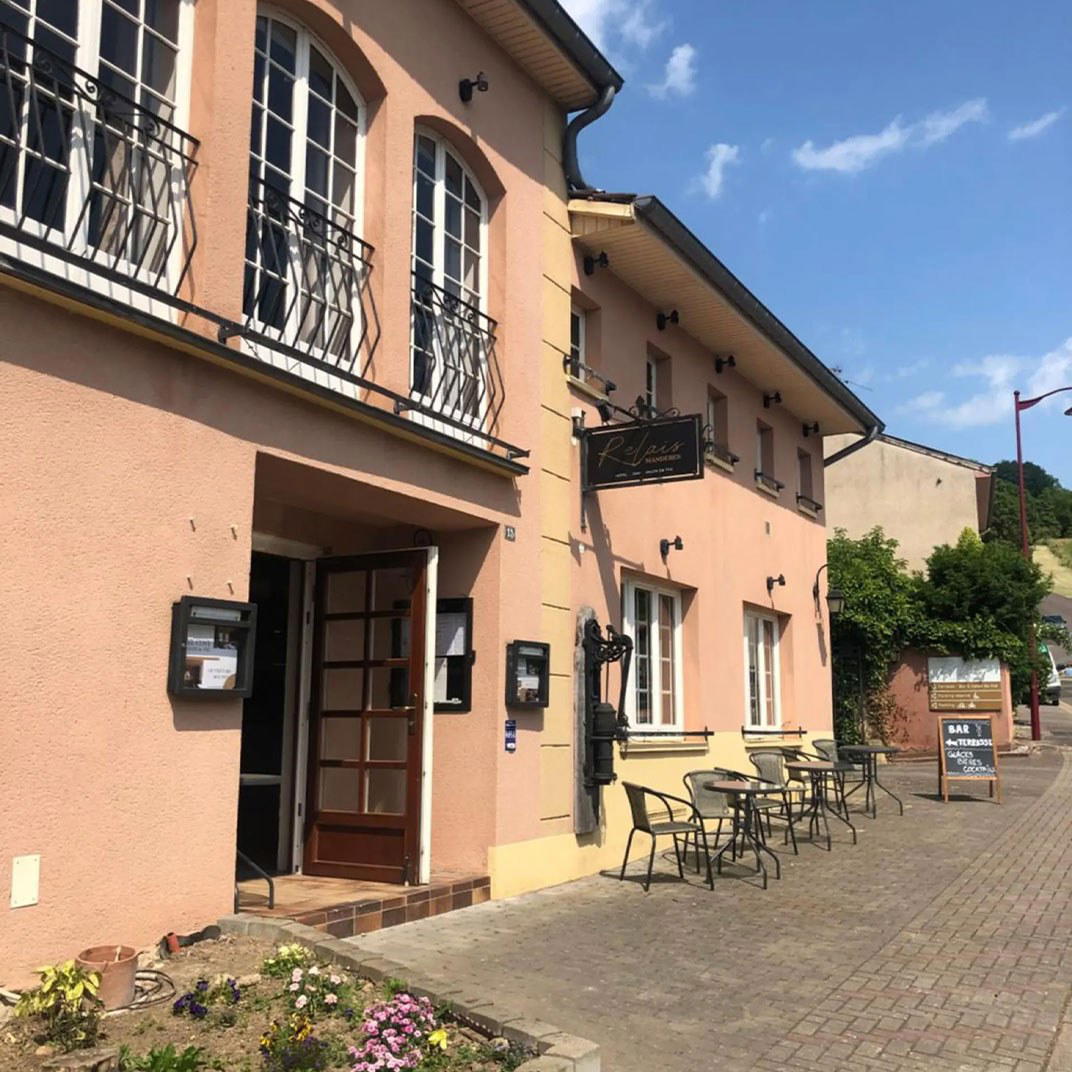
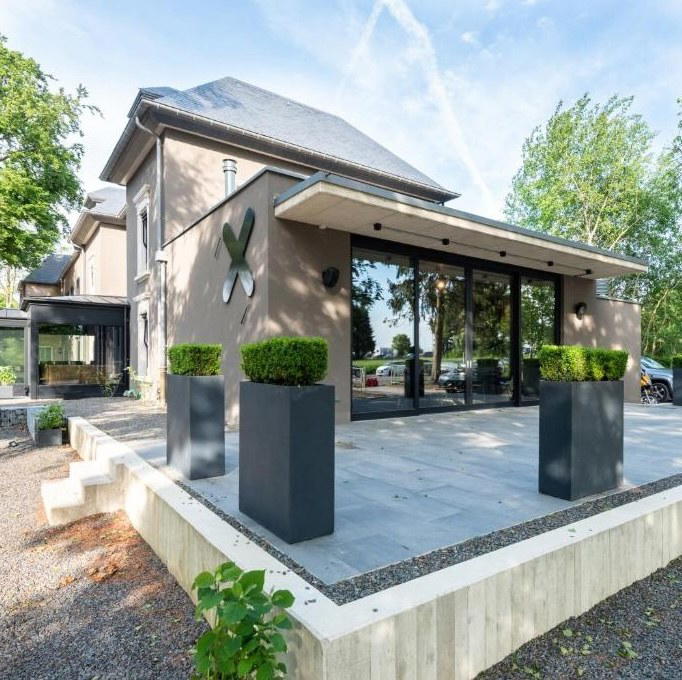
Domaine La Forêt sits on the Route de l'Europe in Remich, the small Moselle-side town that anchors Luxembourg's wine country. The address places it within walking distance of the river and the region's vineyard slopes, making it a natural stop for anyone tracing Luxembourg's agricultural and viticultural corridor. Consult our Remich guide for context on the broader dining scene before visiting.
 Discover on Pearl
Pearl is the En Primeur Club membership app — saves, bookings, and concierge access live there. Same editors, same standards.
- Address
- 36 Rte de l'Europe, 5531 Remich, Luxembourg
- Phone
- +35235223690
- Website
- foret.lu
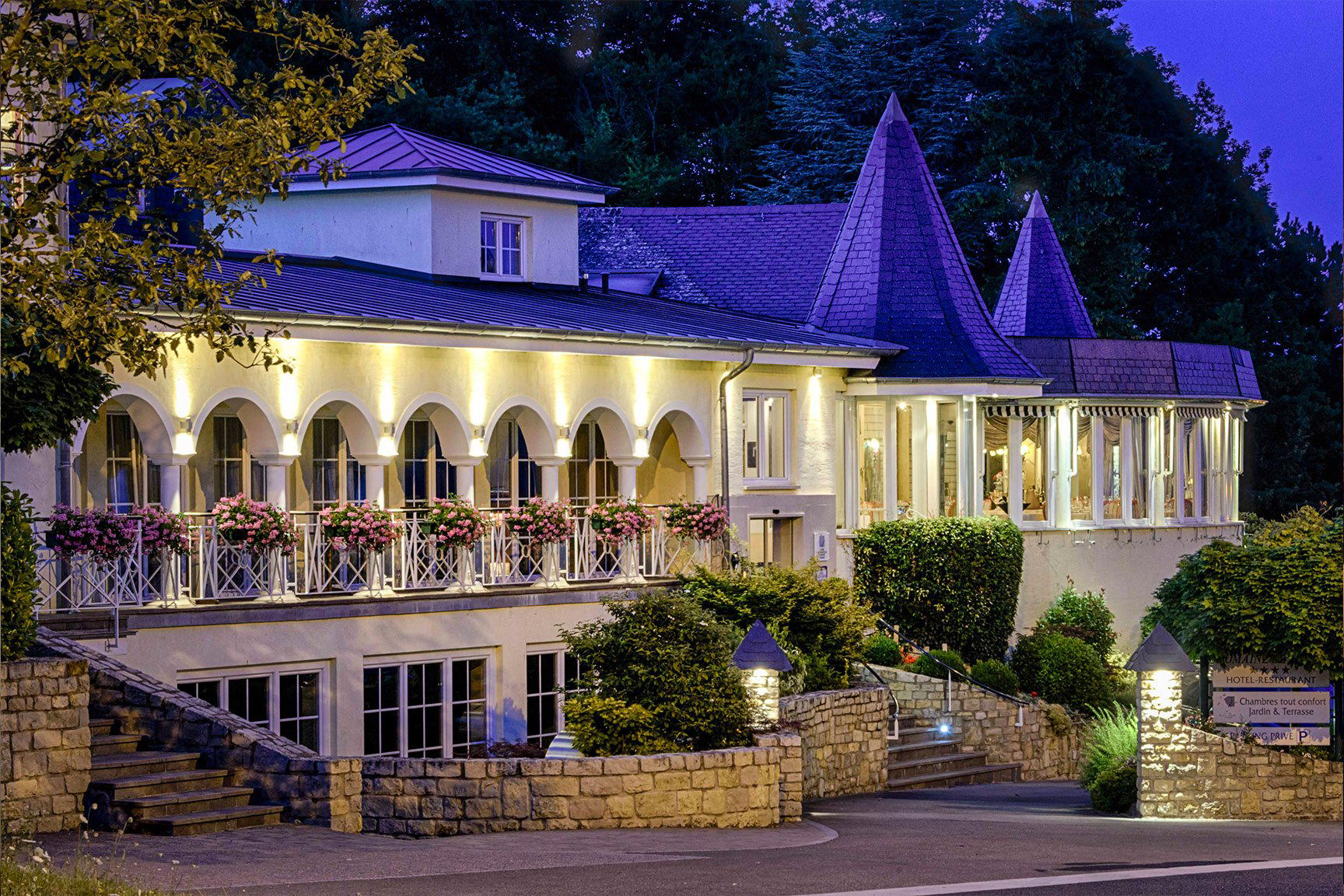
Remich and the Moselle Corridor
Luxembourg's Moselle Valley operates on a scale that rewards attention. The river forms the country's southeastern border, and the strip of towns along its western bank, of which Remich is the largest and most visited, functions as the primary interface between Luxembourg's wine production and its food culture. Vineyards run in neat rows above the town; Riesling, Pinot Gris, and Auxerrois are the workhorses of the appellation, and the proximity of grower estates to restaurant tables is shorter here than almost anywhere in the country.
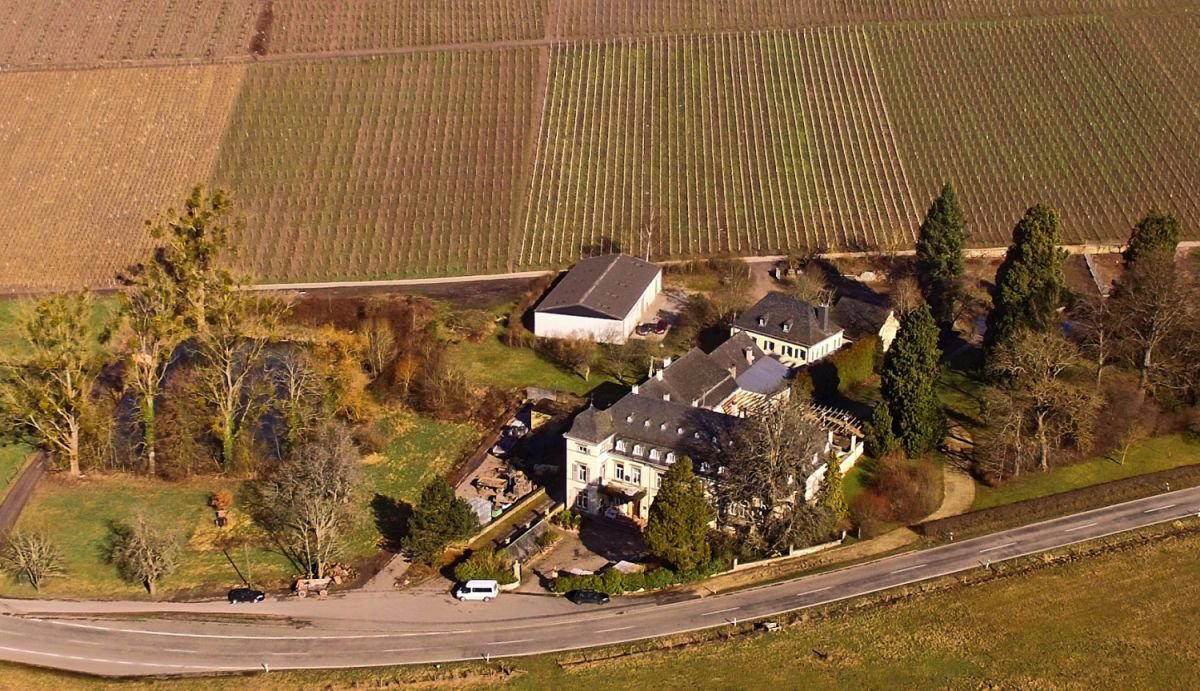
Domaine La Forêt occupies an address on the Route de l'Europe, the main artery that threads through Remich toward the river and the border crossing into Germany. The road carries a functional, unhurried quality that characterises the Moselle towns: not a destination in itself, but a connector between the agricultural landscape above and the water below. Arriving here, the surrounding environment does much of the scene-setting before you step inside. The vine-covered slopes visible from the road are not decorative backdrop; they are the production context that defines what the Moselle puts on a plate and in a glass.
Ingredient Provenance and the Moselle Model
In the Moselle Valley, the argument for local sourcing is structural rather than ideological. The distance between a Luxembourg grower harvesting Elbling on a south-facing slope and a restaurant kitchen in Remich can be measured in minutes of driving. That compression matters because it shapes what menus can credibly promise. Across the region's serious dining addresses, the most convincing food tends to arrive with a short supply chain attached: river fish from the Moselle itself, produce from the market gardens that fill the plateau above the valley, and wine that may have been harvested within sight of the dining room. This is the template against which any Remich address is read by regular visitors to the area.
Luxembourg's food culture at the serious end of the market has increasingly aligned with this model. Addresses like Léa Linster in Luxembourg, which holds Michelin recognition and operates at the €€€€ price point, and Auberge De La Gaichel in Eischen have built their reputations partly on the ability to translate regional agricultural identity into a menu. At the €€€ creative tier, SENSA in Weiswampach and organic-focused operators like De Pefferkär in Fennange represent the country's growing interest in provenance-led cooking that doesn't require a formal fine dining framework to be taken seriously.
Domaine La Forêt, with its Remich address on the Route de l'Europe, sits within a town where the connection between wine estate and table is part of the local operating logic. What the address suggests, in the context of the Moselle's agricultural concentration, is a setting where local provenance is an available resource.
Placing Domaine La Forêt Within Luxembourg's Wider Scene
Luxembourg's restaurant market outside the capital shows a consistent pattern: the most durable addresses tend to operate either as destination dining rooms drawing from the city, or as genuine local institutions serving the agricultural communities around them. The Moselle towns fall mostly into the second category, with occasional crossover into the first during wine tourism season, which runs from late spring through harvest in October. Remich, as the valley's commercial hub, attracts both leisure visitors and the regional wine trade, which means its better restaurants serve a more varied clientele than most Luxembourg towns of comparable size.
At the country's upper end, the reference points extend beyond Luxembourg's borders. Internationally recognised addresses like Le Bernardin in New York City define a standard of sourcing rigour, particularly around fish and seafood, that influences how serious operators in smaller markets think about their supply chains. Closer to home, the country's own fine dining tier, including Beim Schlass in Wiltz, Becher Gare in Bech, and Côté cour in Bourglinster, demonstrates that rigorous cooking is not confined to the capital. Within Remich specifically, Domaine La Forêt occupies a notable address.
Other Luxembourg dining addresses worth knowing for context include B13 in Bertrange, Beefbar Smets in Strassen, Beim Bertchen in Wahlhausen, Brasserie de La Gaichel in Arlon, Chocolats du Cœur in Helmsange, Der Napf in Wilwerdange, Fuku in Veianen, and Kachatelier Manternach in Manternach. For those drawn to longer dining formats outside Europe, Lazy Bear in San Francisco offers a comparative model for how provenance and communal format can combine.
Planning a Visit
Remich is approximately 20 kilometres southeast of Luxembourg City by road, a direct drive along the A1 and then south through the valley. The town is also accessible by bus from the capital, with services running regularly during the week and on weekends. For those exploring the Moselle by car, the Route de l'Europe address places Domaine La Forêt at a practical stopping point between the valley's northern and southern wine estates. Contact the venue directly at 36 Route de l'Europe, 5531 Remich, for current booking details.
Wine tourism in the Moselle runs from May through October, with the harvest period in September and October drawing the most concentrated visitor traffic. Visiting outside these months means a quieter experience and, in some cases, more direct access to growers. The region's Crémant de Luxembourg, the country's sparkling wine appellation, is produced along this corridor and represents a reasonable pairing context for any meal in the area.
Comparison Snapshot
Comparable venues nearby, for context on price, style, and recognition.
| Venue | Cuisine | Price | Awards |
|---|---|---|---|
| Domaine La ForêtThis venue — the venue you are viewing | |||
| Ma Langue Sourit | Contemporary French, Modern Cuisine | €€€€ | Michelin 2 Star |
| Léa Linster | Modern French | €€€€ | Michelin 2 Star |
| Apdikt | Creative | €€€ | Michelin 1 Star |
| Archibald De Prince | Organic | €€€€ | Michelin 1 Star |
| Fani | Italian | €€€€ | Michelin 1 Star |
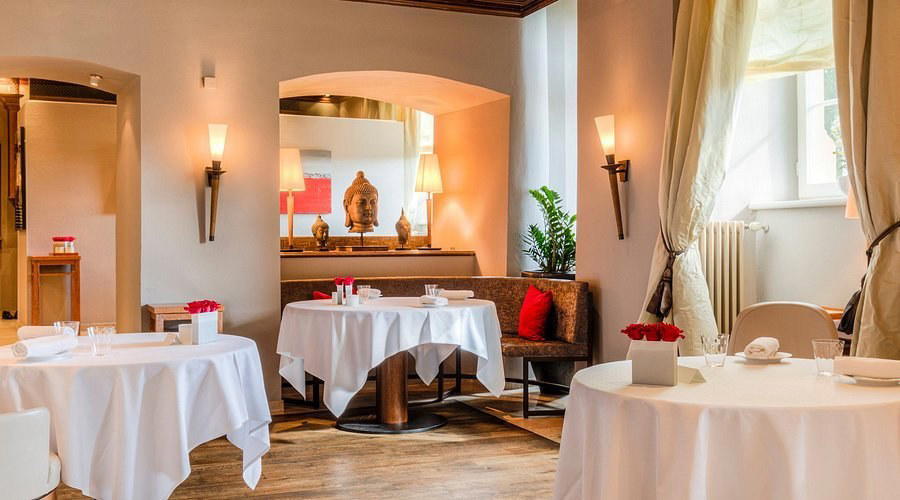
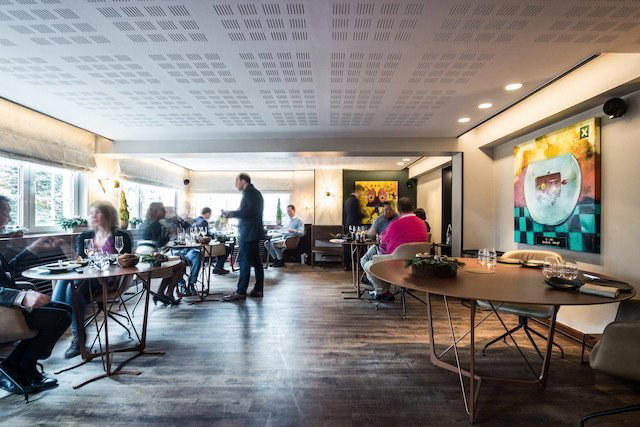
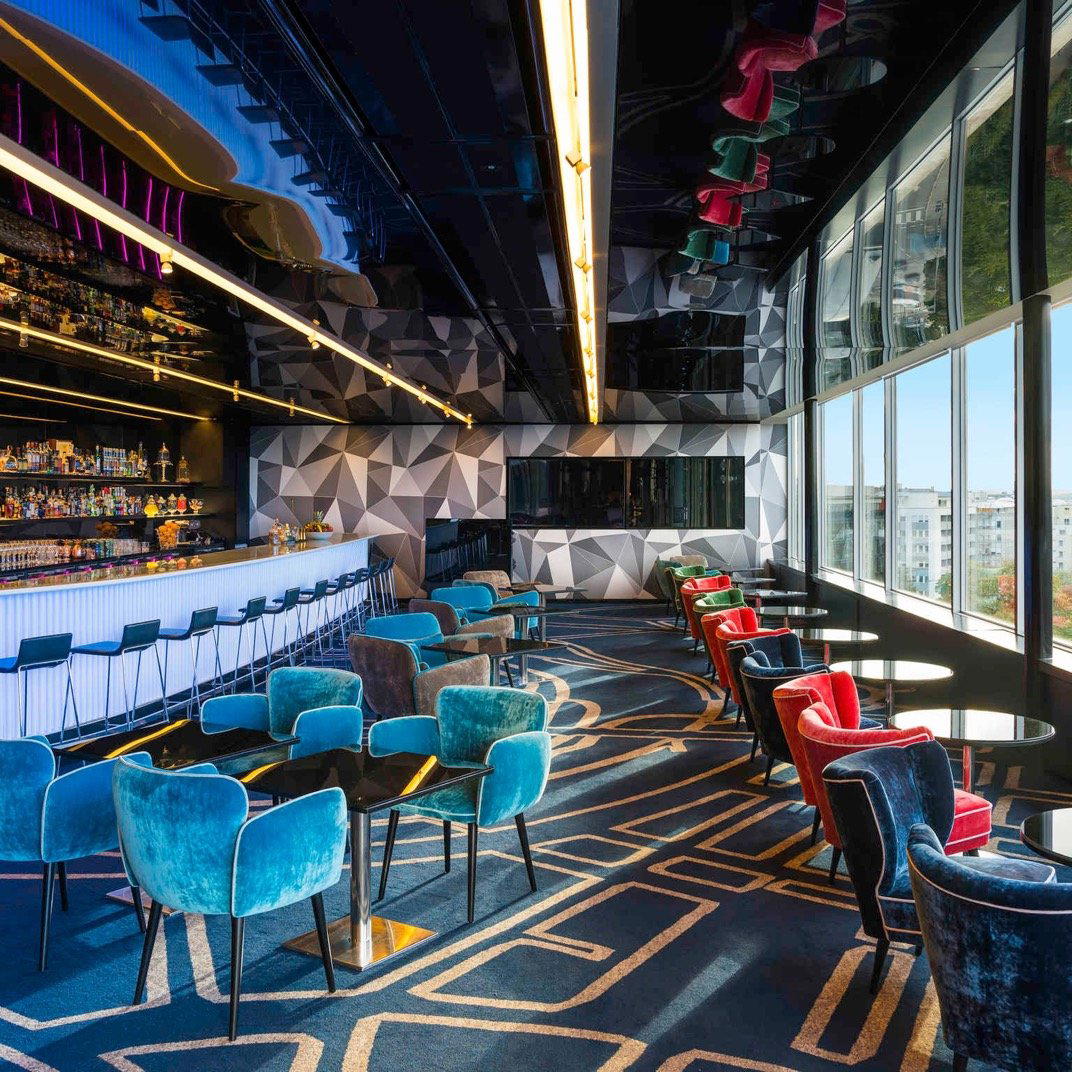
At a Glance
- Elegant
- Romantic
- Scenic
- Sophisticated
- Classic
- Date Night
- Special Occasion
- Celebration
- Business Dinner
- Panoramic View
- Terrace
- Wine Cellar
- Hotel Restaurant
- Garden
- Extensive Wine List
- Sommelier Led
- Local Sourcing
- Farm To Table
- Vineyard
- Waterfront
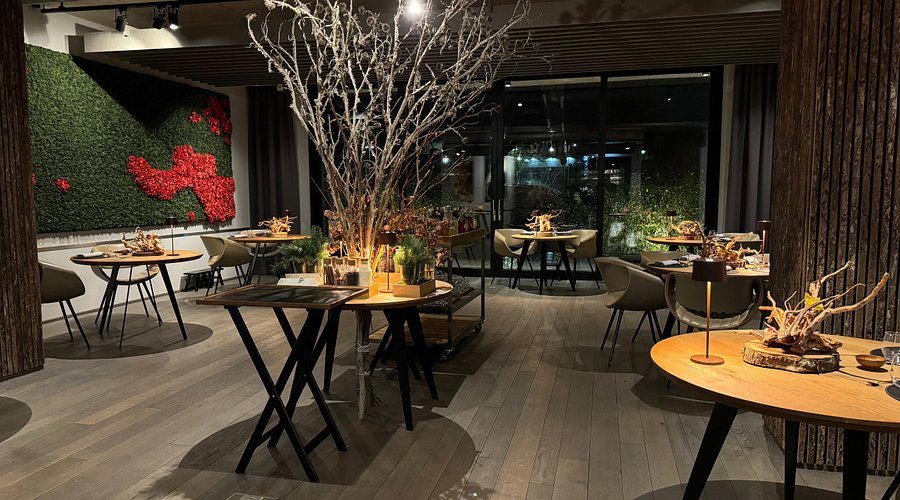
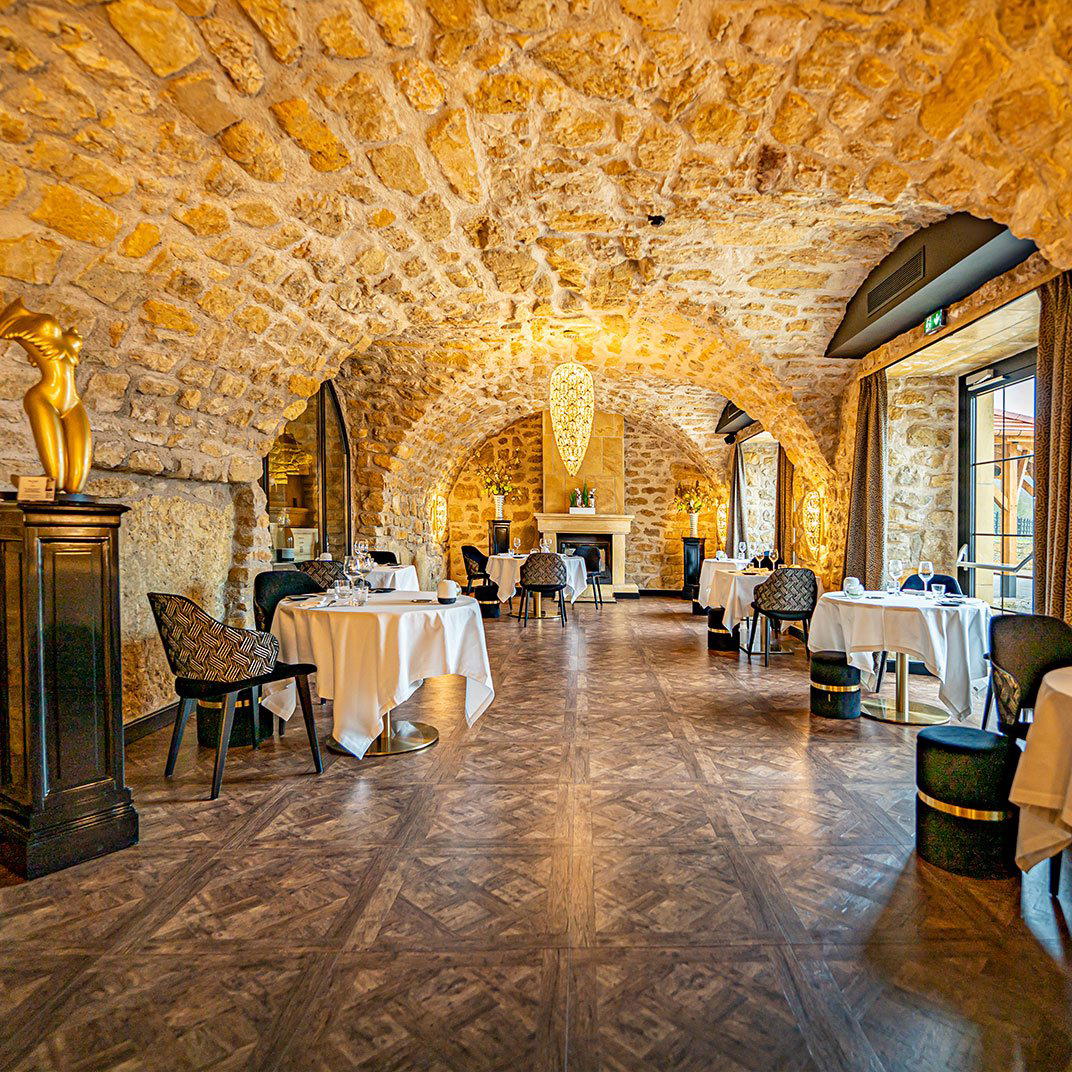
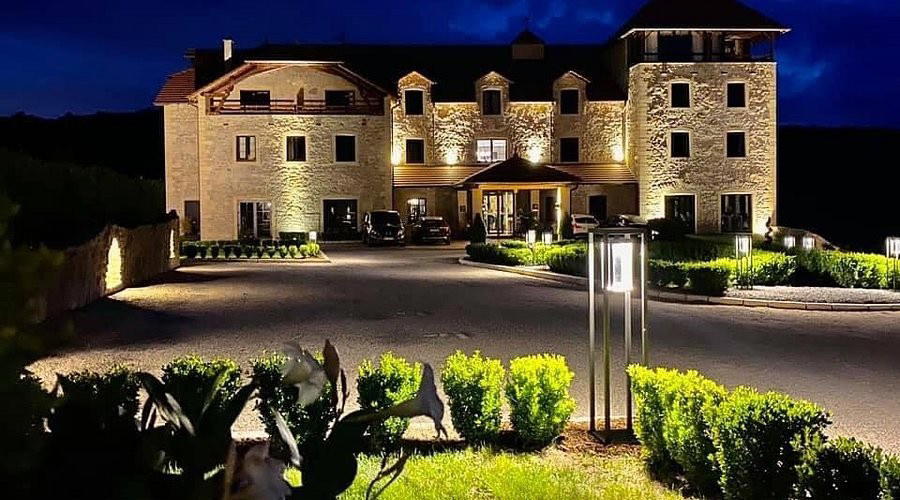
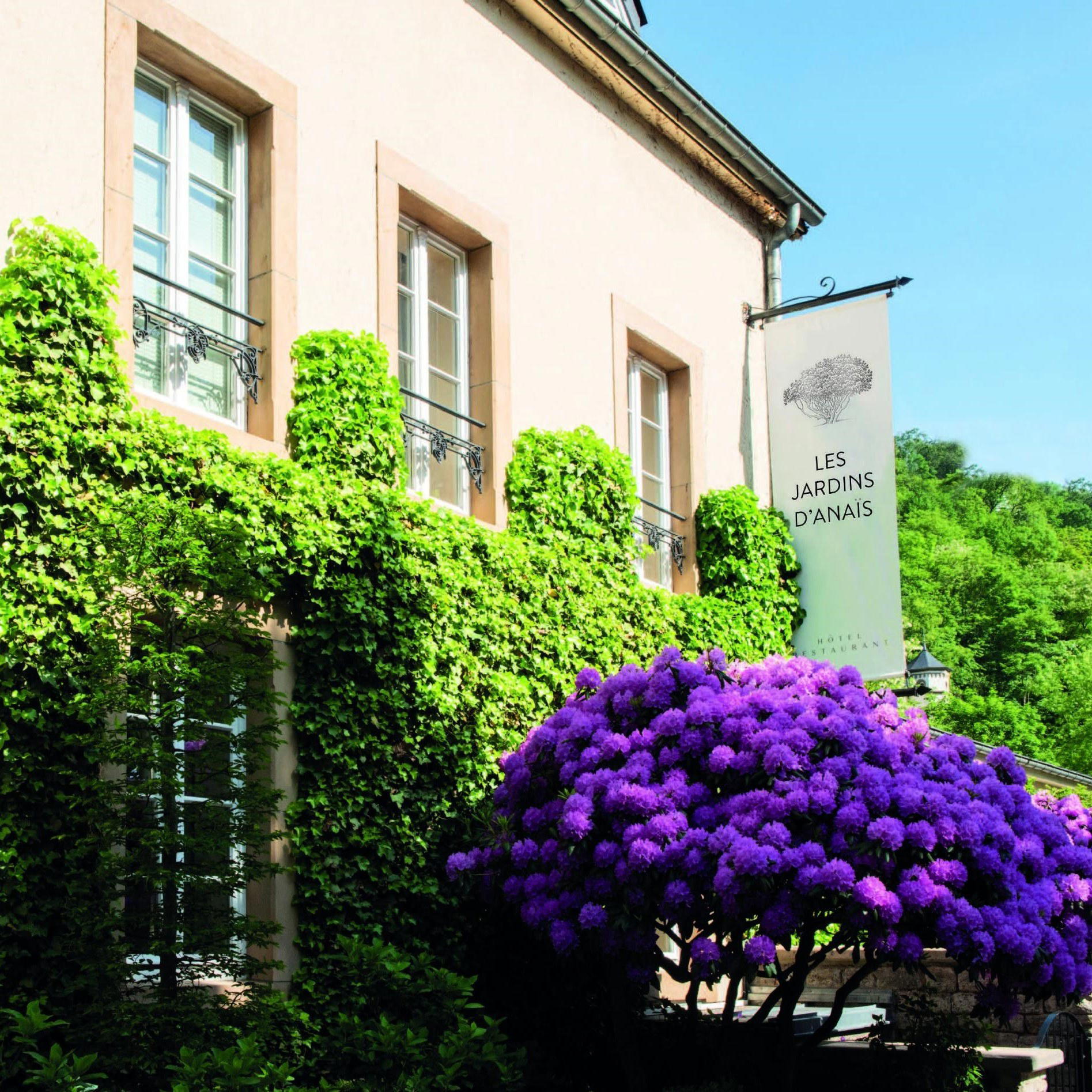
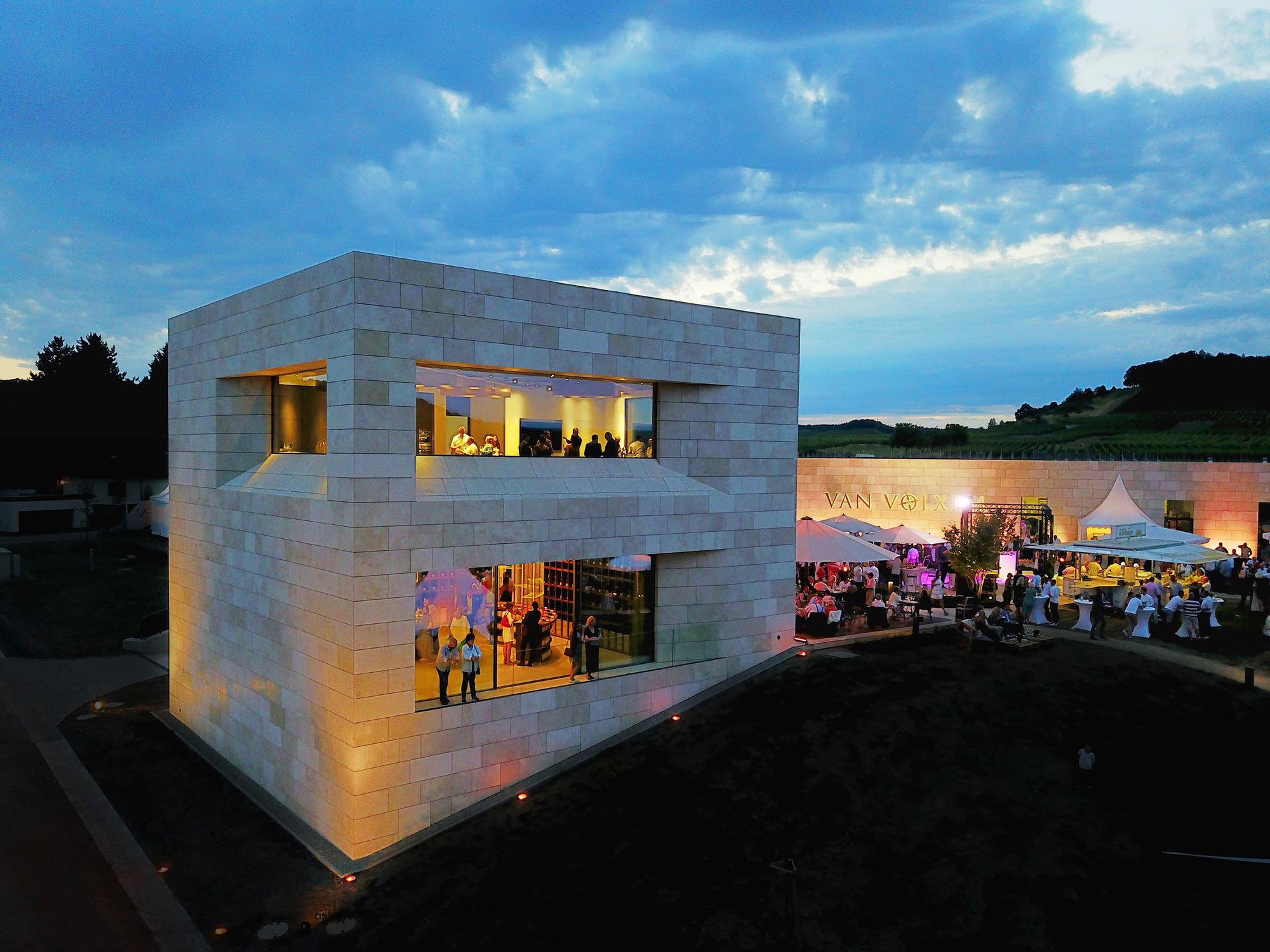
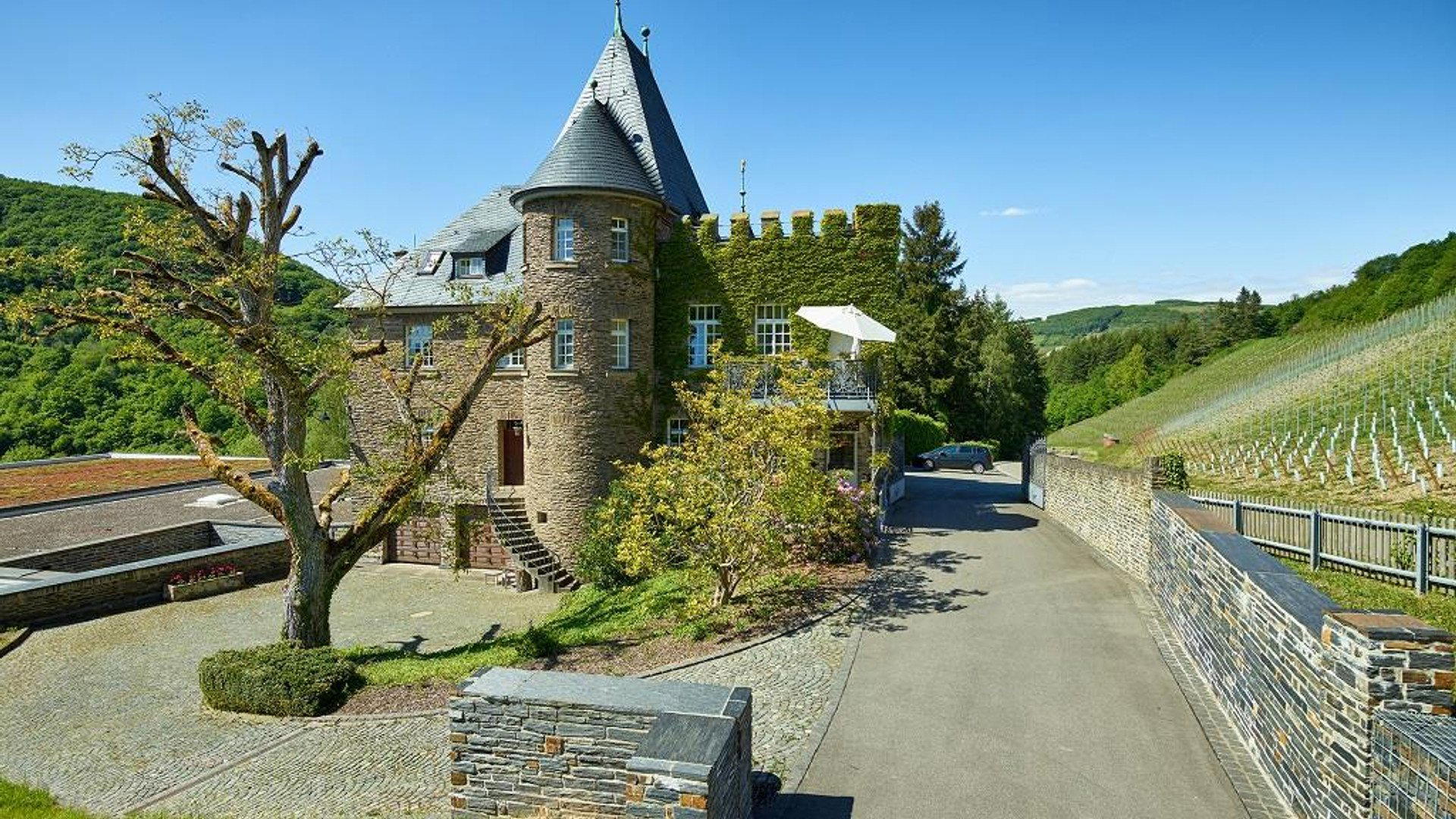
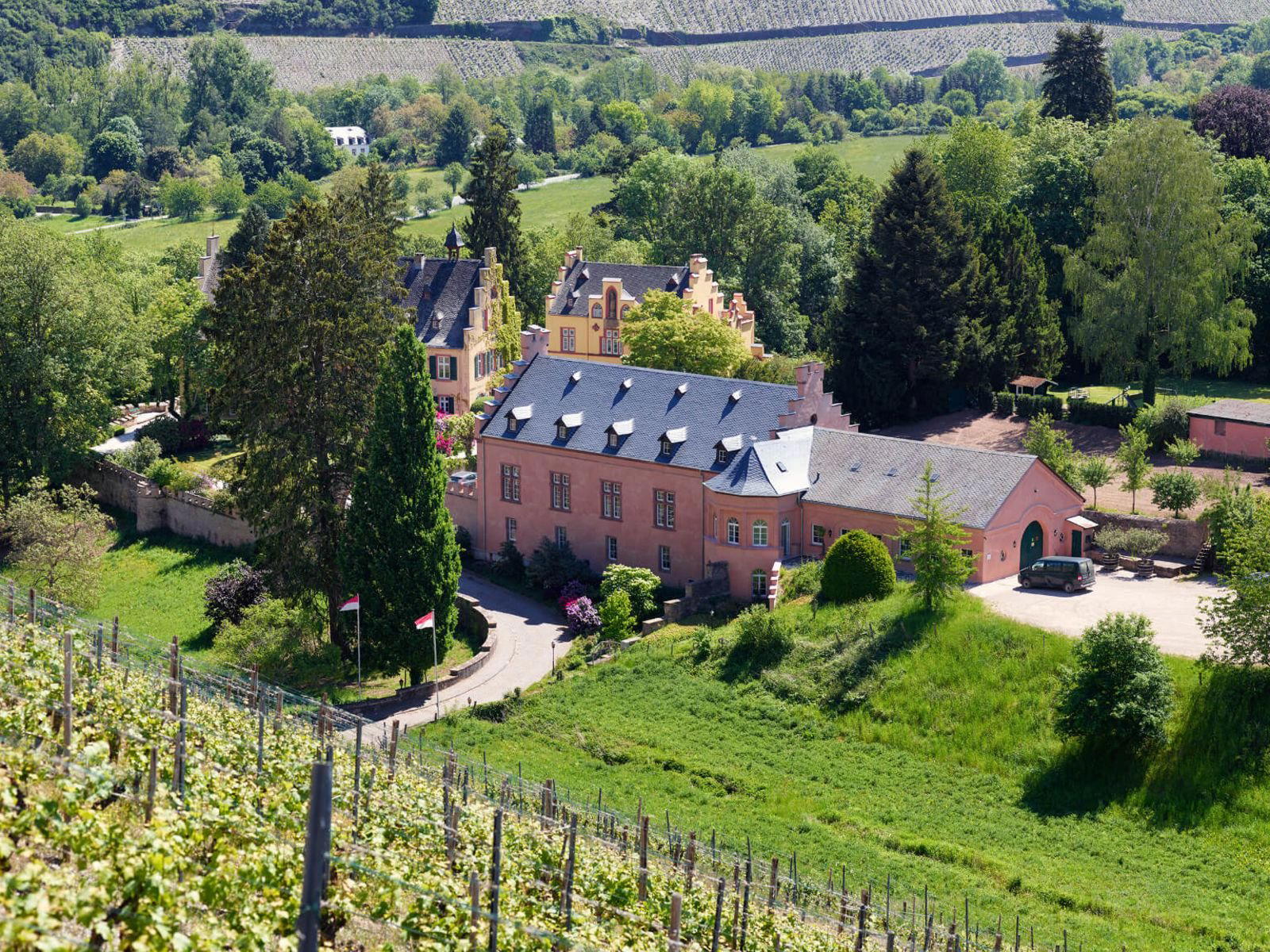
Refined and elegant dining rooms with stunning valley views; refined atmosphere with refined lighting and sophisticated decor, though some guests note the dining room aesthetic is not universally appealing.