Lea Linster




Lea Linster occupies a landmark address in Frisange, Luxembourg, where modern French cooking has long been shaped by the rhythms of the surrounding countryside. The restaurant sits within Luxembourg's tight cluster of serious fine-dining destinations and draws a clientele that travels from across the Grand Duchy and beyond. For context on the broader dining scene, see our full Frisange restaurants guide.
Pearl is the En Primeur Club membership app — saves, bookings, and concierge access live there. Same editors, same standards.
- Address
- 17 Letzebuergerstrooss, 5752 Fréiseng, Luxembourg
- Phone
- +35223668411
- Website
- lealinster.lu
- Directions
- Get directions
 Saves & bookings on Pearl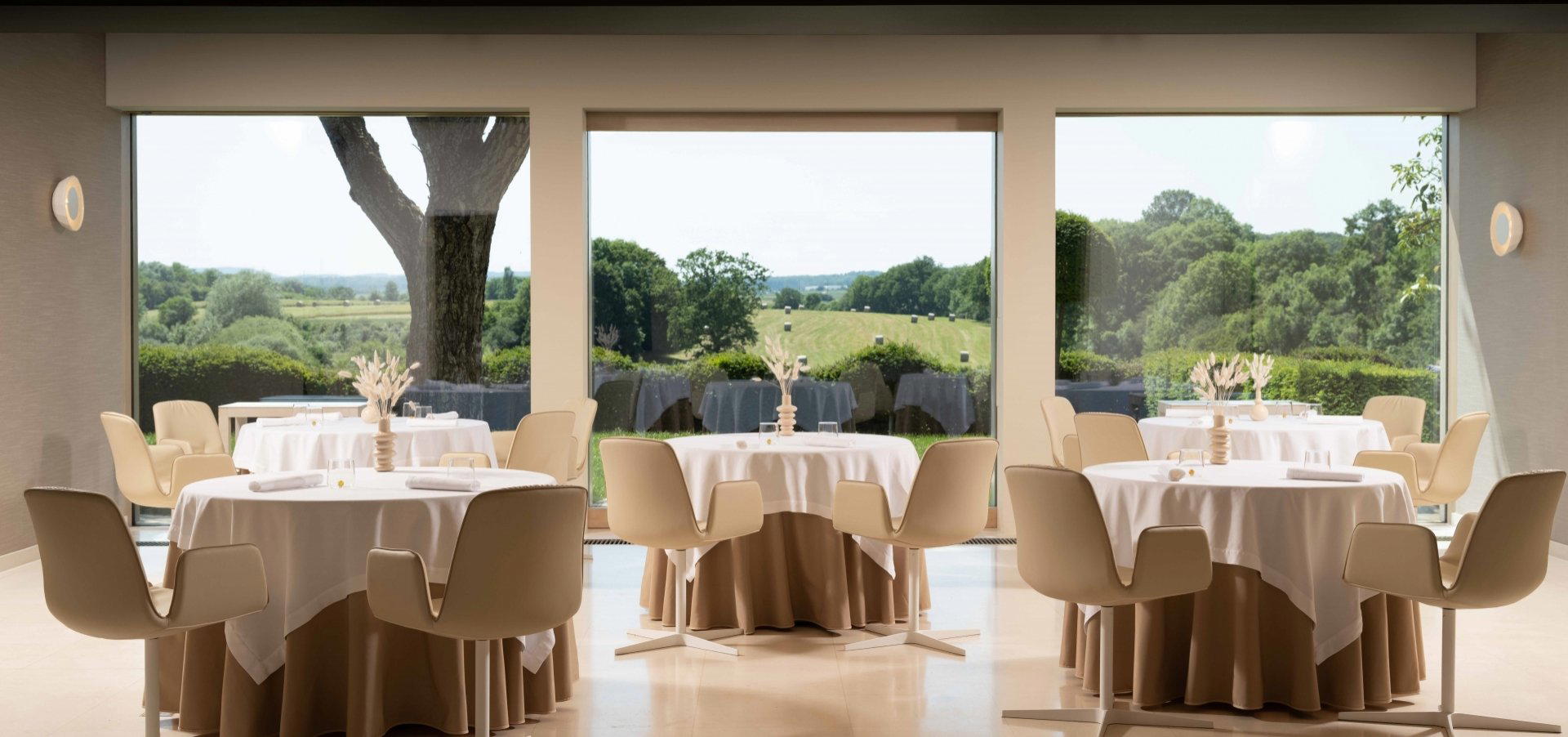
Where Luxembourg's Countryside Meets the Dining Room
The southern corridor of Luxembourg, running from the capital toward the French border, has a particular character that sets it apart from the city's own restaurant scene. Villages like Frisange sit close enough to Luxembourg City for a convenient dinner drive, yet far enough that the surrounding farmland, river valleys, and market gardens become part of the culinary logic rather than a picturesque backdrop. It is the kind of geography that shaped French regional cooking for centuries: proximity to good produce and a clientele willing to make a journey for the right table.
Lea Linster, addressed at 17 Letzebuergerstrooss in Frisange, belongs to this tradition. The restaurant occupies a position in Luxembourg's fine-dining scene that is understood by anyone who follows the Grand Duchy's small but competitive restaurant scene. Luxembourg's restaurant scene is compact, meaning a handful of addresses carry much of the country's culinary reputation internationally. Within that group, establishments in the southern communes, including Frisange, have historically drawn on the produce networks and cooking influences that flow naturally across the border with France's Lorraine and Moselle regions.
Ingredient Sourcing and the Logic of the Location
Fine dining in this part of Europe has always been shaped by what grows and is raised nearby. The Moselle valley, which forms Luxembourg's eastern wine boundary, and the agricultural plains to the south supply a consistent flow of seasonal produce that serious kitchens in the region have worked with for generations. In contemporary fine dining, sourcing has become a point of differentiation, but in southern Luxembourg it is closer to a structural condition: the distances are short, the producers are known, and the seasons are legible in what arrives on the plate.
Modern French cooking in this tradition is not a static category. The style that Luxembourg's leading restaurants now practice draws on classical French technique while responding to the shorter supply chains available in a small, densely networked country. Compare this with destination-level French restaurants operating in larger urban markets, where sourcing involves greater complexity and distance. At [Le Bernardin in New York City], for instance, the sourcing infrastructure required to maintain that standard of product across a city of eight million is a considerable operational undertaking. In Frisange, the challenge is different in kind, not scale, and the proximity to agricultural land is a genuine structural advantage.
Restaurants occupying the leading price tier in Luxembourg, categorised as €€€€ alongside peers such as Ma Langue Sourit and Archibald De Prince, are implicitly making a sourcing argument as part of their value proposition. At that price point, guests expect evidence in the cooking of where the food comes from. The comparison venues in Luxembourg's contemporary fine-dining bracket reflect a wider shift in how premium restaurants in the region justify their positioning: through ingredient origin and cooking integrity rather than room size or occasion theatre.
Luxembourg's Fine Dining in Regional Context
Luxembourg's restaurant scene is small enough to map clearly. The capital holds the majority of the Grand Duchy's Michelin-recognised addresses, but the surrounding communes have produced some of the country's most consequential restaurants. Frisange has long carried more weight in this conversation than its population size would suggest.
Across the region, there is a consistent pattern: the restaurants in Luxembourg's villages and small towns that have maintained high standards over long periods tend to share a common approach. They operate at the intersection of classical technique and local seasonality, they tend to be owner-operated or family-connected, and they rely on a repeat clientele drawn from the professional and diplomatic communities of the capital as much as from passing tourism. Côté cour in Bourglinster and Beim Bertchen in Wahlhausen operate within the same regional logic, where village location is a feature rather than a liability.
For those building a wider itinerary around Luxembourg's serious dining addresses, the south and southeast of the country reward the effort. Les Roses in Mondorf Les Bains and Domaine La Forêt in Remich are within a short drive of Frisange, making it possible to anchor a day around the Moselle corridor with multiple stops of substance. Le Bistrot Gourmand in Remerschen is another address in this southern arc that fits a similar profile.
Planning a Visit
Frisange sits approximately 15 kilometres south of Luxembourg City, making it a realistic destination for a dedicated lunch or dinner rather than a casual walk-in. The address on Letzebuergerstrooss is accessible by car from the capital in under 20 minutes in normal traffic, and the proximity to the A3 autoroute toward France means visitors crossing the border from Lorraine or the Saarland pass through this corridor naturally. For those building a broader Luxembourg dining programme, the restaurant pairs logically with visits to the Moselle wine villages to the east or the Müllerthal region to the north. Other options across the Grand Duchy's varied dining scene include Kore in Steinfort, B13 in Bertrange, and Beefbar Smets in Strassen for those staying closer to the capital. Further afield within the country, Beim Schlass in Wiltz, Der Napf in Wilwerdange, and Victoria vum Berdorfer Eck in Berdorf represent the northern and eastern reaches of Luxembourg's serious dining geography. For a different register entirely, Laotse in Moutfort, Bo Zai Fan in Letzebuerg, and La table du curé in Lasauvage extend the range of what a thorough Luxembourg itinerary might include. The full EP Club view of the area is in our Frisange restaurants guide, and the restaurant's own page is covered in our dedicated Léa Linster in Luxembourg listing.
How It Stacks Up
Comparable venues nearby, for context on price, style, and recognition.
| Venue | Cuisine | Price | Notes |
|---|---|---|---|
| Lea LinsterThis venue — the venue you are viewing | Modern French Fine Dining | $$$$ | Not listed |
| Le Bistrot Gourmand | French-Luxembourgish Bistro | $$$ | Remerschen |
| Le Quai Steffen | French Brasserie & Rotisserie | $$ | Gare |
| Maison B | Modern Luxembourgish Bistronomy | $$$ | Biergerkraiz |
| Beim Schlass | Luxembourgish Regional with French Influences | $$$ | historic centre |
| Victoria vum Berdorfer Eck | French Farm-to-Table Bistro | $$$ | Berdorf |
Recognition history
Dated appearances from independent guides and award organizations, with the underlying list record or original source where available.
La Liste Top Restaurants
La Liste
La Liste Top Restaurants
La Liste
Michelin 2 Stars
Michelin
Opinionated About Dining Classical in Europe Ranked #465
Opinionated About Dining
We're Smart World 3 Radishes
We're Smart World
Michelin 1 Star
Michelin
Continue exploring
More in Frisange
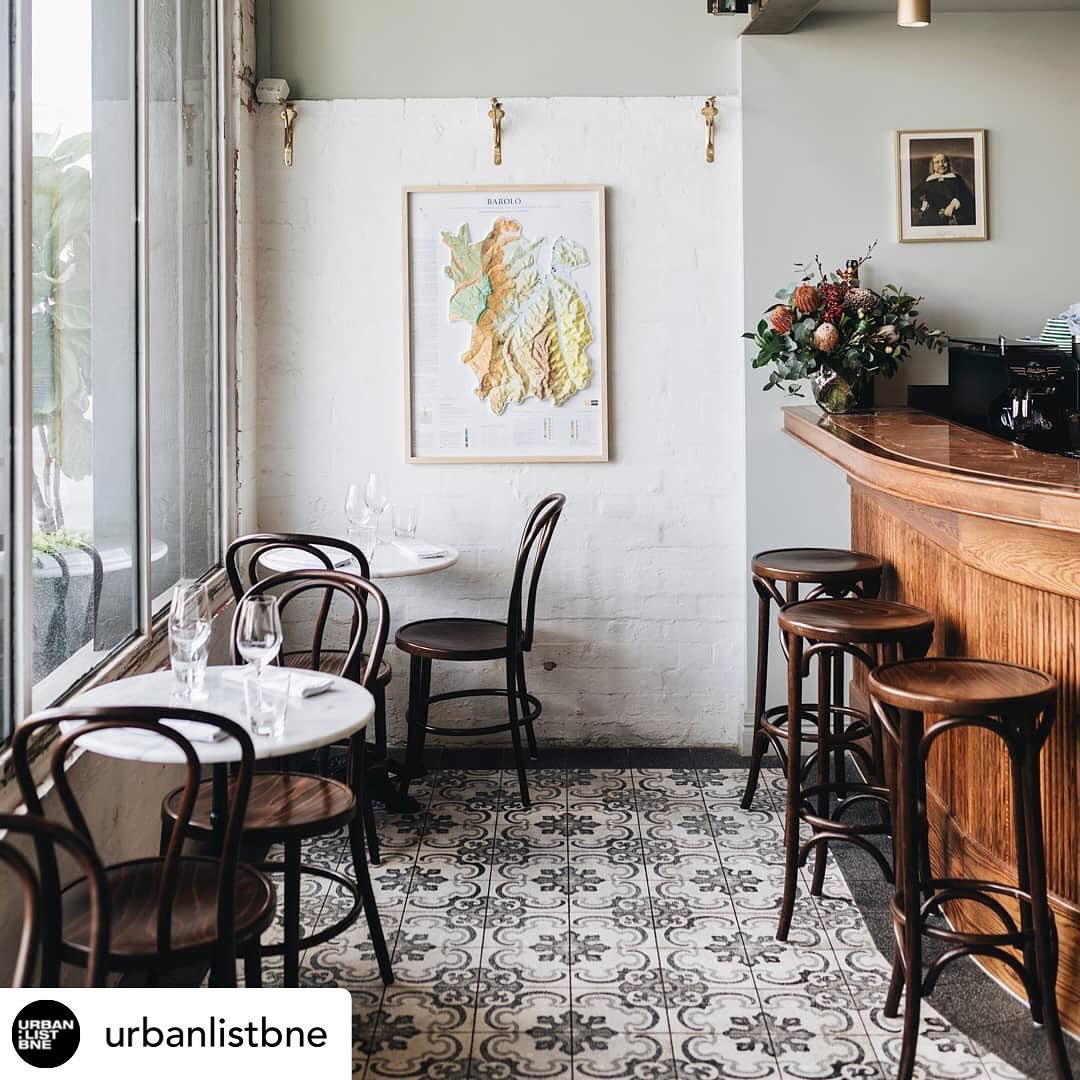
Restaurants in Frisange
Browse all →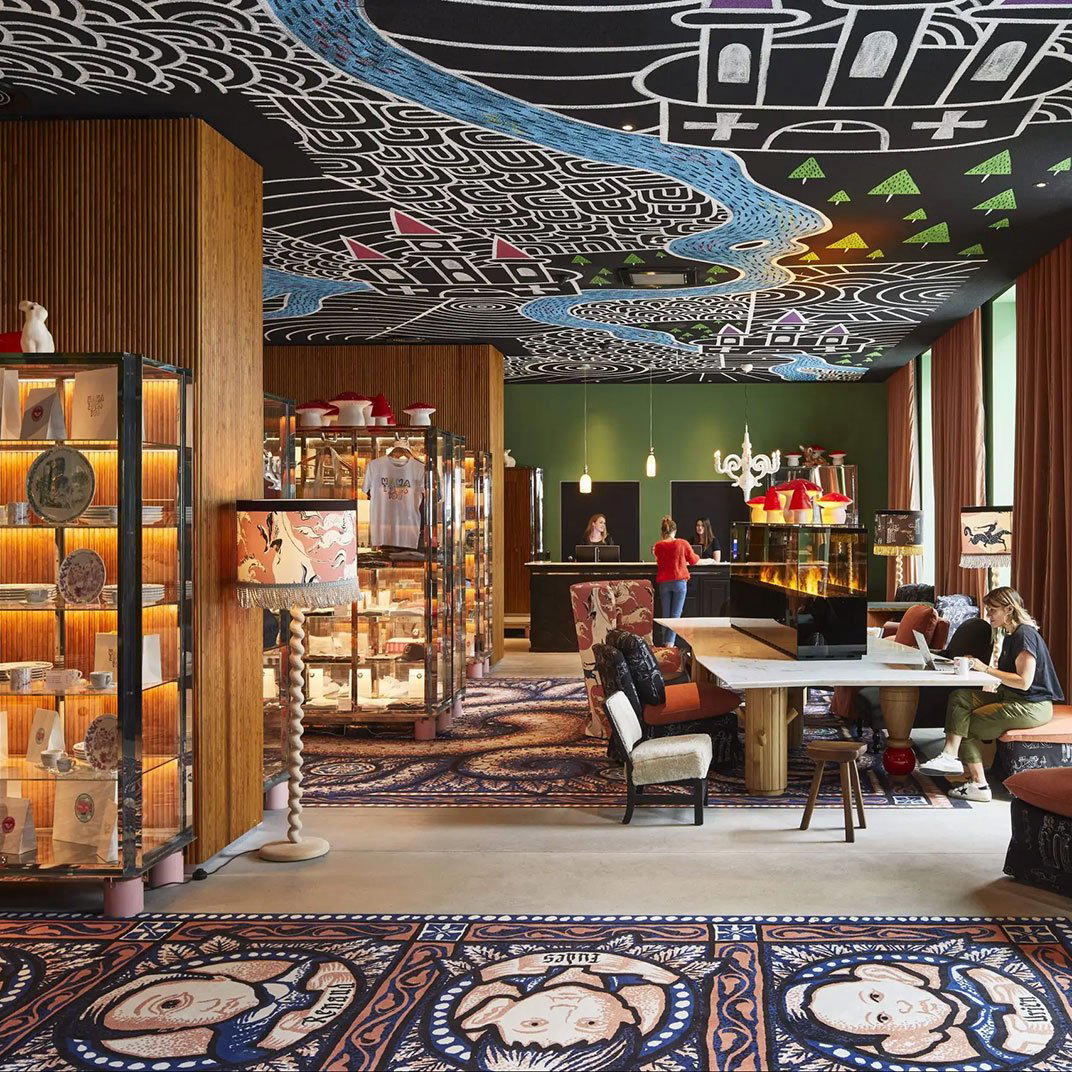
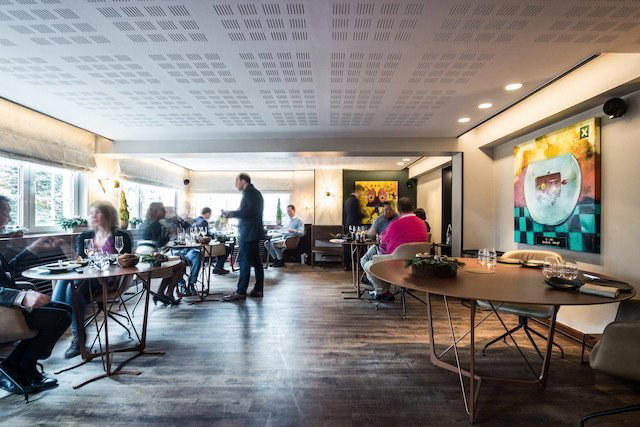
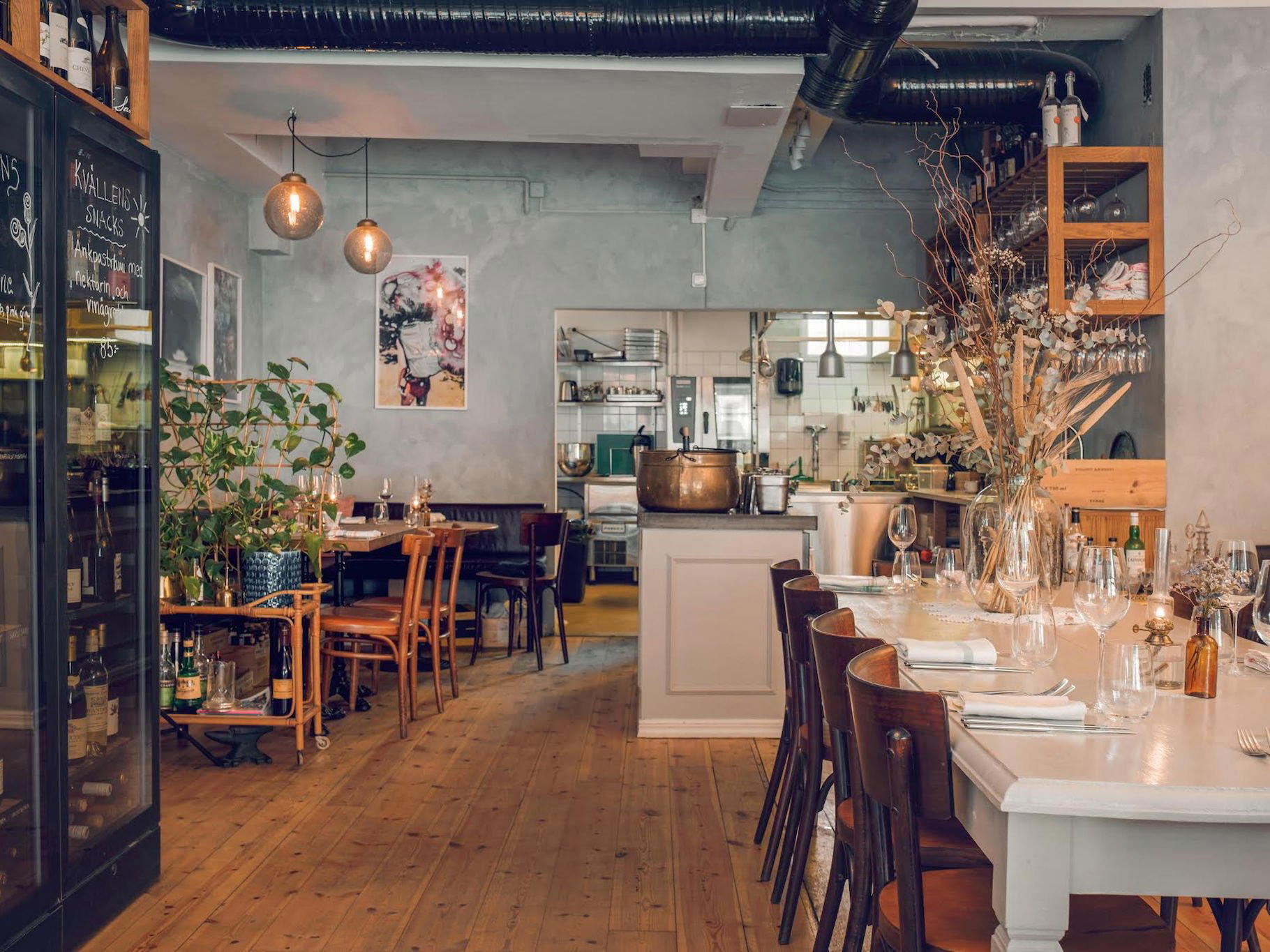
Bars in Frisange
Browse all →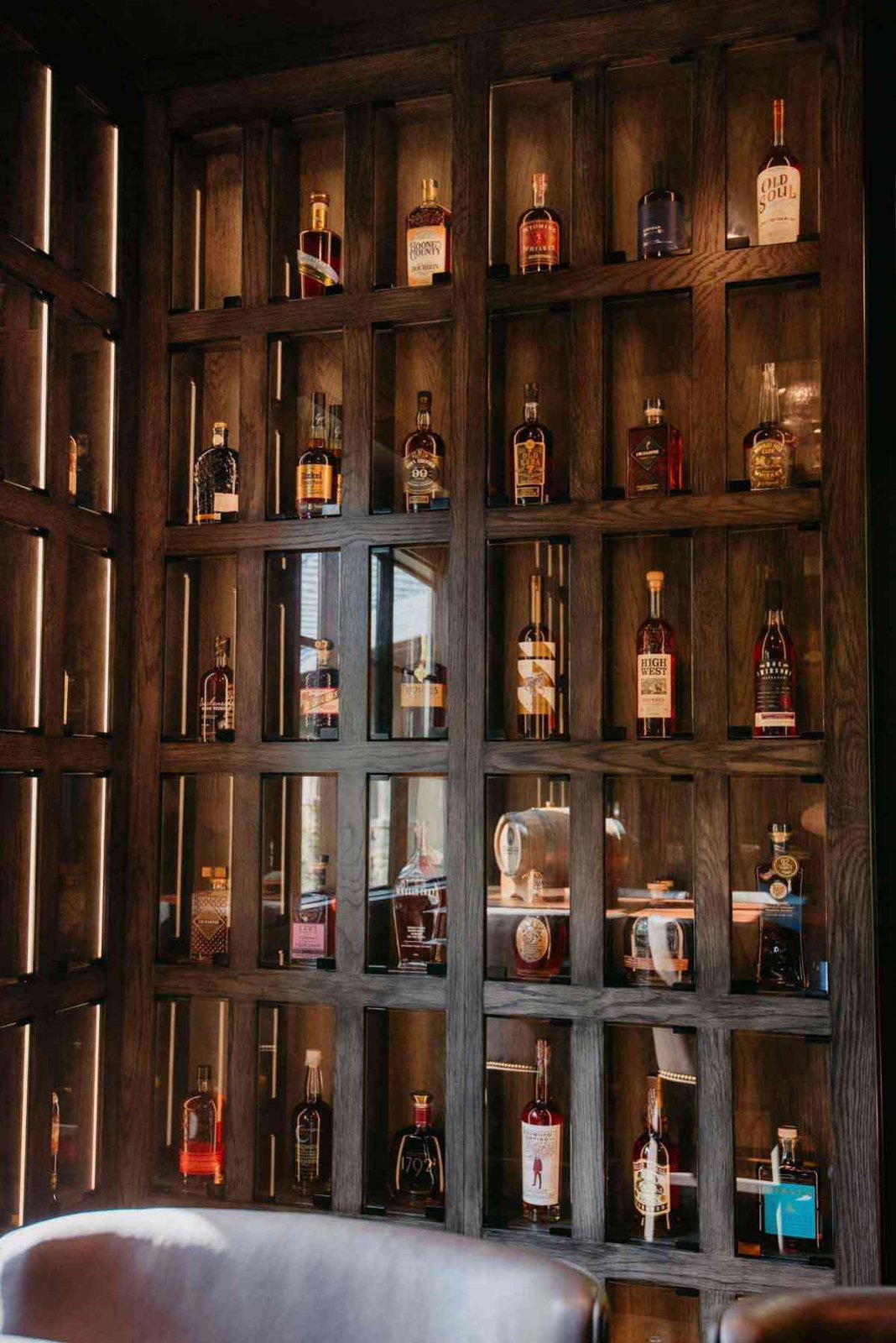
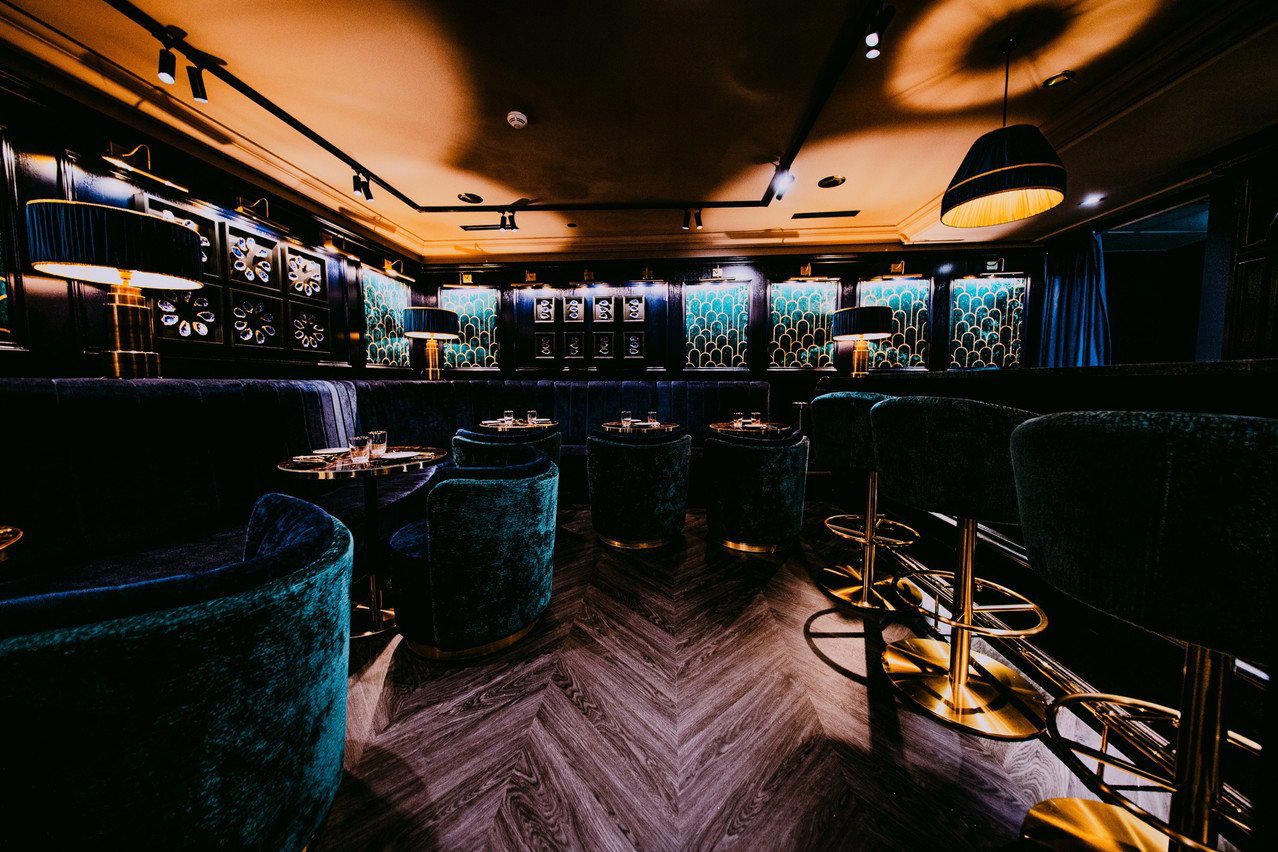
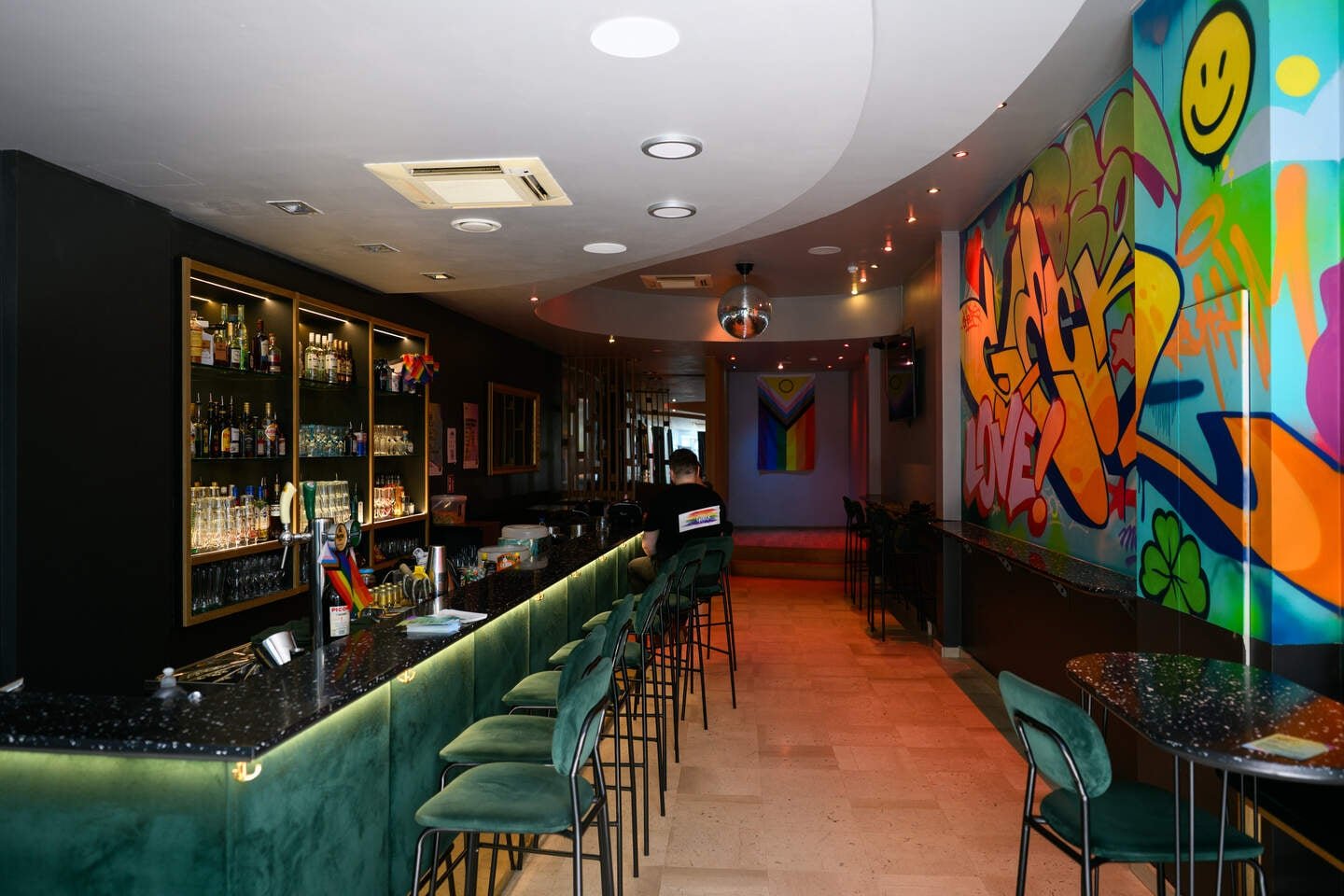
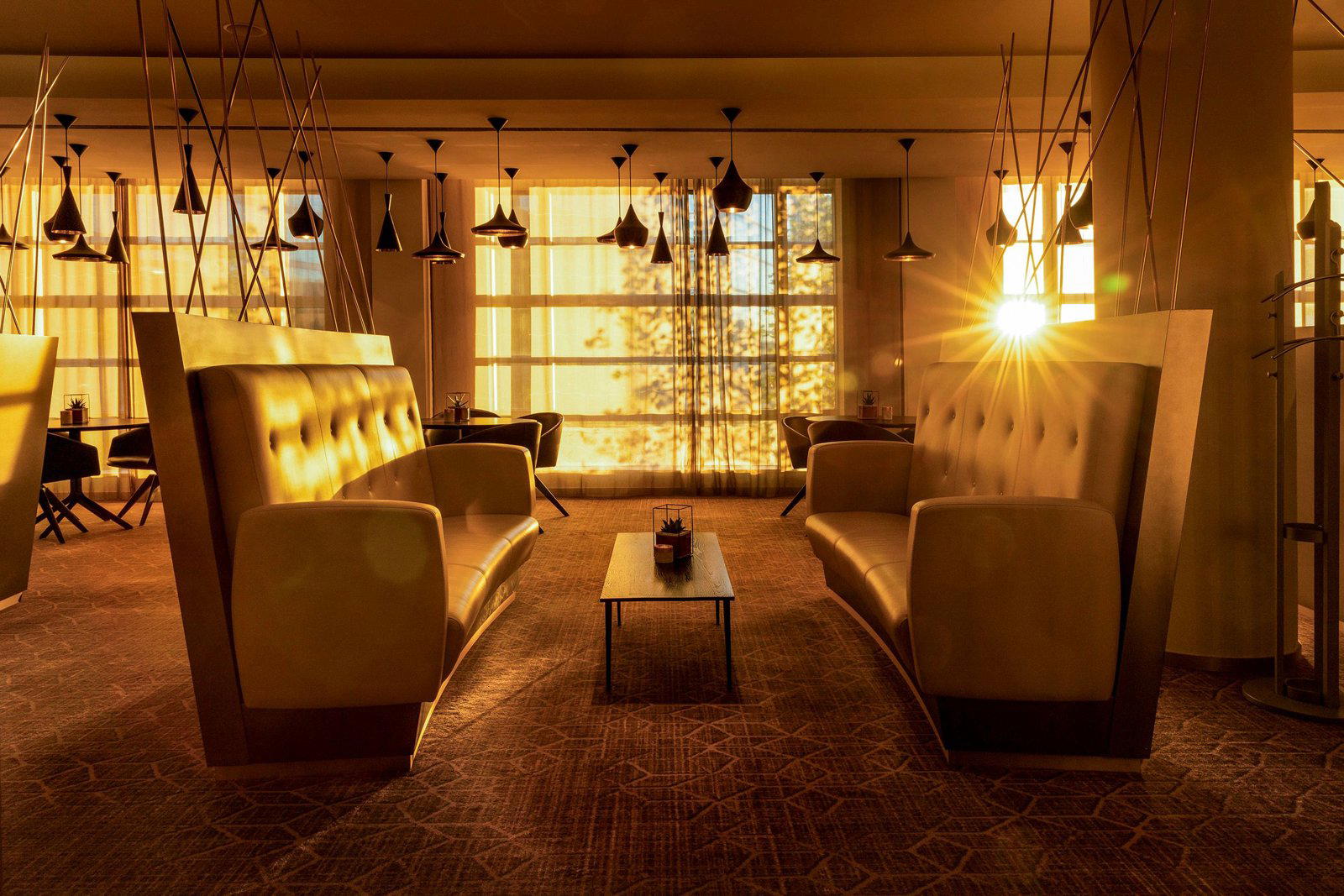

Hotels in Frisange
Browse all →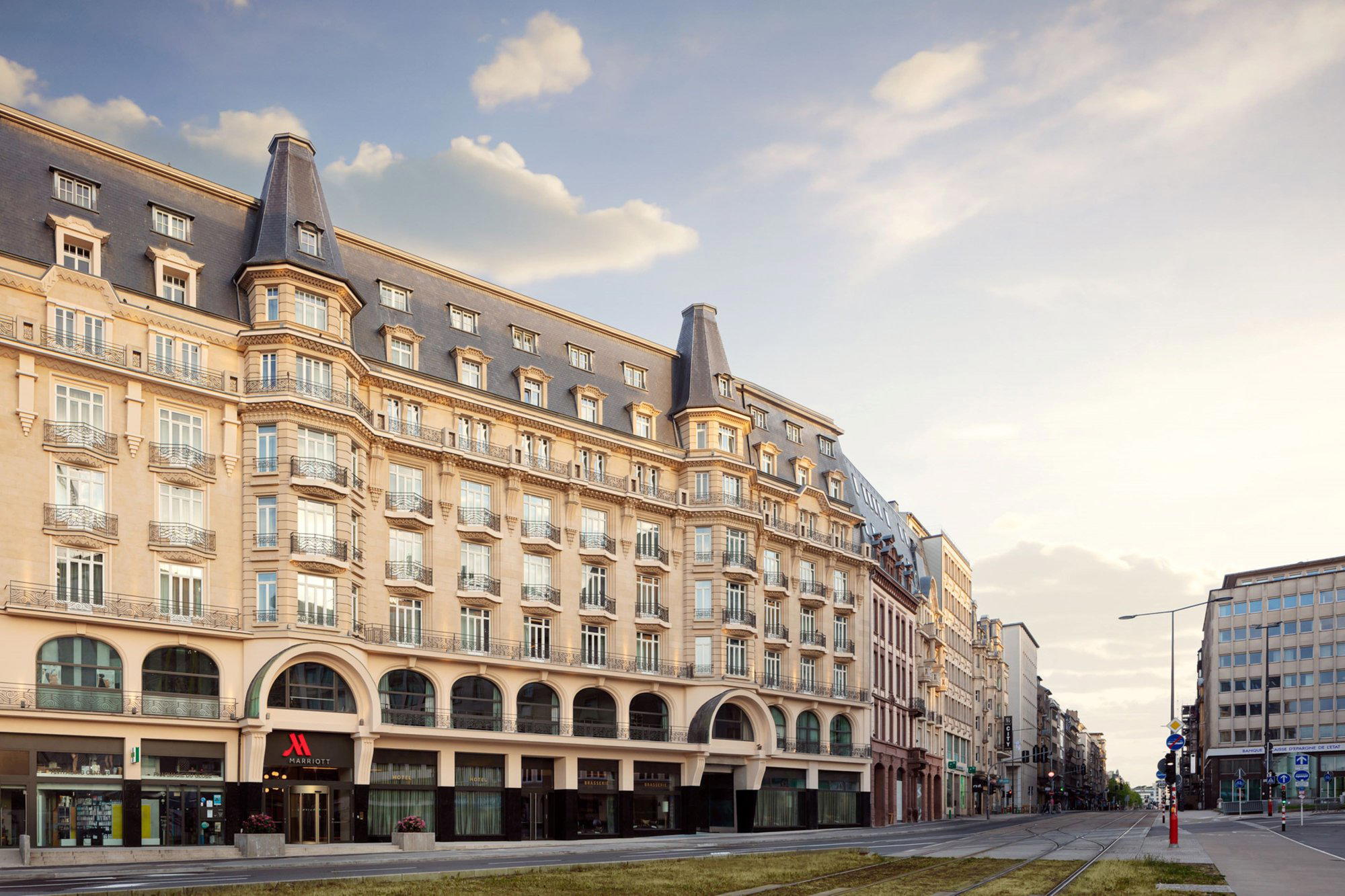
At a Glance
- Elegant
- Sophisticated
- Cozy
- Intimate
- Special Occasion
- Business Dinner
- Date Night
- Standalone
- Garden
Current opening hours
- Monday
- Closed
- Tuesday
- Closed
- Wednesday
- 7–11:30 PM
- Thursday
- 7–11:30 PM
- Friday
- 7–11:30 PM
- Saturday
- 7–11:30 PM
- Sunday
- 12–4:30 PM, 7–11:30 PM
Hours can change for holidays and private events. Last verified .
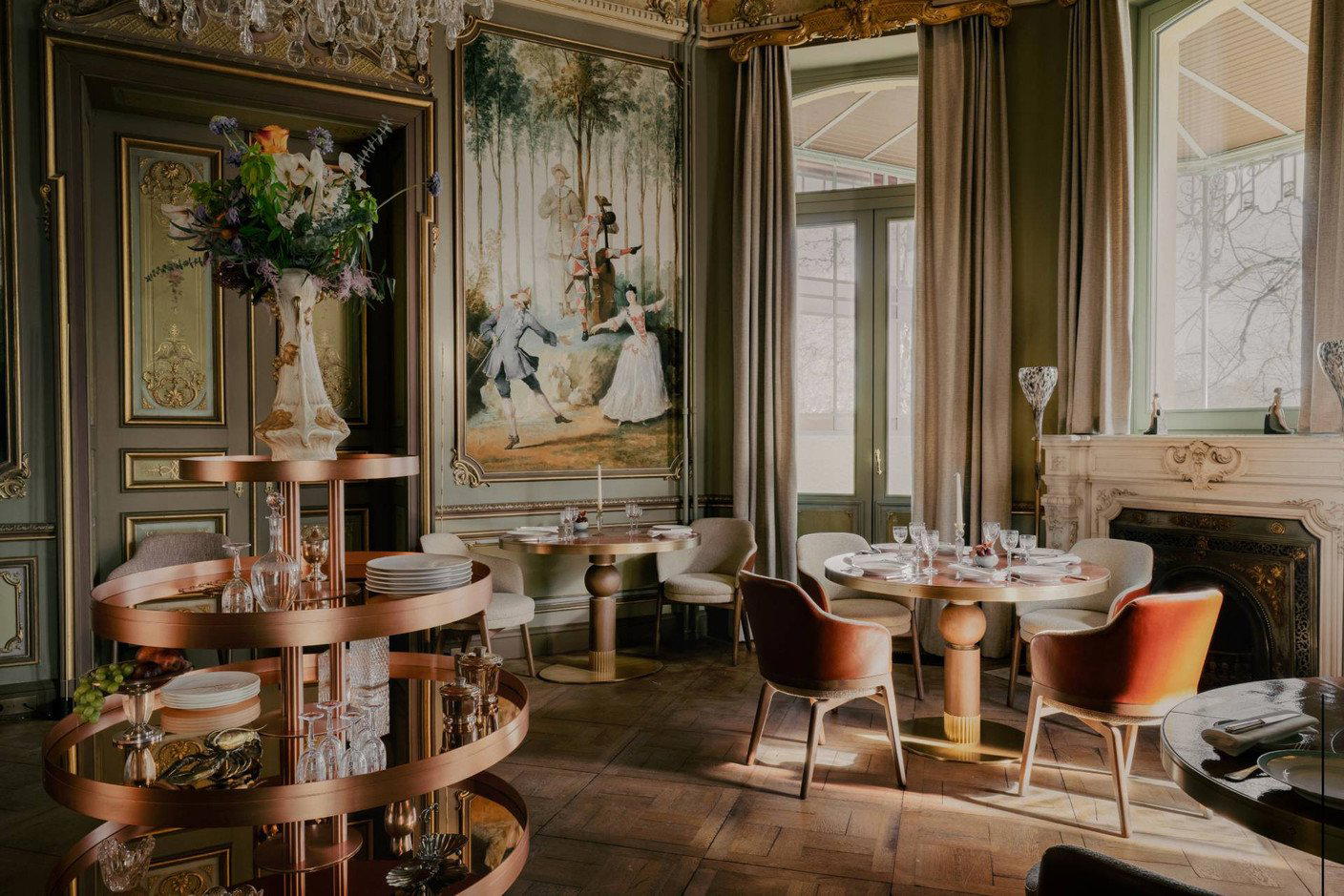
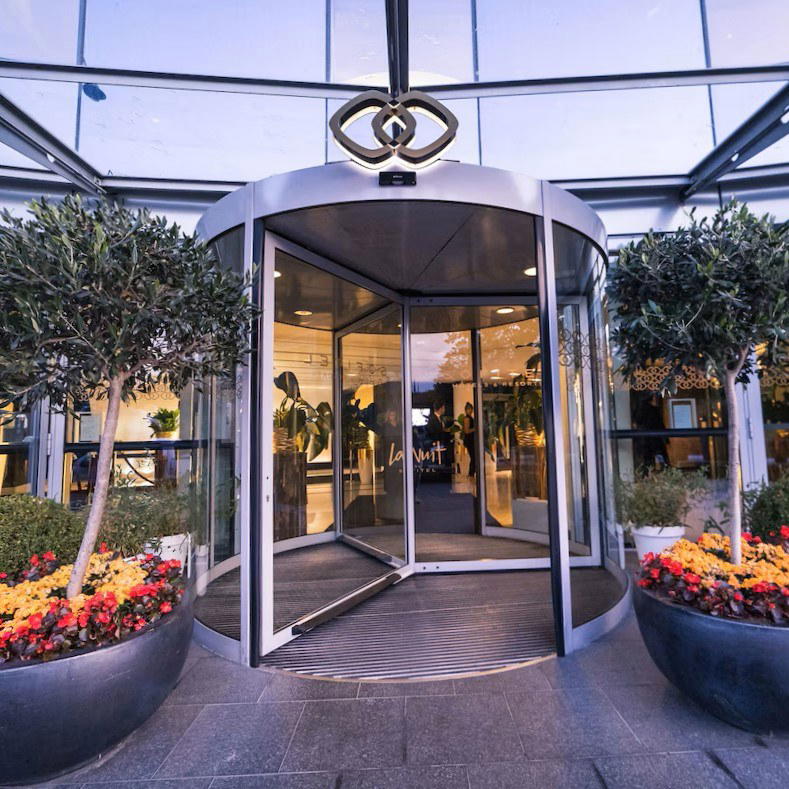
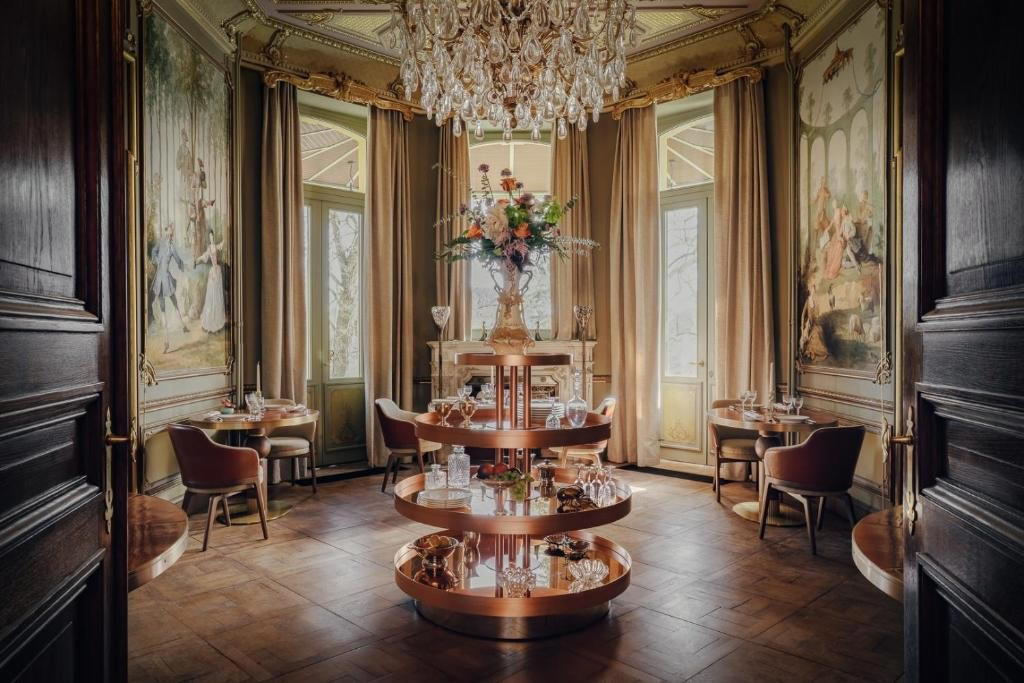
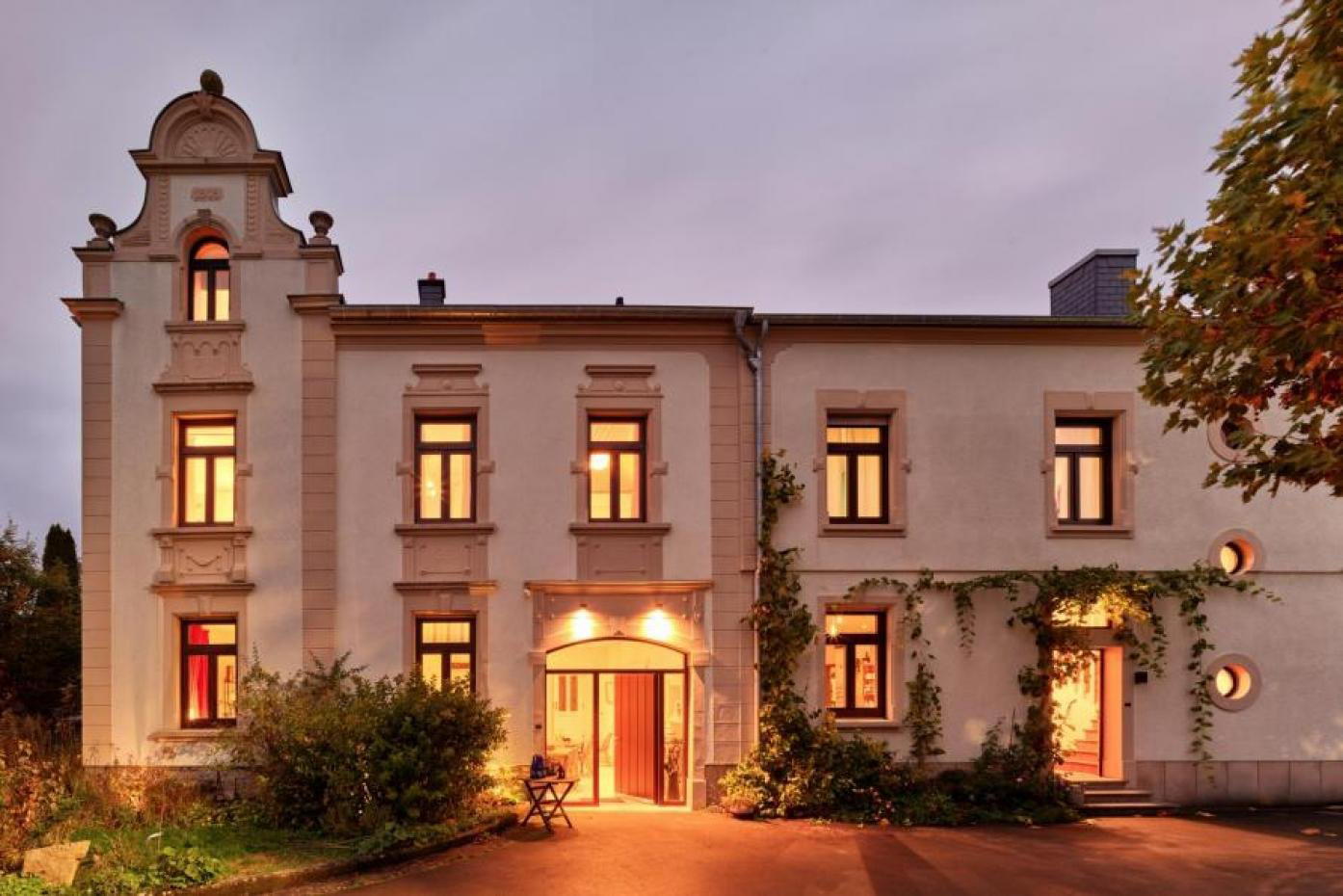
Warm, luxurious, and comfortable dining room with an elegant and cosy atmosphere.
Know Before You Go
- Getting there
- 17 Letzebuergerstrooss, 5752 Fréiseng, Luxembourg