Côté cour
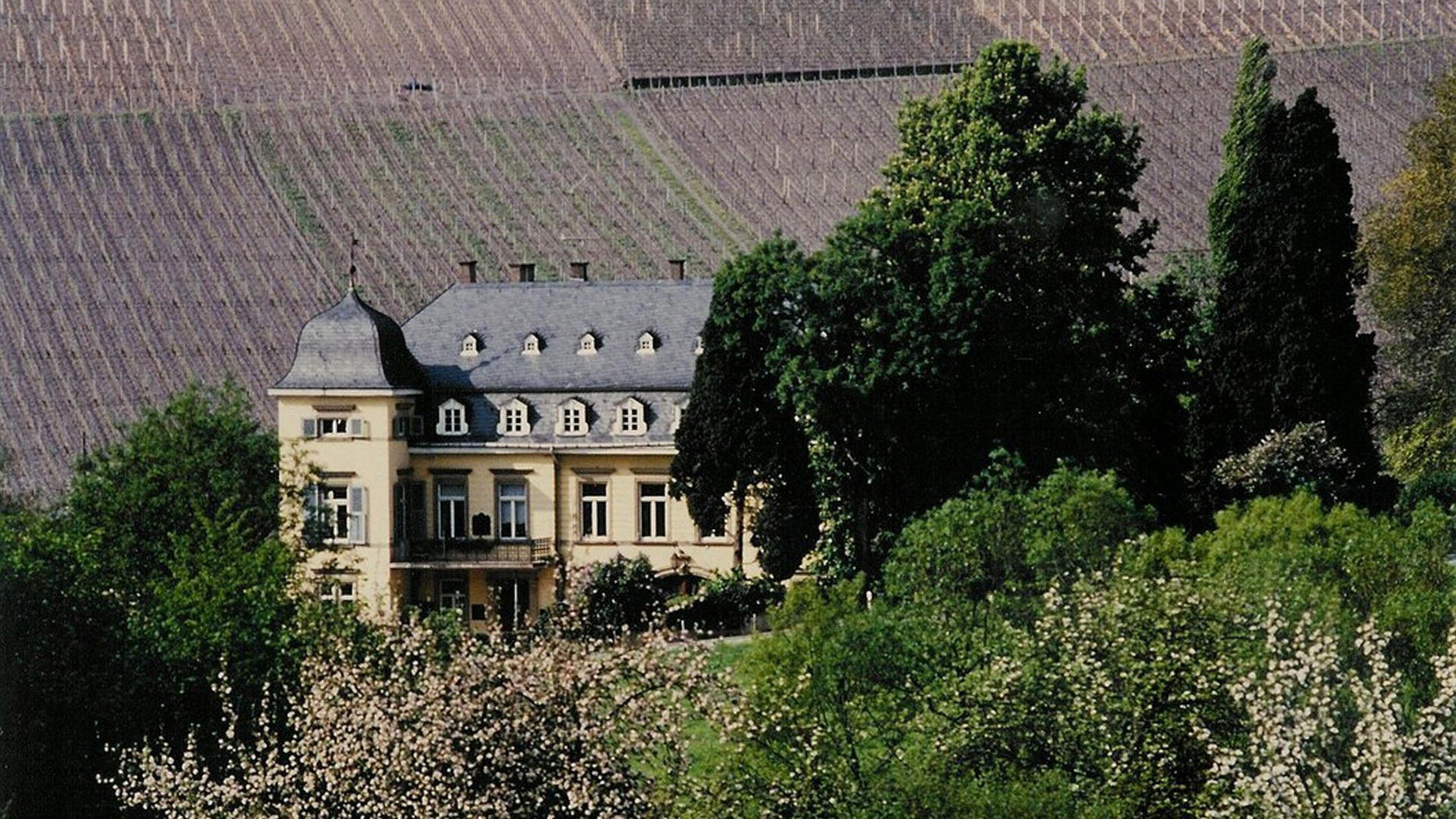
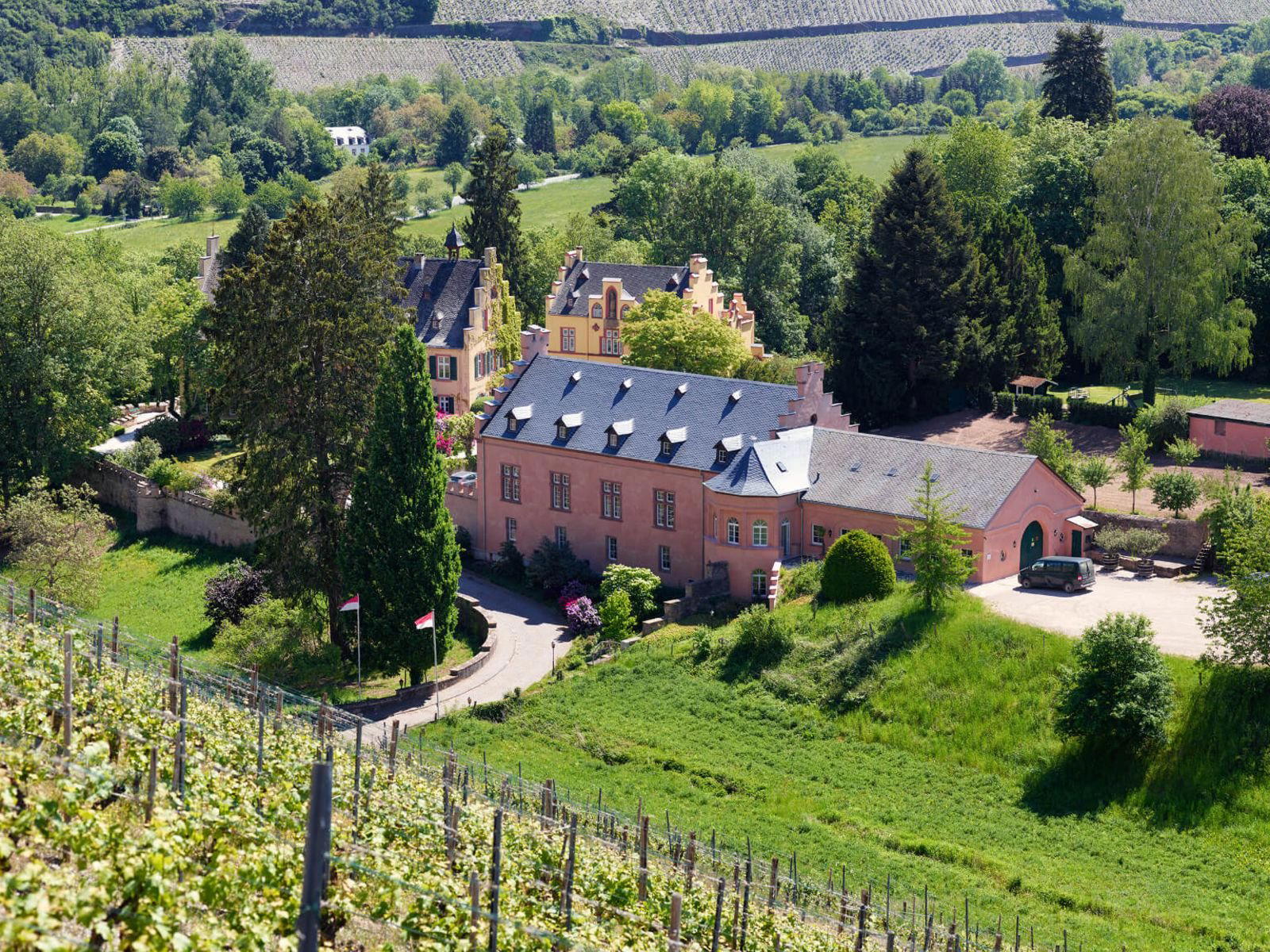
Set against the medieval backdrop of Bourglinster Castle in Luxembourg's Mullerthal region, Côté cour occupies a courtyard setting that frames the dining experience before a single dish arrives. The address places it firmly in Luxembourg's rural fine-dining circuit, where provenance-led cooking has become the dominant register among serious kitchens. A considered choice for those making the drive east from Luxembourg City.
Pearl is the En Primeur Club membership app — saves, bookings, and concierge access live there. Same editors, same standards.
- Address
- 9 Rue du Château, 6162 Bourglinster Junglinster, Luxembourg
- Phone
- +3527878781
- Website
- bourglinster.lu
- Directions
- Get directions
 Saves & bookings on Pearl
A Courtyard Address in Luxembourg's Eastern Reaches
Luxembourg's restaurant scene has, over the past decade, split along a recognisable fault line. On one side sit the capital's urban fine-dining rooms, competing on tasting menu length and wine list depth. On the other, a smaller cluster of destination addresses in the Grand Duchy's countryside, where the draw is as much about the drive and the setting as it is about what lands on the plate. Côté cour belongs to the second camp. Positioned at the base of Bourglinster Castle, in the Junglinster commune of Luxembourg's Mullerthal region, it operates as a courtyard restaurant in the architectural shadow of a medieval fortification. The physical approach alone establishes a register that the urban rooms cannot replicate: stone walls, open sky, a sense of occasion that arrives before the menu does.
Bourglinster itself sits roughly 20 kilometres east of Luxembourg City, close enough for an evening excursion but far enough to feel genuinely removed from the capital's pace. The Mullerthal, sometimes called Luxembourg's Little Switzerland for its sandstone rock formations and forested valleys, draws walkers and cyclists through the warmer months, and the village benefits from that passing traffic without being shaped entirely by it.
Where Ingredient Sourcing Defines the Register
Across Luxembourg's more serious rural kitchens, the sourcing question has become the organising principle of the menu. From the Basque country to coastal Brittany, the restaurants that have aged leading over the past fifteen years are those that anchored their cooking in a legible geography of supply. Luxembourg's small size is, counterintuitively, an advantage here: farm-to-table distances are genuinely short, and the Mullerthal's landscape supports dairy, game, and foraged produce that would require significant logistics elsewhere.
Côté cour's courtyard setting within a historic castle complex places it in a tradition that runs through several of Luxembourg's destination addresses, where the built environment and the natural one are understood as part of the same offer. Auberge De La Gaichel in Eischen operates on a similar logic of rural setting and produce-led cooking, and the Moselle-adjacent rooms like Domaine La Forêt in Remich connect their menus explicitly to regional viticulture and local produce cycles. What distinguishes the Mullerthal addresses is a slightly wilder, more forested sourcing palette: mushrooms, game, and foraged herbs carry more weight than the valley produce further south.
In this context, a courtyard restaurant at Bourglinster Castle is not simply a scenic choice. The address signals a particular orientation toward place, one where the kitchen's relationship to its immediate environment shapes the menu's character more than imported luxury ingredients or cosmopolitan technique alone. That orientation places Côté cour in a comparable set that includes Beim Schlass in Wiltz and Kachatelier Manternach in Manternach, addresses that share a commitment to working with what the surrounding landscape actually produces.
Luxembourg's Rural Fine-Dining Tier: Who Sits Where
The comparison set for the restaurant is neither the capital's high-end tasting rooms nor the casual brasseries that serve the walking trail crowd. Luxembourg's rural fine-dining tier is a relatively compact category, anchored at the leading by addresses like Léa Linster, whose Michelin recognition has made it a reference point for the entire Grand Duchy's serious cooking. Below that, a second tier of ambitious rural addresses competes on produce quality, setting, and cooking intelligence rather than on award tallies alone.
Within that second tier, the Mullerthal addresses tend to price at a level that reflects the investment in locally sourced, seasonally driven ingredients without reaching the four-course-plus pricing of the capital's most formal rooms. The contrast is worth noting for anyone planning a longer Luxembourg dining itinerary: a day that starts with a forest walk in the Mullerthal and ends at a courtyard dinner in Bourglinster functions as a coherent experience in a way that a purely urban itinerary does not. Elsewhere on the Luxembourg dining map, urban addresses like B13 in Bertrange and Beefbar Smets in Strassen occupy a different register entirely, one built around metropolitan accessibility rather than destination-driven occasion.
Lazy Bear in San Francisco, where the fixed format and sense of occasion do significant work alongside the cooking itself, or European counterparts where the building and its history are understood as part of the meal's architecture. The restaurant's castle context operates on that principle.
Planning a Visit
Bourglinster is accessible by car from Luxembourg City in under 30 minutes, and the castle complex is well-signposted from the main route through Junglinster. The courtyard format means weather is a consideration: the warmer months, roughly May through September, align with the setting's strengths, and the Mullerthal's walking season brings higher visitor volumes to the broader area. Becher Gare in Bech, Beim Bertchen in Wahlhausen, or De Pefferkär in Fennange builds a coherent picture of what the eastern Grand Duchy's kitchen scene looks like at its more considered end. Further afield, SENSA in Weiswampach and Der Napf in Wilwerdange represent the northern end of Luxembourg's rural dining circuit, completing a picture of a small country with a more varied serious-dining map than its size might suggest.
Chocolats du Cœur in Helmsange and Fuku in Veianen offer points of contrast on a broader Grand Duchy itinerary.
Comparable Spots, Quickly
Comparable venues nearby, for context on price, style, and recognition.
| Venue | Cuisine | Price | Notes |
|---|---|---|---|
| Côté courThis venue — the venue you are viewing | Creative Plant-Based French Brasserie | $$$$ | Not listed |
| Domaine La Forêt | Classical French-Luxembourg Cuisine | $$$$ | Remich |
| La Distillerie | Modern French Vegetable Fine Dining | $$$$ | Bourglinster |
| Maison B | Modern Luxembourgish Bistronomy | $$$ | Biergerkraiz |
| La Cristallerie | Michelin-Starred French Fine Dining | $$$$ | Ville Haute |
| La Table de Frank | French Brasserie | $$$ | Steinfort |
Continue exploring
More in Bourglinster
Restaurants in Bourglinster
Browse all →
Bars in Bourglinster
Browse all →
Hotels in Bourglinster
Browse all →
At a Glance
- Elegant
- Intimate
- Classic
- Cozy
- Special Occasion
- Date Night
- Courtyard
- Terrace
- Historic Building
- Extensive Wine List
- Local Sourcing
- Organic
- Garden
Current opening hours
- Monday
- Closed
- Tuesday
- Closed
- Wednesday
- 7–10 PM
- Thursday
- 7–10 PM
- Friday
- 7–10 PM
- Saturday
- 7–10 PM
- Sunday
- 12–3 PM
Hours can change for holidays and private events. Last verified .
Elegant rustic with intimate stylish vibe, relaxing atmosphere in castle setting.