L'Écuelle
Our verdict
Der Napf sits on Wilwerdange's main street in Luxembourg's Oesling region, where the Ardennes border shapes both the terrain and what ends up on the plate. The village setting places it firmly in the tradition of northern Luxembourg's countryside dining, where sourcing from the immediate agricultural surroundings is less a marketing position than a practical reality. A grounding stop for those travelling the quiet roads between Troisvierges and the Belgian border.

Pearl is the En Primeur Club membership app — saves, bookings, and concierge access live there. Same editors, same standards.
- Address
- 34 Hauptstrooss, 9980 Wilwerdange Troisvierges, Luxembourg
- Phone
- +352998956
- Hours
- Daily Closed
- Website
- lecuelle.lu
- Directions
- Get directions
- Booking
- Book on the venue's website
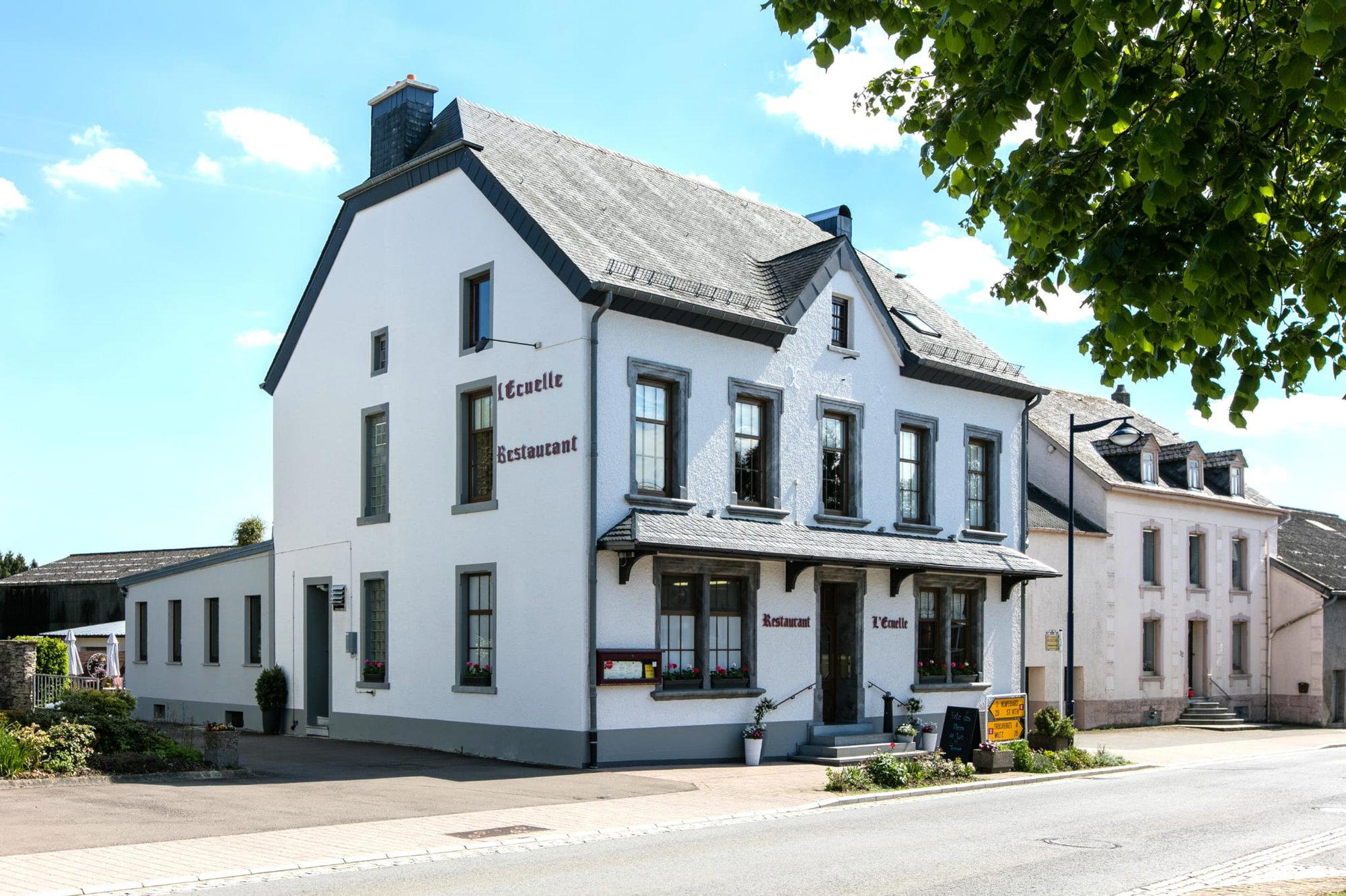
Where the Ardennes Larder Begins
Northern Luxembourg's Oesling plateau is farming and forestry country, and Wilwerdange sits near its quietest edge. The village of Troisvierges municipality runs close to the Belgian border, where the Ardennes forest thickens and the agricultural rhythm slows to something pre-industrial in feel. In that context, a restaurant on the Hauptstrooss is less a destination pulled out of nowhere than a continuation of how this part of Luxembourg has always fed itself: from what grows, grazes, and forages nearby. Der Napf occupies that address at 34 Hauptstrooss, and the building's position on the village's main road signals the kind of place it is before you step inside — rooted in its surroundings rather than performing a cuisine imported from somewhere else.
The Oesling is sometimes called Luxembourg's forgotten north, and the description is geographically fair. Compared to the Moselle valley's wine tourism or Luxembourg City's restaurant density, this region draws a quieter, more deliberate traveller: walkers using the Mullerthal or Our valley trail networks, cyclists on the Vennbahn route, and families moving between the Belgian and Luxembourg Ardennes. For those visitors, the dining logic here differs from the capital's circuit. Restaurants in this tier of the country tend to reflect proximity to their raw materials more directly than their urban counterparts, and that proximity shapes menus in ways that urban sourcing can approximate but rarely replicate.
The Sourcing Logic of Rural Luxembourg
Across northern Luxembourg and the adjacent Belgian Ardennes, a clear pattern holds: the restaurants that endure in small villages are the ones structurally connected to local producers. That might mean game from Ardennes hunters in autumn, dairy from farms within a short radius, or foraged ingredients — wild garlic, mushrooms, berries, that shift the menu week to week rather than season to season. This is not the fashionable farm-to-table positioning of urban restaurant groups; it is the older and more practical version of the same idea, where geography imposes the supply chain rather than marketing departments choosing it.
Luxembourg's northern countryside has historically produced beef, pork, and dairy at a scale that comfortably supplies local tables. The country's agricultural identity, while smaller than its neighbours', punches above its weight in quality-per-unit terms, particularly for charcuterie traditions that share roots with the Ardennes across the Belgian border. For a restaurant in Wilwerdange, these are not abstract supply relationships but immediate ones: producers, in some cases, are within the same municipality. That compression between field and plate is the defining ingredient logic of this part of the country, and it represents something that more famous Luxembourg restaurants, places like Léa Linster, operating at the €€€€ tier with a different competitive set entirely, trade for technique and refinement. Neither approach is superior; they serve different purposes and different travellers.
For context on how the broader northern Luxembourg dining scene distributes itself, SENSA in Weiswampach represents one point on that spectrum, operating close to Wilwerdange and drawing from a similar Oesling sourcing environment. Further south, Auberge De La Gaichel in Eischen shows how Ardennes-adjacent dining can graduate to a more formal register while retaining its countryside foundations. The range between these reference points maps the realistic options for anyone planning a northern Luxembourg itinerary.
Village Dining in Practice
Restaurants in settlements the size of Wilwerdange, Troisvierges municipality has a population measured in hundreds rather than thousands, operate under different commercial conditions than city restaurants. Covers are limited by the community's size, which means a loyal local base matters more than passing trade. That dynamic tends to produce a particular atmosphere: less performative than urban dining rooms, more consistent in its rhythms, and oriented toward the kind of repeat visit where the kitchen knows what regulars prefer. It is a format that Beim Bertchen in Wahlhausen and Becher Gare in Bech both demonstrate at different ends of the country: the village restaurant as community anchor rather than destination showcase.
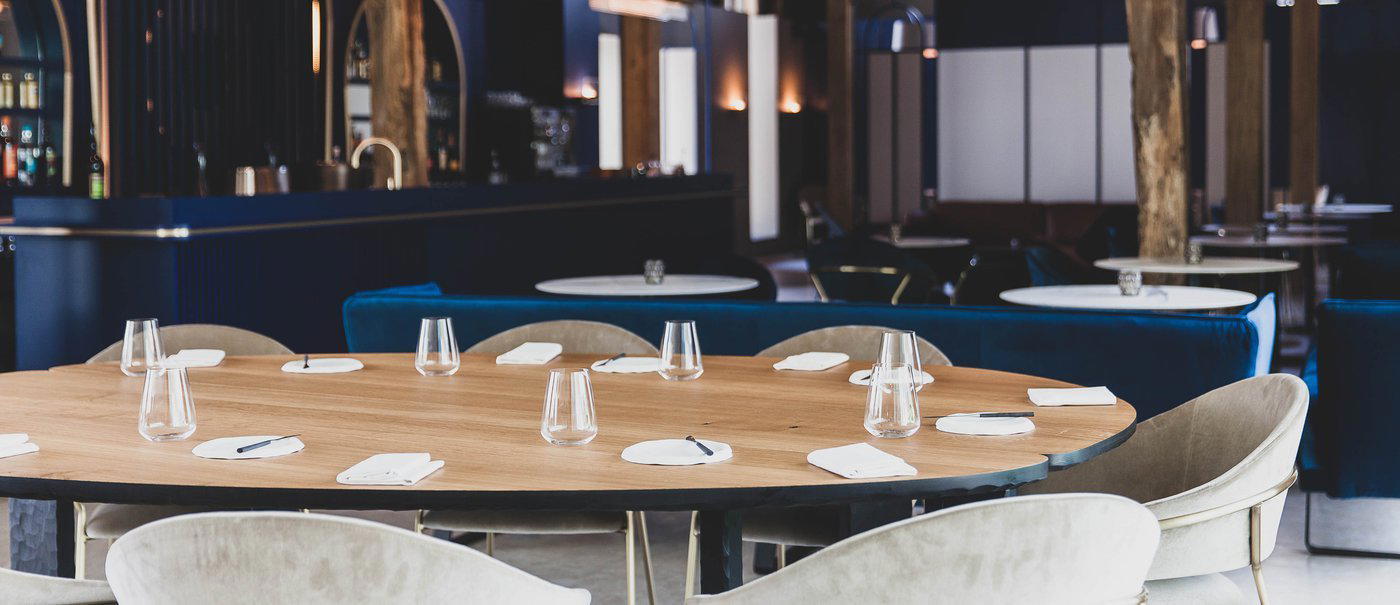
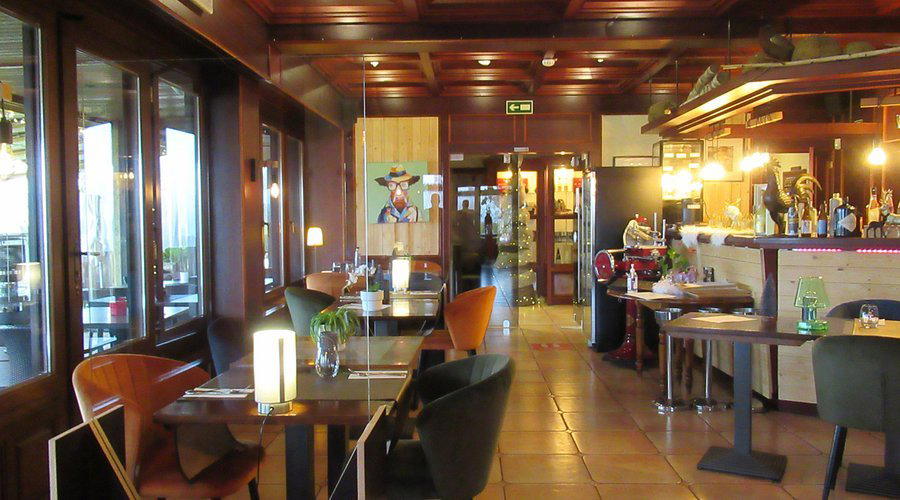
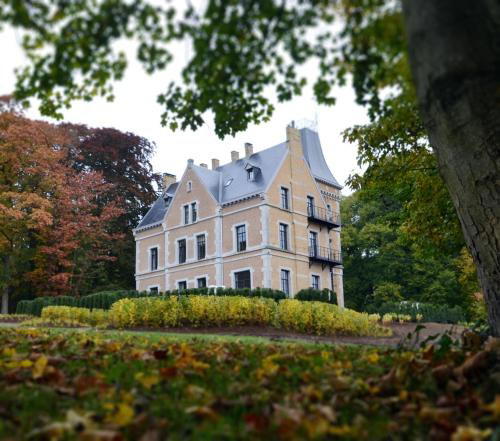
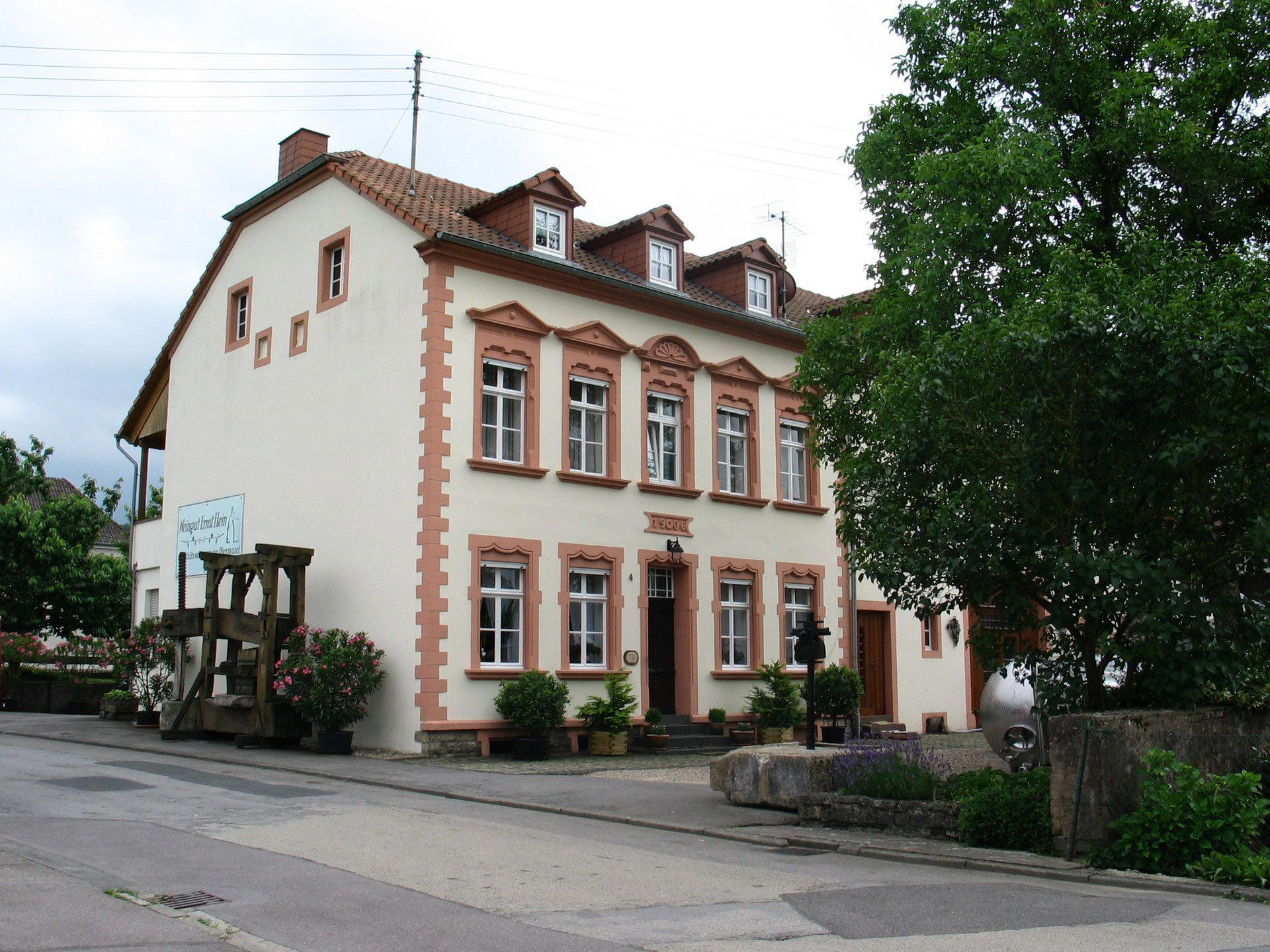
The architectural and interior character of this address type in Luxembourg's north is typically direct: stone or rendered façades, interiors that prioritise comfort over design statements, and a sense that the room has been in continuous use across decades. Whether Der Napf conforms exactly to that pattern is best confirmed on arrival, but the address and village scale make a dramatically different presentation unlikely. What visitors generally find in this tier of rural Luxembourg dining is warmth without formality and a pace set by the kitchen rather than a tasting-menu clock.
Planning Your Visit
Wilwerdange sits in Luxembourg's far north, accessible by road from Troisvierges, which is the nearest town with rail connections on the Luxembourg-Liège line. Driving from Luxembourg City takes approximately 90 minutes via the E421 and N18 route, making Der Napf a realistic lunch stop on a day trip through the Oesling rather than a standalone evening destination from the capital, though visitors already staying in the Ardennes region will find it on their doorstep. Troisvierges itself is the practical base for this corner of Luxembourg, with accommodation options that make an overnight trip viable.
Given the village scale, contacting the restaurant directly before visiting is advisable, particularly for groups or weekend evenings when covers in smaller rooms fill faster than they appear to. This applies across the category: Luxembourg's rural dining rooms rarely operate the kind of online booking infrastructure common in the capital, and a phone call remains the more reliable method. For a broader picture of what northern Luxembourg offers before finalising a route, our full Wilwerdange restaurants guide maps the local options in more detail.
For comparison with Luxembourg's wider dining geography, the contrasts are instructive. The capital's mid-range circuit includes places like B13 in Bertrange and Beefbar Smets in Strassen, operating at a different price point and format. Elsewhere in the country, Beim Schlass in Wiltz sits in the northern interior with a comparable village-scale character, while De Pefferkär in Fennange, Domaine La Forêt in Remich, and Côté cour in Bourglinster each anchor their respective parts of the country. At the specialty end, Fuku in Veianen, Kachatelier Manternach, Chocolats du Cœur in Helmsange, and Brasserie de La Gaichel in Arlon serve as reference points for the range Luxembourg's food scene covers. Internationally, the communal-format dining that rural village restaurants share in spirit with places like Lazy Bear in San Francisco or the ingredient-first rigour of Le Bernardin in New York City illustrates how deeply the sourcing principle runs across different price tiers and geographies, even if the execution here is considerably more grounded and unadorned.
Frequently asked questions
Does Der Napf work for a family meal?
Village restaurants in Wilwerdange, within the Troisvierges municipality, typically serve a broad cross-section of locals — families included. The scale of the settlement, population measured in hundreds, points toward a format built around regulars rather than destination crowds.
What's the vibe at Der Napf?
Wilwerdange sits at the quietest edge of Luxembourg's Oesling plateau, farming and forestry country where the pace is unhurried. At this scale of settlement, restaurants tend to function as genuine community anchors rather than destination dining rooms — practical, grounded, and oriented toward the local rather than the visitor. Expect an atmosphere shaped more by the rhythms of rural northern Luxembourg than by any urban hospitality formula.
Is Der Napf worth the drive from Luxembourg City to the far north of the country?
Wilwerdange is in Luxembourg's far north, accessed via Troisvierges, which sits on the Luxembourg-Liège rail line and is the nearest town with wider transport links. The drive from Luxembourg City covers a meaningful distance across the Oesling plateau — this is not a casual detour. Visitors combining Der Napf with broader exploration of the Ardennes border region, rather than treating it as a standalone trip, will find the journey makes the most sense logistically.
What's the signature dish at Der Napf?
What the northern Luxembourg and Belgian Ardennes region does reliably offer is a larder built around game, freshwater fish, seasonal produce, and cured meats — ingredients that define cooking across the Oesling plateau. Reaching Der Napf directly is the most reliable way to confirm what is currently on the menu.
How It Stacks Up
Comparable venues nearby, for context on price, style, and recognition.
| Venue | Cuisine | Price | Awards | Notes |
|---|---|---|---|---|
| L'ÉcuelleThis venue — the venue you are viewing | French Fine Dining | Not listed | Not listed | Not listed |
| De Pefferkär | Modern French with Asian influences | $50–100 | Michelin Plate | Huncherange |
| Brasserie Ciel | Bistronomic French Brasserie | Not listed | Not listed | Ville Haute |
| Le Q dans le Beurre | Lyon-style Bouchon Brasserie | $50–100 | Not listed | Bonnevoie-Nord / Verlorenkost |
| La Rameaudière | Classic French Fine Dining | Not listed | Michelin Plate | Ellange |
| Namur | French Pâtisserie and Café | Not listed | Not listed | Bertrange |
Continue exploring
More in Wilwerdange
Restaurants in Wilwerdange
Browse all →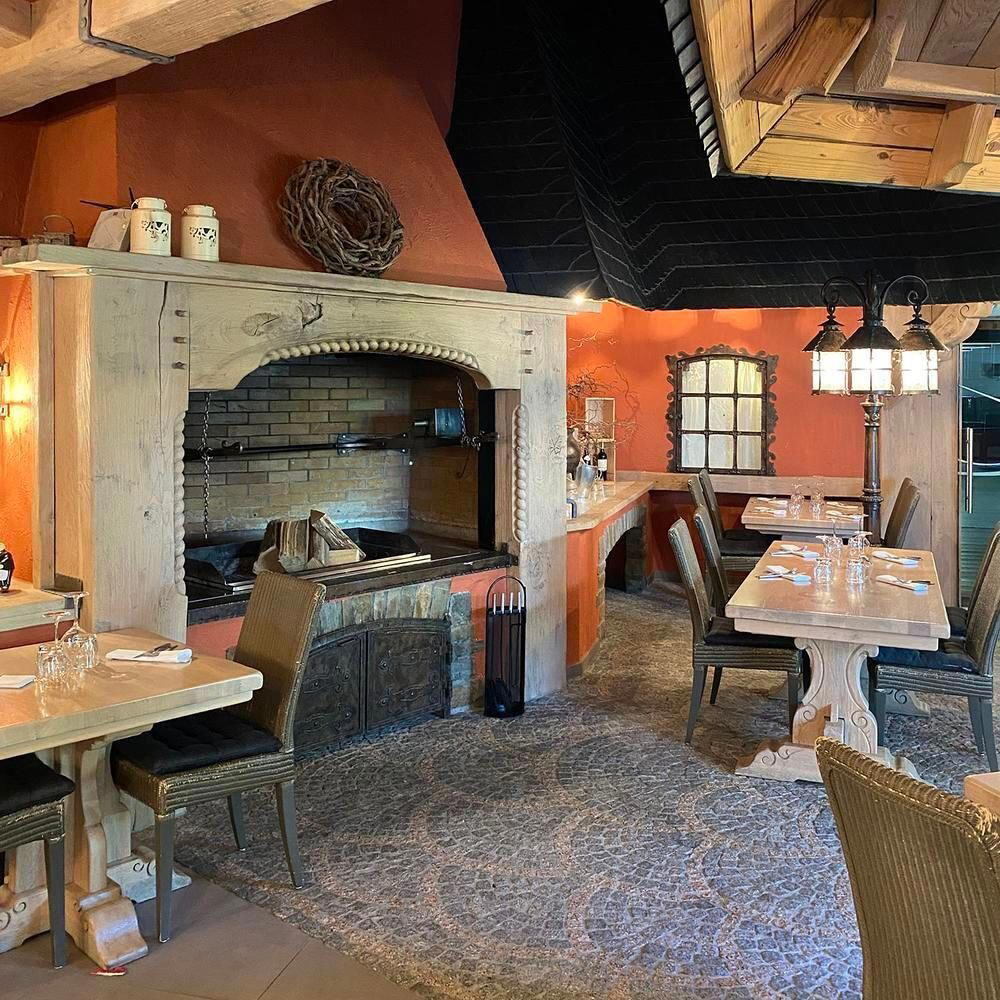
Hotels in Wilwerdange
Browse all →

Details
- Cozy
- Rustic
- Date Night
- Special Occasion
- Standalone
- Local Sourcing
- A La Carte
Current opening hours
- Monday
- Closed
- Tuesday
- Closed
- Wednesday
- Closed
- Thursday
- Closed
- Friday
- Closed
- Saturday
- Closed
- Sunday
- Closed
Hours can change for holidays and private events. Last verified .
Cozy and slightly rustic with a bürgerlich charm and fresh, creative cuisine.