Beim Schlass
Beim Schlass occupies a prominent address on Grand-Rue in Wiltz, the principal market town of Luxembourg's Ardennes north. Within a dining region where farm proximity and seasonal discipline shape the better kitchens, it represents the northern tier of Luxembourg's restaurant offer, a counterpart to the country's more trophy-laden south.
Pearl is the En Primeur Club membership app — saves, bookings, and concierge access live there. Same editors, same standards.
- Address
- 1 Grand-Rue, 9530 Wiltz, Luxembourg
- Phone
- +352691610466
- Website
- beimschlass.lu
- Directions
- Get directions
 Saves & bookings on Pearl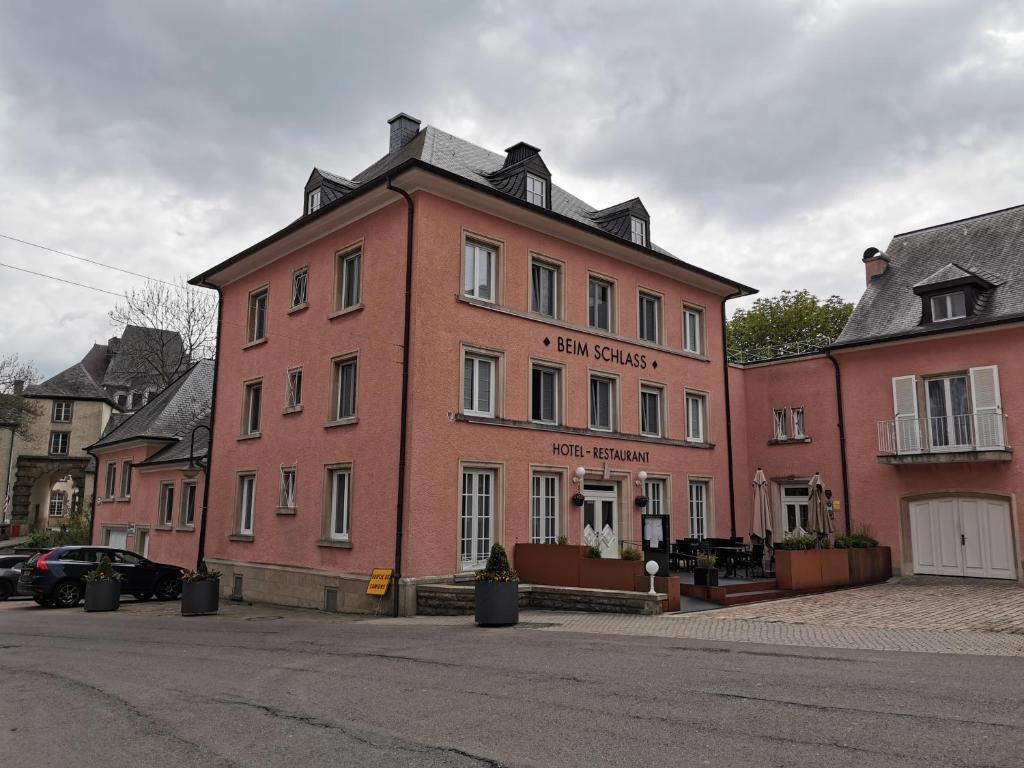
Where the Ardennes Defines the Plate
Wiltz sits in Luxembourg's Ardennes canton, a stretch of the country that receives fewer international visitors than the Moselle wine corridor or Luxembourg City, yet operates its own distinct food economy. The northern communes draw on farmland, river systems, and forest in ways that the capital's restaurants can only approximate through supply chains. Beim Schlass, addressed at 1 Grand-Rue in the centre of Wiltz, occupies a position at the heart of that local food geography. The address places it on the town's main commercial artery, in a region where sourcing proximity is less a marketing choice than a practical reality of the terrain.
For context, Luxembourg's most decorated kitchens, places like Léa Linster in Luxembourg, operate at the upper end of a small national dining scene in terms of Michelin recognition. The Ardennes north, by contrast, has historically offered a quieter register, fewer starred rooms, more emphasis on regional produce and the kind of cooking that reflects a range of game, root vegetables, and cold-season ingredients. That is the culinary tradition into which Beim Schlass falls.
The Ardennes Kitchen: Sourcing as Structure
Across northern Luxembourg and the adjacent Belgian Ardennes, the kitchens that earn sustained local loyalty tend to share a structural logic: the supply chain drives the menu rather than the other way around. Wild boar, venison, trout from the Sûre and its tributaries, seasonal mushrooms from forest floors, and root crops from smallholdings within a short radius of any given table, these form the backbone of serious cooking in the region. This is not farm-to-table as a branding gesture but a function of where the food comes from and what arrives with reliability in any given week.
That sourcing discipline shapes the character of dining in Wiltz and the wider canton in ways that distinguish it from Luxembourg City's more cosmopolitan offer. A meal in this part of the country tends toward honest season-tracking: what is on the plate reflects what is available locally and at its point of readiness, not what a centralised distribution network can ship year-round. For visitors coming from more internationally supplied dining environments, this can read as restraint; for those who understand the regional tradition, it reads as precision. Comparable dynamics appear in other small European market towns with strong agricultural hinterlands, from the Eifel across the border to comparable kitchens in Luxembourg's own south, such as Auberge De La Gaichel in Eischen.
Wiltz as a Dining Destination
Wiltz is best understood as Luxembourg's Ardennes hub, a town of modest scale whose rhythm is set by the agricultural calendar, a summer festival season, and proximity to the cross-border Ardennes region that extends into Belgium. It is not a destination built around restaurant density in the way that Luxembourg City or some of the Moselle wine villages are. What it offers instead is a more direct relationship between local production and local consumption, a dining character shaped by the economics and geography of a small market town surrounded by productive countryside.
This context matters for visitors planning around food. The expectations appropriate to Luxembourg City fine dining, where venues like SENSA in Weiswampach occupy a contemporary creative register, are not quite the right frame for the Ardennes north. The better question is not how a Wiltz address compares to a starred city room, but what it offers on its own terms: proximity to source, regional character, and the particular quality that comes from cooking in a place where the seasons are not optional context but operative fact.
For those planning a broader Luxembourg itinerary that extends beyond the capital, our full Wiltz restaurants guide maps the town's dining offer against the wider Ardennes context. Other regional comparisons worth consulting include Beim Bertchen in Wahlhausen, Der Napf in Wilwerdange, and Becher Gare in Bech, each of which operates in the northern or rural tier of Luxembourg's restaurant scene with a comparable relationship to local produce rhythms.
Planning a Visit
Beim Schlass is located at 1 Grand-Rue, 9530 Wiltz, placing it centrally in the town and accessible without difficulty from the main approach roads. Wiltz is reachable from Luxembourg City by train in approximately one hour, or by car via the N26 north. The town functions as a staging point for the wider Ardennes, and visitors combining a meal here with time in the surrounding countryside, particularly during autumn when the regional larder is at its fullest, are working with the natural logic of the place. Reservations are recommended, and at about $50 per person, the restaurant sits in a midrange price tier.
Visitors to Luxembourg with a broader interest in the country's dining range will find useful comparisons in the capital's contemporary offer, from B13 in Bertrange to Beefbar Smets in Strassen, and in the country's southern and eastern registers through addresses like Domaine La Forêt in Remich and Côté cour in Bourglinster. For creative cooking in a more rural northern setting, De Pefferkär in Fennange and Kachatelier Manternach in Manternach represent comparable regional alternatives. International benchmarks for sourcing-led cooking at higher price tiers include Lazy Bear in San Francisco and, for classical precision in produce-driven seafood, Le Bernardin in New York City. For a Luxembourgish patisserie counterpoint, Chocolats du Cœur in Helmsange and Fuku in Veianen round out a cross-country picture of what the country's food offer looks like outside its most-recognised rooms.
Comparable Spots, Quickly
Comparable venues nearby, for context on price, style, and recognition.
| Venue | Cuisine | Price | Notes |
|---|---|---|---|
| Beim SchlassThis venue — the venue you are viewing | Luxembourgish Regional with French Influences | $$$ | Not listed |
| Mathes | Modern French Fine Dining | $$$ | Ahn, Wormeldange |
| La Bergamote | French Brasserie | $$$ | Hollerich |
| Brasserie Ciel | Bistronomic French Brasserie | $$$ | Ville Haute |
| Le Q dans le Beurre | Lyon-style Bouchon Brasserie | $$$ | Bonnevoie-Nord / Verlorenkost |
| Madeleine | French, Italian & Luxembourgish Specialties | $$ | Marnach |
At a Glance
- Cozy
- Elegant
- Scenic
- Date Night
- Special Occasion
- Terrace
- Historic Building
- Local Sourcing
- Garden
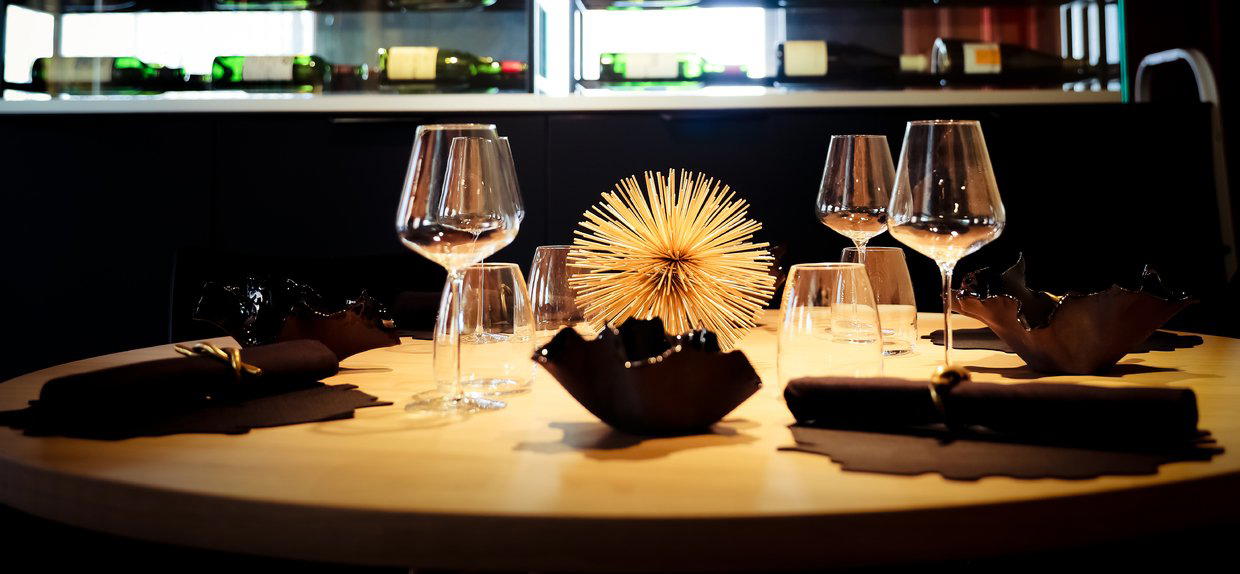
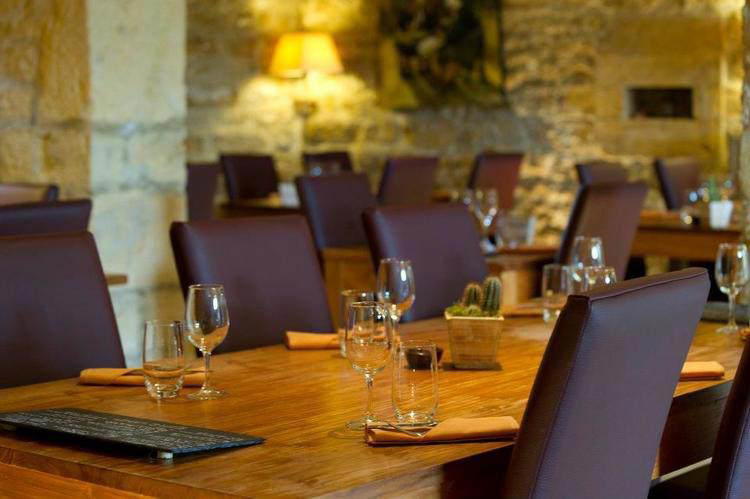
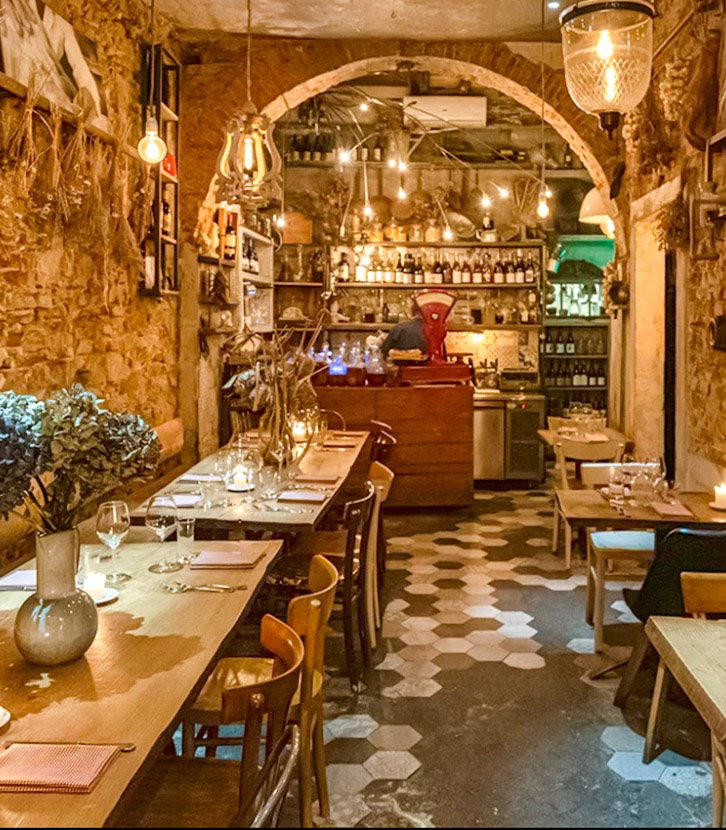
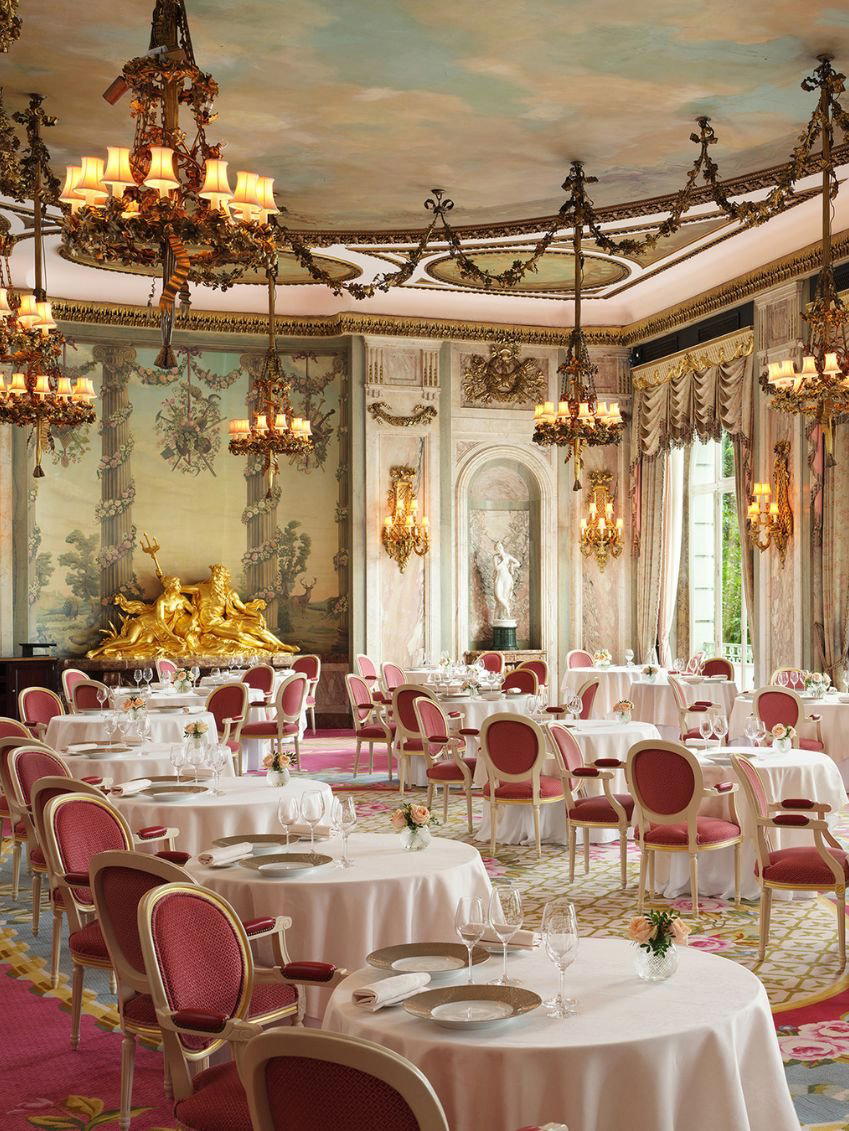
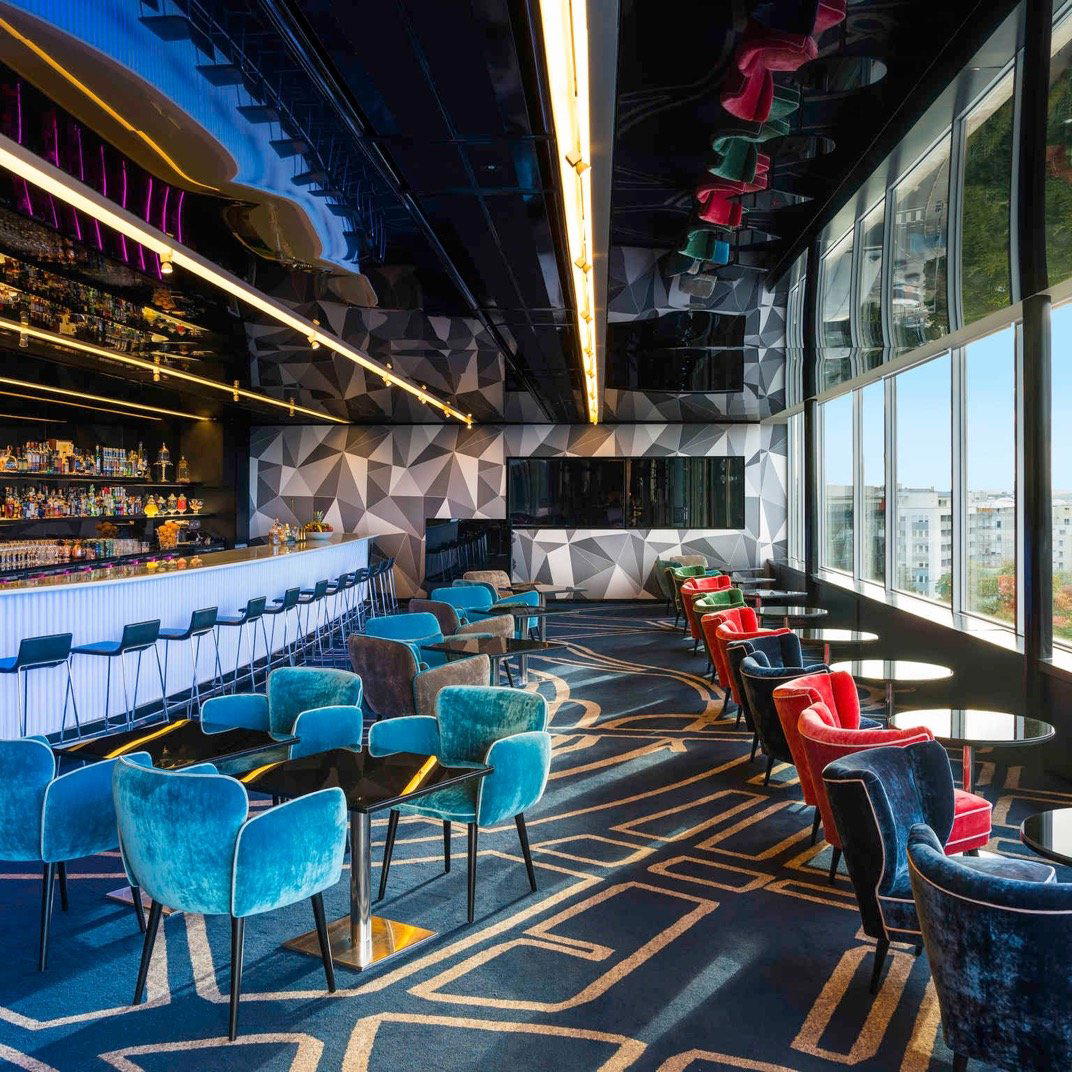
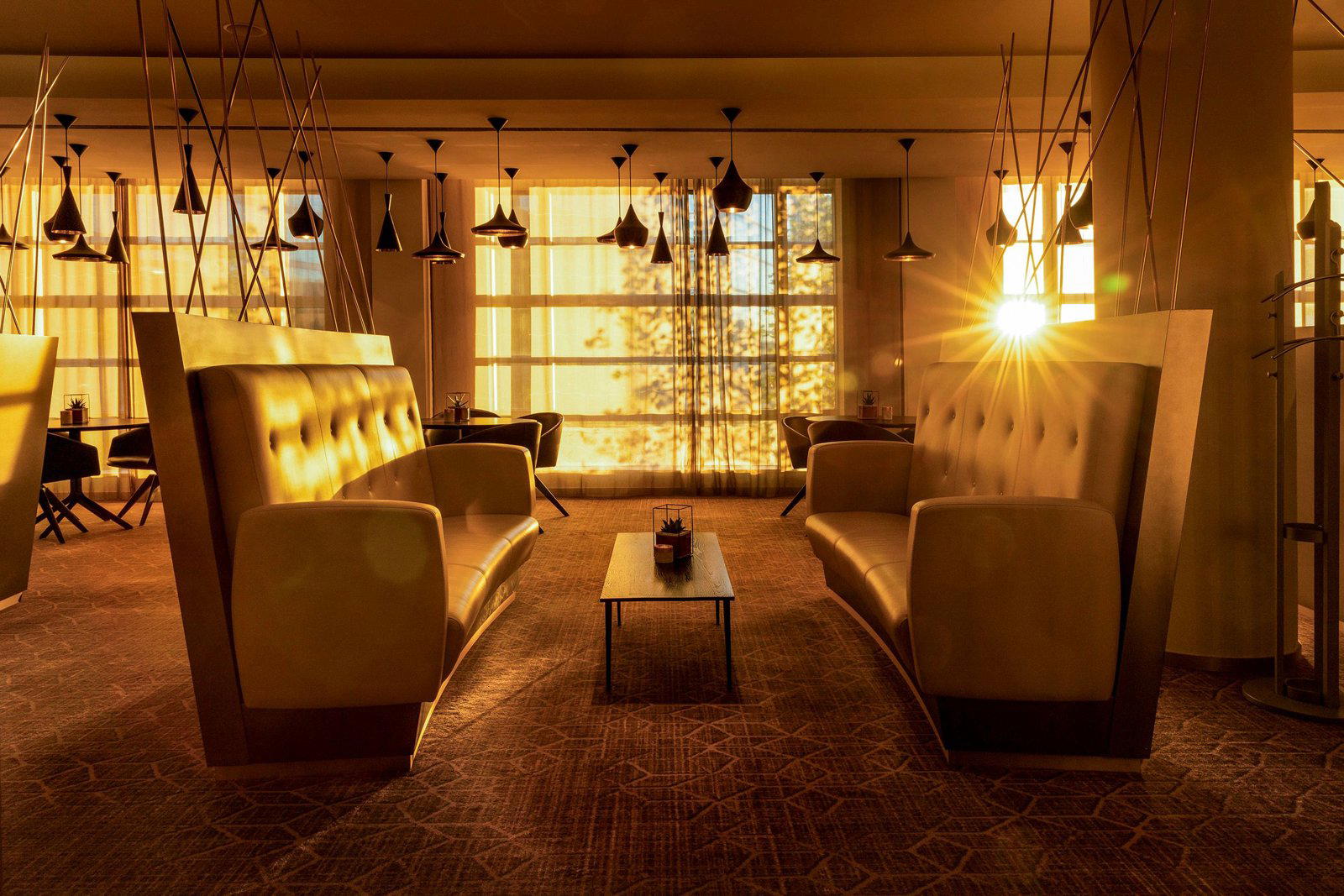
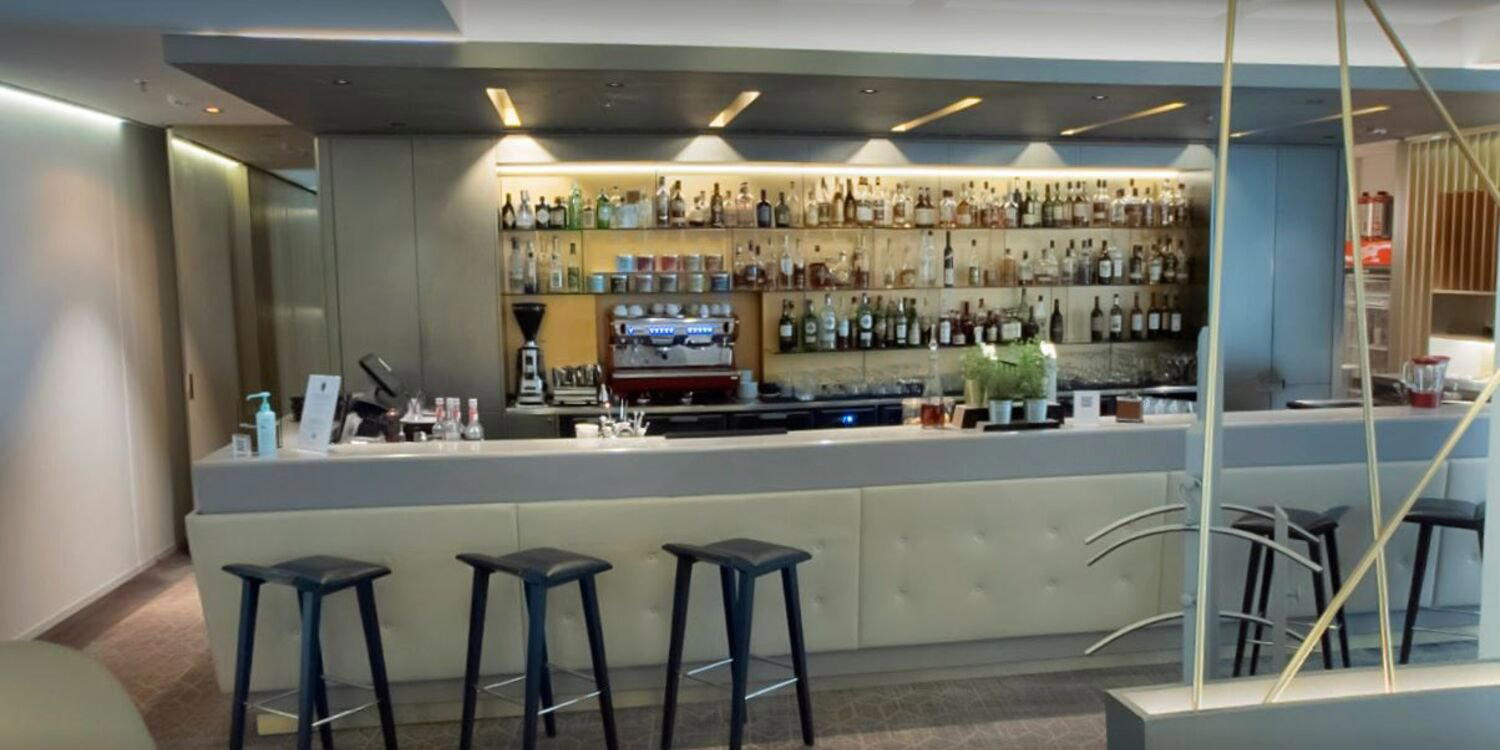
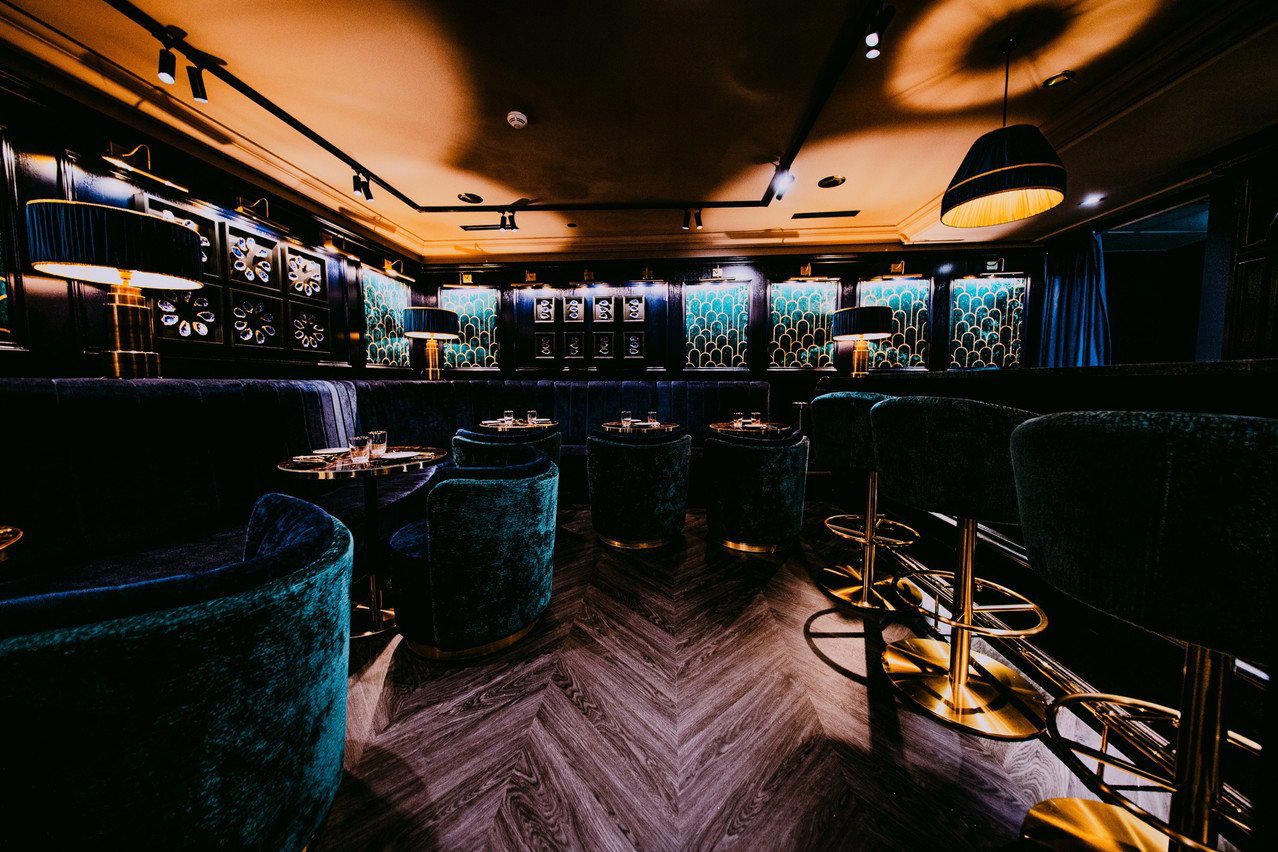
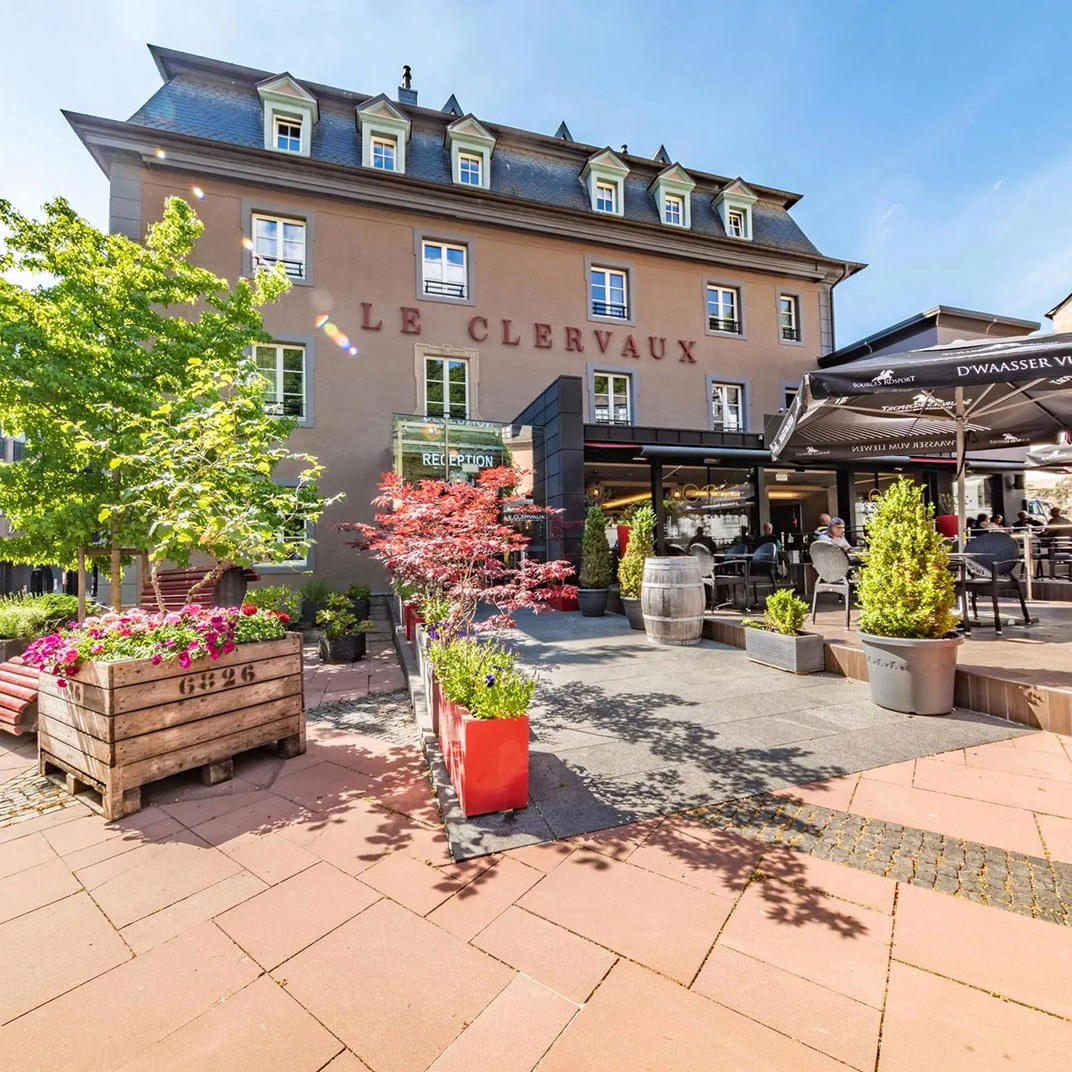
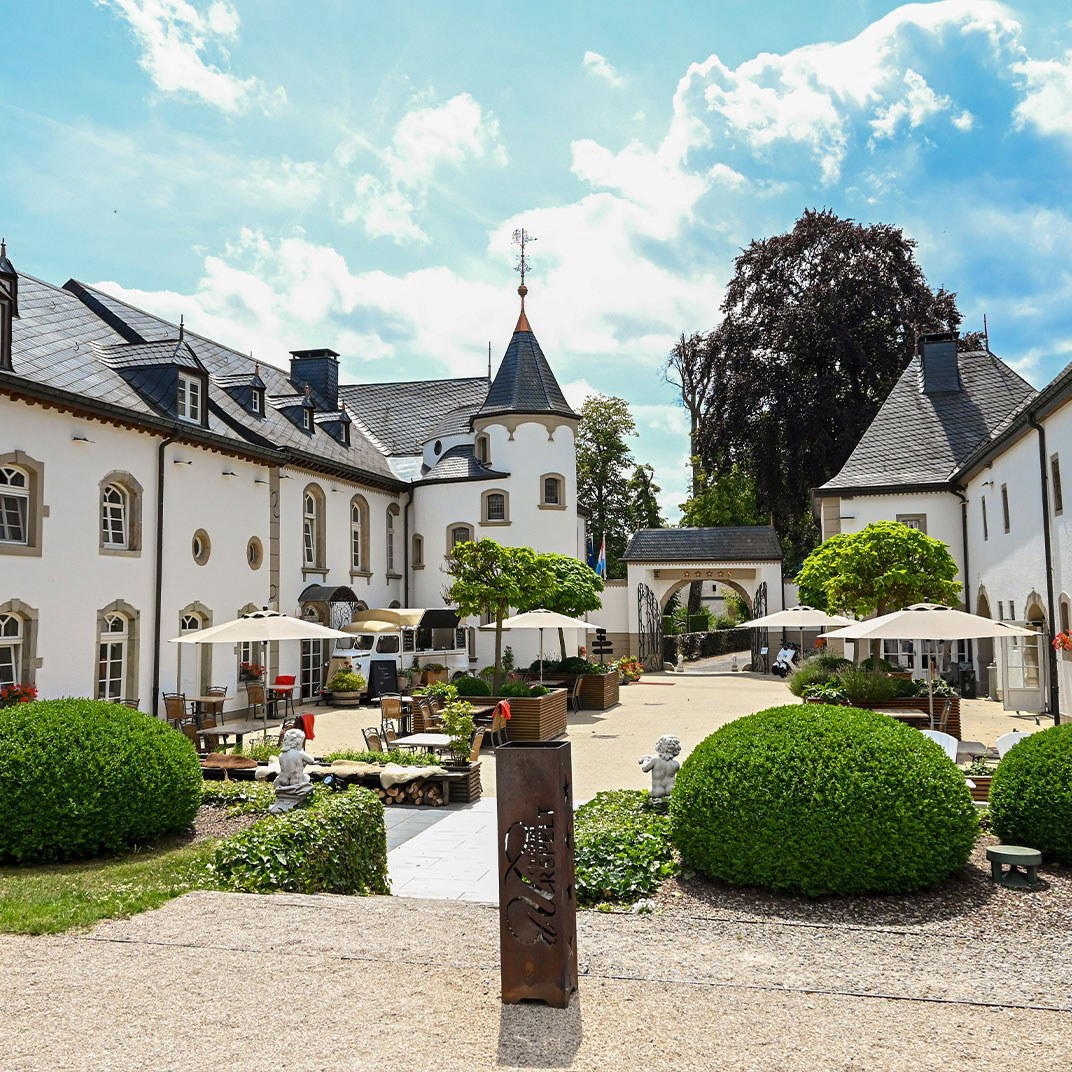
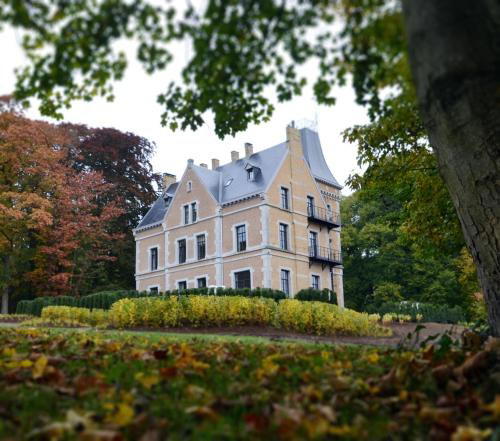
Modern and welcoming atmosphere with a peaceful terrace setting.