Apdikt


1 Michelin Star · We're Smart World 2 Radishes
Our verdict
A Michelin-starred table inside a converted pharmacy in Steinfort, Apdikt operates on a daily-changing surprise menu driven by market availability. Chef Mathieu Van Wetteren brings precision and restraint to creative combinations, with vegetables occupying a central role rather than an afterthought. Paired drinks, an authentic herringbone parquet setting, and a format built around mystery make this one of Luxembourg's more deliberate dining experiences.

Pearl is the En Primeur Club membership app, where members save venues, book tables and use the concierge.
The menu
What to order
- Crispy parcels of grey shrimps with frothy espuma of cod and samphire
An Old Apothecary, a New Kind of Ritual
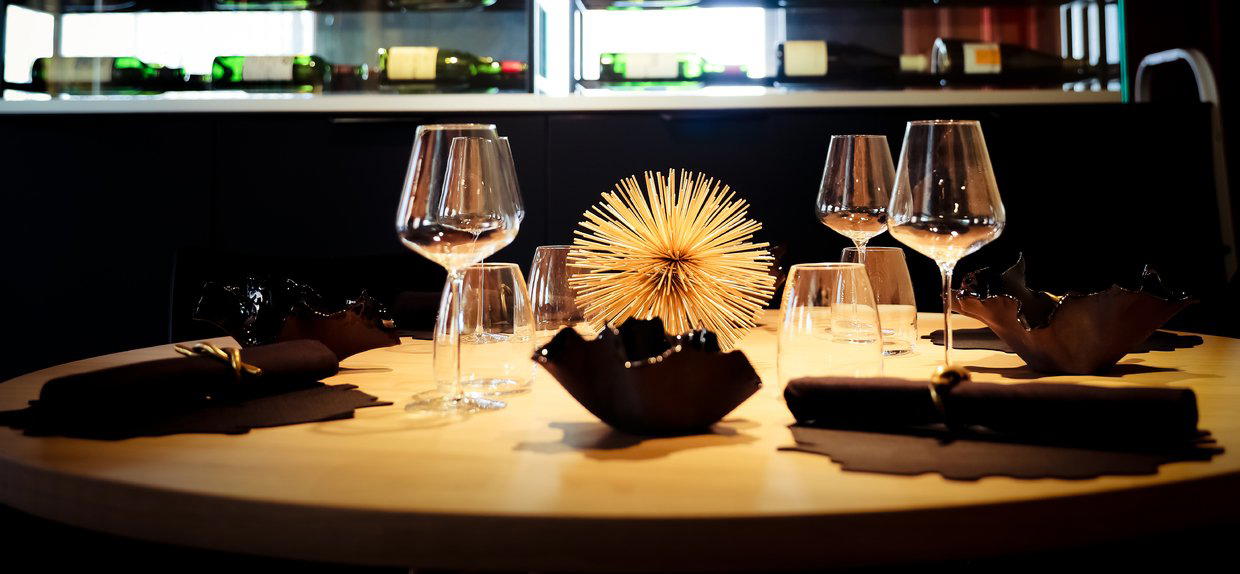
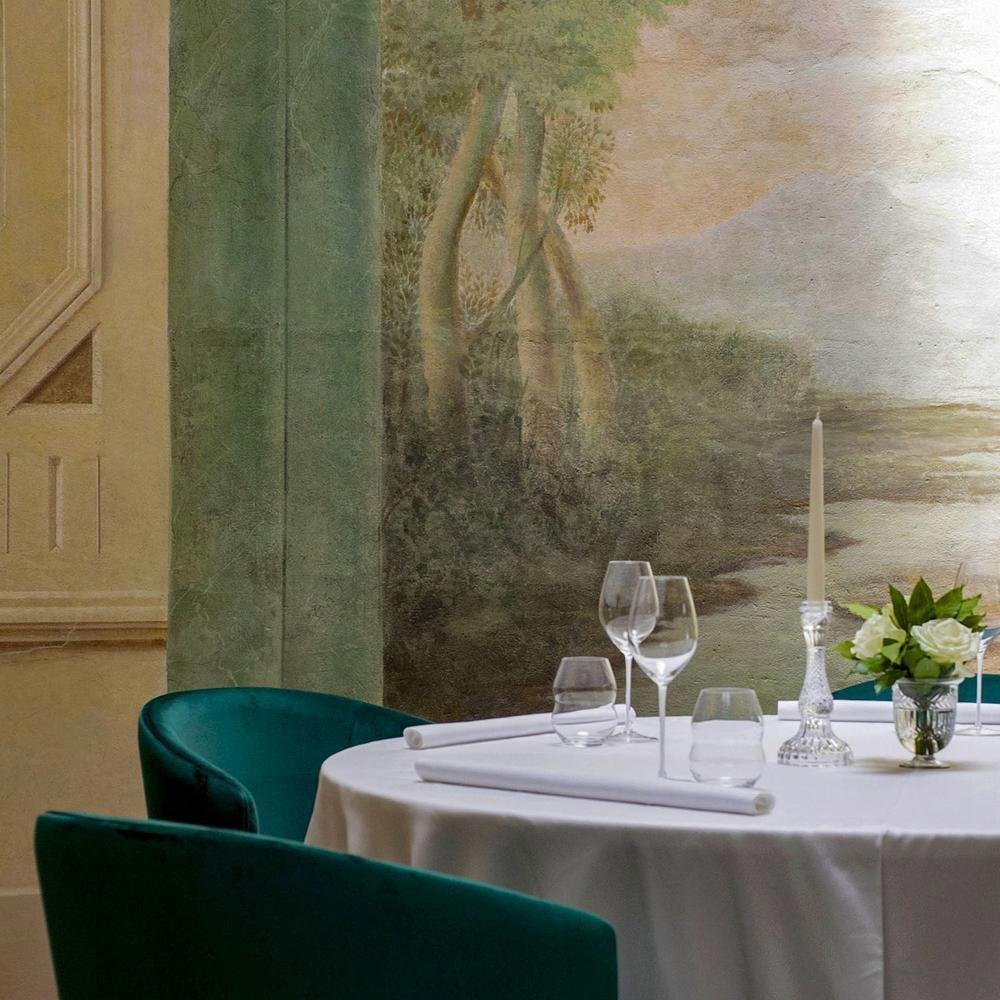
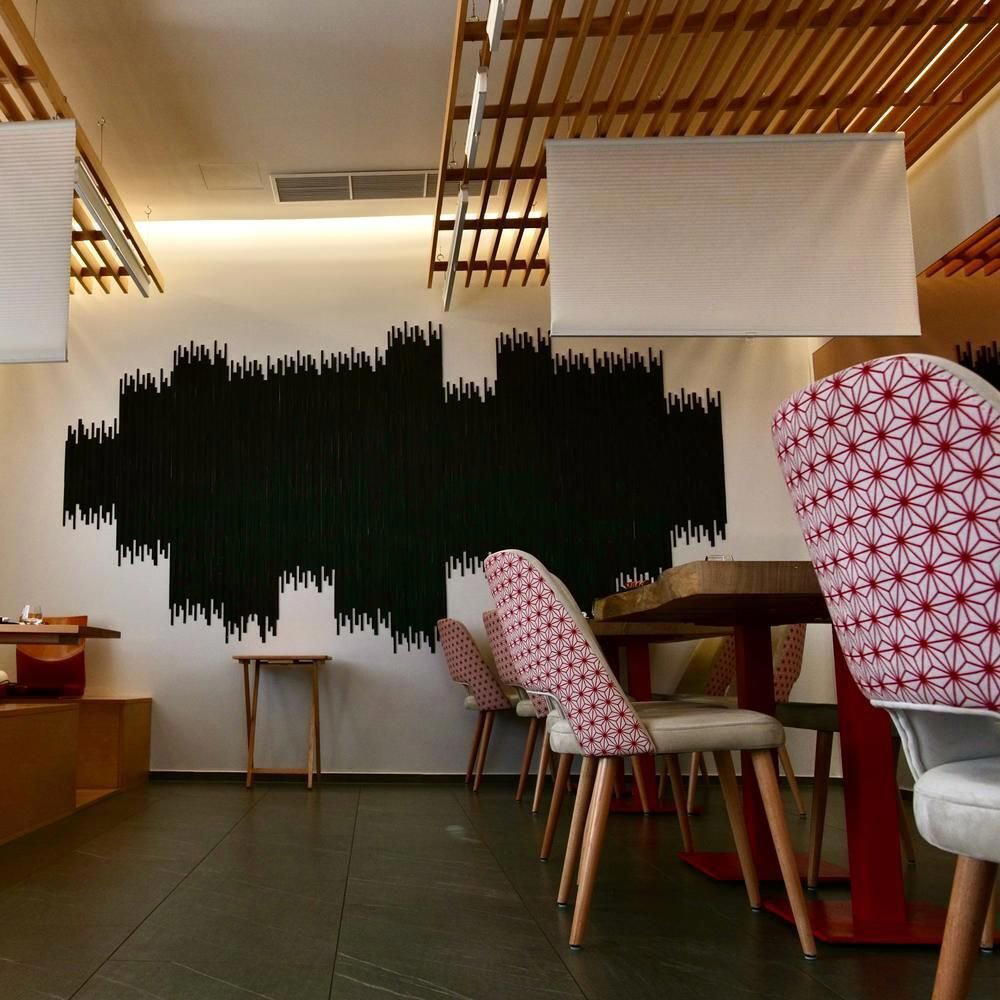
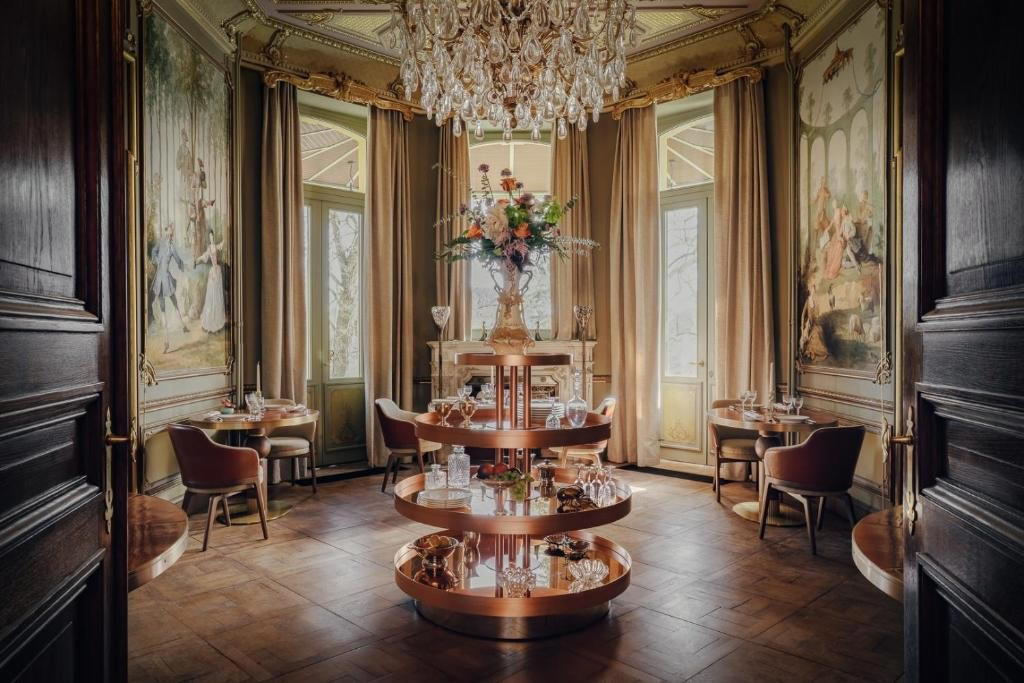
There is something fitting about a Michelin-starred restaurant taking root in a former pharmacy. The building at 1 Rue des Martyrs in Steinfort carries the kind of accumulated character that newer dining rooms spend years trying to manufacture: original herringbone parquet underfoot, walls that have absorbed a century of purpose, and a renovation that chose to work with the structure rather than erase it. Subtle references to manga and comic strips surface throughout the interior, a quietly personal counterweight to the otherwise composed aesthetic. The result is a dining room that feels considered rather than costumed.
This tension between the archival and the contemporary sets the tone for everything that follows. In Luxembourg's premium creative dining tier, the settings tend toward either the rigorously modern or the formally classical. Apdikt occupies a different register: intimate, slightly offbeat, and built around a format that asks something of the guest before the first course arrives.
The Format as the Foundation
The dining ritual at Apdikt begins with an act of surrender. There is no menu to consult. Chef Mathieu Van Wetteren operates exclusively on a surprise format, with the menu adjusted daily according to what the market has offered that morning. Guests arrive knowing only that they have committed to a creative tasting menu; the specifics reveal themselves one course at a time.
This approach is more common at the top end of European creative dining than it was a decade ago, but it carries different weights in different hands. At its weakest, the surprise-menu format can feel like a chef preserving mystique at the expense of the guest. At Apdikt, the format appears to function as a genuine working method, one that keeps the kitchen responsive to seasonality and prevents the calcification that affects tasting menus locked into their greatest hits. The Michelin inspectors who awarded the restaurant its star in 2024 noted that Van Wetteren does not fall into the trap of overworking his recipes, a meaningful distinction in a creative tier where elaboration can become its own form of noise.
Pacing matters in this format. Because no two services run an identical sequence, the rhythm of the meal is determined each day rather than engineered in advance. What carries from one evening to the next is a consistent orientation: flavours described by observers as direct and substantial, combinations that register as surprising without tipping into provocation, and cooking times executed with precision. The drinks pairing follows the same logic, adapted to each iteration of the menu rather than fixed to a standard wine list. That responsiveness across both food and drinks is relatively unusual at this price tier in Luxembourg.
Vegetables at the Centre
One of the more editorially interesting aspects of Apdikt within the Luxembourg creative dining conversation is its treatment of vegetables. Across the premium tier in this country and across the border in comparable European markets, vegetables have historically served as accompaniment or garnish within tasting menus built around protein anchors. Van Wetteren's kitchen places them in a substantive role, and the Michelin record for the restaurant cites this specifically.
The celeriac millefeuille cooked in hay with a noisette emulsion, documented in the Michelin write-up, illustrates the approach: a root vegetable treated with the same patience and technique applied elsewhere to fish or meat, the hay cooking adding aromatic depth without obscuring the ingredient's character. This is not a vegetarian restaurant, and the menu's surprise format means protein dishes appear regularly, but the vegetable courses are positioned as genuine course-anchors rather than bridges between larger statements. For guests arriving from markets where this priority is still forming, it represents a meaningful shift in how a tasting menu is weighted.
Precision Without Fuss
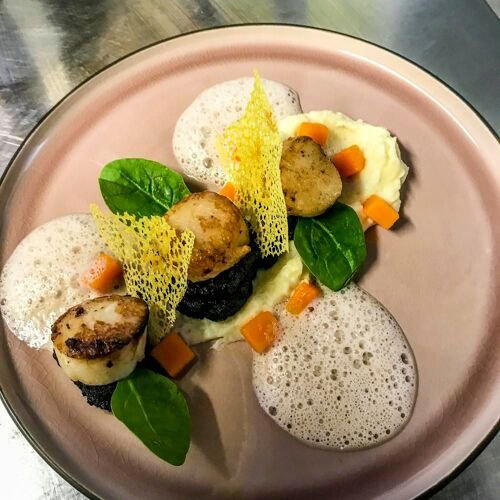
The signature appetiser documented in the Michelin guide offers a useful window into the kitchen's register: crispy parcels of grey shrimps with a frothy espuma of cod and samphire. The technique is present and visible, the espuma and the crisp parcel requiring distinct execution, but the dish does not call attention to its own complexity. The flavour logic is direct: coastal, saline, lightly textured. The confit of salmon trout, paired with a beurre blanc flavoured with trout roe and served with a fermented daikon jus, follows a similar grammar. There is acid, there is fat, there is umami; the components are surprising in combination but coherent in outcome.
Among the creative-cuisine restaurants that hold Michelin recognition across Europe, including Alléno Paris au Pavillon Ledoyen, Enrico Bartolini in Milan, JAN in Munich, Quique Dacosta in Dénia, Steirereck im Stadtpark in Vienna, The Fat Duck in Bray, Cocina Hermanos Torres in Barcelona, and Jordnær in Gentofte, the range of ambition expressed through creative cuisine is wide.
Apdikt in the Luxembourg Fine Dining Context
Luxembourg's fine dining conversation has concentrated historically around French-influenced formats. Léa Linster and Ma Langue Sourit both operate at the higher price tier of €€€€, with modern and contemporary French orientations respectively. Archibald De Prince occupies the organic end of the premium market. Brasserie Côté Cour and Fani serve different registers of the city's broader dining appetite.
Apdikt at €€€ sits one tier below the city's most expensive tasting counters while holding the same Michelin-star credential as the upper bracket. That positioning is not unusual in European creative dining, where the correlation between price tier and award tier is imperfect, but it is worth noting for readers calibrating their expectations. The format is unquestionably fine dining in its pacing and commitment, while the price point reflects a deliberate choice about where the restaurant locates itself in the market rather than any compromise in ambition.
The Steinfort location, outside Luxembourg City proper, adds a small logistical consideration. The restaurant operates Tuesday through Saturday from 7 PM to 10 PM, with Sunday and Monday closed. That evening-only, five-days-a-week schedule is characteristic of a small kitchen running a demanding daily-adjusting format; maintaining it without a lunch service or a fixed menu requires a working rhythm that would be difficult to sustain across more days. Guests travelling from the city should factor in the journey, as Steinfort sits to the west of the capital.
It suggests the guest experience is consistently meeting the commitment required by the format.
Planning a Visit
Guests should approach Apdikt with the expectation that the meal is the fixed point of the evening rather than one element of a broader programme. The Tuesday-to-Saturday dinner schedule, the absence of a printed menu, and the drinks pairing adapted to each service all point toward a format that rewards full engagement. Because the menu changes daily based on market availability, there is no standard sequence to prepare for or to compare between visits. This works in the restaurant's favour for returning guests: the experience does not repeat itself in any meaningful sense.
For those building a broader picture of Luxembourg's restaurant scene, EP Club's full Luxembourg restaurants guide provides wider coverage, alongside guides to hotels, bars, wineries, and experiences across the country.
Frequently asked questions
What do regulars order at Apdikt?
The question is structurally unanswerable at Apdikt in the way it would be elsewhere, because the menu does not repeat. There is no signature main course to return for, no fixed tasting sequence that accumulates a following. What Michelin's documented record identifies as characteristic of the kitchen is the appetiser of crispy grey shrimp parcels with cod espuma and samphire, a dish that appears consistently enough to function as an introduction to Van Wetteren's style: technically grounded, coastal in flavour, restrained in its execution. The vegetable courses, particularly preparations involving root vegetables treated with extended cooking methods, have drawn specific mention from observers. Beyond that, regulars are, by design, ordering whatever the market and the chef have produced that day, which is precisely the point of the format. The cuisine and awards record confirm that the combinations hold across iterations; the specific dishes change with the season and the supply.
Category Peers
A quick peer check to anchor this venue’s price and recognition.
| Venue | Cuisine | Price | Awards | Notes |
|---|---|---|---|---|
| ApdiktThis venue (the venue you are viewing) | French Contemporary Fine Dining | $150–200 | 1 Michelin Star · We're Smart World 2 Radishes | Not listed |
| Ma Langue Sourit | Modern French Fine Dining | $150–200 | 2 Michelin Stars · La Liste Top Restaurants | Contemporary French, Modern Cuisine |
| Léa Linster | Modern French Fine Dining | Not listed | 2 Michelin Stars · La Liste Top Restaurants | Modern French |
| Grünewald Chef’s Table | Modern French Chef's Table | $100–150 | 1 Michelin Star | Modern Cuisine |
| Guillou Campagne | Traditional French Country Bistro | $100–150 | 1 Michelin Star | Classic French |
| Archibald De Prince | Creative French Fine Dining | $100–150 | 1 Michelin Star · We're Smart World 4 Radishes | Organic |
Recognition history
Dated appearances from independent guides and award organizations, with the underlying list record or original source where available.
Michelin 1 Star
Michelin
We're Smart World 2 Radishes
We're Smart World
Full recognition history (4 entries)
Michelin 1 Star
Michelin
Michelin 1 Star
Michelin
Continue exploring
More in Luxembourg
Restaurants in Luxembourg
All restaurants in Luxembourg →
Bars in Luxembourg
All bars in Luxembourg →
Hotels in Luxembourg
All hotels in Luxembourg →

Details
- Modern
- Cozy
- Elegant
- Intimate
- Sophisticated
- Date Night
- Special Occasion
- Celebration
- Open Kitchen
- Extensive Wine List
- Tasting Menu
- Vegetarian Friendly
- Allergy Accommodating
Current opening hours
- Monday
- Closed
- Tuesday
- 7–10 PM
- Wednesday
- 7–10 PM
- Thursday
- 7–10 PM
- Friday
- 7–10 PM
- Saturday
- 7–10 PM
- Sunday
- Closed
Hours can change for holidays and private events. Hours as of .
Cozy and modern with herringbone parquet floors, subtle manga references, well-spaced tables, warm lighting, and an open kitchen creating a laid-back yet sophisticated atmosphere.